In today’s technology-driven world, LED displays have become ubiquitous, appearing everywhere from smartphones and televisions to billboards and vehicle dashboards. But what exactly does LED mean, and how do LED displays work? This article delves into the meaning of LED, explores the technology behind LED displays, and highlights their applications, advantages, and future trends.
Understanding the Meaning of LED
What Does LED Stand For?
LED stands for Light Emitting Diode. It is a semiconductor device that emits light when an electric current passes through it. Unlike traditional incandescent bulbs that produce light by heating a filament, LEDs generate light through electroluminescence, a process where electrons recombine with holes within the device, releasing energy in the form of photons.
The Science Behind LEDs
At the core of an LED is a chip made from semiconductor materials such as gallium arsenide or gallium nitride. When voltage is applied, electrons move across the junction between the p-type and n-type semiconductors, releasing energy as visible light. The color of the light depends on the materials used and the energy band gap of the semiconductor.
This efficient light production mechanism means LEDs consume significantly less power than traditional lighting sources, have longer lifespans, and can be manufactured in a wide range of colors without the need for filters. Additionally, the compact size of LEDs allows for innovative designs in lighting applications, enabling them to be used in everything from small electronic devices to large-scale architectural lighting. Their durability and resistance to shock also make them ideal for outdoor and industrial use, where traditional bulbs might fail.
Moreover, the versatility of LEDs extends beyond mere illumination. They are increasingly being utilized in various technologies, such as displays in televisions and smartphones, where their ability to produce vibrant colors and deep contrasts enhances visual experiences. Furthermore, advancements in LED technology are paving the way for smart lighting solutions that can be controlled remotely, adjusted for brightness, or even programmed to change colors based on time or mood, thus integrating seamlessly into modern smart home systems.
How LED Displays Work
Basic Structure of an LED Display
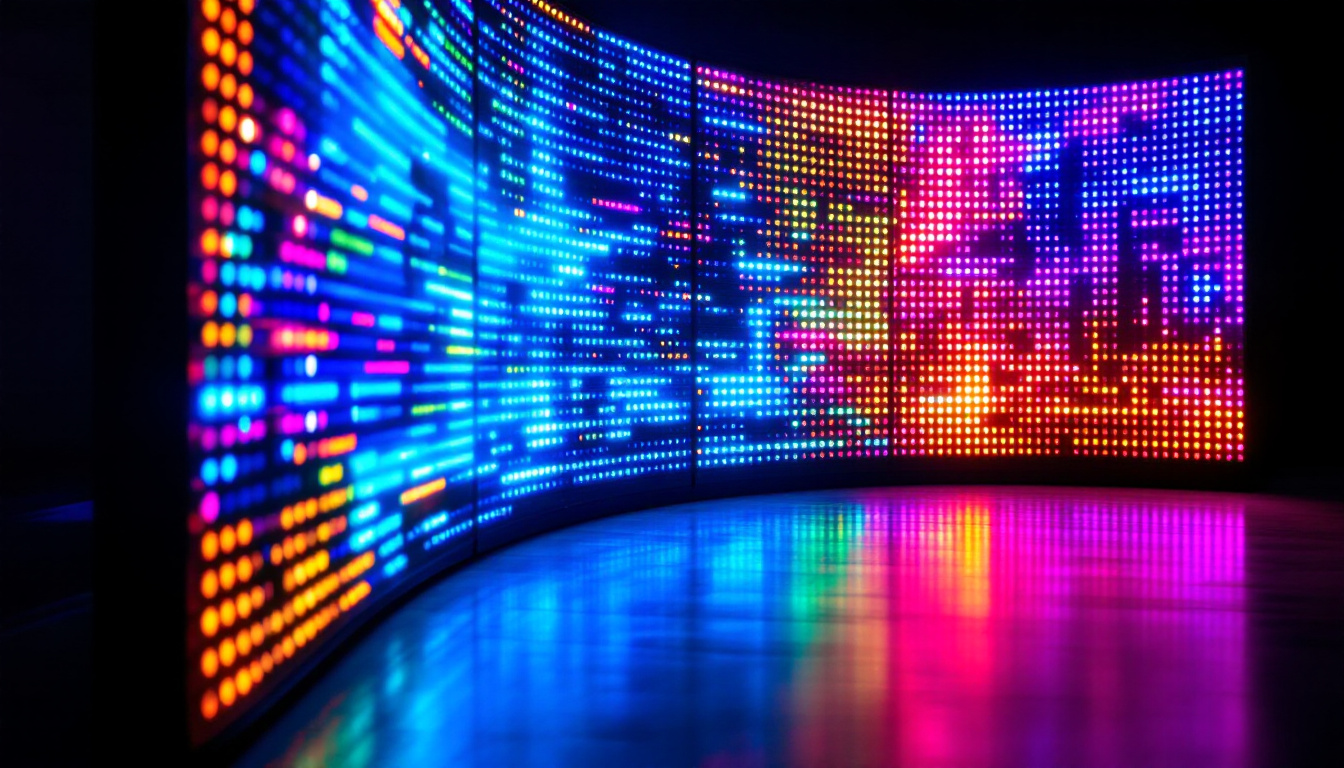
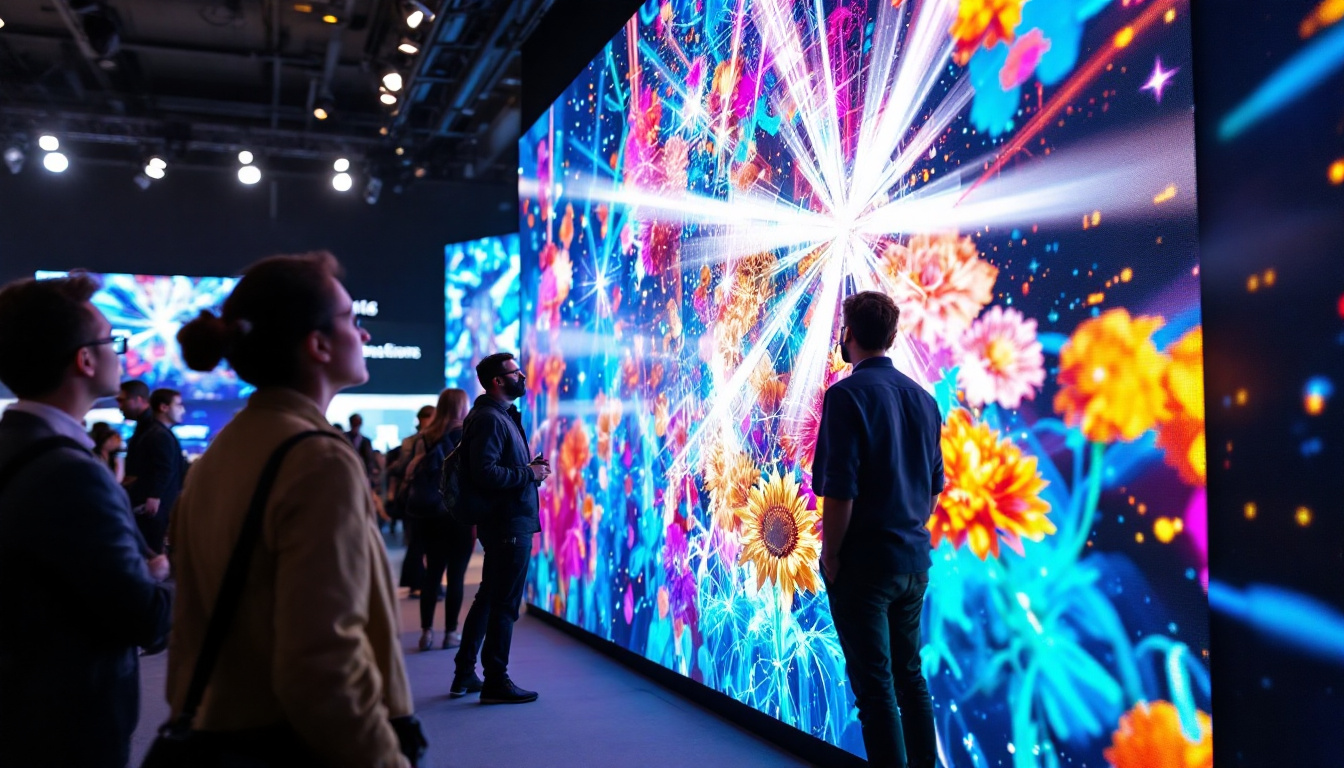
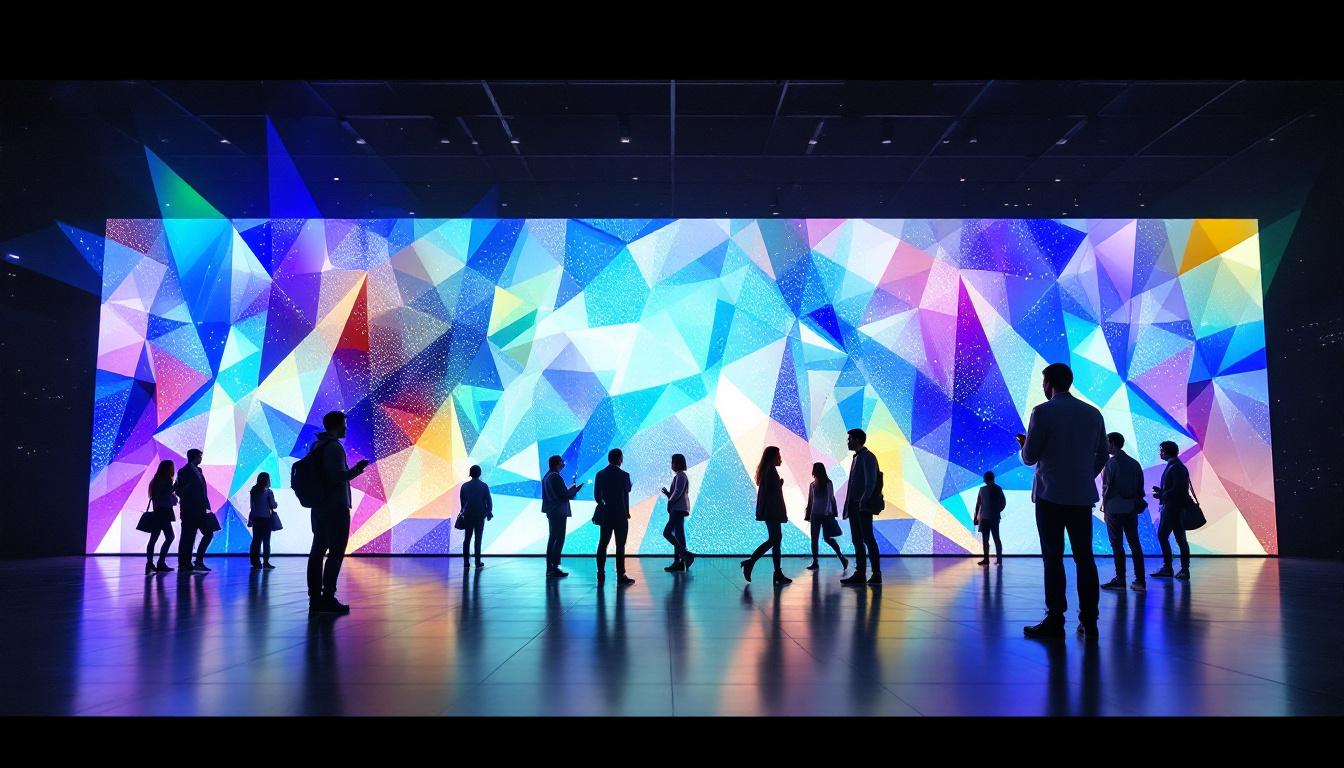
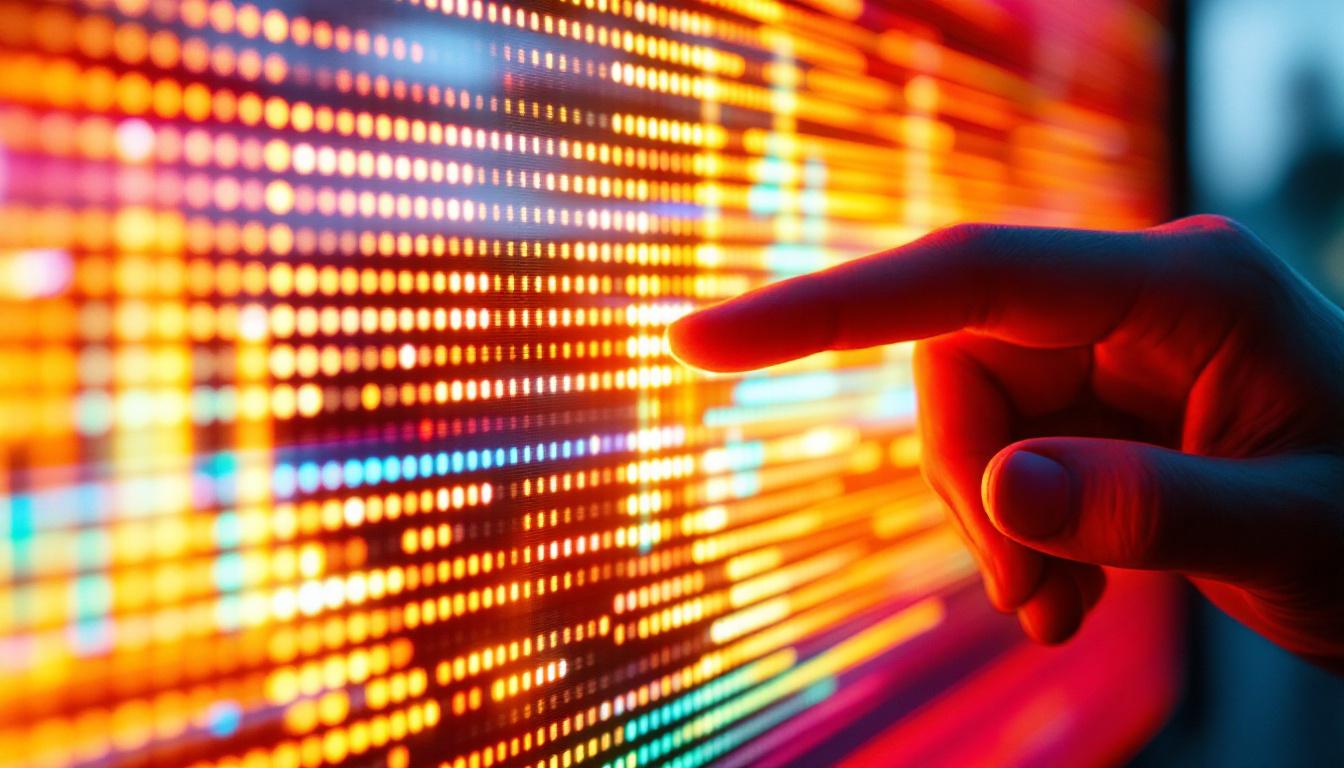
An LED display is a flat panel display that uses an array of light-emitting diodes as pixels to create images. Each pixel typically consists of one or more LEDs that emit red, green, and blue light, which combine to produce a full spectrum of colors through additive color mixing. This innovative approach to display technology allows for vibrant visuals that can be tailored to various environments and applications.
The LEDs are arranged in a grid, and by controlling the intensity of each LED, the display can produce images, videos, and text with high brightness and contrast. This makes LED displays ideal for both indoor and outdoor use, even in direct sunlight. The durability of LEDs also contributes to their popularity, as they are less susceptible to damage from environmental factors compared to traditional display technologies. Moreover, the longevity of LED lights means that they can operate for tens of thousands of hours, significantly reducing maintenance costs and the frequency of replacements.
Types of LED Displays
There are several types of LED displays, each suited to different applications:
- Direct View LED Displays: These displays use LEDs as the actual pixels, providing vibrant colors and high brightness. They are commonly used in large outdoor billboards, stadium screens, and digital signage. The ability to customize the pixel pitch (the distance between the centers of two adjacent pixels) allows for flexibility in design, enabling displays to be tailored for close viewing or long-distance visibility, depending on the intended use.
- LED-backlit LCD Displays: In this type, LEDs serve as the backlighting source behind an LCD panel. This technology is prevalent in televisions, computer monitors, and smartphone screens, offering improved brightness and energy efficiency compared to older CCFL backlights. The integration of LED backlighting has also led to advancements in color accuracy and contrast ratios, making these displays a popular choice for professionals in graphic design and photography.
- MicroLED Displays: An emerging technology where microscopic LEDs form the pixels themselves, promising even higher brightness, contrast, and energy efficiency than OLED and traditional LED-backlit LCDs. MicroLEDs are particularly exciting due to their potential for modularity, allowing users to create large displays by combining smaller panels seamlessly. This flexibility opens up new possibilities for innovative display designs, such as curved or irregular shapes that can fit unique spaces.
In addition to these types, LED technology continues to evolve, with advancements in areas such as flexible LED displays, which can bend and conform to various surfaces, and transparent LED displays, which allow for creative applications in retail and advertising. These innovations not only enhance the visual experience but also expand the possibilities for integrating displays into architecture and everyday environments, making LED technology a cornerstone of modern visual communication.
Applications of LED Displays
Consumer Electronics
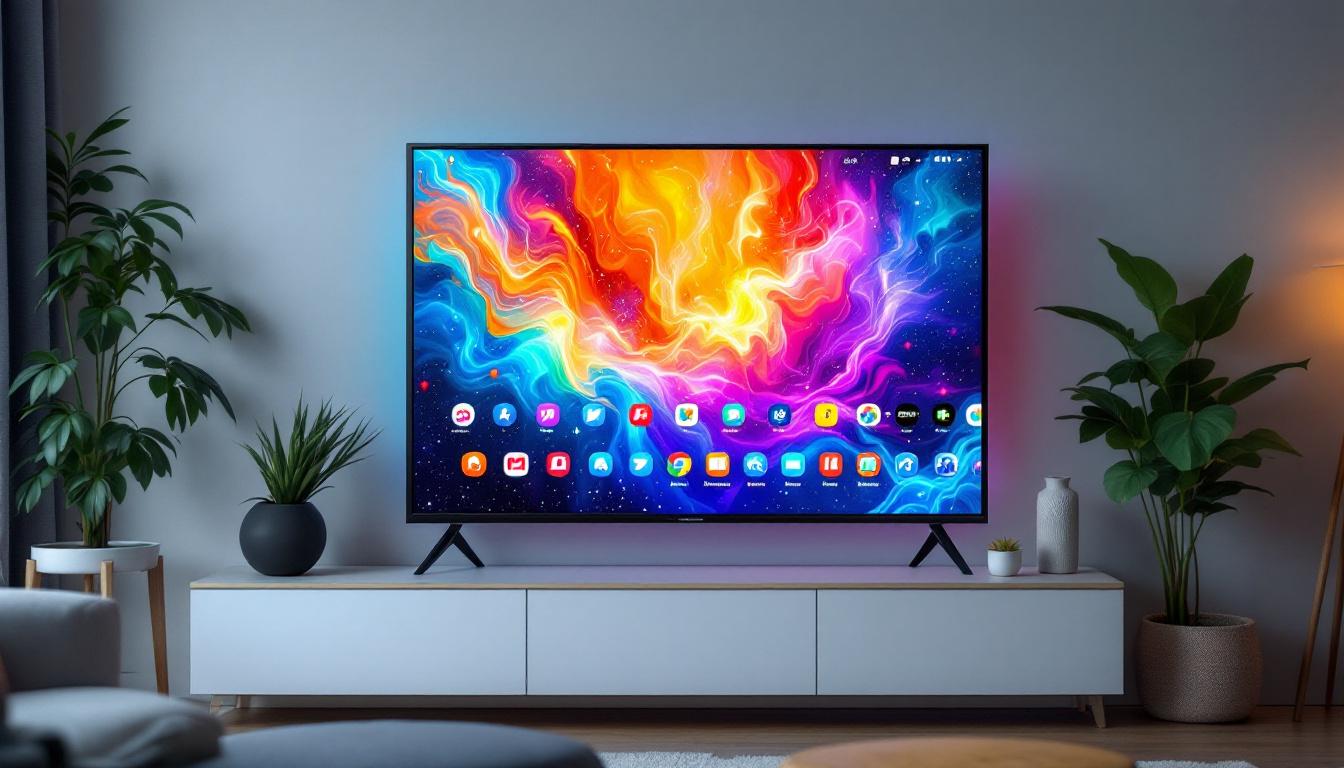
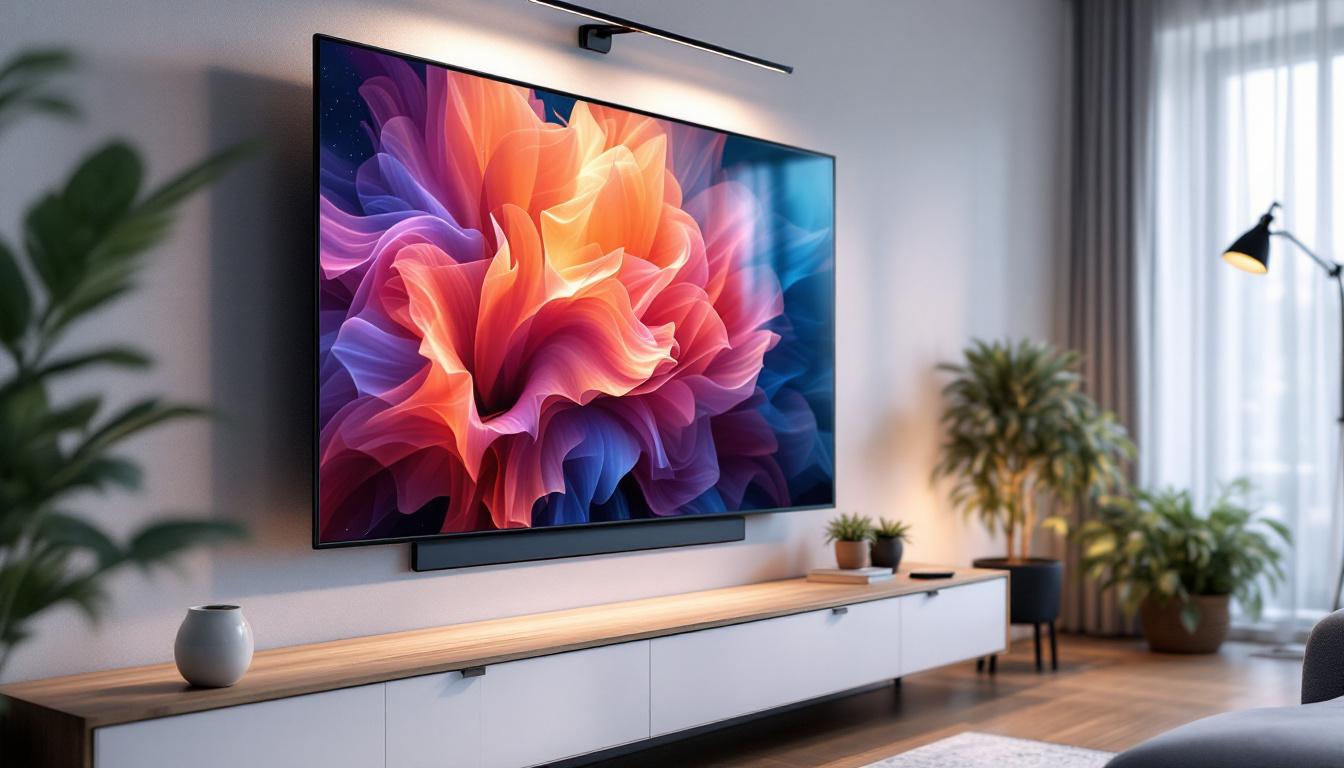
LED technology has revolutionized consumer electronics. LED-backlit LCDs dominate the television market, providing brighter images and thinner designs. Smartphones and tablets use LED or OLED displays for vibrant color reproduction and energy savings, enhancing user experience.
Wearable devices like smartwatches also rely on LED displays for clear visibility under various lighting conditions. The compact size and low power consumption of LEDs make them ideal for portable electronics.
Advertising and Public Information
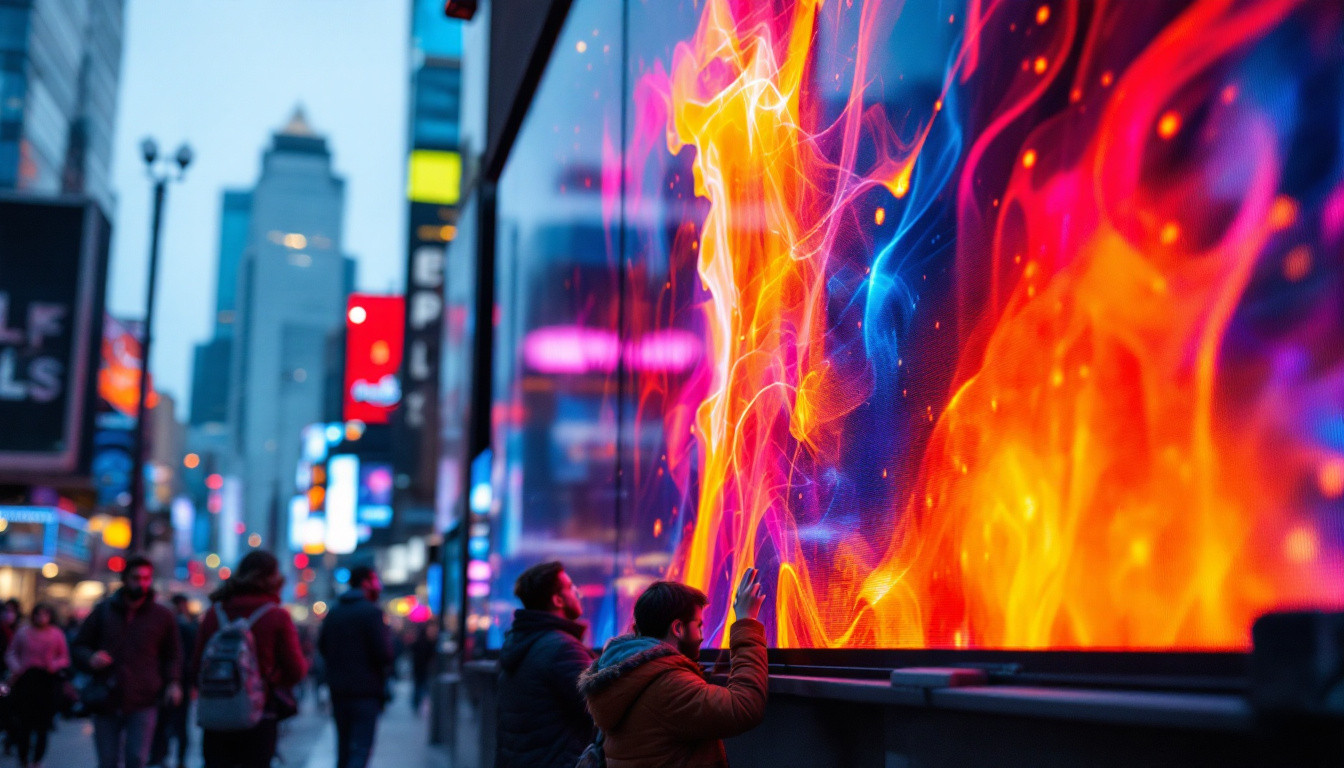
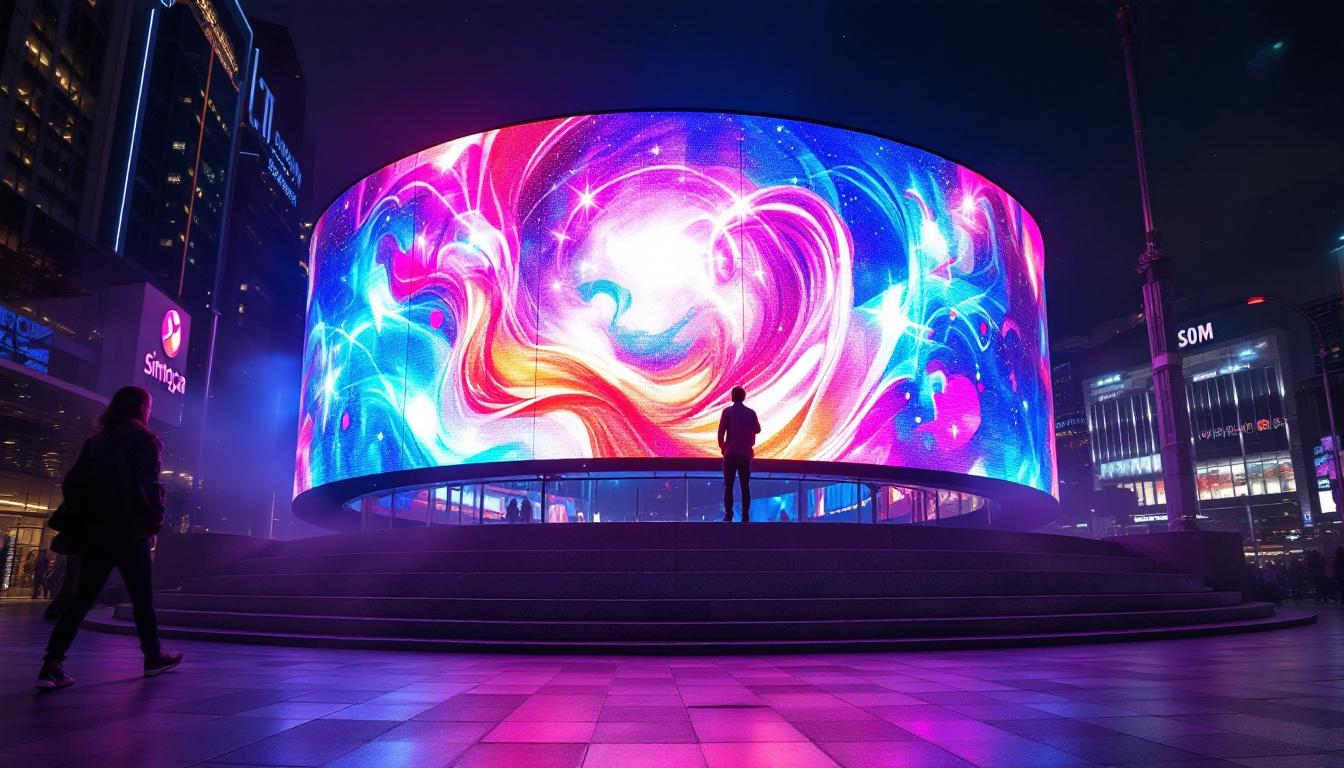
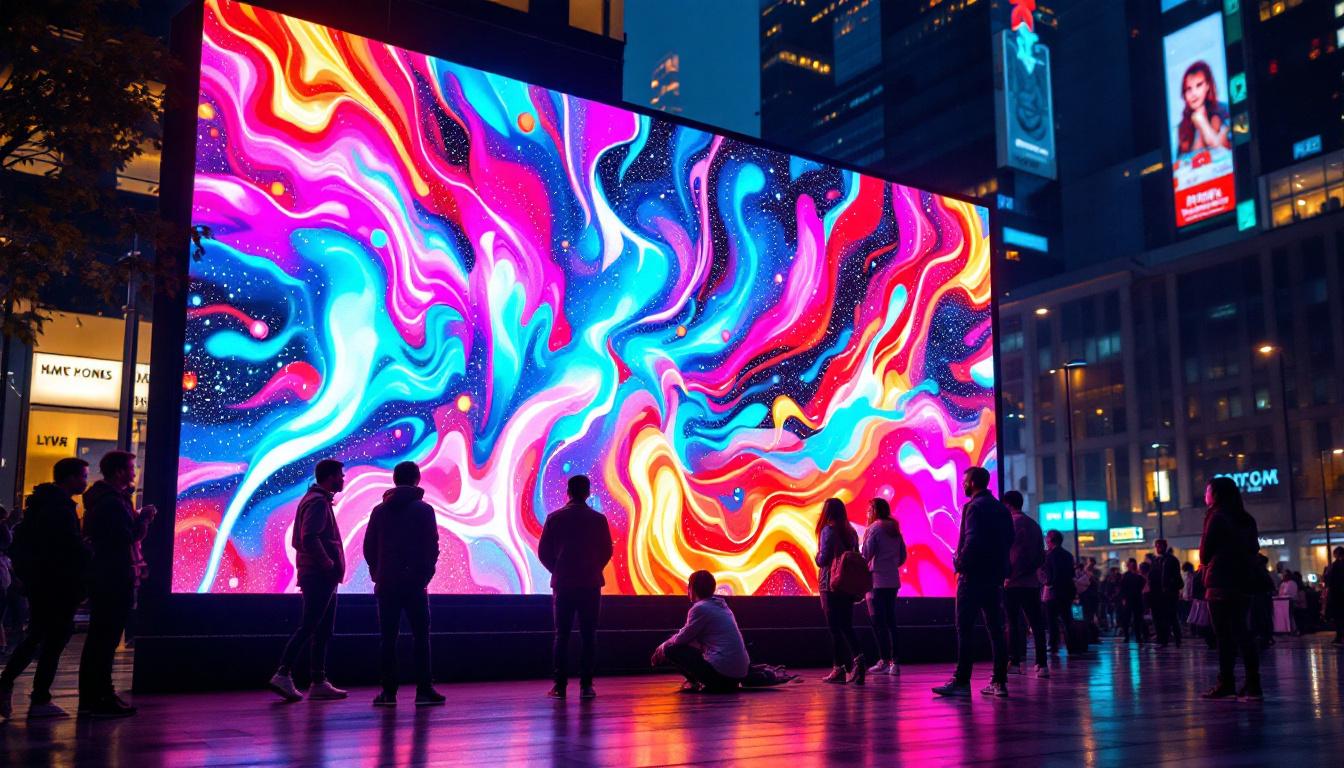
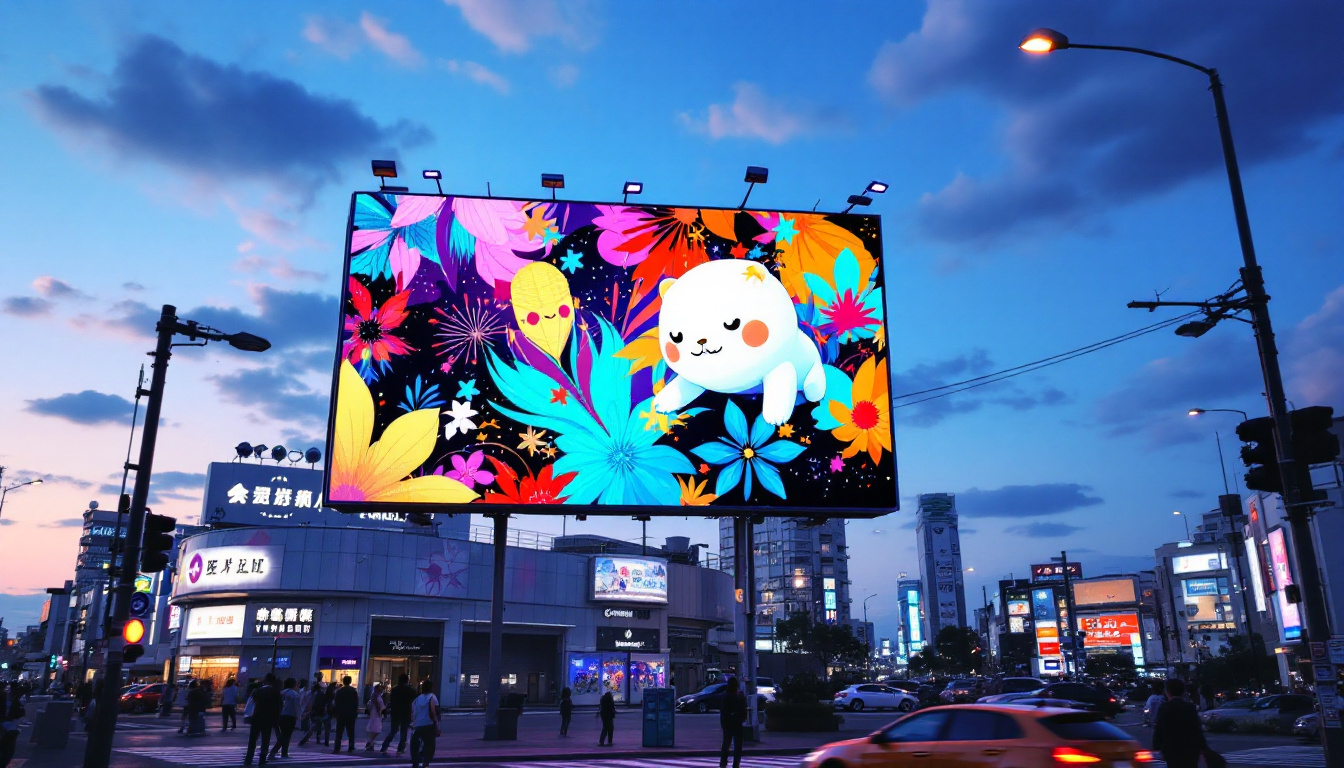
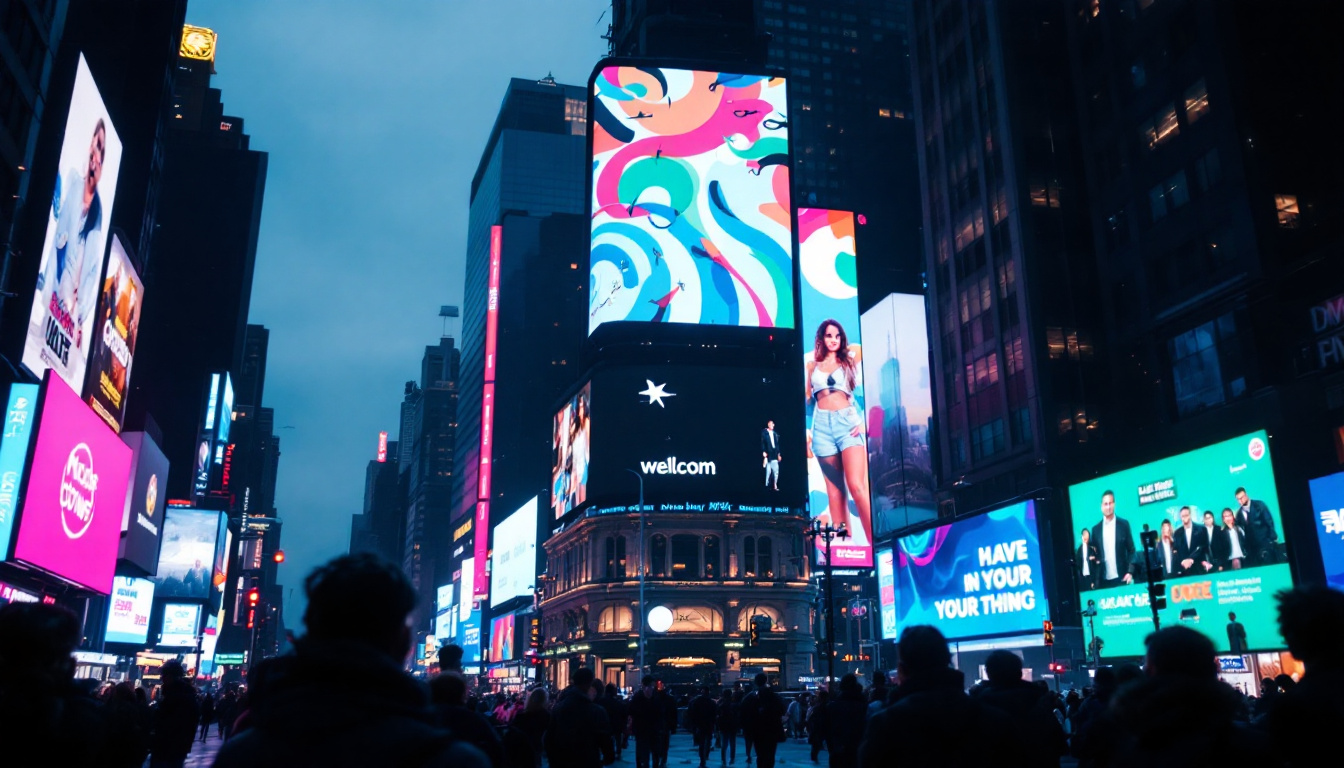
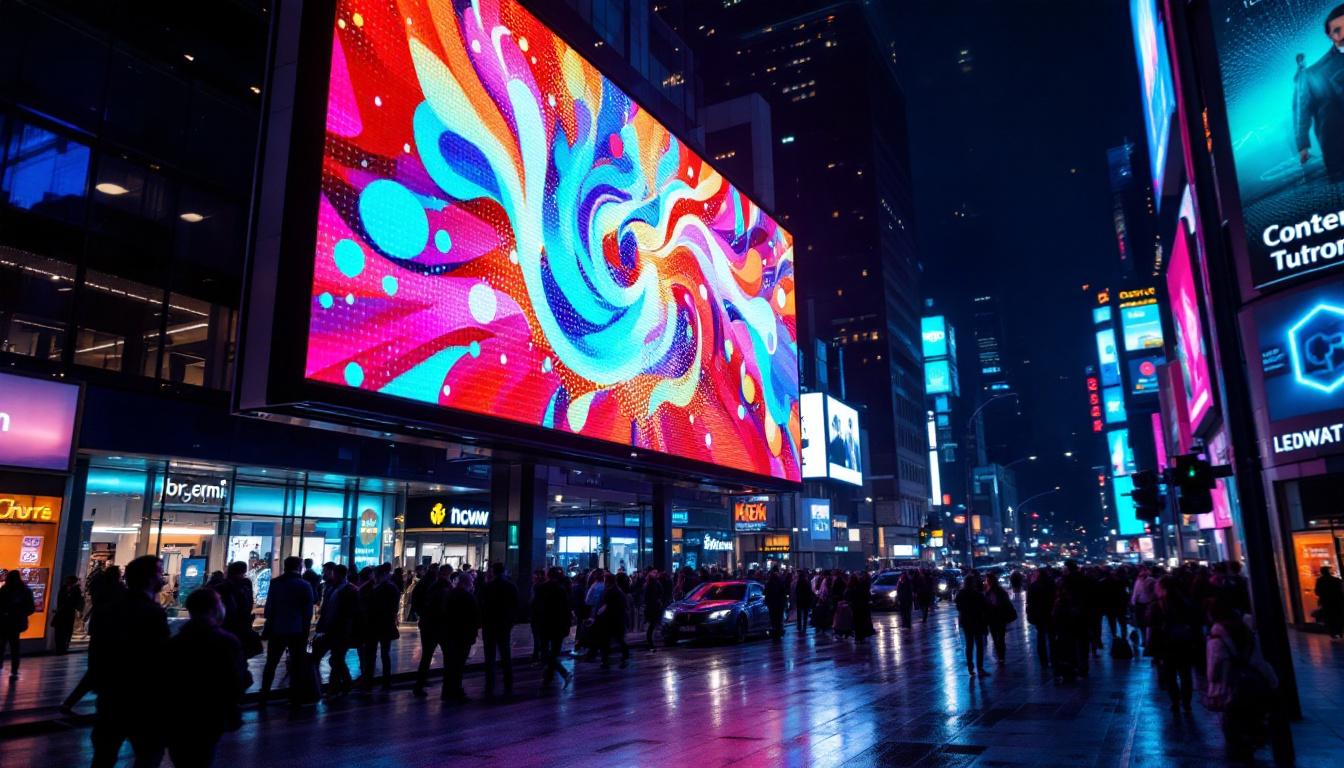
One of the most visible uses of LED displays is in advertising. Large-format LED billboards and digital signage are common in urban centers worldwide. These displays offer dynamic content capabilities, allowing advertisers to update messages in real-time and display animations or videos.
LED displays are also used in transportation hubs, stadiums, and public spaces to provide real-time information such as schedules, announcements, and emergency alerts. Their high brightness ensures readability even in bright daylight.
Automotive and Industrial Uses
In the automotive sector, LED displays are used in dashboards, head-up displays, and exterior lighting. Their durability and energy efficiency contribute to vehicle safety and performance. Industrial applications include control panels, machine status indicators, and large-scale video walls in command centers.
Advantages of LED Displays
Energy Efficiency and Longevity
One of the primary benefits of LED displays is their energy efficiency. LEDs consume up to 80% less power than incandescent lighting and significantly less than plasma or traditional LCD backlighting. This efficiency translates into lower operating costs and reduced environmental impact.
Additionally, LEDs have a long operational life, often exceeding 50,000 hours. This durability reduces maintenance costs and downtime, especially important for large-scale installations like outdoor billboards or stadium displays.
Brightness and Color Quality
LED displays offer superior brightness levels, making them visible in various lighting conditions, including direct sunlight. Their ability to produce a wide color gamut ensures vivid and accurate color reproduction, enhancing the visual experience for viewers.
High contrast ratios and fast response times also contribute to sharp, clear images and smooth video playback, which are critical for both entertainment and informational displays.
Design Flexibility and Scalability
LED technology allows for flexible design options. LED panels can be manufactured in various sizes and shapes, including curved and transparent displays. This versatility enables creative applications in architecture, retail, and events.
Scalability is another advantage—LED displays can be expanded by connecting multiple panels to create massive video walls or customized shapes, catering to specific spatial and visual requirements.
Challenges and Considerations
Cost Factors
While LED displays offer many benefits, initial costs can be higher than alternative technologies, especially for high-resolution or large-format installations. However, the long-term savings in energy and maintenance often justify the investment.
Heat Management
LEDs generate heat during operation, which must be managed effectively to maintain performance and longevity. Quality LED displays incorporate heat sinks and cooling systems to dissipate heat and prevent damage.
Environmental Impact
Though LEDs are more environmentally friendly than many other lighting technologies, the manufacturing process involves rare earth elements and semiconductor materials. Responsible sourcing and recycling programs are essential to minimize environmental footprint.
The Future of LED Displays
Advancements in MicroLED and Quantum Dot Technologies
Emerging technologies like MicroLED and quantum dot-enhanced LEDs promise to push the boundaries of display performance. MicroLED displays offer unparalleled brightness, contrast, and energy efficiency, with potential applications in everything from smartphones to large-scale video walls.
Quantum dots, semiconductor nanocrystals that emit precise colors when illuminated, are being integrated with LED backlights to achieve even wider color gamuts and improved color accuracy in LCD displays.
Integration with Smart Technologies
LED displays are increasingly being integrated with smart technologies such as IoT (Internet of Things) and AI (Artificial Intelligence). This integration enables dynamic content adaptation, energy optimization, and enhanced interactivity, transforming how users engage with digital displays.
Sustainability and Eco-Friendly Innovations
Future developments focus on improving the sustainability of LED displays through the use of recyclable materials, energy harvesting technologies, and more efficient manufacturing processes. These innovations aim to reduce the environmental impact while maintaining high performance standards.
Conclusion
LED, or Light Emitting Diode, technology has revolutionized the display industry by offering energy-efficient, bright, and versatile solutions for a wide range of applications. From consumer electronics to large-scale advertising and industrial uses, LED displays continue to evolve, driven by advances in materials science and electronics.
Understanding the meaning and workings of LED displays provides valuable insight into why they have become the preferred choice for modern visual communication. As technology progresses, LED displays are set to become even more integral to everyday life, combining superior performance with sustainability and smart functionality.
Explore the Future of Visual Communication with LumenMatrix
As you’ve seen, LED technology is transforming the way we interact with the world around us, offering unparalleled opportunities for innovation in visual displays. LumenMatrix stands at the forefront of this evolution, providing a diverse range of LED display solutions that bring your content to life. Whether you’re looking to enhance your brand’s visibility with an Indoor LED Wall Display, captivate passersby with an Outdoor LED Wall Display, or create a dynamic environment with a Custom LED Display, LumenMatrix has the expertise to make it happen. Embrace the future of digital signage and create immersive experiences that engage and inspire. Check out LumenMatrix LED Display Solutions and discover how we can help you communicate your message with impact and clarity.