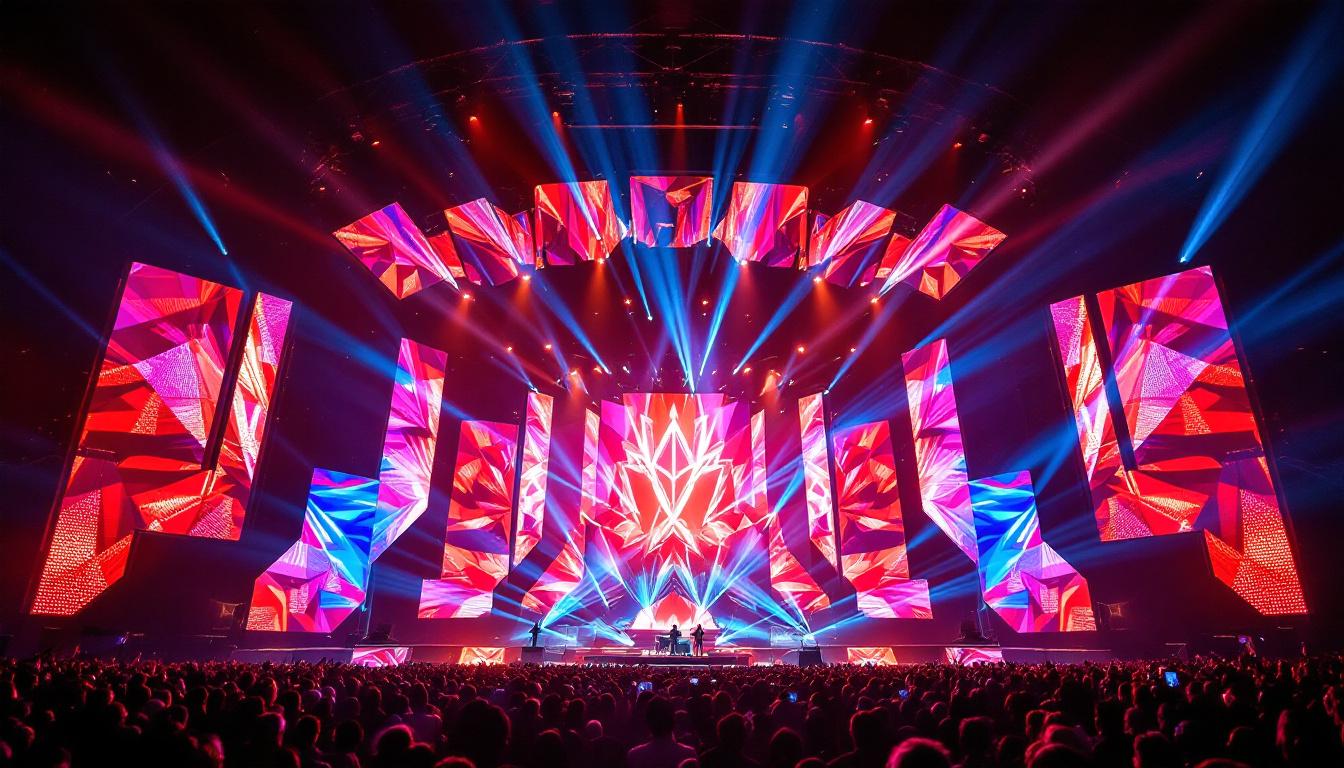
In the dynamic world of live music performances, concert stage design plays a pivotal role in creating unforgettable experiences. Among the various elements that contribute to a captivating show, LED displays have emerged as a game-changer. These vibrant, versatile screens transform stages into immersive visual landscapes, elevating the connection between artists and audiences. This article delves into the intricacies of concert LED stage design, explaining how LED displays work, their benefits, and best practices for their integration into live events.
Understanding LED Displays in Concert Settings
What Is an LED Display?
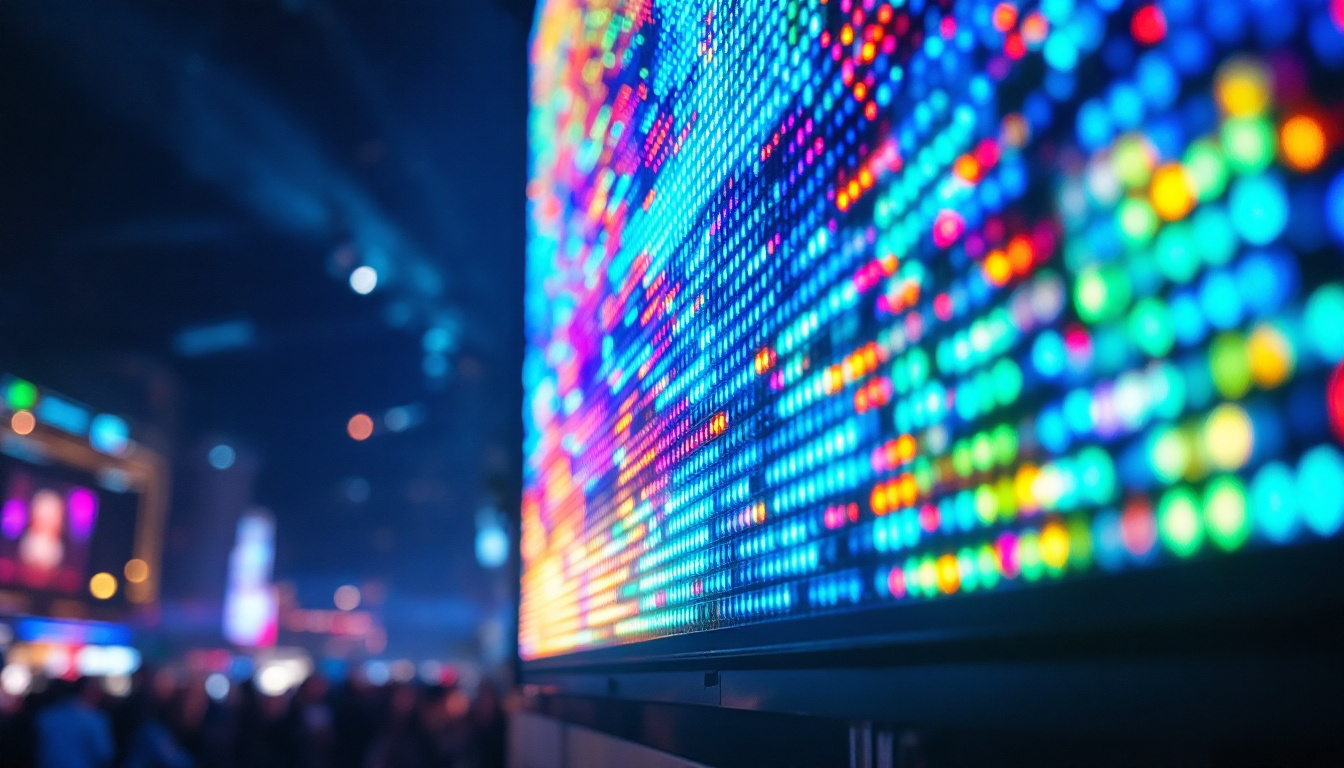
LED stands for Light Emitting Diode, a semiconductor device that emits light when an electric current passes through it. In the context of concert stage design, LED displays are large panels composed of thousands of these tiny diodes arranged in grids. Each diode acts as a pixel, capable of producing a wide range of colors by combining red, green, and blue light. When controlled collectively, these pixels form vivid images, videos, and animations that can be seen clearly from great distances.
Unlike traditional projection systems or LCD screens, LED displays are self-illuminating. This means they do not require an external light source, making them brighter and more visible in various lighting conditions, including outdoor daylight or intense stage lighting. This brightness and clarity are essential for concerts, where visibility and impact are paramount.
Types of LED Displays Used in Concerts
Concert LED displays come in different formats, each suited to specific stage design needs. The most common types include:
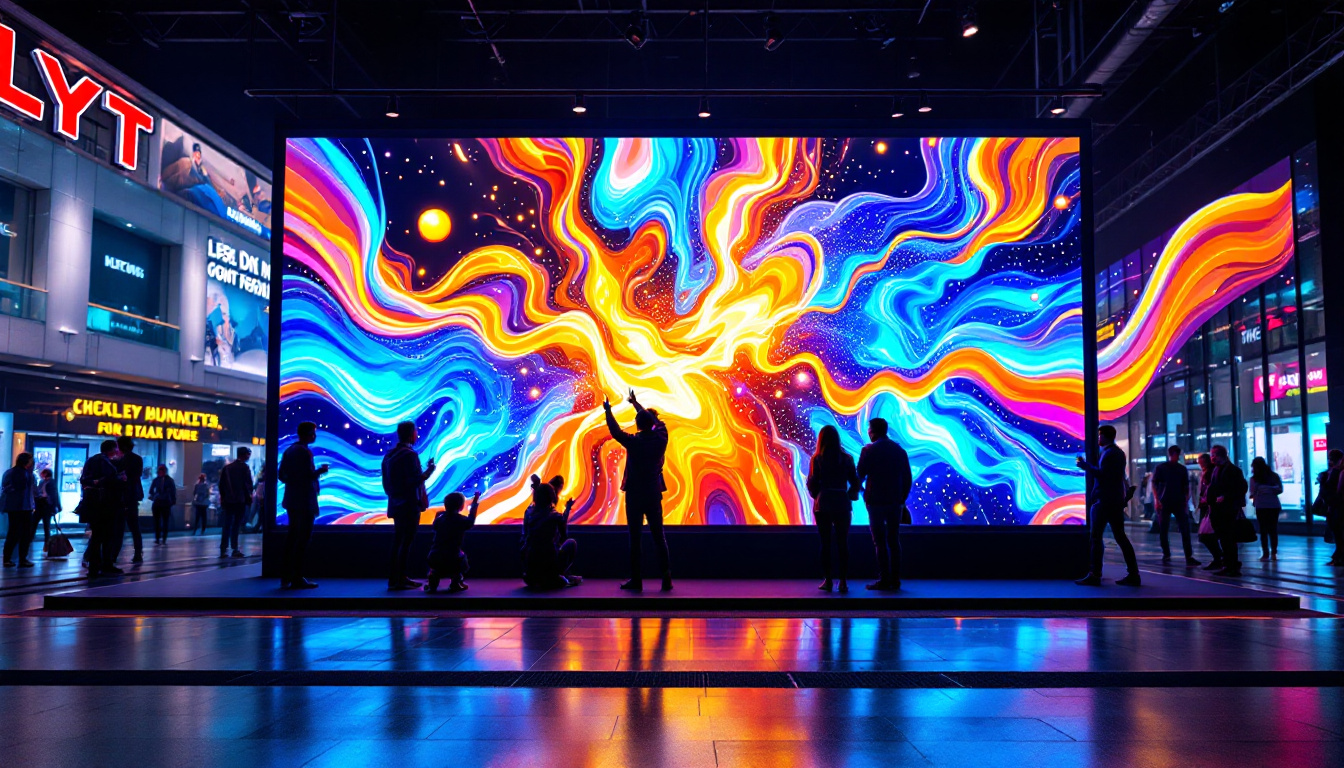
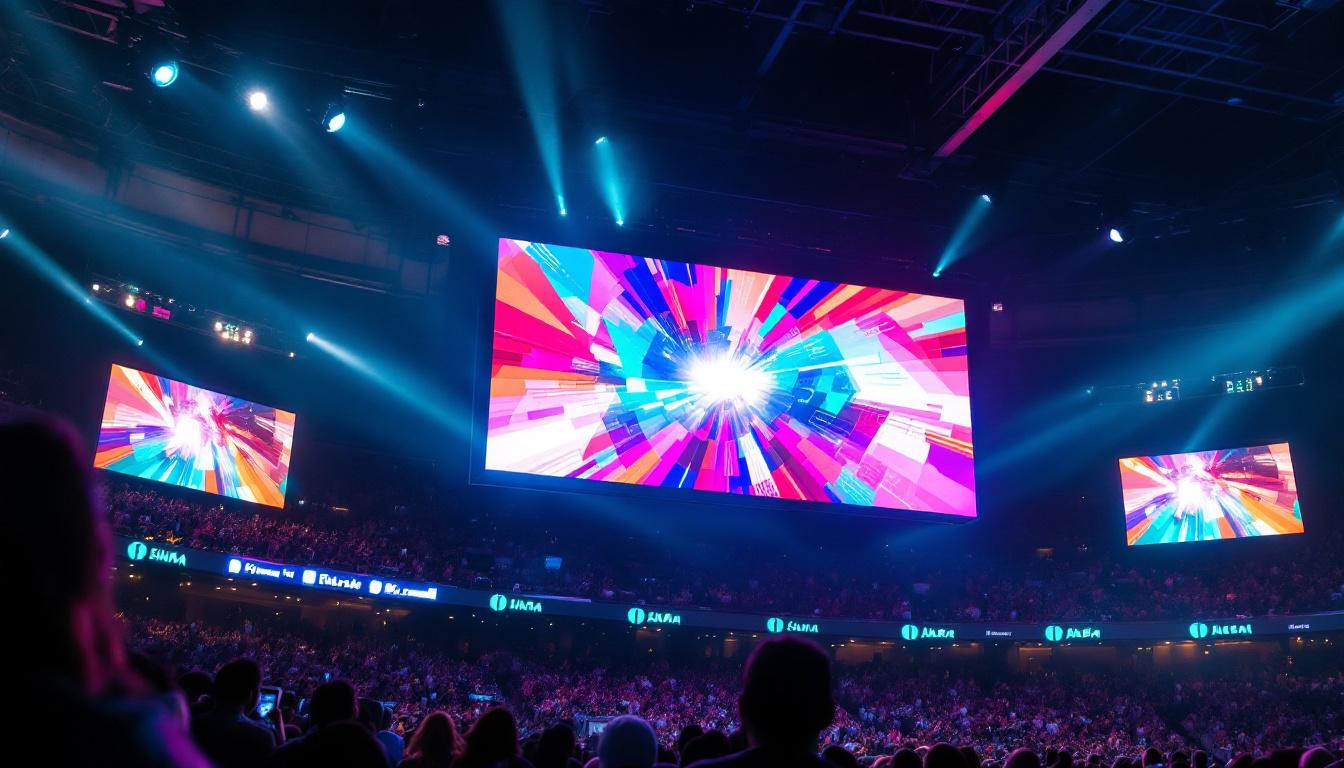
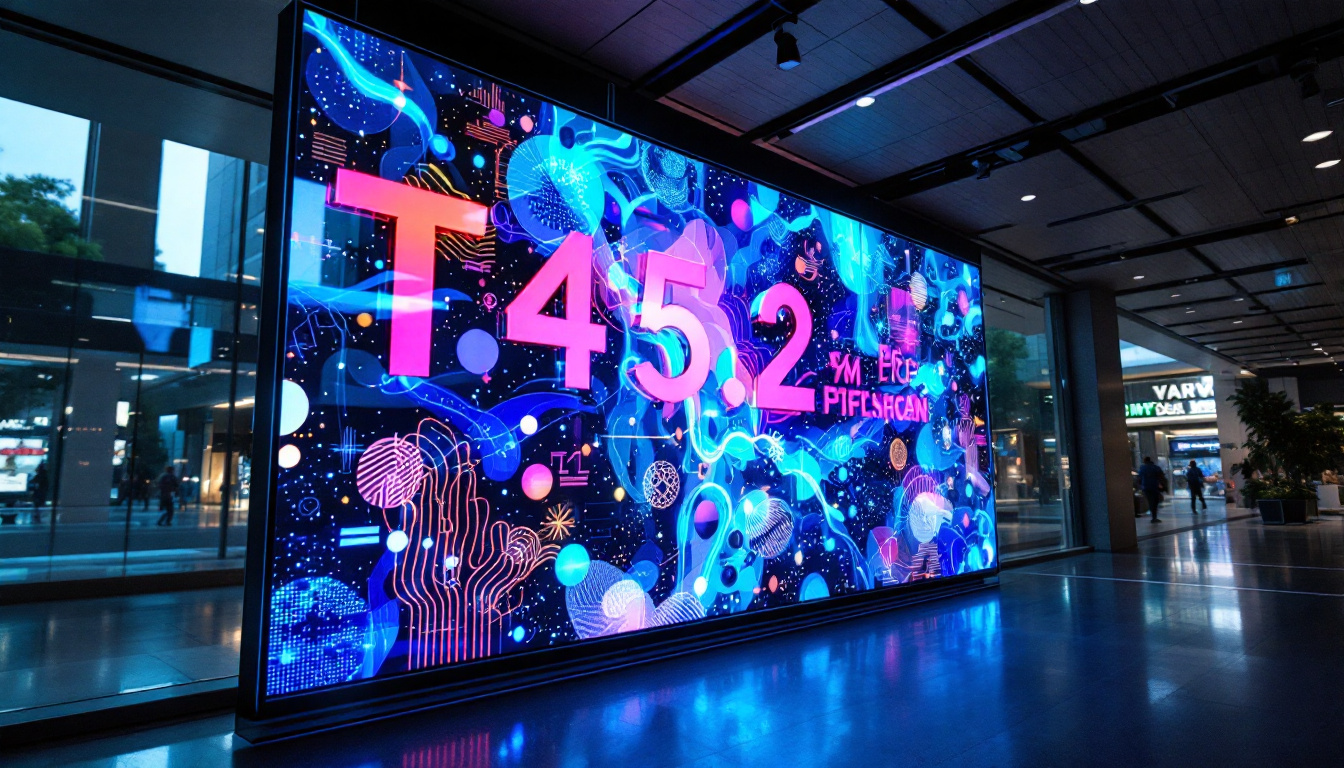
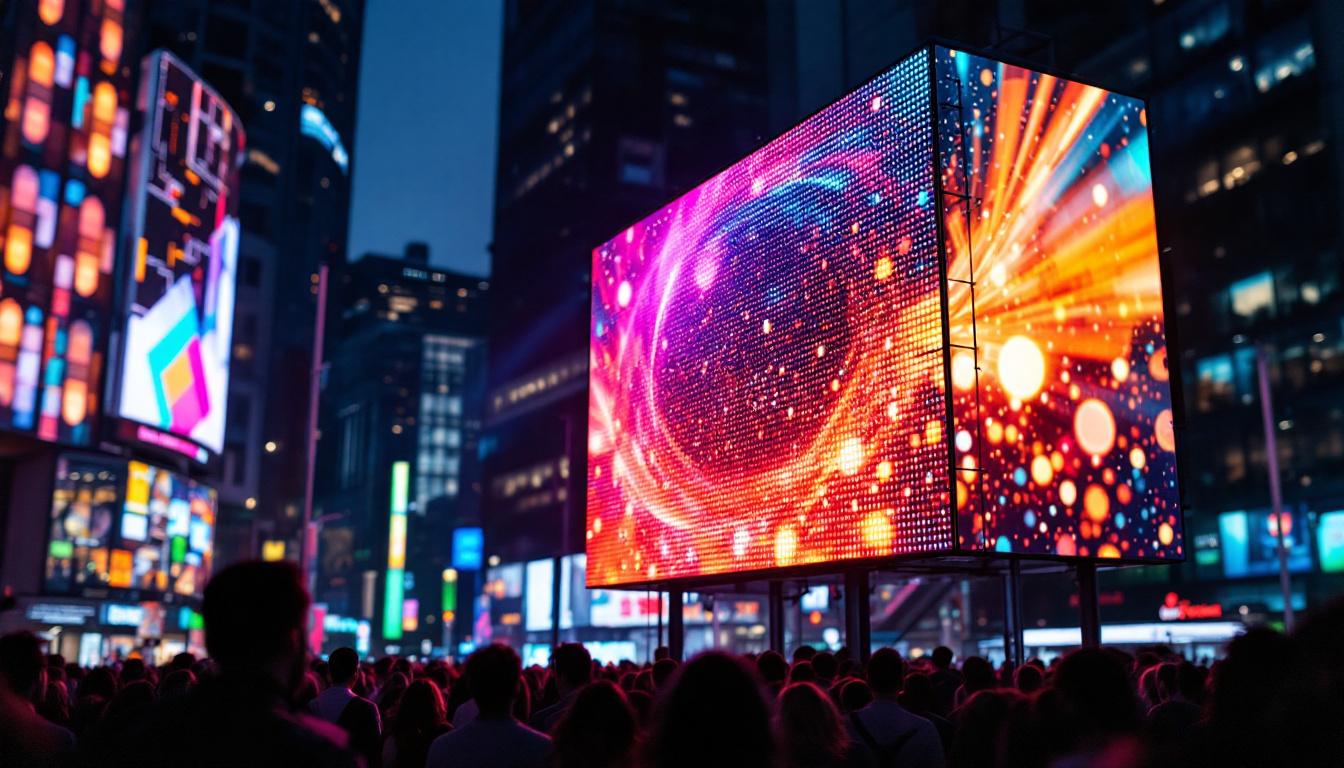
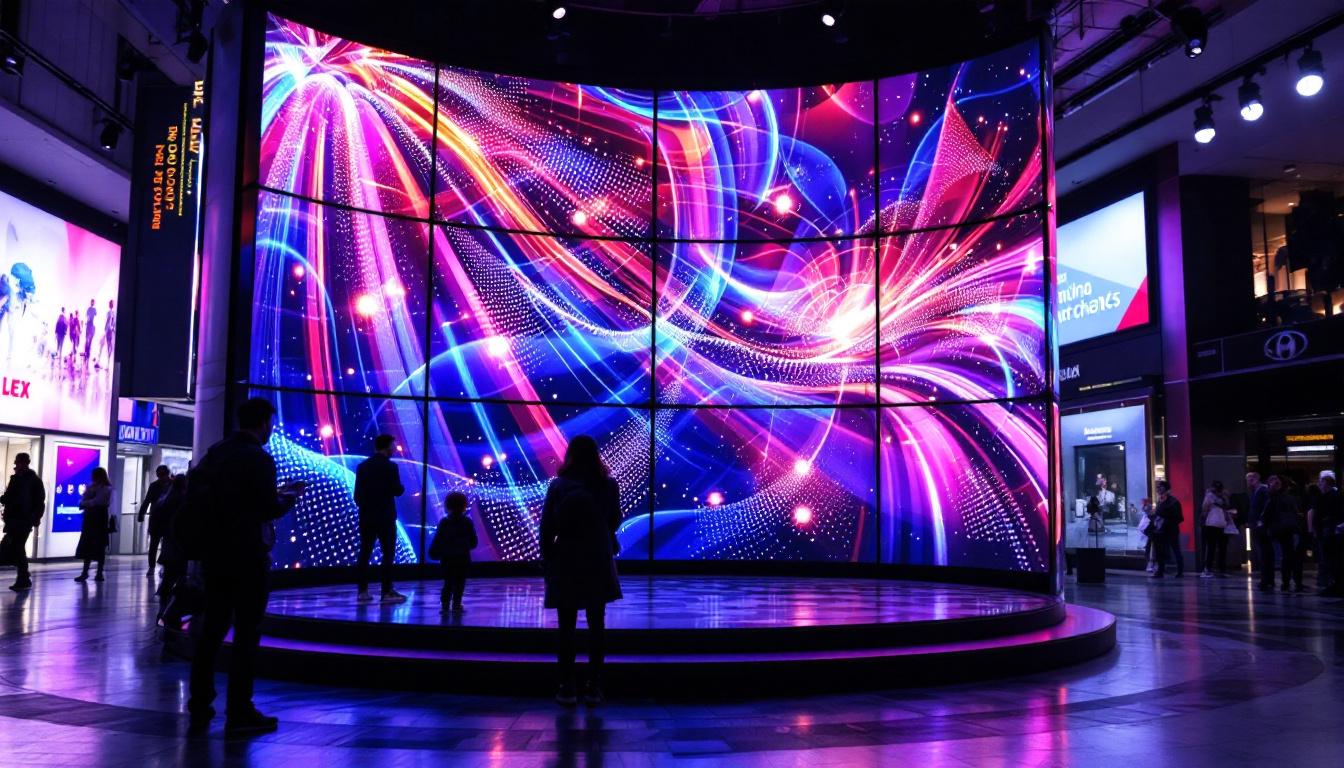
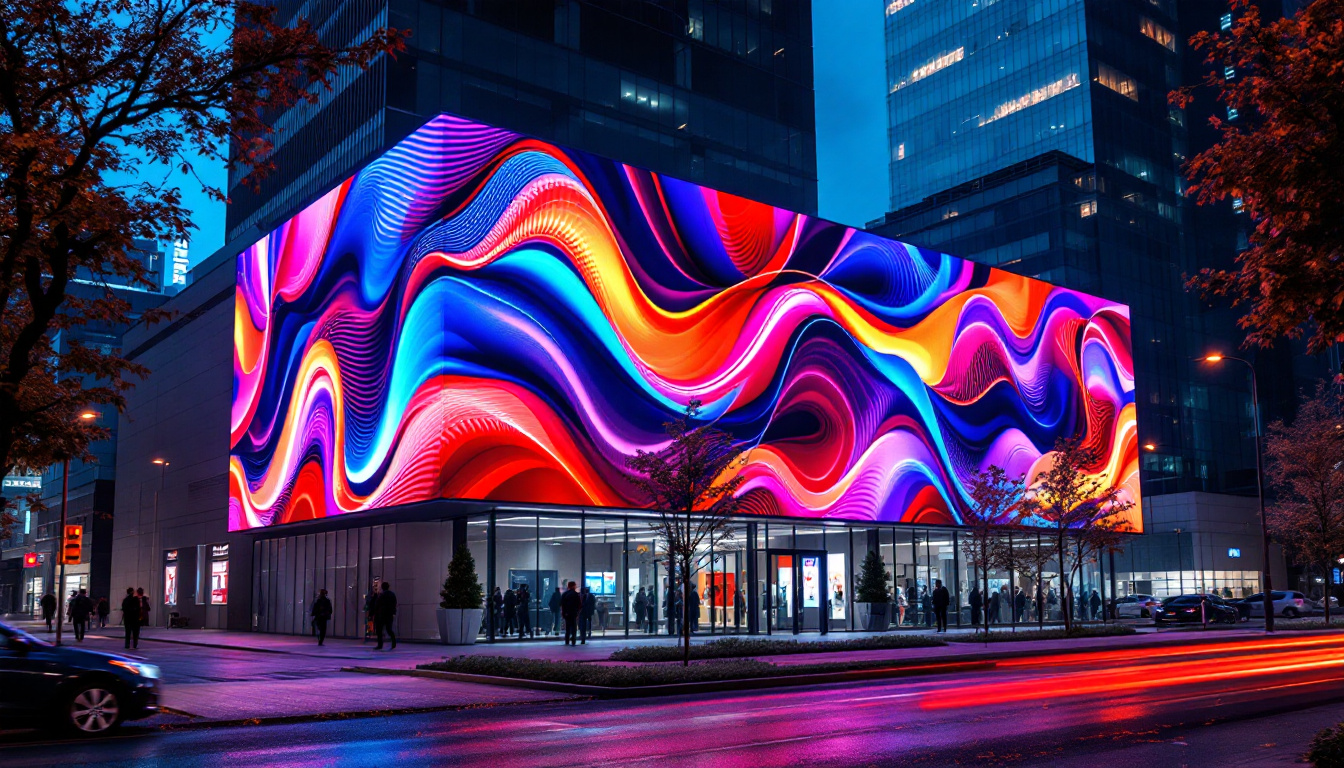
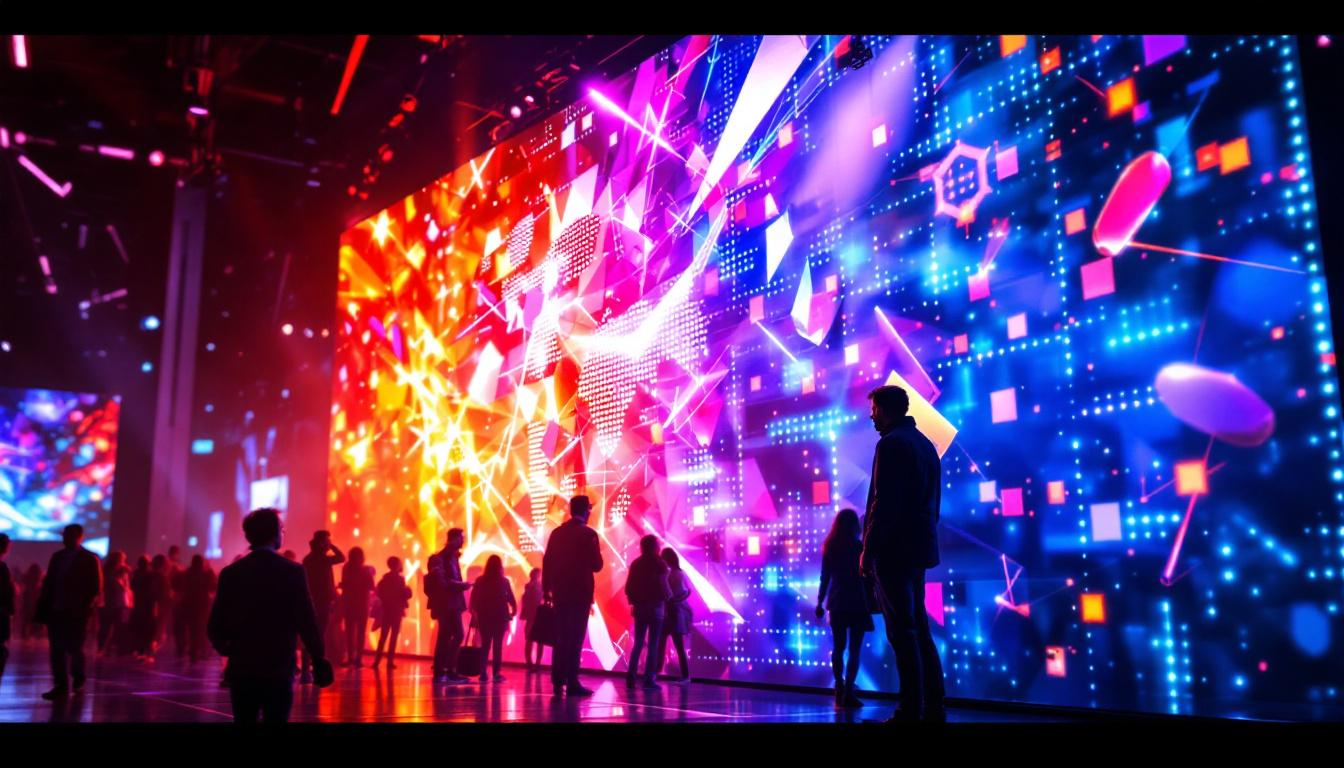
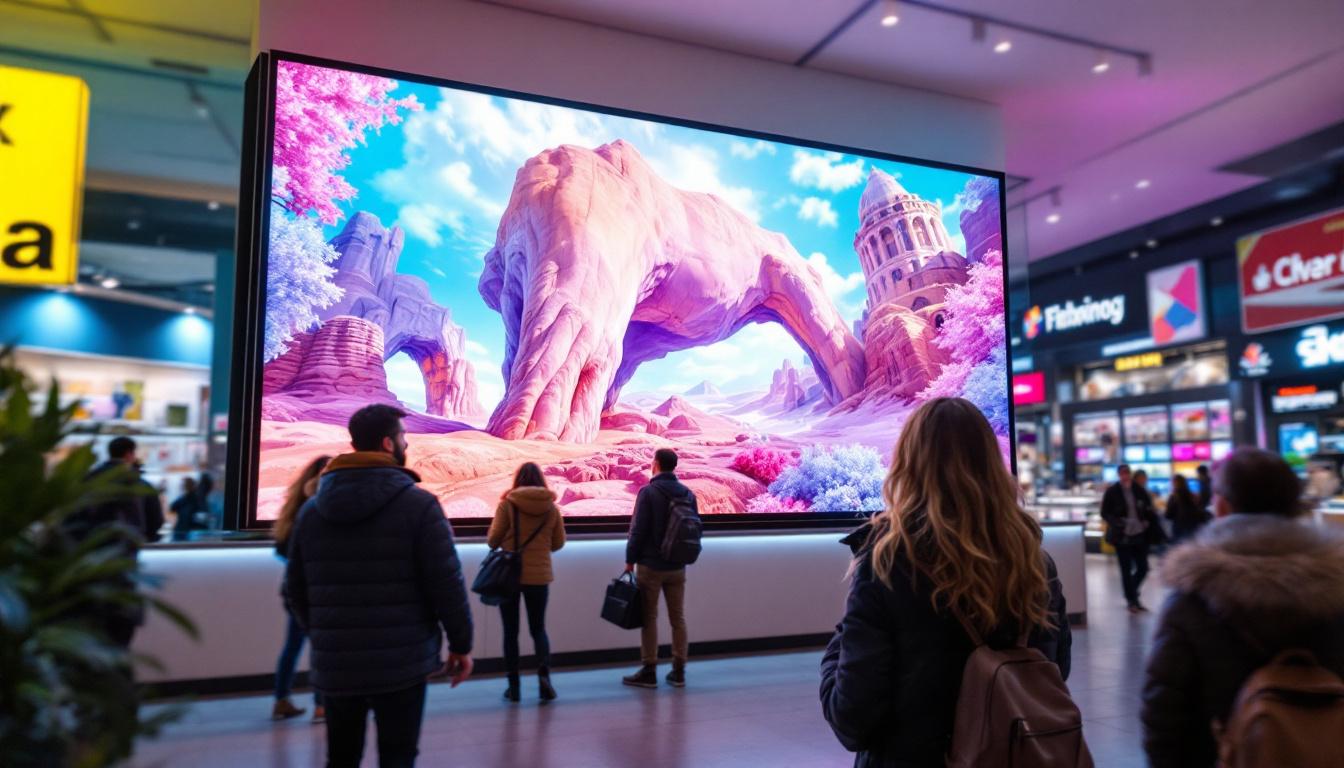
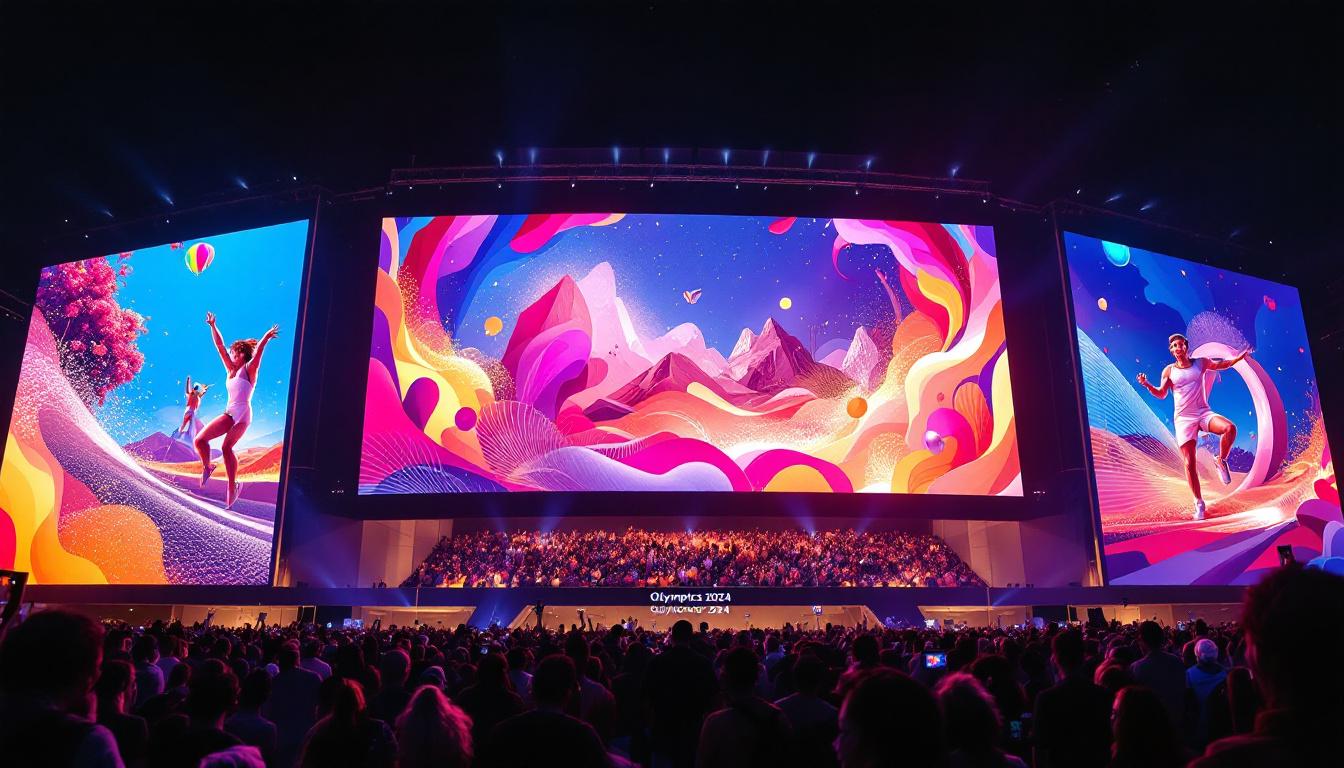
- LED Video Walls: These are large, flat panels made by assembling multiple LED modules. They can be configured in various shapes and sizes, often serving as backdrops or side screens to display live footage, graphics, or thematic visuals.
- Flexible LED Screens: Made with bendable materials, these screens can curve or wrap around stage elements, offering creative freedom in design.
- Transparent LED Screens: These allow light and visibility through the screen, enabling layering effects without blocking the view of performers or stage elements behind them.
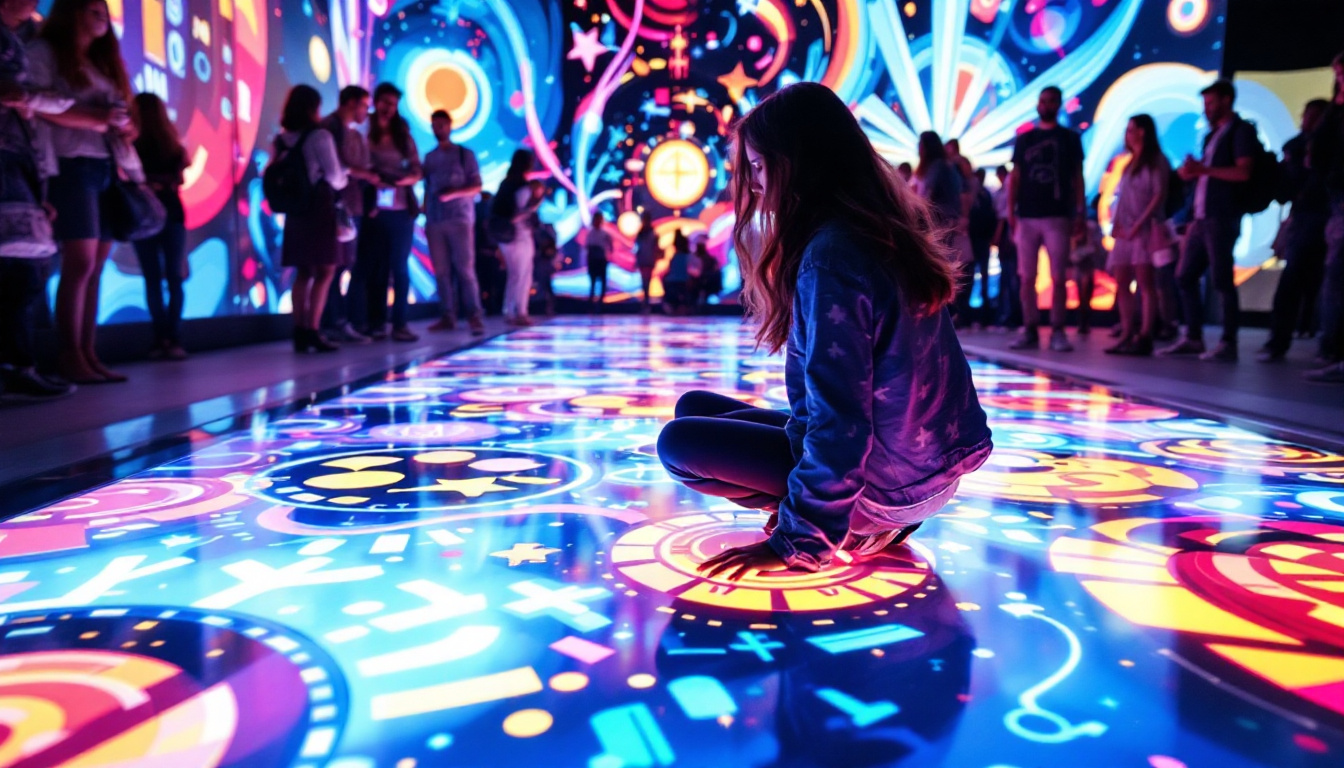
- LED Floor Panels: Installed on the stage floor, these panels add an interactive dimension, often synchronized with music and lighting.
Choosing the right type depends on the concert’s artistic vision, venue constraints, and technical requirements.
The Benefits of LED Displays in Concert Stage Design
Enhanced Visual Impact and Audience Engagement
One of the primary reasons LED displays have become ubiquitous in concert production is their ability to captivate audiences visually. High-resolution LED screens present crisp, vibrant images that can be seen clearly from all angles and distances, ensuring that even attendees far from the stage feel connected to the performance.
Dynamic content such as live camera feeds, animated graphics, and synchronized light shows can be displayed in real-time, creating a multisensory experience. This visual storytelling enhances the emotional impact of the music and helps convey the artist’s message more powerfully.
Flexibility and Customization
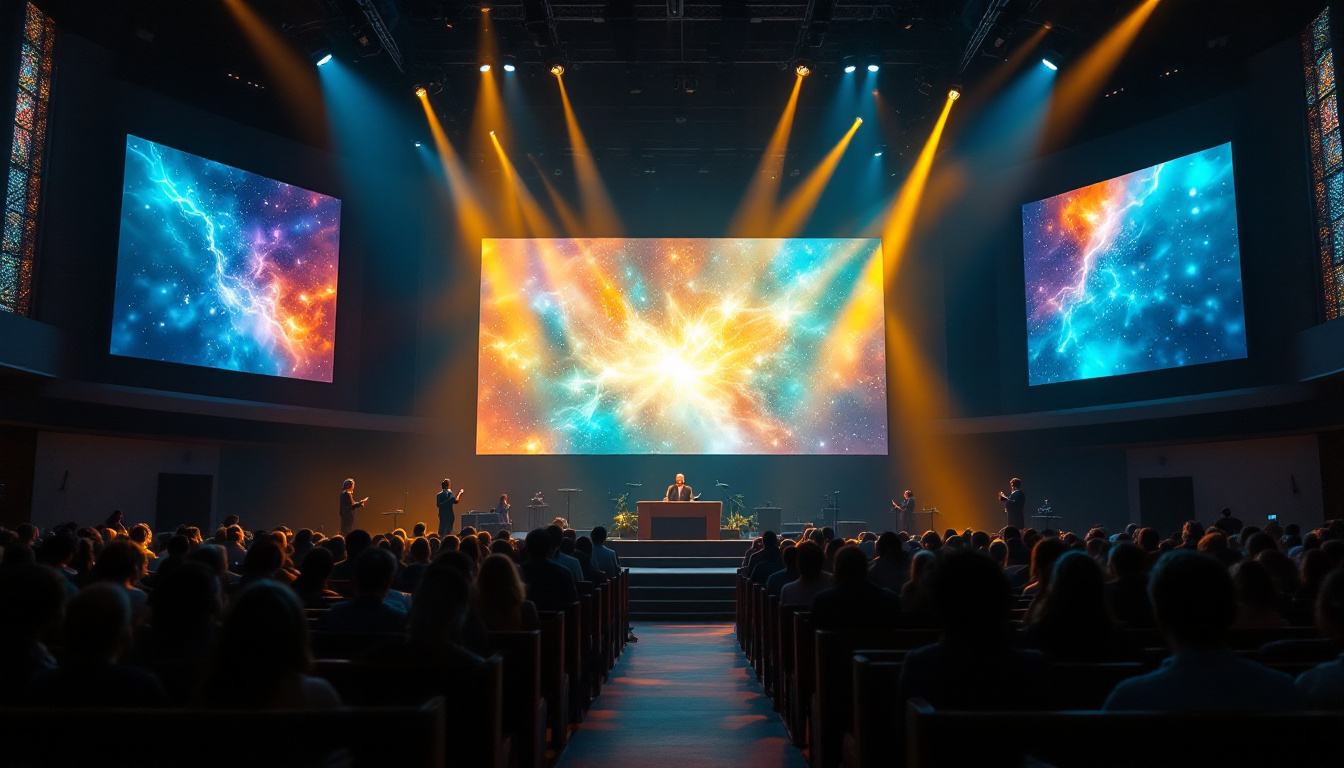
LED technology offers unparalleled flexibility in stage design. Screens can be custom-shaped, resized, or arranged in unconventional configurations to complement the concert’s theme. For example, an LED setup might include a massive curved backdrop, suspended LED cubes, or interactive floor panels that respond to performers’ movements.
This adaptability allows production teams to innovate and push creative boundaries, making each concert unique. Additionally, LED content can be changed quickly between songs or acts, enabling seamless transitions and varied visual narratives throughout the event.
Durability and Reliability
Concert environments are demanding, with heavy equipment, rapid setup and teardown, and exposure to different weather conditions in outdoor venues. LED displays are designed to withstand these challenges. They are robust, resistant to vibration, and often weatherproof, ensuring consistent performance throughout the event.
Moreover, modern LED panels incorporate redundancy features, such as backup power supplies and modular components, so that any malfunction can be addressed swiftly without disrupting the show.
Technical Considerations for Concert LED Stage Design
Resolution and Pixel Pitch
The quality of an LED display is largely determined by its resolution and pixel pitch. Resolution refers to the number of pixels displayed horizontally and vertically, while pixel pitch is the distance between the centers of two adjacent pixels, usually measured in millimeters.
Smaller pixel pitch means higher pixel density, resulting in sharper images, which is especially important for close viewing distances. For large concert venues where audiences are farther away, a pixel pitch of 6mm to 10mm is common, balancing clarity and cost. For smaller venues or screens placed closer to the audience, pixel pitches as low as 1.5mm may be used.
Brightness and Contrast Ratio
Brightness is critical for LED displays to compete with stage lighting and ambient light. Concert LED screens typically offer brightness levels ranging from 1,000 to over 5,000 nits (candelas per square meter). High brightness ensures visibility even in daylight or under powerful spotlights.
Contrast ratio—the difference between the darkest black and the brightest white—affects image depth and color richness. High contrast ratios contribute to more vivid and immersive visuals, enhancing the overall audience experience.
Refresh Rate and Viewing Angles
Refresh rate, measured in hertz (Hz), indicates how many times per second the display updates its image. A higher refresh rate reduces flicker and motion blur, which is essential for displaying fast-moving content such as live video or rapid animations. Concert LED displays typically operate at refresh rates of 3,000 Hz or higher to ensure smooth visuals, especially for broadcast or live streaming purposes.
Viewing angles determine how well the image can be seen from different positions in the venue. Wide viewing angles are vital in concert settings, where audiences are spread across large areas. LED panels with viewing angles of 140 degrees or more horizontally and vertically are preferred to maintain image consistency.
Integrating LED Displays into Concert Stage Design
Collaboration Between Designers and Technicians
Successful integration of LED displays requires close collaboration between creative designers, technical directors, and production teams. Designers conceptualize the visual themes and layouts, while technicians assess the feasibility, electrical requirements, and installation logistics.
Early involvement of LED specialists ensures that the chosen screens fit the venue’s dimensions, power capacity, and rigging capabilities. This collaborative approach prevents costly last-minute changes and helps optimize the audience’s viewing experience.
Content Creation and Synchronization
Content is the heart of LED displays. High-quality visuals tailored to the concert’s mood and music style enhance immersion. Content creators use specialized software to design animations, video clips, and interactive elements that synchronize with the live performance.
Synchronization with lighting, sound, and stage movement is achieved through advanced control systems. For example, timecode protocols allow LED content to change precisely in sync with music cues or choreography, creating a cohesive and polished show.
Installation and Safety Considerations
LED displays are often large and heavy, requiring secure mounting and rigging. Safety is paramount, especially in venues with large crowds. Installation teams follow strict protocols to ensure structural integrity and electrical safety.
Additionally, cable management, ventilation, and access for maintenance are planned carefully to prevent technical issues during the concert. Portable LED systems designed for quick assembly and disassembly are commonly used for touring artists.
Case Studies: Iconic Concerts Featuring LED Stage Design
Beyoncé’s Formation World Tour
Beyoncé’s 2016 Formation World Tour showcased groundbreaking LED stage design. The production featured a massive LED video wall backdrop combined with floor panels that responded to the choreography. The visuals included high-definition animations and live camera feeds, creating an immersive environment that enhanced the storytelling of each song.
The use of flexible LED screens allowed for dynamic stage shapes, while synchronized lighting and pyrotechnics complemented the LED content. This tour set new standards for integrating LED technology in large-scale concerts.
Coldplay’s A Head Full of Dreams Tour
Coldplay’s 2016–2017 tour embraced LED wristbands distributed to the audience, synchronized with the stage’s LED displays and lighting. This innovative use of LED technology extended the visual experience beyond the stage, involving the entire crowd in a coordinated light show.
The stage itself featured enormous LED walls with vivid colors and patterns that changed with the music’s energy. The combination of audience interaction and immersive visuals demonstrated the creative possibilities of LED in concert design.
U2’s 360° Tour
U2’s 360° Tour incorporated a unique LED setup with a circular video screen suspended above the stage, visible from all angles. This “Claw” structure allowed the band to perform in the round, with the LED screen displaying panoramic visuals that enveloped the audience.
The design challenged traditional stage layouts and highlighted the flexibility of LED technology in creating innovative concert experiences.
Future Trends in Concert LED Stage Design
Higher Resolution and Miniaturization
As LED technology advances, pixel pitches continue to shrink, enabling ultra-high-definition displays even at large scales. This trend allows for more detailed and realistic visuals, enhancing the immersive quality of concerts.
Miniaturization also opens opportunities for more creative and intricate stage designs, including 3D LED structures and wearable LED elements integrated with performers’ costumes.
Augmented Reality (AR) and Interactive LED Elements
Integration of AR with LED displays is an emerging trend, blending physical and digital worlds. Concerts may feature LED screens that interact with AR devices, creating layered experiences for audiences both onsite and online.
Interactive LED floors and walls that respond to movement or sound are becoming more common, adding a new dimension of engagement and spontaneity to live performances.
Sustainability and Energy Efficiency
With increasing awareness of environmental impact, LED manufacturers and concert producers are focusing on energy-efficient designs. New LED panels consume less power while maintaining high brightness and color quality.
Recyclable materials and modular designs that extend equipment lifespan contribute to reducing the carbon footprint of concert productions.
Conclusion
LED displays have revolutionized concert stage design, offering unparalleled visual impact, flexibility, and reliability. From massive video walls to interactive floor panels, LED technology enables artists and designers to craft immersive environments that deepen audience connection and elevate live performances.
Understanding the technical aspects, collaborative integration, and creative potential of LED displays is essential for anyone involved in concert production. As technology continues to evolve, the future promises even more innovative and sustainable LED solutions that will redefine the live music experience.
For concert organizers, production teams, and artists alike, investing in cutting-edge LED stage design is not just a trend but a strategic move to captivate audiences and create memorable shows that resonate long after the final note.
Illuminate Your Stage with LumenMatrix
Ready to take your concert stage design to the next level? Discover the innovative world of LumenMatrix, where cutting-edge LED display technology meets creative vision. With a wide array of solutions from Indoor and Outdoor LED Wall Displays to dynamic Floor LED Displays and beyond, LumenMatrix is committed to transforming your live events into breathtaking visual spectacles. Elevate your audience’s experience and ensure your message resonates with clarity and impact. Check out LumenMatrix LED Display Solutions today and light up your next performance with brilliance.