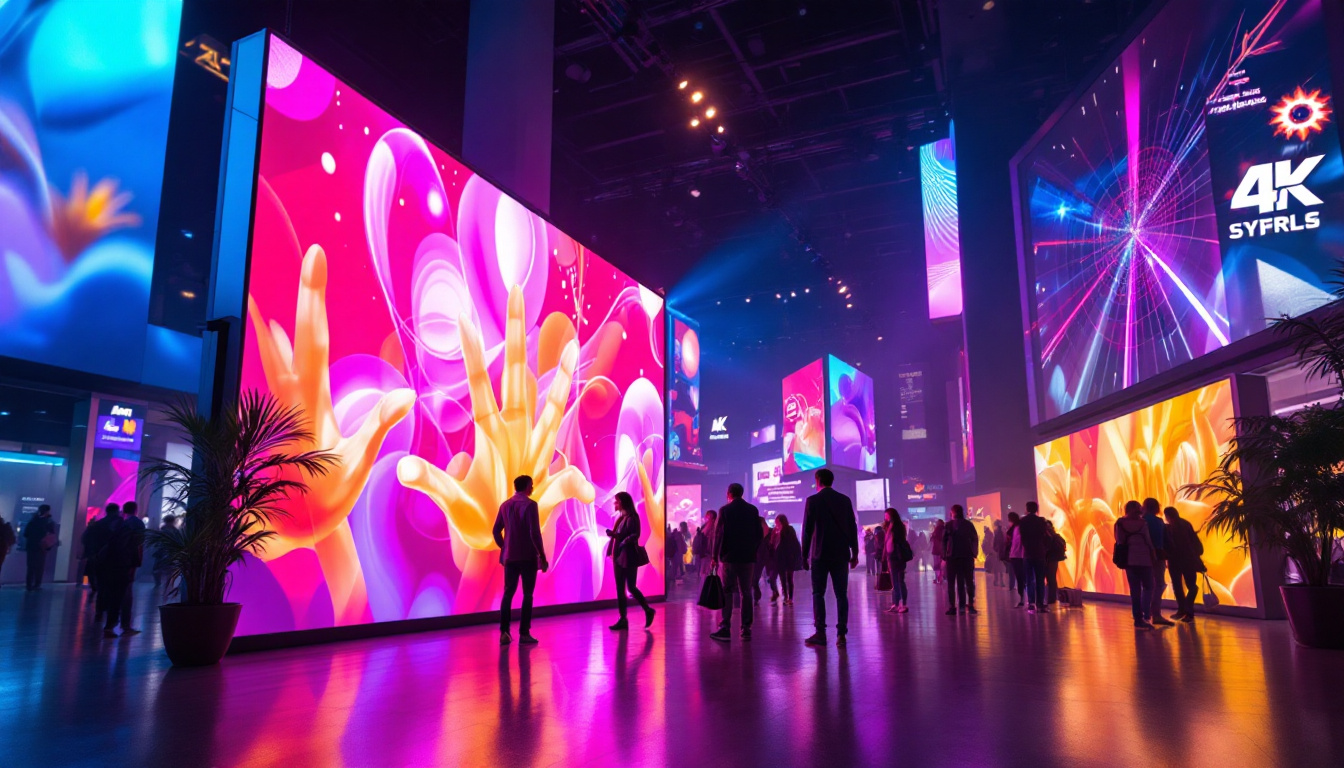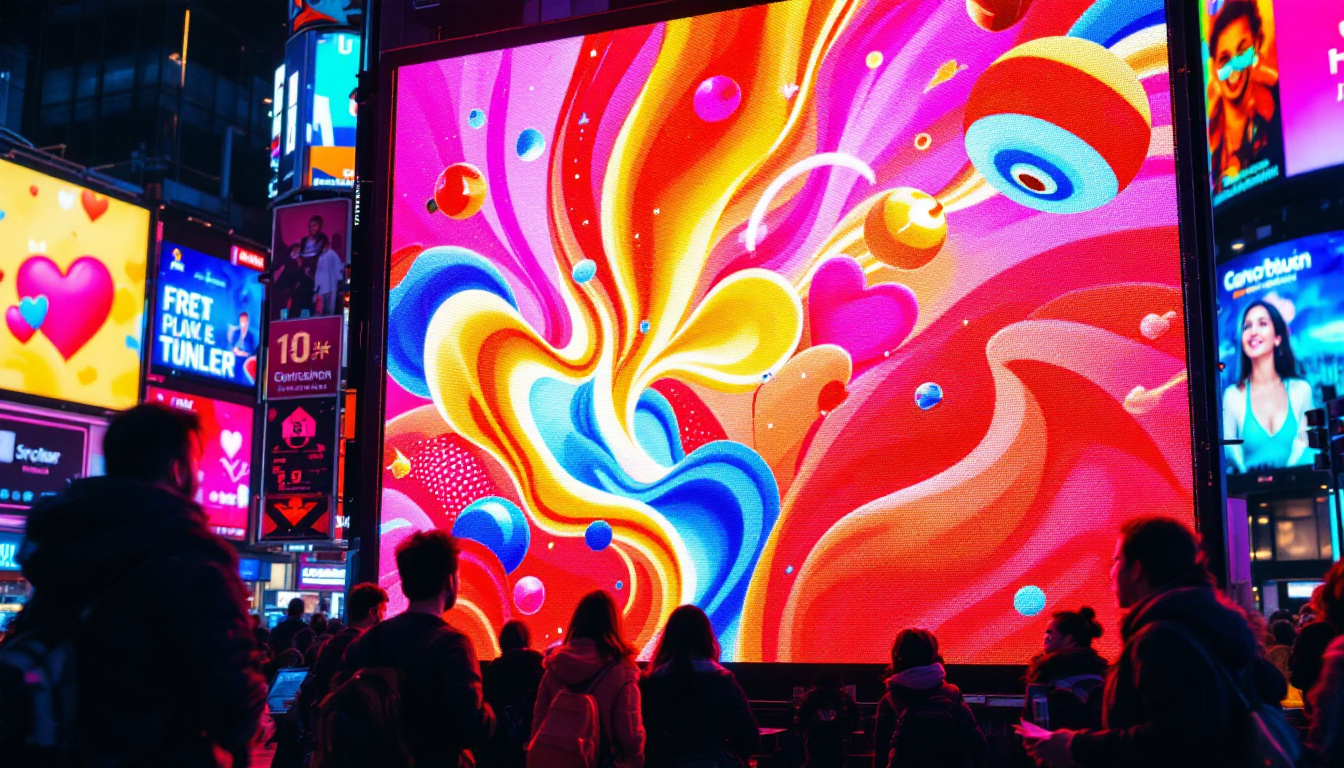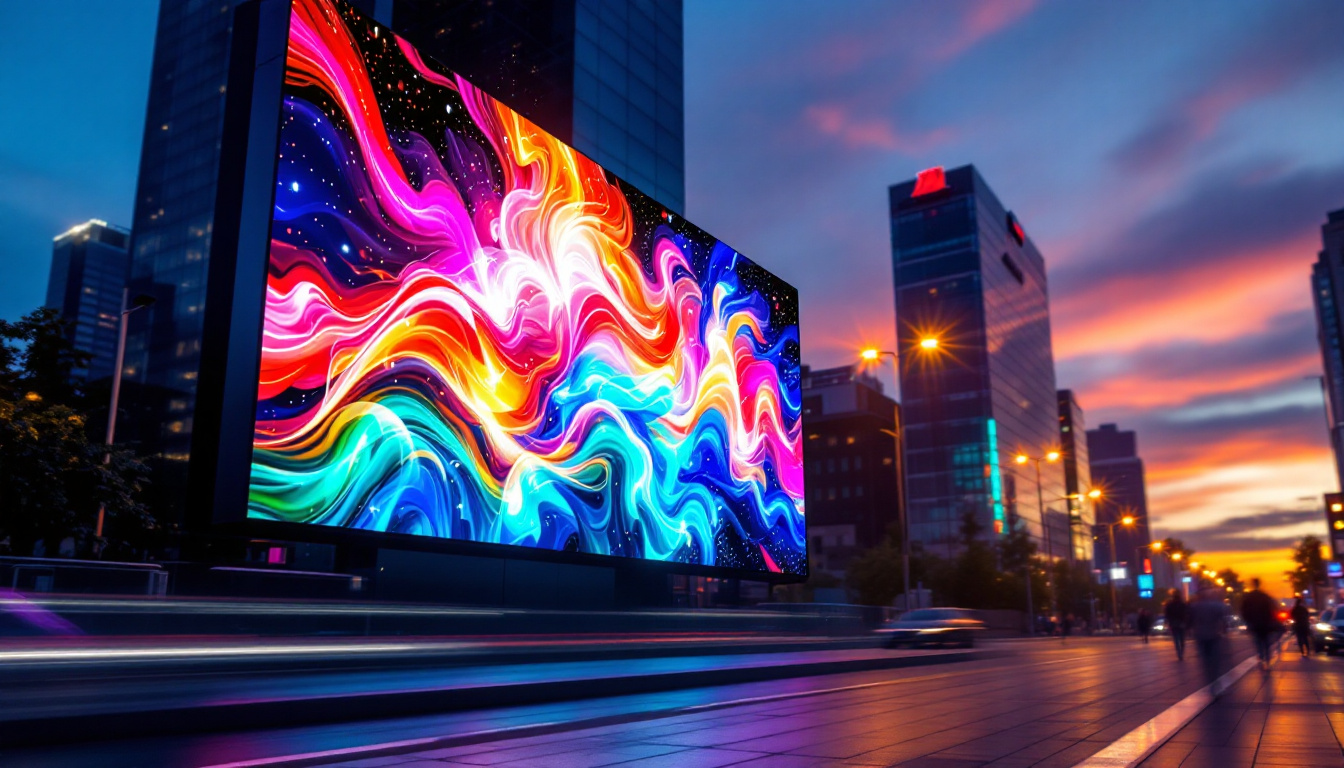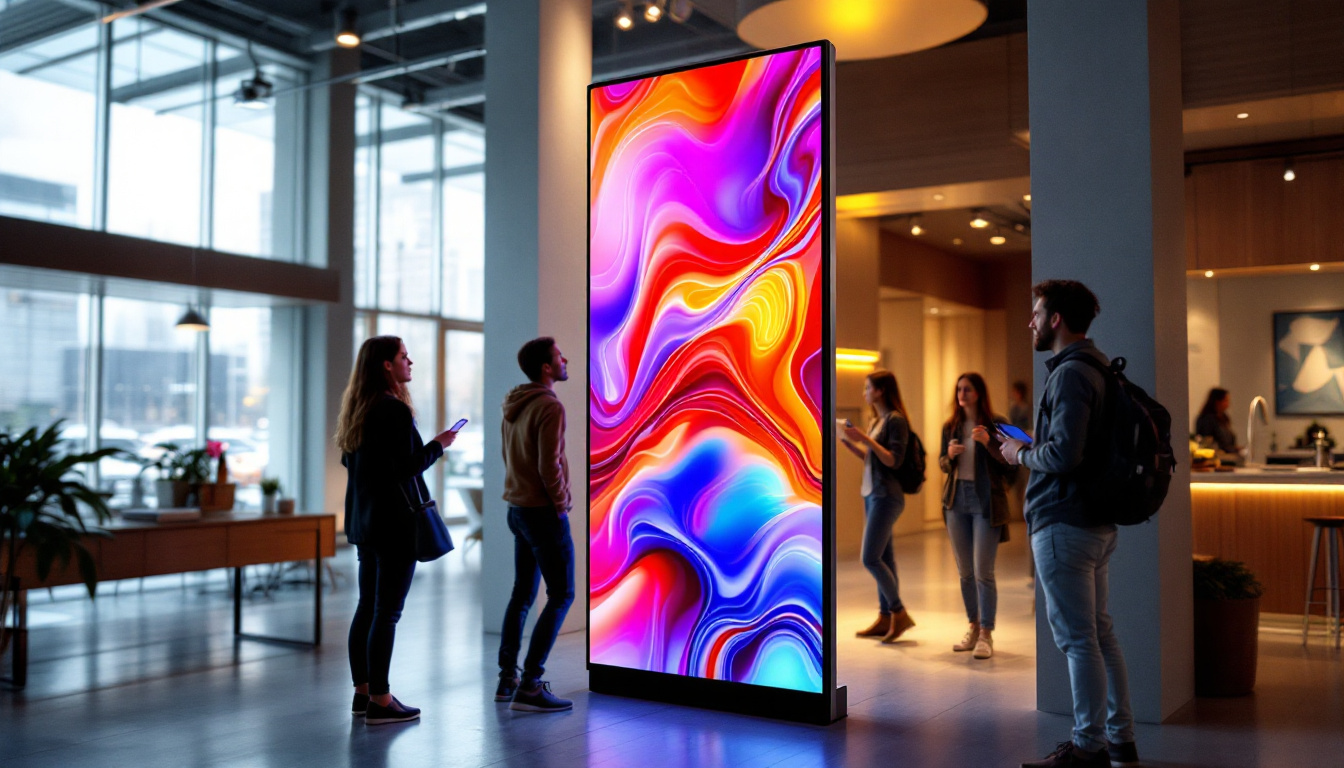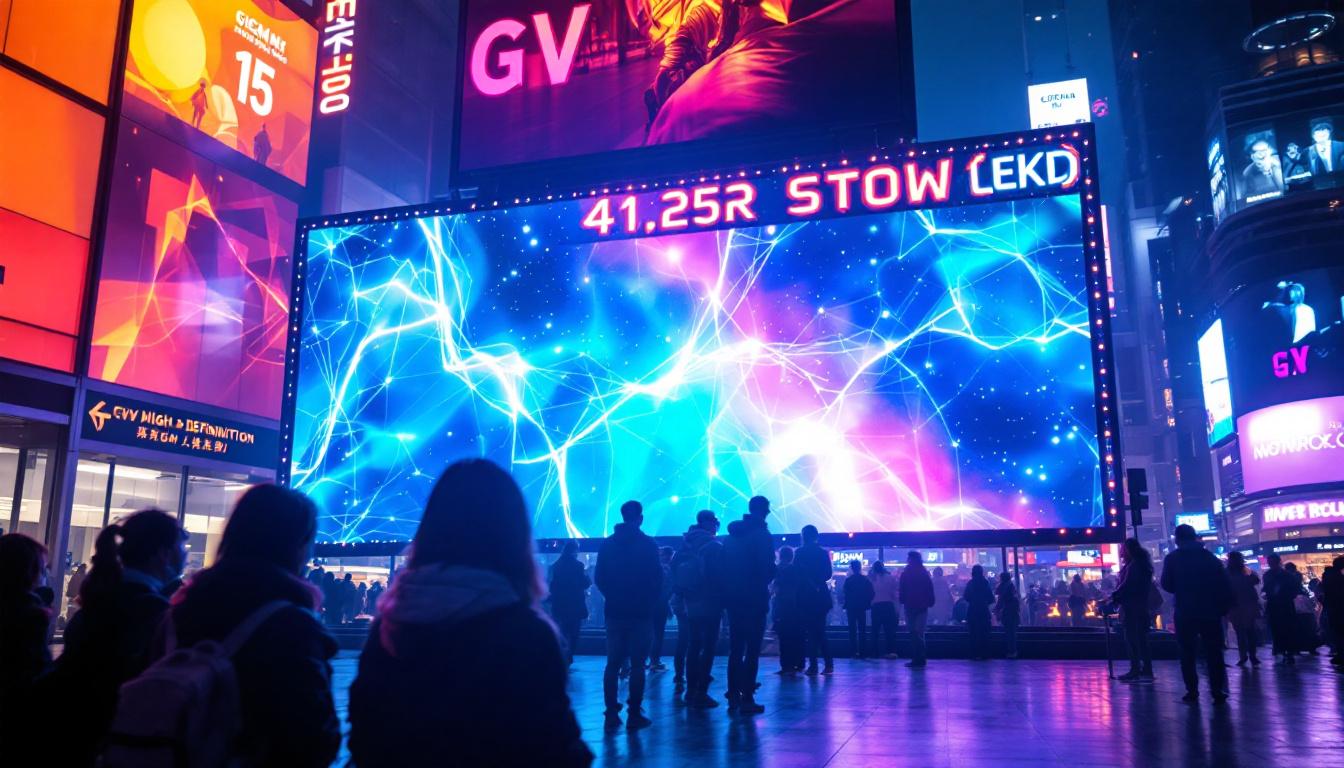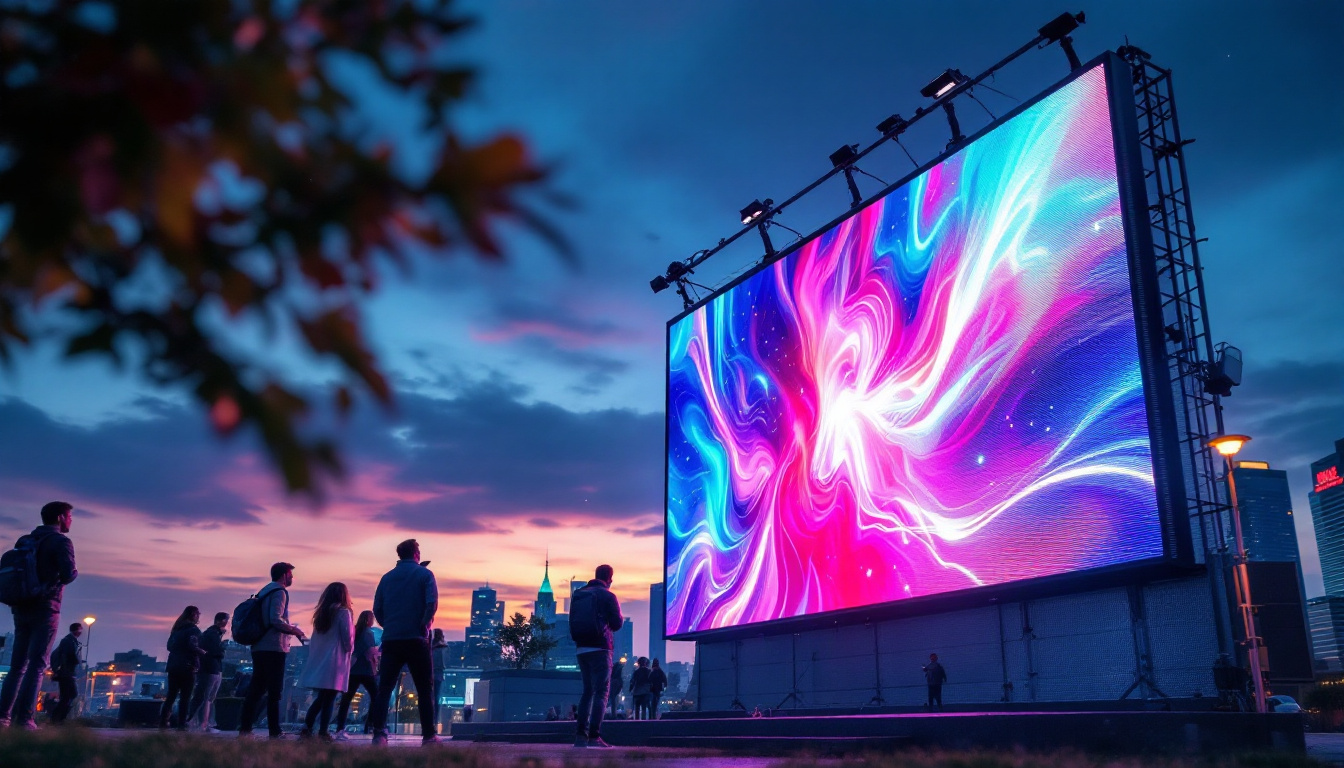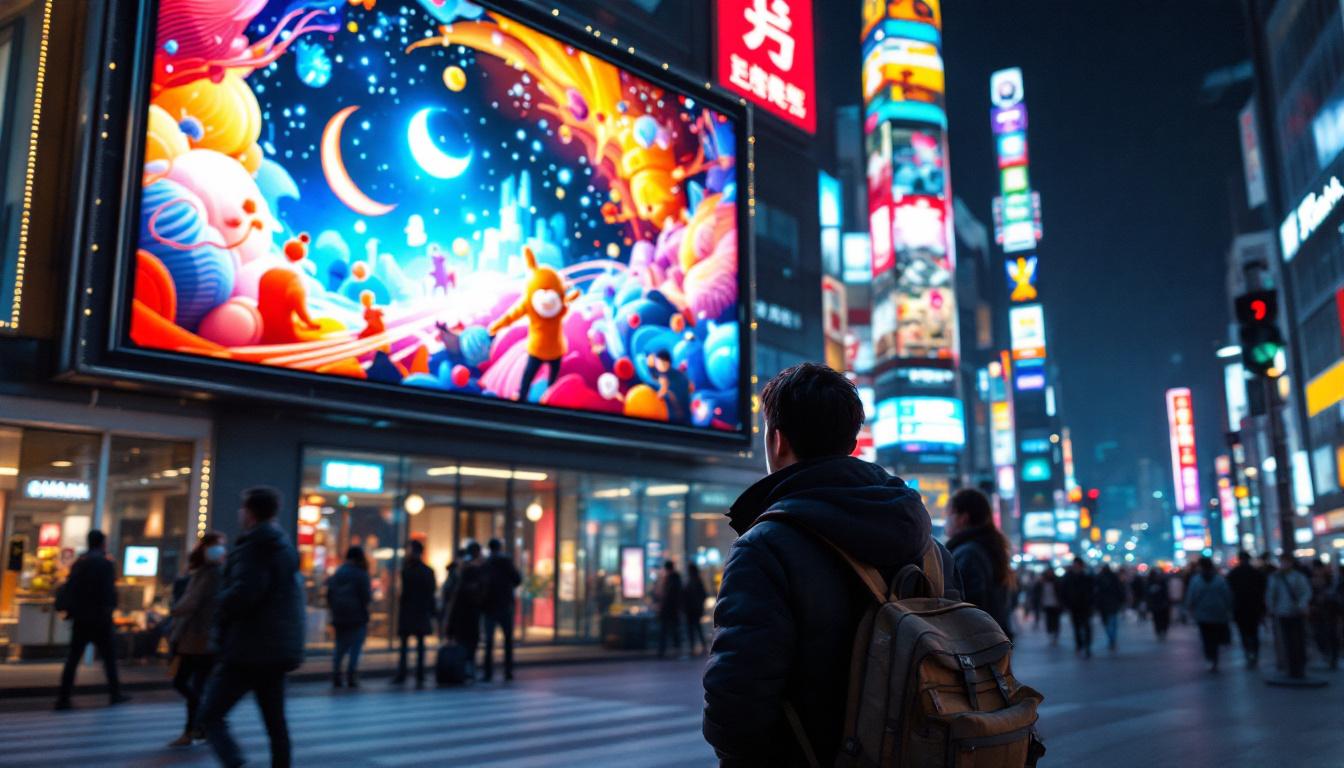
Japan has long been a global pioneer in technology and innovation, and its urban landscapes vividly reflect this reputation. Among the most striking examples of Japan’s cutting-edge tech culture are the 3D billboards that adorn bustling city districts like Tokyo’s Shibuya and Osaka’s Dotonbori. These billboards are not just advertisements; they are immersive visual experiences that captivate millions of viewers daily. At the heart of these displays lies advanced LED technology, which enables the creation of stunning three-dimensional effects that seem to leap off the screen.
This article delves into the fascinating world of 3D LED billboards in Japan, explaining the technology behind them, their cultural and commercial significance, and what the future holds for this dynamic form of digital advertising.
The Evolution of Billboard Technology in Japan
From Static Posters to Dynamic LED Displays
Billboards in Japan have evolved dramatically over the past few decades. Traditional static posters and painted signs gave way to neon lights in the 20th century, particularly during the post-war economic boom. Neon signs became iconic features of areas like Tokyo’s Ginza and Osaka’s Namba, offering vibrant nighttime illumination that attracted crowds and shoppers.
However, neon had its limitations in terms of flexibility, brightness, and environmental impact. The introduction of LED (Light Emitting Diode) technology in the 2000s revolutionized outdoor advertising. LEDs offered brighter, more energy-efficient lighting with the capability for dynamic, full-color video content. This transition enabled advertisers to create eye-catching, animated billboards that could change messages in real-time, responding to events, time of day, or audience demographics.
Emergence of 3D LED Billboards
Building on the success of LED displays, Japanese innovators pushed the boundaries further by developing 3D LED billboards. Unlike conventional flat screens, these displays create an illusion of depth and movement, making images appear to float or extend beyond the physical surface of the billboard.
One of the earliest and most famous examples is the 3D billboard in Osaka’s Dotonbori district, installed by the advertising company JR West. This billboard uses a combination of high-resolution LED panels and advanced visual effects to produce lifelike animations that appear to jump out toward the viewer. The effect is achieved through careful manipulation of perspective, shading, and motion, tricking the human eye into perceiving three dimensions.
How 3D LED Billboard Technology Works
LED Panels and Pixel Density
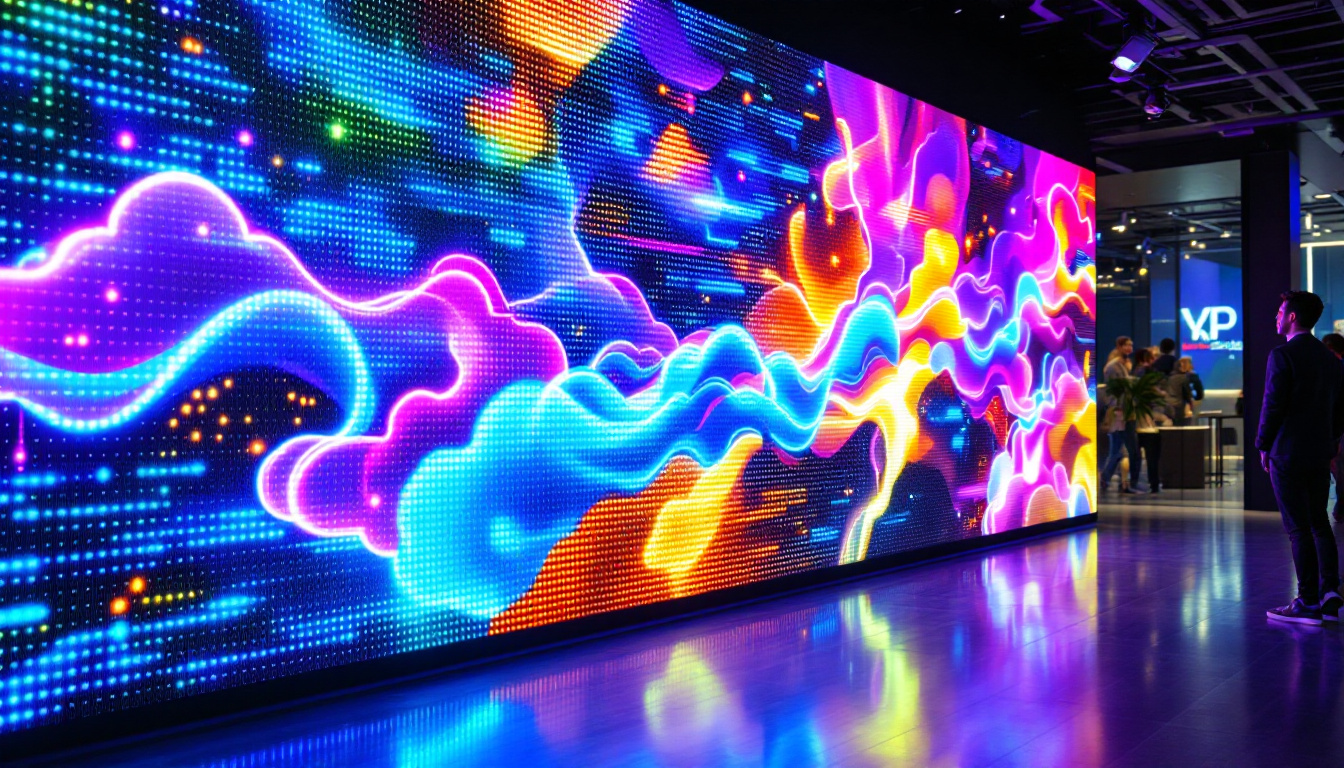
At the core of any LED billboard are thousands of tiny light-emitting diodes arranged in a grid. Each diode acts as a pixel, capable of emitting red, green, and blue light to produce a full spectrum of colors. The resolution and clarity of the display depend on the pixel pitch—the distance between individual LEDs. A smaller pixel pitch means higher pixel density and sharper images, which is crucial for creating convincing 3D effects.
Japanese manufacturers often use ultra-high-definition LED panels with pixel pitches as low as 1.5 millimeters for close-up viewing areas. This level of detail allows for smooth gradients and precise shading, essential for simulating depth and volume in 3D visuals.
Visual Illusion Techniques
The 3D effect on LED billboards is primarily an optical illusion known as “anamorphosis,” where distorted images appear normal only from a specific vantage point. Designers create animations that exploit human depth perception cues such as shadows, perspective lines, and motion parallax.
For example, an object might be animated to appear as if it’s extending out of the billboard toward the viewer, casting a shadow on the surrounding environment. When passersby view the billboard from the intended angle, their brains interpret these cues as evidence of three-dimensionality. This technique requires precise alignment of visuals and physical installation, often involving custom-built LED panels shaped to enhance the illusion.
Integration of Augmented Reality and Sensors
Some of the most advanced 3D billboards in Japan incorporate augmented reality (AR) elements and sensors to interact with viewers in real-time. Motion sensors detect pedestrian movement, triggering changes in the displayed content to create a personalized experience. For instance, a billboard might show an animated character that appears to follow a passerby or react to their gestures.
AR integration enhances engagement by blurring the line between the digital and physical worlds, making advertisements more memorable and impactful. This approach also aligns with Japan’s broader trend of blending technology with everyday urban life.
Iconic 3D Billboards in Japan
Osaka’s Dotonbori 3D Billboard
Perhaps the most famous 3D billboard in Japan is located in Osaka’s vibrant Dotonbori district, a hotspot for nightlife and entertainment. This massive LED display, installed above the Ebisu Bridge, features a variety of animated content ranging from playful animals to product advertisements. The billboard’s animations are designed to interact with the surrounding environment, creating a sense of immersion for viewers standing on the bridge below.
The Dotonbori 3D billboard has become a cultural landmark, attracting tourists and locals alike. It exemplifies how technology can enhance urban aesthetics while serving commercial purposes.
Tokyo’s Shibuya Crossing 3D Displays
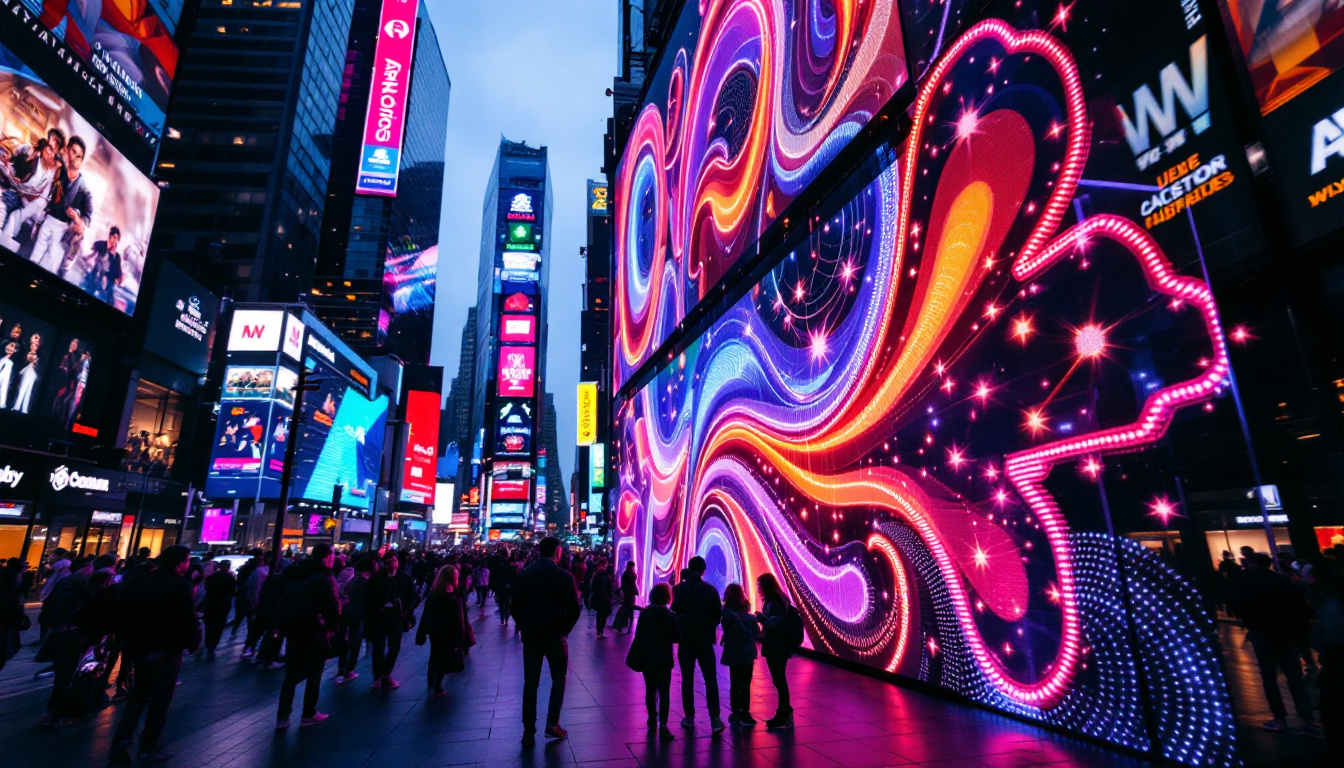
Shibuya Crossing, one of the busiest pedestrian intersections in the world, is another prime location for 3D LED billboards. Several buildings surrounding the crossing feature large LED screens that showcase 3D advertisements during peak hours. These displays utilize high pixel density and advanced animation techniques to cut through the visual noise of the bustling cityscape.
Brands leverage these billboards to launch major campaigns, capitalizing on the massive foot traffic and media attention. The 3D effects help advertisements stand out, increasing brand recall and engagement.
Innovative Campaigns and Collaborations
Japanese companies often collaborate with artists and tech firms to create unique 3D billboard content. For example, a recent campaign by a major beverage company used a 3D billboard to simulate a giant bottle pouring liquid into a glass, with droplets appearing to splash onto the street below. Such creative executions highlight the versatility of LED technology and its potential to transform advertising into an art form.
Commercial and Cultural Impact
Enhancing Brand Visibility and Consumer Engagement
3D LED billboards offer brands a powerful tool to capture attention in crowded urban environments. The novelty and visual appeal of 3D effects increase the likelihood that passersby will stop, watch, and share the experience on social media, amplifying reach beyond the immediate vicinity.
Studies indicate that digital billboards can increase brand recall by up to 47% compared to static signs. The added dimension of 3D effects further boosts this impact by creating memorable, emotionally engaging content. In Japan’s competitive advertising market, these advantages translate into tangible business benefits.
Contributing to Urban Aesthetics and Tourism
Beyond commercial goals, 3D billboards contribute to the aesthetic vibrancy of Japanese cities. They transform mundane building facades into dynamic canvases, enriching the urban experience for residents and visitors. Tourist districts like Dotonbori and Shibuya benefit from these installations as they become must-see attractions, drawing international travelers eager to witness Japan’s technological marvels firsthand.
Local governments often support such projects as part of urban revitalization efforts, recognizing their role in boosting economic activity and cultural appeal.
Environmental Considerations
While LED technology is more energy-efficient than traditional neon or incandescent lighting, large-scale digital billboards still consume significant electricity. Japanese companies are increasingly mindful of sustainability, incorporating energy-saving measures such as automatic brightness adjustment based on ambient light and using renewable energy sources where possible.
These efforts align with Japan’s national goals for reducing carbon emissions and promoting green technology, ensuring that the future of 3D billboards balances innovation with environmental responsibility.
The Future of 3D LED Billboards in Japan
Advancements in Display Technology
Ongoing research in LED materials and display engineering promises even more impressive 3D billboard experiences. Developments in micro-LED and mini-LED technology offer higher brightness, better color accuracy, and improved durability. These innovations will enable larger, more detailed displays that can be viewed clearly even in direct sunlight.
Flexible and curved LED panels are also becoming more common, allowing billboards to integrate seamlessly with architectural features and create more immersive environments.
Integration with Smart City Infrastructure
Japan’s commitment to smart city initiatives suggests that 3D billboards will increasingly become part of interconnected urban systems. Future billboards may interact with public transportation schedules, weather data, and crowd analytics to deliver context-aware content. For example, a billboard could display real-time transit updates alongside advertisements, enhancing public utility.
Such integration will enhance the relevance and usefulness of digital signage, making it an integral component of urban life rather than just a marketing tool.
Expanding Applications Beyond Advertising
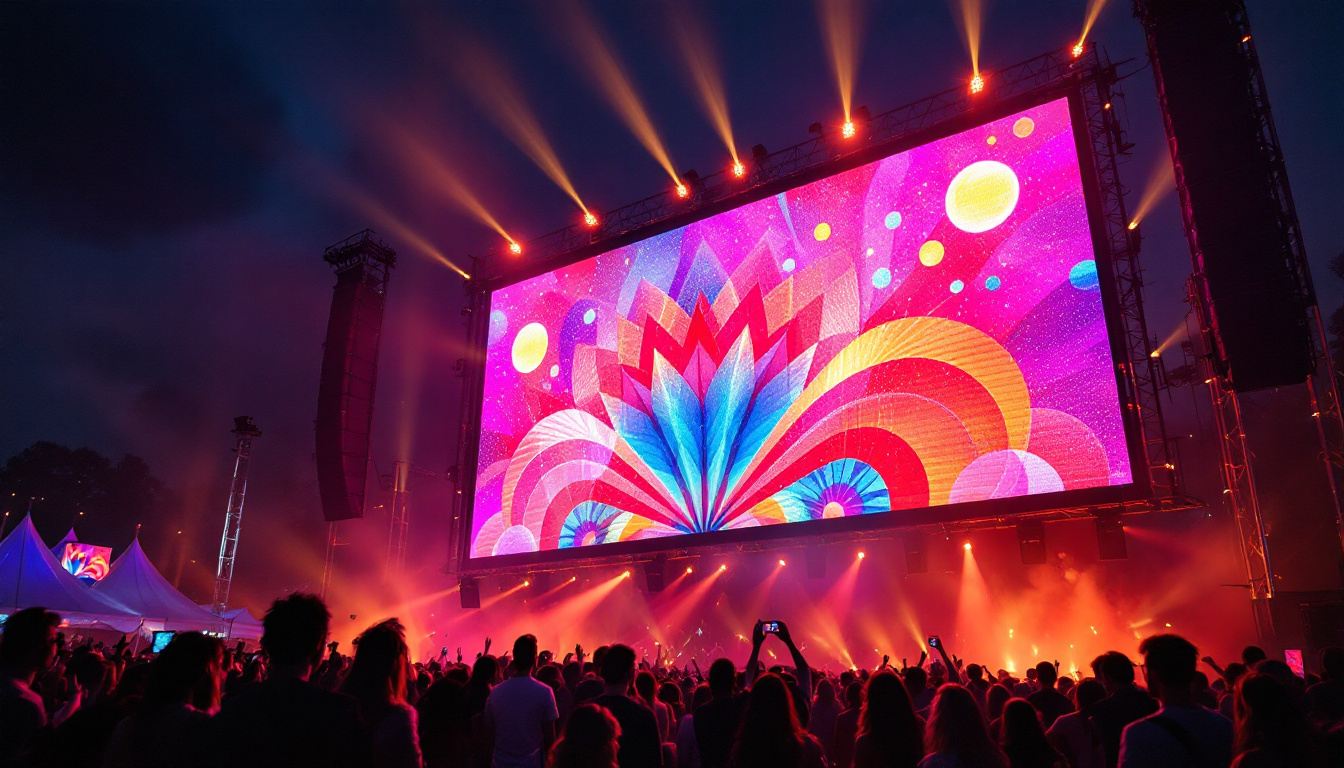
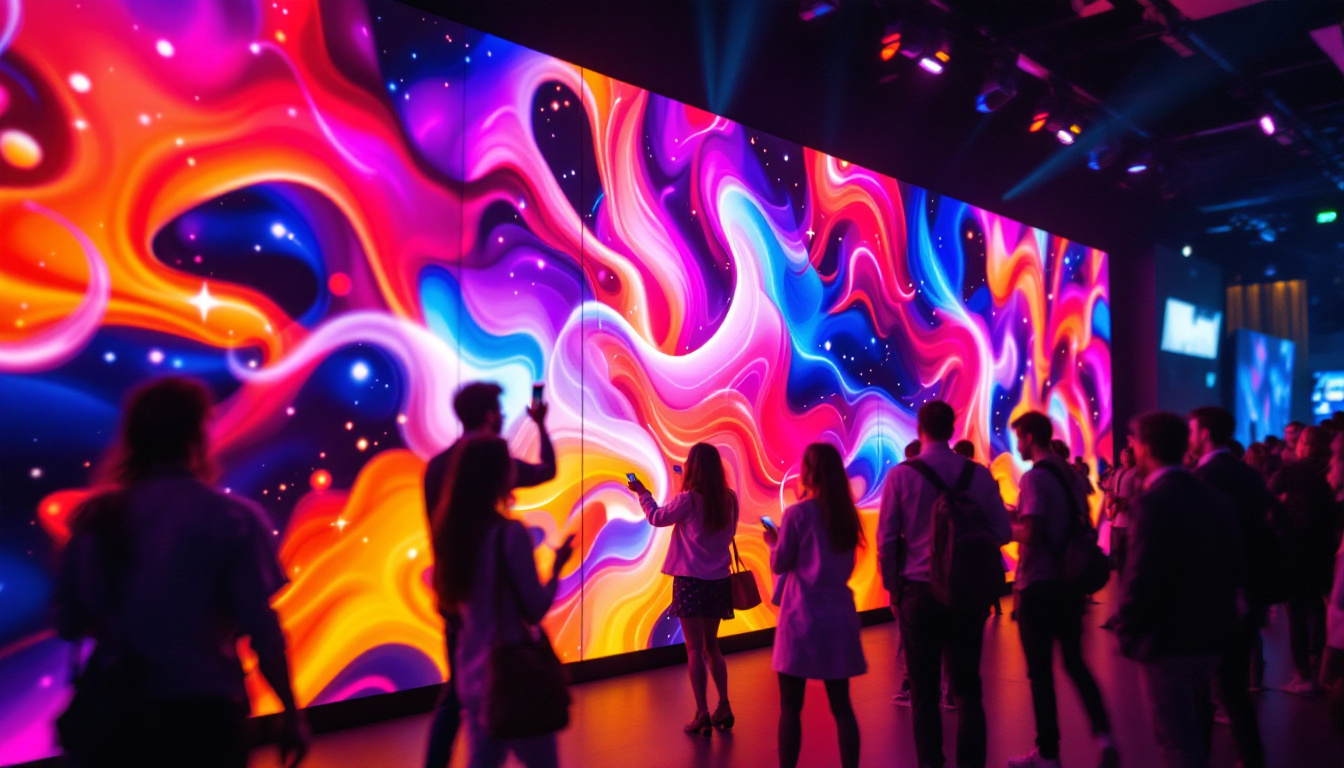
While advertising remains the primary use case, 3D LED displays have potential applications in public information, art installations, and entertainment. Museums and cultural institutions in Japan are experimenting with 3D LED walls to create immersive exhibits, while event organizers use these displays for concerts and festivals.
As the technology becomes more accessible, it is likely to find new roles in education, communication, and community engagement, further enriching Japan’s urban culture.
Conclusion
Japan’s 3D LED billboards represent a remarkable fusion of technology, creativity, and urban culture. These displays not only revolutionize advertising by delivering captivating visual experiences but also contribute to the aesthetic and economic vitality of Japanese cities. Through continuous innovation and thoughtful integration with broader societal goals, 3D LED billboards are poised to remain a defining feature of Japan’s urban landscape for years to come.
For businesses, understanding the technology and impact of 3D LED billboards is essential to leveraging this powerful medium effectively. For urban planners and cultural advocates, these displays offer exciting opportunities to enhance public spaces and foster community engagement. As Japan continues to lead in digital innovation, the 3D billboard stands as a shining example of how technology can transform everyday environments into extraordinary experiences.
Explore Cutting-Edge LED Displays with LumenMatrix
Ready to elevate your advertising to the next level? Discover how LumenMatrix’s innovative LED display technology can transform your brand’s visibility and audience engagement. From immersive Indoor and Outdoor LED Wall Displays to dynamic Vehicle and Sports LED Displays, LumenMatrix offers a wide array of solutions tailored to your unique needs. Experience the future of visual communication with our Custom, All-in-One, and Transparent LED Displays. Check out LumenMatrix LED Display Solutions today and join the revolution in digital signage excellence.