In the rapidly evolving world of digital displays, LED technology stands out as one of the most versatile and widely used solutions. From billboards and stadium screens to wearable devices and home lighting, LEDs (Light Emitting Diodes) have revolutionized how we visualize information and enhance environments. Among the various ways LEDs are controlled and arranged, the concept of a “Serial LED” display is fundamental yet often misunderstood. This article delves into the intricacies of serial LED displays, explaining their technology, applications, benefits, and how they compare to other LED configurations.
Understanding LED Displays: Basics and Terminology
What is an LED Display?
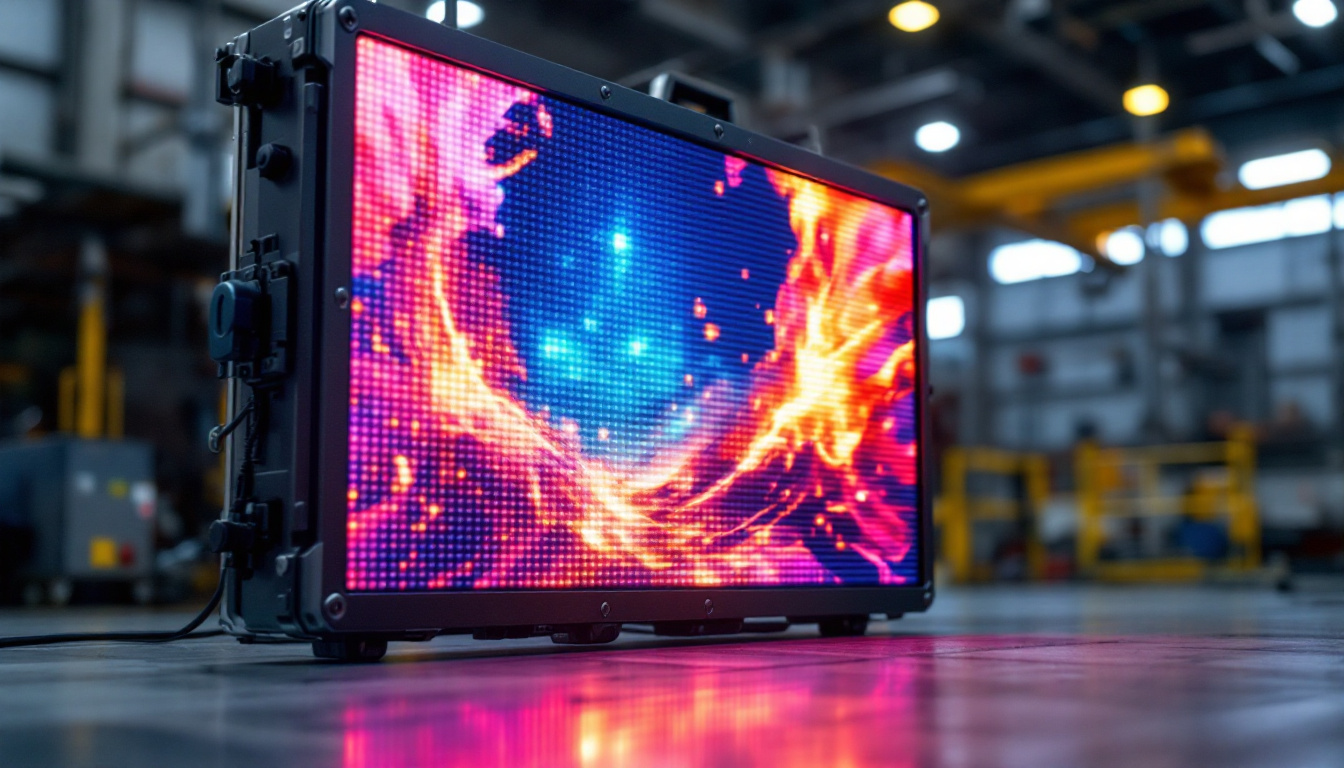
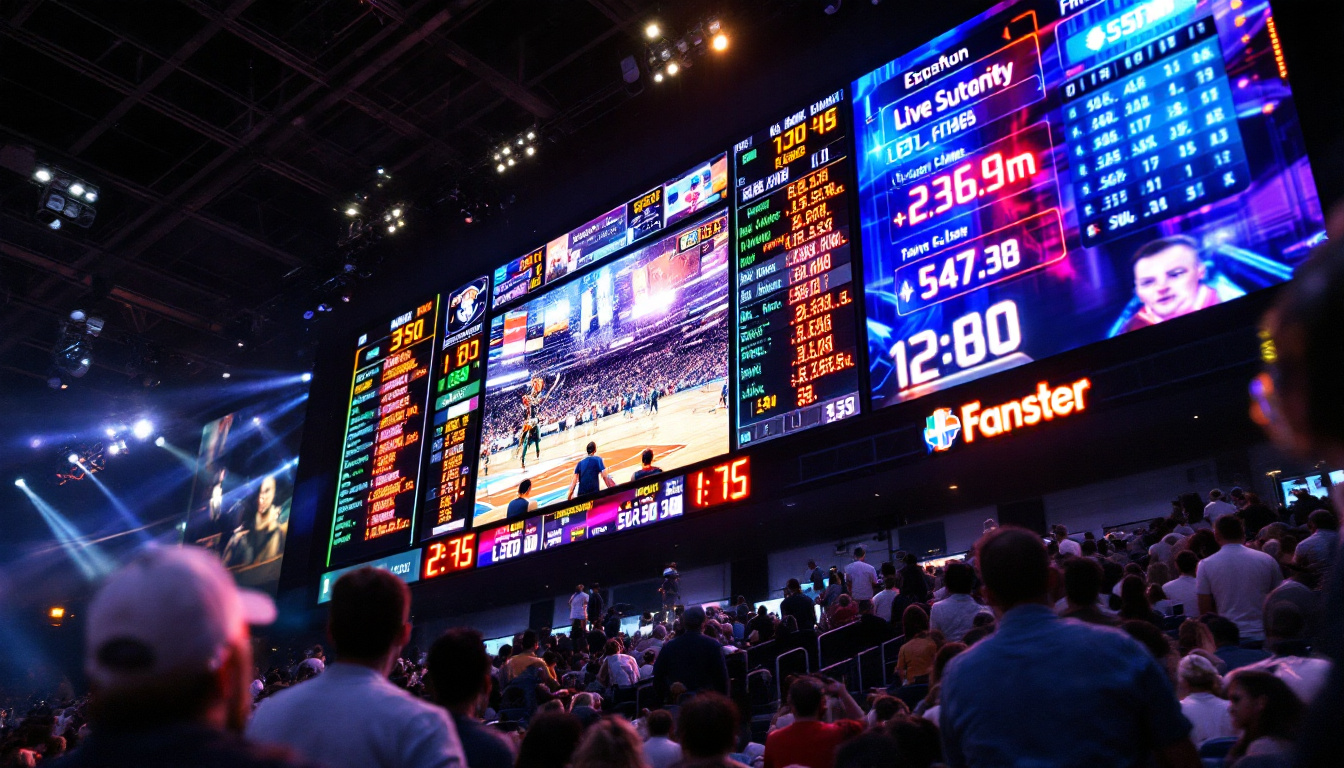
An LED display is a flat panel display that uses an array of light-emitting diodes as pixels to create images, text, or video. Unlike traditional LCDs or plasma screens, LED displays directly emit light, which results in higher brightness, better contrast, and improved energy efficiency. They are commonly used in outdoor advertising, traffic signals, scoreboards, and increasingly in indoor environments such as retail stores and conference rooms. The versatility of LED technology allows for a wide range of applications, from simple numeric displays to complex video walls that can showcase vibrant multimedia content.
Common Types of LED Displays
LED displays come in various forms, including:
- Direct View LED (DVLED): Where each pixel is an individual LED or cluster of LEDs, often used in large-scale displays.
- LED Backlit LCD: LCD panels illuminated by LEDs placed behind or around the edges.
- OLED (Organic LED): Uses organic compounds that emit light when electricity is applied, known for flexible and thin displays.
Within direct view LED displays, the way LEDs are wired and controlled—serially or in parallel—affects performance and complexity, which brings us to the concept of serial LED displays. Serial LED displays are typically easier to manage in terms of wiring, as they require fewer connections, making them ideal for large installations where space and organization are critical. However, this simplicity can come at the cost of refresh rates and response times, which may not meet the demands of high-speed video content.
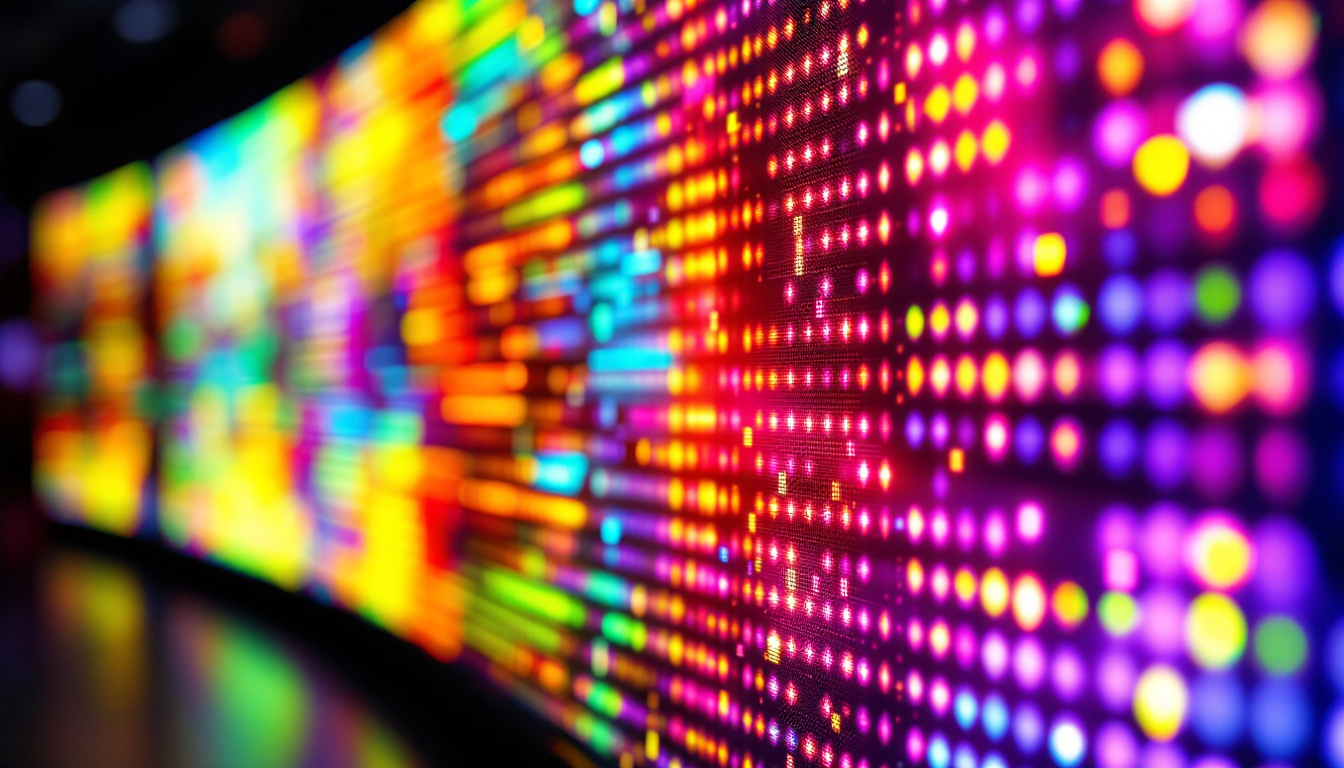
Another important aspect of LED displays is their resolution, which is determined by the pixel pitch—the distance between the centers of two adjacent pixels. A smaller pixel pitch results in higher resolution and sharper images, making it suitable for close viewing distances, such as in retail environments or control rooms. Conversely, larger pixel pitches are more appropriate for outdoor displays where viewers are typically farther away. This trade-off between pixel pitch and viewing distance is crucial for optimizing the visual experience and ensuring that the display serves its intended purpose effectively.
What is a Serial LED Display?
Defining Serial LED Configuration
A serial LED display refers to an arrangement where LEDs are connected in a sequence, or “series,” and controlled via serial data transmission. In this setup, data flows from a controller to the first LED, then passes along to the next, and so forth, creating a chain of LEDs that receive instructions one after another. This contrasts with parallel configurations, where each LED or group of LEDs receives data simultaneously on separate lines.
How Serial Data Transmission Works in LED Displays
Serial data transmission in LED displays typically involves sending bits of information sequentially through a single or few data lines. Controllers use protocols such as SPI (Serial Peripheral Interface) or custom serial communication methods to manage this data flow. Each LED or LED driver chip in the chain interprets the incoming data, updates its state (color, brightness), and passes the remaining data downstream.
This method is especially common in addressable LED strips and matrix panels, where each LED can be individually controlled despite sharing a common data line. The most popular examples include WS2812 (commonly known as NeoPixels) and APA102 LED strips, which have built-in driver ICs enabling precise color control over a single serial data line.
Advantages of Serial LED Displays
Simplified Wiring and Scalability
One of the major benefits of serial LED displays is the reduction in wiring complexity. Because data is transmitted in a chain, only a few wires are needed to control a large number of LEDs—typically power, ground, and a single data line. This makes installation and maintenance easier, especially in large-scale or complex setups.
Scalability is another key advantage. Adding more LEDs to a serial chain is straightforward: simply extend the chain by connecting additional LEDs to the end. This flexibility is ideal for custom-sized displays or dynamic installations where the number of LEDs might change over time.
Individual Addressability and Dynamic Control
Serial LED displays allow for individual control of each LED’s color and brightness. This enables the creation of intricate patterns, animations, and effects that are impossible with non-addressable LEDs. For example, a single LED strip can display a rainbow gradient, simulate fire, or show complex animations synchronized with music.
Cost Efficiency
Reducing the number of wires and connectors lowers material costs and labor. Additionally, many serial LED driver ICs are integrated into the LED package itself, minimizing the need for external components. This integration helps reduce overall system cost while maintaining high performance.
Common Applications of Serial LED Displays
Decorative and Architectural Lighting
Serial LED strips are widely used in decorative lighting for homes, businesses, and public spaces. Their flexibility and addressability allow designers to create dynamic lighting effects on walls, ceilings, and furniture. Architects use serial LED displays to highlight building features or create interactive installations that respond to environmental inputs.
Advertising and Signage
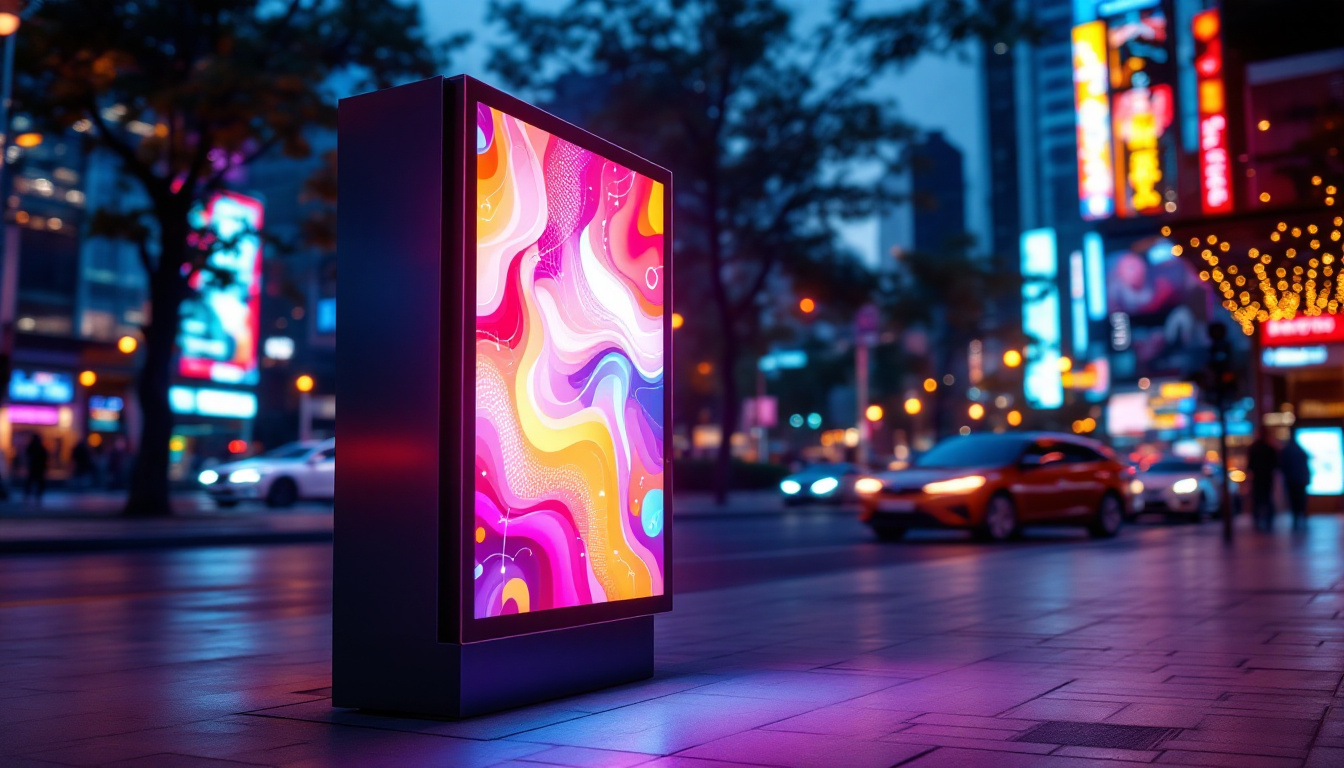
Many modern digital billboards and signs use serial LED technology to display vivid, eye-catching content. The ability to update messages remotely and display high-resolution animations makes serial LED displays a popular choice for advertisers seeking to capture attention in busy urban environments.
Wearable Technology and Consumer Electronics
Wearable devices, such as smartwatches and fitness bands, often use small serial LED arrays for notifications and visual feedback. Similarly, consumer electronics like gaming keyboards and PC cases incorporate serial LED strips to provide customizable lighting effects that enhance user experience.
Entertainment and Stage Lighting
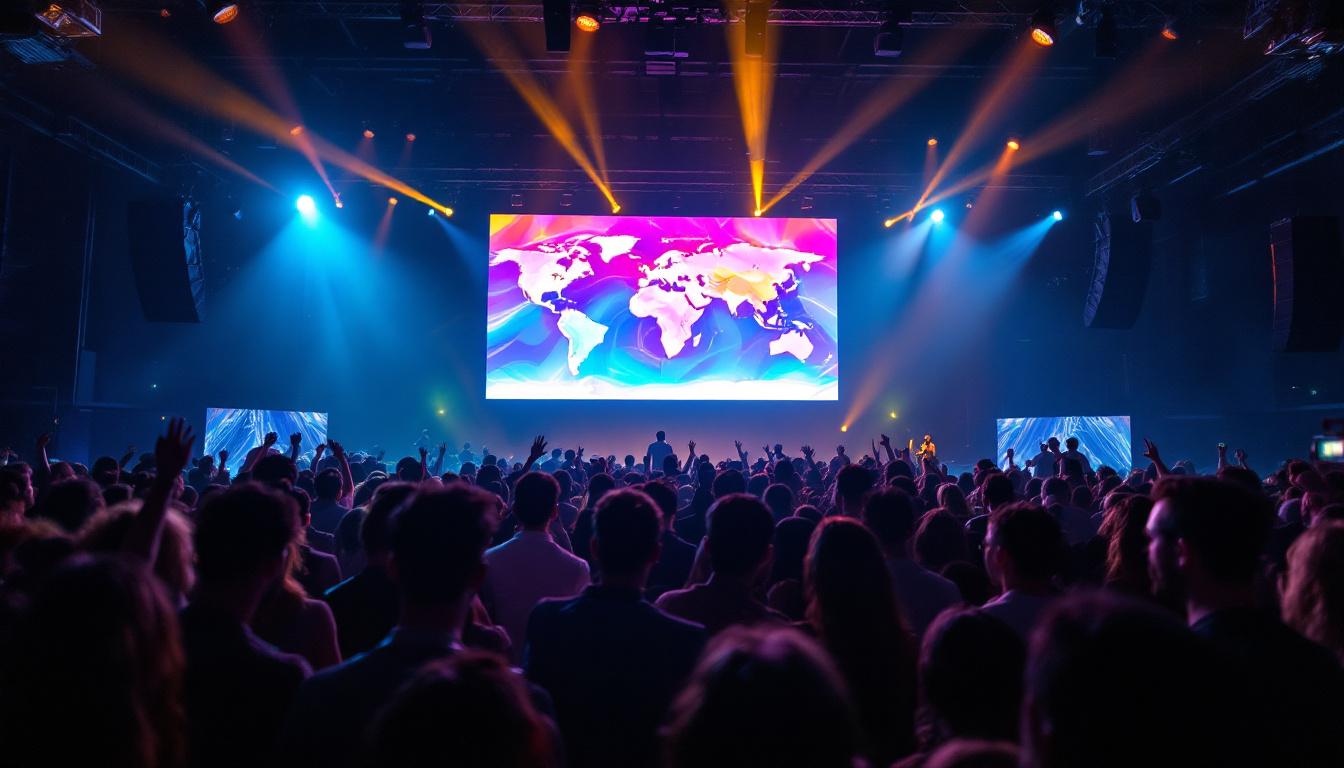
Concerts, theaters, and event productions frequently utilize serial LED displays for dynamic stage backdrops and lighting effects. The ability to synchronize lighting with music and video content adds a layer of immersion and spectacle that enriches live performances.
Technical Considerations When Using Serial LED Displays
Signal Integrity and Data Transmission Limits
While serial data transmission simplifies wiring, it introduces challenges related to signal integrity. As the length of the LED chain increases, the data signal can degrade due to voltage drop, electromagnetic interference, and timing issues. These factors can cause flickering, color inaccuracies, or complete data loss.
To mitigate these issues, designers often use signal repeaters, data boosters, or differential signaling techniques. Additionally, selecting LED driver ICs with built-in error correction and robust timing tolerance helps maintain reliable operation over long chains.
Power Management and Heat Dissipation
Serial LED displays, especially those with high brightness and large numbers of LEDs, require careful power management. Each LED consumes current, and when chained together, the total power demand can be substantial. Proper power supply design, including voltage regulation and current limiting, is essential to prevent damage and ensure consistent brightness.
Heat generation is another important factor. LEDs and their driver ICs produce heat during operation, which can affect lifespan and performance if not properly managed. Adequate ventilation, heat sinks, or thermal interface materials are commonly employed to maintain safe operating temperatures.
Latency and Refresh Rates
Because data is sent sequentially in a serial LED display, there is an inherent latency as the signal propagates through each LED in the chain. For most applications, this delay is negligible, but in high-speed or precision environments—such as interactive installations or gaming peripherals—designers must consider refresh rates and data throughput.
Serial LED vs. Parallel LED Displays: A Comparative Overview
Wiring Complexity
Serial LED displays require fewer wires, making them easier to install and maintain. Parallel LED displays, on the other hand, need multiple data lines, increasing wiring complexity and cost.
Control Precision
Serial LED displays excel in individual LED control and dynamic effects. Parallel displays may offer faster update rates but often lack the fine-grained addressability of serial configurations.
Scalability
Serial LED chains can be extended easily by adding more LEDs. Parallel displays may require additional controllers or multiplexing hardware to expand.
Reliability
In serial chains, a failure in one LED or driver IC can sometimes disrupt data transmission downstream. Parallel systems may be more resilient in this regard, as each LED or group operates independently.
Future Trends in Serial LED Display Technology
Integration with IoT and Smart Systems
As the Internet of Things (IoT) ecosystem grows, serial LED displays are increasingly integrated with smart controllers and wireless communication modules. This enables remote monitoring, adaptive lighting based on environmental data, and seamless integration with home automation platforms.
Advancements in LED Driver ICs
Emerging driver ICs offer enhanced features such as higher refresh rates, improved color accuracy, and lower power consumption. Some also incorporate artificial intelligence algorithms to optimize lighting patterns and energy use dynamically.
Flexible and Transparent Displays
Research into flexible substrates and transparent LED technology promises new applications for serial LED displays, including wearable electronics, automotive glass displays, and augmented reality interfaces.
Conclusion
Serial LED displays represent a cornerstone technology in modern digital visualization, offering a blend of simplicity, flexibility, and precision control. Their unique serial data transmission method enables complex, scalable, and cost-effective lighting solutions across a wide range of industries—from advertising and entertainment to consumer electronics and architecture.
Understanding the technical nuances, advantages, and challenges of serial LED displays empowers designers, engineers, and end-users to make informed decisions when selecting or implementing LED-based solutions. As technology advances, serial LED displays will continue to evolve, driving innovation in how we illuminate and interact with the world around us.
Illuminate Your Space with LumenMatrix
Ready to transform your environment with the power of LED displays? LumenMatrix is at the forefront of LED display innovation, offering a vast array of solutions tailored to your needs. Whether you’re looking to captivate passersby with an Outdoor LED Wall Display, engage fans with a dynamic LED Sports Display, or create a unique atmosphere with a Custom LED Display, we have the technology to bring your vision to life. Experience the future of visual communication and check out LumenMatrix LED Display Solutions today to see how our state-of-the-art displays can elevate your brand and create unforgettable experiences.