In today’s fast-paced world, airports serve as critical hubs connecting millions of travelers daily. One of the most essential tools for ensuring smooth passenger flow and timely communication is the airport board screen. These screens, often seen as large LED displays, provide real-time information about flights, gates, delays, and more. But what exactly goes into these LED displays, and why are they the preferred choice for airports worldwide? This article explores the technology behind airport board screens, focusing on LED displays, their advantages, and their role in enhancing the passenger experience.
Understanding Airport Board Screens
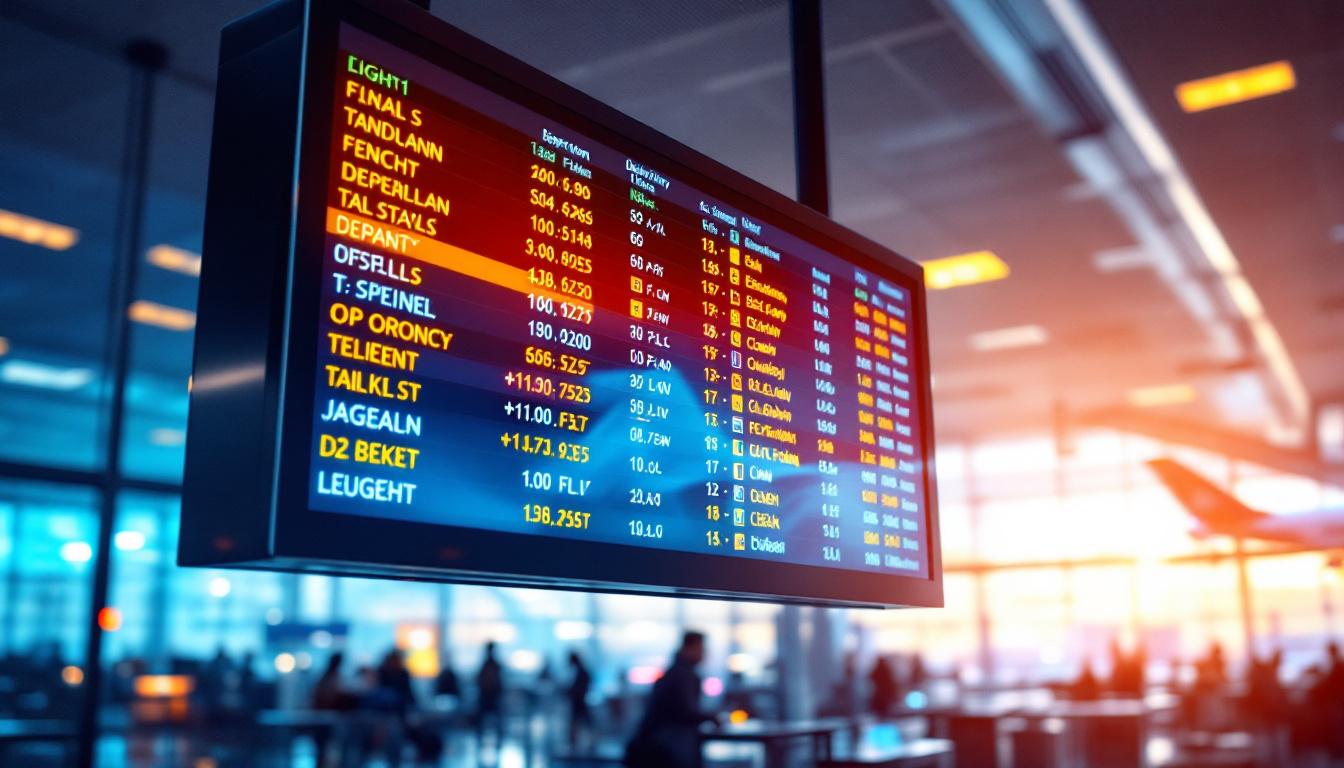
Airport board screens are the primary source of flight information for passengers. They typically display arrival and departure times, gate numbers, flight statuses, and sometimes additional information like weather updates or airport announcements. These screens must be highly visible, reliable, and capable of updating information in real time.
Historically, airports used mechanical flip boards or incandescent bulb displays. However, these older technologies had limitations in terms of visibility, maintenance, and flexibility. The advent of LED technology revolutionized airport displays, offering brighter, more energy-efficient, and highly customizable solutions.
The Role of LED Technology in Airport Displays
LED, or Light Emitting Diode, technology uses semiconductor devices that emit light when an electric current passes through them. Unlike traditional bulbs, LEDs are compact, durable, and consume less power. This makes them ideal for large-scale displays that need to operate continuously in busy environments like airports.
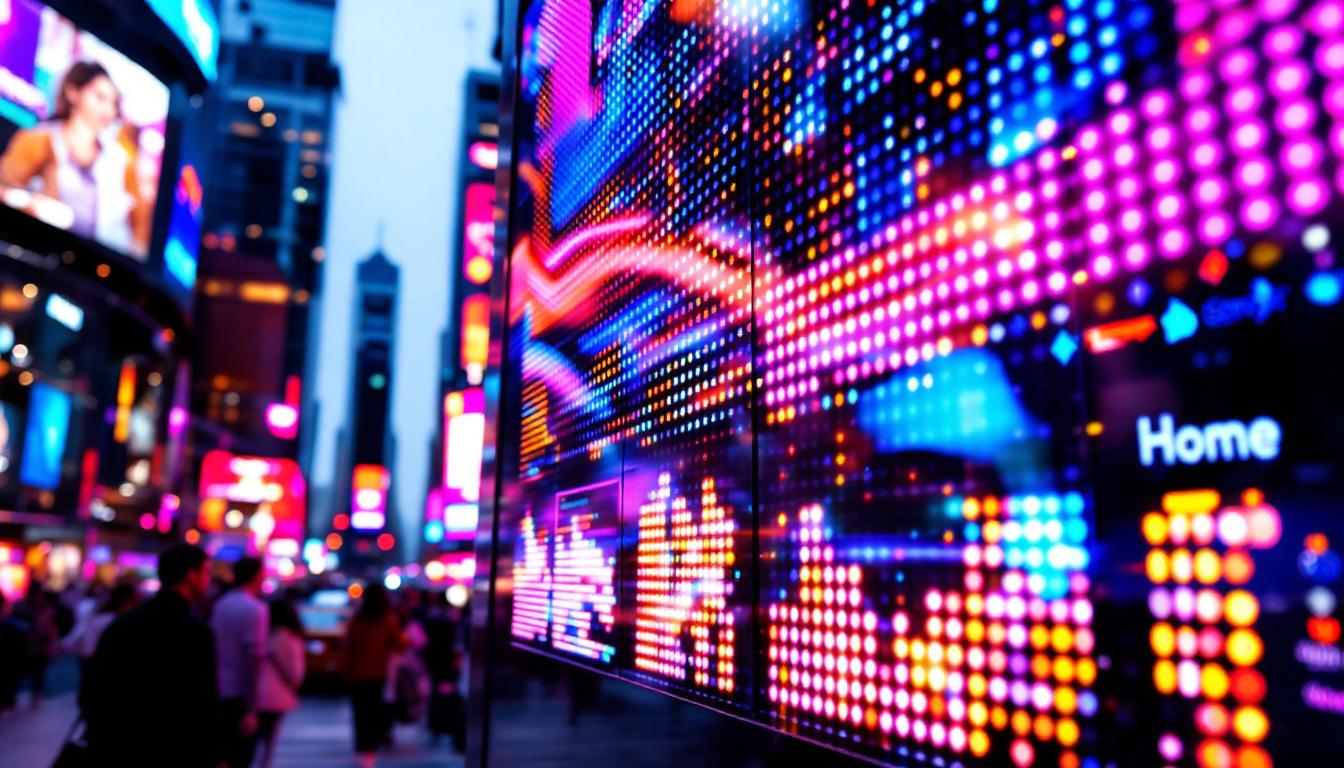
Airport LED boards are typically composed of thousands of tiny LEDs arranged in a matrix to form characters and graphics. This modular design allows for flexible screen sizes and resolutions, enabling airports to customize displays according to their specific needs. The high contrast and brightness of LED screens ensure that information is easily readable from a distance, even in bright daylight conditions, which is crucial for passenger navigation and safety.
Moreover, the integration of LED technology has paved the way for dynamic content management systems that allow airports to instantly update flight information across multiple screens. This capability is particularly beneficial during peak travel times or in the event of delays and cancellations, as it ensures that passengers receive timely notifications. Additionally, many airports are now incorporating interactive elements into their displays, such as touch screens that provide wayfinding assistance and real-time updates on amenities, further enhancing the passenger experience.
Advantages of LED Displays in Airports
LED displays offer multiple benefits that make them the preferred choice for airport information boards. These advantages not only improve passenger experience but also contribute to operational efficiency and cost savings.
High Visibility and Brightness
One of the most critical features of airport displays is their visibility under various lighting conditions. LED screens provide exceptional brightness levels, often exceeding 1,000 nits, which ensures clear readability even in direct sunlight. This is crucial for outdoor or terminal areas with large windows where ambient light can be intense.
Additionally, LED displays offer excellent contrast ratios, making text and graphics sharp and easy to read from a distance. This helps passengers quickly locate their flight information without confusion or delay. The vibrant colors and high-definition imagery also enhance the overall aesthetic of the airport, creating a modern and welcoming atmosphere that reflects the innovation of the travel industry.
Energy Efficiency and Longevity
Airports operate their information displays 24/7, which can lead to significant energy consumption. LED technology is highly energy-efficient compared to older display methods such as fluorescent or incandescent lighting. LEDs consume up to 80% less energy, reducing operational costs and environmental impact.
Moreover, LEDs have a long lifespan, often rated between 50,000 to 100,000 hours. This durability minimizes maintenance requirements and downtime, ensuring continuous availability of flight information. The reduced need for frequent replacements not only saves money but also lessens the environmental footprint associated with manufacturing and disposing of traditional display technologies.
Flexibility and Customization
LED displays can be customized in terms of size, resolution, color, and layout. Airports can choose from monochrome, full-color, or even high-definition LED screens depending on their budget and requirements. This flexibility allows for dynamic content presentation, including animations, videos, and real-time updates.
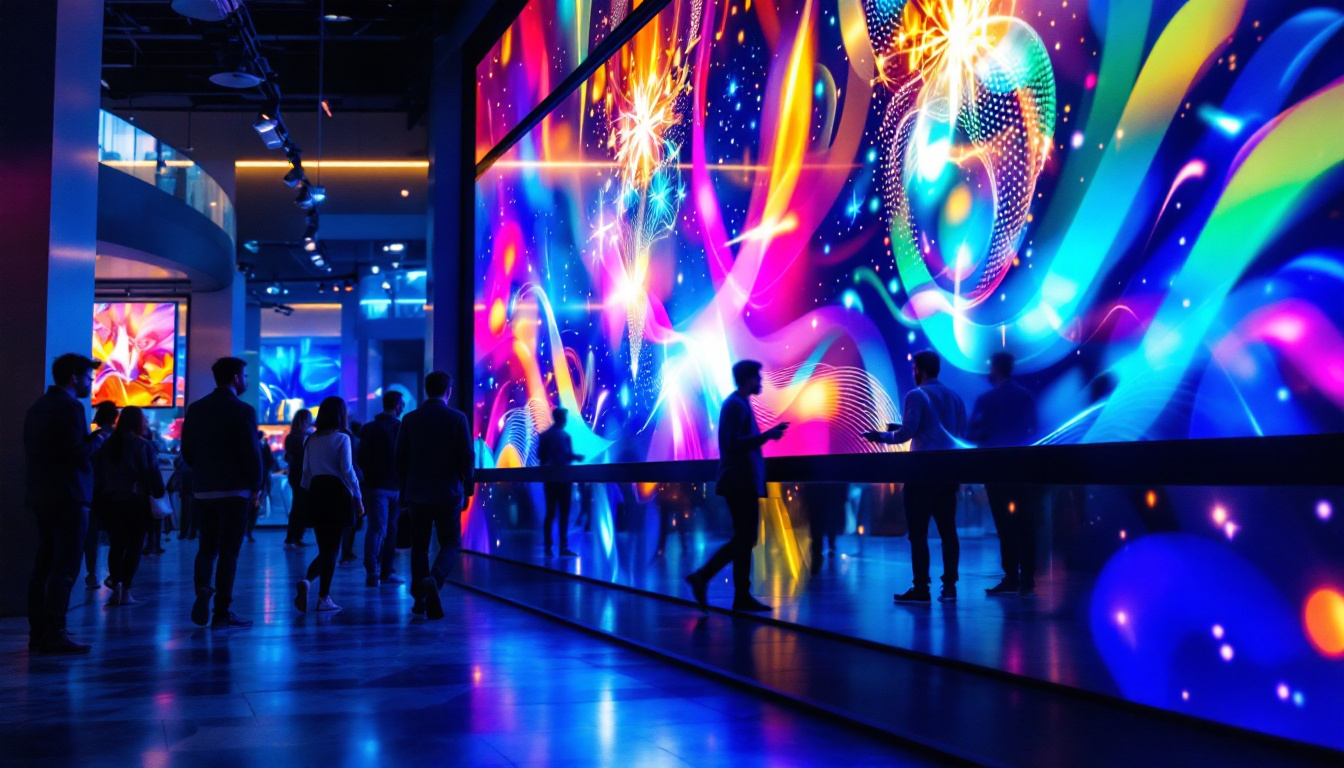
For example, some airports use large LED video walls in central terminals to display flight information alongside advertisements or promotional content, creating a more engaging environment for travelers. These displays can adapt to seasonal themes or special events, enhancing the passenger experience by providing relevant information and entertainment that resonates with the current atmosphere of the airport.
Real-Time Updates and Integration
Modern LED airport boards are integrated with airport management systems and flight tracking databases. This integration enables automatic real-time updates, reducing human error and ensuring passengers receive the most current information.
Advanced software platforms allow airport staff to manage multiple displays remotely, schedule content, and respond quickly to changes such as flight delays or gate changes. This seamless communication is vital for maintaining smooth operations during peak travel times. Additionally, the ability to display multiple languages on LED boards caters to the diverse international traveler demographic, ensuring that all passengers can easily access critical information in a format that is understandable to them. This inclusivity not only enhances the travel experience but also promotes a sense of global community within the airport environment.
Technical Aspects of Airport LED Displays
To appreciate the sophistication of airport LED boards, it’s important to understand some of the technical components and design considerations involved in their implementation.
Pixel Pitch and Resolution
Pixel pitch refers to the distance between the centers of adjacent LEDs on a display. It directly affects the resolution and clarity of the screen. Smaller pixel pitches mean higher resolution and finer detail, which is essential for close-up viewing areas like check-in counters or information desks.
For large overhead displays viewed from a distance, a larger pixel pitch is often sufficient and more cost-effective. Airports carefully select pixel pitch based on viewing distance and content complexity to balance clarity with budget.
Color Depth and Brightness Control
Full-color LED boards use red, green, and blue LEDs combined in varying intensities to produce a wide color gamut. This capability enables airports to highlight important information using color coding, such as red for delays or green for on-time flights.
Brightness control is another critical feature. LED displays often include sensors that adjust brightness automatically based on ambient light conditions, preventing glare and reducing energy consumption during nighttime or low-light hours.
Durability and Environmental Considerations
Airport LED displays must withstand various environmental factors, including temperature fluctuations, humidity, dust, and physical impact. Many LED modules are designed with protective coatings and robust enclosures to ensure longevity in both indoor and outdoor settings.
For outdoor installations, weatherproofing and UV resistance are essential to maintain performance and appearance over time. Additionally, compliance with safety and electromagnetic interference standards is mandatory to prevent disruptions to airport operations.
Case Studies: LED Displays in Major Airports
Several leading airports around the world have adopted advanced LED display systems to enhance passenger communication and operational efficiency. Examining these examples provides insight into the practical benefits and innovations in this field.
Heathrow Airport, London
Heathrow, one of the busiest airports globally, utilizes a network of high-resolution LED displays throughout its terminals. These screens provide real-time flight updates, wayfinding assistance, and emergency alerts. The airport’s investment in LED technology has improved passenger flow and reduced confusion during peak travel periods.
Heathrow’s LED boards also integrate with mobile apps, allowing passengers to receive synchronized updates on their personal devices, creating a cohesive information ecosystem.
Changi Airport, Singapore
Changi Airport is renowned for its innovative use of technology, including LED video walls that serve both informational and aesthetic purposes. The airport’s LED installations include large-format displays that showcase flight data alongside interactive content such as travel tips and cultural highlights.
Changi’s approach demonstrates how LED technology can enhance the overall passenger experience beyond mere information delivery, turning airport spaces into engaging environments.
Los Angeles International Airport (LAX), USA
LAX has implemented LED display systems that emphasize accessibility and multilingual support. The airport’s LED boards feature clear typography and color-coded information to assist travelers from diverse linguistic backgrounds.
Additionally, LAX uses LED displays in baggage claim areas and transportation hubs to coordinate ground services efficiently, showcasing the versatility of LED technology in airport operations.
Future Trends in Airport LED Displays
As technology advances, airport LED displays continue to evolve, incorporating new features and capabilities that further improve communication and passenger satisfaction.
Integration with Artificial Intelligence and IoT
Artificial intelligence (AI) and Internet of Things (IoT) technologies are beginning to play a role in airport display systems. AI can analyze passenger flow data and adjust displayed information dynamically to reduce congestion or highlight alternative routes.
IoT sensors embedded in terminals can feed real-time environmental data to LED boards, enabling context-aware messaging such as air quality alerts or social distancing reminders during health crises.
Enhanced Interactivity and Personalization
Future LED displays may incorporate touch or gesture controls, allowing passengers to interact directly with flight information or access customized travel assistance. Integration with mobile devices could enable personalized content delivery based on individual flight itineraries or preferences.
Such interactivity would transform airport boards from passive information sources into active communication platforms, enhancing traveler engagement.
Sustainability and Energy Innovations
With growing emphasis on sustainability, airports are exploring LED technologies that further reduce energy consumption and environmental impact. Innovations include the use of organic LEDs (OLEDs) and microLEDs, which offer even greater efficiency and design flexibility.
Additionally, solar-powered LED displays and smart energy management systems are being tested to support green airport initiatives.
Conclusion
Airport board screens are indispensable tools that facilitate efficient travel by providing clear, timely, and accessible flight information. LED display technology stands at the heart of these systems, offering unmatched brightness, energy efficiency, durability, and flexibility.
As airports continue to grow and passenger expectations rise, LED displays will remain critical components of airport infrastructure. Their ongoing evolution, driven by technological advancements and sustainability goals, promises to enhance the travel experience further, making journeys smoother and more enjoyable for millions worldwide.
Discover LumenMatrix LED Display Innovations
As you consider the future of travel and the role that clear, dynamic visual communication plays in enhancing the passenger experience, LumenMatrix stands ready to illuminate your journey. With a commitment to innovation in LED display technology, LumenMatrix offers a wide array of solutions, from Indoor and Outdoor LED Wall Displays to specialized formats like Vehicle, Sports, and Floor LED Displays. Whether you’re looking to captivate travelers with Custom LED Displays or streamline information with an All-in-One LED Display, our mission is to empower your airport with displays that deliver your message with unparalleled impact and clarity. Check out LumenMatrix LED Display Solutions and take the first step towards transforming your airport’s communication systems today.