Las Vegas is renowned worldwide for its dazzling lights, vibrant nightlife, and spectacular visual displays. At the heart of this visual spectacle lies the technology of LED screens, which have revolutionized how information and entertainment are presented in public spaces. From the iconic Fremont Street Experience to the massive digital billboards along the Strip, LED displays define the city’s unique aesthetic.
This article explores the technology behind Las Vegas screens, the reasons for their widespread use, and the impact they have on advertising, entertainment, and urban design. Whether you’re a business owner, a technology enthusiast, or simply curious about how these luminous giants work, this comprehensive guide will illuminate the world of LED displays in Las Vegas.
Understanding LED Display Technology
What is an LED Display?
LED stands for Light Emitting Diode, a semiconductor device that emits light when an electric current passes through it. An LED display is a flat panel that uses an array of these tiny light sources to create images and videos. Unlike traditional LCD or plasma screens, LED displays are known for their brightness, energy efficiency, and durability.
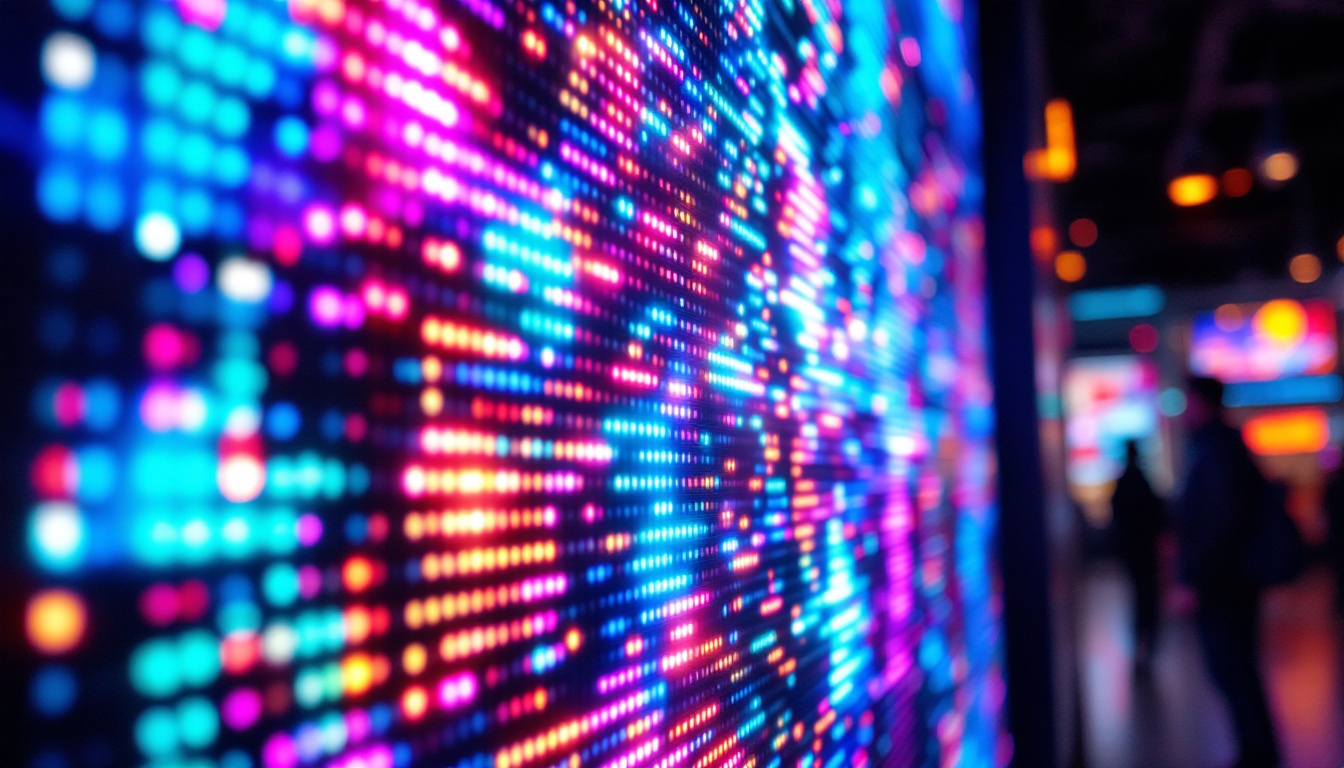
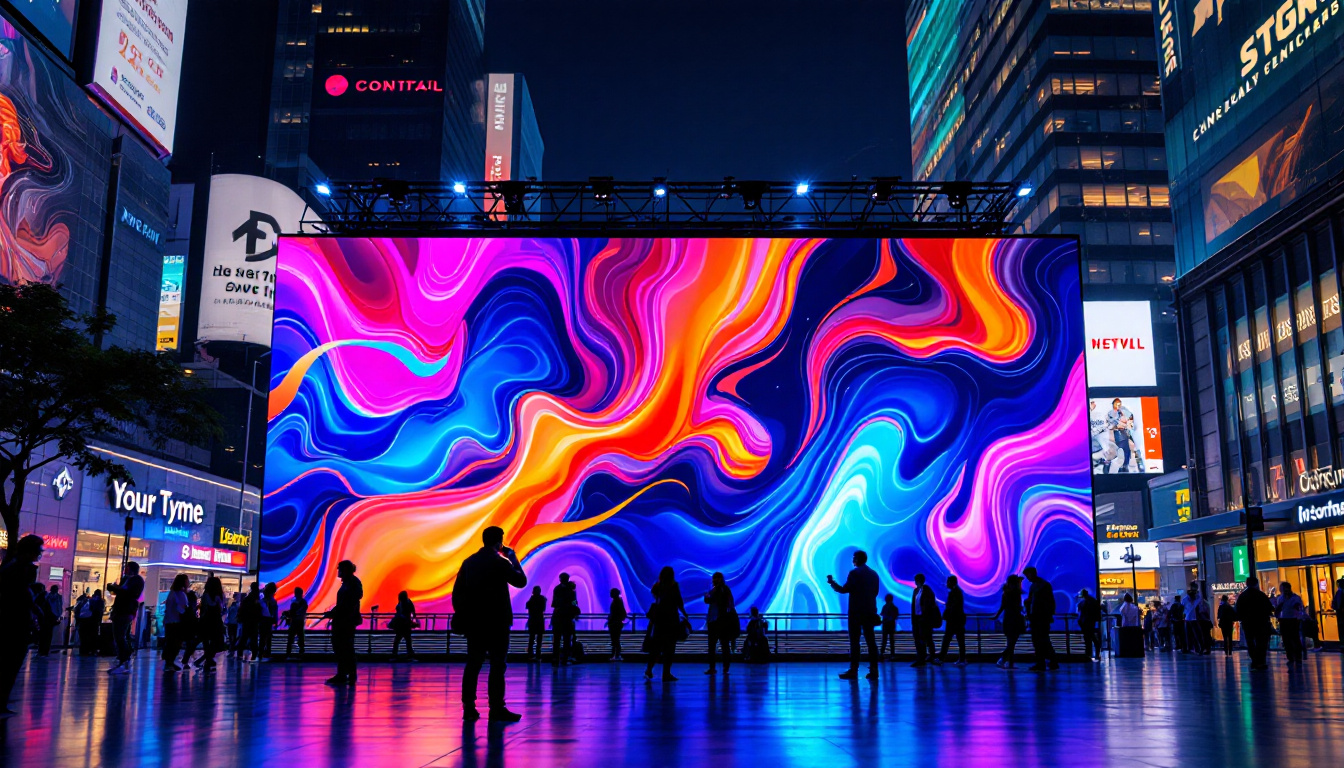
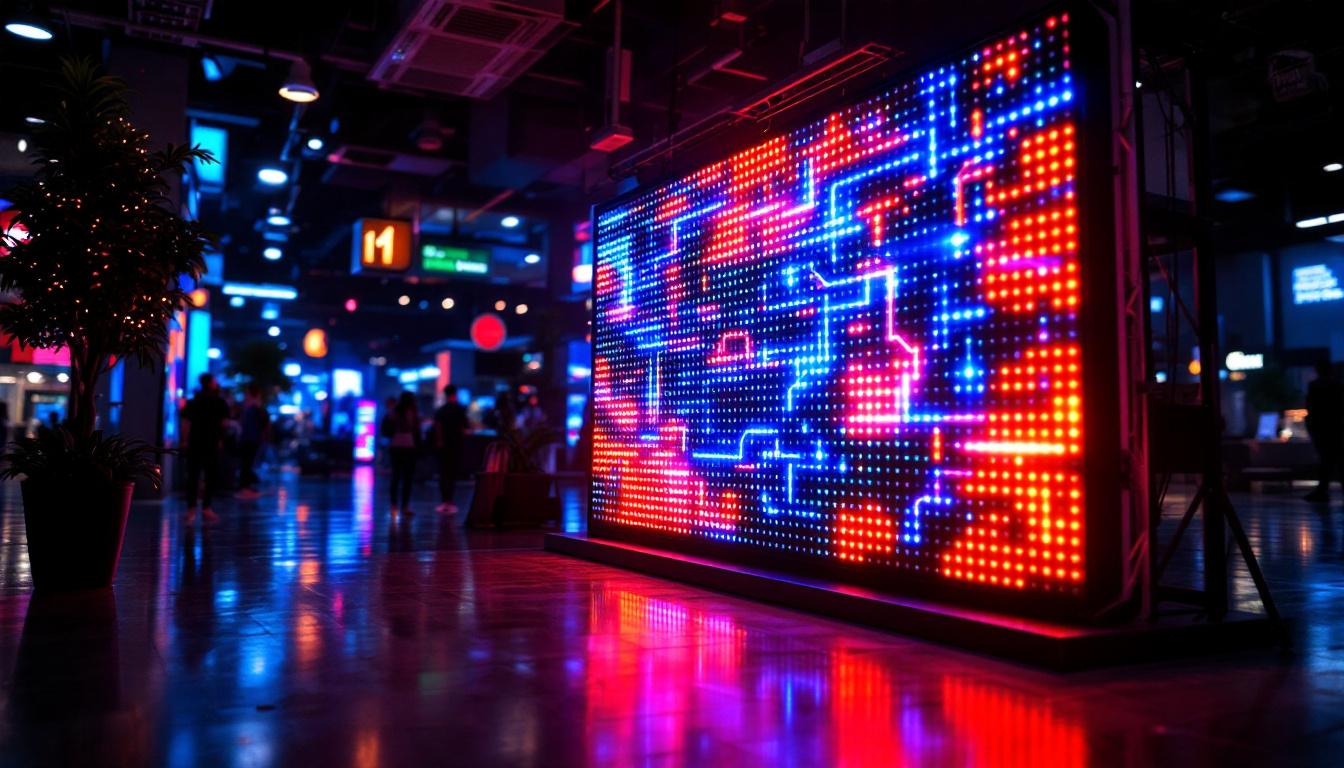
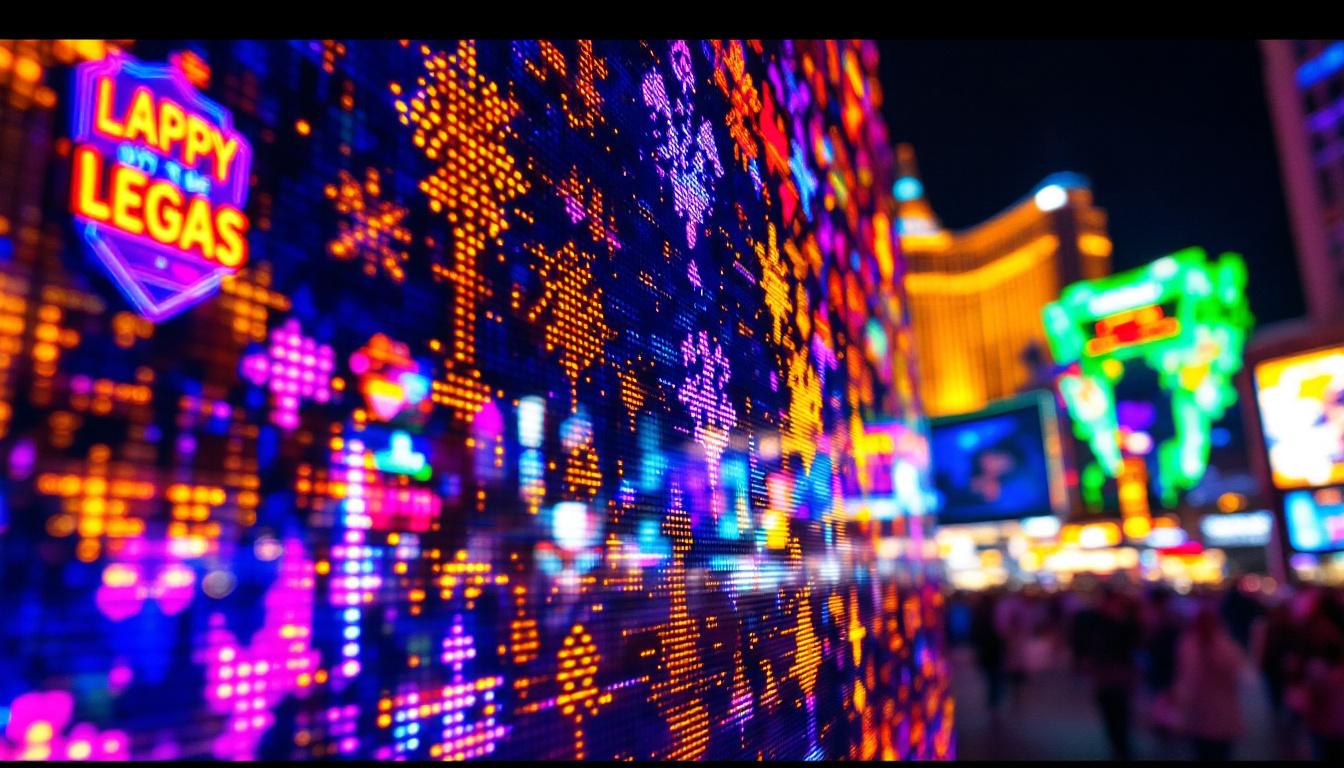
In the context of Las Vegas, LED displays are often large-scale installations designed to be viewed from a distance, such as billboards, building facades, and immersive canopy screens. These displays consist of thousands to millions of individual LEDs arranged in a grid, each capable of producing red, green, and blue light to form a full spectrum of colors. The vibrancy and clarity of these displays contribute significantly to the city’s iconic skyline, making them a vital part of the Las Vegas experience. The interplay of light and color creates a dynamic atmosphere that draws visitors in and keeps them engaged, showcasing everything from advertisements to artistic displays.
Types of LED Displays Used in Las Vegas
Las Vegas utilizes several types of LED screens, each tailored to specific applications:
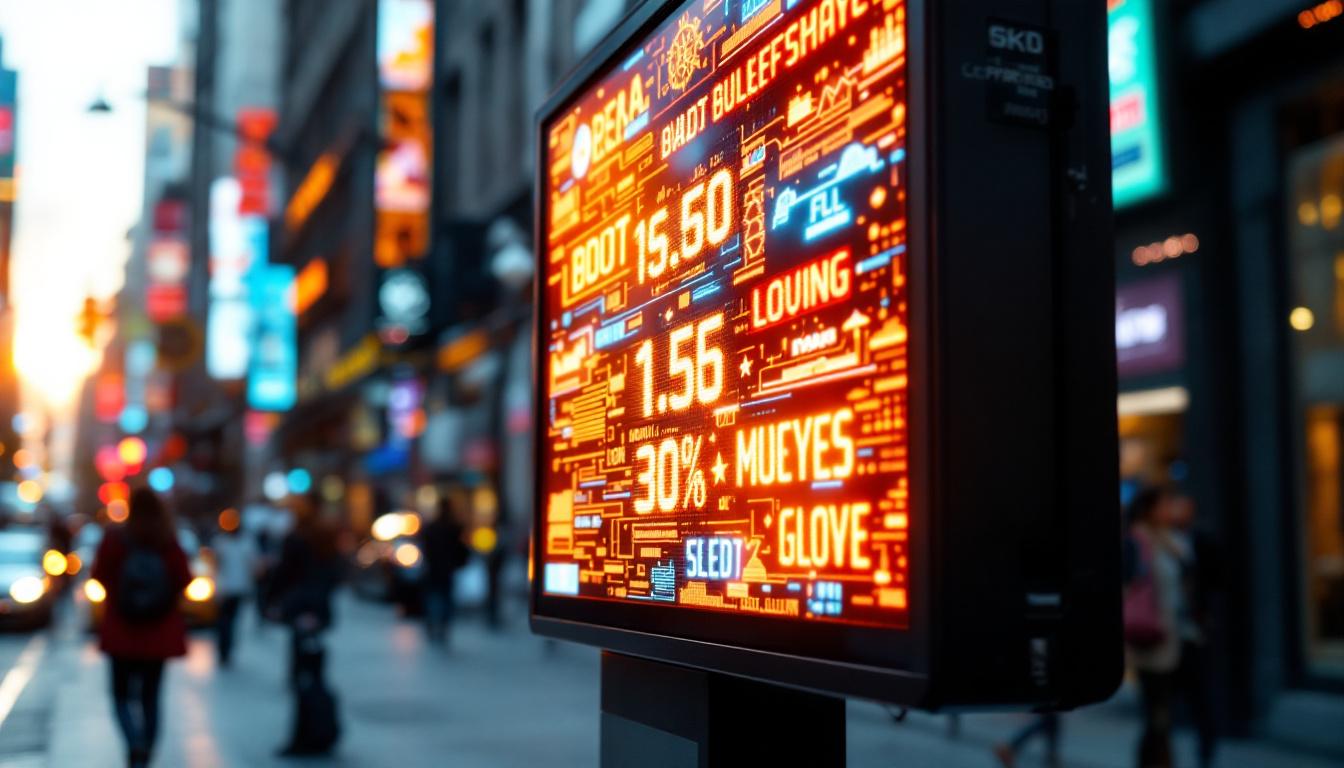
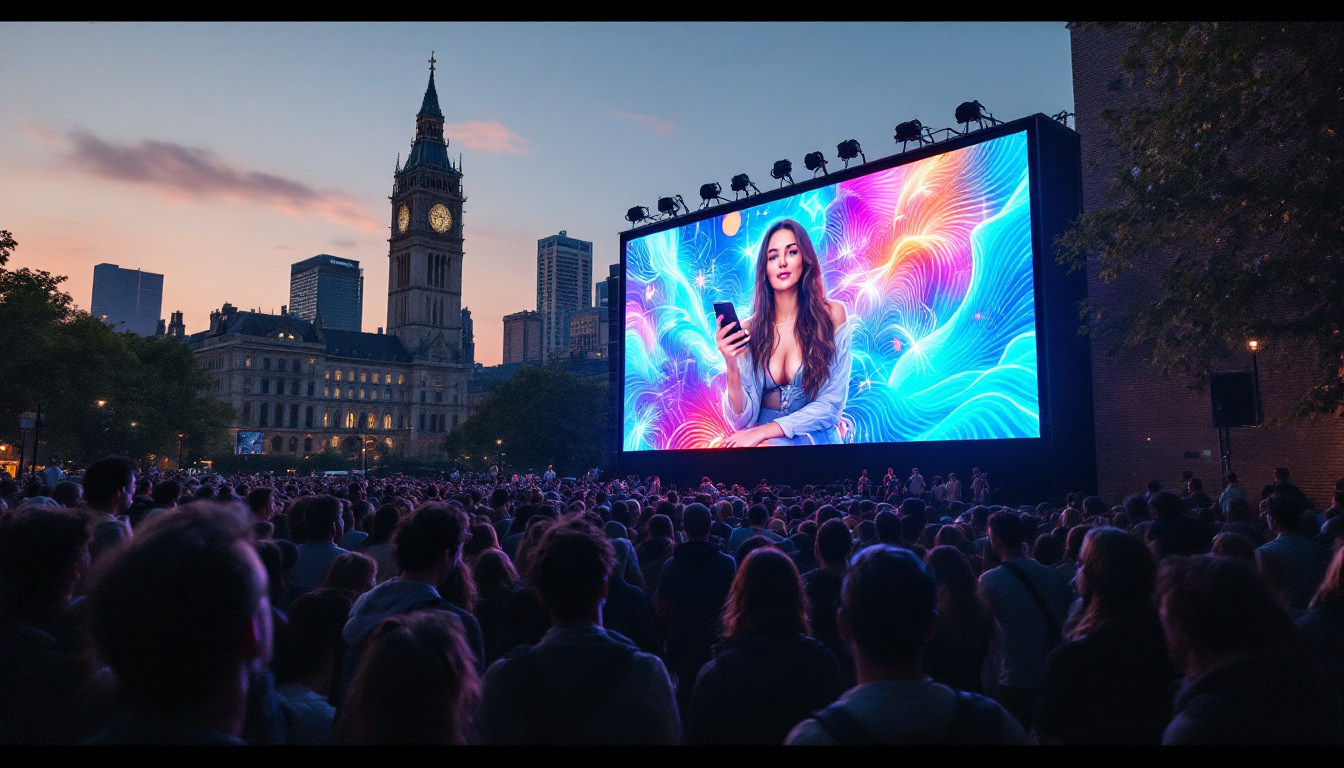
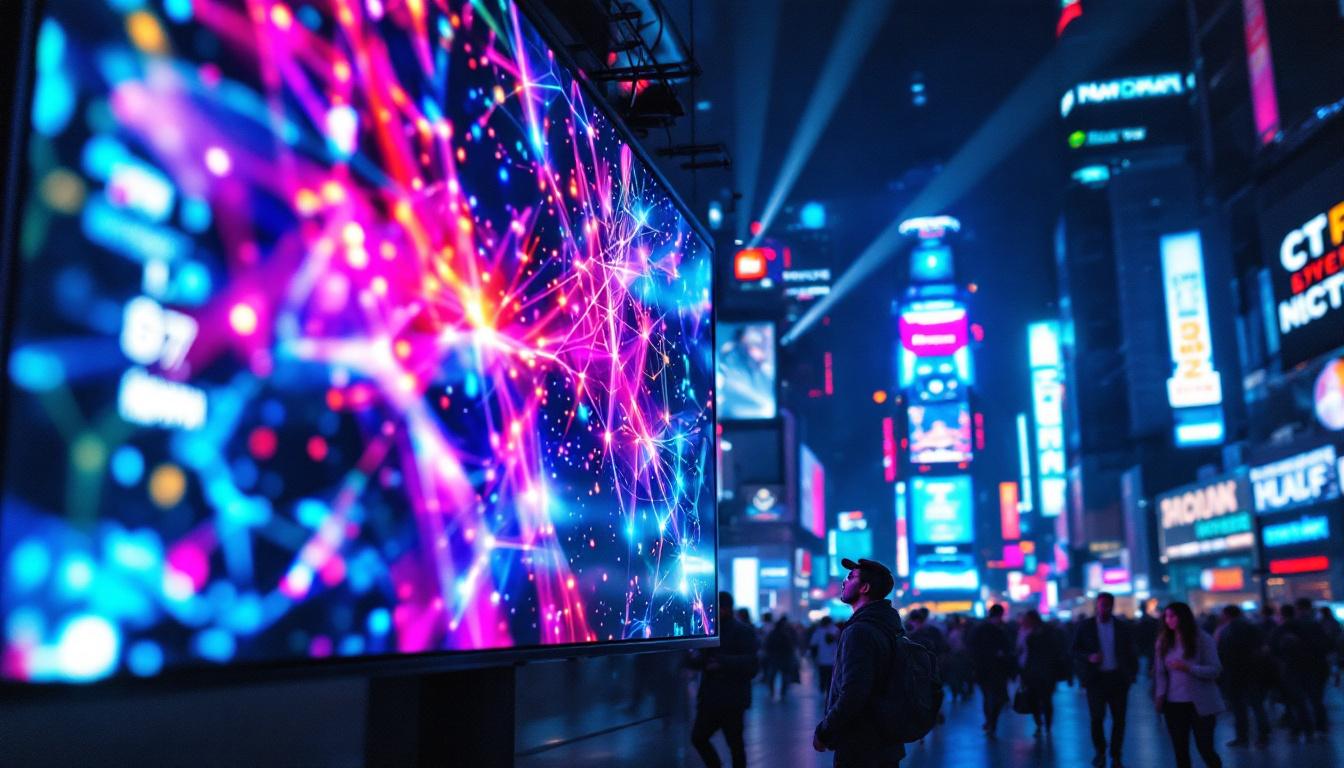
- Outdoor LED Billboards: These are large, high-brightness displays designed to withstand weather conditions and provide clear visibility even in direct sunlight. They are commonly found along the Strip and major highways, often featuring high-resolution graphics that captivate the attention of passersby. The strategic placement of these billboards allows advertisers to reach a vast audience, making them a key component of the city’s advertising landscape.
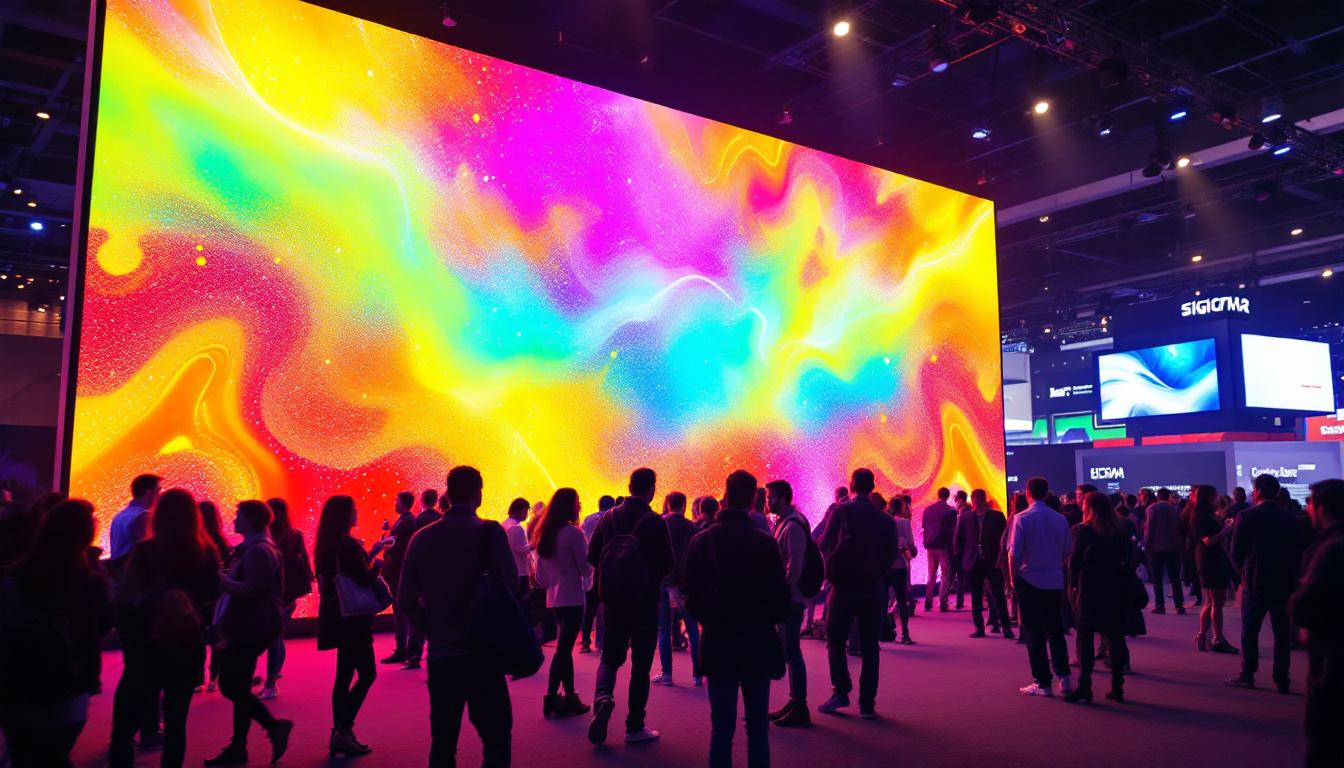
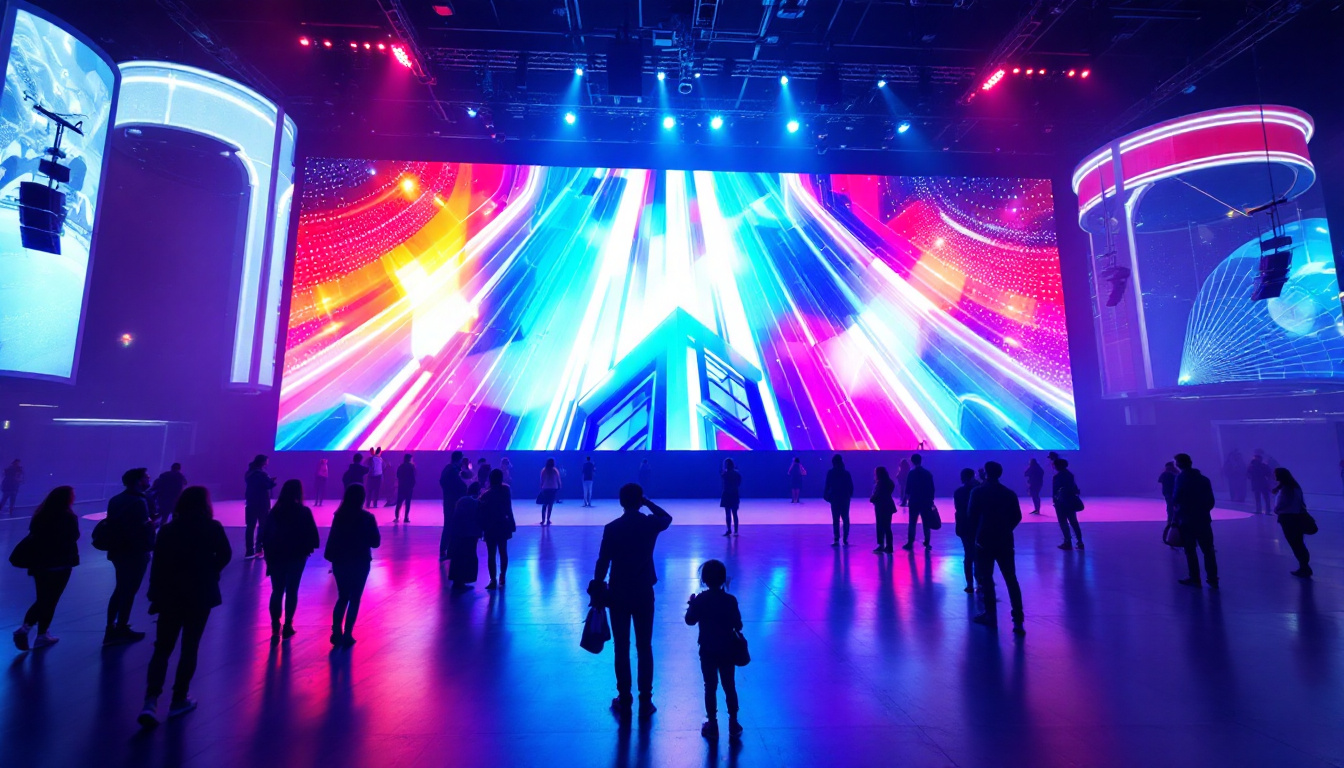
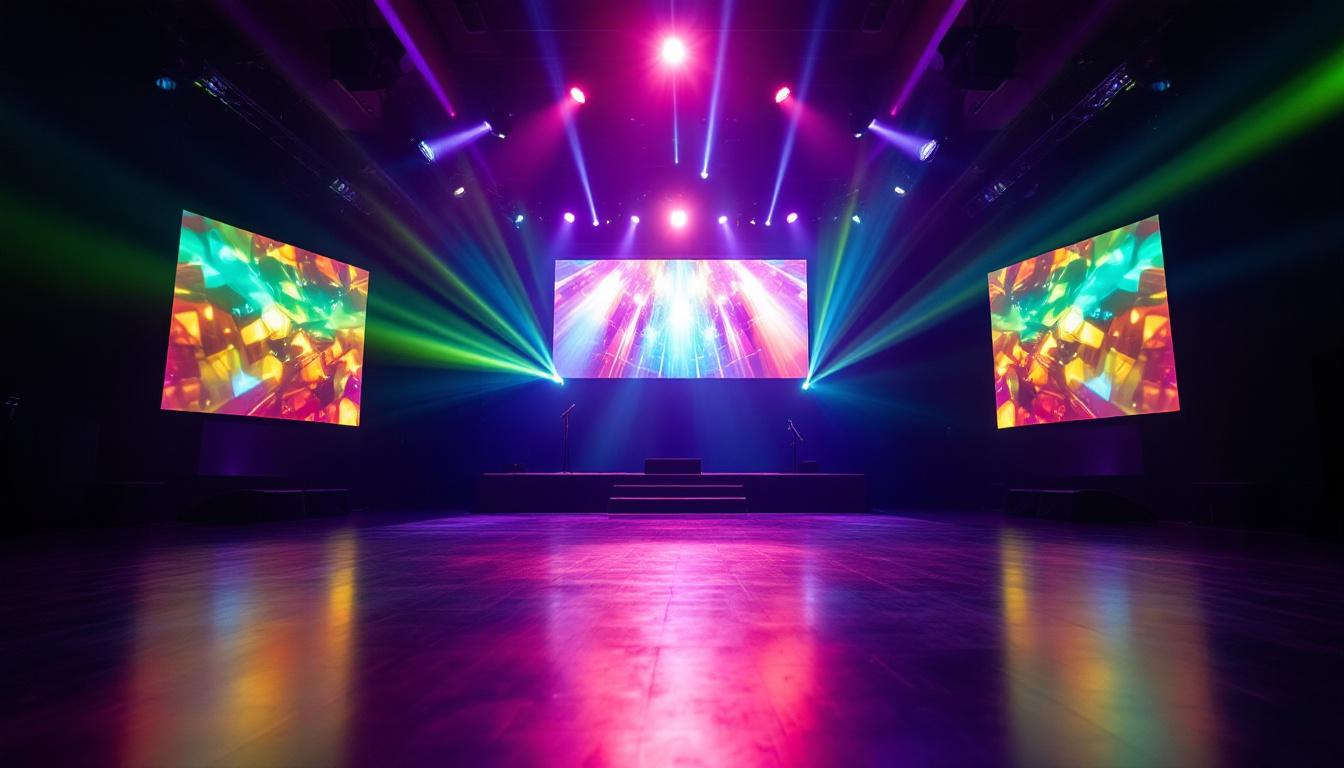
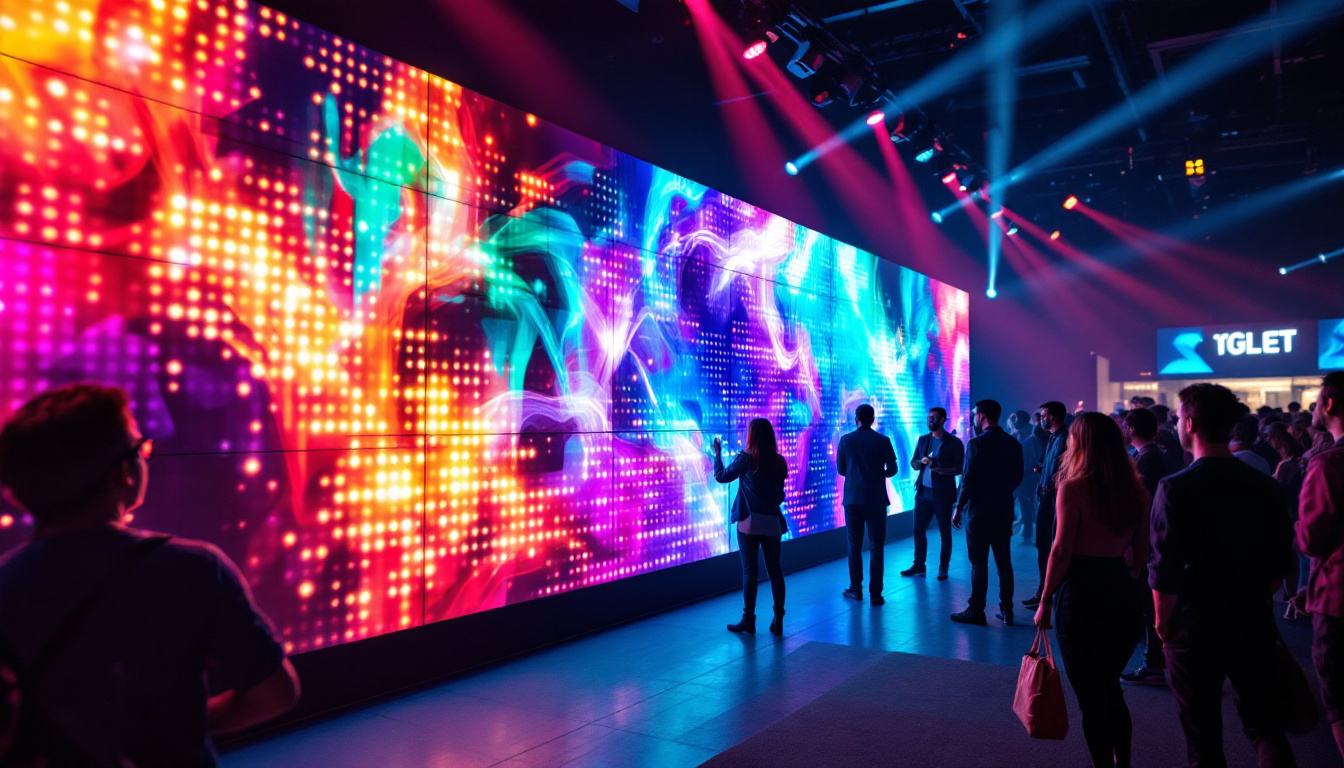
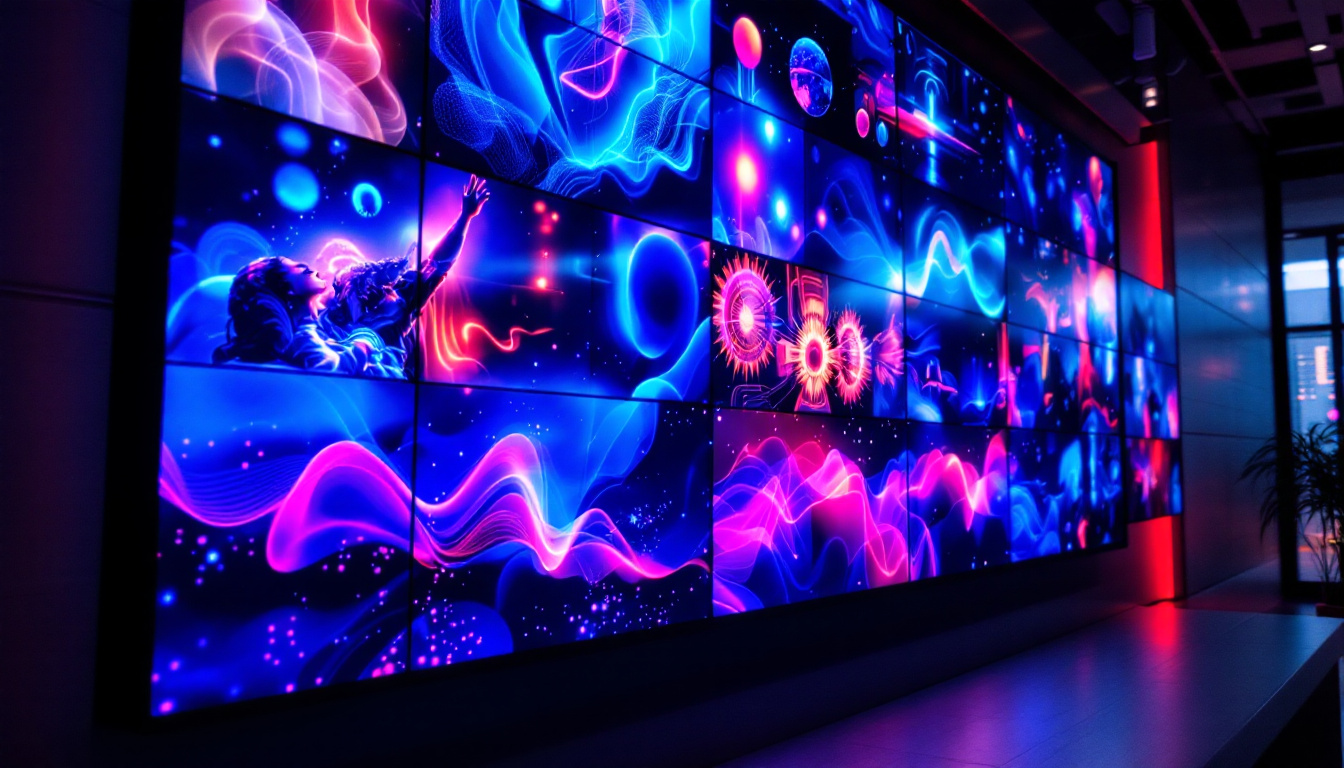
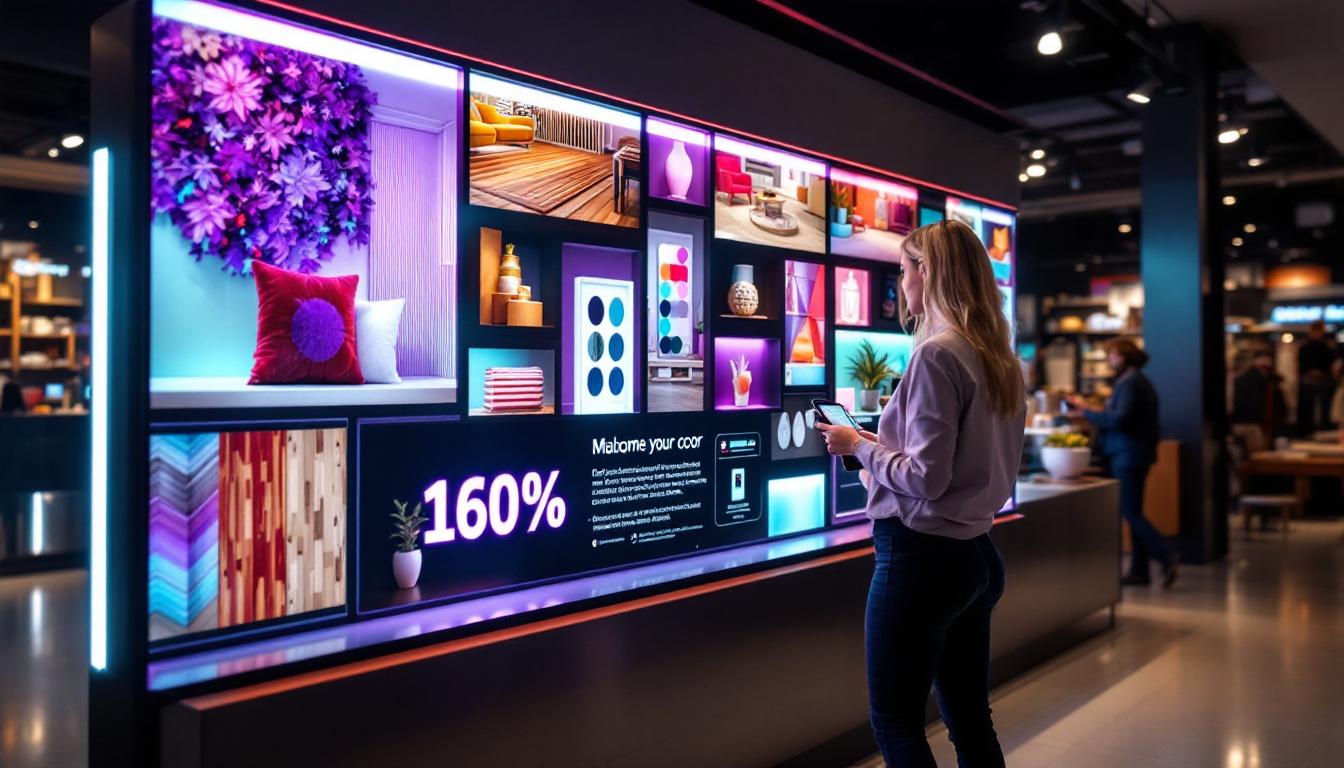
- Indoor LED Walls: Used inside casinos, theaters, and event venues, these screens offer high resolution and vibrant colors for close-up viewing. They enhance the atmosphere of entertainment spaces, providing stunning visuals that complement live performances and gaming experiences. The immersive quality of these displays can transform a simple event into a multi-sensory experience, engaging audiences in ways that traditional screens cannot.
- Curved and Flexible LED Screens: These innovative displays conform to architectural features, such as the curved canopy of the Fremont Street Experience, creating immersive visual environments. Their adaptability allows for creative designs that enhance the structural aesthetics of buildings, making them not just functional but also an integral part of the urban art scene.
How LED Displays Work
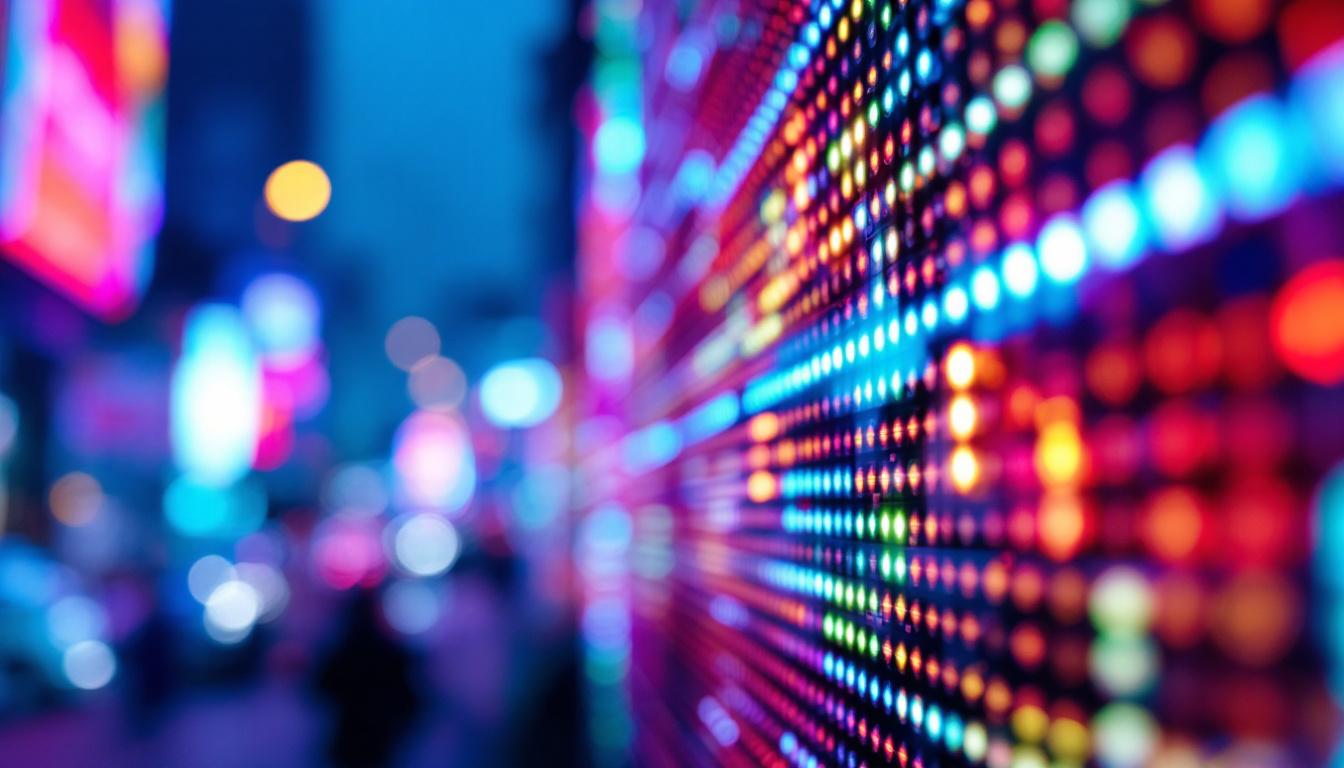
Each LED in a display acts as a pixel, and by varying the intensity of red, green, and blue diodes, the screen can produce millions of colors. The display is controlled by a processor that sends signals to each pixel, determining its brightness and color at any given moment. This rapid processing capability allows for smooth transitions and vibrant animations, which are particularly effective in high-traffic areas where capturing attention is crucial.
Modern LED screens use advanced technologies such as surface-mounted device (SMD) LEDs, which pack multiple diodes into a single pixel, enhancing resolution and color accuracy. The pixel pitch—the distance between the centers of two adjacent pixels—determines the display’s clarity and viewing distance. Smaller pixel pitches are used for close-up viewing, while larger pitches are suitable for distant viewing, such as billboards. Furthermore, the development of smart LED technology has introduced features like real-time content updates and interactive capabilities, allowing for a more engaging viewer experience. This technology can be integrated with social media feeds, live event updates, and even augmented reality elements, pushing the boundaries of how information is presented in public spaces.
The Role of LED Displays in Las Vegas’ Visual Identity
Creating a City That Never Sleeps
Las Vegas’ identity as “The Entertainment Capital of the World” is inseparable from its use of LED technology. The city’s visual landscape is a dynamic canvas where LED screens play a pivotal role in creating an atmosphere of excitement and allure.
From the moment visitors arrive, they are greeted by a symphony of lights and colors that stimulate the senses. The LED displays not only advertise shows, casinos, and restaurants but also contribute to the city’s storytelling, showcasing art, culture, and special events.
Iconic LED Installations
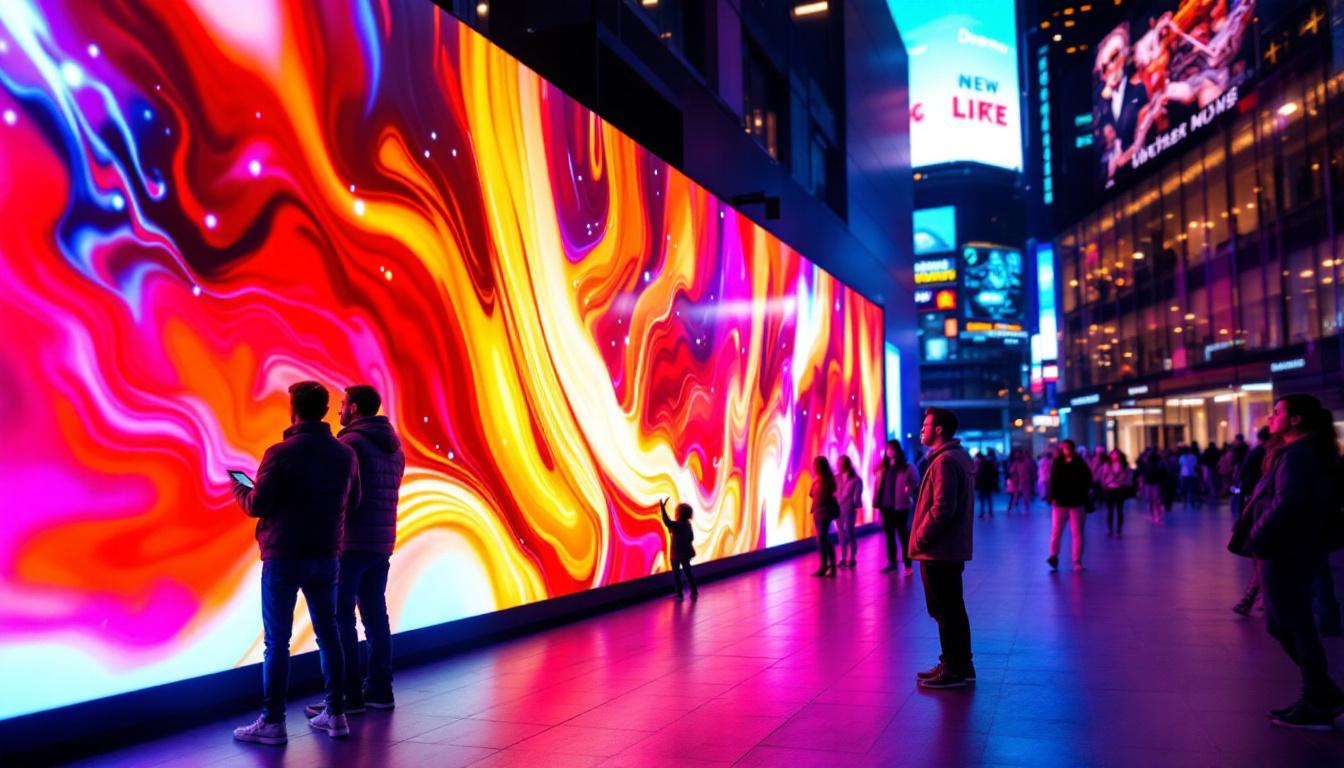
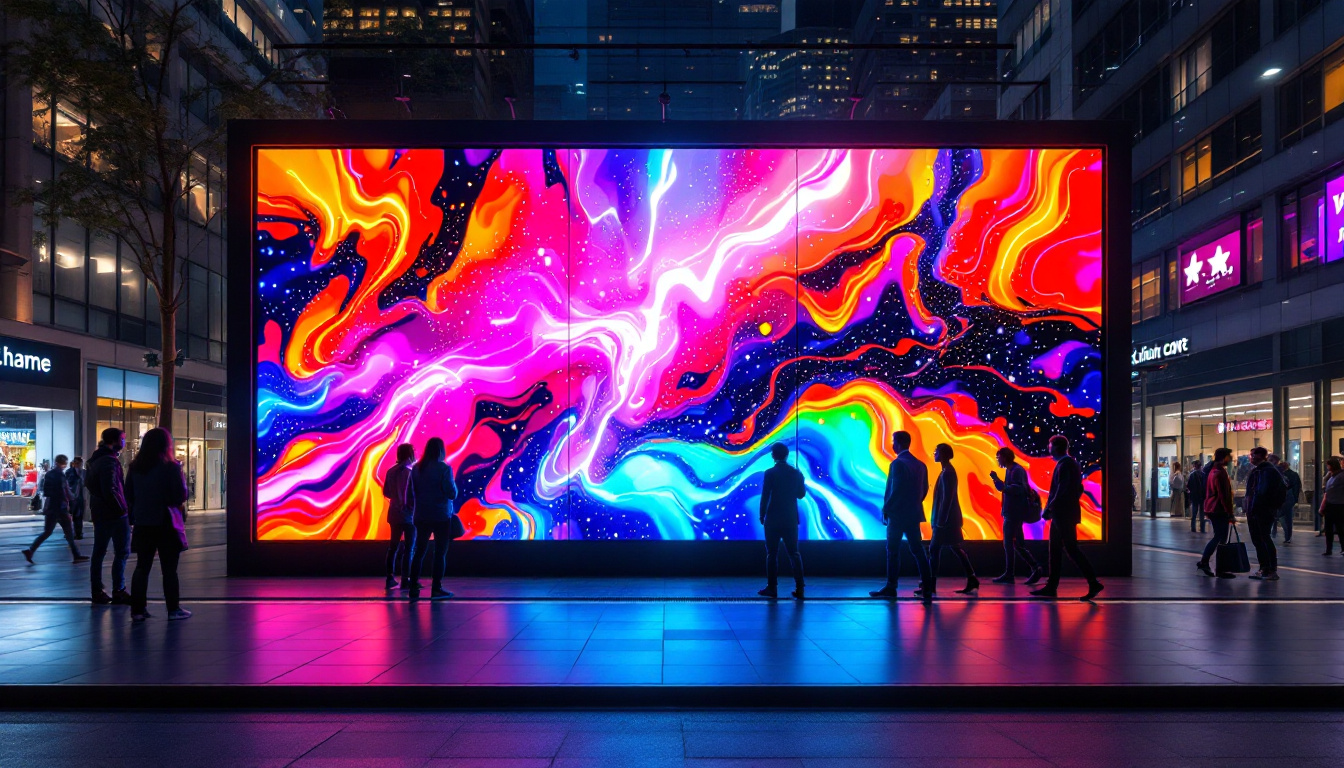
The Fremont Street Experience is perhaps the most famous example of LED technology in Las Vegas. This pedestrian mall features a 1,500-foot-long LED canopy that arches over the street, displaying dazzling light shows synchronized to music. The canopy uses over 12 million LEDs, making it one of the largest LED displays in the world.
Another landmark is the massive LED billboards on the Strip, such as the one at the Wynn Las Vegas and the massive digital façade of the Cosmopolitan. These displays are not just advertisements; they are integral parts of the architectural design, blending technology and aesthetics.
Economic Impact of LED Displays
LED displays contribute significantly to Las Vegas’ economy by attracting tourists and advertisers. According to recent market analyses, digital out-of-home advertising, which includes LED billboards, is expected to grow at a compound annual growth rate (CAGR) of over 10% globally through 2025. Las Vegas, with its high tourist footfall, is a prime beneficiary of this trend.
Advertisers are willing to pay premium rates for spots on these screens because of their high visibility and engagement. This revenue supports local businesses and helps fund city infrastructure projects, creating a positive economic feedback loop.
Technical Challenges and Innovations in LED Displays
Weatherproofing and Durability
One of the primary challenges for outdoor LED displays in Las Vegas is the extreme desert climate. Temperatures can soar above 110°F (43°C) in summer, and the displays must withstand intense sunlight, dust, and occasional rain.
Manufacturers use specialized materials and cooling systems to ensure longevity and consistent performance. For example, LED modules are often coated with protective layers to prevent dust ingress, and heat sinks or active cooling fans are integrated to dissipate heat effectively.
Energy Efficiency and Sustainability
Energy consumption is a critical consideration given the scale and brightness of Las Vegas LED displays. Advances in LED technology have greatly improved energy efficiency, with modern LEDs consuming up to 80% less power than traditional lighting methods.
Additionally, many installations incorporate smart controls that adjust brightness based on ambient light conditions, reducing power usage during nighttime or cloudy days. This not only lowers operating costs but also aligns with growing sustainability goals within the city.
Resolution and Visual Quality Improvements
As technology advances, the resolution of LED displays continues to improve. Ultra-high-definition (UHD) LED screens are becoming more common, offering crystal-clear images even on massive installations.
Las Vegas has embraced these innovations to enhance visitor experiences. For example, the use of 4K and even 8K resolution LED panels in casinos and event venues allows for immersive visuals that captivate audiences and elevate entertainment standards.
Future Trends in Las Vegas LED Displays
Interactive and Immersive Experiences
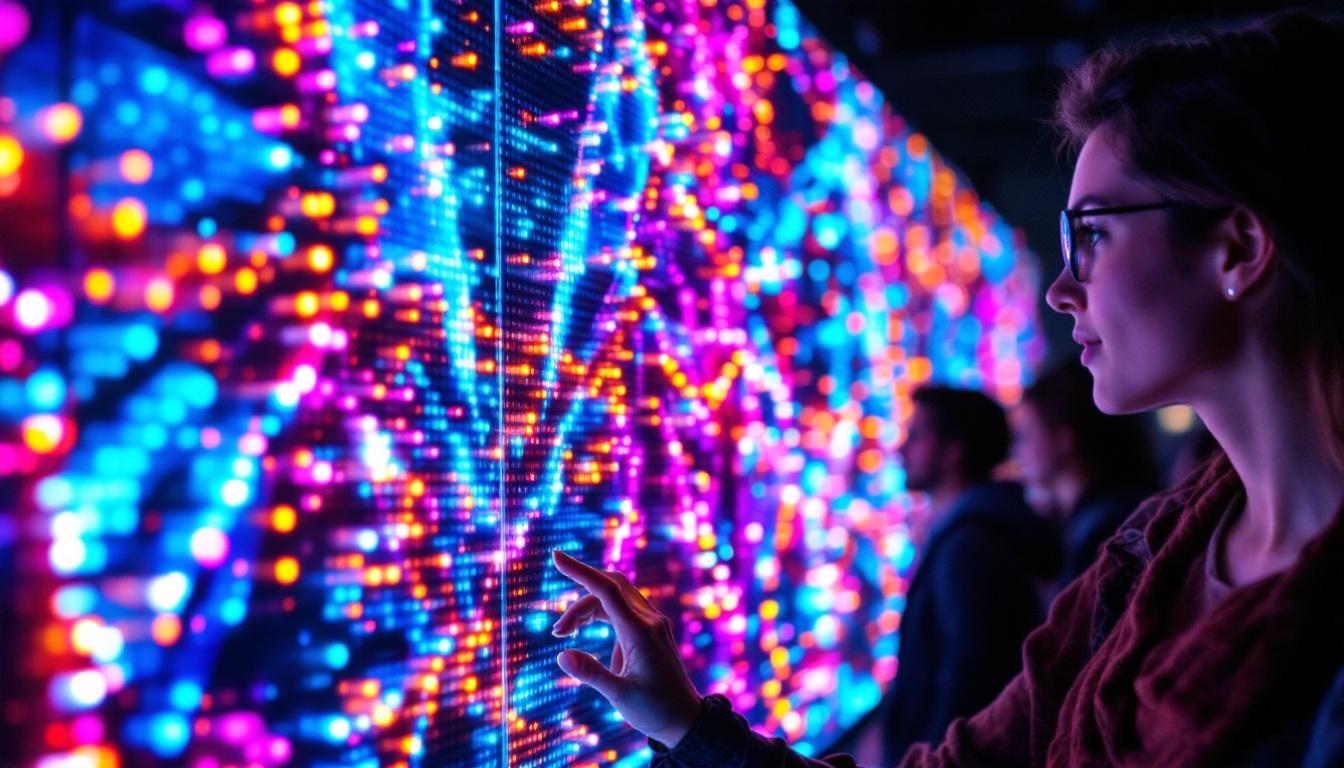
The future of LED displays in Las Vegas is moving beyond passive viewing. Interactive LED walls that respond to movement, touch, or mobile devices are becoming increasingly popular. These technologies create personalized experiences that engage visitors on a deeper level.
For instance, some casinos and entertainment venues are experimenting with LED floors and walls that change patterns as people walk over them, or with augmented reality (AR) integrations that blend digital content with the physical environment.
Integration with Smart City Initiatives
Las Vegas is exploring ways to integrate LED displays into broader smart city frameworks. This includes using LED screens for real-time information dissemination, such as traffic updates, emergency alerts, and event notifications.
By connecting LED displays to centralized data systems, the city can enhance public safety and improve the overall visitor experience. This approach also opens new opportunities for dynamic advertising that adapts to current conditions and audience demographics.
Advancements in LED Materials and Design
Research into new LED materials, such as micro-LEDs and quantum dot LEDs, promises even greater brightness, color accuracy, and energy efficiency. These technologies could lead to thinner, lighter, and more flexible displays that blend seamlessly into architectural elements.
Las Vegas, with its penchant for innovation and spectacle, is likely to be an early adopter of these cutting-edge displays, further cementing its reputation as a city of lights and technology.
Conclusion
LED displays are more than just bright screens in Las Vegas—they are a fundamental part of the city’s identity, economy, and technological landscape. Their ability to captivate audiences, withstand harsh environmental conditions, and evolve with technological advancements makes them indispensable to the city’s visual culture.
As LED technology continues to advance, Las Vegas will remain at the forefront of integrating these displays into immersive, interactive, and sustainable urban experiences. For businesses and visitors alike, understanding the technology behind these luminous giants offers a deeper appreciation of the city’s vibrant and ever-changing face.
Illuminate Your Space with LumenMatrix
Ready to elevate your visual presence and captivate your audience with the brilliance of LED technology? Discover LumenMatrix’s comprehensive suite of LED display solutions, from vibrant Indoor and Outdoor LED Wall Displays to dynamic Vehicle and Sports Displays. Whether you’re looking to create an immersive Floor LED Display, a sleek LED Poster, or a Custom LED Display tailored to your unique needs, LumenMatrix is at the forefront of innovation, ensuring your message shines with unparalleled clarity and impact. Check out LumenMatrix LED Display Solutions today and join the revolution in visual communication.