The TV series The Wall has captivated audiences with its unique blend of suspense, strategy, and high-stakes gameplay. Central to the show’s visual and interactive appeal is its impressive LED display, often referred to simply as “The Wall.” This massive LED screen is not just a backdrop; it is an integral part of the game mechanics and viewer experience. Understanding the technology and design behind this LED display offers insight into how modern television productions leverage cutting-edge visual technology to engage audiences.
The Role of the LED Display in The Wall
At first glance, the LED display in The Wall appears as a towering, vibrant game board where oversized balls cascade down a peg-filled surface. However, the LED screen is much more than just a decorative element. It serves multiple functions:
- Gameplay Interaction: The LED display visualizes the path of the balls, the prize amounts, and the game’s progress in real-time.
- Audience Engagement: Its dynamic visuals create suspense and excitement, keeping viewers glued to their screens.
- Set Integration: The LED wall seamlessly integrates with lighting and camera work, enhancing the overall production quality.
Without this LED display, the game’s dramatic tension and clarity would be significantly diminished, demonstrating the importance of this technology in modern game shows.
Moreover, the LED display plays a crucial role in storytelling throughout the game. As contestants navigate their choices, the screen not only reflects their decisions but also heightens the emotional stakes by showcasing potential outcomes. The vivid colors and animations can evoke a sense of urgency, making each moment feel pivotal. This immersive experience is designed to resonate with both contestants and viewers, creating a shared journey filled with anticipation and thrill.
In addition to its functional aspects, the LED display also serves as a canvas for creative expression. Producers can tailor graphics and animations to match specific themes or special episodes, adding layers of excitement and variety to the show. This adaptability allows for unique visual experiences that can surprise and delight audiences, ensuring that no two episodes feel the same. As technology continues to advance, the possibilities for enhancing the LED display’s role in game shows like The Wall seem virtually limitless.
Technical Overview of the LED Display
LED Technology Fundamentals
LED, or Light Emitting Diode, technology has revolutionized display screens due to its brightness, energy efficiency, and versatility. Unlike traditional LCD screens, LED displays emit their own light, allowing for vivid colors and high contrast ratios even in brightly lit studio environments. This capability not only enhances the viewing experience but also reduces the strain on the eyes, making it more comfortable for both the audience and the production crew during long sessions.
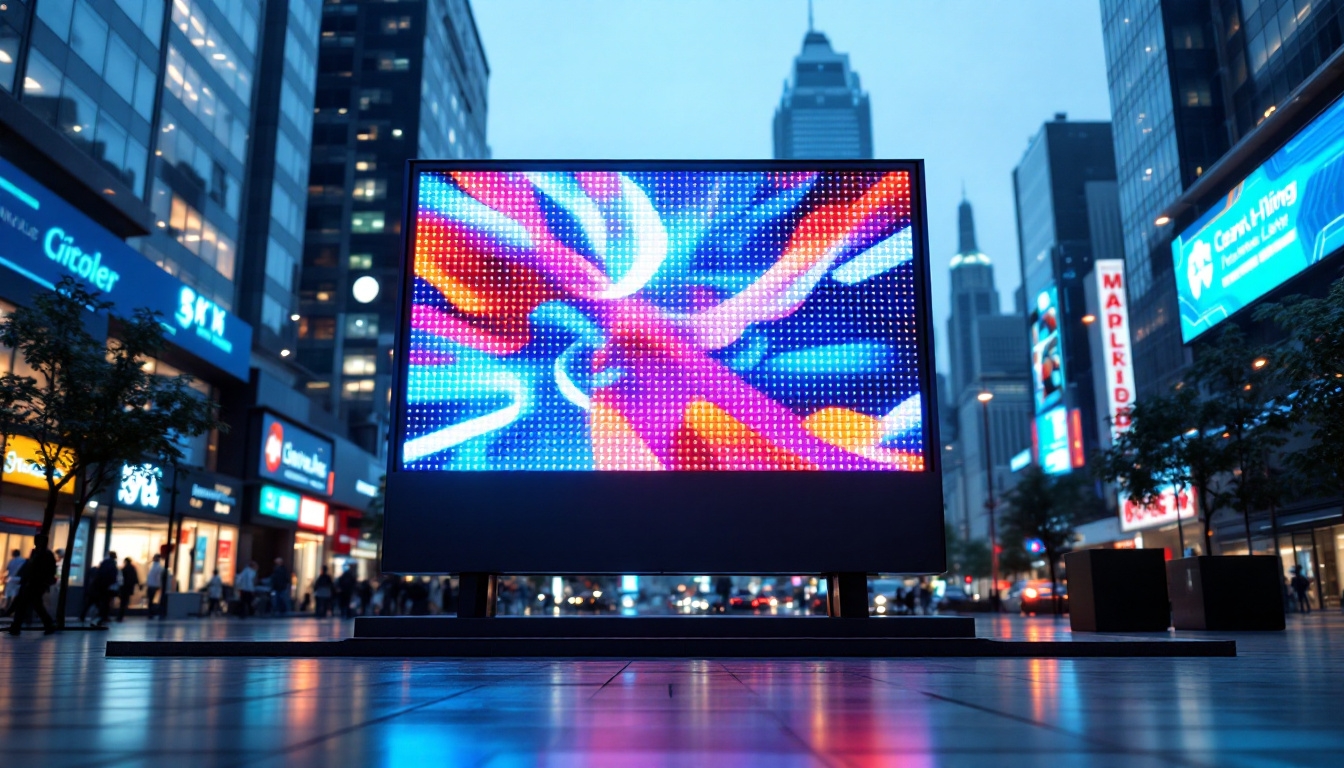
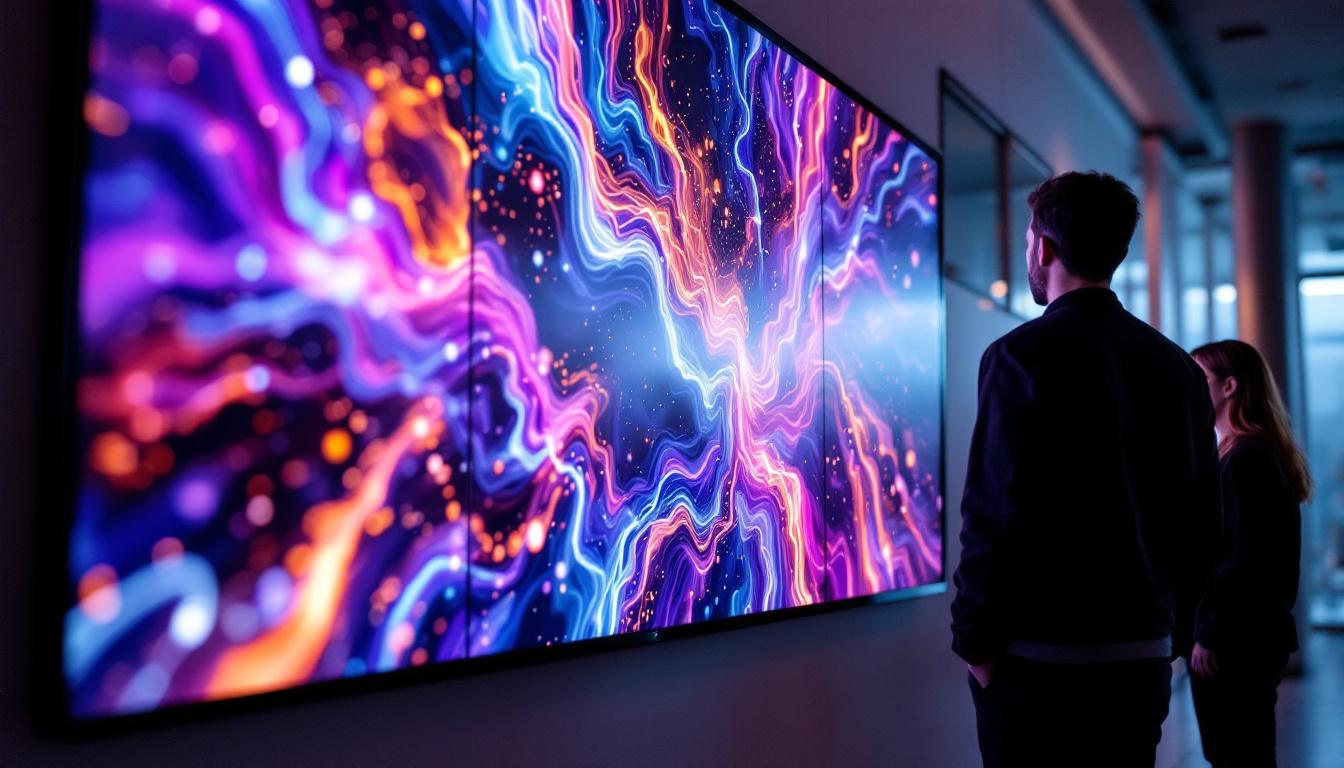
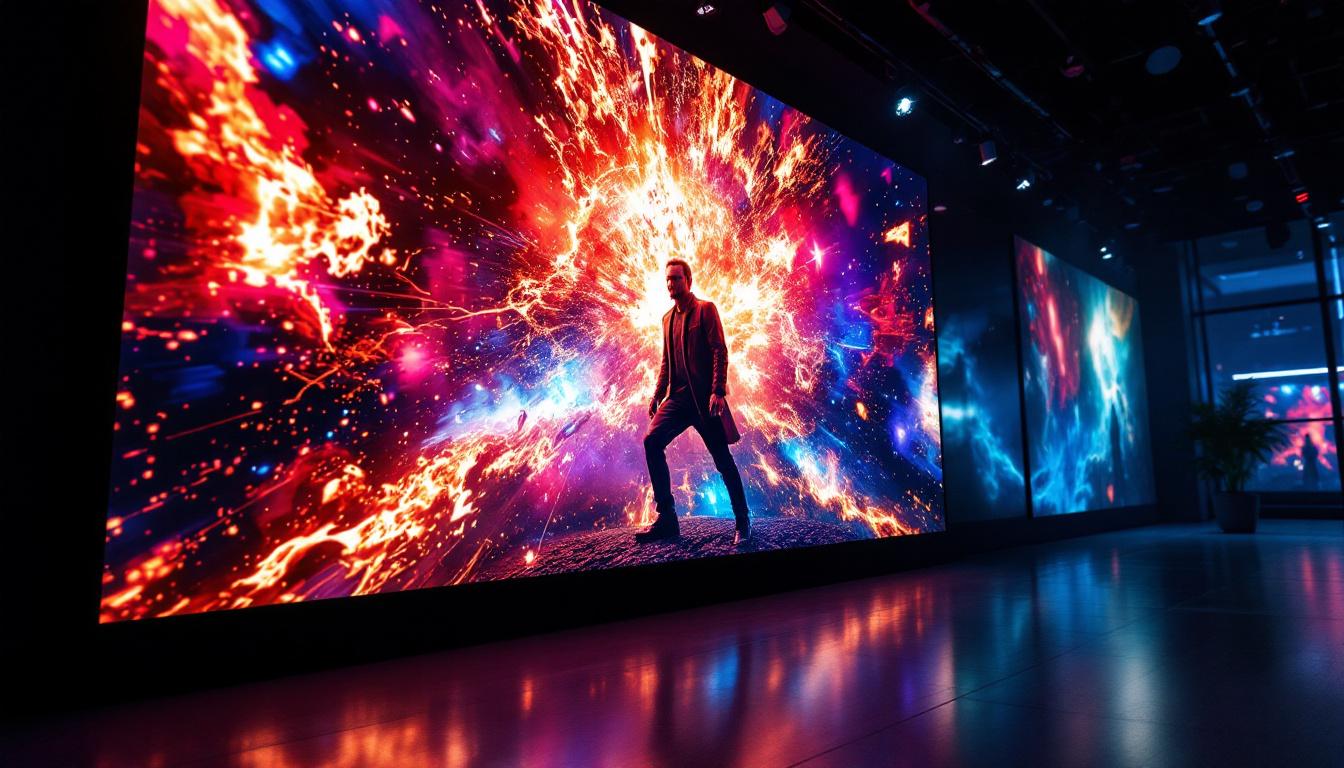
The Wall’s LED display is a large-scale, high-resolution screen composed of thousands of individual LED modules. These modules work together to form a seamless image that can be dynamically updated during the show. This dynamic capability allows for real-time graphics, animations, and even live feeds, creating an immersive environment that captivates viewers and keeps them engaged throughout the broadcast.
Display Specifications and Dimensions
The Wall’s LED screen measures approximately 30 feet (9 meters) in height and 20 feet (6 meters) in width, creating an imposing presence on the set. This size allows for clear visibility of game elements from multiple camera angles and studio seating positions. The sheer scale of the display not only enhances the aesthetics of the production but also serves as a focal point that draws the audience’s attention, effectively amplifying the impact of the content being presented.
Resolution-wise, the display uses a pixel pitch of around 10 millimeters, meaning the distance between the centers of two adjacent LEDs is 10 mm. This pitch strikes a balance between image clarity and the ability to produce large-scale visuals without visible pixelation. The high resolution ensures that even the most intricate details of graphics and animations are rendered sharply, contributing to a professional and polished look that elevates the overall production quality.
Modular Design for Maintenance and Flexibility
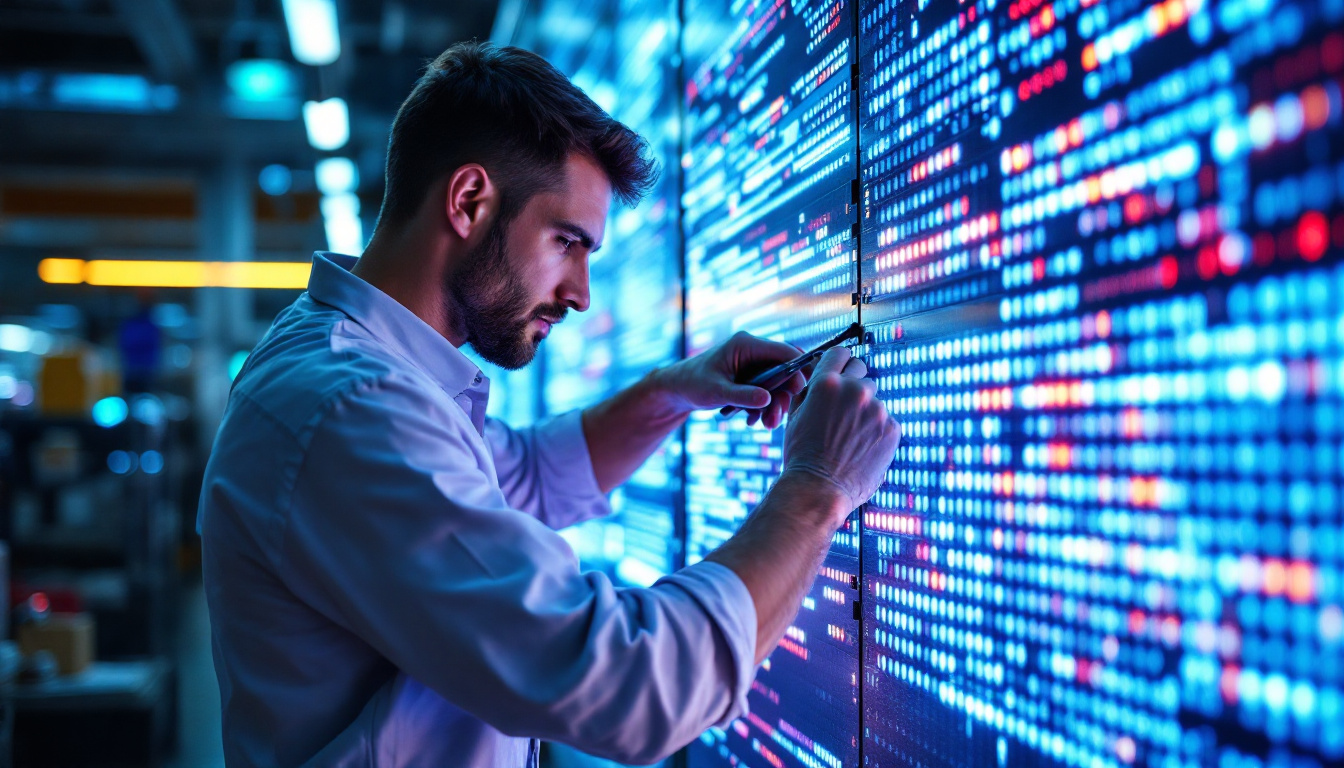
One of the key advantages of LED displays in television production is their modular design. The Wall’s LED screen is composed of numerous smaller panels or tiles that can be individually replaced or serviced. This modularity ensures minimal downtime if any part of the display malfunctions. In a fast-paced production environment, this feature is invaluable, as it allows technicians to quickly address issues without disrupting the entire broadcast, thereby maintaining the show’s flow.
Additionally, the modular setup allows for potential resizing or reconfiguration of the display to suit different production needs or set designs, making it a flexible investment for the show’s producers. This adaptability means that as the show evolves or as new technologies emerge, the display can be upgraded or altered to incorporate the latest advancements in visual technology, ensuring that the production remains at the cutting edge of the industry. Furthermore, this flexibility opens up creative possibilities for set designers, enabling them to experiment with different layouts and visual presentations that can enhance storytelling and audience engagement.
How the LED Display Enhances Gameplay
Visualizing Game Mechanics
The Wall’s gameplay revolves around dropping balls down a peg-filled board, with the balls landing in slots that correspond to prize amounts. The LED display is critical in visually representing these prize slots, which light up dynamically to show potential winnings or losses.
Each slot on the LED screen is programmed to change colors and display animations that reflect the game’s current state. For example, when a ball lands in a high-value slot, the LED panel flashes or pulses to emphasize the win, heightening the excitement for both contestants and viewers.
Real-Time Data Integration
Behind the scenes, the LED display is connected to a real-time data system that tracks ball positions, scores, and game progress. This integration allows the visuals on the screen to update instantaneously, ensuring that the display matches the unfolding action perfectly.
Such synchronization is essential for maintaining the integrity of the game and providing clear information to the audience, which is especially important in a high-stakes game show format.
Enhancing Emotional Impact
The LED display’s ability to shift colors, display animations, and synchronize with sound effects contributes significantly to the emotional pacing of the show. For instance, during tense moments when a ball is about to drop, the screen may dim or display countdown animations, building anticipation.
This multimedia approach transforms the LED display into a storytelling device, not just a game board, enriching the viewer’s emotional experience.
Challenges and Innovations in LED Display Use
Managing Brightness and Glare
One of the technical challenges in using large LED displays in TV studios is controlling brightness and glare. The Wall’s LED screen must be bright enough to be clearly visible on camera, even under intense studio lighting, but not so bright that it causes discomfort to contestants or interferes with camera exposure settings.
To address this, the production team employs advanced brightness calibration and anti-glare coatings on the LED modules. These measures ensure optimal visibility and comfort during filming.
Durability and Reliability
Given the physical nature of the game—balls physically dropping down the wall—there is a risk of impact or vibration affecting the LED panels. The Wall’s display is engineered to withstand such mechanical stresses through reinforced mounting and shock-absorbing materials.
Moreover, the modular design facilitates quick repairs, minimizing disruptions during filming schedules.
Innovations in Interactive LED Technology
The Wall’s LED display exemplifies advances in interactive LED technology, where the screen is not just a passive display but an active participant in the game. Future innovations may include even higher resolution panels, touch-sensitive LED surfaces, or augmented reality integration to further enhance interactivity and immersion.
These developments could redefine how game shows and other live productions use LED technology to engage audiences.
The Impact of LED Displays on Modern Television Production
Setting New Standards for Visual Storytelling
The use of large-scale LED displays like The Wall’s has set a new standard for visual storytelling in television. By combining vivid imagery, real-time data visualization, and interactive elements, these displays create immersive experiences that traditional set pieces cannot match.
This trend is evident across various genres, from game shows and reality TV to live concerts and sports broadcasts, where LED walls are increasingly common.
Cost and Production Considerations
While LED displays offer numerous benefits, they also represent a significant investment. High-quality LED walls can cost hundreds of thousands of dollars, factoring in installation, maintenance, and operational costs.
However, many producers consider this investment worthwhile due to the enhanced production value and audience engagement that LED technology delivers. Additionally, the longevity and modularity of LED displays can offset initial costs over time.
Future Trends in LED Display Usage
Looking ahead, the integration of LED walls with emerging technologies such as virtual production, real-time rendering, and AI-driven content customization promises to revolutionize television production further.
Shows like The Wall are at the forefront of this evolution, demonstrating how technology can elevate entertainment formats and create unforgettable viewing experiences.
Conclusion
The LED display in the TV series The Wall is a remarkable example of how advanced visual technology can transform a game show into a dynamic and immersive spectacle. From its towering size and high resolution to its real-time interactivity and emotional impact, the LED wall is central to the show’s success.
Understanding the technical aspects and production considerations behind this LED display highlights the broader role of LED technology in modern television. As LED displays continue to evolve, they will undoubtedly play an even greater role in shaping the future of entertainment.
For viewers and industry professionals alike, The Wall offers a compelling case study in the power of LED technology to engage, inform, and thrill audiences worldwide.
Discover Cutting-Edge LED Displays with LumenMatrix
As you’ve seen with The Wall, LED technology is at the heart of modern entertainment, transforming the way we experience visual storytelling. If you’re inspired to elevate your own productions or events with the same level of dynamic and immersive visual displays, look no further than LumenMatrix. Our extensive range of LED display solutions, from Indoor and Outdoor LED Walls to Custom and Transparent Displays, are designed to captivate your audience and amplify your message. We invite you to check out LumenMatrix LED Display Solutions and join the revolution in visual communication.