In the rapidly evolving world of visual technology, LED displays have become a cornerstone for advertising, entertainment, and information dissemination. From massive outdoor billboards to intricate indoor screens, LED displays offer unparalleled brightness, flexibility, and durability. This article delves deep into the world of LED displays, explaining their technology, applications, and future trends, providing a comprehensive understanding for professionals, enthusiasts, and decision-makers alike.
Understanding LED Display Technology
What is an LED Display?
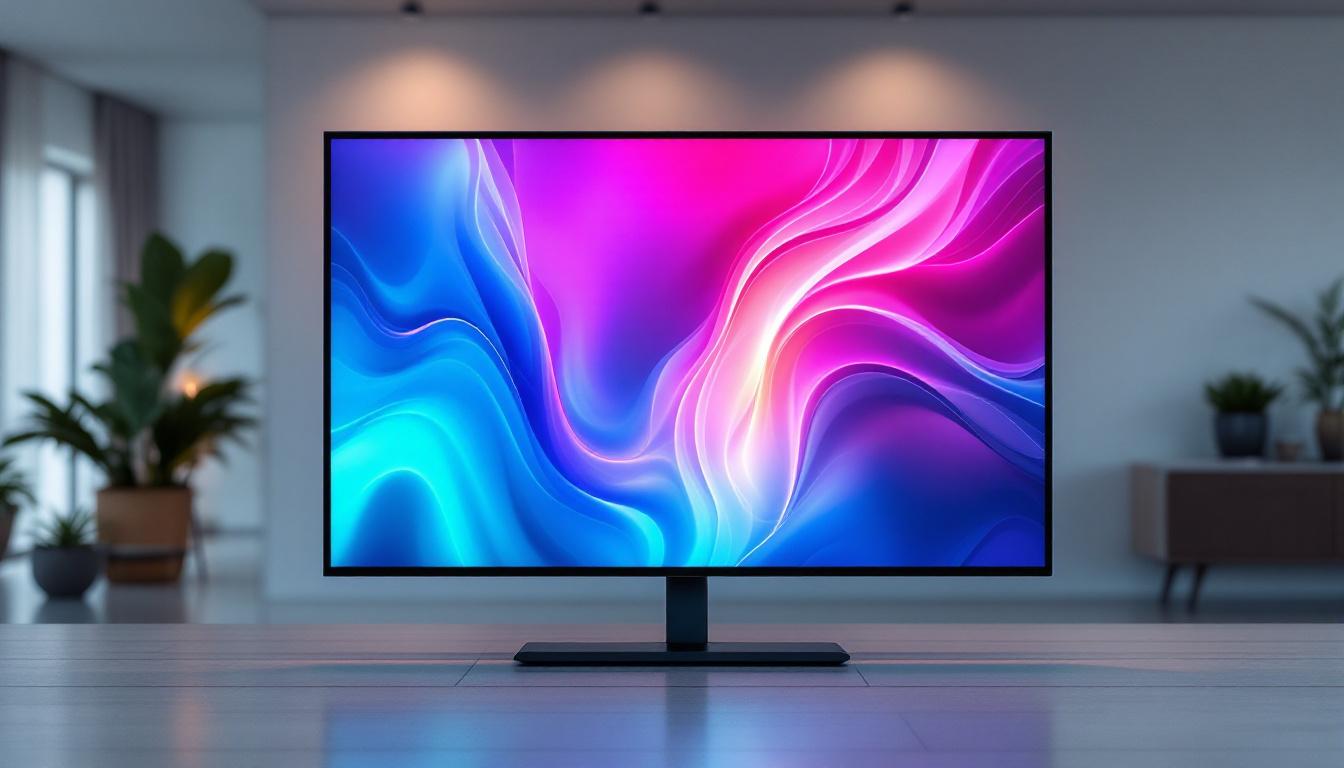
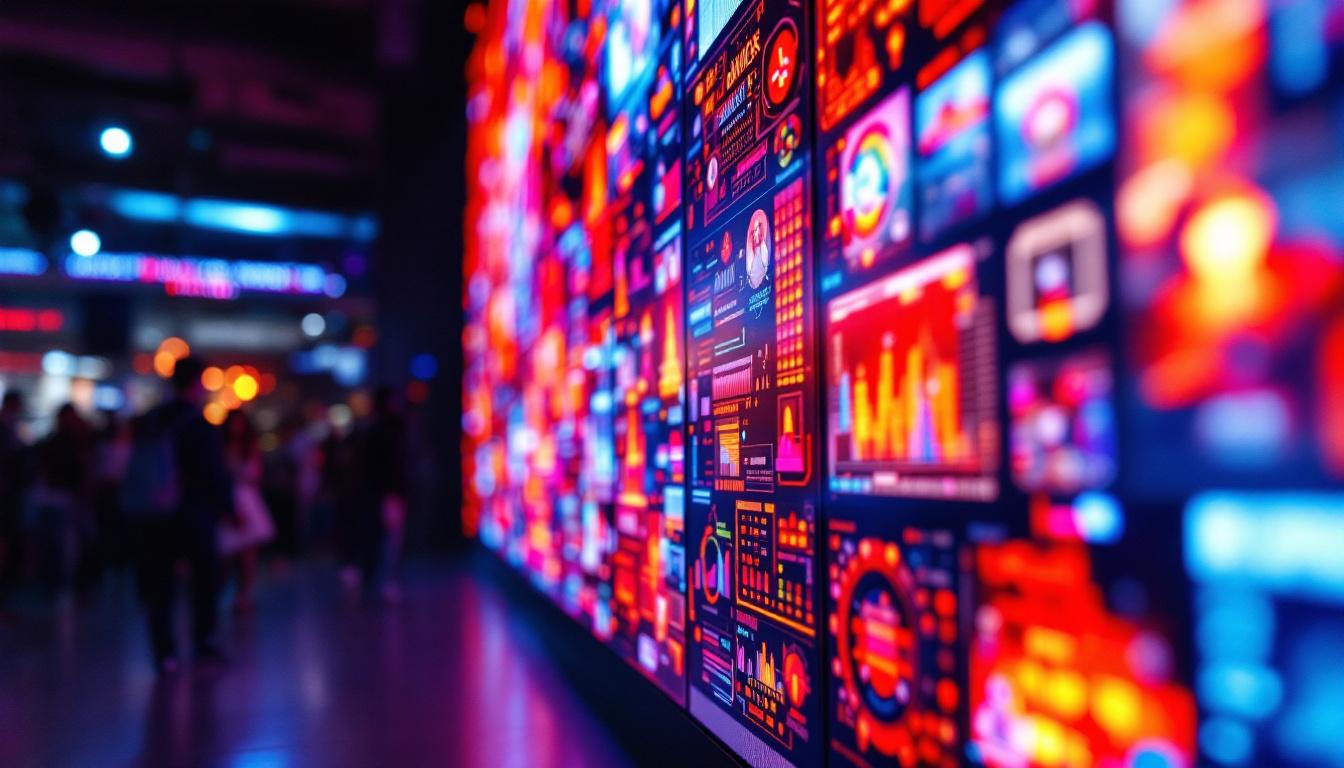
LED, or Light Emitting Diode, displays are screens composed of numerous tiny light-emitting diodes that collectively produce images, videos, or text. Unlike traditional LCD or plasma screens, LED displays use these diodes as individual pixels, which can emit light independently. This self-illumination capability allows for superior brightness and contrast ratios, making LED displays highly visible even under direct sunlight.
The core advantage of LED technology lies in its energy efficiency and longevity. LEDs consume significantly less power compared to other lighting technologies and can last upwards of 100,000 hours under optimal conditions. This makes LED displays not only visually impressive but also cost-effective over their operational lifespan. Additionally, the reduced energy consumption contributes to a lower carbon footprint, aligning with global sustainability goals and making LED displays an environmentally friendly choice for both commercial and residential applications.
Types of LED Displays
LED displays come in various forms, generally categorized by their construction and intended use. The two primary types are:
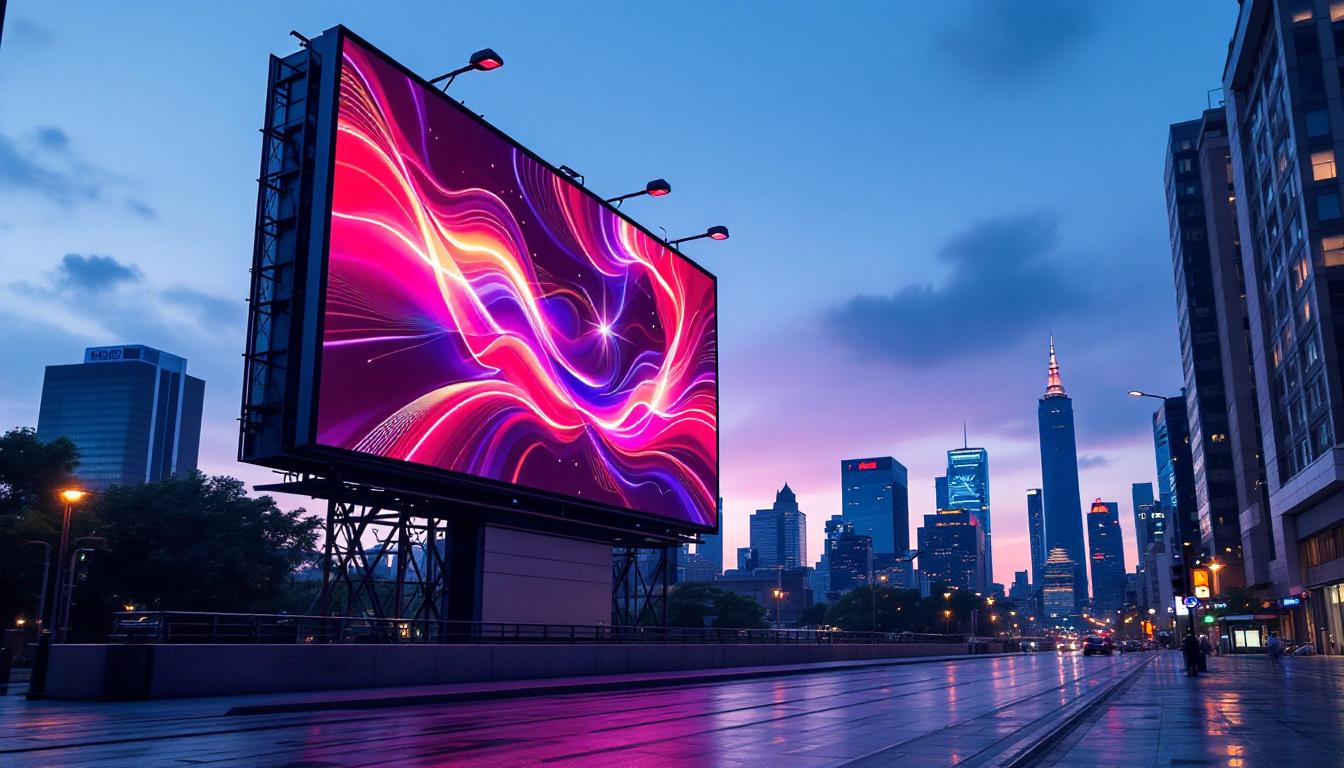
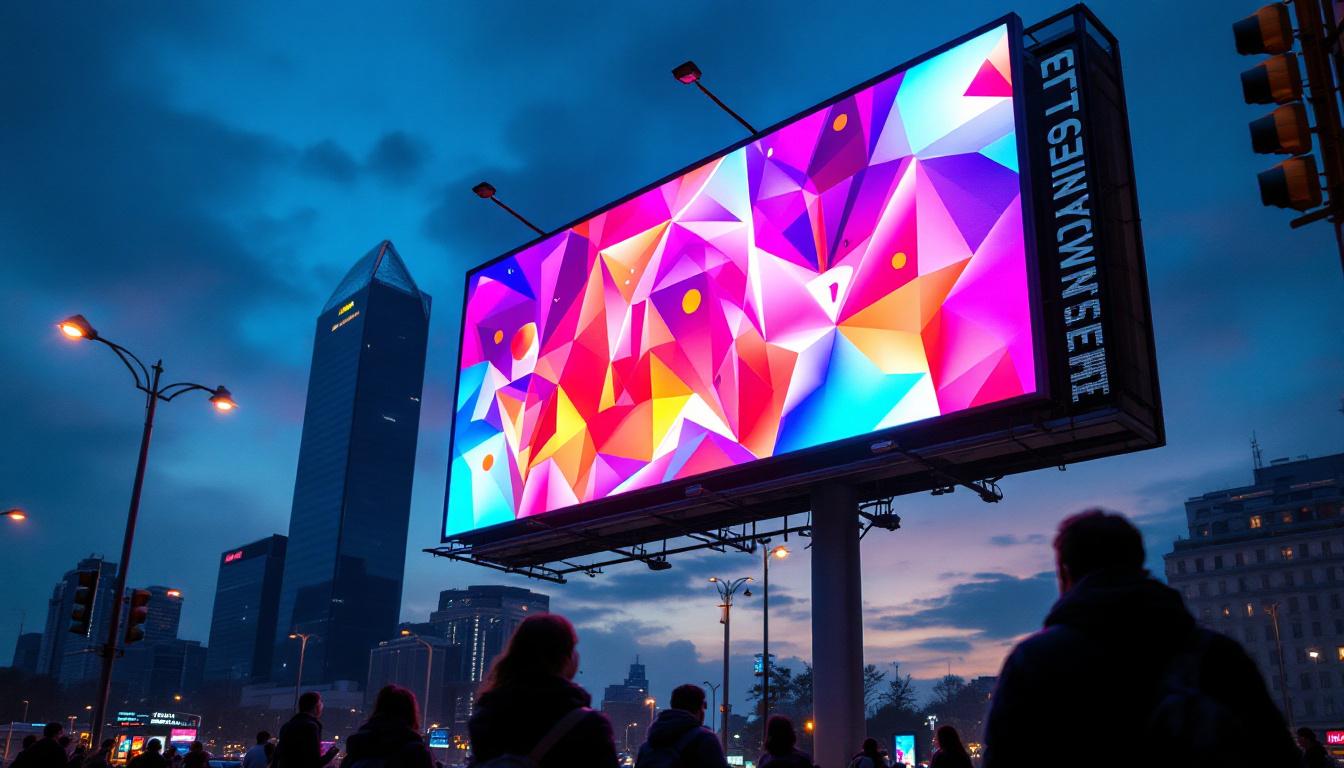
- Direct View LED Displays: These are composed of LEDs arranged in a matrix to form the display surface. Each LED acts as a pixel, and the entire screen emits light directly. This type is common in large-scale outdoor billboards, stadium screens, and digital signage.
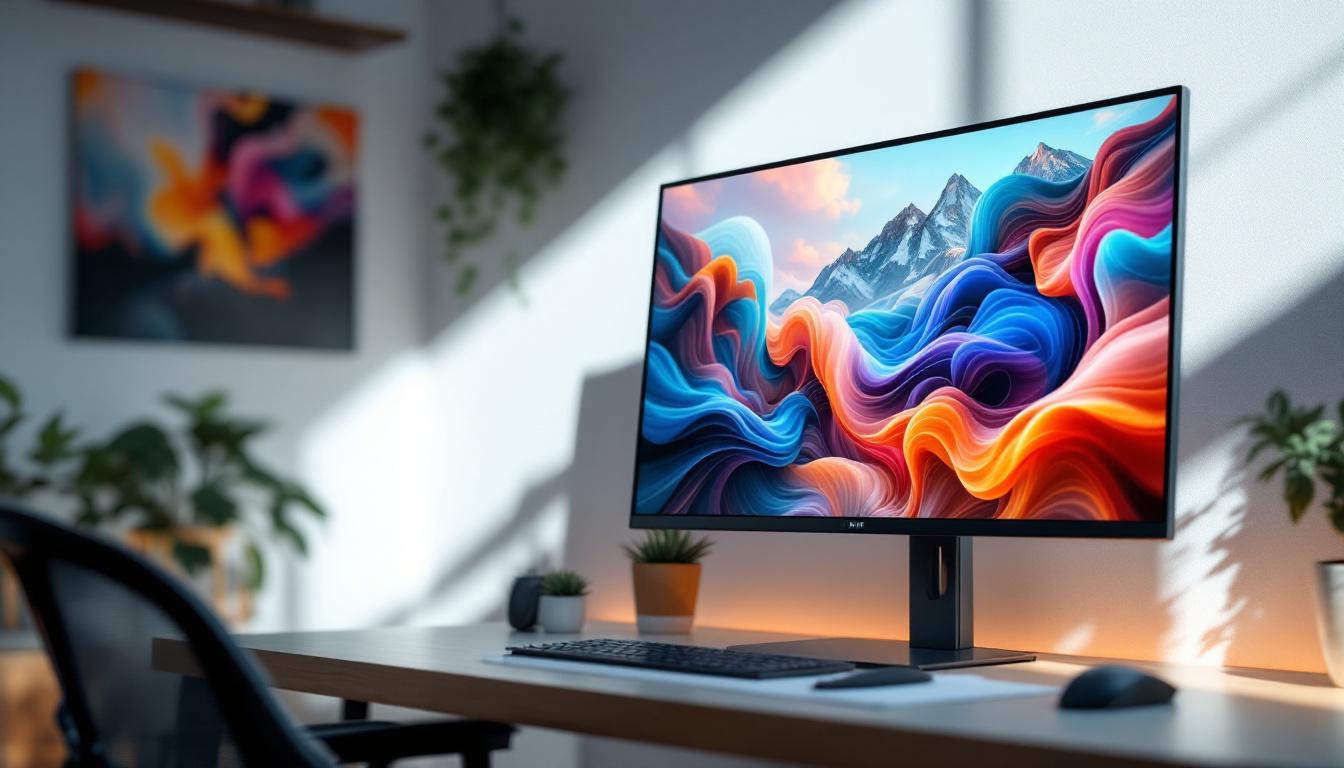
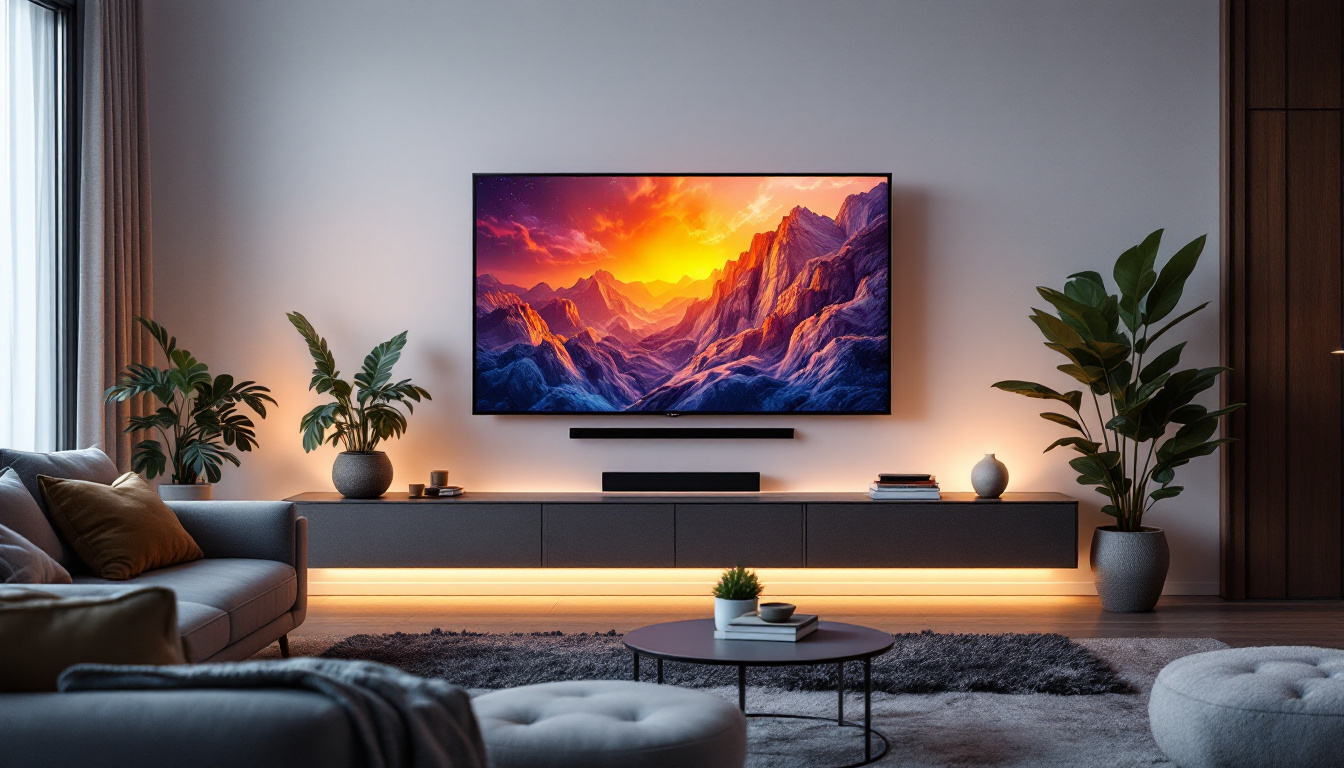
- LED-backlit LCD Displays: These use LEDs as a backlight behind an LCD panel. While the LCD controls the image, the LEDs provide the illumination. This technology is prevalent in televisions, computer monitors, and smartphones.
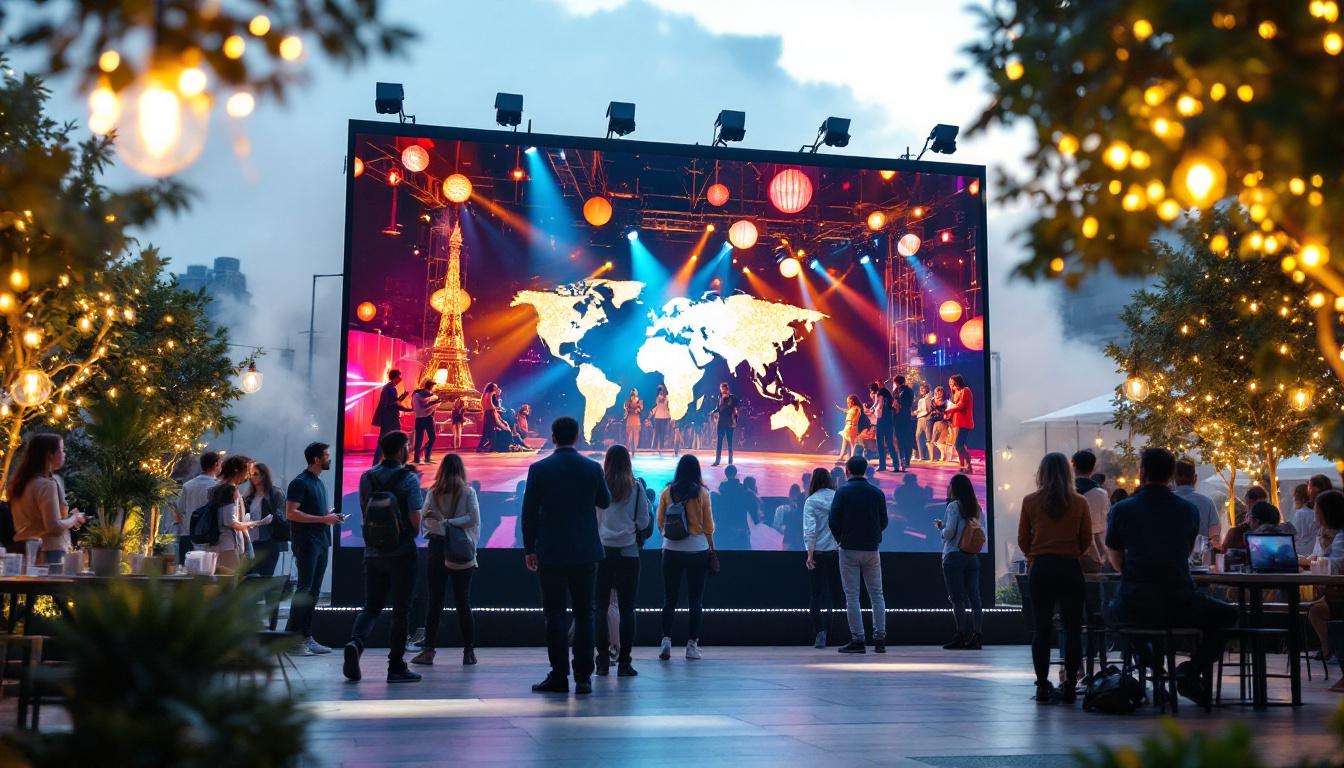
For the purpose of this article, the focus will be on direct view LED displays, as they represent the most dynamic and scalable form of LED technology in display building. These displays are particularly favored for their ability to create stunning visual experiences, often used in concerts, advertising, and public events where capturing audience attention is crucial.
Key Components of an LED Display
Building an LED display involves several critical components working in harmony:
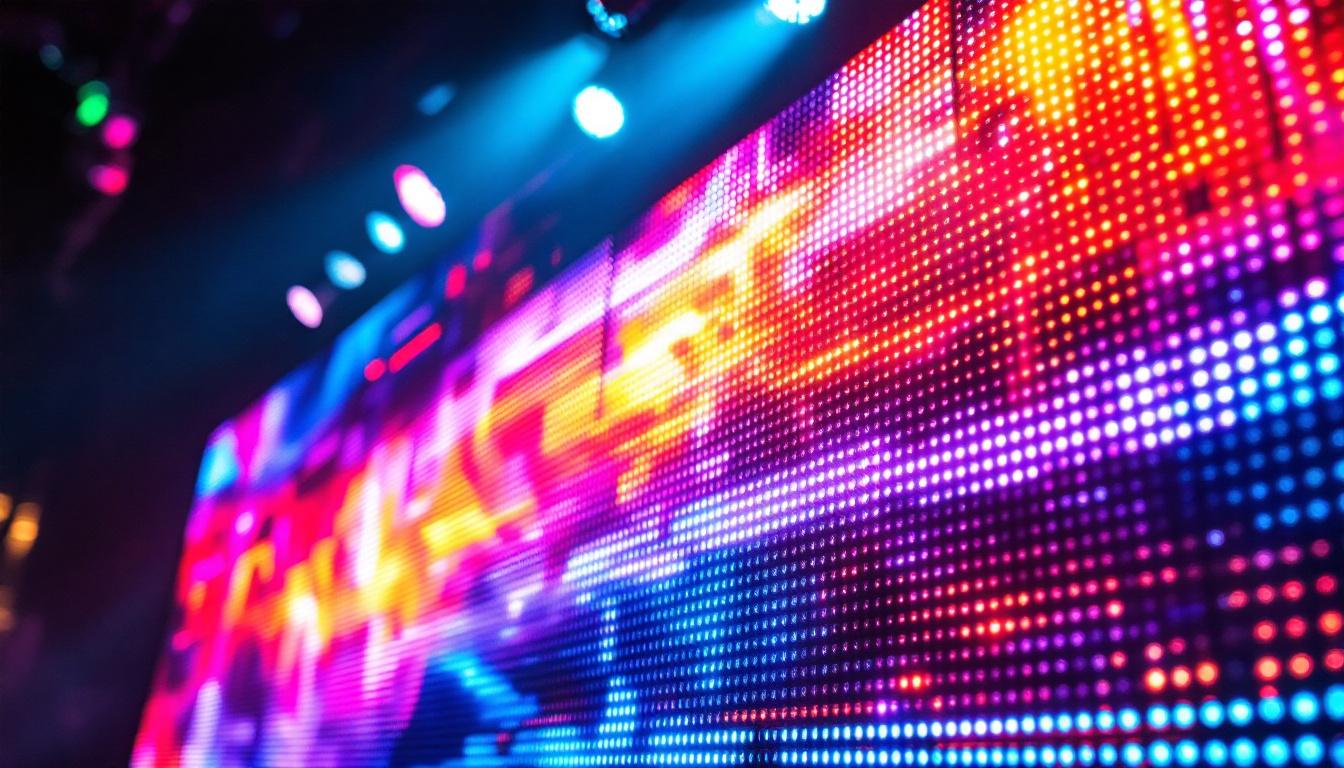
- LED Modules: These are the core building blocks, consisting of multiple LEDs arranged in a grid. Modules can vary in pixel pitch, which is the distance between the centers of two adjacent pixels. Smaller pixel pitches mean higher resolution and image clarity, making them ideal for applications where detail is paramount, such as in high-definition video walls or intricate digital art displays.
- Control System: This includes the hardware and software responsible for processing input signals and managing the display output. It ensures synchronization and color accuracy across the entire screen. Advanced control systems can also incorporate features like real-time content updates and interactive capabilities, enhancing user engagement.
- Cabinet or Frame: The physical structure that houses the LED modules and protects the internal components from environmental factors such as moisture, dust, and mechanical impact. These cabinets are often designed for easy assembly and disassembly, allowing for flexible configurations and portability, which is particularly beneficial for rental applications in events and exhibitions.
- Power Supply: LEDs require stable and efficient power sources to maintain consistent brightness and performance. Modern power supplies are designed to be energy-efficient and often come equipped with features that allow for remote monitoring and diagnostics, ensuring that any issues can be quickly identified and resolved.
Moreover, the integration of smart technology into LED displays is revolutionizing how they are used. With advancements in IoT (Internet of Things), LED displays can now communicate with other devices, allowing for automated content management and real-time data display. This capability is particularly useful in environments such as transportation hubs, where information needs to be updated frequently and accurately to serve the public effectively.
Applications and Advantages of LED Displays
Versatile Usage Across Industries
LED displays have transformed the way businesses and organizations communicate visually. Their versatility allows them to serve diverse sectors:
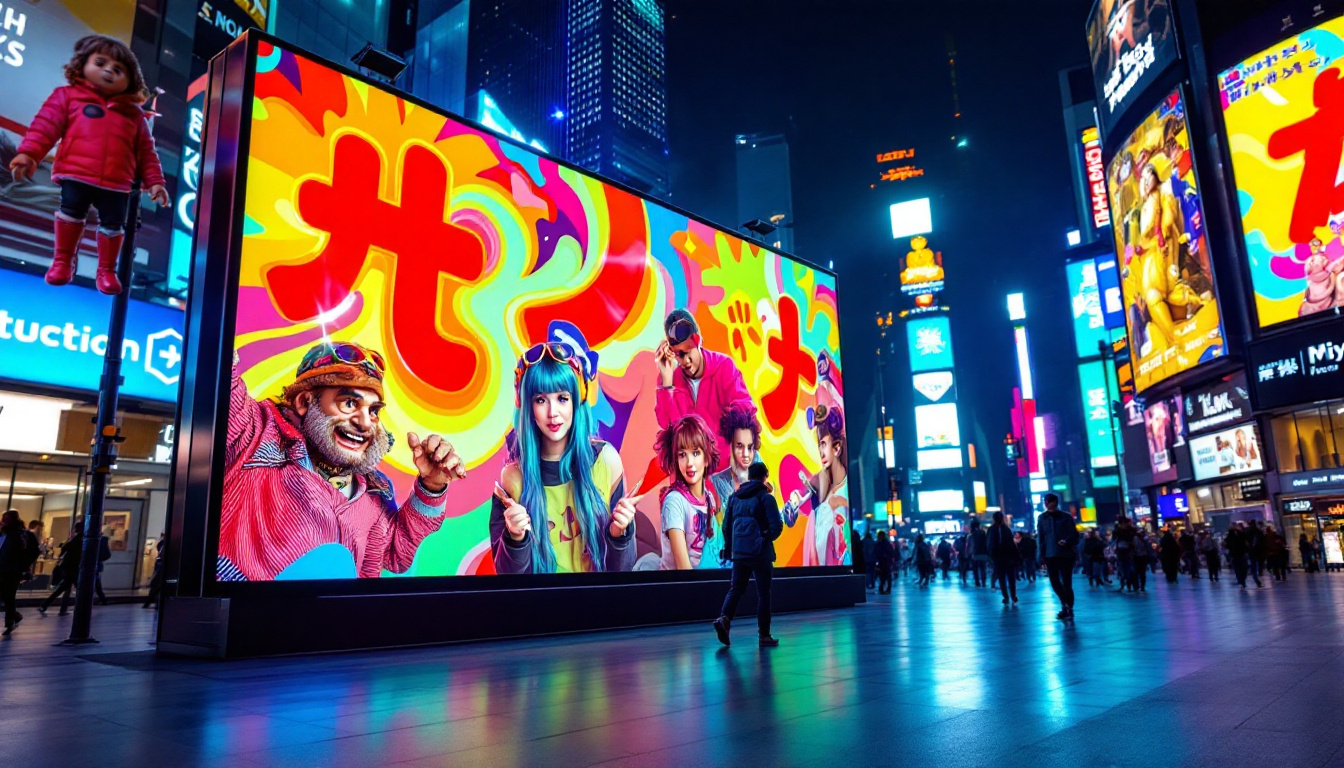
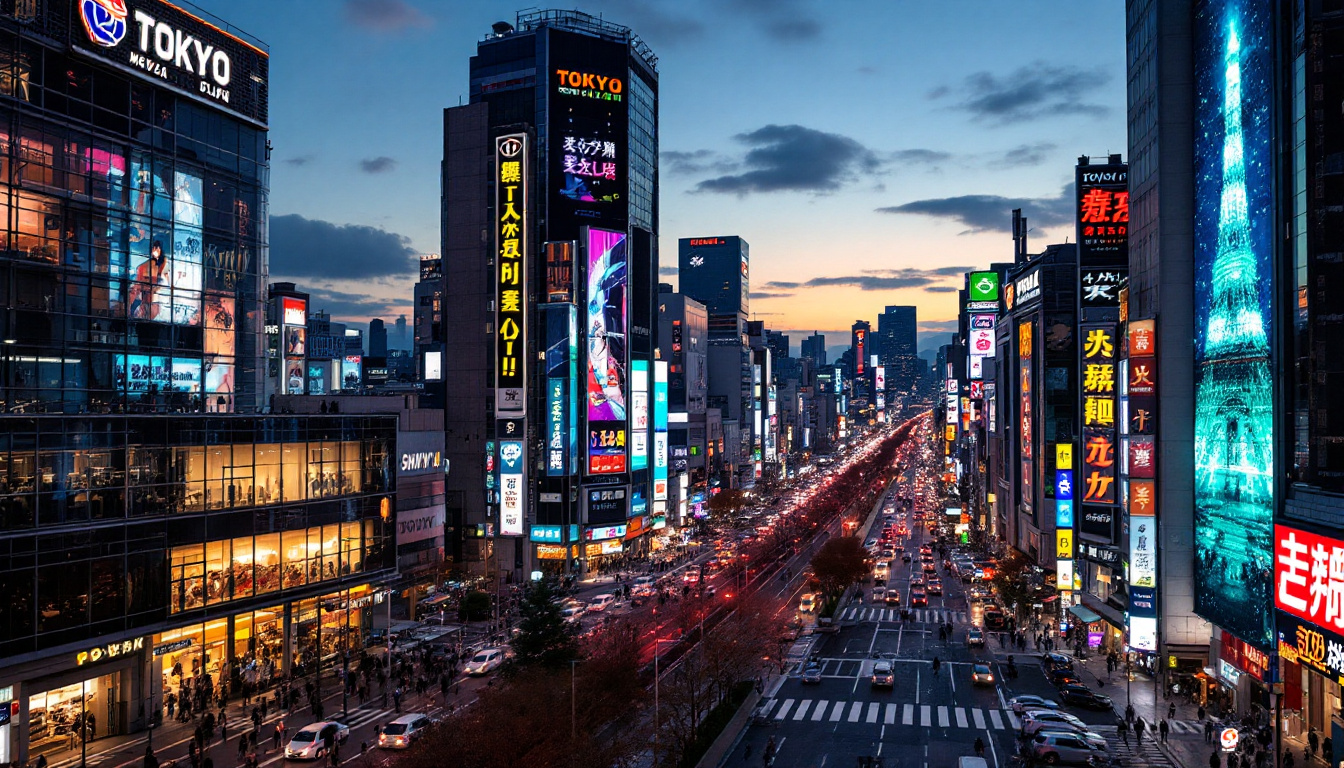
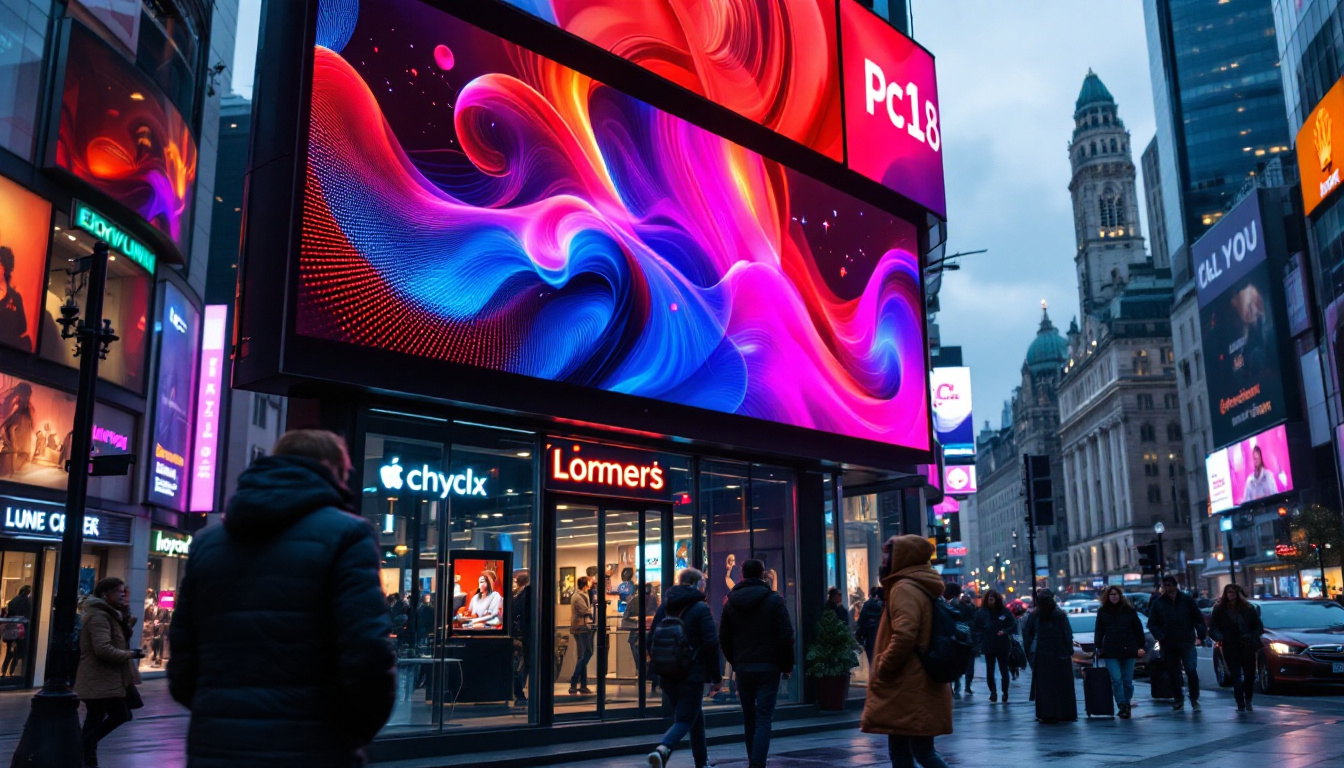
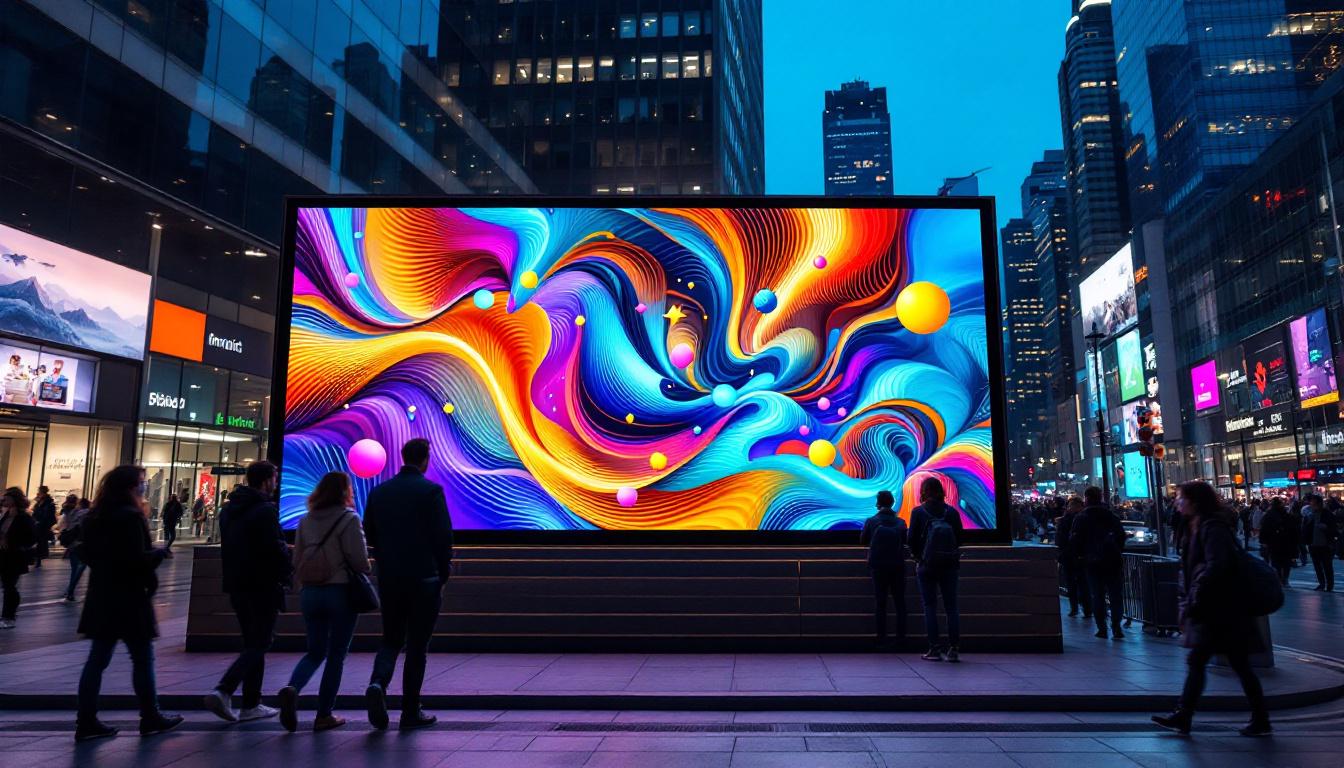
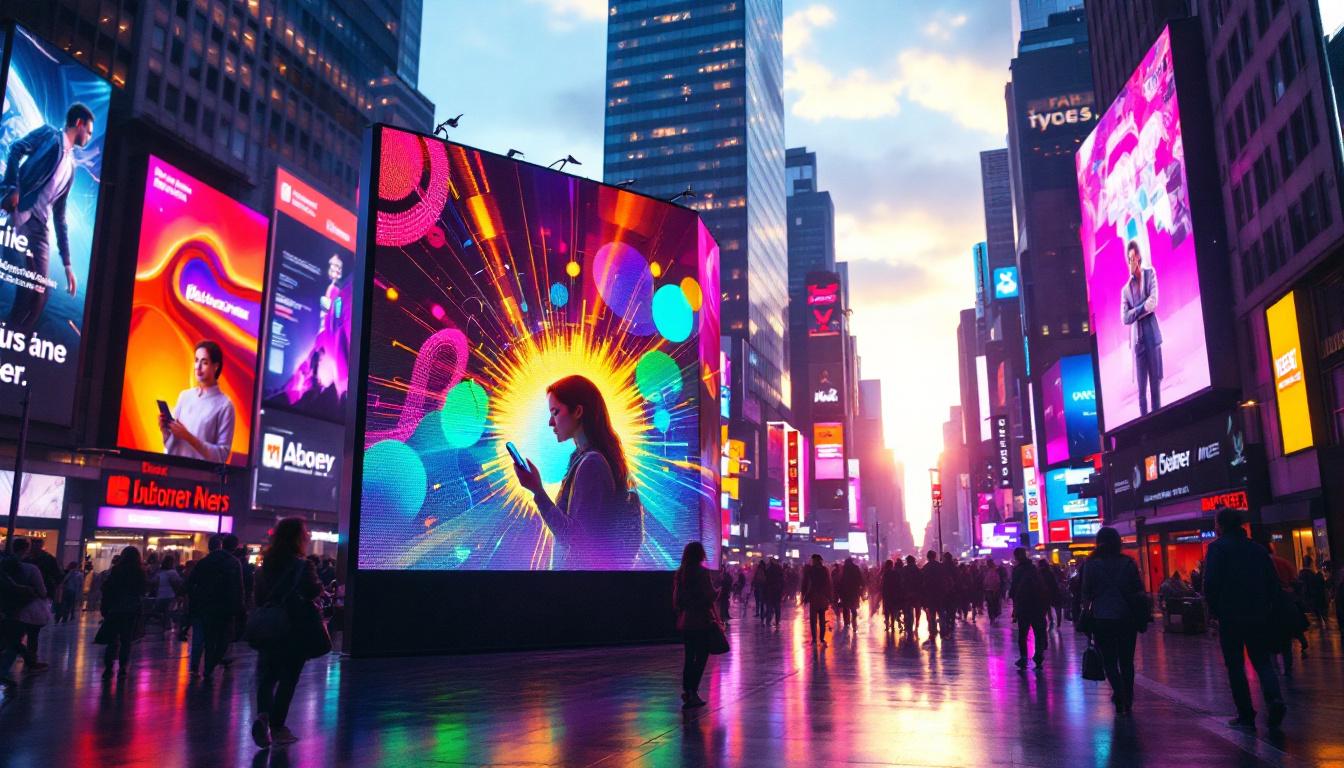
- Advertising and Marketing: Outdoor LED billboards and indoor digital signage enable dynamic, eye-catching advertisements that can be updated in real-time. This flexibility increases engagement and allows for targeted campaigns.
- Sports and Entertainment: Stadium screens, concert backdrops, and event displays rely on LED technology for high-impact visuals that can be seen clearly from great distances.
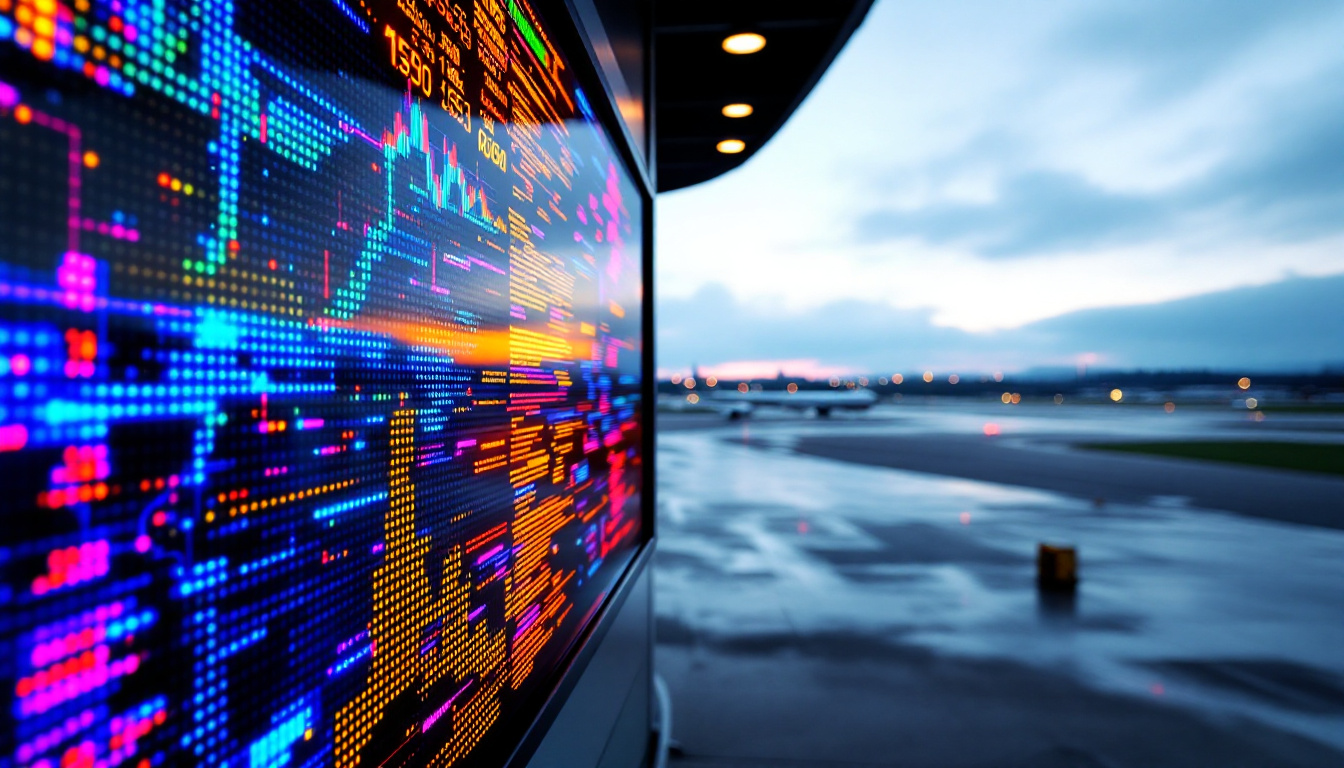
- Transportation: Airports, train stations, and bus terminals use LED displays for real-time scheduling, alerts, and passenger information.
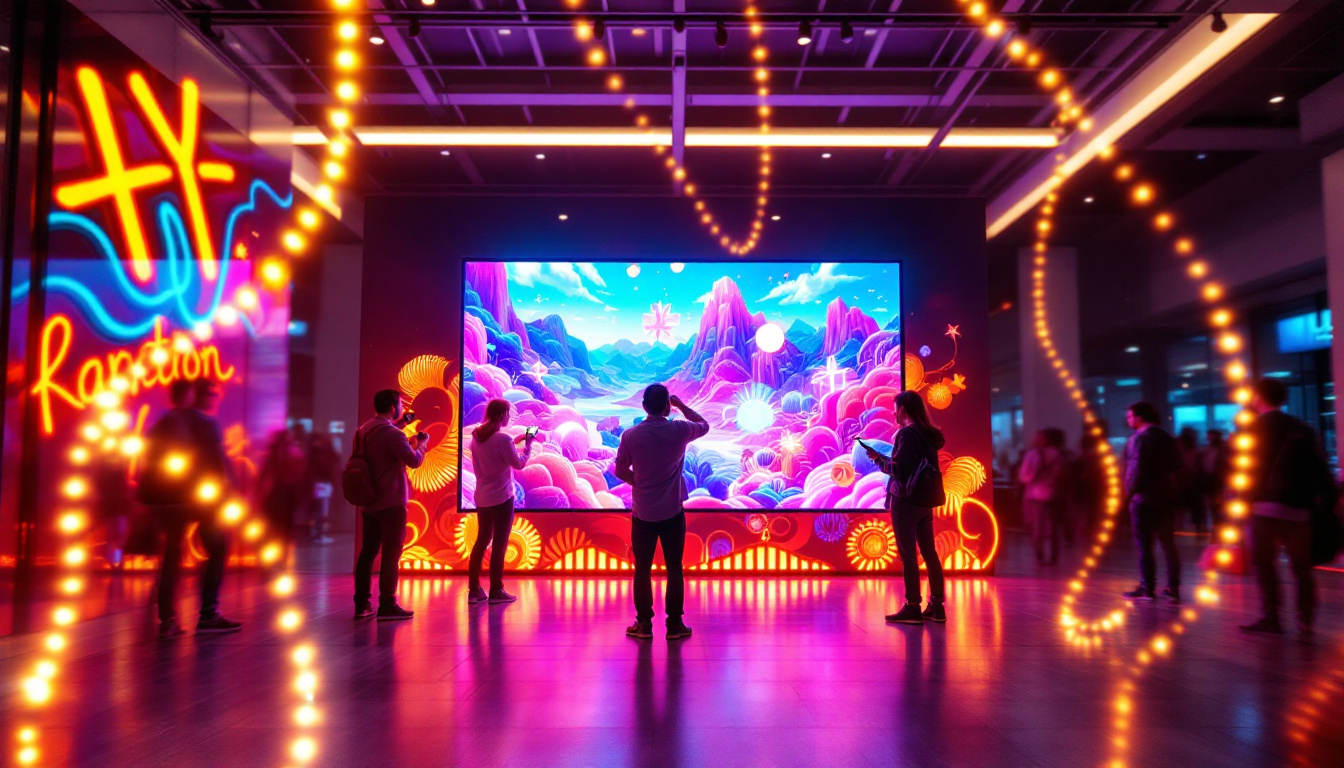
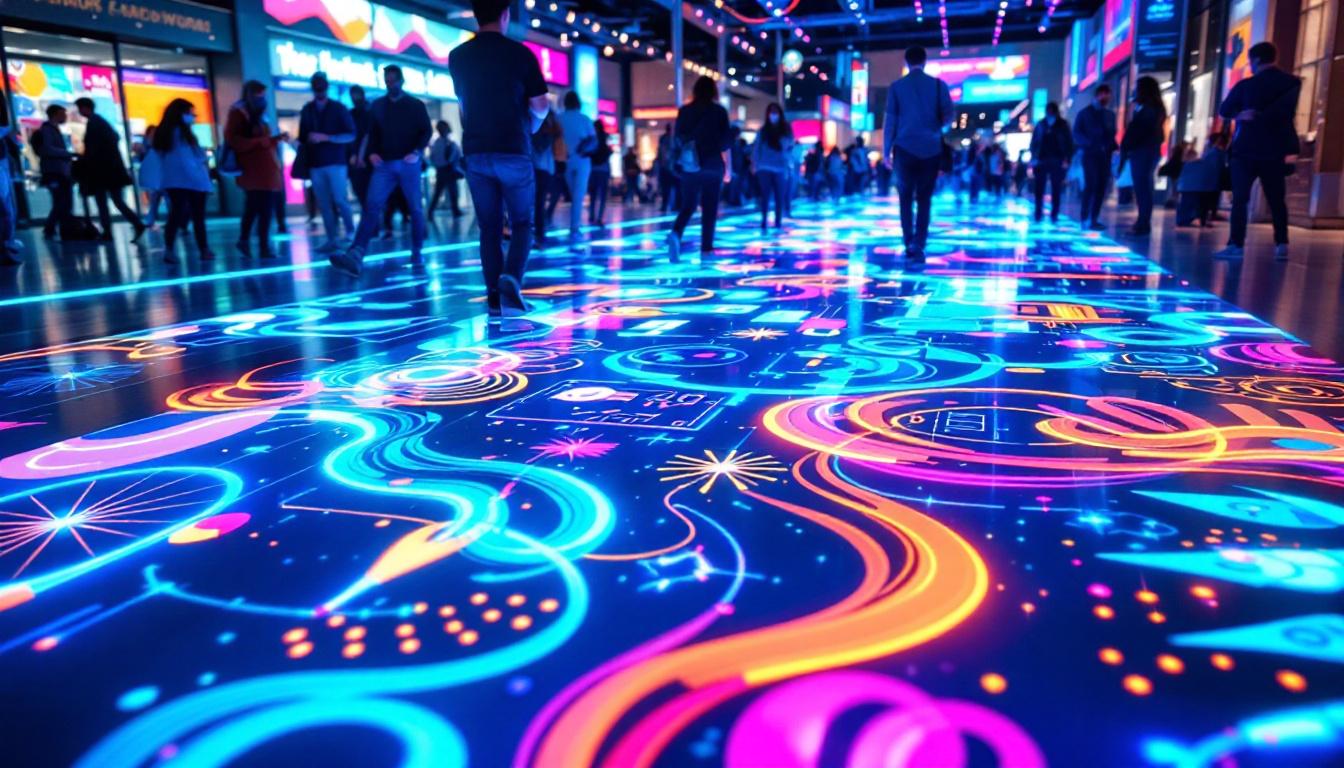
- Retail Environments: Stores use LED walls to enhance customer experience, showcase promotions, and create immersive environments.
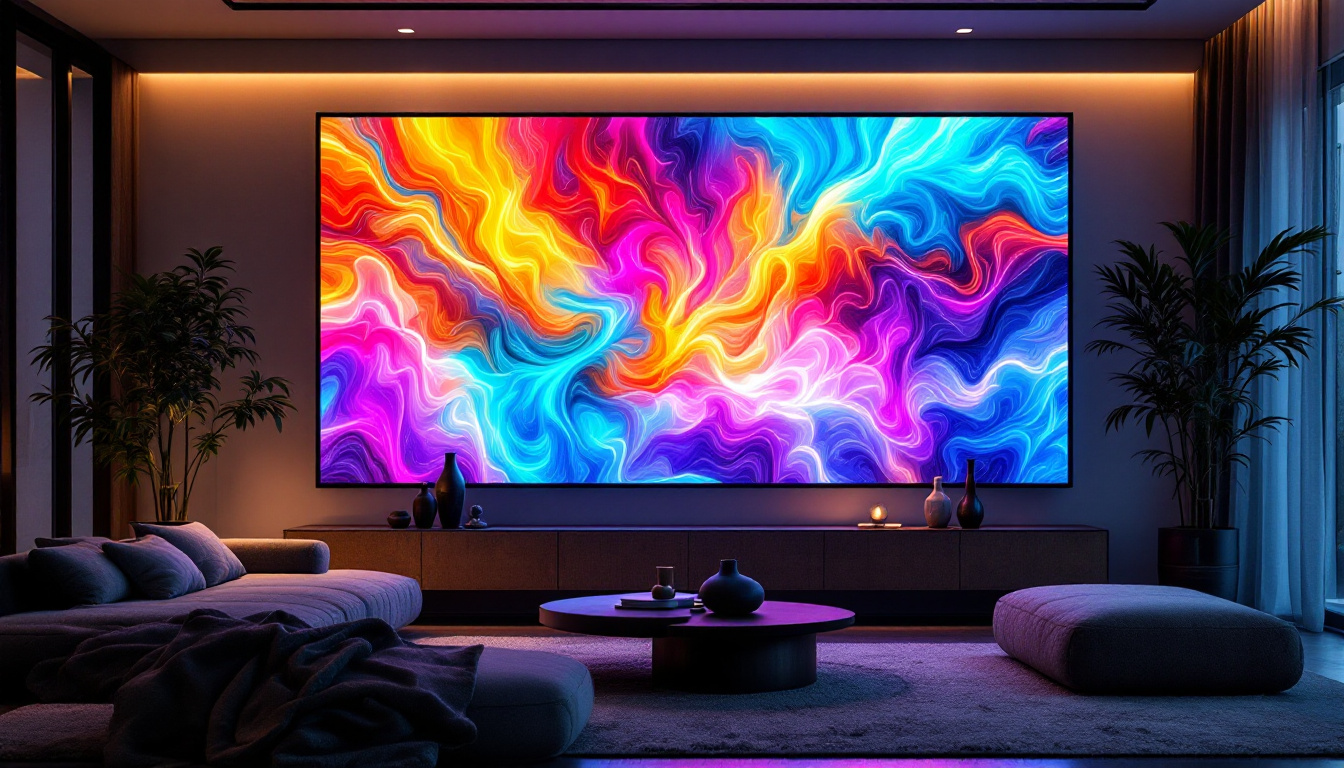
- Corporate and Education: Conference rooms, lecture halls, and auditoriums utilize LED displays for presentations, video conferencing, and interactive sessions.
Advantages Over Traditional Display Technologies
LED displays offer several distinct advantages that have contributed to their widespread adoption:
- Brightness and Visibility: LEDs can achieve brightness levels exceeding 5,000 nits, making them visible even in direct sunlight, unlike LCDs which typically max out around 1,000 nits.
- Energy Efficiency: LEDs consume less power than other display technologies, reducing operational costs and environmental impact.
- Durability and Longevity: LED displays are highly resistant to shock and vibration and have long lifespans, often exceeding 10 years of continuous use.
- Flexibility: LED modules can be configured into various shapes and sizes, enabling creative display designs including curved, cylindrical, and irregular forms.
- Color Accuracy and Contrast: With the ability to control each pixel independently, LED displays produce vibrant colors and deep blacks, enhancing image quality.
Building an LED Display: Design and Construction Considerations
Pixel Pitch and Resolution
One of the most critical factors in LED display design is pixel pitch, which directly influences resolution and viewing distance. Pixel pitch is measured in millimeters and represents the gap between adjacent pixels.
For example, a 1.5mm pixel pitch display is ideal for indoor environments where viewers are close to the screen, such as control rooms or retail displays. Conversely, a 10mm or larger pixel pitch is suitable for outdoor billboards where viewers are farther away.
Choosing the correct pixel pitch ensures optimal image clarity without unnecessary costs, as smaller pixel pitches require more LEDs and higher manufacturing precision.
Brightness and Environmental Adaptation
Outdoor LED displays must withstand varying weather conditions and maintain visibility under bright sunlight. This requires high brightness levels, typically ranging from 5,000 to 8,000 nits, and robust weatherproofing with IP65 or higher ratings for dust and water resistance.
Indoor displays, while not needing extreme brightness, must focus on color accuracy and uniformity. Adjustable brightness controls help adapt the screen to ambient lighting conditions, reducing eye strain and enhancing viewer comfort.
Modularity and Maintenance
Modern LED displays are designed with modularity in mind. Individual LED modules can be replaced or serviced without dismantling the entire screen, minimizing downtime and maintenance costs.
Front-accessible modules are particularly advantageous for installations where rear access is limited, such as wall-mounted displays in retail or corporate environments. This design consideration ensures quick repairs and longevity.
Power and Heat Management
Efficient power distribution is essential to maintain consistent brightness and prevent flickering. High-quality power supplies with surge protection and redundancy increase reliability.
Heat dissipation is another critical aspect. LEDs generate heat during operation, and inadequate cooling can reduce lifespan and performance. Incorporating heat sinks, ventilation, or active cooling systems helps maintain optimal operating temperatures.
Future Trends in LED Display Technology
MicroLED and MiniLED Innovations
Emerging technologies like MicroLED and MiniLED are pushing the boundaries of LED display performance. MicroLED displays use microscopic LEDs smaller than 100 micrometers, enabling ultra-high resolution, exceptional brightness, and energy efficiency. These displays promise to revolutionize consumer electronics, including TVs and smartphones.
MiniLED technology, which uses thousands of tiny LEDs as backlighting for LCD panels, offers improved contrast and color accuracy at a lower cost than MicroLED. Both technologies are expected to become more mainstream in the coming years.
Flexible and Transparent LED Displays
Innovations in materials and manufacturing processes have led to the development of flexible and transparent LED displays. Flexible displays can be bent or curved without damaging the LEDs, opening new possibilities for wearable devices, automotive interiors, and architectural installations.
Transparent LED displays allow viewers to see through the screen while still displaying vibrant images. This technology is gaining traction in retail windows, museums, and augmented reality applications, blending digital content seamlessly with the physical environment.
Integration with Smart Technologies
LED displays are increasingly integrated with smart technologies such as IoT (Internet of Things), AI (Artificial Intelligence), and advanced sensors. These integrations enable dynamic content adjustment based on audience demographics, environmental conditions, or real-time data analytics.
For instance, digital signage can automatically change advertisements based on the time of day, weather, or customer behavior, enhancing engagement and effectiveness.
Conclusion: The Impact of LED Displays on Modern Visual Communication
LED display technology has transformed the landscape of visual communication by offering unparalleled brightness, flexibility, and durability. Its wide-ranging applications across industries underscore its importance as a tool for engagement and information delivery.
Understanding the technical aspects, design considerations, and future trends of LED displays equips businesses and professionals to make informed decisions when investing in display solutions. As innovations continue to emerge, LED displays will undoubtedly play an even more integral role in shaping how content is experienced worldwide.
Whether for advertising, entertainment, or information, LED displays represent a dynamic and evolving technology that blends engineering excellence with creative potential.
Explore Cutting-Edge LED Displays with LumenMatrix
Ready to elevate your visual communication with the latest in LED display technology? LumenMatrix is at the forefront of innovation, offering a wide array of LED display solutions tailored to your needs. From Indoor and Outdoor LED Wall Displays to specialized options like Vehicle, Sports, and Floor LED Displays, our products are designed to captivate and engage your audience. Embrace the future with Custom, All-in-One, and Transparent LED Displays that blend engineering prowess with creative vision. Check out LumenMatrix LED Display Solutions today and transform your space into a dynamic visual experience.