In today’s fast-paced digital world, capturing consumer attention is more challenging than ever. Advertisers and businesses constantly seek innovative ways to engage audiences, and one of the most effective tools at their disposal is the LED display screen. From bustling city centers to retail storefronts, LED displays have transformed the advertising landscape by offering vibrant, dynamic, and highly visible content. This article delves into the technology behind LED advert display screens, their advantages, applications, and considerations for businesses looking to leverage this powerful medium.
Understanding LED Display Technology
LED, or Light Emitting Diode, technology forms the backbone of modern digital advertising screens. Unlike traditional LCD or plasma displays, LED screens use tiny semiconductor diodes that emit light when an electric current passes through them. This fundamental difference allows LED displays to produce brighter images with better contrast and energy efficiency. The evolution of LED technology has also led to significant advancements in color accuracy and responsiveness, making them a preferred choice for dynamic content that requires quick refresh rates and vivid visuals.
How LED Displays Work
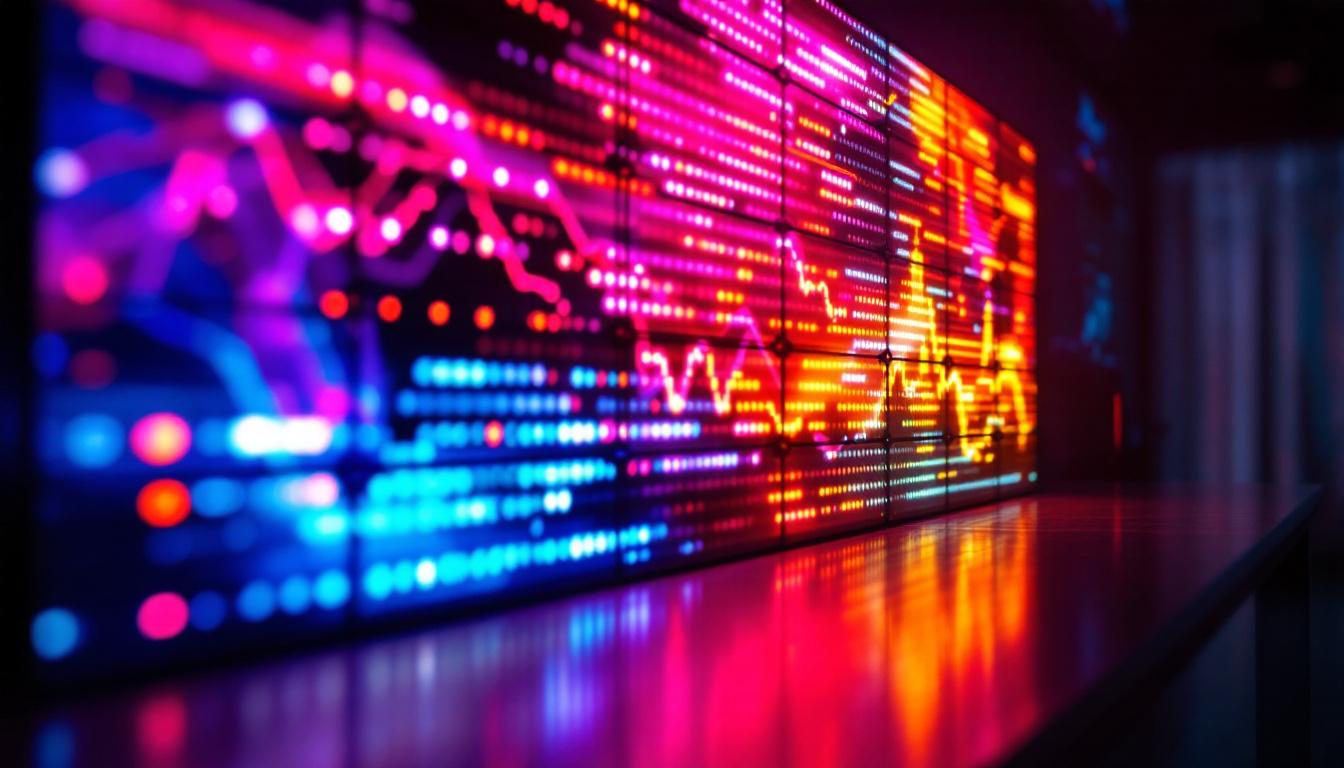
Each pixel on an LED display is composed of red, green, and blue diodes. By varying the intensity of these diodes, the screen can produce a full spectrum of colors. The combination of these pixels creates the images and videos seen on the screen. LED displays can be configured as either direct-view or backlit. Direct-view LED displays, often used in large outdoor billboards, have LEDs that emit light directly to the viewer, resulting in exceptional brightness and visibility even in daylight. This capability is particularly advantageous for advertisers seeking to capture the attention of passersby in bustling urban environments.
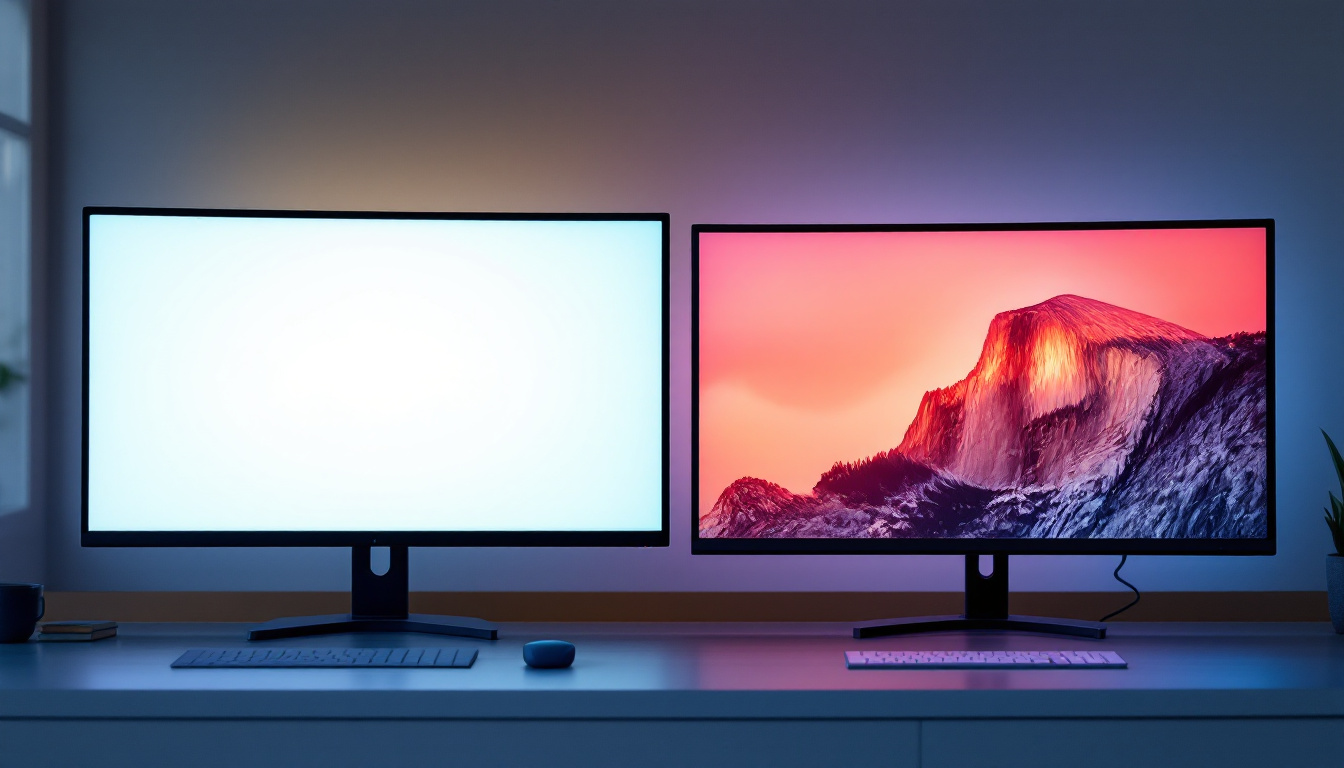
In contrast, backlit LED displays use LEDs to illuminate an LCD panel, which is more common in smaller screens like televisions and computer monitors. For advertising purposes, direct-view LED displays dominate due to their scalability and superior outdoor performance. Furthermore, the technology behind LED displays is constantly evolving, with advancements such as microLED and Mini-LED promising even greater brightness, contrast ratios, and energy efficiency. These innovations are paving the way for even more immersive advertising experiences, where the lines between digital and physical environments blur.
Types of LED Displays Used in Advertising
LED advert screens come in various formats tailored to different environments and purposes:
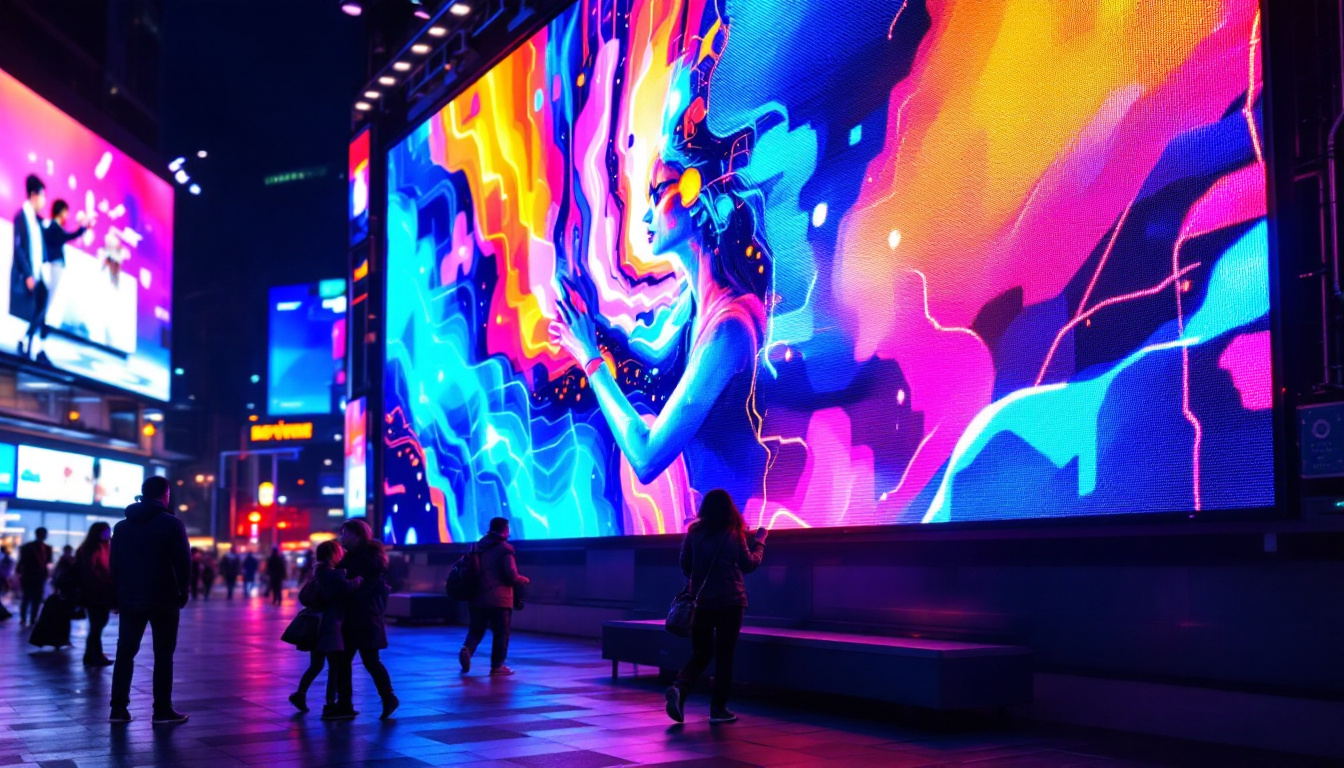
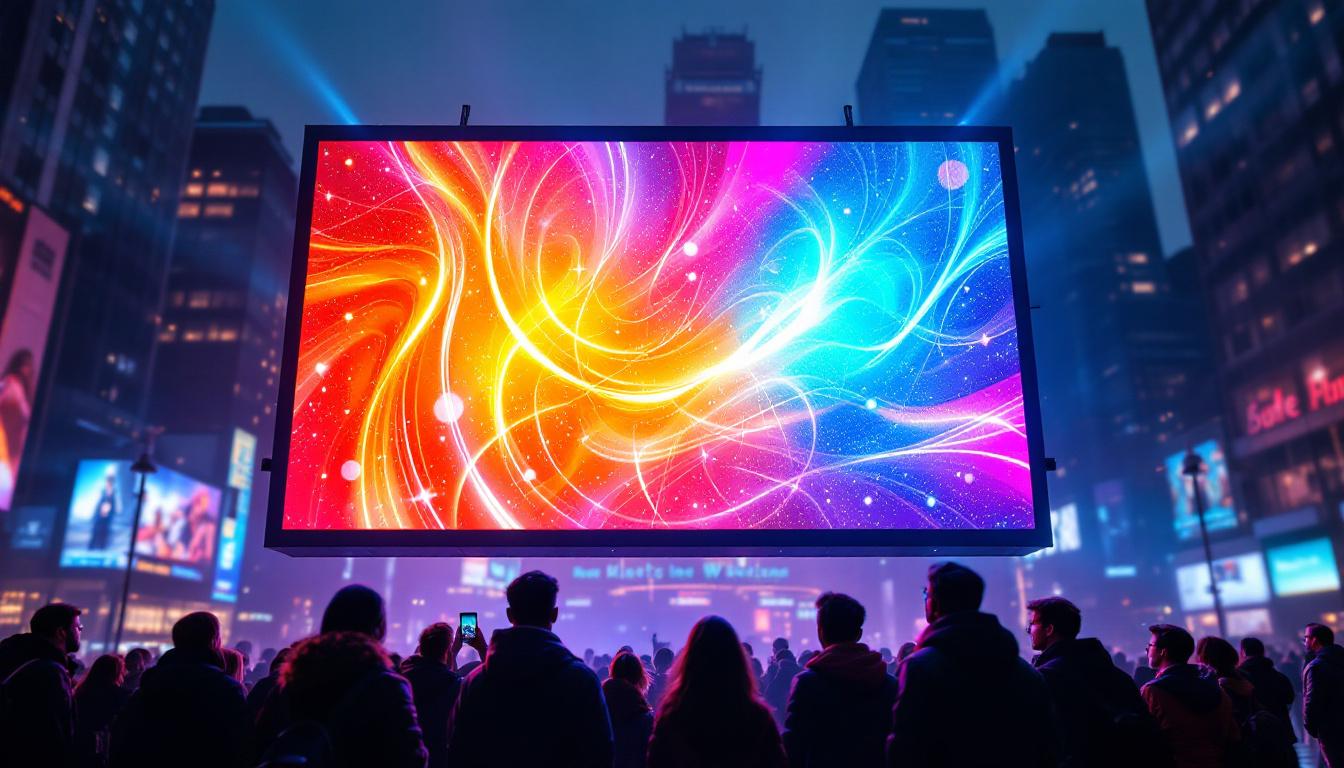
- Outdoor LED Displays: Designed to withstand weather conditions, these are typically larger and brighter, making them ideal for billboards, stadiums, and building facades. Their robust construction ensures longevity, even in harsh climates, while their high brightness levels guarantee visibility from great distances, making them a staple in urban advertising.
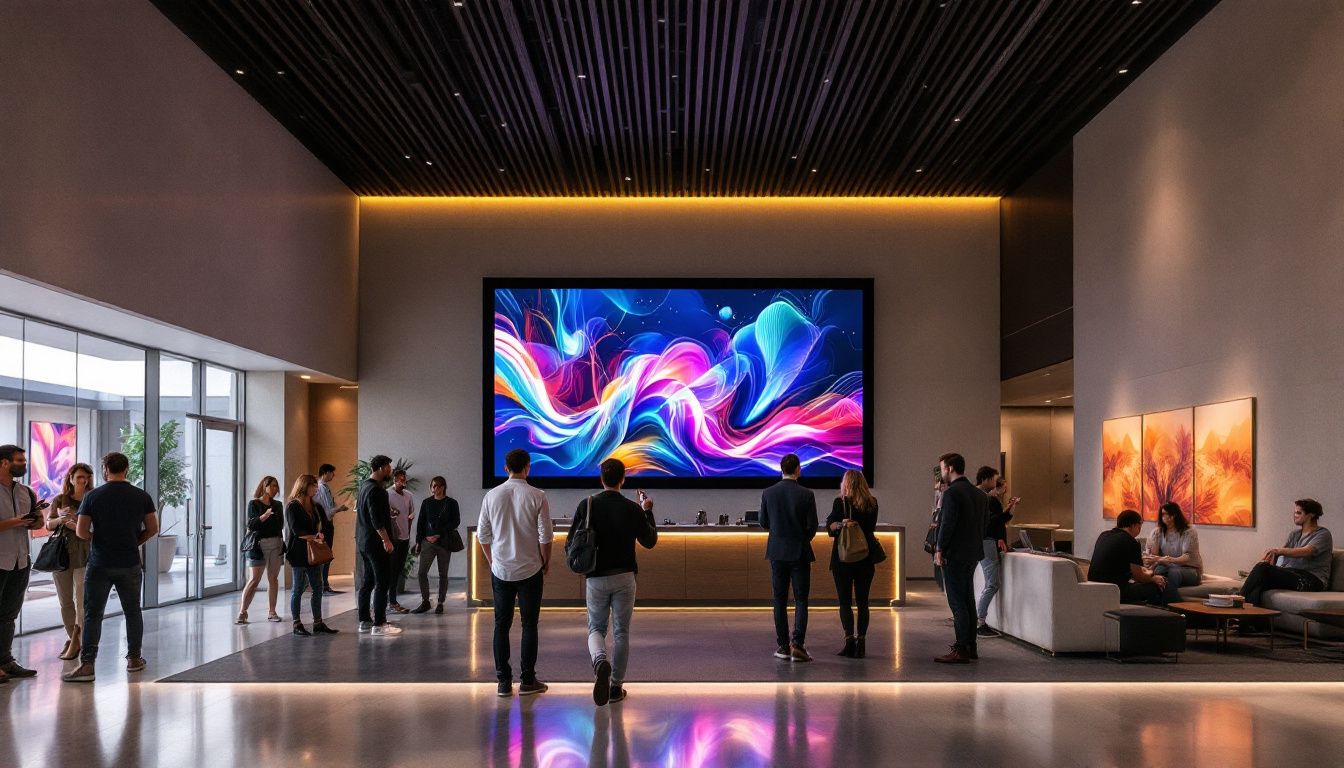
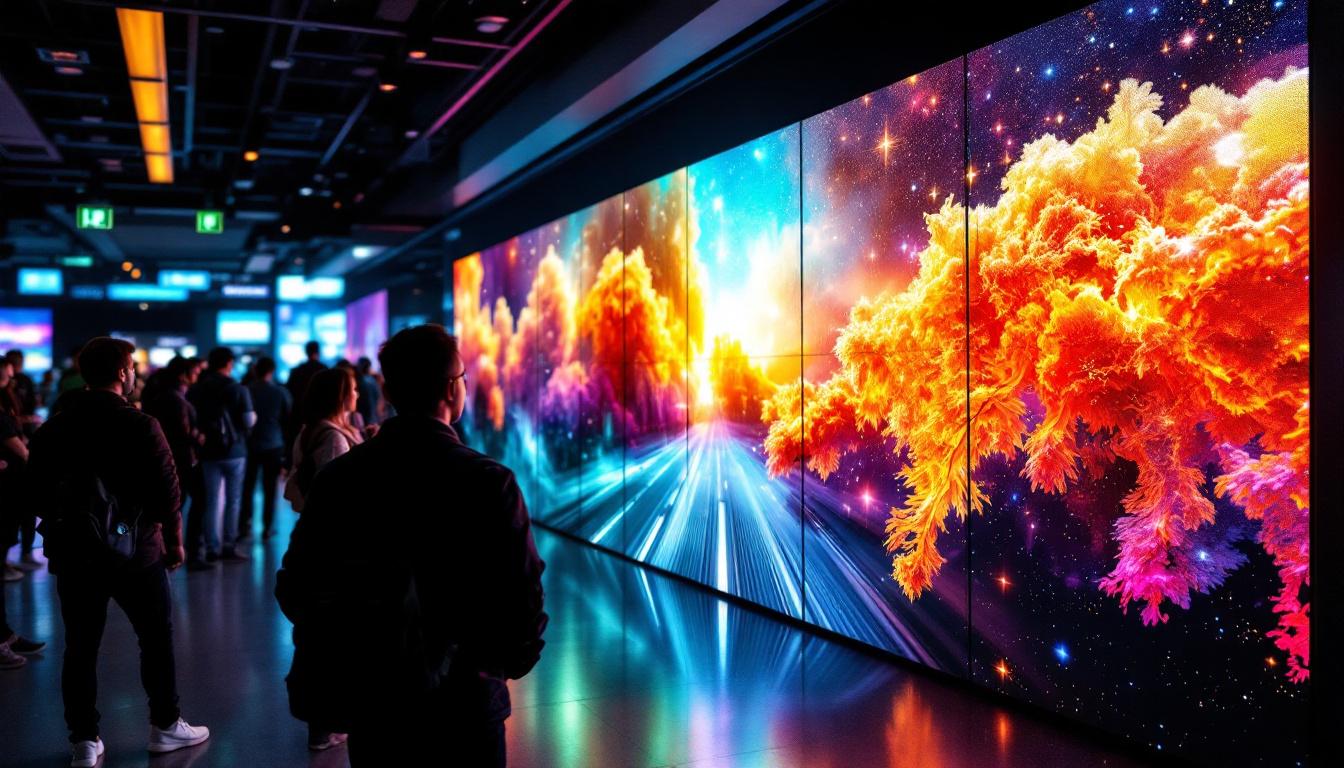
- Indoor LED Displays: Used in shopping malls, airports, and conference centers, these screens have higher pixel density for close-range viewing but lower brightness compared to outdoor models. Their ability to deliver crisp images and vibrant colors enhances the shopping experience and engages audiences effectively.
- Transparent LED Displays: These innovative screens allow light to pass through, enabling them to be installed on glass surfaces without obstructing views, perfect for retail windows. This unique feature not only promotes products but also maintains the aesthetic appeal of the space, creating a seamless blend of advertising and architecture.
- Flexible LED Displays: Made with bendable materials, these can be curved or shaped to fit unique architectural designs, offering creative advertising opportunities. Their versatility opens up new avenues for brands to showcase their messages in captivating ways, transforming conventional advertising spaces into dynamic visual experiences.
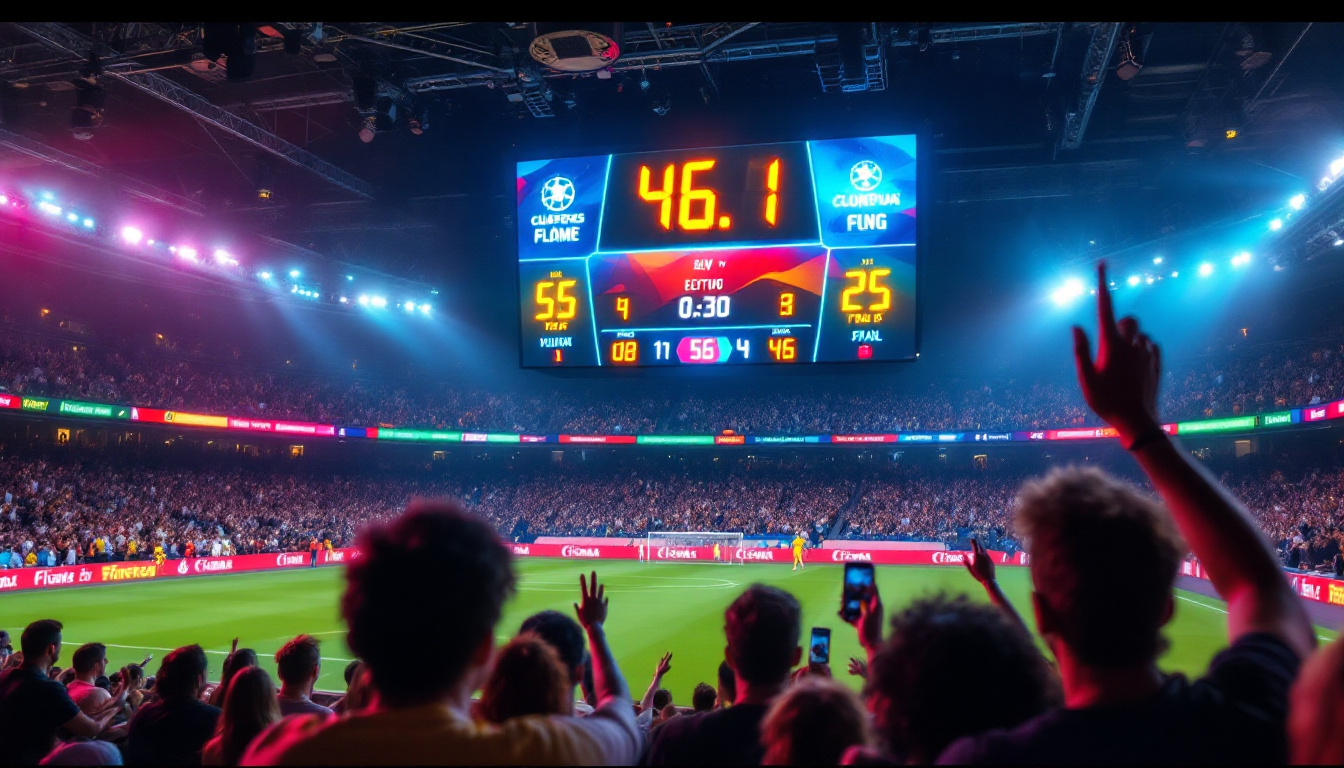
As the demand for eye-catching advertising continues to grow, the integration of LED technology into various platforms is becoming increasingly prevalent. From sports arenas showcasing live scores and highlights to concerts featuring stunning visual backdrops, LED displays are revolutionizing how brands communicate with their audiences. Additionally, with the rise of smart technology, LED displays are now capable of integrating real-time data feeds, allowing for dynamic content that can change based on viewer engagement or external factors such as weather or time of day.
Advantages of LED Advert Display Screens
LED displays offer a range of benefits that make them a preferred choice for advertisers and businesses worldwide. Their unique characteristics enhance the effectiveness of advertising campaigns and improve return on investment.
High Visibility and Brightness
One of the most significant advantages of LED displays is their exceptional brightness. Outdoor LED screens can reach brightness levels exceeding 5,000 nits, ensuring content remains vivid and readable even under direct sunlight. This high visibility is critical for outdoor advertising, where environmental conditions can otherwise diminish the impact of static billboards or less advanced digital signage.
Dynamic and Flexible Content
Unlike traditional printed advertisements, LED screens allow for dynamic content that can be updated in real-time. Advertisers can display videos, animations, live feeds, and interactive content, creating engaging experiences that capture attention more effectively. This flexibility also enables quick adaptation to market trends, promotions, or events without the cost and delay of reprinting physical materials.
Energy Efficiency and Longevity
LED technology is known for its energy efficiency compared to older lighting and display technologies. LEDs consume less power while delivering brighter output, which reduces operational costs for businesses. Additionally, LED displays have a long lifespan, often exceeding 100,000 hours of use, minimizing maintenance and replacement expenses.
Cost-Effectiveness Over Time
While the initial investment in LED advertising screens can be higher than traditional signage, the long-term benefits often outweigh these costs. The ability to run multiple campaigns on the same screen, reduce printing expenses, and attract more customers through eye-catching visuals contributes to a favorable return on investment. According to a 2023 report by the Digital Signage Federation, businesses that adopted LED digital signage saw an average sales increase of 30% within the first year.
Applications of LED Advert Display Screens
LED advertising screens are versatile and can be found across various industries and environments. Their adaptability makes them suitable for a wide range of marketing and communication objectives.
Outdoor Advertising and Billboards
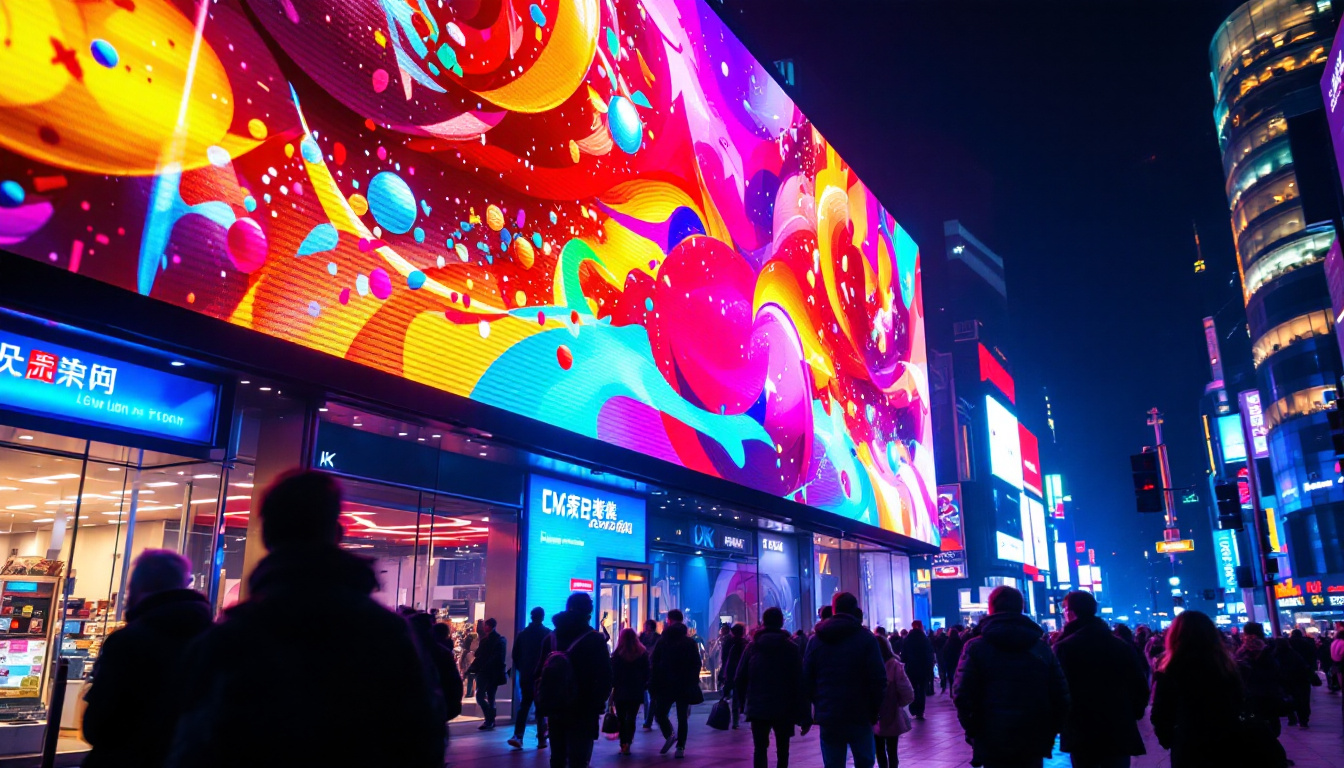
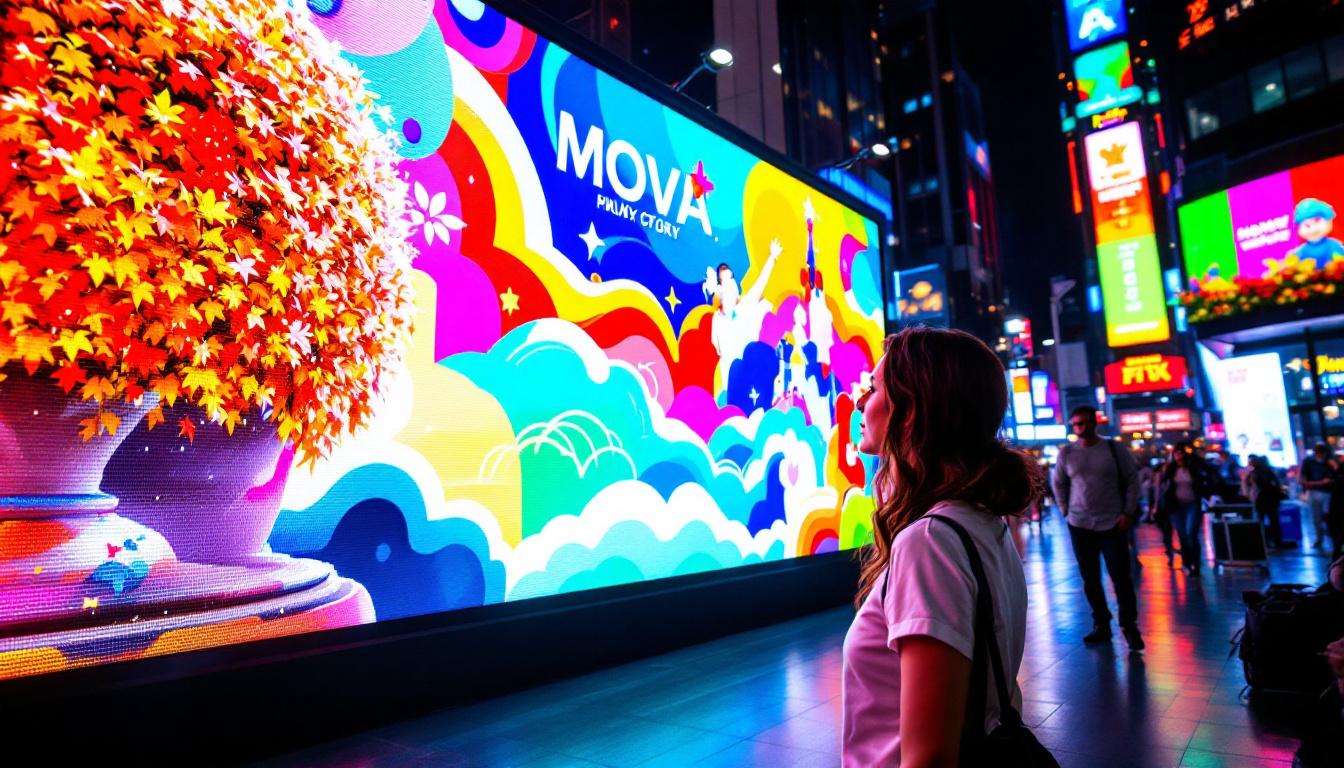
Large-scale LED billboards are a staple in urban advertising. Locations such as Times Square in New York City or Piccadilly Circus in London showcase some of the most iconic LED displays globally. Their ability to display bright, colorful, and changing content attracts millions of viewers daily, making them an invaluable platform for brand exposure.
Retail and Shopping Centers
Indoor LED screens in retail environments help promote products, sales, and events. Transparent LED displays on storefront windows can entice passersby without obstructing the view inside the store. Moreover, digital signage inside stores can guide customers, showcase product features, or create immersive brand experiences.
Transportation Hubs and Public Spaces
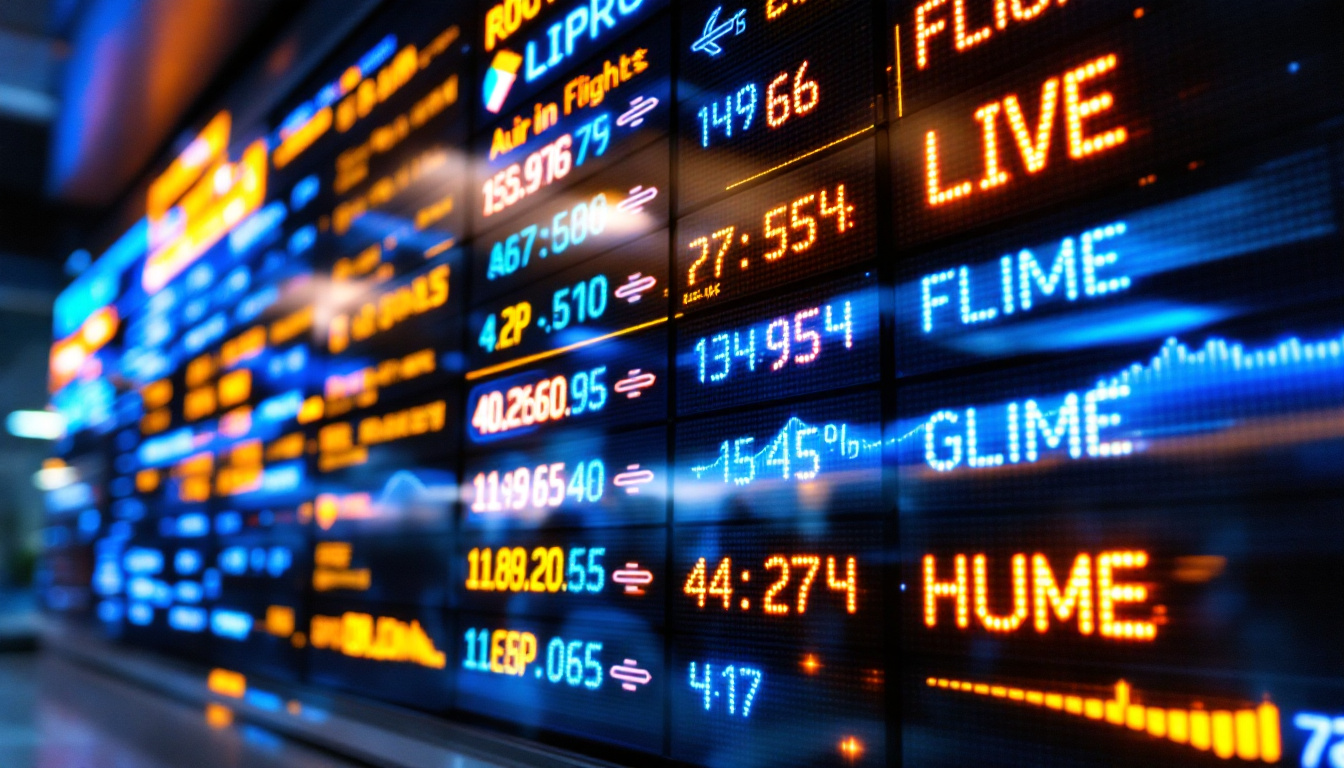
Airports, train stations, and bus terminals use LED displays to provide real-time information alongside advertisements. These high-traffic locations offer advertisers a captive audience, enhancing message reach and effectiveness. Additionally, LED screens in public spaces can be used for community announcements and event promotions.
Events and Entertainment Venues
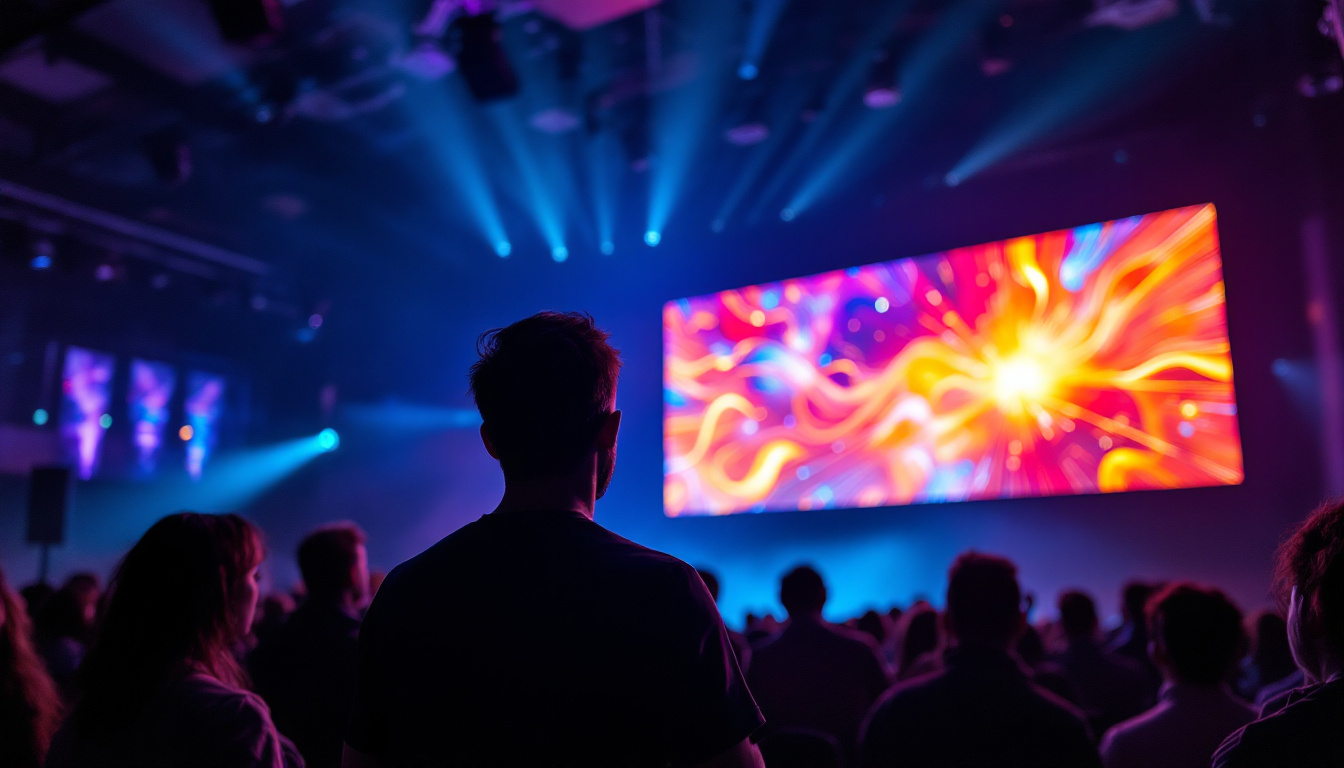
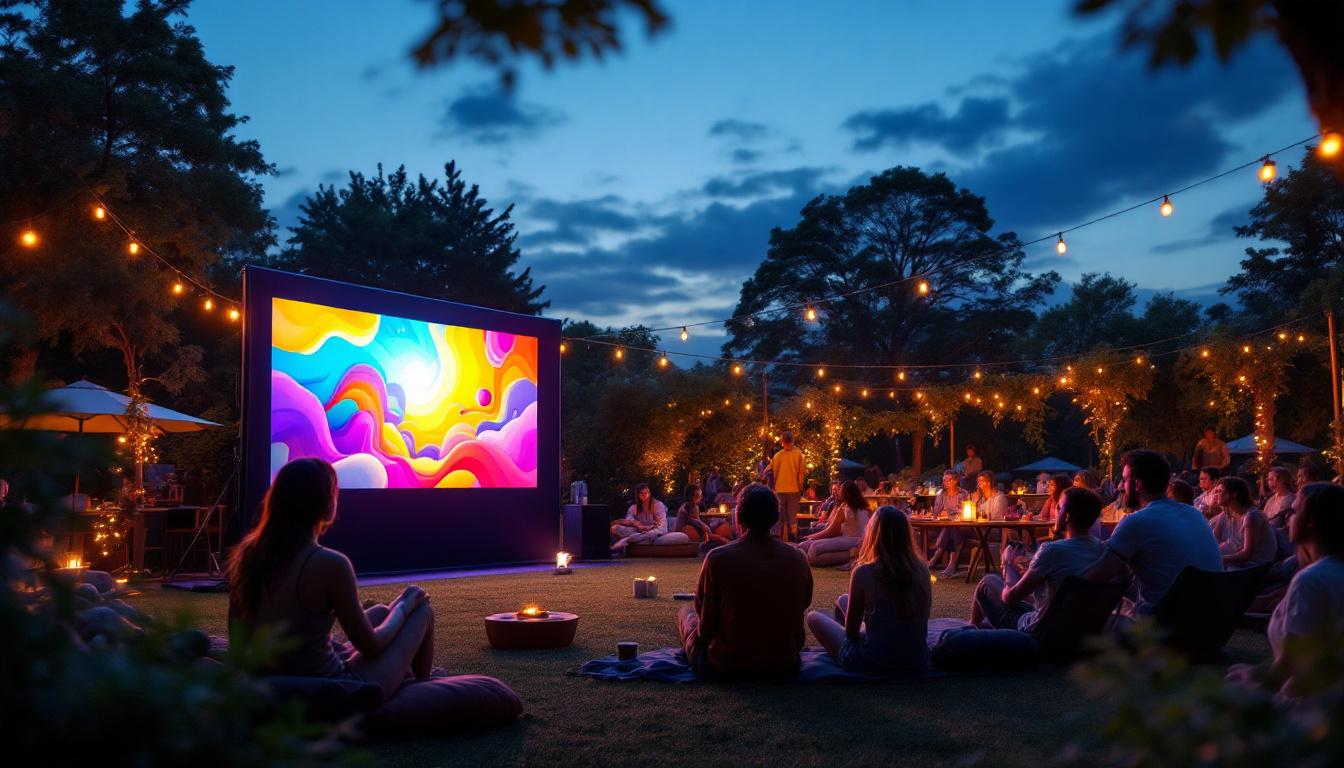
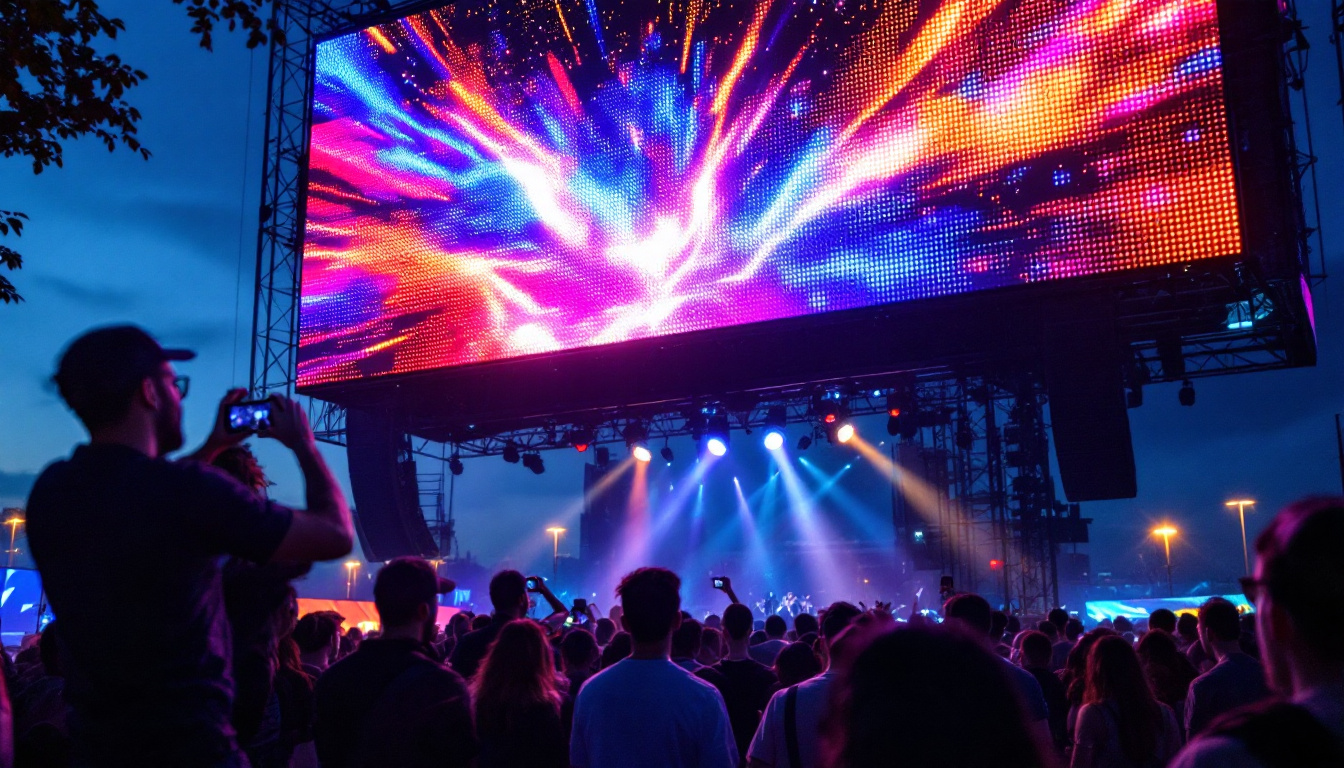
Concerts, sports arenas, and festivals utilize large LED screens to enhance the spectator experience by displaying live action, scores, and advertisements. The flexibility and brightness of LED displays make them ideal for both indoor and outdoor event settings.
Key Considerations When Choosing an LED Advert Display Screen
For businesses considering LED advertising, several factors must be evaluated to ensure the chosen screen meets their specific needs and maximizes impact.
Resolution and Pixel Pitch
The resolution of an LED display is determined by its pixel pitch—the distance between the centers of adjacent pixels. A smaller pixel pitch means higher resolution and sharper images, which is essential for close viewing distances, such as indoor displays. Outdoor screens typically have larger pixel pitches because they are viewed from farther away. Selecting the appropriate pixel pitch is crucial to balance image quality with cost.
Brightness and Contrast Ratio
Brightness levels must be sufficient to overcome ambient light, especially for outdoor installations. Contrast ratio, the difference between the darkest black and the brightest white, affects image clarity and color vibrancy. High contrast ratios enhance readability and visual appeal, making the advertisement more effective.
Durability and Weather Resistance
Outdoor LED screens must be robust enough to withstand rain, wind, dust, and temperature fluctuations. Look for displays with appropriate IP ratings (Ingress Protection) that certify resistance to environmental factors. Proper housing and cooling systems also extend the lifespan of the display.
Content Management Systems (CMS)
Modern LED advertising screens are typically paired with sophisticated CMS software that allows users to schedule, update, and monitor content remotely. A user-friendly CMS is essential for efficient operation, especially for businesses managing multiple screens or frequent content changes.
Installation and Maintenance
Proper installation ensures optimal performance and longevity. Consider the location, mounting options, and access for maintenance. Regular cleaning and software updates are necessary to keep the display functioning at its best.
The Future of LED Advert Display Screens
As technology advances, LED advertising displays continue to evolve, offering even more innovative features and applications.
Integration with Artificial Intelligence and Data Analytics
Future LED displays are expected to incorporate AI-driven content optimization, tailoring advertisements based on real-time audience demographics, behavior, and environmental conditions. Data analytics can help advertisers measure engagement and refine campaigns for better results.
Enhanced Interactivity and Augmented Reality
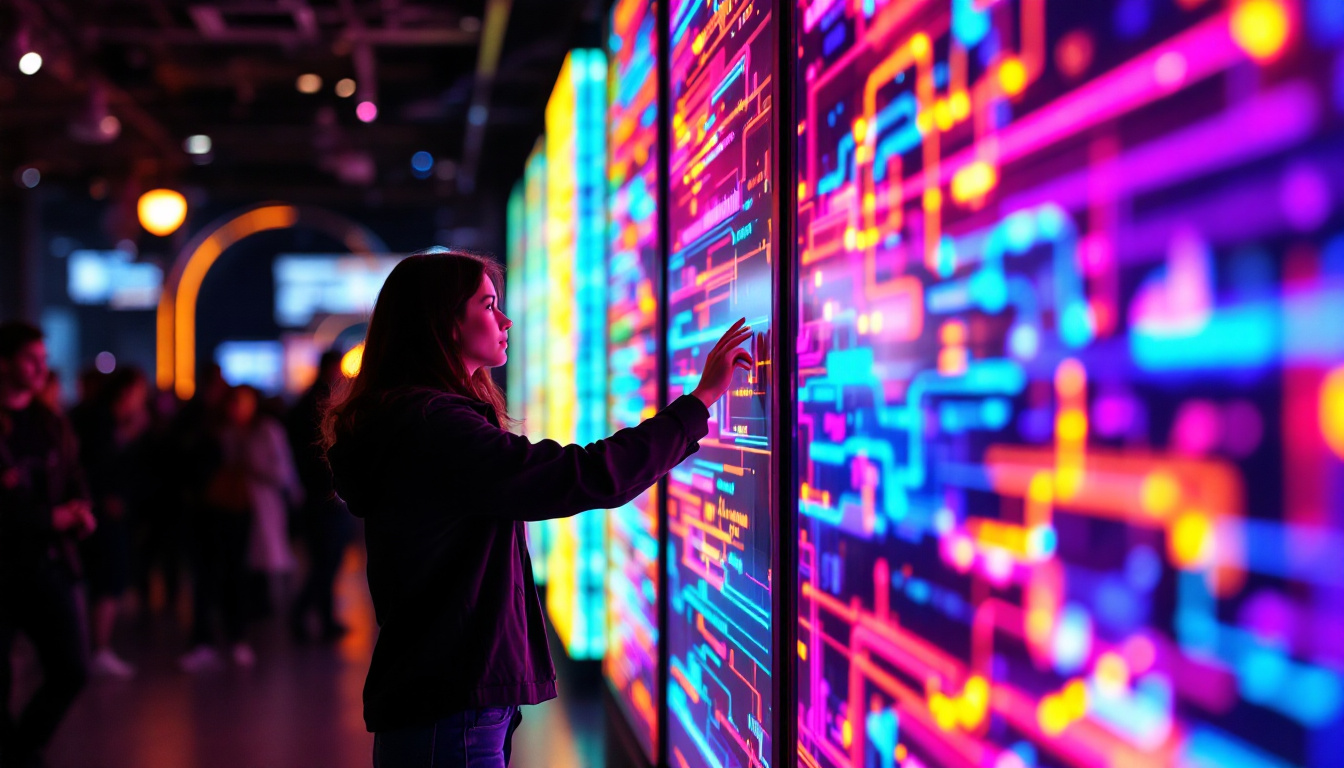
Interactive LED screens that respond to gestures, touch, or mobile devices are becoming more prevalent. Augmented reality (AR) integration can create immersive experiences, blending digital content with the physical environment to captivate audiences in novel ways.
Sustainability and Energy Innovations
Ongoing improvements in LED efficiency and the use of sustainable materials are reducing the environmental impact of digital advertising. Solar-powered LED displays and recyclable components are examples of green innovations shaping the future of this technology.
Conclusion
LED advert display screens have revolutionized the advertising industry by offering bright, dynamic, and versatile platforms to communicate with audiences. Their ability to deliver high-impact visual content in various environments makes them indispensable for modern marketing strategies. By understanding the technology, benefits, and key considerations, businesses can effectively harness LED displays to boost brand visibility and engagement. As LED technology continues to advance, it promises even more exciting opportunities for advertisers to connect with consumers in meaningful and innovative ways.
Discover LumenMatrix’s Innovative LED Solutions
Ready to elevate your advertising strategy with the latest in LED display technology? Look no further than LumenMatrix, a pioneer in crafting LED display modules that not only boost brand visibility but also create immersive visual narratives. Whether you’re interested in Indoor LED Walls, Outdoor Displays, Mobile LED solutions, or any of our specialized offerings like Sports and Floor LED Displays, LumenMatrix has the expertise to bring your vision to life. Embrace the future of visual communication and check out LumenMatrix LED Display Solutions today to transform how you connect with your audience.