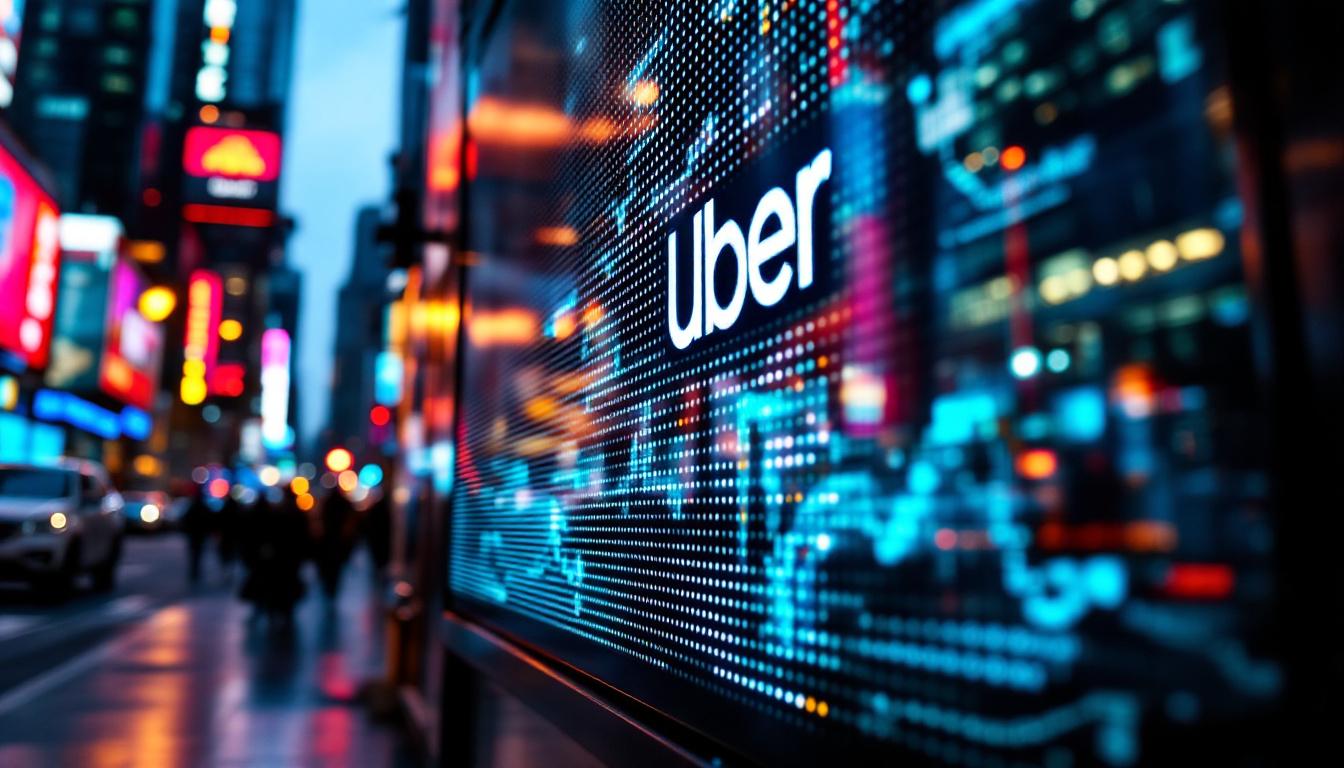
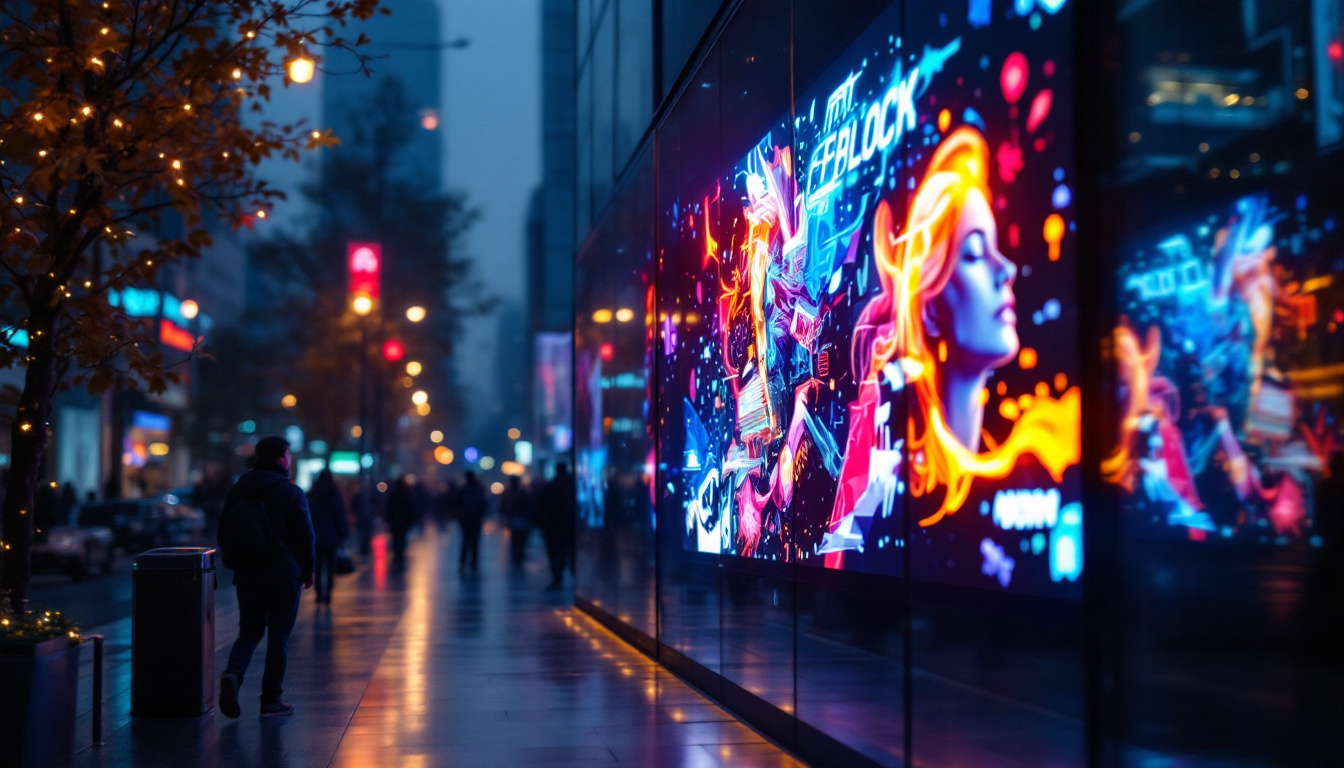
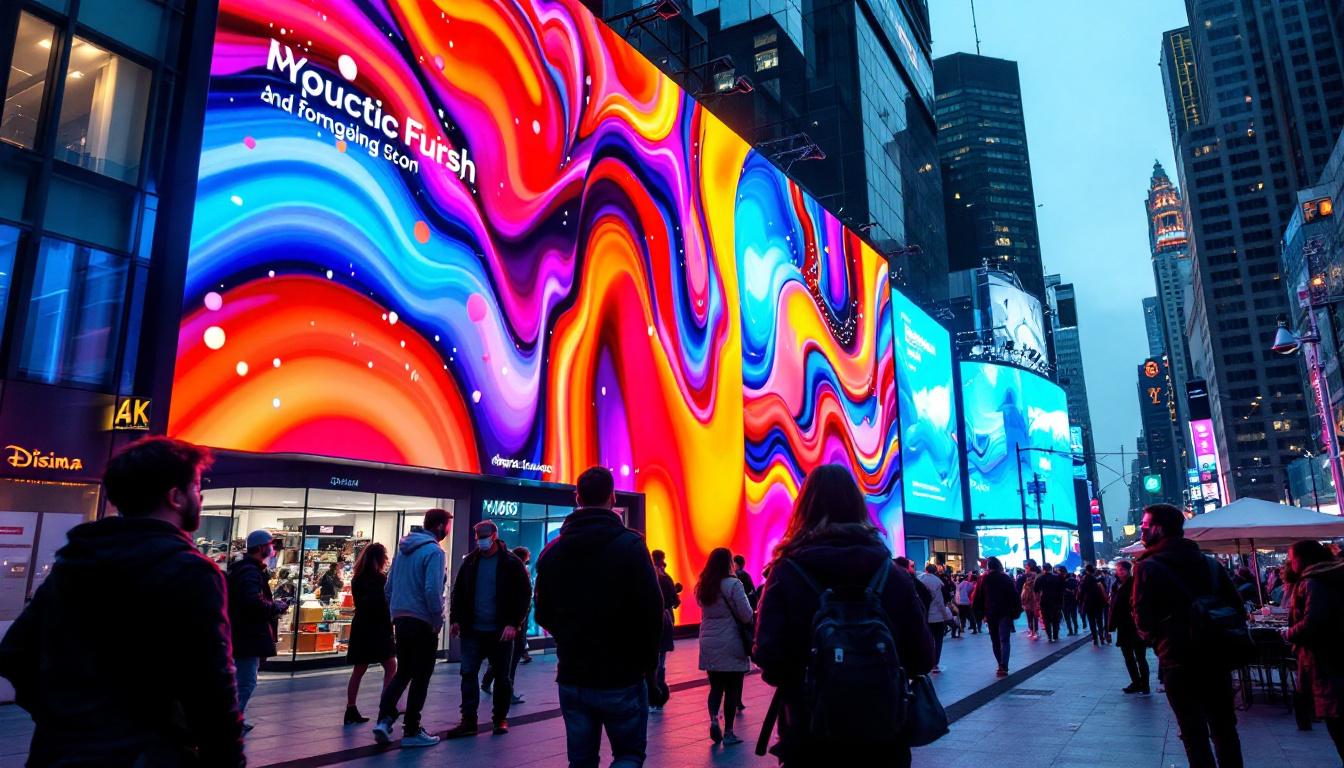
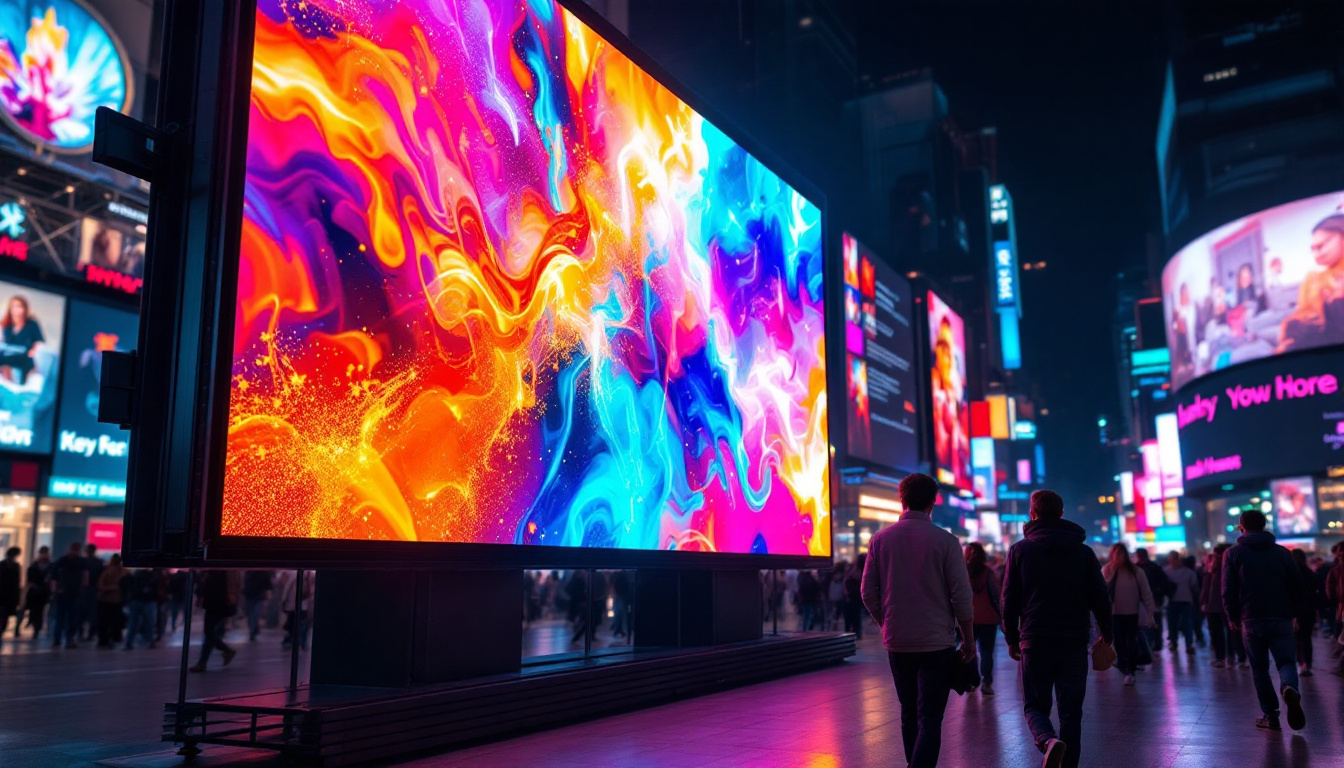
Times Square in New York City is synonymous with dazzling lights, vibrant energy, and some of the most iconic advertising spaces in the world. The towering billboards that light up this bustling hub are not just static signs; they are dynamic LED displays that captivate millions of visitors and passersby daily. Understanding how these LED billboards work, their technological advancements, and their impact on advertising strategy offers valuable insight into one of the most influential advertising mediums today.
The Evolution of Times Square Billboards
Times Square’s advertising history dates back over a century, evolving from painted posters and neon signs to the cutting-edge digital displays seen today. Initially, the billboards were static, relying on hand-painted artwork and incandescent bulbs to attract attention. The introduction of neon lighting in the early 20th century revolutionized the visual landscape, creating vibrant, glowing advertisements that could be seen from blocks away.
However, the true transformation began in the late 1990s and early 2000s with the advent of LED (Light Emitting Diode) technology. Unlike neon, LEDs offered brighter illumination, greater energy efficiency, and the ability to display full-motion video content. This shift enabled advertisers to create immersive, eye-catching campaigns that could be updated in real-time, making Times Square a living, breathing canvas for brands worldwide.
From Neon to LED: Why the Change Matters
Neon signs, while iconic, have several limitations. They consume more energy, are fragile, and offer limited color and animation capabilities. LEDs, on the other hand, provide a broader color spectrum, higher brightness levels, and longer lifespan. This makes LED billboards not only more visually striking but also more cost-effective and environmentally friendly over time.
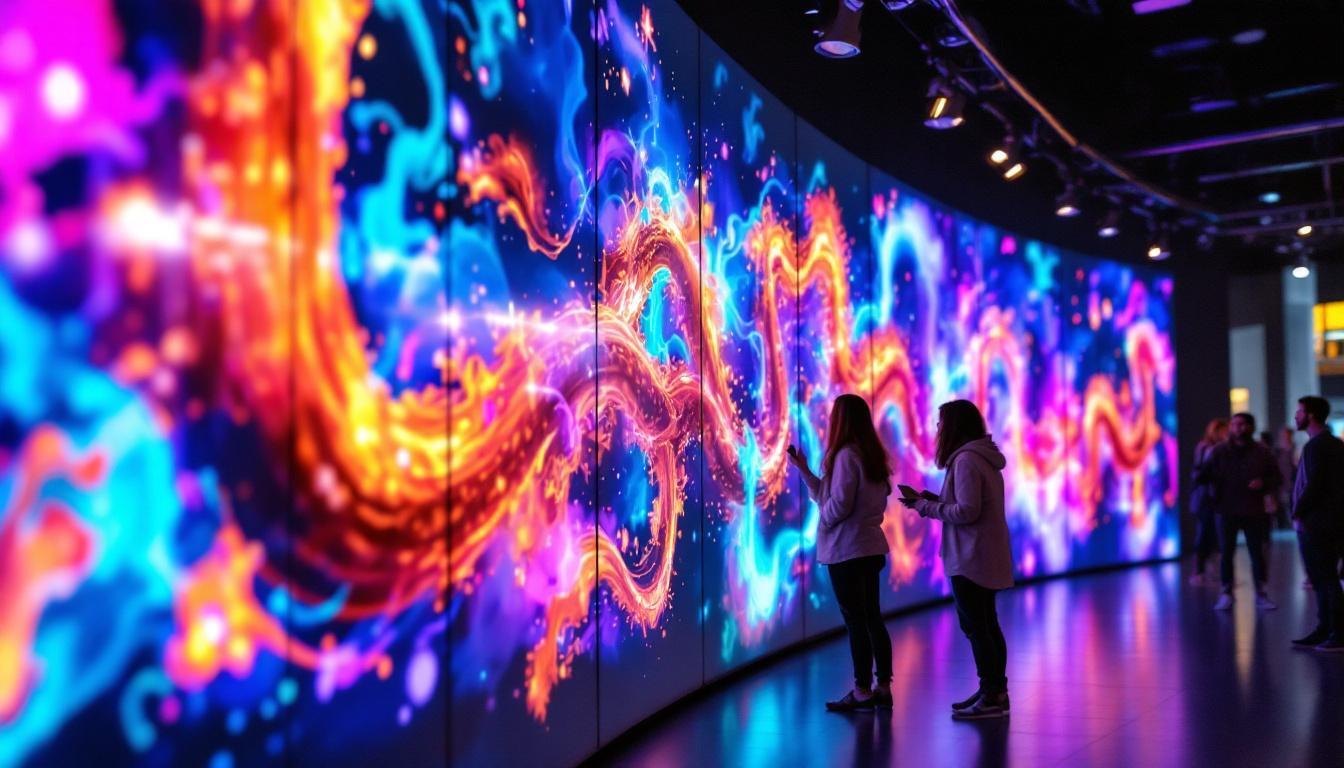
As Times Square continues to evolve, the integration of technology into advertising has also opened the door for interactive displays that engage passersby in unique ways. Brands now utilize augmented reality (AR) and virtual reality (VR) elements that allow viewers to become part of the advertisement itself, creating memorable experiences that extend beyond mere observation. For instance, some billboards invite people to take selfies with virtual characters or participate in live polls, making the advertising space not just a platform for promotion but a hub for interaction and entertainment.
Moreover, the impact of these billboards extends beyond commercial advertising; they have become cultural landmarks in their own right. The dazzling lights and dynamic visuals of Times Square attract millions of visitors each year, serving as a backdrop for countless photographs and social media posts. This phenomenon has led to a new form of urban storytelling, where brands craft narratives that resonate with the diverse audience that frequents this iconic location. As a result, the billboards of Times Square have transformed into a vibrant tapestry of art, commerce, and community, reflecting the ever-changing pulse of New York City itself.
How LED Displays Work in Times Square Billboards
At the core of every Times Square billboard is a complex LED display system designed to deliver high-resolution images and videos visible from great distances and under varying lighting conditions. Understanding the technology behind these displays helps appreciate the craftsmanship and engineering that go into creating such impactful advertisements.
The Basics of LED Technology
LEDs are semiconductor devices that emit light when an electric current passes through them. Unlike traditional bulbs, LEDs do not rely on filaments or gas but use electroluminescence to produce light. This process is highly efficient, generating less heat and consuming less power.
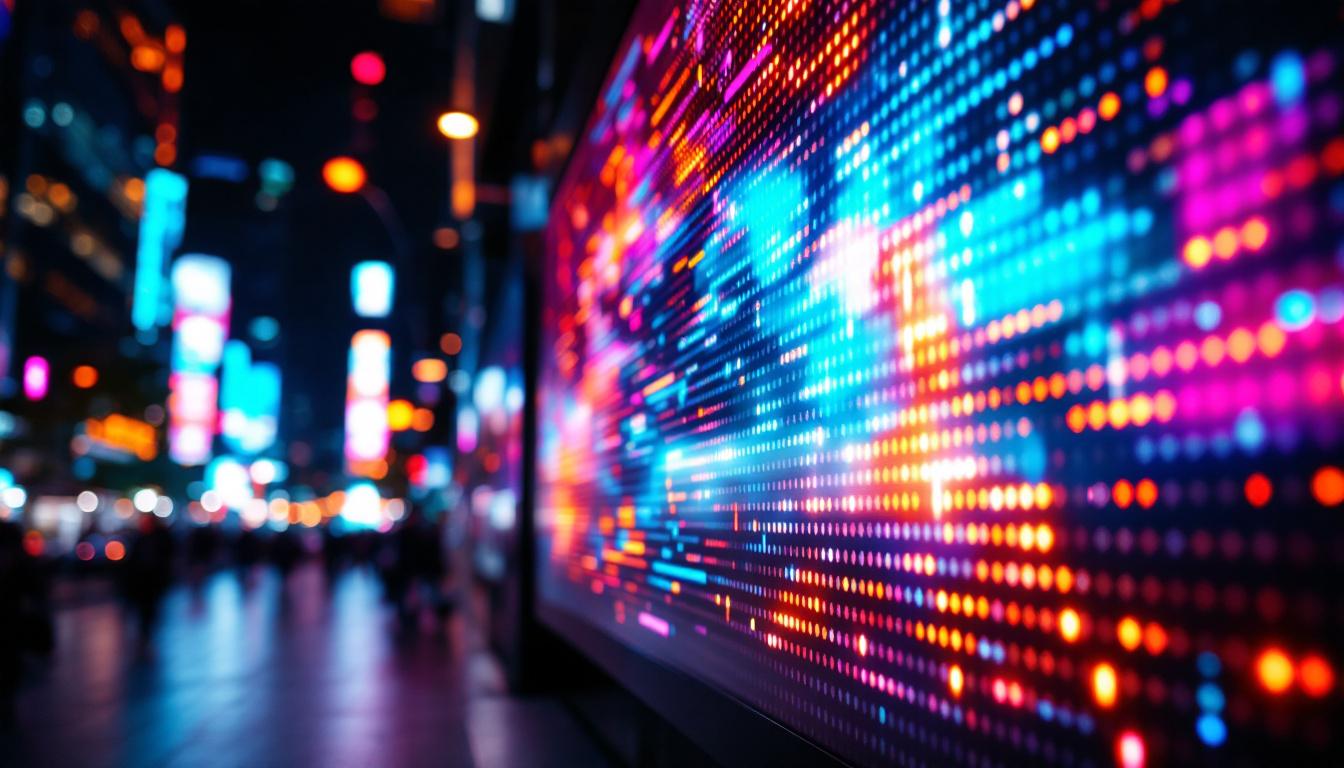
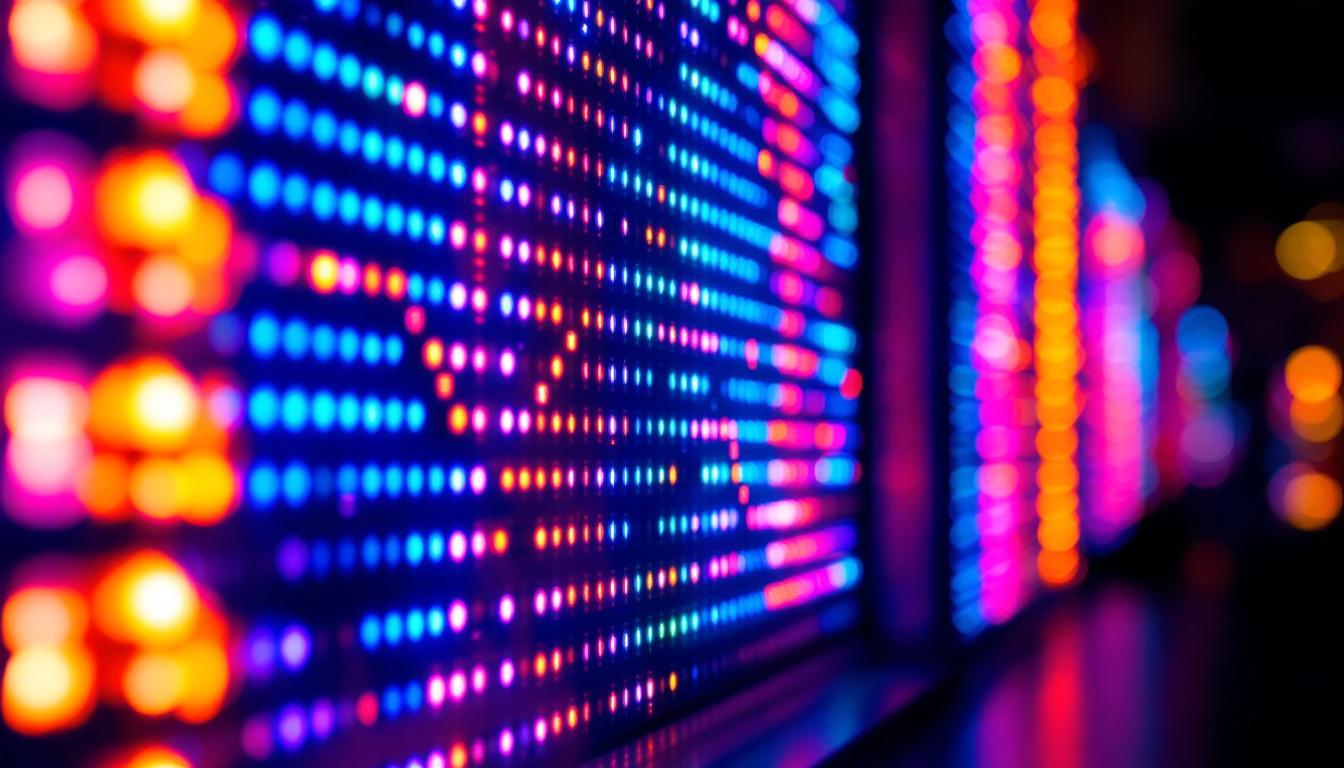
In billboard applications, thousands to millions of tiny LEDs are arranged in a grid pattern, known as pixels. Each pixel consists of red, green, and blue LEDs that can be combined in varying intensities to produce a full spectrum of colors. By controlling the brightness of each LED, the display can render sharp, vibrant images and smooth video playback.
Pixel Pitch and Resolution
One critical factor in LED display quality is the pixel pitch—the distance between the centers of two adjacent pixels. In Times Square, where billboards are viewed from varying distances, pixel pitch is carefully chosen to balance image clarity and cost. Smaller pixel pitch means higher resolution and sharper images but also increases the complexity and price of the display.
For example, a billboard viewed primarily from across the street may have a pixel pitch of 10mm or more, while those designed for closer viewing might use pitches as low as 4mm. This ensures that images remain crisp and legible regardless of the viewer’s position.
Brightness and Visibility
Times Square is one of the brightest and busiest places on Earth, so billboard displays must compete with ambient light and other visual stimuli. LED billboards in this area typically have brightness levels ranging from 5,000 to 10,000 nits, far exceeding the brightness of standard television screens or computer monitors.
This high brightness ensures that advertisements remain visible and vibrant even in direct sunlight or during nighttime when the surrounding lights are at their peak. Additionally, modern LED systems include sensors that automatically adjust brightness based on ambient light conditions, optimizing visibility while conserving energy.
Designing Effective Advertising for LED Billboards
Creating an impactful advertisement for Times Square’s LED billboards requires more than just high-resolution images. The unique environment and technical specifications of these displays demand thoughtful design and strategic planning to maximize engagement and brand recall.
Dynamic Content and Animation
One of the biggest advantages of LED billboards is the ability to display dynamic content, including animations and videos. This capability allows advertisers to tell stories, showcase multiple products, or create interactive experiences that capture attention more effectively than static images.
For instance, brands like Coca-Cola and Samsung have leveraged animated sequences on Times Square billboards to create memorable campaigns that engage viewers emotionally and visually. These animations often incorporate bright colors, smooth transitions, and bold typography to stand out in the crowded visual landscape.
Timing and Content Rotation
Given the high foot traffic and diverse audience in Times Square, advertisers often use content rotation strategies to display multiple messages throughout the day. This approach allows brands to target different demographics or promote various products within a single billboard space.
Moreover, timing the content to coincide with specific events, holidays, or time of day can significantly enhance relevance and impact. For example, a billboard might display family-oriented ads during the afternoon and switch to nightlife or entertainment promotions in the evening.
Interactivity and Real-Time Updates
Advancements in LED technology and connectivity have enabled interactive and real-time content on Times Square billboards. Some displays incorporate social media feeds, live event coverage, or user-generated content to create a sense of community and immediacy.
Real-time updates also allow advertisers to respond quickly to market changes, trending topics, or breaking news, making their campaigns more agile and relevant. This flexibility is a significant advantage over traditional static billboards.
The Business Impact of Times Square LED Billboard Advertising
Advertising in Times Square is often seen as the pinnacle of outdoor marketing due to its unparalleled visibility and prestige. The business implications of securing a billboard in this location are significant, with measurable effects on brand awareness, sales, and market positioning.
Audience Reach and Demographics
Times Square attracts over 330,000 pedestrians daily, including tourists, commuters, and locals from diverse backgrounds. This massive foot traffic translates into millions of impressions per week for billboard advertisers. The audience is also highly varied in age, nationality, and interests, offering brands a unique opportunity to reach a broad spectrum of consumers.
Moreover, the global recognition of Times Square means that advertisements here often gain additional exposure through media coverage, social media shares, and international tourism, amplifying their reach beyond the physical location.
Cost Considerations and ROI
Advertising in Times Square is a premium investment. Rental costs for LED billboard space can range from $5,000 to over $50,000 per day, depending on size, location, and duration. Despite the high costs, many brands find the return on investment (ROI) justifies the expense due to the immense visibility and brand prestige associated with Times Square ads.
Successful campaigns often see increased brand recognition, social media engagement, and direct sales boosts. Additionally, the ability to track digital engagement and integrate campaigns with online marketing efforts enhances the overall effectiveness and measurability of billboard advertising.
Case Studies of Iconic Times Square Campaigns
Several brands have leveraged Times Square LED billboards to create landmark advertising moments. For example, the annual New Year’s Eve ball drop sponsorships by companies like Coca-Cola and Samsung showcase the power of combining LED displays with live events to generate global attention.
Another notable example is the 2019 campaign by Netflix to promote the series “Stranger Things,” which used immersive LED visuals and interactive elements to engage fans and generate buzz. These campaigns demonstrate how innovative use of LED technology can elevate brand storytelling and consumer engagement.
Future Trends in LED Billboard Technology
As technology continues to advance, the future of LED billboard advertising, especially in high-profile locations like Times Square, promises even greater innovation and impact.
MicroLED and Higher Resolution Displays
Emerging display technologies such as MicroLED offer the potential for even smaller pixel pitches and higher resolutions. This means billboards could deliver ultra-crisp images and videos with unprecedented clarity, enhancing the viewer experience further.
Augmented Reality and 3D Effects
Some advertisers are experimenting with augmented reality (AR) and 3D effects on LED billboards to create immersive experiences that blur the line between digital and physical worlds. These effects can make advertisements more engaging and memorable, driving deeper consumer interaction.
Energy Efficiency and Sustainability
With growing environmental concerns, future LED billboards are expected to incorporate more energy-efficient components and sustainable materials. Innovations like solar-powered displays and recyclable LED modules could reduce the environmental footprint of outdoor advertising significantly.
Conclusion
Times Square’s LED billboards represent a pinnacle of outdoor advertising technology, combining advanced LED display systems with creative design and strategic planning to captivate a global audience. From their historical evolution to the intricate technology that powers them, these billboards are more than just advertisements—they are cultural landmarks that reflect the dynamic spirit of New York City.
For brands aiming to make a bold statement, understanding the nuances of LED billboard technology and the unique environment of Times Square is essential. As the technology continues to evolve, the opportunities for innovative, impactful advertising in this iconic location will only expand, making LED displays an indispensable tool in modern marketing.
Illuminate Your Brand with LumenMatrix
Ready to elevate your advertising to new heights in the heart of New York City? LumenMatrix is at the forefront of LED display innovation, offering a spectrum of solutions from Indoor and Outdoor LED Wall Displays to specialized formats like Vehicle, Sports, and Floor LED Displays. Our mission is to transform your visual storytelling with displays that not only capture attention but create immersive experiences for audiences. Don’t let your message get lost in the lights of Times Square; make it resonate with clarity and impact. Check out LumenMatrix LED Display Solutions and turn your vision into a vivid reality.