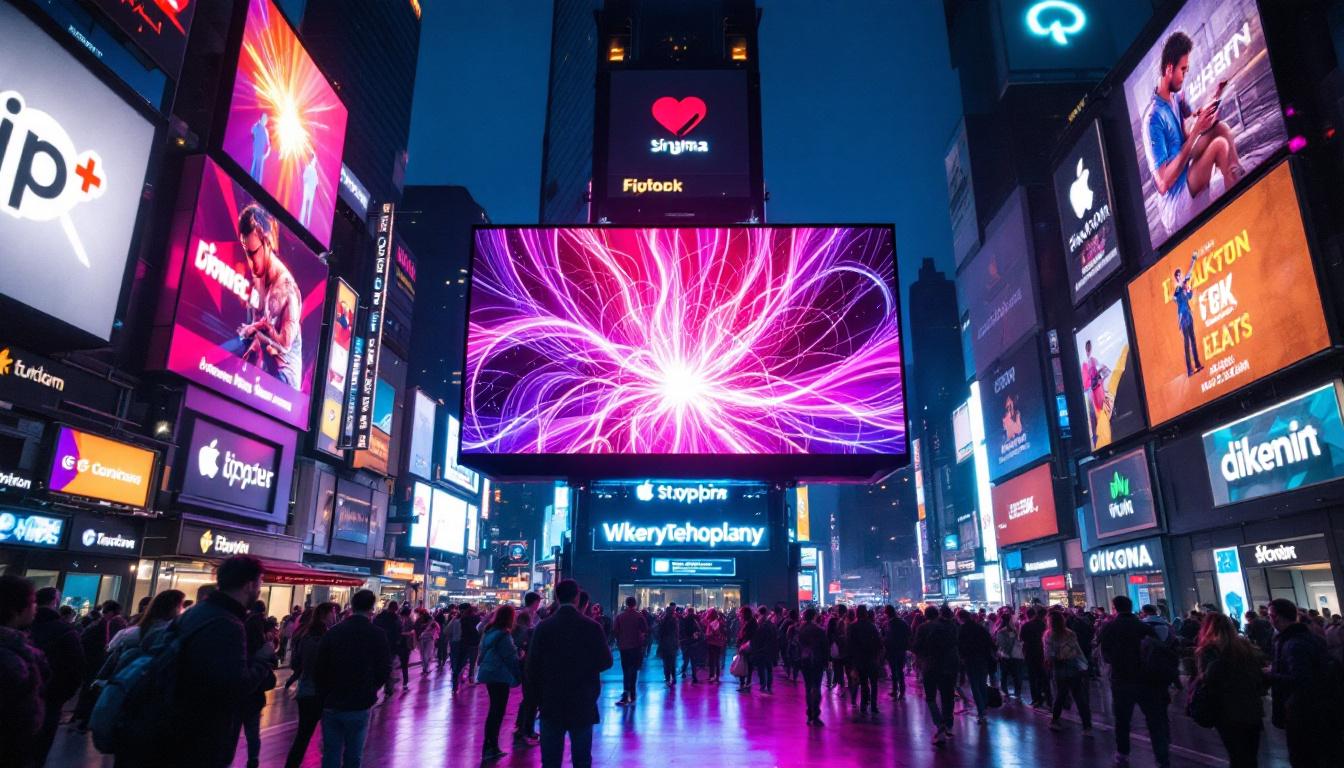
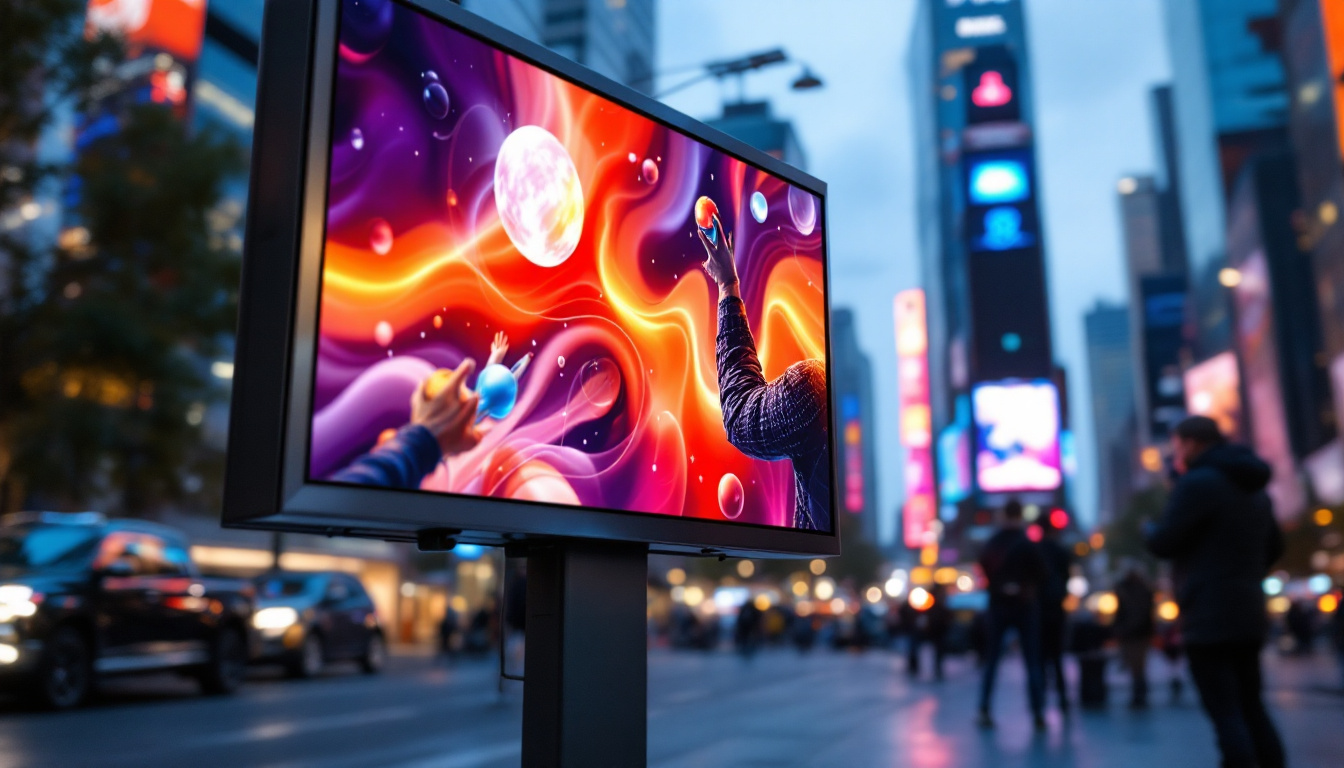
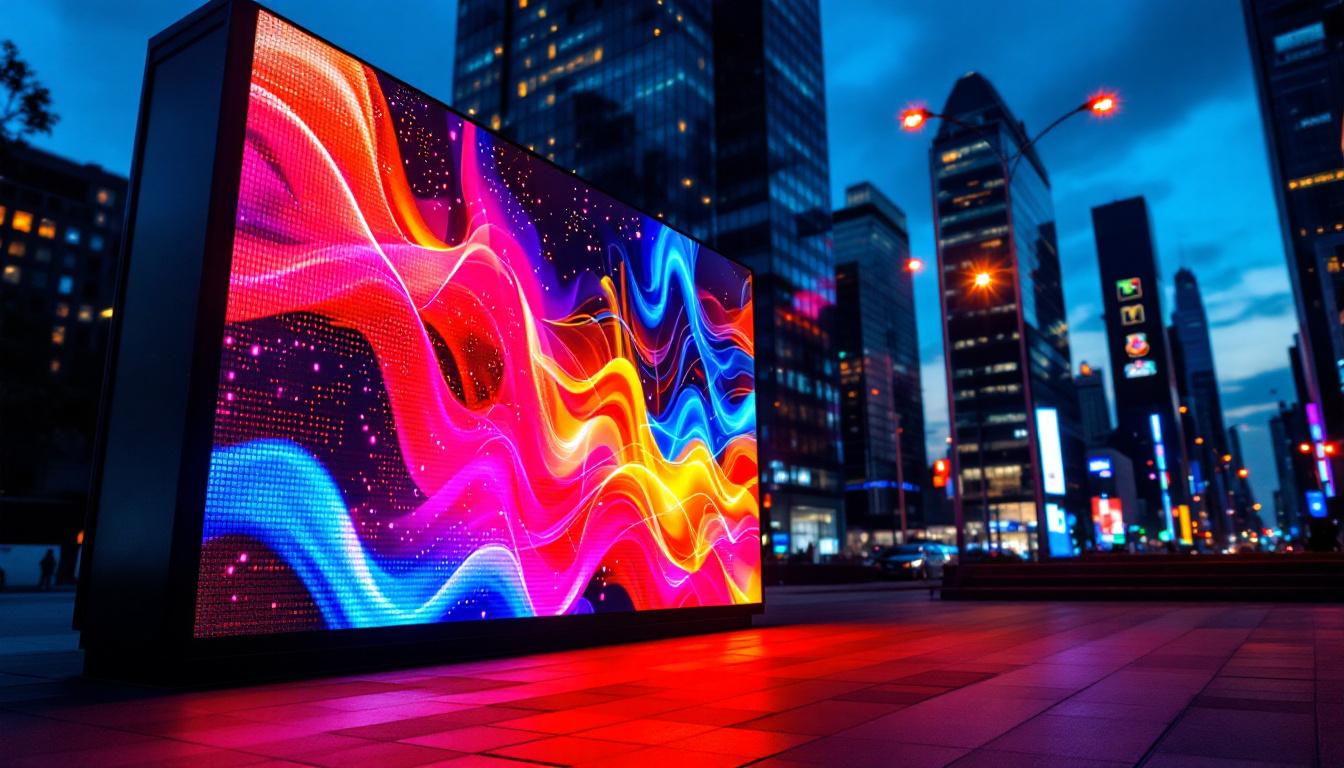
In an era defined by digital transformation and visual communication, LED displays have emerged as the giants of the screen world. From towering billboards in Times Square to immersive stadium scoreboards and cutting-edge digital signage in retail, LED technology has revolutionized how information and entertainment are presented on a grand scale. This article delves into the world of LED displays, explaining their technology, applications, advantages, and future trends, providing a comprehensive understanding of what makes these colossal screens the biggest and brightest in the industry.
Understanding LED Display Technology
What is an LED Display?
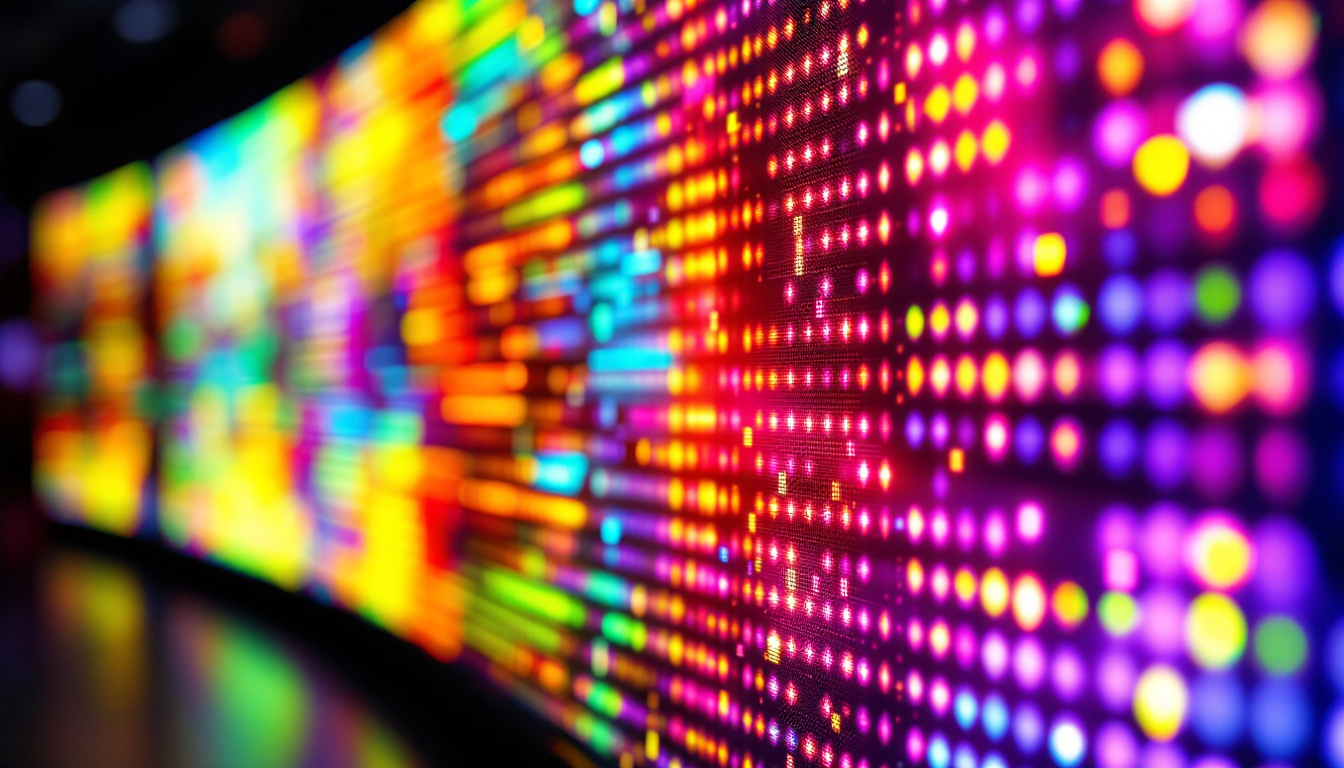
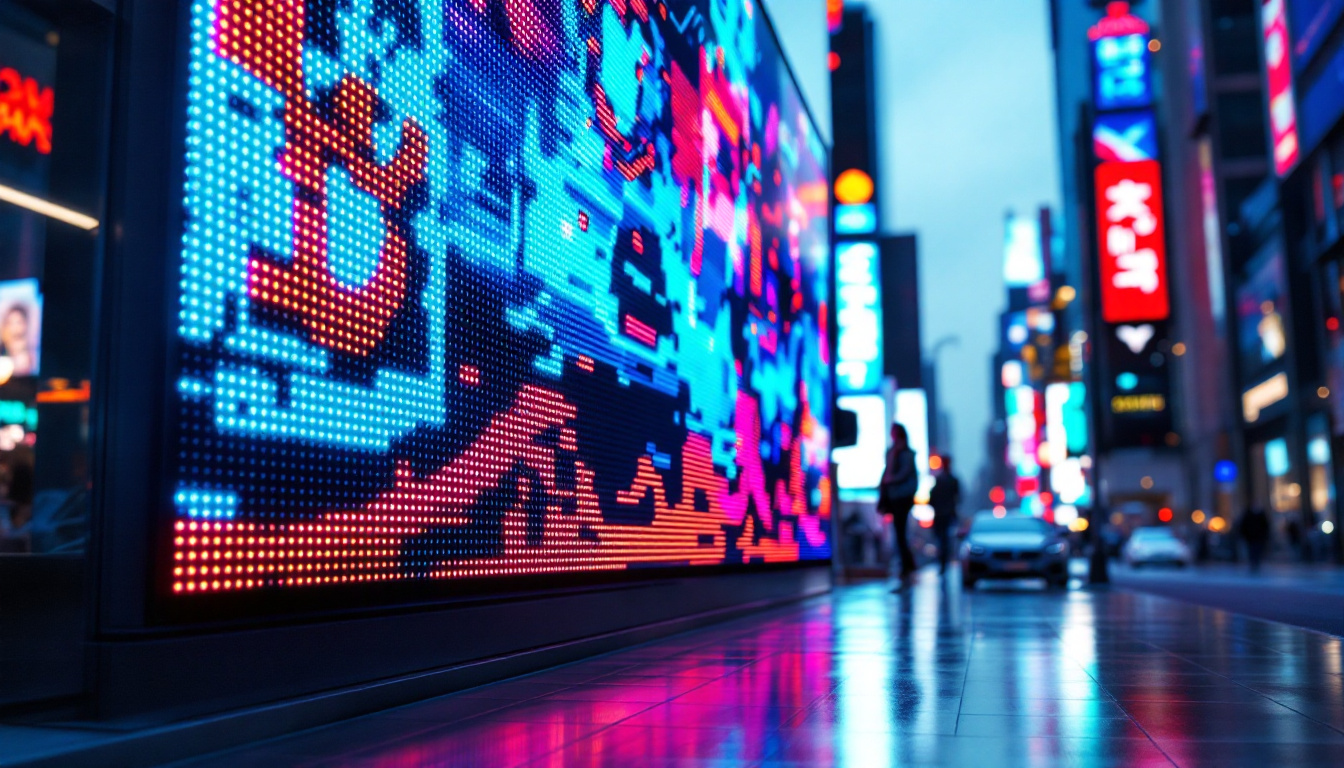
LED stands for Light Emitting Diode, a semiconductor device that emits light when an electric current passes through it. An LED display is essentially a large-scale screen composed of thousands, sometimes millions, of these tiny diodes arranged in a matrix to form images, videos, or text. Unlike traditional LCD or projection screens, LED displays generate their own light, resulting in higher brightness and better contrast.
The core of LED display technology lies in its modular design. Each module contains multiple LEDs grouped into pixels. By controlling the intensity and color of each pixel, the display can render vivid visuals with remarkable clarity. Modern LED panels often use RGB (red, green, blue) LEDs to produce a full spectrum of colors, enabling vibrant and dynamic content. This versatility makes LED displays ideal for a wide range of applications, from advertising to entertainment, where visual impact is critical.
Types of LED Displays
LED displays come in various forms, tailored to different environments and purposes:
- Indoor LED Displays: Designed for controlled lighting environments, these displays offer high resolution and pixel density for close viewing distances. They are commonly used in conference rooms, retail stores, and indoor advertising.
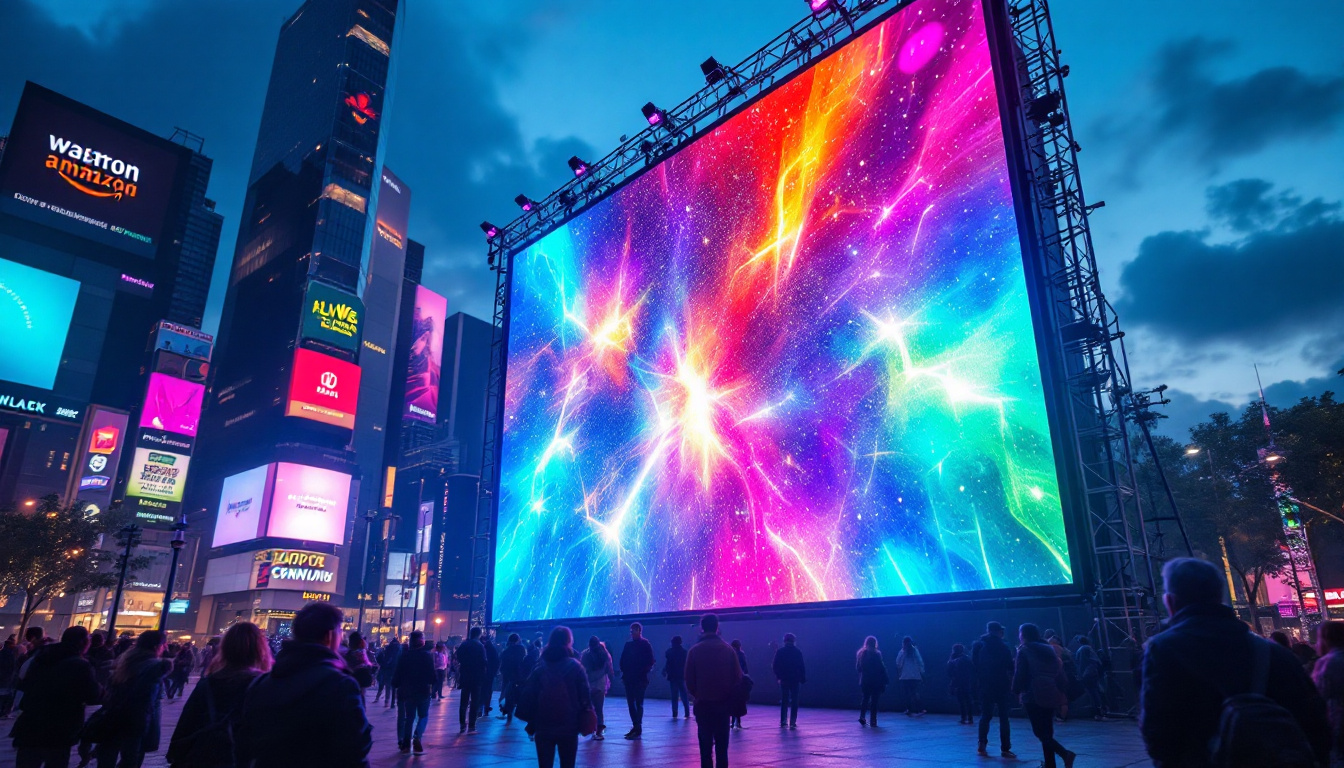
- Outdoor LED Displays: Built to withstand harsh weather conditions, these screens feature higher brightness levels (often exceeding 5,000 nits) to remain visible under direct sunlight. They are widely used in sports arenas, billboards, and public information displays.
- Flexible and Transparent LED Displays: Recent innovations have introduced flexible LED panels that can curve around surfaces and transparent displays that allow light to pass through, opening new possibilities in architecture and design.
How LED Displays Work
Each LED in the display emits light independently. The display controller sends signals to each pixel, adjusting the brightness and color to create the desired image. The combination of millions of these tiny light sources produces a seamless and bright visual experience. Refresh rates and color calibration are critical factors that affect the quality and smoothness of the displayed content. The technology behind LED displays also allows for rapid response times, making them suitable for dynamic content such as video games and live broadcasts.
Moreover, advancements in LED technology have led to the development of smart displays that integrate with various digital platforms. These smart LED displays can connect to the internet, allowing for real-time content updates, remote management, and interactive features. This capability is particularly beneficial for businesses that need to change advertisements frequently or for events that require live updates. As a result, LED displays are not just a medium for visual communication; they have become an interactive experience that engages audiences in innovative ways.
The Advantages of LED Displays Over Other Technologies
Superior Brightness and Visibility
One of the most significant advantages of LED displays is their exceptional brightness. Outdoor LED screens can achieve brightness levels up to 10,000 nits, making them clearly visible even in direct sunlight. This is a stark contrast to LCD or projection screens, which often struggle with glare and washed-out images in bright environments.
This high brightness capability makes LED displays ideal for advertising in bustling urban areas, live event broadcasting, and public safety messaging where visibility is paramount. Furthermore, the color accuracy and vibrancy of LED displays enhance the viewer’s experience, making advertisements and announcements not only more noticeable but also more engaging. The ability to present vivid colors and sharp images ensures that messages are conveyed effectively, capturing the attention of passersby and audiences alike.
Energy Efficiency and Longevity
LEDs are known for their energy efficiency compared to other lighting and display technologies. They consume less power while providing higher brightness, which translates into lower operating costs for large-scale displays. Additionally, LED displays have a longer lifespan, often exceeding 100,000 hours of operation before significant brightness degradation occurs.
This durability reduces maintenance frequency and costs, making LED displays a cost-effective solution for businesses and municipalities investing in long-term digital signage. Moreover, the lower energy consumption of LED technology contributes to a reduced carbon footprint, aligning with the growing demand for sustainable practices in various industries. As companies increasingly prioritize eco-friendly solutions, the use of LED displays not only supports their operational goals but also enhances their corporate responsibility image.
Flexibility and Scalability
LED displays are highly modular, allowing for flexible sizing and shapes. Whether it’s a massive stadium screen spanning hundreds of square meters or a small indoor display, LED technology can be scaled up or down without compromising image quality.
This adaptability also enables creative installations, such as curved or irregularly shaped screens, which are increasingly popular in modern architectural designs and experiential marketing campaigns. The versatility of LED displays allows for innovative applications in various settings, from retail environments that utilize eye-catching window displays to immersive experiences in museums and galleries. With the ability to create dynamic content that can be easily updated, businesses can keep their messaging fresh and relevant, ultimately enhancing customer engagement and interaction.
Applications of Large LED Displays
Advertising and Digital Billboards
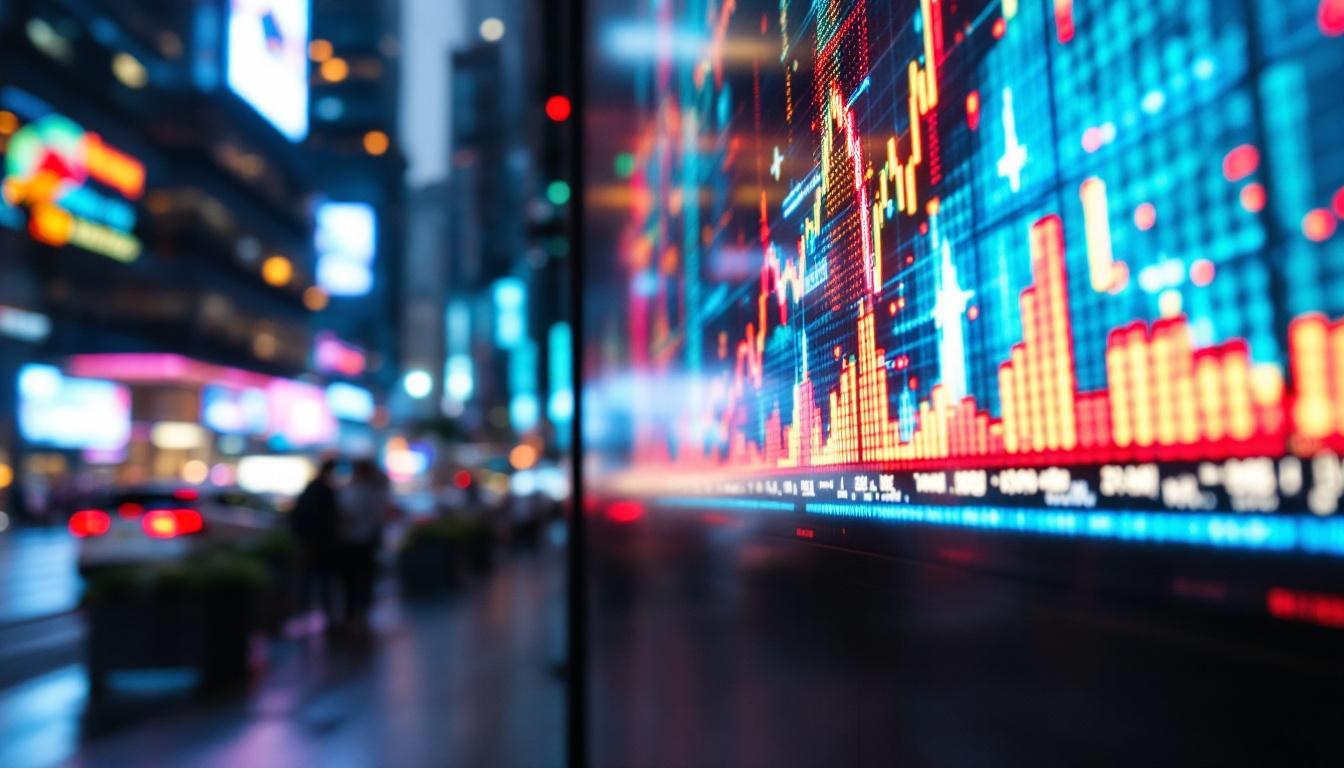
Digital billboards have transformed the advertising landscape. According to a 2023 report by the Outdoor Advertising Association of America, digital out-of-home (DOOH) advertising revenue surpassed $4 billion in the United States alone, with LED billboards accounting for the majority of this growth.
LED billboards offer dynamic content capabilities, allowing advertisers to rotate multiple ads, display real-time information, and engage audiences with interactive content. Their high visibility and flexibility make them a preferred choice for brands aiming to capture attention in crowded urban environments.
Sports and Entertainment Venues
Stadiums and arenas utilize massive LED displays to enhance the spectator experience. From live game footage and instant replays to interactive fan engagement and advertising, these screens have become central to the modern sports experience.
For example, the AT&T Stadium in Texas features one of the largest high-definition LED video boards in the world, measuring 160 feet wide and 72 feet tall. Such installations not only entertain but also generate significant advertising revenue for venue operators.
Public Information and Transportation Hubs
Airports, train stations, and city centers employ LED displays to provide real-time information such as arrival and departure times, emergency alerts, and wayfinding assistance. Their brightness and clarity ensure that critical messages are visible to large crowds, improving safety and convenience.
Retail and Corporate Environments
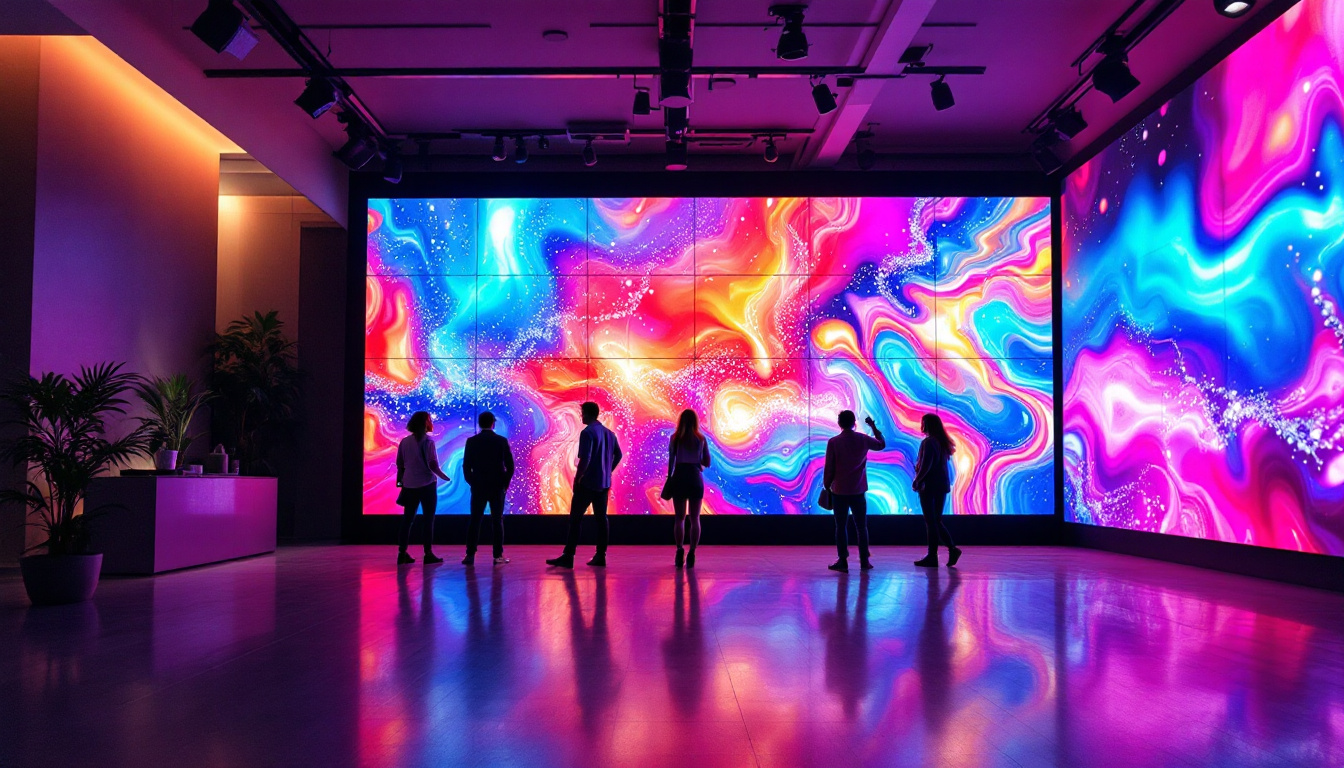
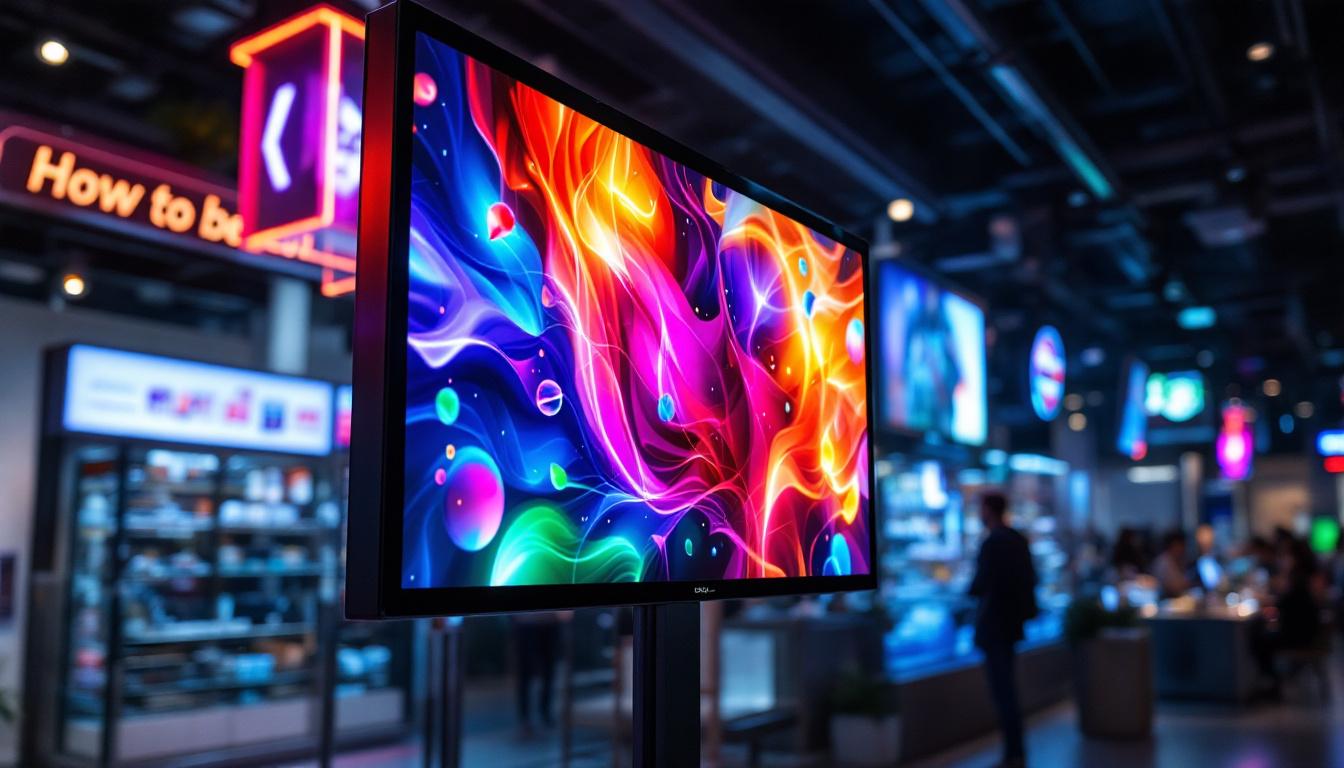
Retailers use LED displays to create immersive brand experiences, showcase products, and promote sales. Corporate lobbies and event spaces also leverage LED technology for presentations, branding, and interactive exhibits, enhancing their visual impact and professionalism.
Challenges and Considerations in LED Display Deployment
Cost and Investment
While LED displays offer many benefits, the initial investment can be substantial, especially for large-scale outdoor installations. Costs include not only the panels themselves but also installation, content management systems, and ongoing maintenance.
However, the long-term return on investment often justifies these expenses through increased advertising revenue, enhanced customer engagement, and reduced operational costs compared to older technologies.
Content Creation and Management
High-quality content is essential to maximize the impact of LED displays. This requires skilled designers and advanced software tools to create visually compelling and contextually relevant material. Additionally, content management systems must be robust to handle scheduling, updates, and remote control of multiple displays.
Environmental and Regulatory Factors
Outdoor LED displays must comply with local regulations regarding brightness levels, light pollution, and structural safety. Environmental factors such as temperature extremes, humidity, and exposure to elements also influence the choice of materials and protective measures.
The Future of LED Display Technology
Mini-LED and Micro-LED Innovations
Emerging technologies like Mini-LED and Micro-LED promise even greater resolution, brightness, and energy efficiency. Micro-LED, in particular, offers the potential for ultra-thin, flexible displays with superior color accuracy and contrast, opening new frontiers in both consumer electronics and large-scale installations.
Integration with Smart Technologies
LED displays are increasingly integrated with AI, IoT, and augmented reality to deliver personalized and interactive experiences. Smart displays can adapt content based on audience demographics, weather conditions, or real-time events, enhancing engagement and effectiveness.
Sustainability and Eco-Friendly Designs
As environmental concerns grow, manufacturers are focusing on sustainable materials, energy-efficient designs, and recycling programs for LED components. This shift aligns with broader corporate social responsibility goals and regulatory pressures worldwide.
Conclusion
LED displays represent the pinnacle of large-scale digital screen technology, combining brightness, durability, and versatility to create some of the biggest and most captivating visual experiences in the world. Their applications span advertising, entertainment, public information, and beyond, making them indispensable tools in today’s visually driven society.
As technology advances, LED displays will continue to evolve, offering higher resolution, smarter integration, and more sustainable solutions. Understanding the fundamentals and potential of LED displays equips businesses, event organizers, and city planners to harness their power effectively and creatively.
Whether illuminating a city skyline or enhancing a retail environment, the biggest screen—powered by LED technology—continues to shape how people see and interact with the world around them.
Illuminate Your Space with LumenMatrix
Ready to transform your environment with the ultimate visual experience? LumenMatrix is at the forefront of LED display innovation, offering a diverse range of solutions that bring your brand to life. From the vibrancy of an Indoor LED Wall Display to the dynamic impact of an Outdoor LED Wall Display, our technology is designed to captivate and engage. Discover the full potential of LED displays with our Vehicle LED Display, LED Poster Display, LED Sports Display, Floor LED Display, Custom LED Display, All-in-One LED Display, and LED Transparent Display. Elevate your visual communication and make a lasting impression. Check out LumenMatrix LED Display Solutions today and see how we can help you share your message with the world.