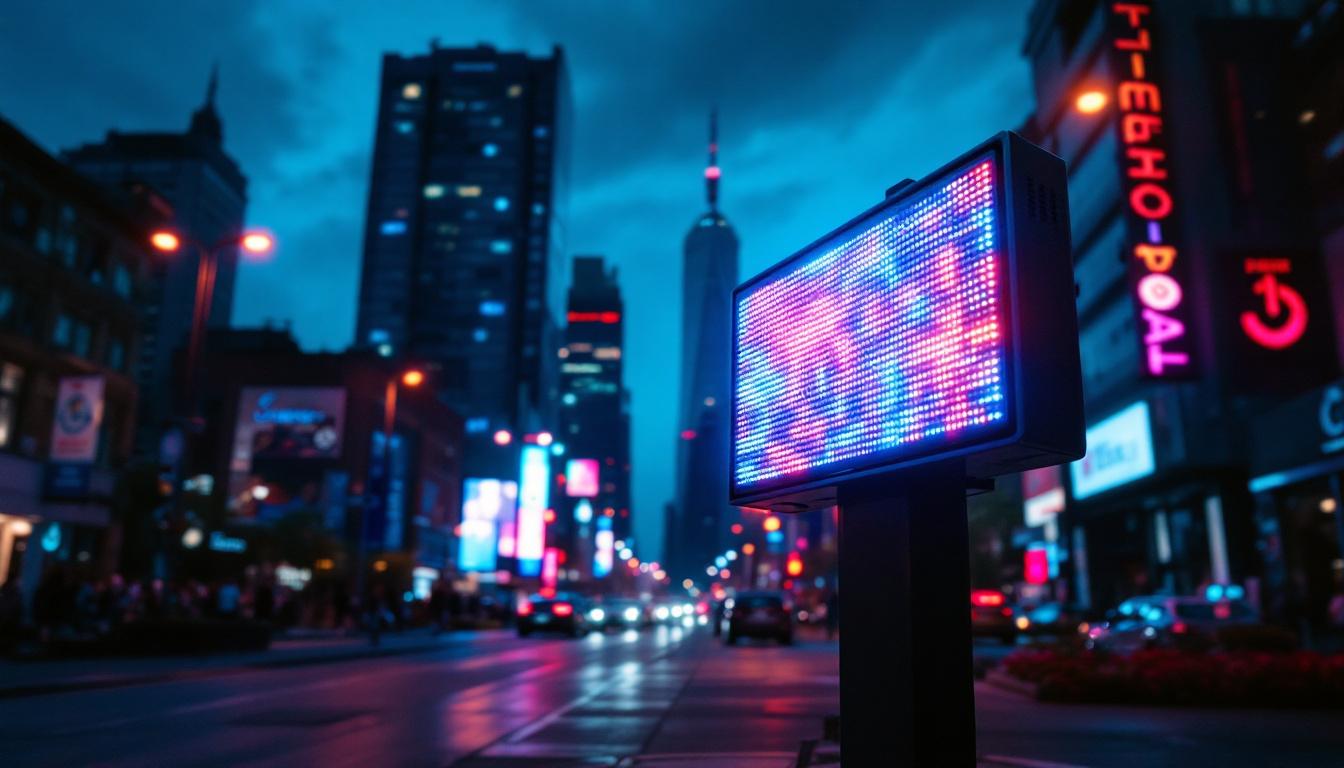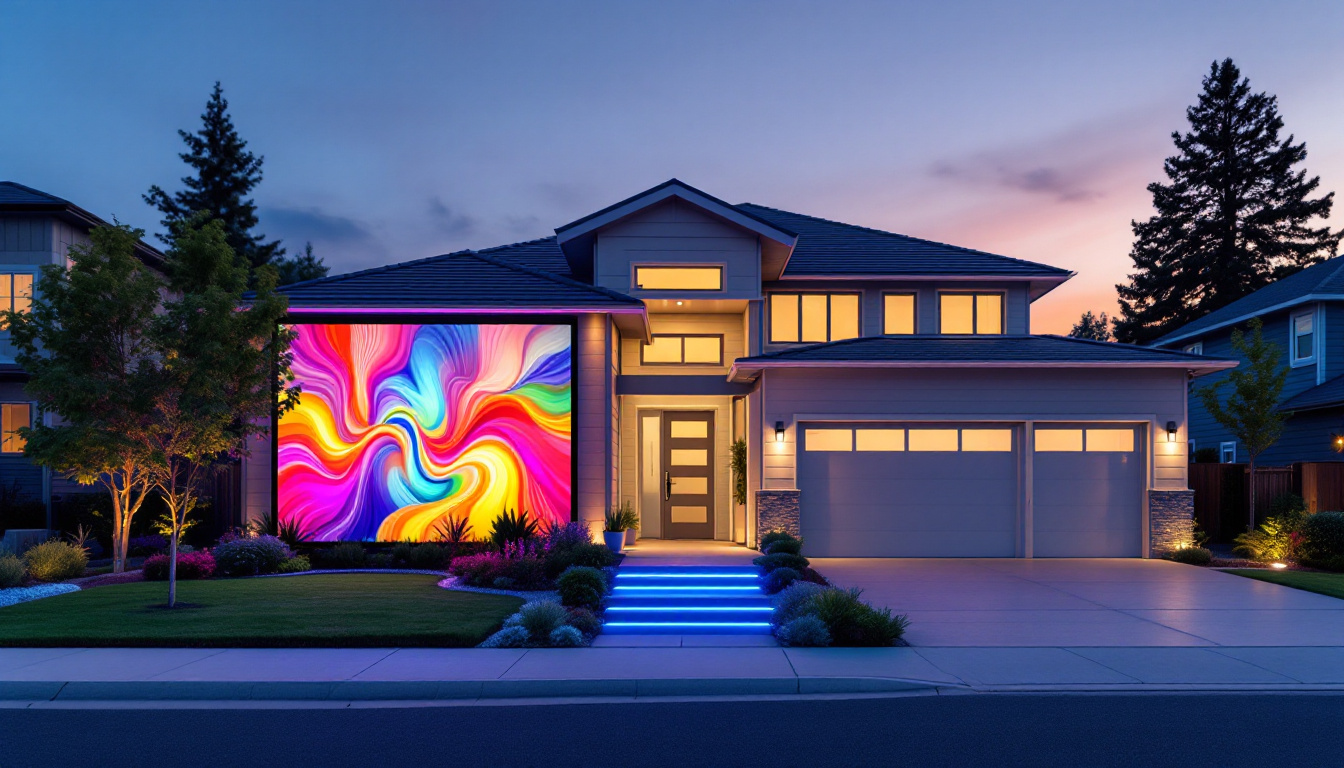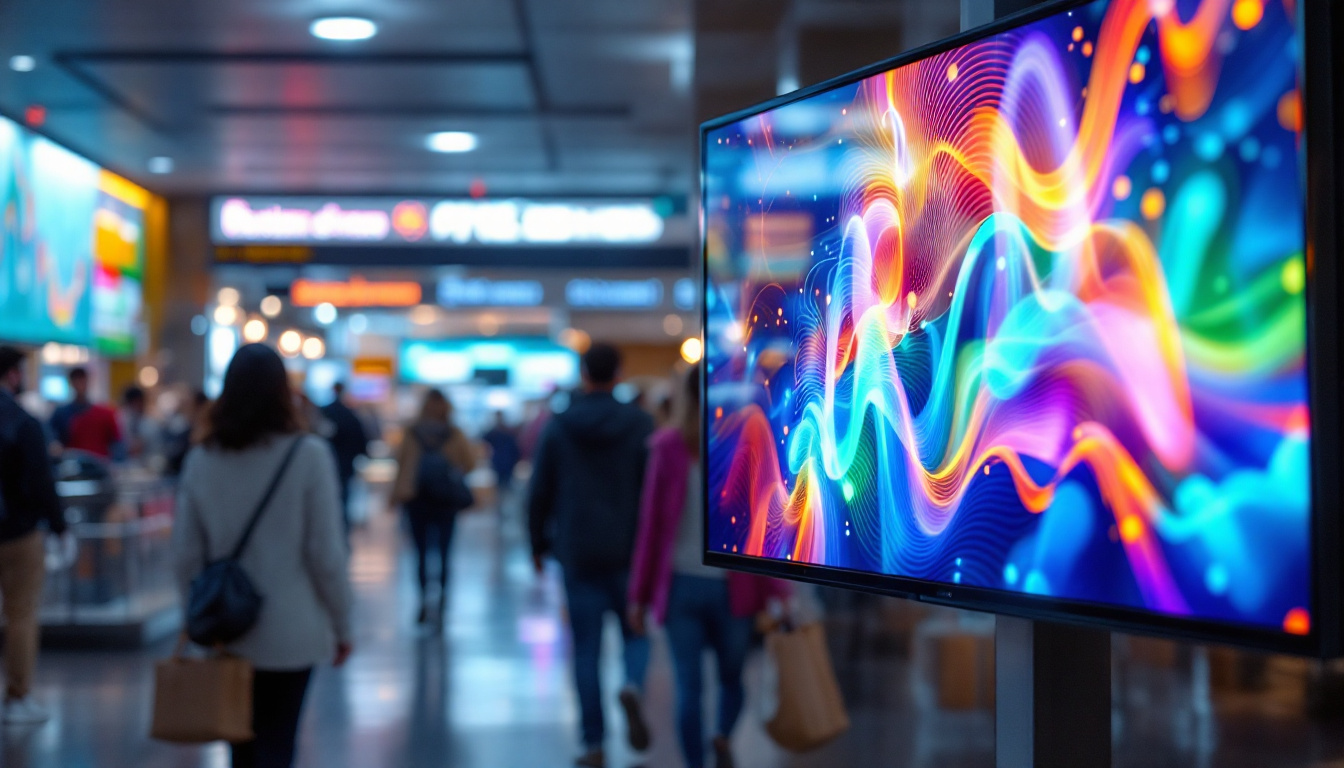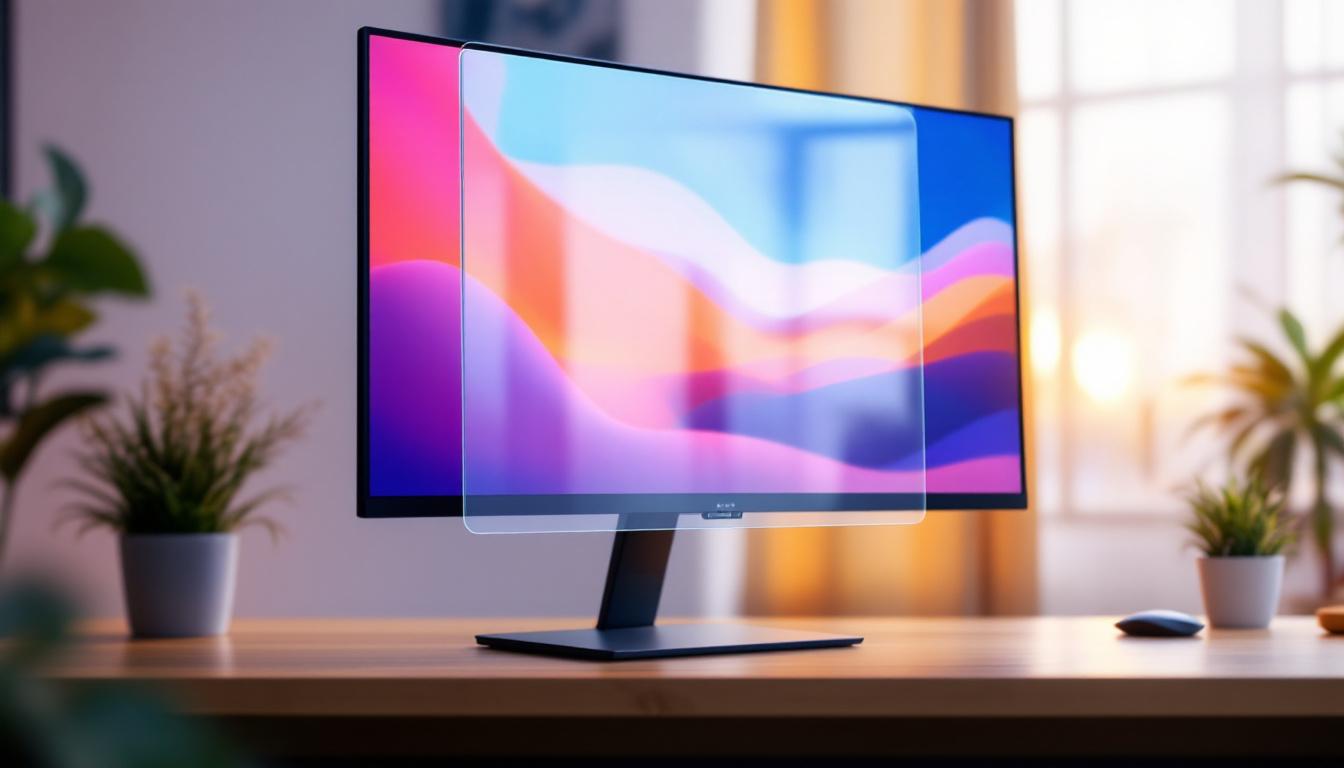
In today’s fast-evolving digital world, LED technology has become a cornerstone of modern visual communication. From vibrant billboards to immersive retail displays, LED displays are transforming how information and advertisements are presented. Among the latest innovations in this field is LED light film—a flexible, thin, and highly adaptable medium that is reshaping the possibilities of LED display applications. This article explores what LED light film is, how it works, its advantages, and its potential impact across various industries.
What is LED Light Film?
LED light film is a cutting-edge display technology that integrates microscopic light-emitting diodes (LEDs) onto a flexible, transparent substrate. Unlike traditional LED panels, which are rigid and bulky, LED light film is ultra-thin and bendable, allowing it to conform to curved surfaces or be embedded into glass and plastic materials. This flexibility opens up a plethora of design possibilities, enabling architects and product designers to create innovative displays that were previously unimaginable.
This innovation bridges the gap between conventional LED displays and emerging flexible electronics, offering a new level of versatility for designers and engineers. The film typically consists of a matrix of micro-LEDs arranged in a grid pattern, controlled by integrated circuits that manage the light output, color, and brightness of each pixel. The ability to produce vibrant colors and high-resolution images makes LED light film an attractive option for applications ranging from advertising to automotive displays, and even wearable technology.
How is LED Light Film Manufactured?
The manufacturing process of LED light film involves advanced semiconductor fabrication techniques combined with flexible electronics production. Micro-LED chips, often smaller than 100 micrometers, are transferred onto a flexible polymer substrate using precision pick-and-place technology or wafer bonding methods. This process ensures that the LEDs maintain their performance while allowing the entire assembly to bend without damage. The precision required in this step is crucial, as even minor misalignments can affect the overall display quality and functionality.
Additionally, transparent conductive layers are applied to enable electrical connections without obstructing light transmission. Protective coatings shield the delicate components from environmental factors such as moisture and mechanical stress, enhancing durability. The combination of these advanced materials and techniques not only contributes to the film’s lightweight characteristics but also ensures that it can withstand the rigors of daily use, making it suitable for both indoor and outdoor applications. As research continues to advance in this field, we can expect even more improvements in efficiency and performance, further solidifying LED light film’s place in the future of display technology.
Technical Advantages of LED Light Film
LED light film offers several key technical advantages over traditional LED displays and other display technologies such as LCD or OLED. These benefits make it particularly attractive for innovative applications where flexibility, transparency, and energy efficiency are paramount.
Flexibility and Conformability
One of the most significant advantages of LED light film is its flexibility. Unlike rigid LED panels, the film can be wrapped around curved surfaces or integrated into irregularly shaped objects. This opens up new design possibilities for architects, automotive manufacturers, and product designers who want to incorporate dynamic visual elements into unconventional spaces.
For example, LED light film can be embedded into glass facades of buildings, creating stunning transparent displays that do not obstruct natural light. Similarly, in automotive design, it can be used for curved dashboard displays or exterior lighting that adapts to the vehicle’s contours.
Transparency and Aesthetic Integration
Another standout feature is the transparency of LED light film. Because the substrate and conductive layers are designed to be clear, the film can be applied to windows or glass surfaces without significantly impairing visibility. This enables digital content to be displayed while maintaining a see-through effect, ideal for retail storefronts, museums, and advertising windows.
This transparency also allows for seamless integration into interior design elements, such as glass partitions or furniture, creating interactive and visually striking environments without bulky hardware.
Energy Efficiency and Brightness
Micro-LED technology, which underpins LED light film, is known for its high brightness and energy efficiency. Micro-LEDs consume less power compared to traditional LEDs and OLEDs, while delivering superior luminance and color accuracy. This makes LED light film suitable for both indoor and outdoor applications, even under direct sunlight.
Moreover, the film’s thinness and low thermal output reduce the need for elaborate cooling systems, further enhancing energy savings and simplifying installation.
Applications of LED Light Film
The unique characteristics of LED light film have led to its adoption across a wide range of industries. Its flexibility, transparency, and brightness enable creative solutions that were previously difficult or impossible with conventional display technologies.
Retail and Advertising
Retail environments are among the most enthusiastic adopters of LED light film. Transparent displays on storefront windows allow retailers to showcase dynamic advertisements and promotions without blocking the view into the store. This creates an engaging customer experience that blends digital content with physical products.
Additionally, LED light film can be used inside stores on glass shelves or display cases, adding interactive and eye-catching elements that attract shoppers. According to recent market research, digital signage in retail is projected to grow at a compound annual growth rate (CAGR) of over 8% through 2027, highlighting the increasing demand for innovative display solutions like LED light film.
Architecture and Interior Design
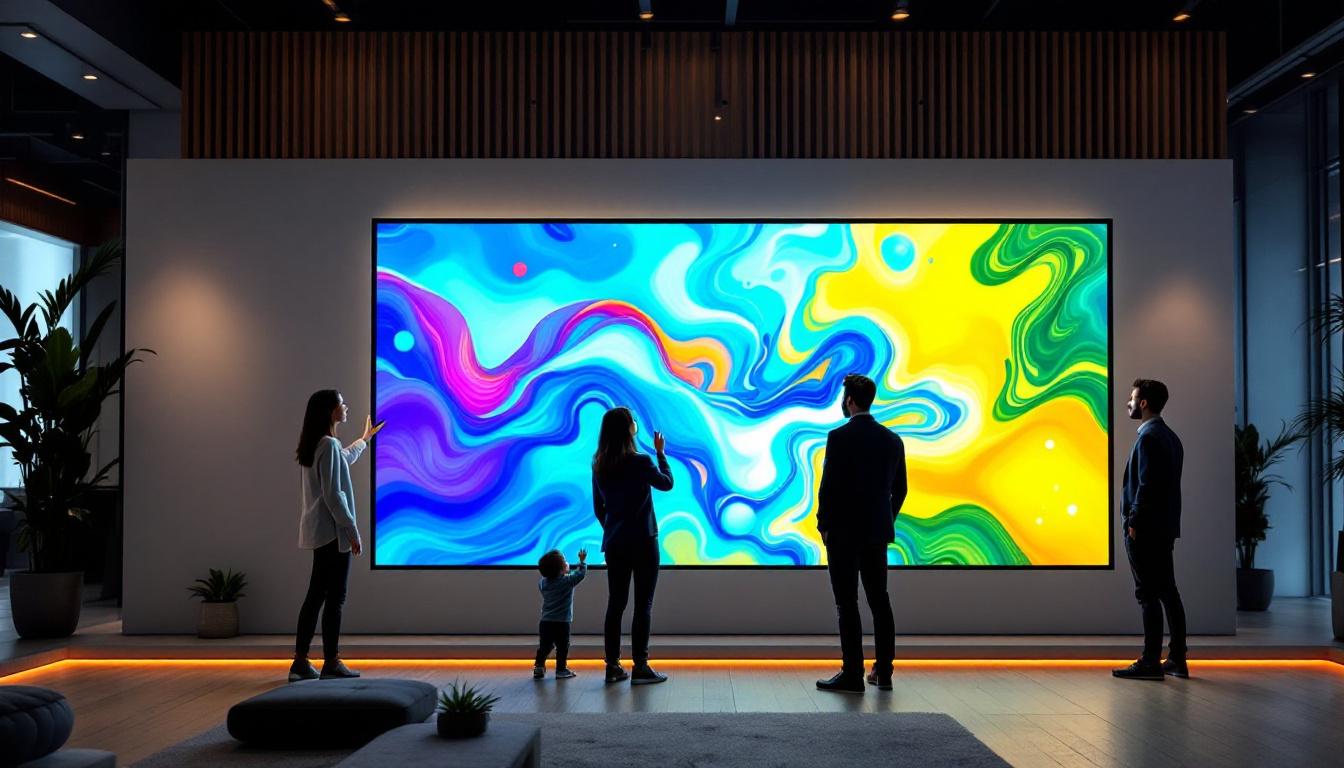
Architects and interior designers are leveraging LED light film to create dynamic, illuminated surfaces that enhance spatial aesthetics. The film can be integrated into glass walls, ceilings, or partitions to display ambient visuals, branding, or informational content.
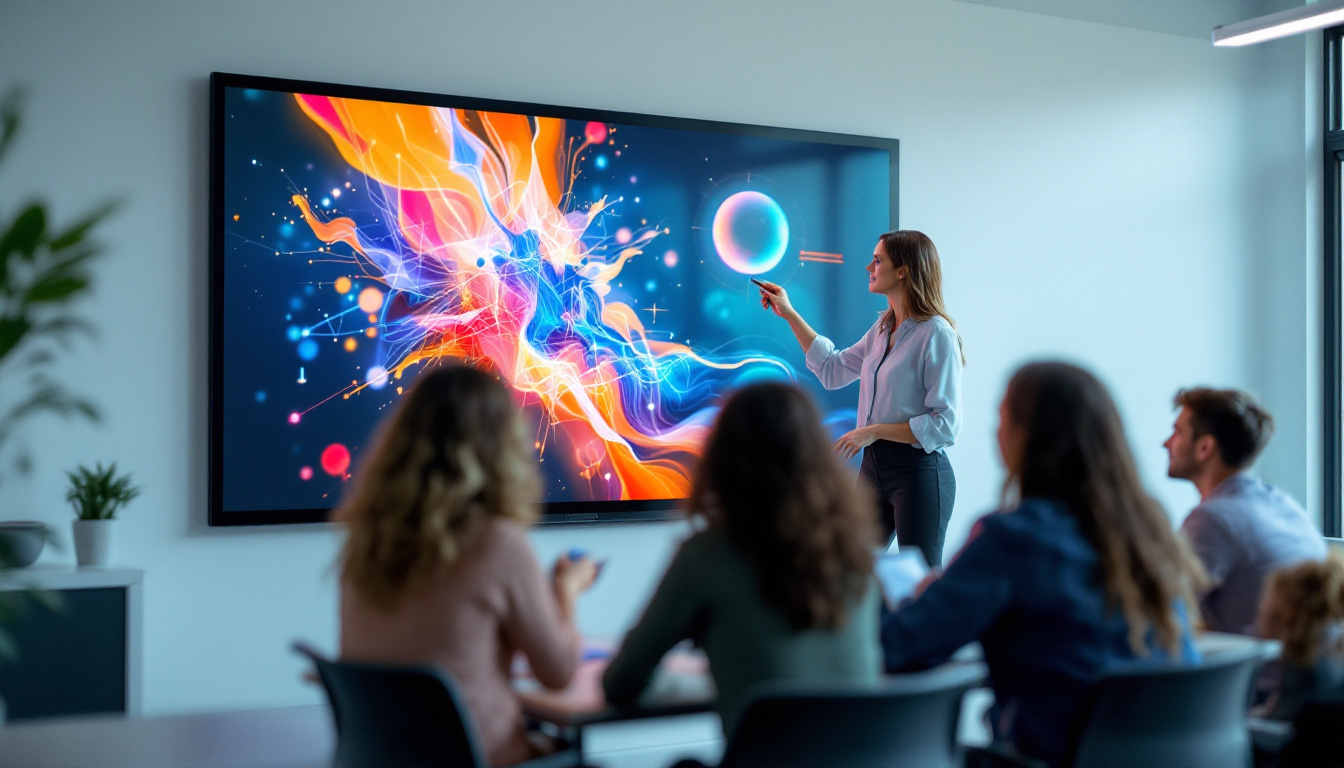
For example, LED light film can transform a glass conference room wall into a digital whiteboard or display corporate messaging. This integration supports smart building concepts, where technology enhances both functionality and user experience.
Automotive and Transportation
The automotive industry is exploring LED light film for both interior and exterior applications. Flexible displays integrated into dashboards or door panels can provide drivers with customizable information layouts, improving ergonomics and safety.
Externally, LED light film can be used for adaptive lighting systems or communication signals on vehicle surfaces, enabling new forms of interaction between vehicles and pedestrians or other drivers. This is particularly relevant as autonomous vehicle technology advances and demands more sophisticated signaling methods.
Wearable Technology and Consumer Electronics
Wearable devices and consumer electronics benefit from the lightweight and flexible nature of LED light film. Smart clothing, fitness bands, and augmented reality glasses can incorporate these films to provide visual feedback, notifications, or decorative lighting without adding bulk.
As the Internet of Things (IoT) ecosystem expands, LED light film offers a visually appealing way to convey information directly on devices or accessories, enhancing user engagement and functionality.
Challenges and Considerations
While LED light film presents exciting opportunities, there are still challenges that need to be addressed for widespread adoption. Understanding these limitations is essential for businesses and designers considering this technology.
Manufacturing Complexity and Cost
The production of LED light film involves sophisticated semiconductor and flexible electronics processes, which currently contribute to higher costs compared to traditional LED displays. The precision required to place micro-LEDs accurately on flexible substrates demands advanced equipment and quality control.
However, as manufacturing techniques mature and economies of scale improve, costs are expected to decrease, making LED light film more accessible to a broader market.
Durability and Environmental Resistance
Because LED light film is thin and flexible, it can be more susceptible to mechanical damage or environmental factors such as moisture and UV exposure. Protective coatings and encapsulation methods are critical to enhancing durability, especially for outdoor applications.
Ongoing research is focused on improving the robustness of these films without compromising their flexibility or transparency.
Resolution and Pixel Density Limitations
While micro-LED technology offers high brightness and efficiency, achieving extremely high pixel densities on flexible substrates remains a technical challenge. This can limit the resolution of LED light film displays compared to rigid micro-LED panels or OLED screens.
For applications requiring ultra-high-definition visuals, current LED light film solutions may not yet match the performance of other display technologies, although rapid advancements are closing this gap.
The Future of LED Light Film
LED light film represents a significant step forward in display technology, combining the benefits of micro-LEDs with the versatility of flexible electronics. As research and development continue, it is poised to unlock new applications and transform existing markets.
Integration with Smart Surfaces and IoT
The convergence of LED light film with smart surfaces and IoT devices promises to create environments where digital content is seamlessly embedded into everyday objects. Imagine walls that change their appearance on demand, windows that display real-time information, or clothing that lights up in response to environmental cues.
This integration will enhance interactivity and personalization across homes, workplaces, and public spaces.
Advances in Manufacturing and Materials
Emerging manufacturing techniques such as roll-to-roll processing and novel materials like stretchable polymers are expected to improve the scalability and durability of LED light film. These advancements will reduce costs and expand design possibilities, accelerating adoption.
Environmental Impact and Sustainability
As sustainability becomes a priority, LED light film’s energy efficiency and potential for recyclability position it as an environmentally friendly alternative to traditional displays. Further development in eco-friendly materials and manufacturing processes will enhance its green credentials.
Conclusion
LED light film is a transformative technology that redefines what is possible with LED displays. Its unique combination of flexibility, transparency, and energy efficiency opens up exciting new applications across retail, architecture, automotive, and wearable technology sectors.
While challenges remain in manufacturing, durability, and resolution, ongoing innovations are rapidly addressing these issues. As LED light film technology matures, it promises to deliver more immersive, interactive, and aesthetically integrated visual experiences that will shape the future of digital communication.
For businesses and designers seeking to stay at the forefront of display technology, understanding and leveraging LED light film will be essential in creating compelling and innovative visual solutions.
Discover the Future of LED Displays with LumenMatrix
Ready to embrace the future of visual communication and elevate your brand’s presence? LumenMatrix is at the forefront of LED display innovation, offering a wide array of solutions from Indoor and Outdoor LED Walls to Custom and Transparent LED Displays. Experience the transformative power of LED light film technology with our cutting-edge products designed to captivate and engage your audience. Check out LumenMatrix LED Display Solutions today and see how we can help you create unforgettable visual experiences.