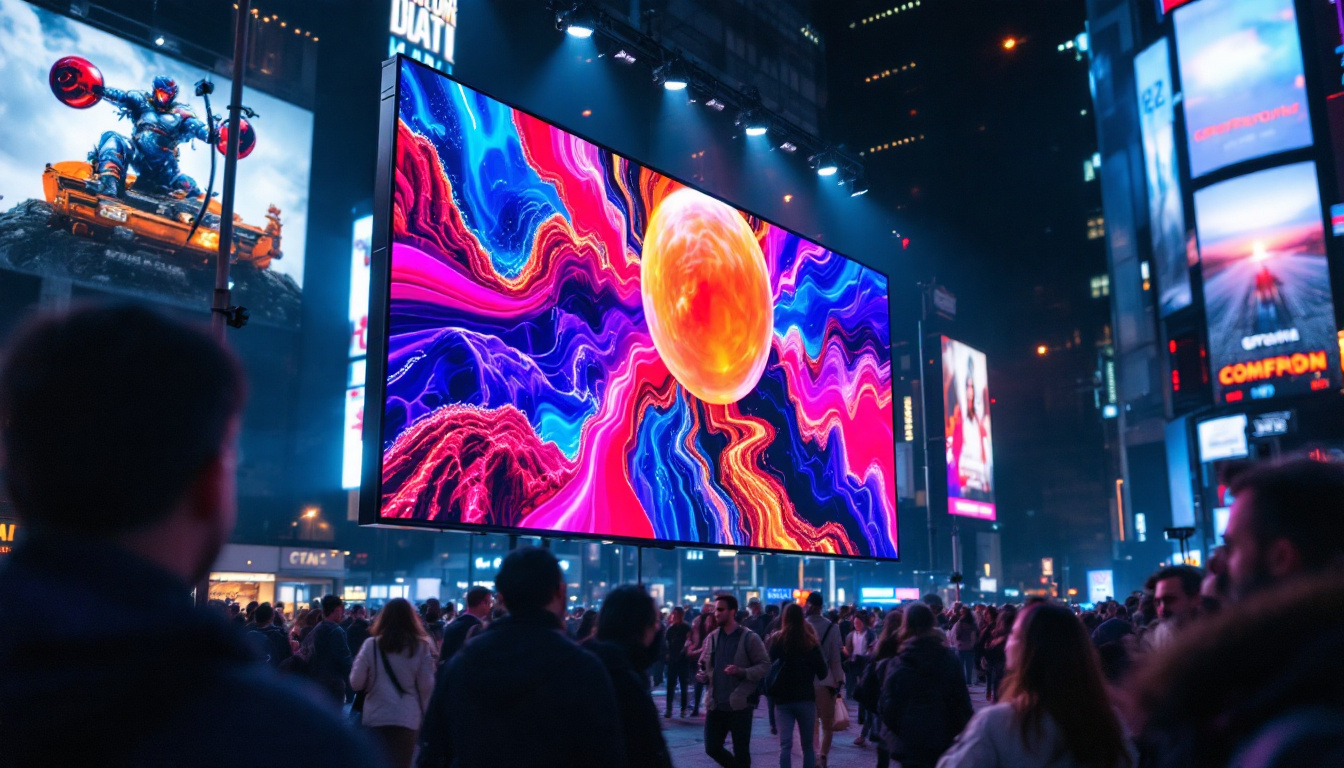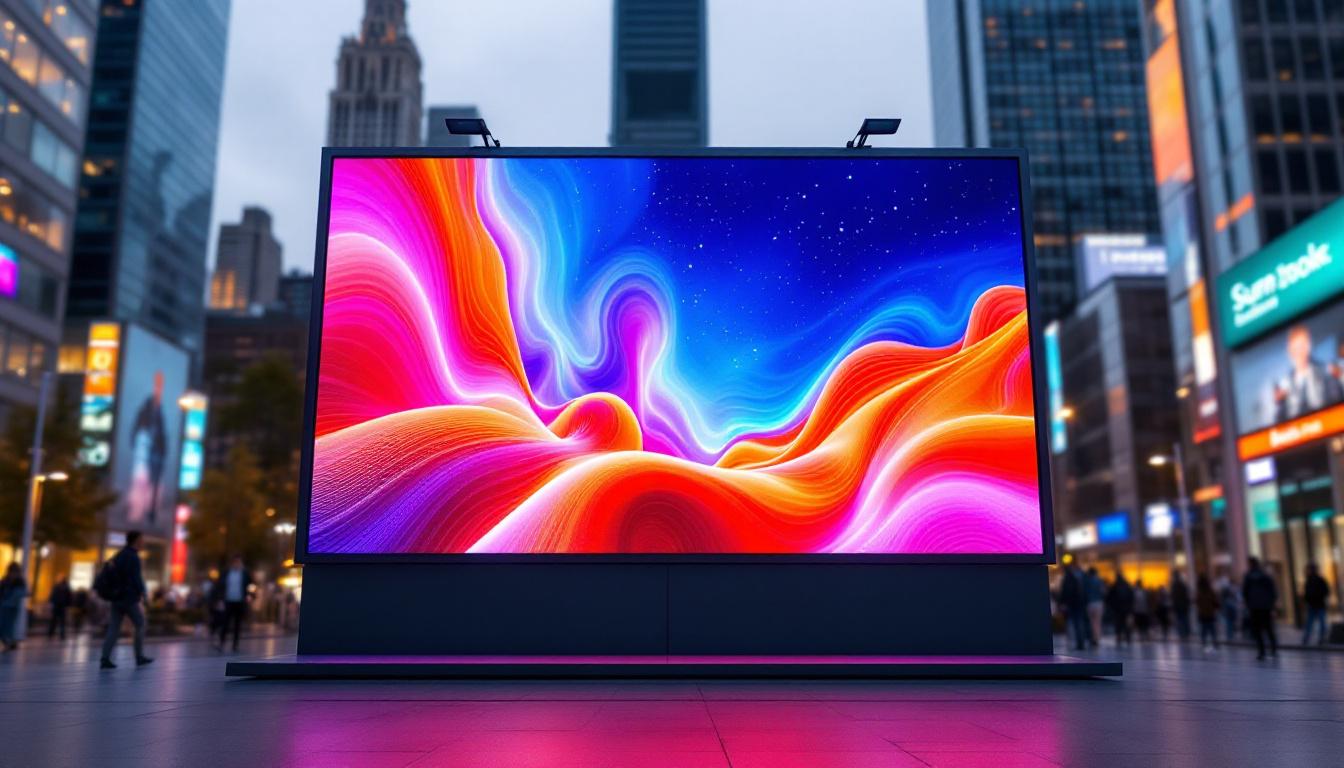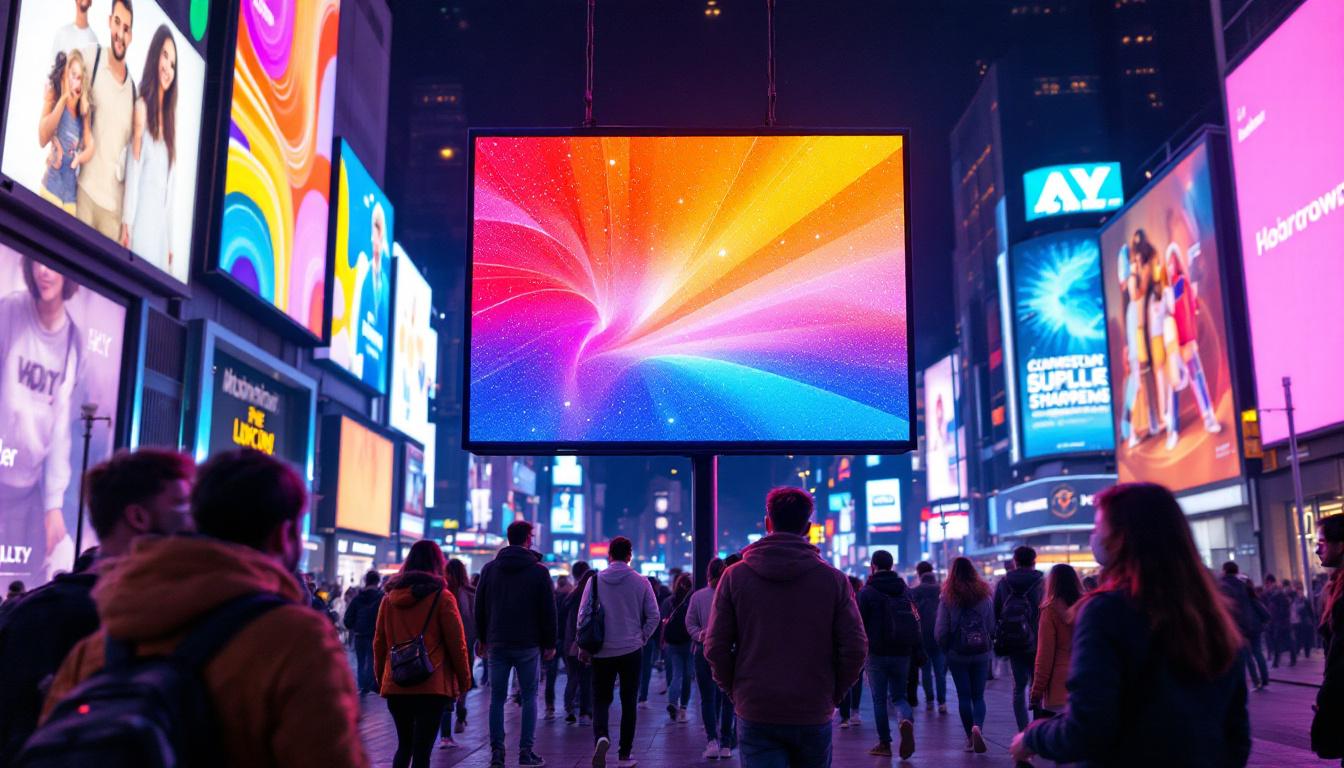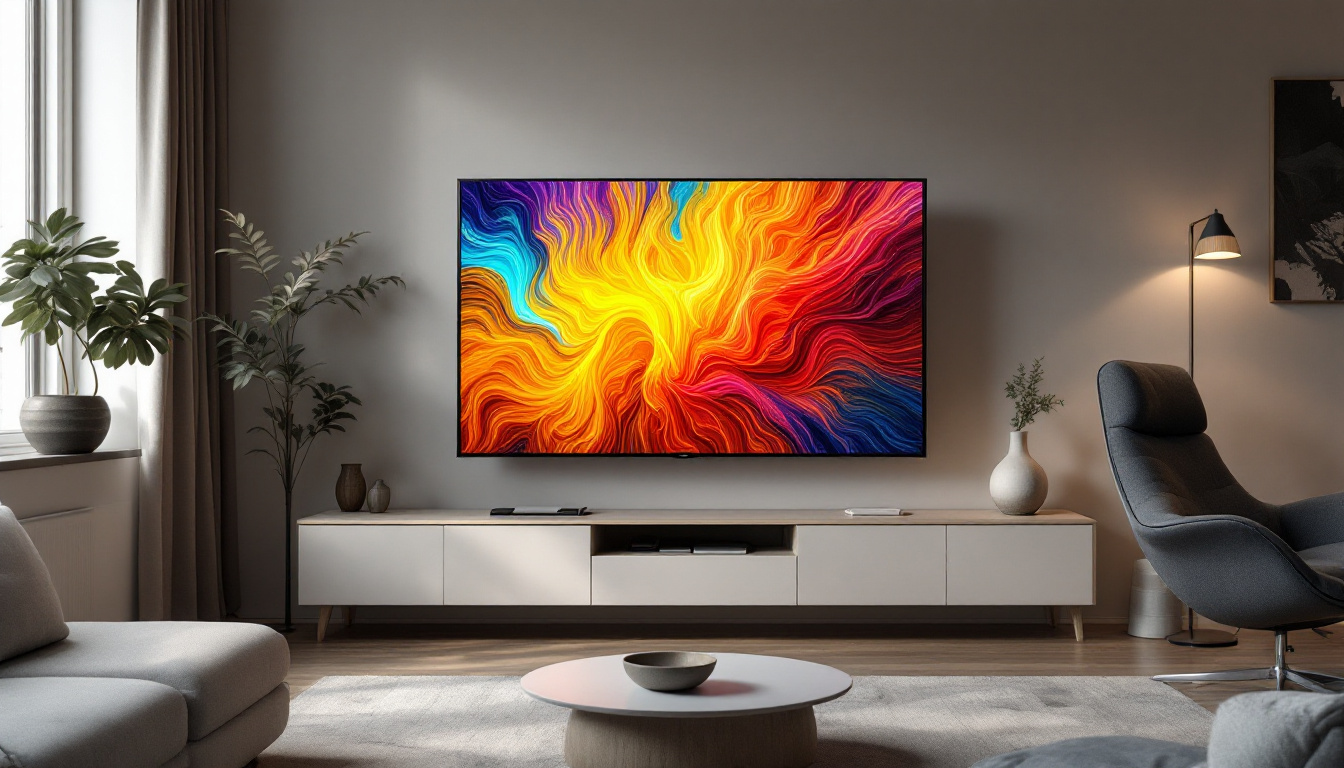
In the world of events, entertainment, advertising, and corporate presentations, backdrop screens have become an essential element for creating immersive and visually captivating experiences. Among the various technologies available, LED displays stand out for their versatility, brightness, and dynamic capabilities. This article delves into the intricacies of LED backdrop screens, exploring their technology, applications, benefits, and considerations for choosing the right display for your needs.
Understanding LED Display Technology
LED, or Light Emitting Diode, technology has revolutionized digital displays over the past two decades. Unlike traditional LCD or projection screens, LED displays use tiny diodes that emit light individually, allowing for vibrant colors, high contrast ratios, and exceptional brightness levels.
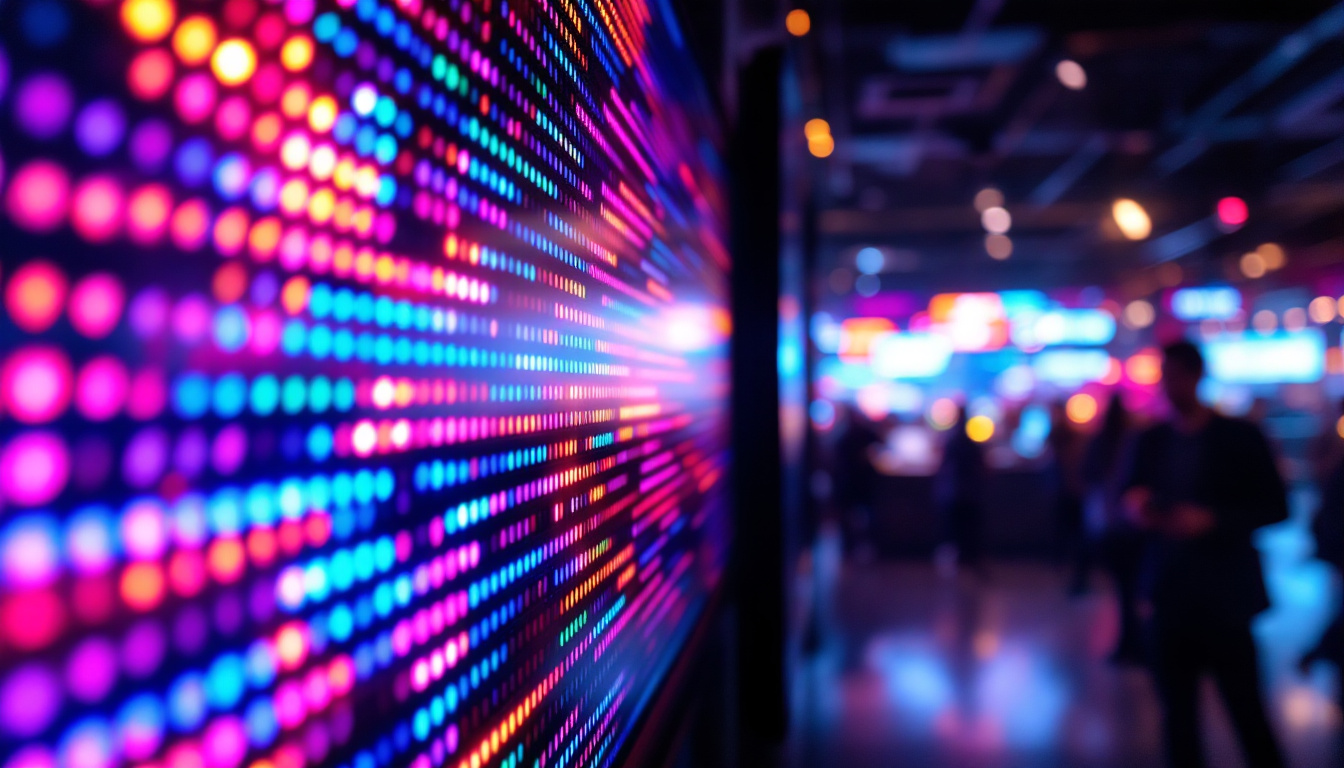
At the core of an LED display are thousands of small LEDs arranged in a grid. These LEDs can be red, green, and blue, and by varying their intensity, they produce a full spectrum of colors. This direct light emission means LED screens do not require backlighting, which contributes to their superior brightness and energy efficiency compared to LCD panels.
Modern LED backdrop screens are typically modular, composed of individual panels or tiles that can be seamlessly connected to form large, custom-sized displays. This modularity allows event organizers and designers to create screens of virtually any dimension or shape, adapting to the venue’s requirements.
Types of LED Displays for Backdrops
There are primarily two types of LED displays used as backdrop screens: indoor and outdoor LED displays. Indoor LED screens are designed for controlled environments and typically feature higher pixel density for sharper images at closer viewing distances. Outdoor LED screens, on the other hand, are built to withstand weather conditions and have higher brightness to combat sunlight glare.
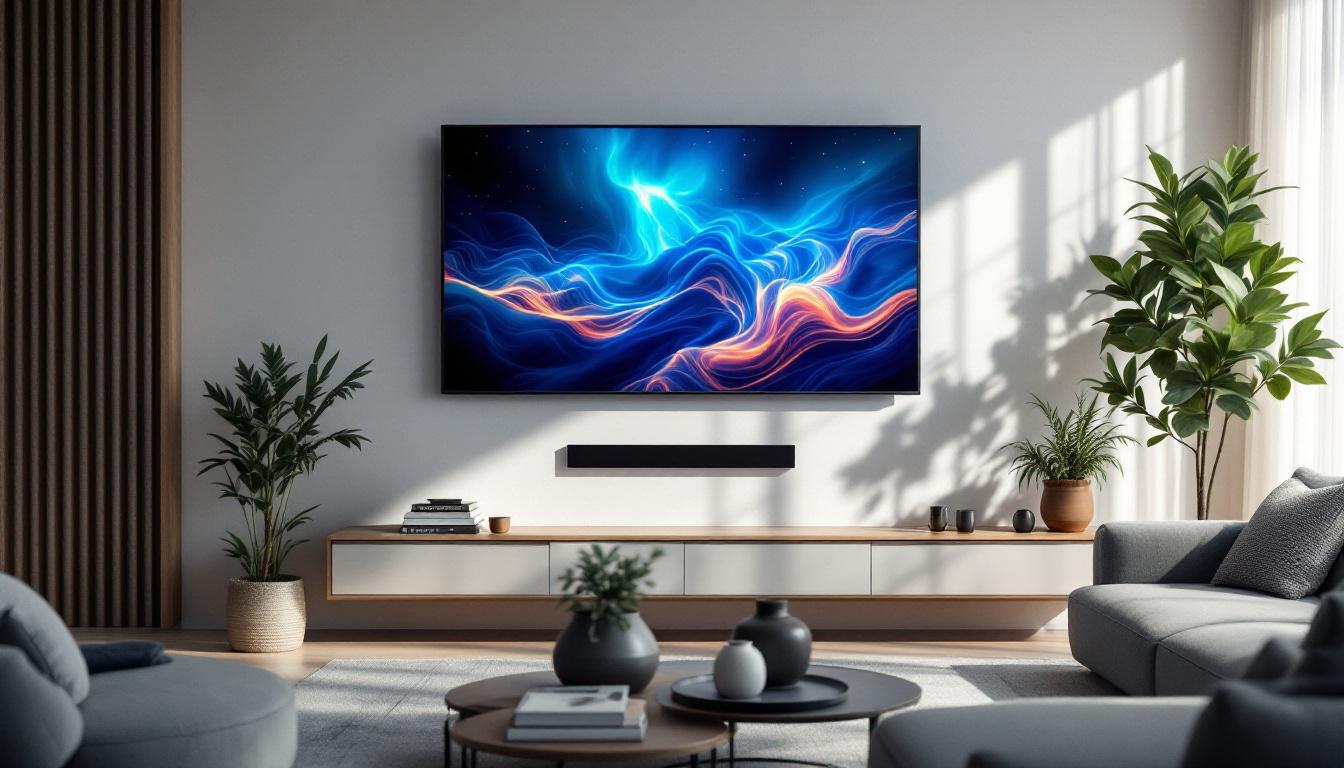
Another important distinction is between fixed and rental LED displays. Fixed installations are permanent setups in venues such as theaters, conference halls, or retail spaces. Rental LED displays are portable and designed for easy assembly and disassembly, making them ideal for concerts, trade shows, and temporary events.
In addition to these classifications, LED displays can also be categorized based on their pixel pitch, which refers to the distance between the centers of two adjacent pixels. A smaller pixel pitch results in higher resolution and is preferable for applications where viewers are closer to the screen, such as in indoor settings. Conversely, larger pixel pitches are suitable for outdoor displays, where viewers are typically farther away. This flexibility in design and functionality allows for a wide range of applications, from advertising billboards to immersive art installations.
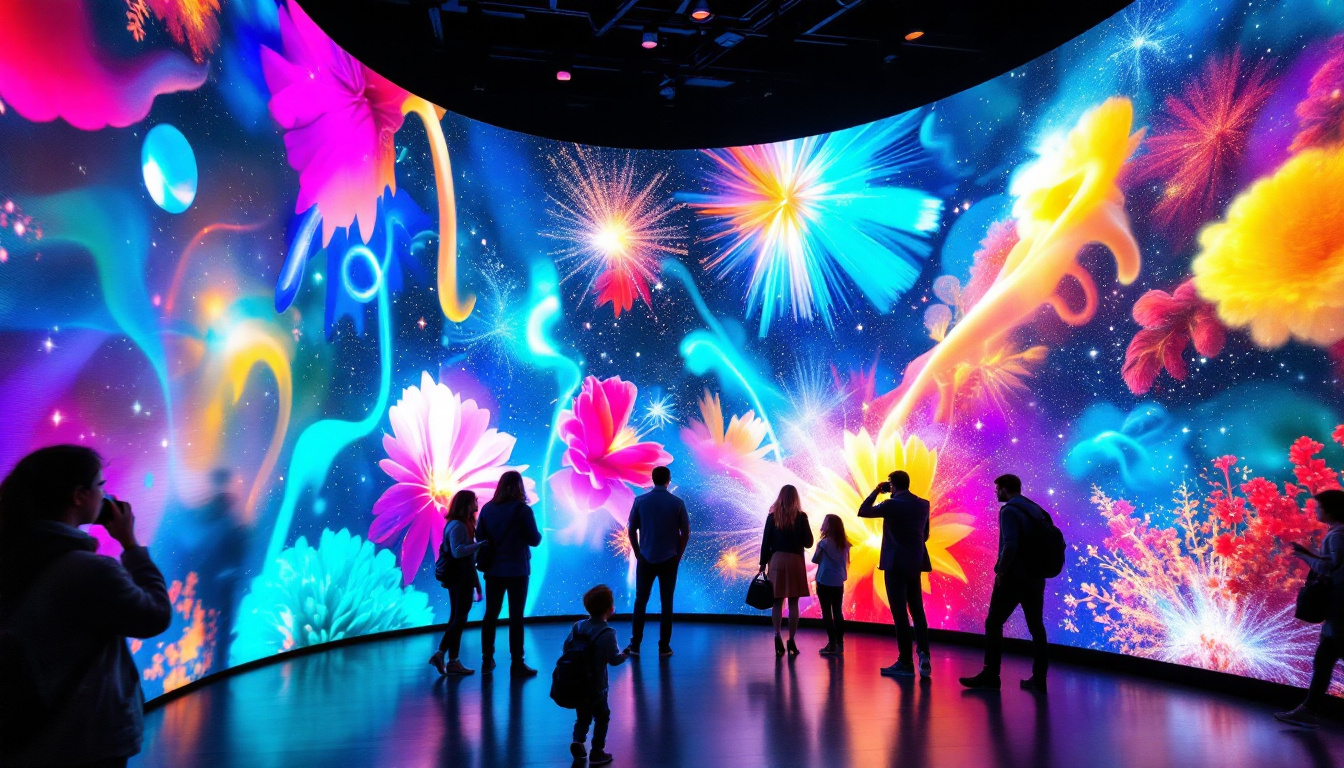
Furthermore, advancements in LED technology have introduced features such as curved and flexible LED displays, which can wrap around structures or create unique visual experiences. These innovations not only enhance the aesthetic appeal of a display but also provide new opportunities for creative storytelling and brand engagement. As technology continues to evolve, the potential applications for LED displays seem limitless, paving the way for even more dynamic and interactive experiences in various industries.
Applications of LED Backdrop Screens
The versatility of LED backdrop screens makes them suitable for a wide range of applications across industries. Their ability to display dynamic content—from videos and animations to live feeds and interactive graphics—opens up creative possibilities that traditional backdrops simply cannot match.
Live Events and Concerts
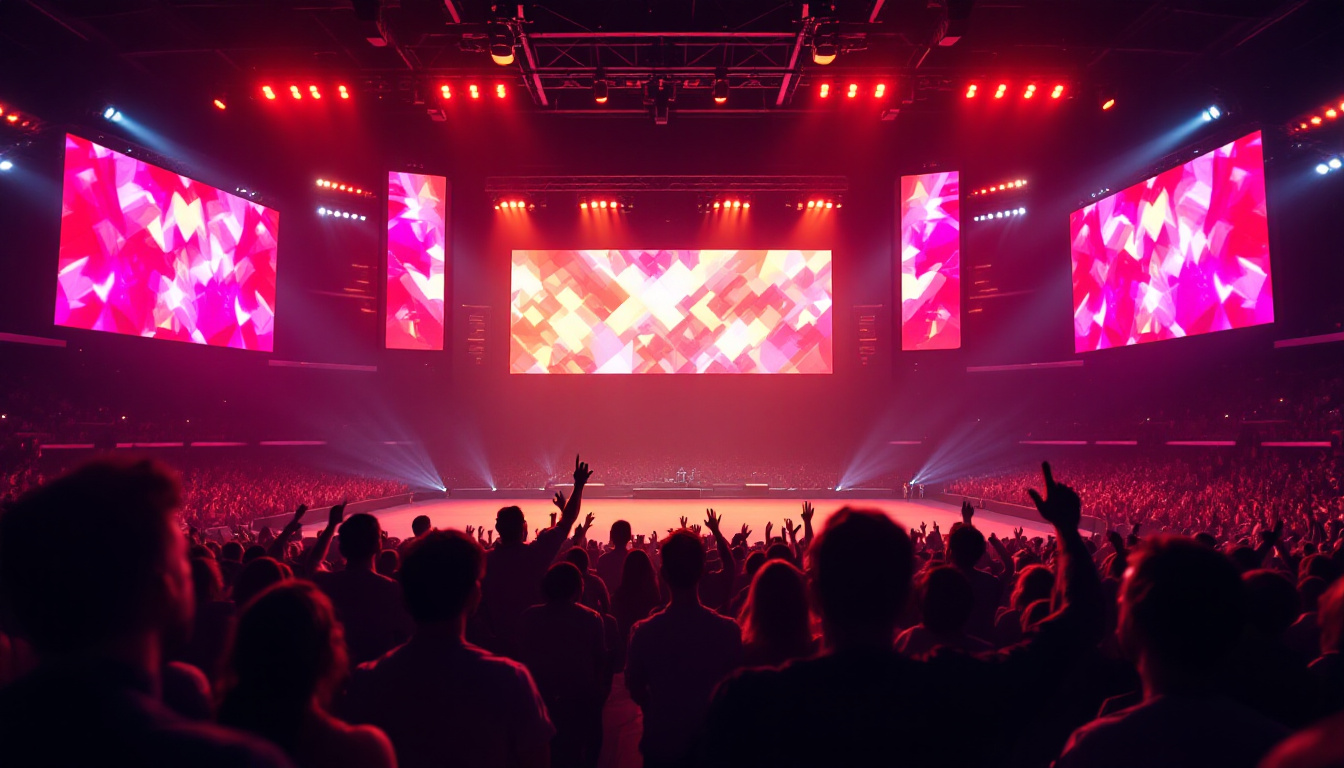
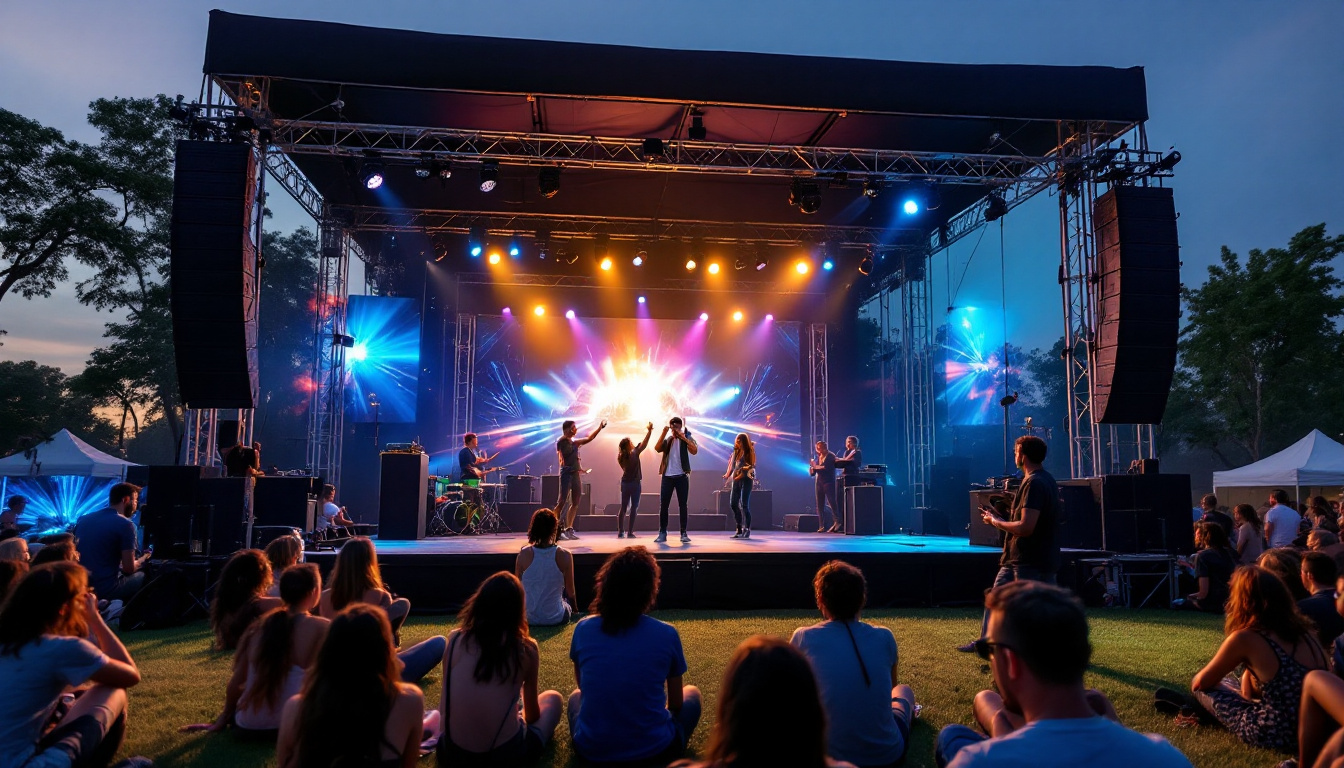
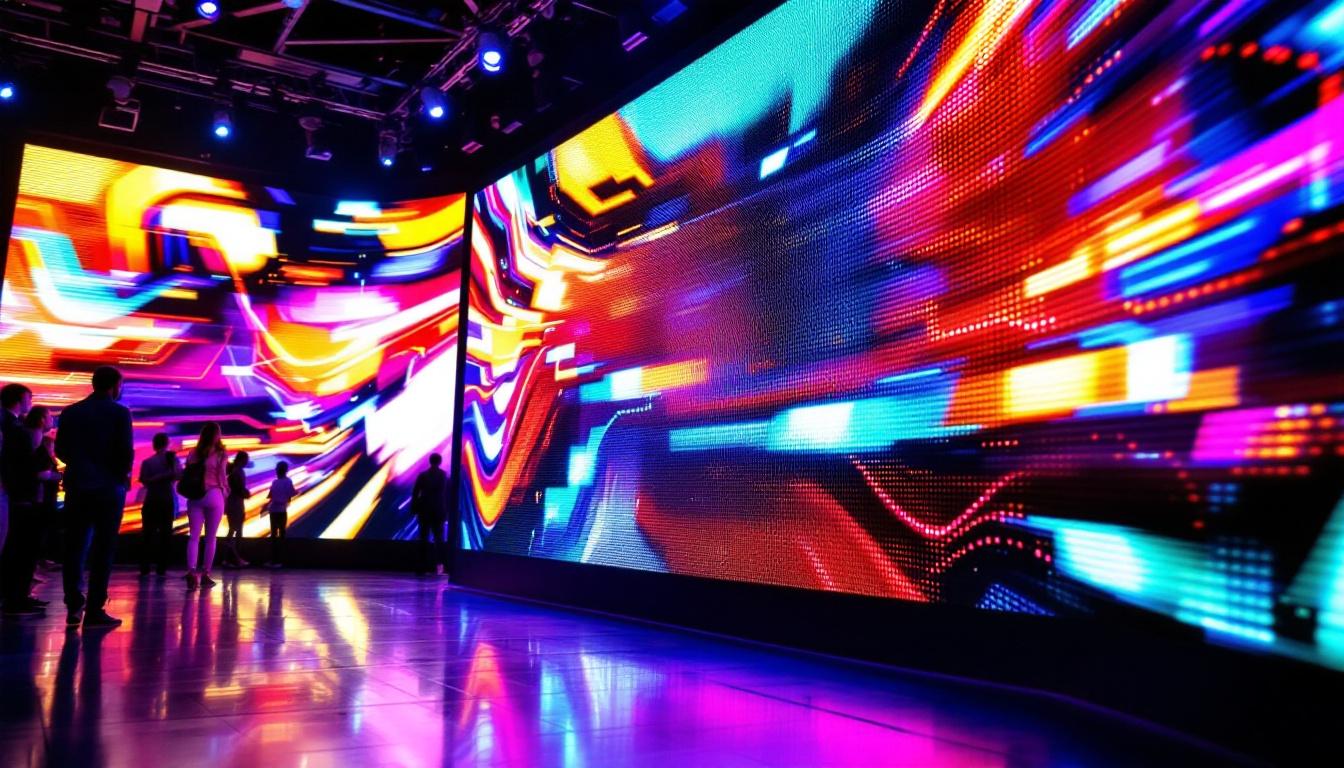
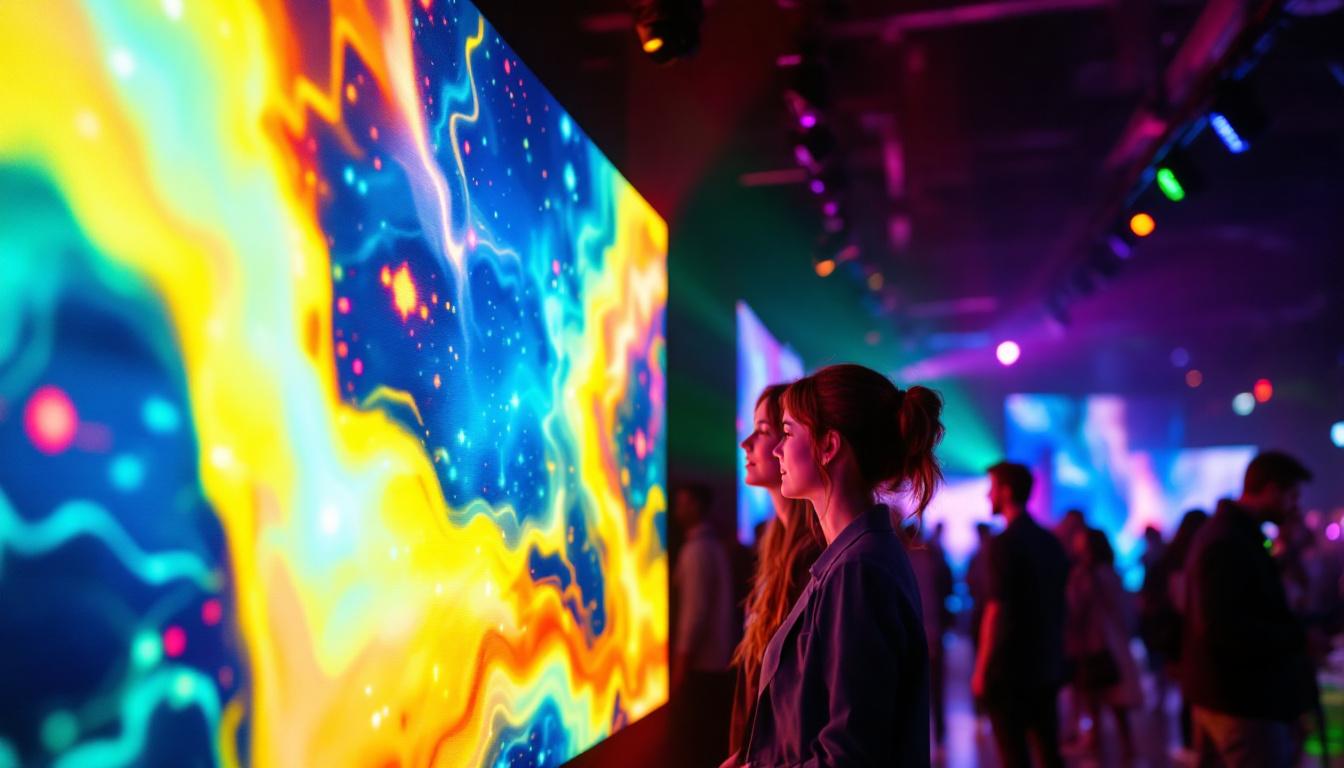
One of the most prominent uses of LED backdrop screens is in live events and concerts. Artists and event producers use large LED walls to create immersive stage environments that enhance the audience’s experience. These screens can display synchronized visuals, live camera feeds, and special effects that complement the performance.
For example, major music festivals like Coachella and Tomorrowland utilize massive LED backdrops that not only serve as visual focal points but also provide real-time information and branding opportunities. The ability to quickly change content during a show adds a dynamic layer to performances that keeps audiences engaged.
Corporate Events and Conferences
In the corporate world, LED backdrop screens are increasingly popular for conferences, product launches, and seminars. They offer a professional and polished look, allowing companies to showcase presentations, videos, and live data in high definition. The large size and clarity of LED screens ensure that even attendees seated far from the stage can clearly see the content.
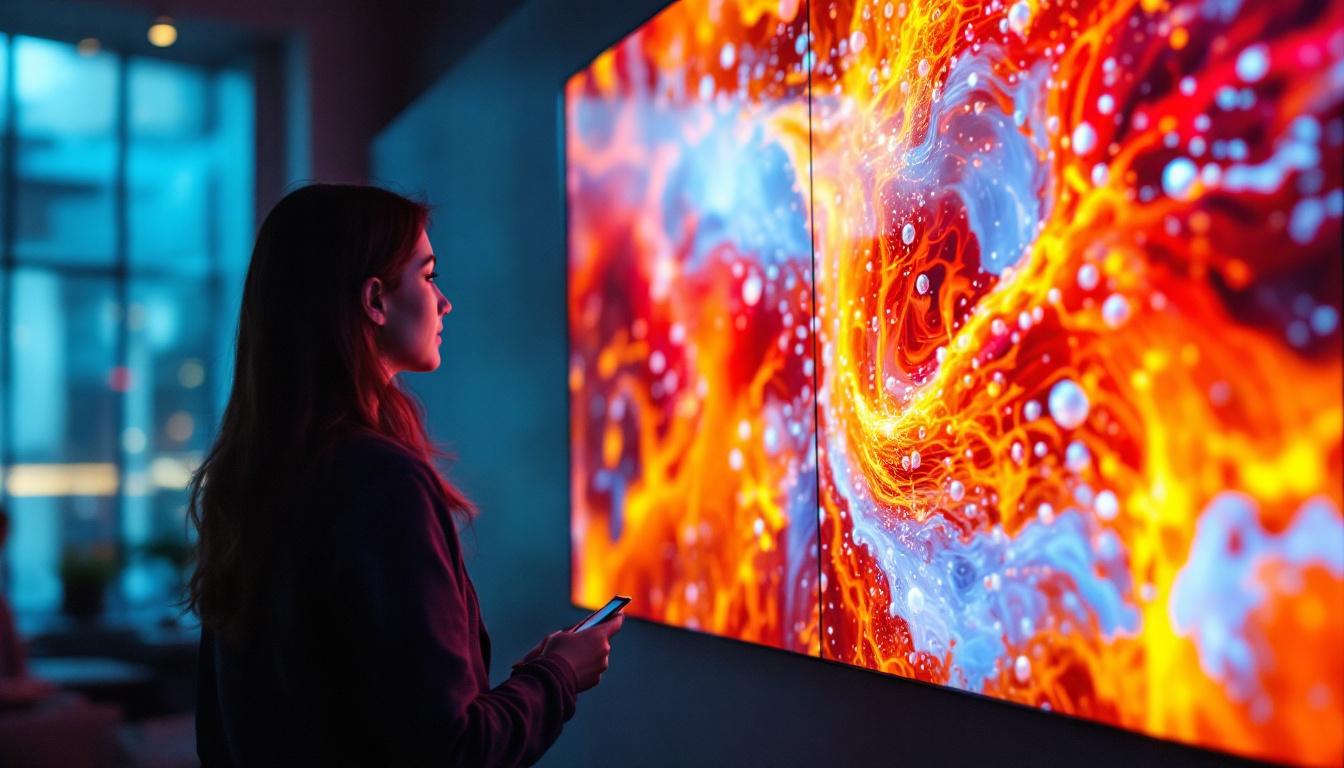
Moreover, LED screens can be integrated with interactive technologies such as touchscreens or motion sensors, enabling engaging experiences like live polls, Q&A sessions, or virtual product demonstrations. This interactivity helps foster audience participation and retention of information.
Advertising and Retail Displays
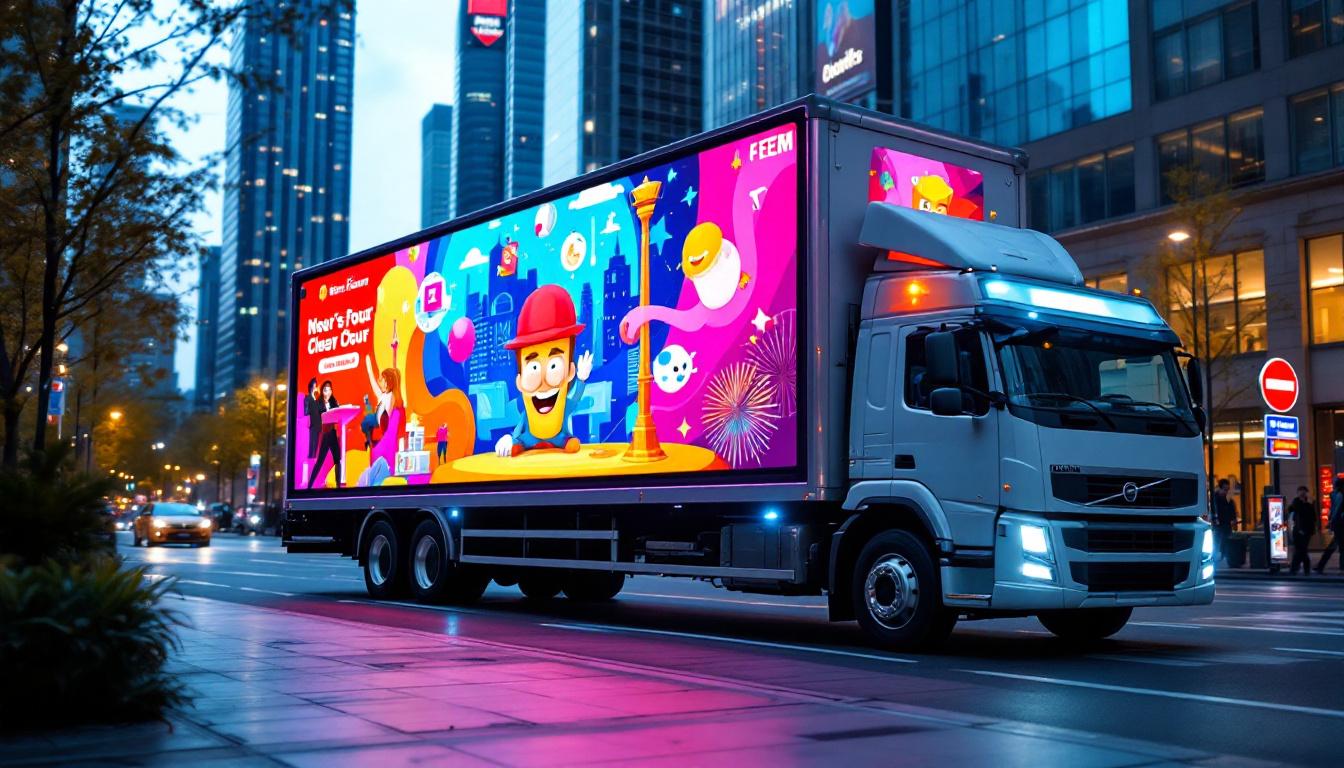
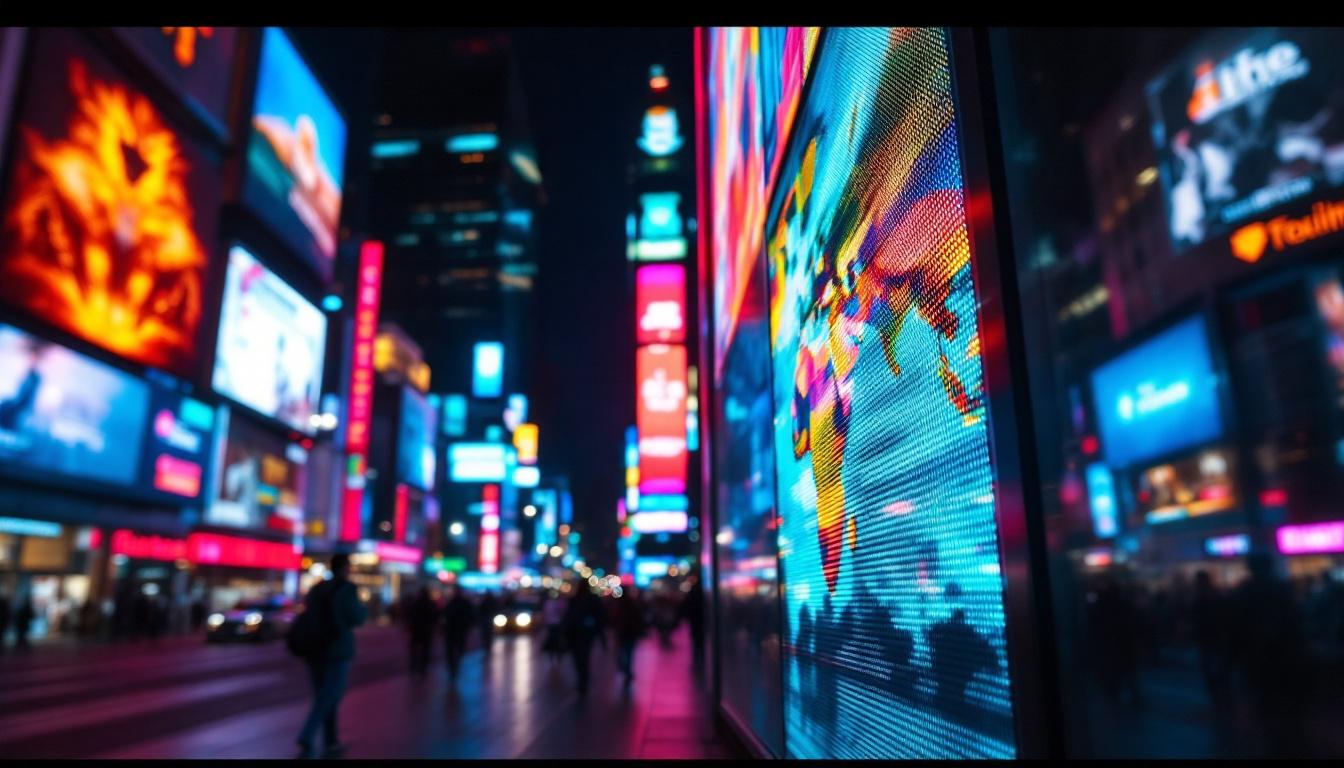
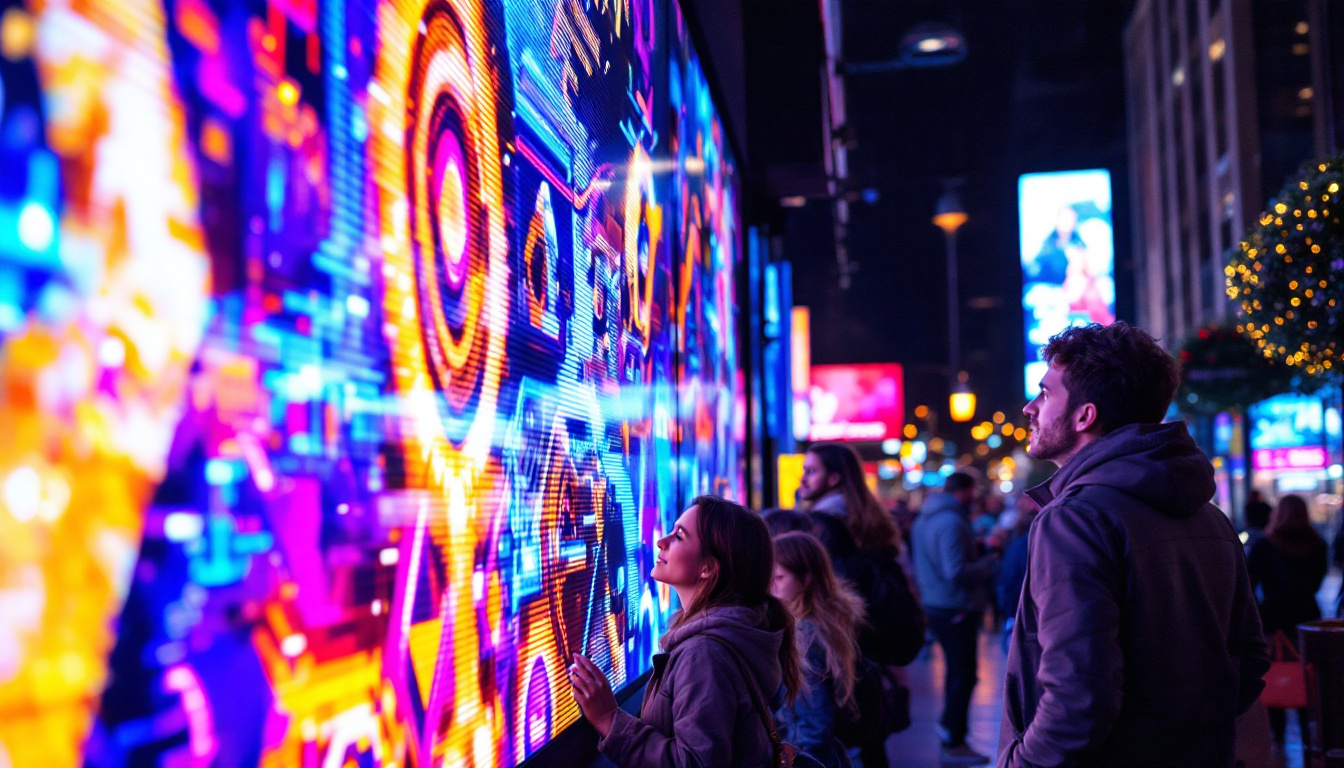
Retailers and advertisers leverage LED backdrop screens to attract attention and promote products effectively. Digital billboards and in-store LED walls can display vibrant advertisements, promotional offers, and brand messages that captivate shoppers. The flexibility to update content instantly means campaigns can be tailored to time of day, audience demographics, or special events.
For instance, flagship stores of global brands often feature LED walls that create an immersive brand environment, blending digital content with physical merchandising to enhance customer engagement and drive sales.
Benefits of Using LED Backdrop Screens
LED backdrop screens offer numerous advantages over traditional backdrop solutions, making them a preferred choice for many event planners and marketers.
Superior Visual Quality
LED displays deliver unmatched brightness and color accuracy. Their ability to produce deep blacks and vibrant colors results in images that are both sharp and visually striking. This is particularly important in environments with ambient light, such as outdoor events or brightly lit conference halls.
Additionally, the high refresh rates of LED screens reduce flicker and motion blur, which is crucial for displaying fast-moving content like live video or animations.
Scalability and Flexibility
The modular design of LED screens allows for customization in size and shape. Whether it’s a small backdrop for a corporate meeting or a massive video wall for a stadium concert, LED displays can be configured to meet specific spatial and aesthetic requirements.
This flexibility extends to content as well. LED screens can display static images, video loops, live feeds, and interactive media, enabling event organizers to adapt their messaging in real time.
Durability and Energy Efficiency
LED technology is known for its longevity and reliability. High-quality LED panels can operate continuously for tens of thousands of hours with minimal maintenance. This durability makes them cost-effective over time, especially for permanent installations.
Furthermore, LEDs consume significantly less power than traditional lighting and projection systems, reducing operational costs and environmental impact.
Key Considerations When Choosing an LED Backdrop Screen
While LED backdrop screens offer many benefits, selecting the right display requires careful consideration of several factors to ensure optimal performance and value.
Pixel Pitch and Resolution
Pixel pitch refers to the distance between the centers of adjacent pixels on the LED panel, usually measured in millimeters. A smaller pixel pitch means higher resolution and sharper images, which is particularly important for close viewing distances.
For indoor events where audiences are close to the screen, pixel pitches ranging from 1.2mm to 3mm are common. Outdoor screens, viewed from farther away, can have larger pixel pitches between 4mm and 10mm without compromising perceived image quality.
Brightness and Viewing Angle
Brightness is measured in nits (candelas per square meter) and determines how well the screen performs under various lighting conditions. Outdoor LED screens often require brightness levels above 5,000 nits to remain visible in direct sunlight, while indoor screens typically operate around 800 to 1,500 nits.
The viewing angle is another important factor, defining how far off-center viewers can be while still seeing a clear image. Wider viewing angles ensure that the content remains visible to larger audiences spread across venues.
Installation and Maintenance
Consider the logistics of installing and maintaining the LED backdrop screen. Rental LED displays are designed for quick setup and teardown, often featuring lightweight panels and magnetic modules for easy servicing. Fixed installations may require professional mounting and calibration but benefit from long-term stability.
Maintenance accessibility is crucial to minimize downtime, especially for large-scale or high-profile events. Look for displays with front-service capabilities or modular designs that allow individual panel replacement without dismantling the entire screen.
Content Management and Control Systems
Effective content management is vital to maximize the impact of LED backdrop screens. Modern LED systems come with sophisticated software that allows seamless control over multiple screens, scheduling of content, and integration with live video sources.
Choosing a display with user-friendly control interfaces and compatibility with popular media formats ensures smooth operation and flexibility during events.
Future Trends in LED Backdrop Screens
The LED display industry continues to evolve rapidly, driven by advances in technology and changing user demands. Several emerging trends promise to further enhance the capabilities and applications of LED backdrop screens.
MicroLED and MiniLED Technologies
MicroLED and MiniLED represent the next generation of LED technology, offering even higher pixel densities, improved color accuracy, and energy efficiency. MicroLED displays consist of microscopic LEDs that enable ultra-high-resolution screens with superior contrast and brightness.
These advancements will make LED backdrop screens sharper and more versatile, suitable for applications requiring near-retina display quality.
Transparent and Flexible LED Screens
Innovations in materials have led to the development of transparent and flexible LED displays. Transparent LED screens can be installed on glass surfaces without obstructing views, ideal for retail storefronts and architectural applications.
Flexible LED panels allow for curved or irregularly shaped backdrops, opening up new creative possibilities for event designers and advertisers.
Integration with Augmented Reality (AR) and Interactive Technologies
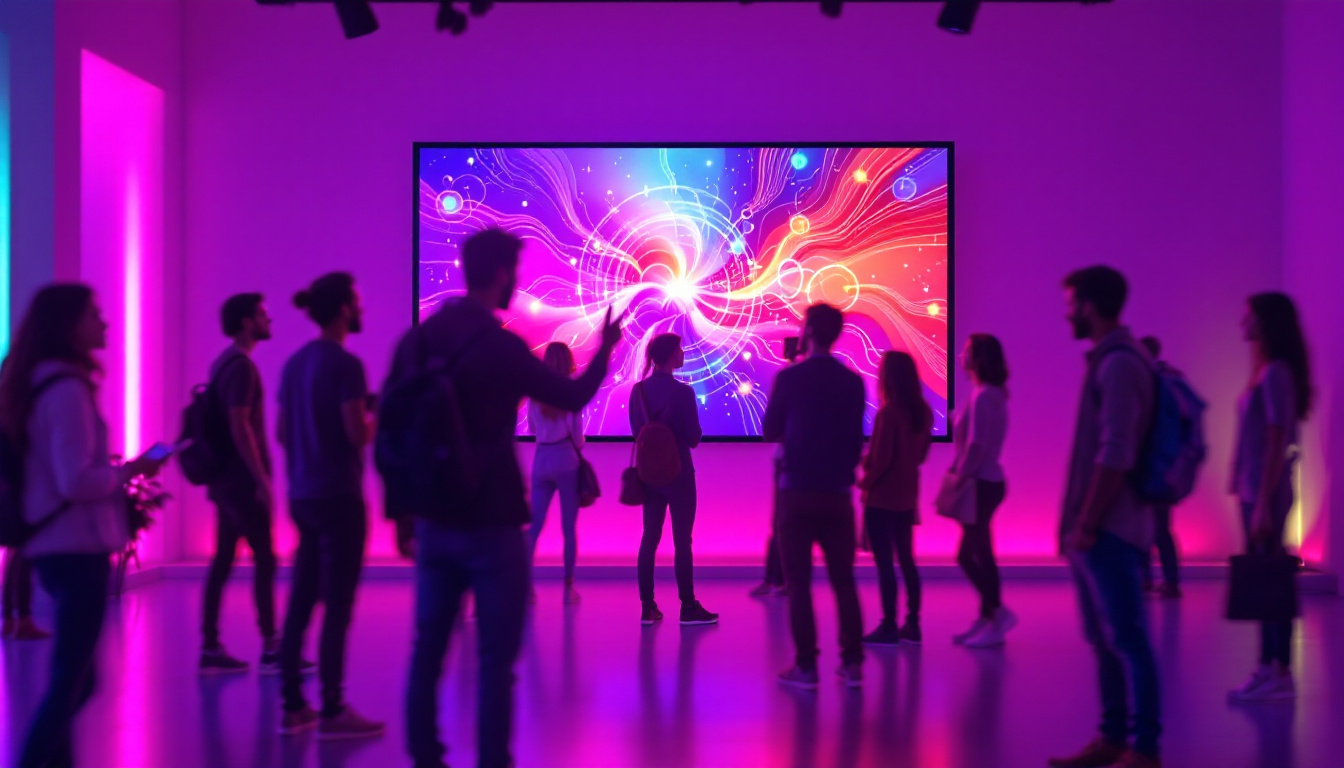
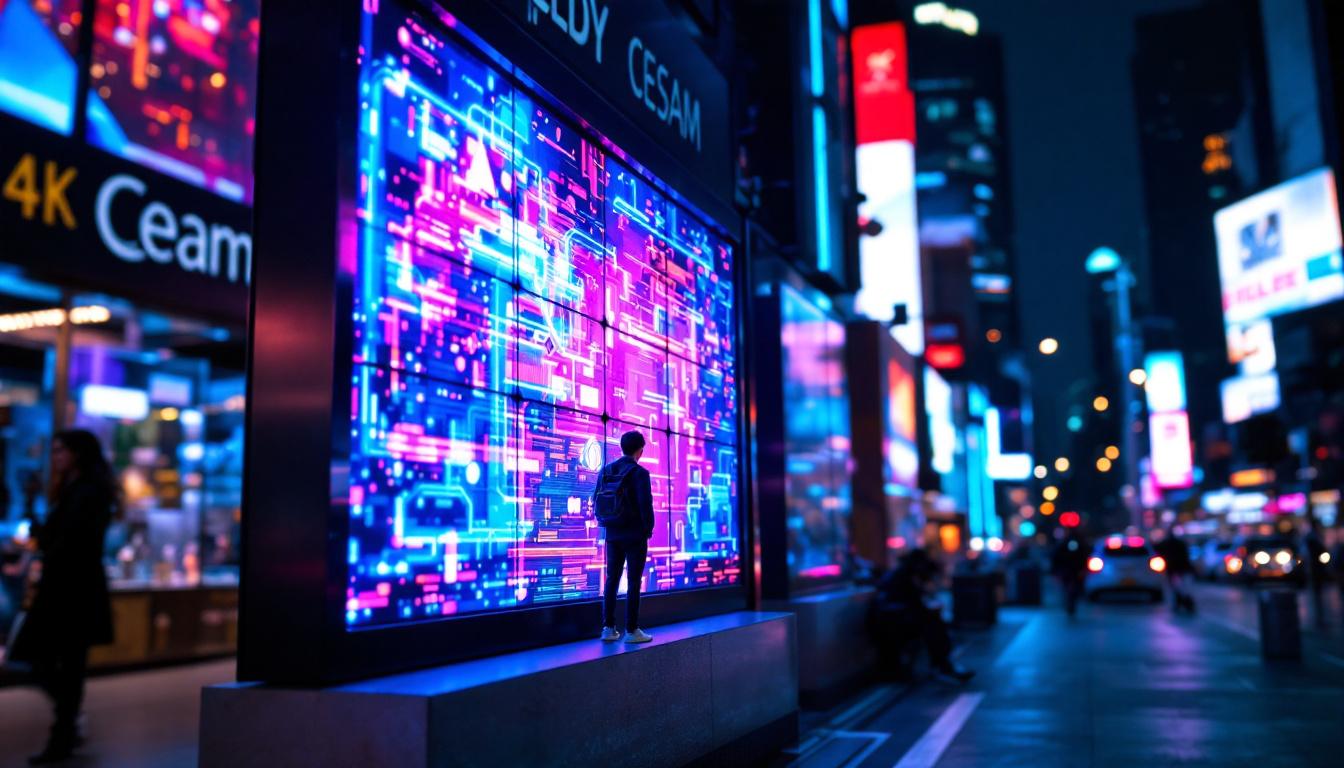
LED backdrop screens are increasingly being integrated with AR and interactive technologies to create immersive experiences. For example, combining LED walls with motion tracking or gesture recognition can enable audiences to interact with digital content in real time.
This convergence of technologies is transforming how events and retail spaces engage their audiences, making experiences more personalized and memorable.
Conclusion
LED backdrop screens have become indispensable tools for creating visually stunning and engaging environments across a variety of sectors. Their superior brightness, flexibility, and durability make them ideal for live events, corporate functions, advertising, and retail applications.
Understanding the technology behind LED displays, their applications, and key selection criteria helps event planners, marketers, and venue managers make informed decisions that maximize impact and return on investment. As LED technology continues to advance, the possibilities for creative and interactive backdrops will only expand, shaping the future of visual communication.
Discover LumenMatrix LED Display Solutions
Ready to elevate your visual presentations to the next level? Explore LumenMatrix’s innovative LED display solutions, where cutting-edge technology meets creative design. From vibrant Indoor and Outdoor LED Wall Displays to dynamic Vehicle and Sports LED Displays, our range includes LED Poster Displays, Floor LEDs, Custom configurations, All-in-One solutions, and even LED Transparent Displays. Embrace the future of visual communication with LumenMatrix and create experiences that captivate and engage. Check out LumenMatrix LED Display Solutions today and transform your space into a mesmerizing visual journey.