In the rapidly evolving world of automotive technology, display systems have become a cornerstone of modern vehicle design. Among these, Auto LED displays stand out for their brightness, efficiency, and versatility. This article delves deep into the technology behind Auto LED displays, exploring how they work, their advantages, applications, and future trends shaping the automotive industry.
Understanding Auto LED Display Technology
What is an Auto LED Display?
An Auto LED display refers to a light-emitting diode (LED) based screen or panel integrated into vehicles for various purposes, including dashboard instrumentation, infotainment systems, head-up displays (HUDs), and external signaling. Unlike traditional LCD or plasma displays, LED displays utilize arrays of light-emitting diodes to produce bright, vivid images with high contrast and energy efficiency.
LED technology in automotive displays has grown significantly over the past decade, driven by the need for better visibility under diverse lighting conditions and the demand for more interactive, customizable interfaces. These displays can range from small indicator panels to large, curved digital dashboards. The evolution of these displays has also been influenced by advancements in technology, such as the integration of touch-sensitive surfaces and voice-activated controls, allowing drivers to interact with their vehicles in more intuitive ways. Furthermore, the aesthetic appeal of LED displays has led to their adoption in luxury vehicles, where sleek designs and high-tech features enhance the overall driving experience.
How Do Auto LED Displays Work?
At the core of an Auto LED display are numerous tiny LEDs arranged in a matrix. Each LED acts as a pixel that emits light when an electric current passes through it. By controlling the intensity and color of each LED, the display can render text, images, and videos with remarkable clarity.
There are primarily two types of LED displays used in automotive applications: traditional LED arrays and organic LEDs (OLEDs). Traditional LEDs are inorganic semiconductor devices that emit light in specific colors, while OLEDs use organic compounds that emit light when electrically stimulated, allowing for thinner, more flexible displays with better contrast ratios. This flexibility opens up new design possibilities for manufacturers, enabling them to create displays that can seamlessly integrate into the contours of a vehicle’s interior. Additionally, OLED technology provides the advantage of faster response times and wider viewing angles, making it an attractive option for modern vehicles that prioritize both functionality and style.
Advantages of Auto LED Displays in Vehicles
Superior Visibility and Brightness
One of the most significant advantages of Auto LED displays is their exceptional brightness. LEDs can produce intense light that remains clearly visible even under direct sunlight, a critical feature for automotive dashboards and external displays such as brake lights and turn signals. This ensures that drivers have access to vital information without straining their eyes, enhancing safety on the road. Moreover, the quick response time of LEDs allows for instant illumination, which is particularly beneficial in emergency situations where every second counts. The ability to adjust brightness levels dynamically based on ambient light conditions further optimizes visibility, ensuring that displays are neither blinding at night nor dim during the day.
Energy Efficiency and Longevity
LEDs consume significantly less power than traditional incandescent bulbs or LCD backlighting. This energy efficiency translates into reduced battery drain, which is particularly important for electric vehicles (EVs) where every watt counts. Additionally, LEDs have a longer lifespan—often exceeding 50,000 hours—reducing maintenance costs and the frequency of replacements. This longevity not only benefits vehicle owners but also contributes to a more sustainable automotive industry by minimizing waste and the environmental impact associated with manufacturing and disposing of traditional lighting components. Furthermore, the lower heat output of LEDs means that they can operate efficiently without putting excessive strain on the vehicle’s cooling system, enhancing overall vehicle performance.
Design Flexibility and Customization
Auto LED displays offer unparalleled design flexibility. Manufacturers can create curved, flexible, or even transparent displays that conform to the contours of a vehicle’s interior. This adaptability allows for innovative dashboard layouts and heads-up displays that project information directly onto the windshield, minimizing driver distraction. The integration of LED technology also opens up possibilities for interactive displays that can change based on user preferences or driving conditions. For instance, customizable ambient lighting can enhance the driving experience by allowing users to select colors that match their mood or the time of day, creating a more personalized environment within the vehicle.
Enhanced Color Accuracy and Contrast
LED displays provide vibrant colors and deep blacks, improving the readability and aesthetic appeal of vehicle interfaces. This is especially important for navigation systems, multimedia displays, and safety alerts, where clear, accurate visuals can make a significant difference in user experience and response time. The high contrast ratios of LED displays ensure that information is easily distinguishable, even in challenging lighting conditions. Additionally, advancements in LED technology have led to the development of displays that support a wider color gamut, allowing for more lifelike images and videos. This can transform the way passengers experience in-car entertainment, making it feel more immersive and engaging.
Applications of Auto LED Displays in Modern Vehicles
Digital Instrument Clusters
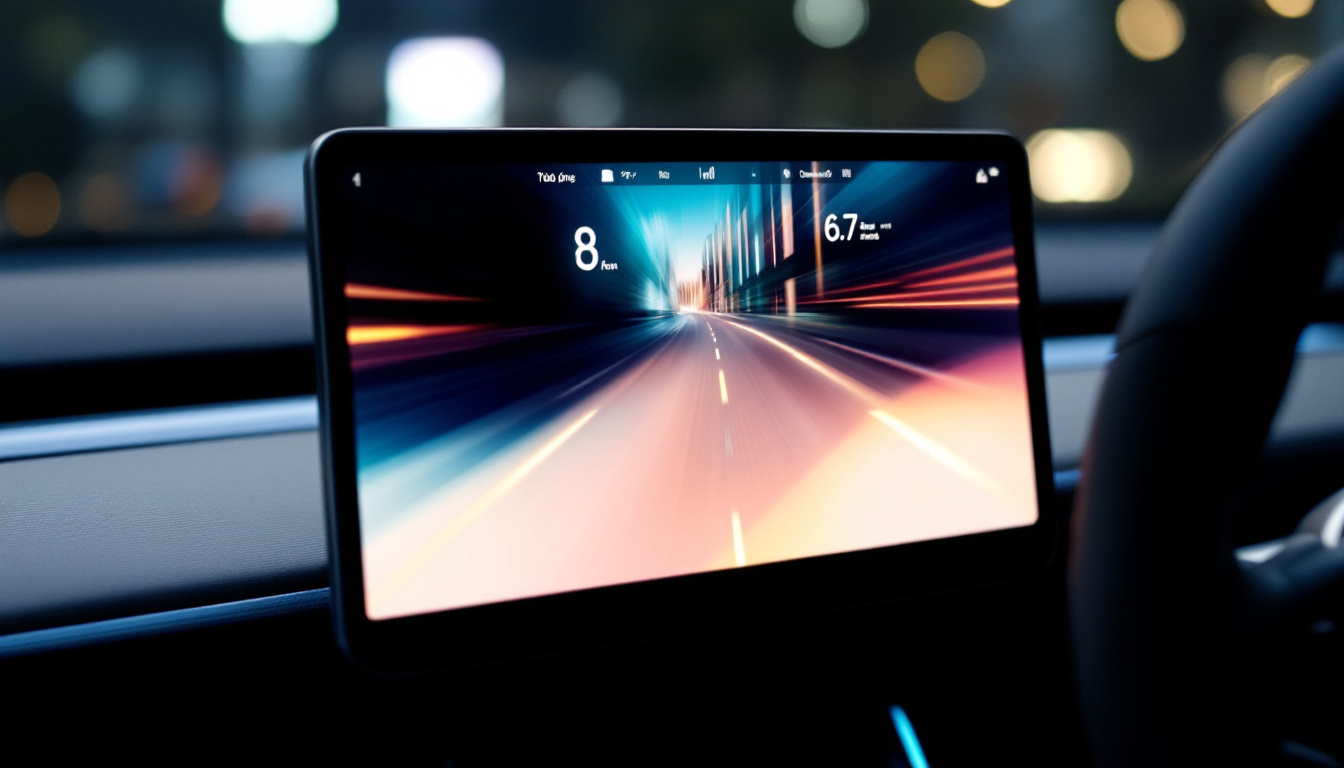
Traditional analog gauges are increasingly being replaced by digital instrument clusters that use LED technology. These clusters can dynamically change the information displayed based on driving conditions, user preferences, or vehicle status. For example, speedometers, tachometers, fuel levels, and navigation prompts can all be integrated into a single, customizable LED display. The ability to personalize the layout and color scheme of these clusters not only enhances the aesthetic appeal of the dashboard but also allows drivers to prioritize the information they find most relevant at any given moment, improving overall driving experience.
Moreover, many manufacturers are now incorporating advanced features such as augmented reality overlays that can highlight navigation routes or warn of upcoming hazards directly on the cluster. This integration of real-time data and visual cues transforms the way drivers interact with their vehicles, making it easier to monitor performance metrics without taking their eyes off the road.
Infotainment Systems
Infotainment screens utilize LED displays to provide drivers and passengers with access to music, navigation, vehicle settings, and smartphone integration. The responsiveness and clarity of LED displays enhance interaction, making it easier and safer to operate these systems while driving. With touch-sensitive technology and voice command capabilities, these systems allow for a seamless user experience, minimizing distractions and promoting safer driving habits.
In addition, many infotainment systems are now equipped with advanced connectivity options, allowing for real-time updates and app integration that keep drivers informed about traffic conditions, weather, and even social media notifications. This constant connectivity ensures that drivers can make informed decisions on the go, further enhancing the convenience and functionality of modern vehicles.
Head-Up Displays (HUDs)
HUDs project critical driving information onto the windshield, allowing drivers to keep their eyes on the road. Many modern HUDs employ LED or OLED technology to produce bright, high-contrast images that remain visible in various lighting conditions. This technology is becoming a standard feature in luxury and mid-range vehicles alike. The integration of augmented reality into HUDs is also on the rise, providing drivers with contextual information such as navigation arrows that appear to float above the road, guiding them more intuitively to their destinations.
Furthermore, some manufacturers are exploring the use of HUDs to display advanced driver-assistance system (ADAS) alerts, such as lane departure warnings or adaptive cruise control settings. By presenting this information directly in the driver’s line of sight, HUDs enhance situational awareness and promote safer driving practices, making them a vital component of modern automotive design.
Exterior Lighting and Signage
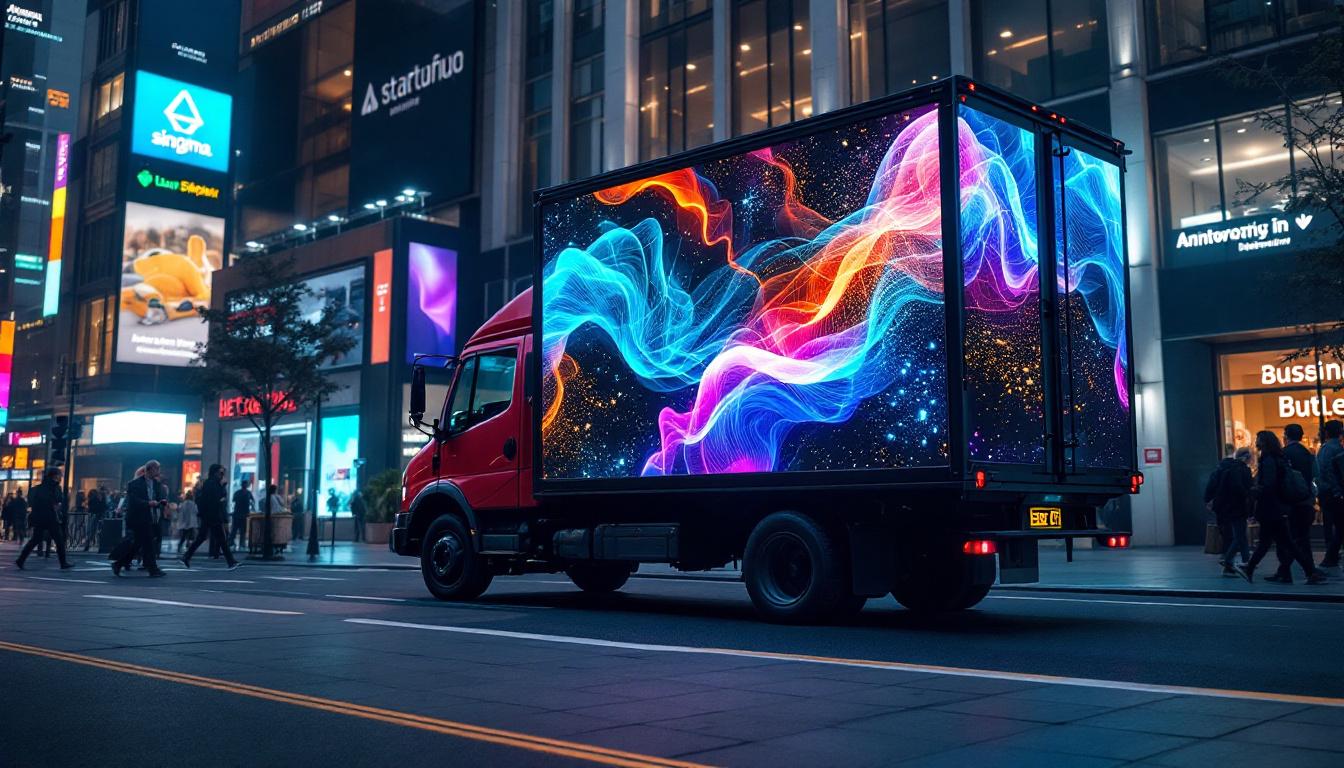
Beyond interior displays, LED technology is extensively used for exterior lighting such as headlights, taillights, brake lights, and turn indicators. Auto LED displays also enable dynamic external signage, such as variable message signs on commercial vehicles or adaptive lighting systems that adjust beam patterns based on traffic conditions. The energy efficiency and longevity of LED lights contribute to reduced maintenance costs and improved visibility on the road, enhancing safety for both drivers and pedestrians.
Additionally, the use of LED technology in exterior lighting has paved the way for innovative features such as animated turn signals that provide clearer indications of a driver’s intentions. This not only improves communication with other road users but also adds a modern touch to vehicle design. As the automotive industry continues to evolve, the integration of LED technology is likely to expand, leading to even more sophisticated lighting solutions that enhance both functionality and style.
Challenges and Considerations in Auto LED Display Integration
Cost Implications
Although the prices of LED components have decreased over time, integrating advanced LED displays into vehicles can still be costly, especially for OLED and flexible display technologies. Manufacturers must balance the benefits of improved display performance with the overall vehicle cost to maintain market competitiveness.
Durability and Environmental Factors
Automotive displays must withstand harsh environmental conditions such as extreme temperatures, humidity, vibrations, and exposure to sunlight. Ensuring that LED displays maintain performance and longevity under these conditions requires robust materials and protective coatings, adding complexity to design and manufacturing.
Glare and Eye Strain
While LED displays are bright and clear, excessive brightness or improper calibration can cause glare, leading to driver discomfort or distraction. Automotive designers must carefully tune the brightness and contrast settings, often incorporating ambient light sensors to adjust display output dynamically.
Future Trends in Auto LED Display Technology
MicroLED and MiniLED Innovations
Emerging technologies such as MicroLED and MiniLED promise to revolutionize automotive displays by offering even higher brightness, better energy efficiency, and improved color accuracy. MicroLEDs, in particular, consist of microscopic LEDs that can be densely packed to create ultra-high-resolution displays with excellent durability.
Flexible and Transparent Displays
Advancements in flexible OLED and LED materials are enabling displays that can bend, curve, or even become transparent. This opens new possibilities for integrating displays seamlessly into vehicle interiors, such as wrap-around dashboards or transparent information overlays on windows and windshields.
Integration with Augmented Reality (AR)
Auto LED displays are increasingly being combined with AR technologies to provide contextual information directly in the driver’s field of view. For example, AR HUDs can highlight road hazards, navigation cues, or pedestrian crossings, enhancing situational awareness and safety.
Smart and Adaptive Displays
Future Auto LED displays will likely incorporate AI-driven adaptive interfaces that learn driver preferences and adjust displayed information accordingly. This personalization can reduce cognitive load and improve the overall driving experience.
Conclusion
Auto LED displays represent a vital component of modern automotive design, offering superior visibility, energy efficiency, and design flexibility. As technology advances, these displays will become even more integral to vehicle safety, functionality, and user experience. Understanding the nuances of LED display technology helps manufacturers, designers, and consumers appreciate the value and potential of these systems in shaping the future of mobility.
With ongoing innovations such as MicroLED, flexible displays, and AR integration, the future of Auto LED displays is bright—literally and figuratively—promising safer, smarter, and more engaging driving environments for everyone on the road.
Explore the Future of Auto LED Displays with LumenMatrix
Ready to experience the next level of automotive display technology? LumenMatrix is at the forefront of LED innovation, offering a wide range of solutions that bring your vehicle’s visual communication into the future. From immersive Indoor LED Wall Displays to dynamic Vehicle LED Displays and beyond, our products are designed to captivate and engage. Discover how LumenMatrix can transform your automotive experience and empower your brand with displays that stand out for their clarity, impact, and performance. Check out LumenMatrix LED Display Solutions today and drive into a brighter, smarter world.