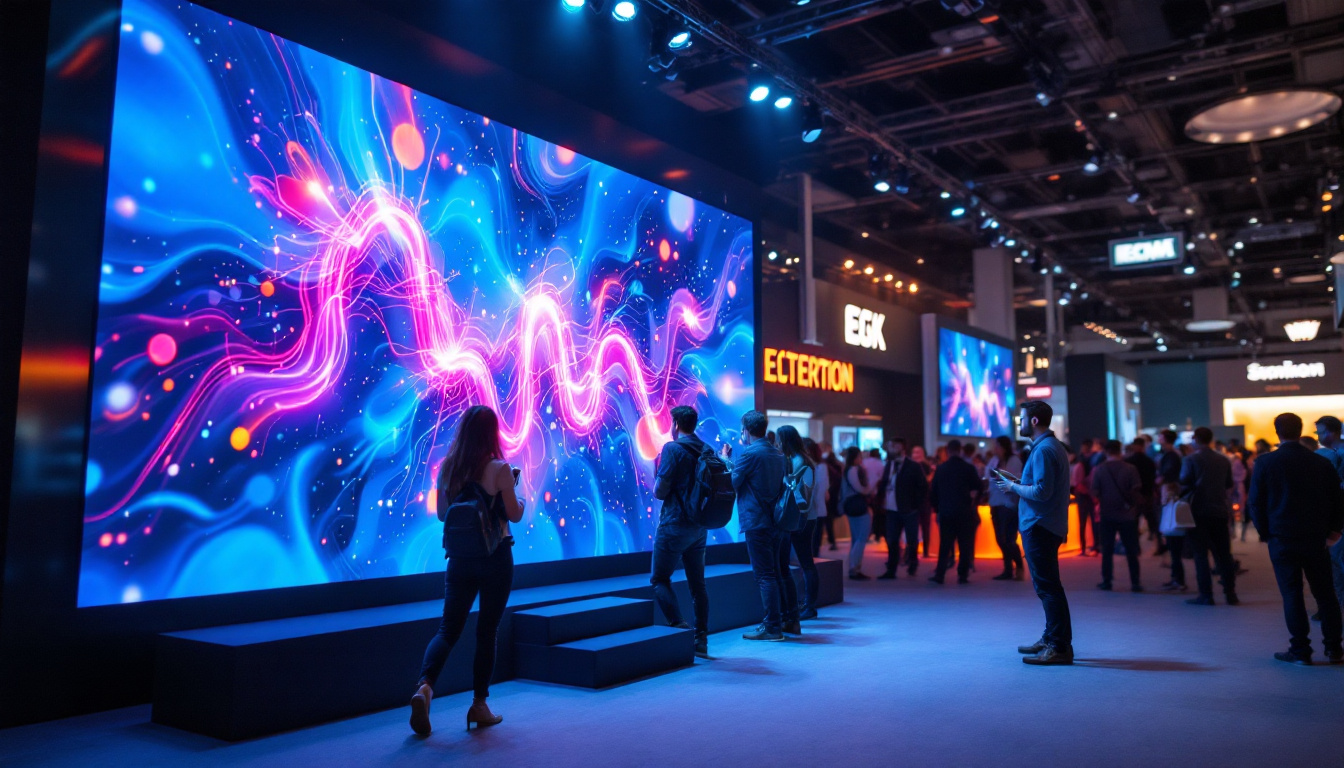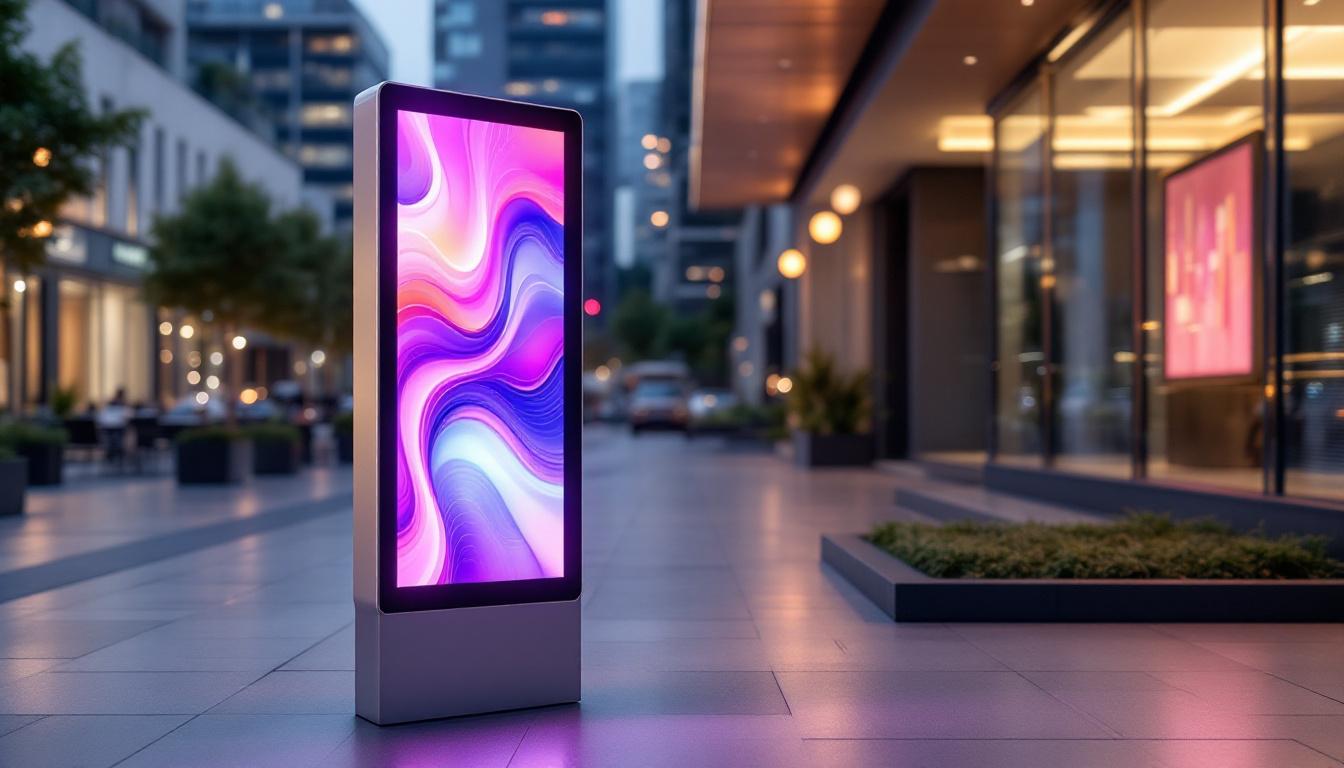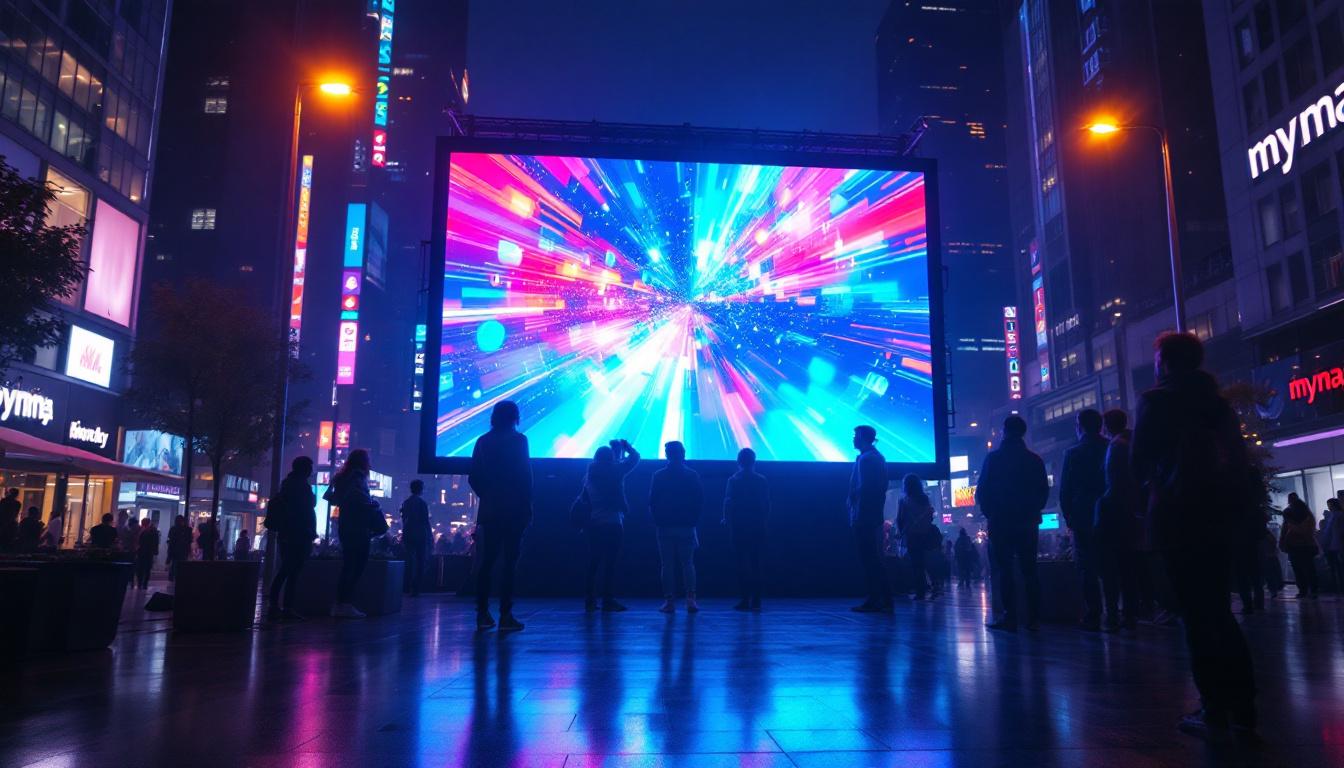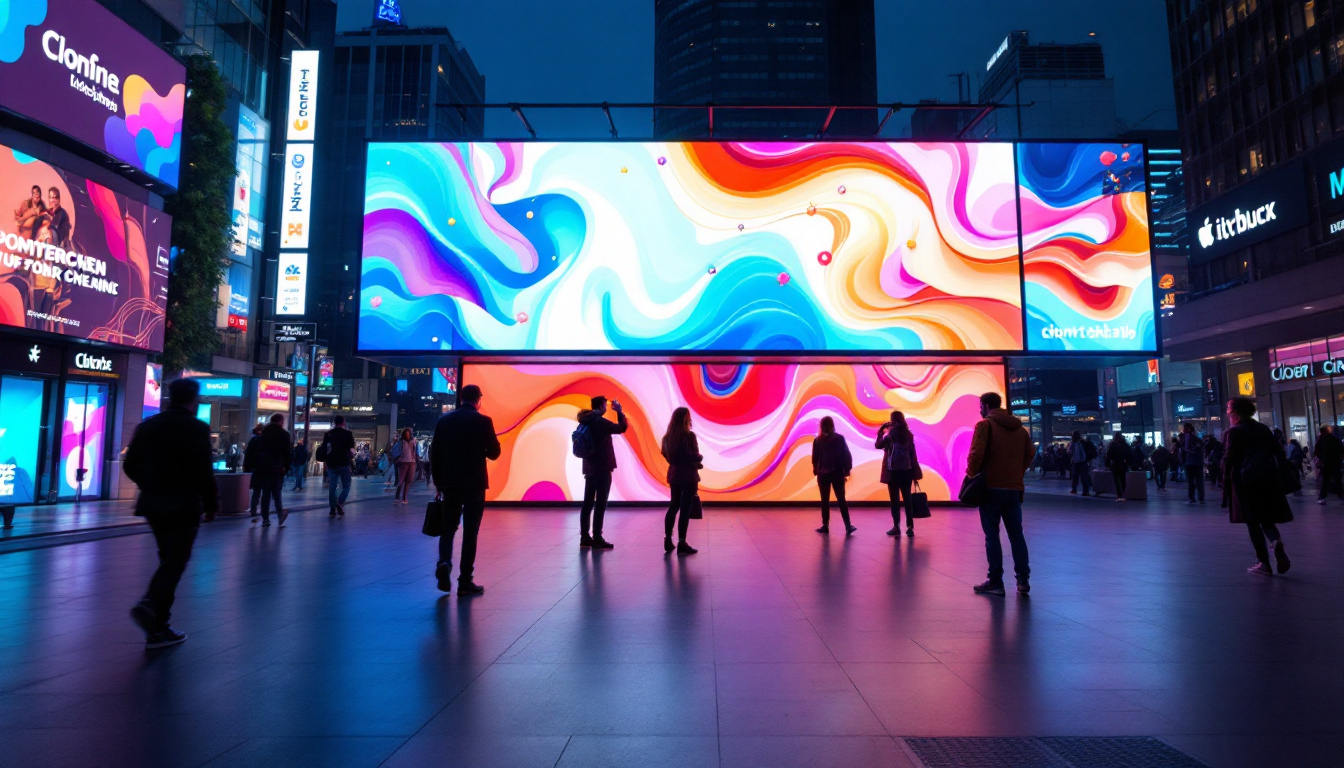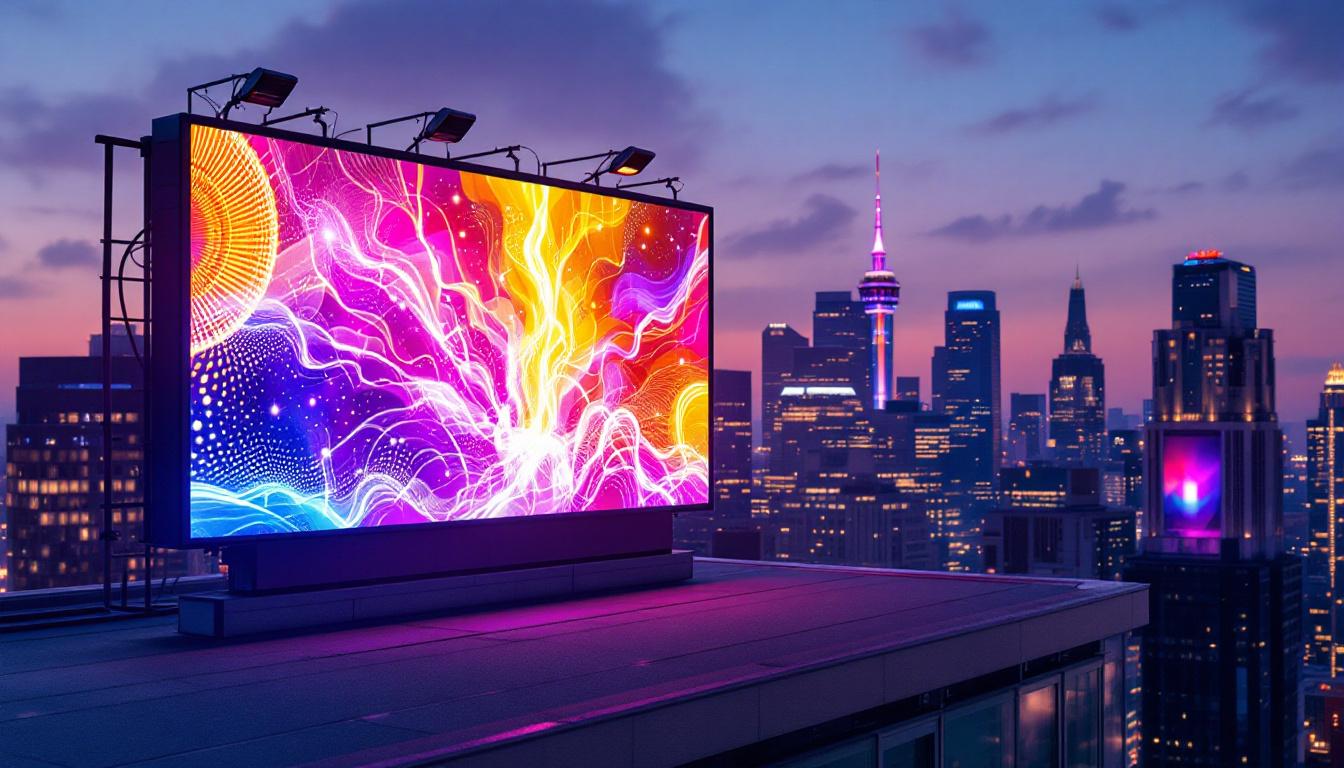
In the evolving landscape of outdoor advertising, rooftop LED displays have emerged as a powerful tool for brands seeking high-impact visibility. These installations combine technology, strategic placement, and creative content to capture the attention of urban audiences in a way that traditional billboards often cannot. This article explores the fundamentals of rooftop advertising using LED displays, highlighting their advantages, technical considerations, and best practices for maximizing their effectiveness.
Understanding Rooftop LED Advertising
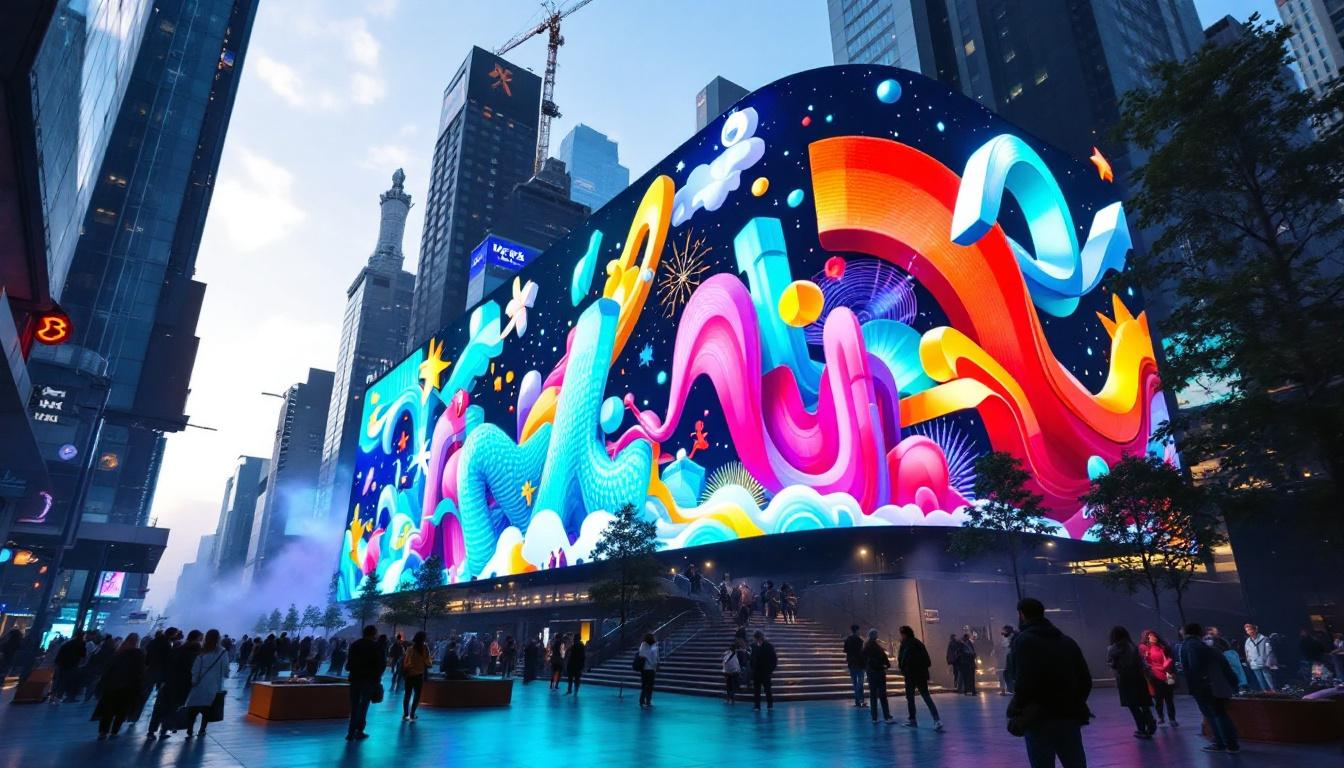
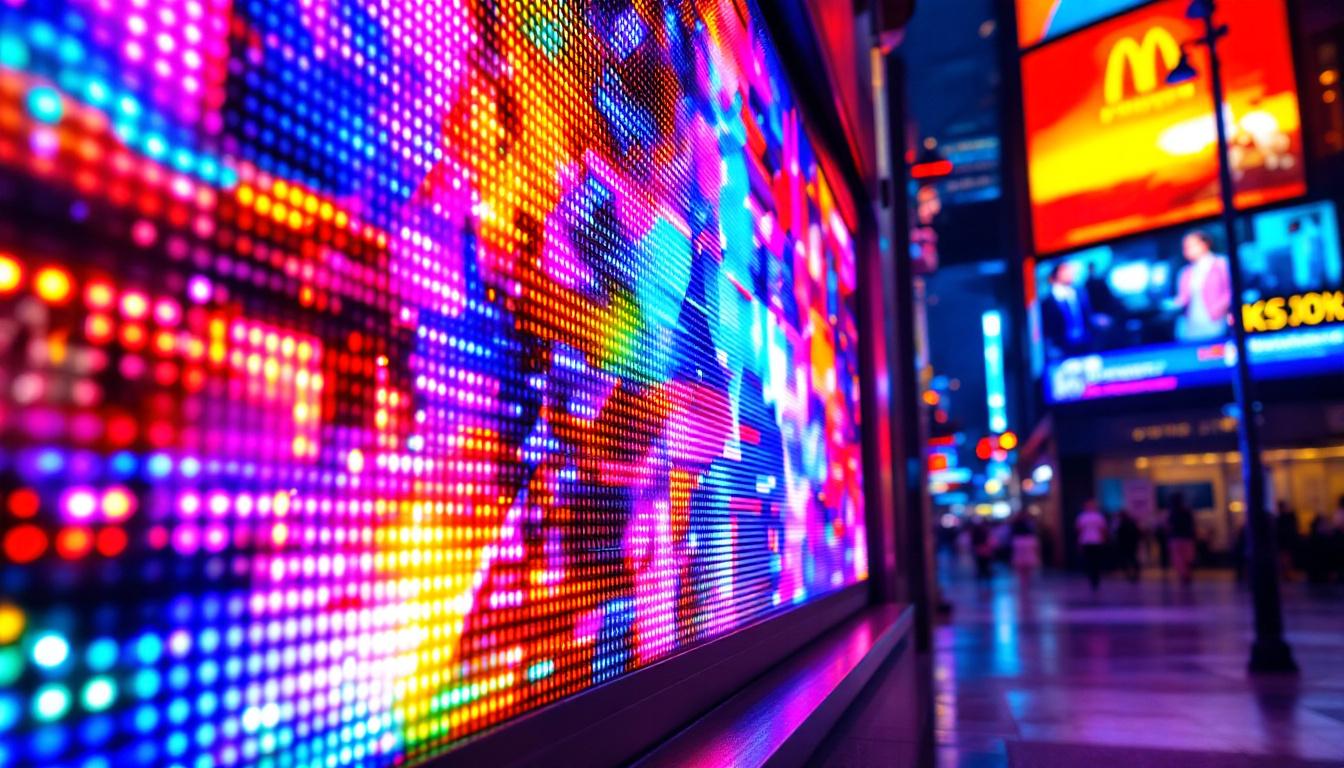
Rooftop advertising refers to the placement of promotional displays atop buildings, typically in bustling urban areas where foot traffic and vehicle flow are high. Unlike conventional static billboards, rooftop LED displays use light-emitting diodes (LEDs) to create dynamic, bright, and colorful visuals that can be updated in real-time.
LED technology has revolutionized outdoor advertising by enabling advertisers to present animated content, video, and interactive messages. This flexibility allows for more engaging storytelling and the ability to tailor messages based on time of day, weather conditions, or special events.
Why Choose LED for Rooftop Advertising?
LED displays offer several advantages over traditional advertising mediums. Their brightness ensures visibility even in direct sunlight, making them ideal for rooftop installations exposed to natural light. Additionally, LEDs consume less power compared to older lighting technologies, offering a sustainable solution for advertisers concerned with energy efficiency.
Furthermore, LED displays have a long lifespan, often exceeding 100,000 hours, which reduces maintenance costs and downtime. The ability to remotely update content also means campaigns can be refreshed instantly without the need for physical replacements, saving time and resources.
Moreover, the versatility of rooftop LED advertising allows brands to engage with their audience in innovative ways. For instance, advertisers can utilize real-time data to display personalized content, such as location-based promotions that resonate with passersby. This capability not only enhances consumer engagement but also drives higher conversion rates, as the messages are more relevant to the audience’s immediate context.
In addition to their advertising potential, rooftop LED displays can serve as landmarks in a cityscape, contributing to the urban aesthetic. Many cities are embracing this trend, integrating vibrant LED installations into their skyline, which can enhance the overall atmosphere and draw attention to local businesses. As cities continue to evolve, the role of rooftop advertising will likely expand, becoming an integral part of the urban experience.
Key Benefits of Rooftop LED Displays
Enhanced Visibility and Reach
One of the primary benefits of rooftop LED advertising is its unparalleled visibility. Positioned high above street level, these displays can be seen from multiple vantage points, including nearby buildings, streets, and highways. This elevated placement significantly increases the potential reach of any advertising campaign.
For example, a rooftop LED display in a metropolitan area like New York City or Los Angeles can be viewed by tens of thousands of pedestrians and drivers daily, providing extensive brand exposure. According to a 2023 report by Outdoor Advertising Association of America (OAAA), digital out-of-home (DOOH) advertising, which includes LED displays, saw a 12% increase in audience engagement year-over-year, underscoring the medium’s growing impact.
Dynamic and Targeted Messaging
Unlike static rooftop billboards, LED displays allow advertisers to rotate multiple ads, display real-time information, and adapt messaging based on audience demographics or environmental factors. This dynamic capability enables brands to run time-sensitive promotions, highlight new product launches, or even display emergency alerts when necessary.
For instance, during major events or holidays, rooftop LED displays can be programmed to show festive content or special offers, increasing relevance and engagement. This adaptability is crucial in today’s fast-paced marketing environment where consumer attention spans are limited.
Cost Efficiency Over Time
While the initial investment in rooftop LED displays can be higher than traditional billboards, the long-term benefits often outweigh the costs. The ability to update content digitally eliminates printing and installation expenses associated with static ads. Additionally, LED displays typically require less maintenance and have lower operational costs due to their energy-efficient design.
Brands that leverage rooftop LED advertising can also measure campaign effectiveness through integrated analytics, allowing for data-driven decisions that optimize marketing budgets.
Technical Considerations for Rooftop LED Installations
Display Resolution and Pixel Pitch
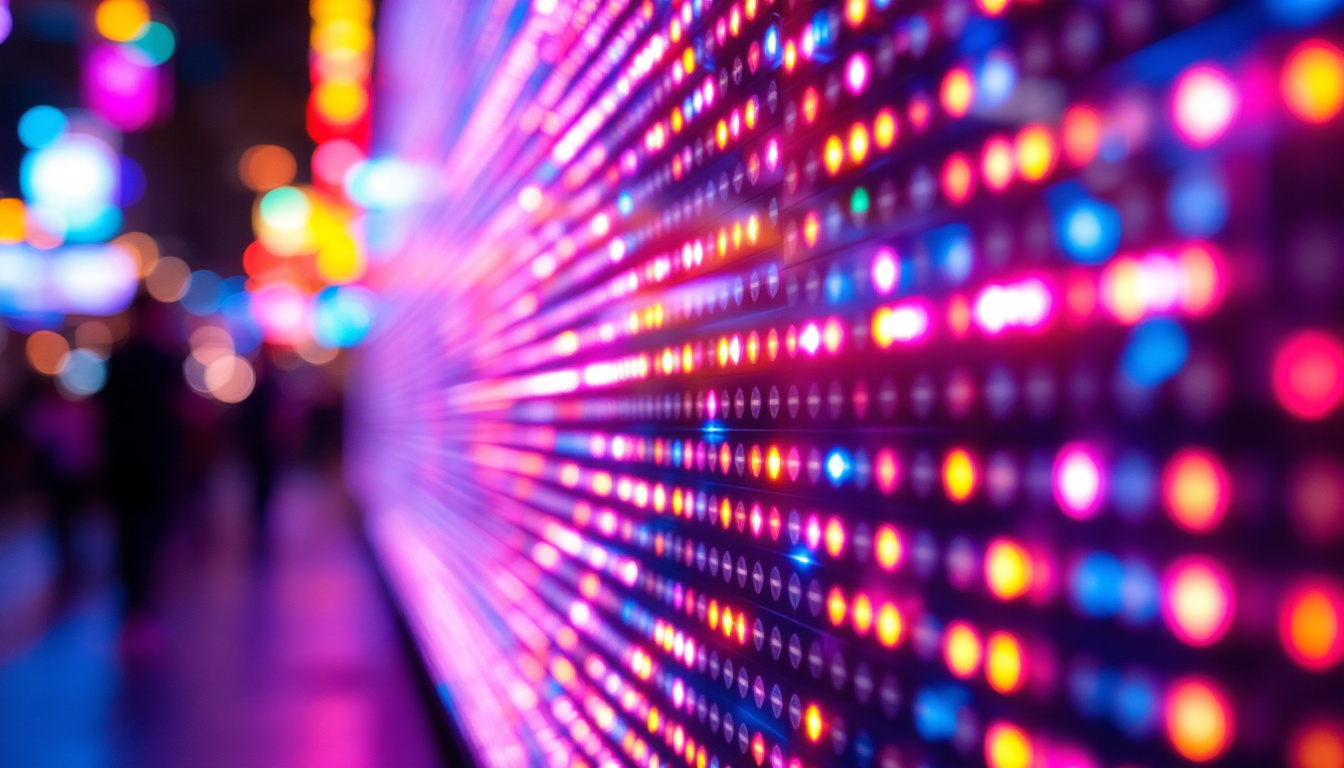
Choosing the right resolution and pixel pitch is critical for ensuring clear and impactful visuals. Pixel pitch refers to the distance between individual LED pixels, usually measured in millimeters. A smaller pixel pitch means higher resolution and sharper images, which is essential for displays viewed from shorter distances.
For rooftop displays, where viewers may be several hundred feet away, a pixel pitch between 10mm and 20mm is typically sufficient to maintain clarity without incurring unnecessary costs. However, in densely populated urban centers with close proximity viewing, a finer pixel pitch may be warranted.
Brightness and Weather Resistance
Brightness is measured in nits, and rooftop LED displays generally require high brightness levels (between 5,000 and 8,000 nits) to remain visible under direct sunlight. Modern LED modules feature automatic brightness adjustment sensors that adapt to ambient light conditions, improving visibility while conserving energy.
Given their outdoor placement, rooftop displays must also be weatherproof. IP65 or higher ratings are standard to protect against rain, dust, and temperature extremes. Robust housing and cooling systems ensure the longevity and consistent performance of the display, even in harsh climates.
Structural and Regulatory Compliance
Installing a rooftop LED display involves careful structural engineering to ensure the building can support the additional load. Wind resistance, seismic activity, and building codes must be considered to guarantee safety and compliance with local regulations.
Moreover, many municipalities have specific ordinances governing outdoor digital signage, including brightness limits, operating hours, and content restrictions. Engaging with local authorities early in the planning process helps avoid legal complications and ensures the installation meets all requirements.
Designing Effective Content for Rooftop LED Displays
Visual Impact and Simplicity
Given the distance from which rooftop LED displays are viewed, content must be designed with bold visuals and concise messaging. High-contrast colors, large fonts, and simple graphics enhance readability and capture attention quickly.
Complex images or lengthy text can be difficult to discern, reducing the ad’s effectiveness. Instead, focusing on a single call-to-action or brand message per frame maximizes impact.
Animation and Motion
One of the key advantages of LED displays is the ability to incorporate animation and motion graphics. Subtle movements, transitions, and video clips can make ads more engaging and memorable. However, it is important to balance motion with clarity to avoid overwhelming viewers or causing distractions.
Effective use of animation can highlight product features, demonstrate usage, or create emotional connections with the audience, enhancing brand recall.
Scheduling and Content Rotation
Strategic scheduling of content ensures that the right message reaches the right audience at the right time. For example, a coffee brand might display morning promotions during rush hours, while a restaurant could advertise dinner specials in the evening.
Content rotation also prevents viewer fatigue by varying advertisements and keeping the display fresh. Data analytics can inform scheduling decisions by identifying peak viewing times and audience demographics.
Case Studies: Successful Rooftop LED Advertising Campaigns
Times Square, New York City
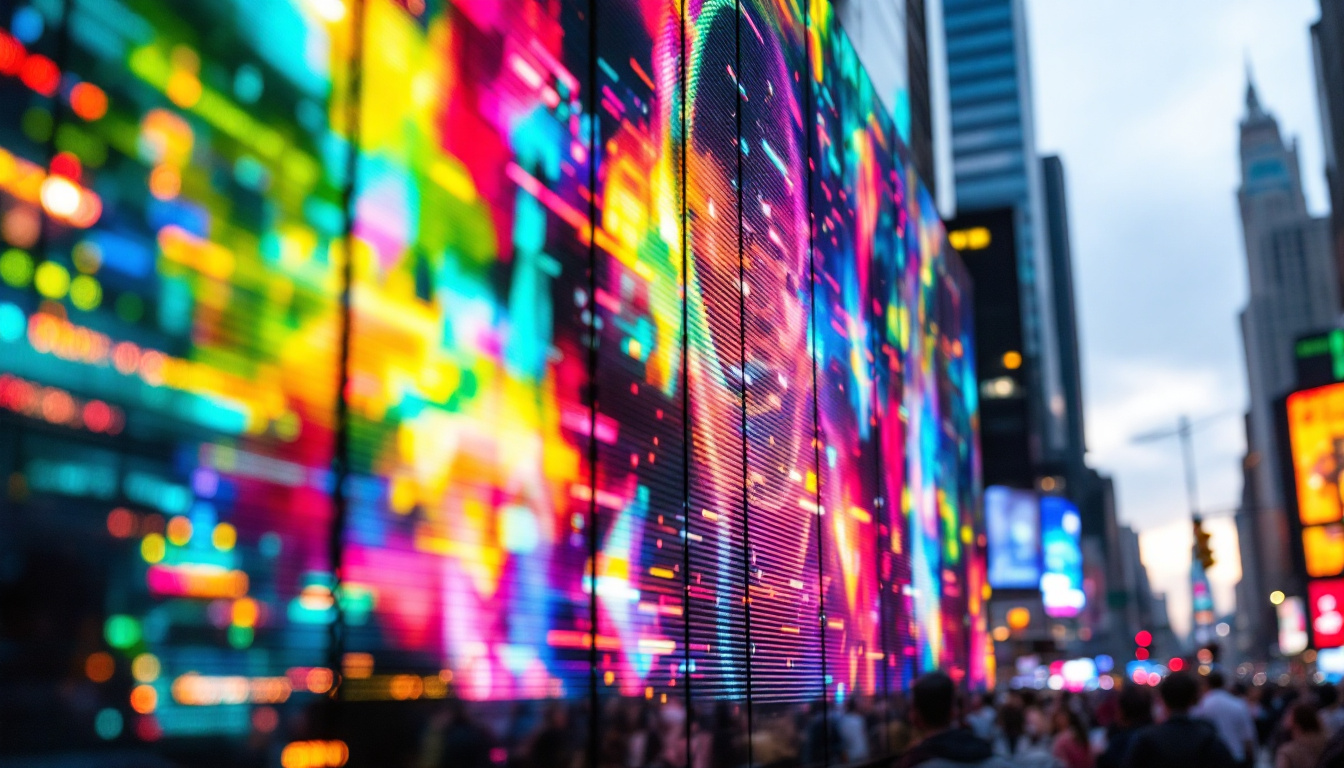
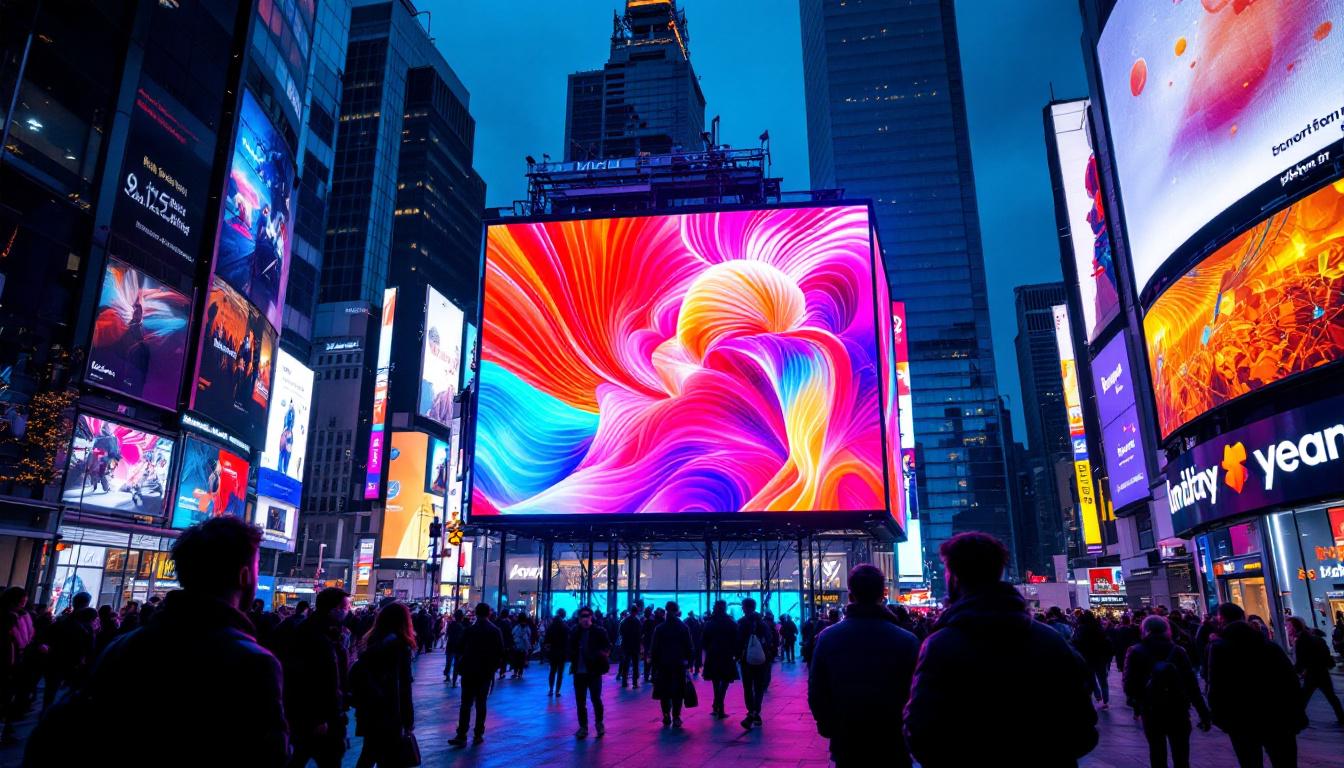
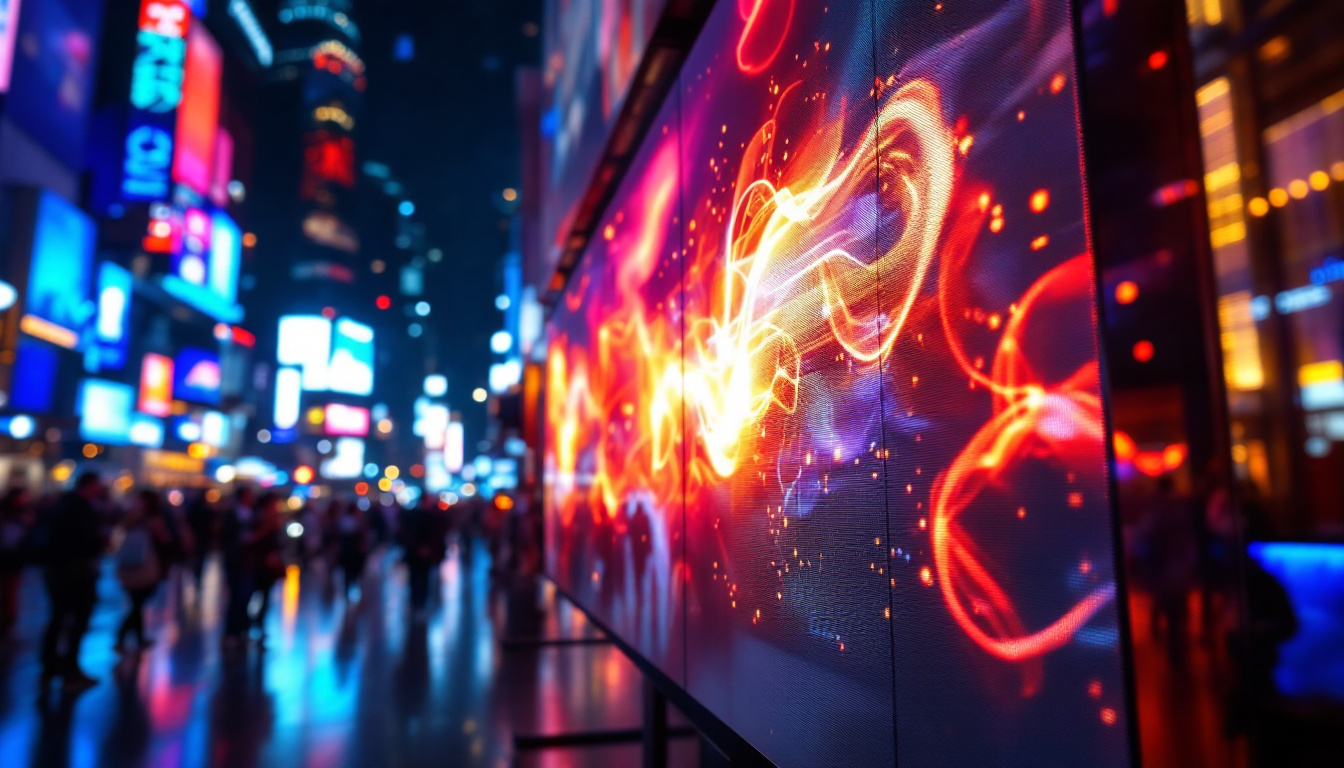
Times Square is perhaps the most iconic example of rooftop LED advertising. Brands like Coca-Cola, Samsung, and Disney utilize massive LED displays atop buildings to reach millions of visitors annually. The dynamic content, combined with the high foot traffic and tourist presence, creates a powerful advertising ecosystem.
In 2023, Samsung’s rooftop campaign in Times Square featured interactive elements that synced with mobile apps, driving both online and offline engagement. This integration of technology and location-based advertising exemplifies the potential of rooftop LED displays.
Shibuya Crossing, Tokyo
Another notable example is Shibuya Crossing in Tokyo, where rooftop LED displays illuminate the area with vibrant advertisements. Japanese brands and international companies alike leverage these displays to create visually stunning campaigns that resonate with a tech-savvy audience.
The use of high-resolution LED panels and culturally relevant content has helped brands increase brand awareness and drive foot traffic to nearby stores.
Future Trends in Rooftop LED Advertising
Integration with Smart City Technologies
As urban areas become increasingly connected, rooftop LED displays are poised to integrate with smart city infrastructure. This includes real-time data feeds for traffic, weather, and public safety, enabling displays to provide timely and relevant information alongside advertising content.
Such integration enhances the utility of rooftop displays, positioning them as both marketing tools and public information resources.
Augmented Reality and Interactivity
Emerging technologies like augmented reality (AR) are beginning to intersect with rooftop advertising. Interactive campaigns that engage viewers through their smartphones or wearable devices can extend the reach and impact of rooftop LED displays beyond physical sightlines.
For example, a rooftop display might prompt passersby to scan a QR code to unlock exclusive content or participate in a virtual experience, fostering deeper brand engagement.
Sustainability and Energy Efficiency
Environmental considerations are increasingly influencing advertising strategies. Advances in LED technology continue to improve energy efficiency, while the use of solar power and smart energy management systems reduce the carbon footprint of rooftop displays.
Brands committed to sustainability can leverage these innovations to align their advertising efforts with corporate social responsibility goals, appealing to environmentally conscious consumers.
Conclusion
Rooftop advertising using LED displays represents a dynamic and effective medium for brands aiming to capture urban audiences with high-impact visuals and flexible messaging. By understanding the technical requirements, designing compelling content, and adhering to regulatory standards, advertisers can maximize the benefits of this powerful platform.
As technology advances and cities become smarter, rooftop LED displays will continue to evolve, offering new opportunities for innovation and engagement in outdoor advertising.
Illuminate Your Brand with LumenMatrix
Ready to elevate your rooftop advertising and captivate the urban landscape? LumenMatrix is at the forefront of LED display innovation, offering a diverse range of solutions tailored to your unique branding needs. From dazzling Indoor LED Walls to dynamic Vehicle LED Displays, our technology is designed to make your message shine. Discover how our LED Sports Displays, LED Posters, and Custom LED options can transform your advertising strategy. Embrace the future of visual communication with LumenMatrix and create an unforgettable impact. Check out LumenMatrix LED Display Solutions and let your brand light up the skyline.