In today’s fast-paced world, capturing consumer attention is more challenging than ever. Digital signage has emerged as a powerful tool for businesses, advertisers, and public spaces to communicate messages dynamically and effectively. Among the various types of digital signage technologies, LED displays stand out due to their brightness, versatility, and durability. This article delves into the world of LED digital signage screens, explaining what they are, how they work, their benefits, and why they are becoming the preferred choice for modern digital displays.
What is an LED Digital Signage Screen?
LED stands for Light Emitting Diode, a semiconductor device that emits light when an electric current passes through it. An LED digital signage screen is a display that uses thousands or millions of these tiny LEDs to create images, videos, and text for advertising, information dissemination, or entertainment purposes.
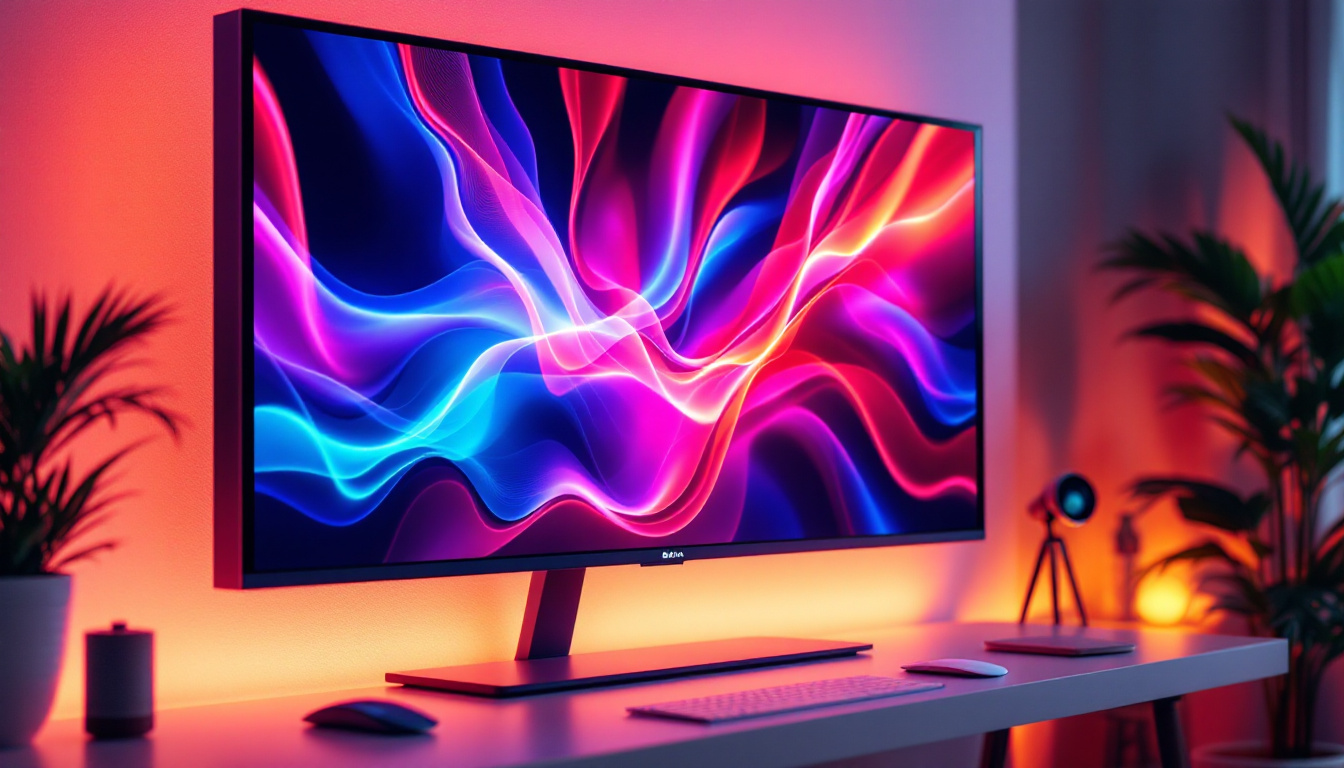
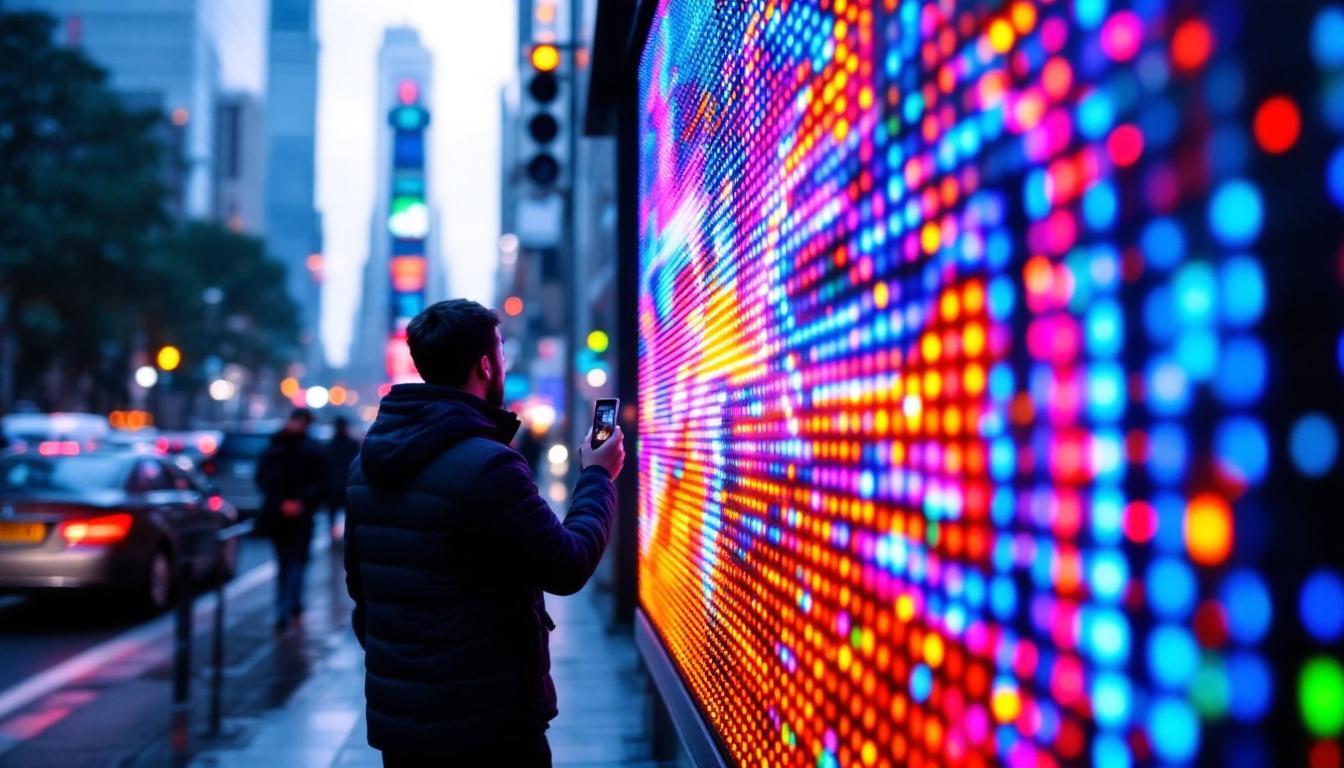
Unlike traditional LCD or plasma displays, LED screens are composed of individual pixels made up of red, green, and blue LEDs. By varying the intensity of each LED, the screen can produce a full spectrum of colors and vivid images. These screens are scalable, meaning they can be built in various sizes and shapes, from small indoor panels to massive outdoor billboards. The versatility of LED technology allows businesses to customize their displays to fit specific branding needs, making them an attractive option for marketers looking to capture attention in crowded environments.
Moreover, LED digital signage screens are known for their durability and energy efficiency. With a longer lifespan compared to traditional displays, they require less frequent replacements, which can lead to significant cost savings over time. Additionally, advancements in LED technology have made it possible to create screens that consume less power while delivering higher brightness levels, making them an environmentally friendly choice for businesses aiming to reduce their carbon footprint.
Types of LED Displays Used in Digital Signage
LED digital signage screens come in two main types: Direct View LED (DVLED) and LED-backlit LCD. Understanding the difference is crucial for selecting the right technology for a specific application.
- Direct View LED (DVLED): These displays use LEDs as the actual pixels that form the image. They are known for their brightness and ability to be viewed clearly even in direct sunlight. DVLED is commonly used for large outdoor billboards, stadium screens, and high-impact indoor displays. Their modular design allows for easy repairs and upgrades, ensuring that businesses can maintain a fresh and engaging visual presence without extensive downtime.
- LED-backlit LCD: These are traditional LCD panels that use LEDs as a backlight source instead of fluorescent tubes. While they offer good image quality and energy efficiency, they do not match the brightness and viewing angles of DVLED screens and are typically used for smaller indoor digital signage. These displays are often favored in retail environments where space is limited, and the focus is on delivering clear, vibrant content to enhance the shopping experience.
How LED Digital Signage Screens Work
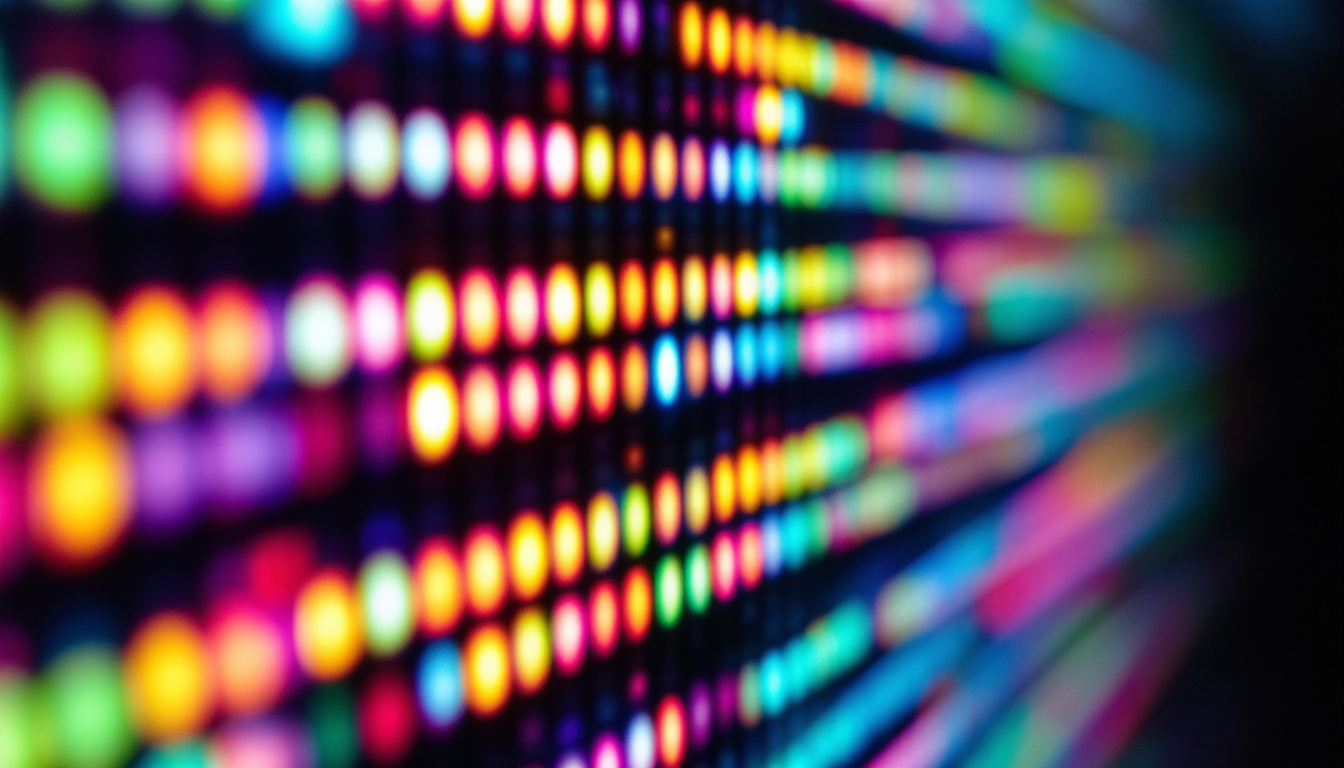
At the core of an LED digital signage screen is the pixel, which consists of three sub-pixels: red, green, and blue LEDs. By adjusting the brightness of each sub-pixel, the screen can produce millions of colors, creating detailed and vibrant images.
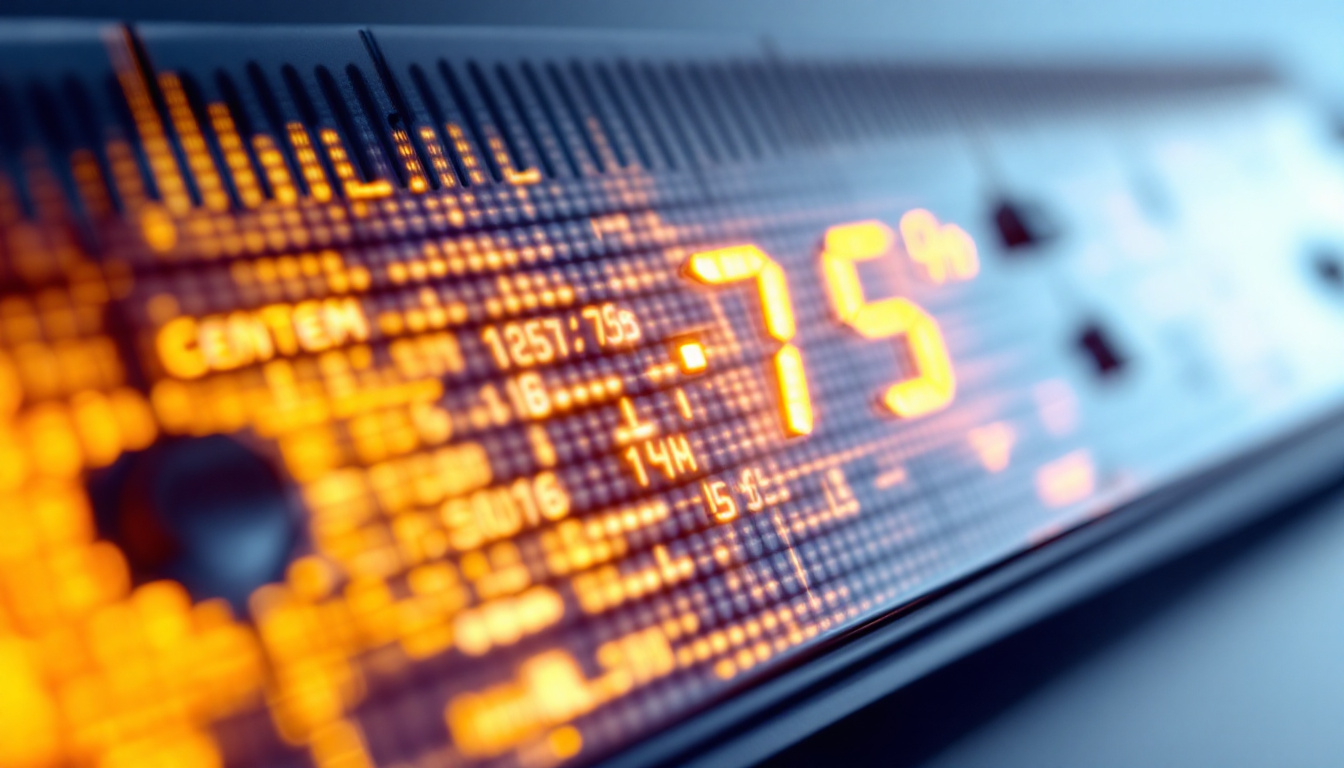
The LEDs are arranged in a grid pattern, and the resolution of the screen depends on the number of pixels per unit area. The smaller the pixel pitch—the distance between the centers of two adjacent pixels—the higher the resolution and image clarity, especially for close viewing distances.
Pixel Pitch and Viewing Distance
Pixel pitch is a critical factor in LED screen design. For example, a screen with a 1.5mm pixel pitch is ideal for indoor environments where viewers are close to the display, such as retail stores or control rooms. Conversely, outdoor billboards often have pixel pitches ranging from 10mm to 20mm because viewers are typically farther away.
Choosing the right pixel pitch ensures the content appears sharp and legible without unnecessary cost. Higher resolution screens with smaller pixel pitches are more expensive, so matching the pixel pitch to the viewing distance is essential for cost-effective digital signage deployment.
Brightness and Color Accuracy
One of the most significant advantages of LED displays is their brightness. Outdoor LED screens can reach brightness levels of 5,000 to 10,000 nits, making them visible even under direct sunlight. Indoor LED displays typically operate at 800 to 1,200 nits, providing vibrant images without causing eye strain.
Color accuracy is achieved through precise calibration of the LEDs and advanced processing technologies. Modern LED signage supports high dynamic range (HDR), wider color gamuts, and smooth gradients, enhancing the visual experience and making content more engaging.
Advantages of LED Digital Signage Screens
LED digital signage screens offer numerous benefits over other display technologies, making them the preferred choice for many applications.
Exceptional Visibility and Brightness
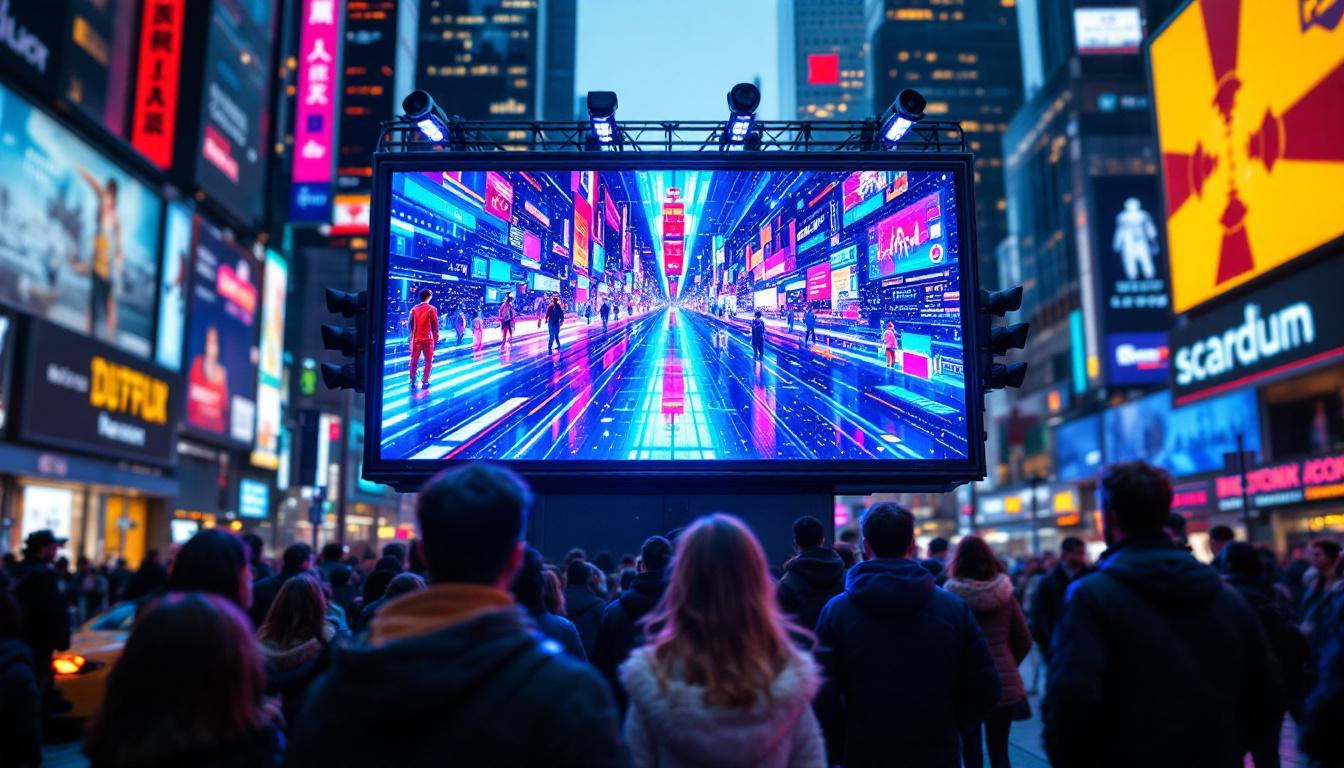
LED screens outperform LCD and projection displays in terms of brightness and visibility. Their ability to maintain image clarity in bright environments, including direct sunlight, makes them ideal for outdoor advertising, transportation hubs, and sports arenas.
Energy Efficiency and Longevity
LED technology is inherently energy-efficient compared to older display technologies. LEDs consume less power while delivering higher brightness, which reduces operational costs over time. Additionally, LED screens have a long lifespan, often exceeding 100,000 hours of operation, which translates to years of reliable service.
Flexibility in Size and Shape
LED displays can be manufactured in virtually any size or shape, allowing for creative and customized digital signage solutions. From curved screens wrapping around pillars to massive video walls spanning entire building facades, LED technology supports innovative designs that capture attention and enhance brand presence.
Durability and Weather Resistance
Outdoor LED signage is designed to withstand harsh environmental conditions, including rain, wind, dust, and temperature fluctuations. Many LED modules are rated with IP65 or higher, ensuring protection against water and dust ingress, which is critical for maintaining performance and longevity in outdoor settings.
Seamless Content Integration and Interactivity
Modern LED digital signage systems support integration with content management software, allowing for real-time updates, scheduling, and remote control. Some LED displays also incorporate interactive features such as touch capabilities, sensors, and cameras, enabling engaging customer experiences and data collection.
Applications of LED Digital Signage Screens
LED digital signage is versatile and finds applications across various industries and environments.
Retail and Shopping Centers
Retailers use LED signage to create dynamic window displays, promote sales, and enhance the shopping experience. Bright, eye-catching LED screens attract customers and provide real-time information about promotions and new products.
Transportation and Public Spaces
Airports, train stations, and bus terminals utilize LED displays for wayfinding, schedule updates, and advertising. The high visibility and reliability of LED screens ensure that travelers receive timely and clear information.
Sports and Entertainment Venues
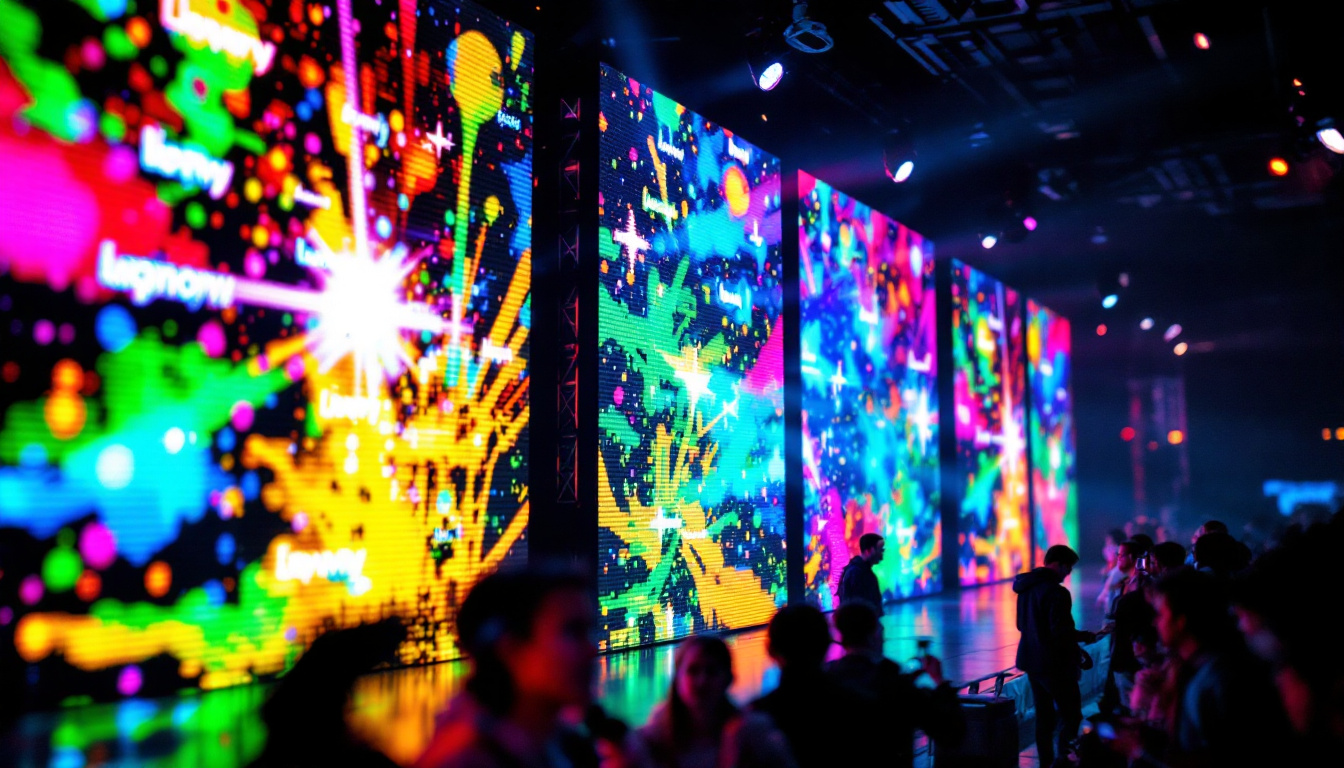
Stadiums and arenas leverage large LED video walls to broadcast live events, replays, and advertisements. The immersive experience created by high-resolution LED screens enhances fan engagement and opens new revenue streams through sponsorships.
Corporate and Educational Environments
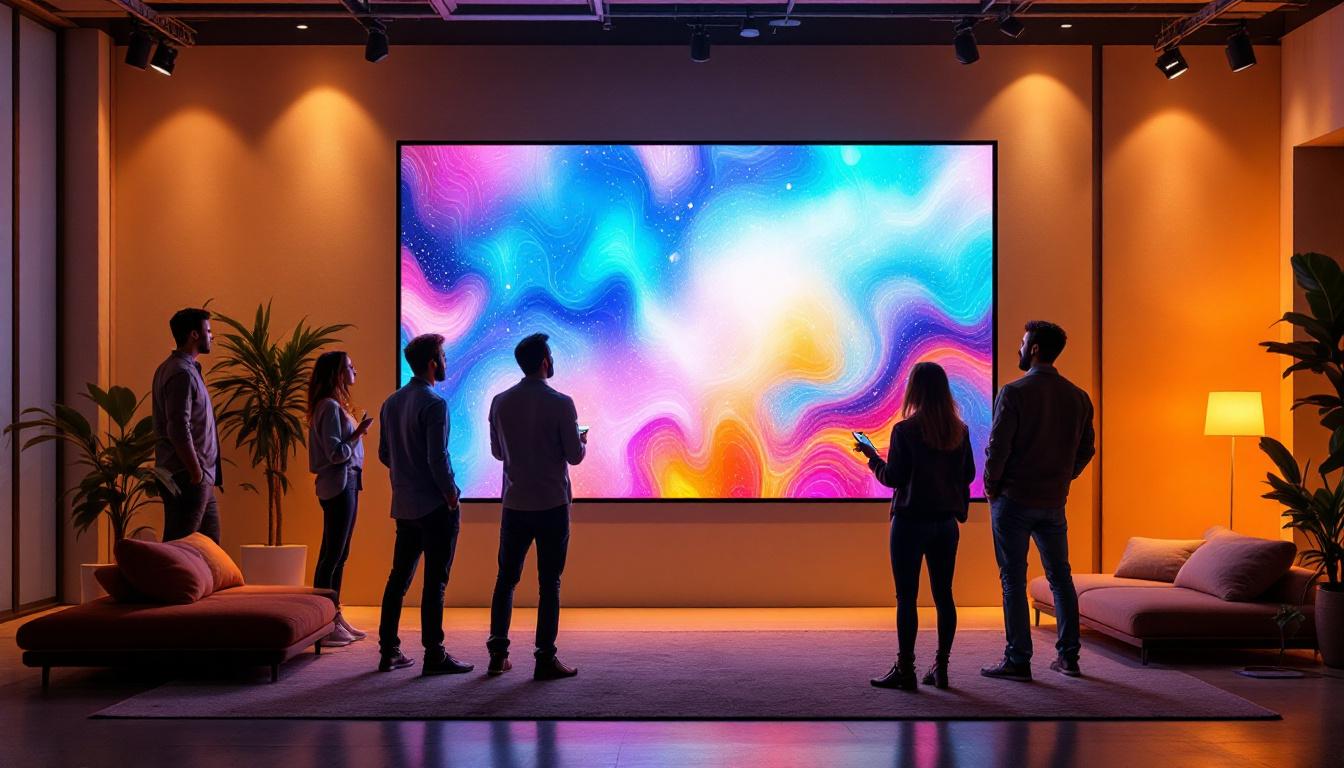
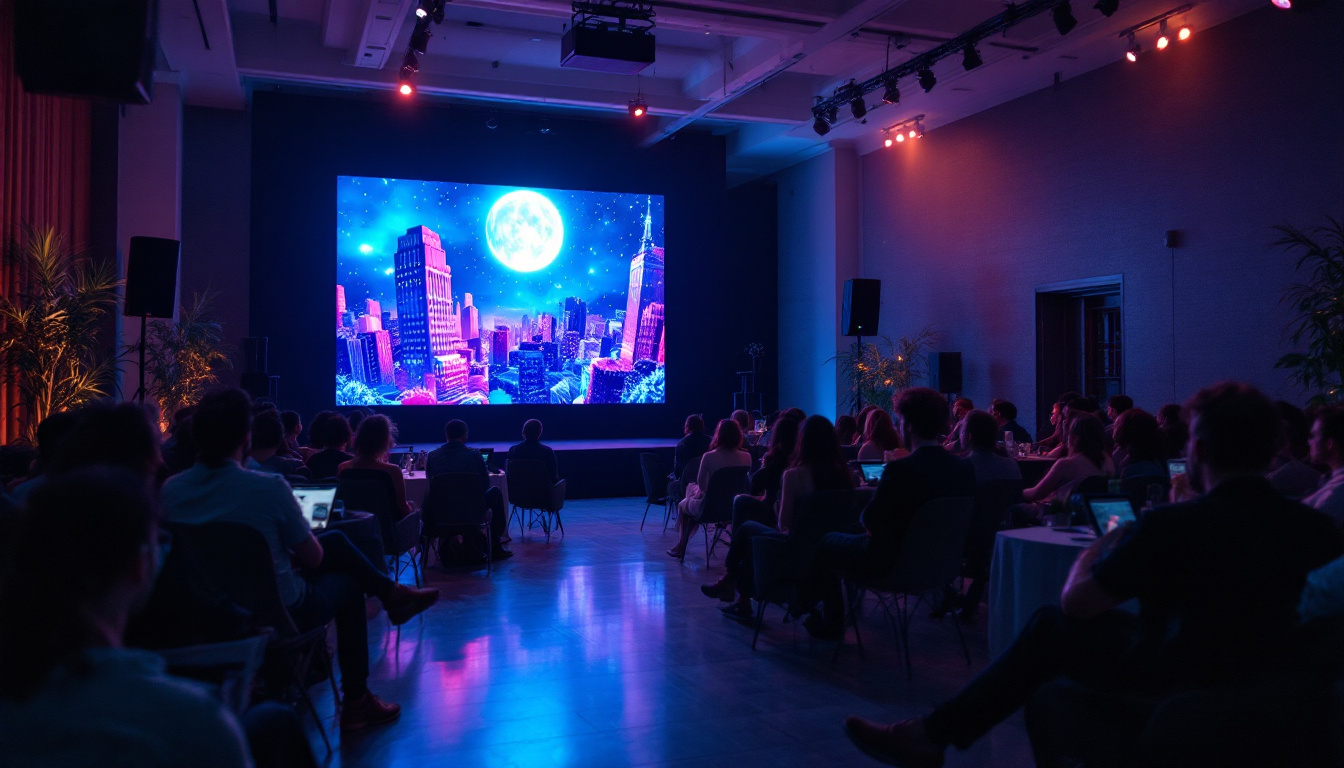
Businesses and educational institutions deploy LED digital signage for internal communications, event announcements, and digital directories. The flexibility and scalability of LED displays make them suitable for lobbies, conference rooms, and auditoriums.
Choosing the Right LED Digital Signage Screen
Selecting the appropriate LED signage solution depends on several factors, including location, viewing distance, content type, and budget.
Indoor vs. Outdoor Use
Outdoor LED screens require higher brightness, weatherproofing, and robust construction. Indoor screens can prioritize higher resolution and color accuracy without needing extreme brightness levels.
Resolution and Pixel Pitch
Determining the optimal pixel pitch based on the expected viewing distance ensures content is sharp and legible. For example, a retail store with close-up viewing might require a 1.2mm to 2.5mm pitch, while a highway billboard can use a 10mm or larger pitch.
Content Management and Software Compatibility
Effective digital signage relies on user-friendly content management systems (CMS) that support scheduling, remote updates, and integration with other data sources. Ensuring compatibility between the LED hardware and CMS is crucial for smooth operation.
Budget Considerations
While LED displays offer many advantages, they can represent a significant investment. Balancing quality, size, resolution, and features against budget constraints is essential. Leasing options and modular designs can provide flexibility for businesses with limited upfront capital.
Future Trends in LED Digital Signage
The LED digital signage industry continues to evolve, driven by technological advancements and changing consumer expectations.
MicroLED and MiniLED Technologies
Emerging technologies like MicroLED and MiniLED promise even higher resolution, improved contrast, and better energy efficiency. These advances will enable thinner, lighter, and more flexible displays, expanding the possibilities for digital signage design.
Integration with Artificial Intelligence
AI-powered digital signage can analyze audience demographics and behavior to deliver personalized content. This enhances engagement and allows advertisers to optimize campaigns in real-time.
Interactive and Immersive Experiences
Combining LED displays with augmented reality (AR), virtual reality (VR), and gesture recognition will create immersive environments that captivate audiences and provide unique brand experiences.
Conclusion
LED digital signage screens represent a dynamic and impactful way to communicate in a variety of settings. Their superior brightness, flexibility, and durability make them well-suited for both indoor and outdoor applications. Understanding the technology, benefits, and considerations involved in selecting and deploying LED displays is essential for businesses and organizations looking to maximize their digital signage investment.
As LED technology continues to advance, the future of digital signage looks brighter than ever, offering exciting opportunities for creativity, engagement, and effective communication.
Illuminate Your Message with LumenMatrix
Ready to elevate your brand’s visibility and captivate your audience with unparalleled clarity? Discover LumenMatrix’s innovative LED display solutions, where cutting-edge technology meets creative design. From vibrant Indoor LED Walls to dynamic Outdoor Displays, and from sleek LED Posters to immersive Custom Displays, LumenMatrix offers a spectrum of options tailored to your unique needs. Experience the revolution in visual communication and let your message shine. Check out LumenMatrix LED Display Solutions today and transform your digital signage into a beacon of engagement.