In today’s fast-paced industrial environment, clear and reliable visual communication is paramount. Industrial LED displays have become an essential component across numerous sectors, offering robust performance and exceptional visibility in challenging conditions. This article explores the technology behind industrial LED displays, their advantages, applications, and key considerations for businesses looking to implement these solutions.
Understanding Industrial LED Displays
LED, or Light Emitting Diode, technology has revolutionized the way images and information are displayed. Unlike traditional display technologies such as LCD or plasma, LED displays use an array of tiny light-emitting diodes to create images. Industrial LED displays are specifically engineered to withstand harsh environments, including extreme temperatures, dust, moisture, and vibrations.
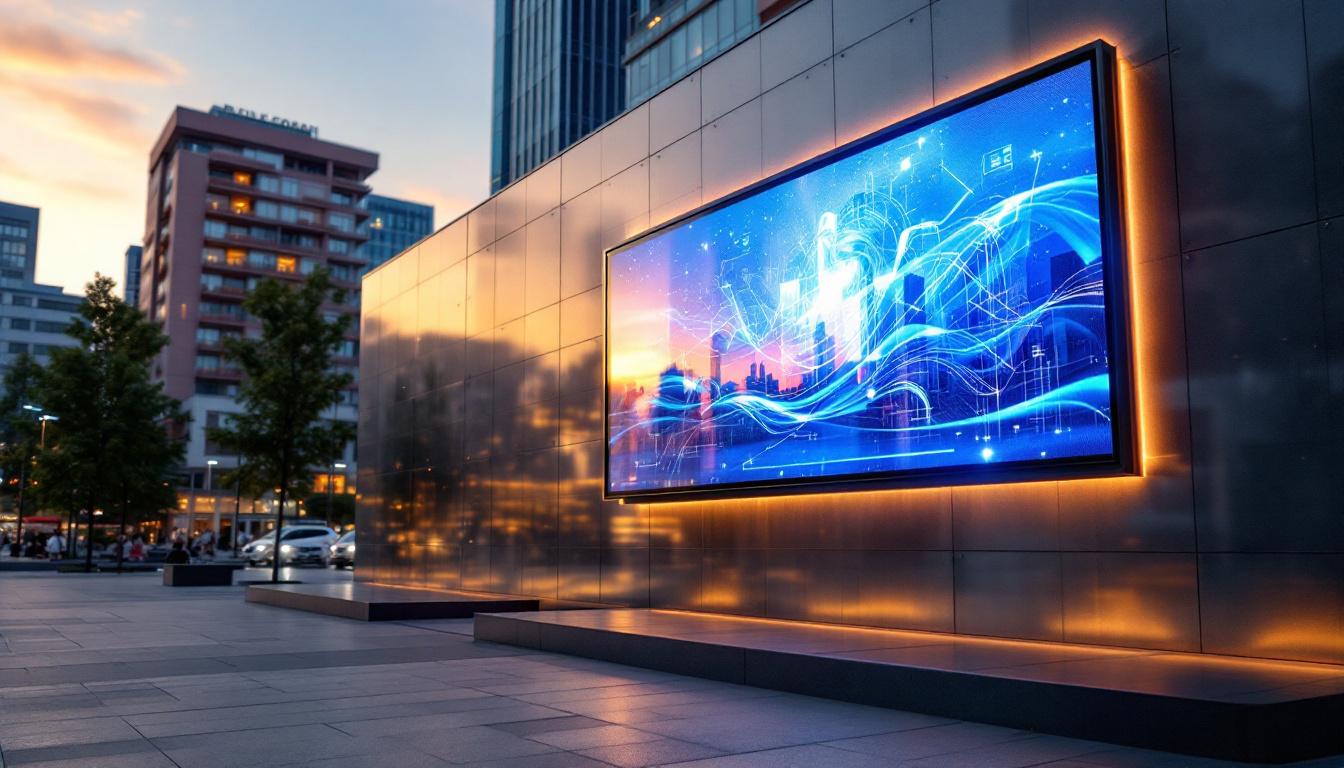
These displays are designed with durability and longevity in mind, often featuring rugged enclosures, high ingress protection (IP) ratings, and enhanced brightness levels to ensure readability even in direct sunlight. The modular nature of LED panels allows for scalable display sizes, from small control room monitors to massive outdoor signage. Furthermore, the lightweight design of these displays facilitates easier installation and maintenance, making them an ideal choice for various industrial settings, including manufacturing plants, transportation hubs, and outdoor advertising spaces.
How LED Technology Works
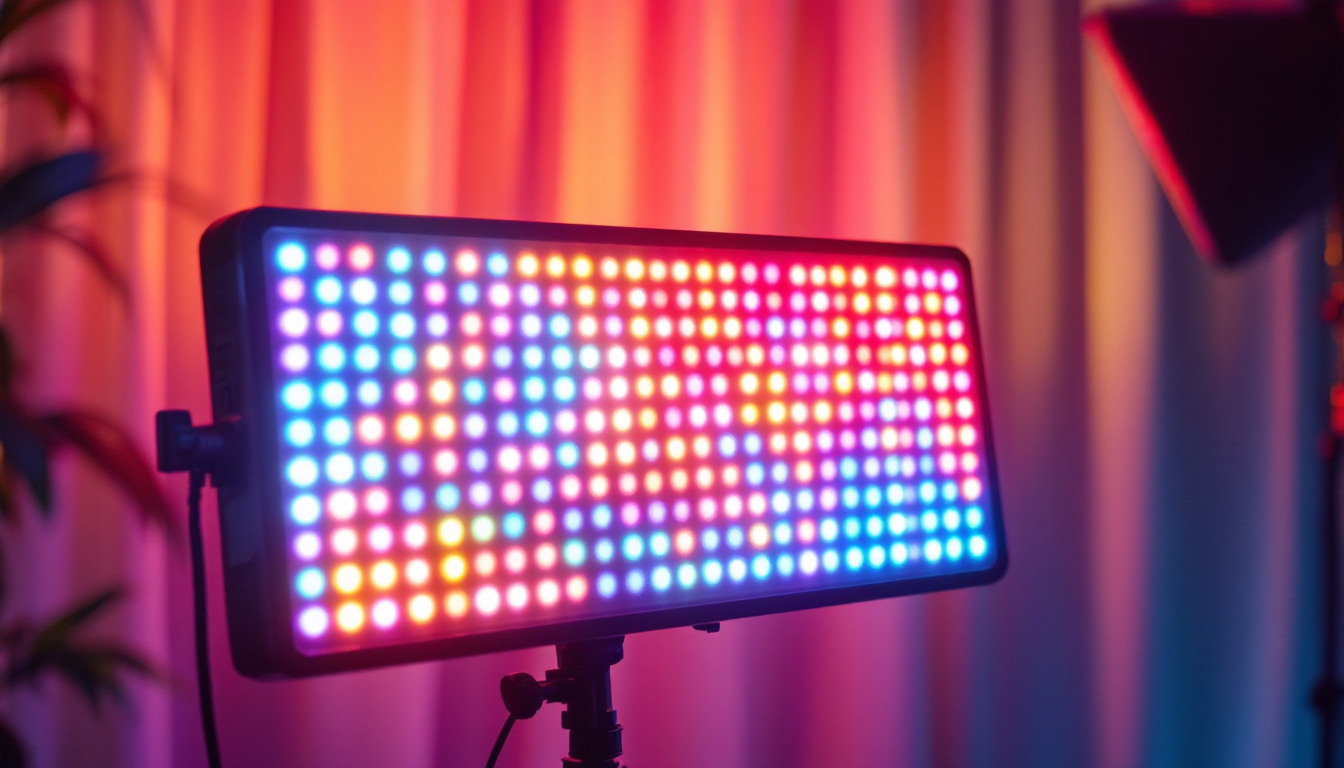
Each pixel in an LED display is composed of one or more diodes that emit light when an electric current passes through them. By varying the intensity of red, green, and blue diodes, the display can produce a full spectrum of colors. This direct emission of light enables LED displays to achieve higher contrast ratios and more vibrant colors compared to backlit technologies.
In industrial applications, this means critical data and visuals are easier to read and interpret, which can improve operational efficiency and safety. Additionally, LED displays consume less power and generate less heat, contributing to their reliability and cost-effectiveness over time. The versatility of LED technology also allows for innovative applications such as dynamic signage that can be updated in real-time, providing essential information on demand. For instance, in a manufacturing environment, LED displays can relay production metrics or safety alerts instantly, ensuring that all personnel are informed and can respond appropriately to any changes in the operational landscape.
Key Advantages of Industrial LED Displays
Industrial LED displays offer several benefits that make them ideal for demanding environments. Understanding these advantages helps businesses make informed decisions when selecting display solutions.
Exceptional Visibility and Brightness
One of the standout features of industrial LED displays is their superior brightness. Many industrial-grade LEDs can achieve brightness levels exceeding 5,000 nits, making them clearly visible even under direct sunlight or in brightly lit factory floors. This is crucial for outdoor installations or indoor environments with strong ambient lighting.
High brightness ensures that operators and personnel can quickly and accurately read important information, reducing the risk of errors and enhancing overall productivity. Additionally, the clarity of these displays can significantly improve communication across teams, especially in large industrial settings where information needs to be disseminated quickly and effectively. The vibrant colors and sharp contrast of LED technology also aid in conveying messages with greater impact, ensuring that critical alerts or operational data are not overlooked.
Durability and Environmental Resistance
Industrial settings often expose equipment to dust, moisture, temperature fluctuations, and mechanical stress. Industrial LED displays are built to withstand these conditions, often featuring IP65 or higher ratings for water and dust resistance. Their robust housings protect delicate components, while advanced thermal management systems prevent overheating.
This durability translates into lower maintenance costs and longer operational lifespans, making LED displays a cost-effective investment for industries such as manufacturing, transportation, and energy. Moreover, the ability to function effectively in extreme conditions means that these displays can be deployed in a wide range of applications, from outdoor advertising in harsh climates to real-time data monitoring in temperature-sensitive environments. This versatility ensures that businesses can rely on their displays to perform consistently, regardless of the challenges presented by their surroundings.
Energy Efficiency and Longevity
Compared to traditional display technologies, LEDs are significantly more energy-efficient. They convert a higher percentage of electricity into visible light, reducing power consumption and operational costs. Furthermore, industrial LED displays typically have lifespans of 50,000 to 100,000 hours, far exceeding many alternative display types.
This longevity minimizes downtime and replacement expenses, which is particularly important in critical industrial applications where continuous operation is essential. Additionally, the reduced energy consumption contributes to a smaller carbon footprint, aligning with the growing emphasis on sustainability in industrial practices. As companies increasingly seek to improve their environmental impact, the adoption of energy-efficient technologies like LED displays not only supports operational goals but also enhances corporate responsibility initiatives, making them a smart choice for forward-thinking businesses.
Common Applications of Industrial LED Displays
Industrial LED displays serve a wide range of functions across various sectors. Their adaptability and reliability make them suitable for numerous use cases.
Manufacturing and Process Control
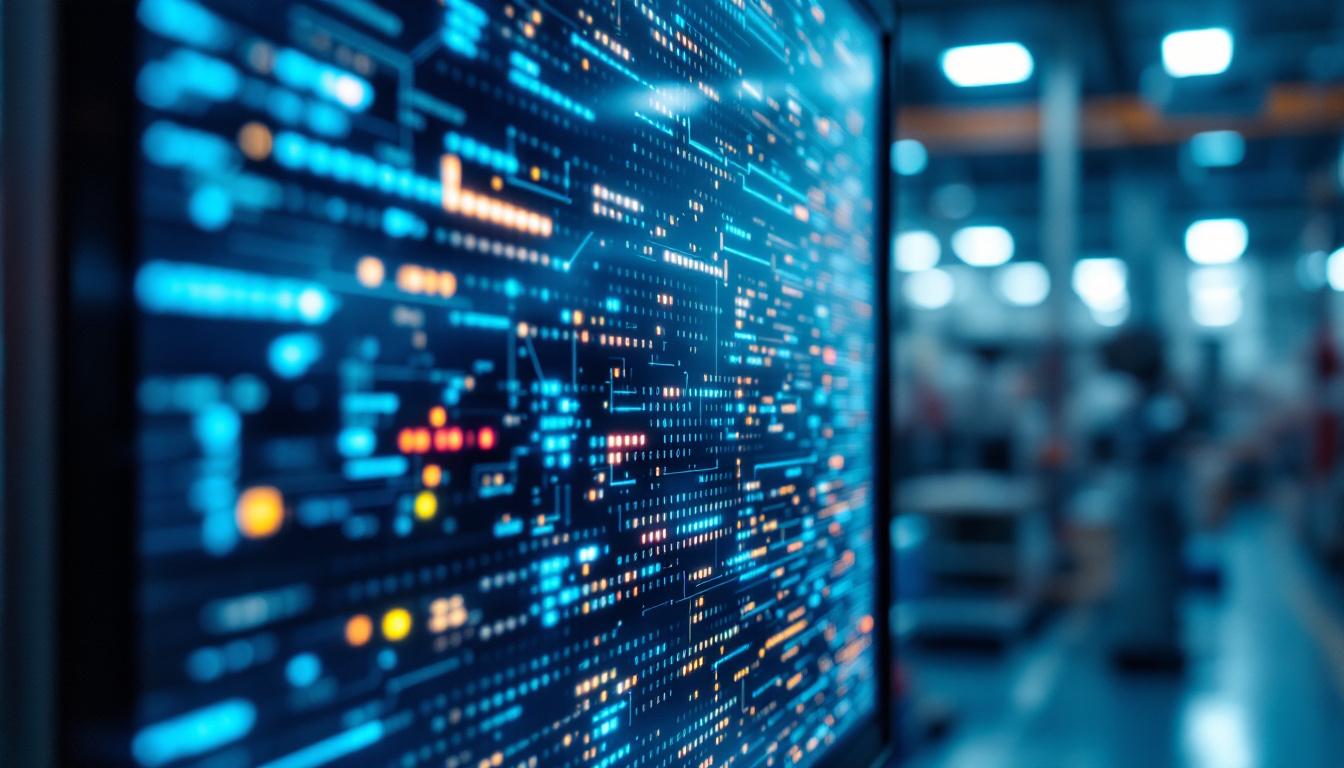
In manufacturing plants, LED displays are often integrated into control rooms and production lines to provide real-time data visualization. Operators monitor key performance indicators (KPIs), production metrics, and safety alerts through these displays, enabling rapid decision-making and process optimization.
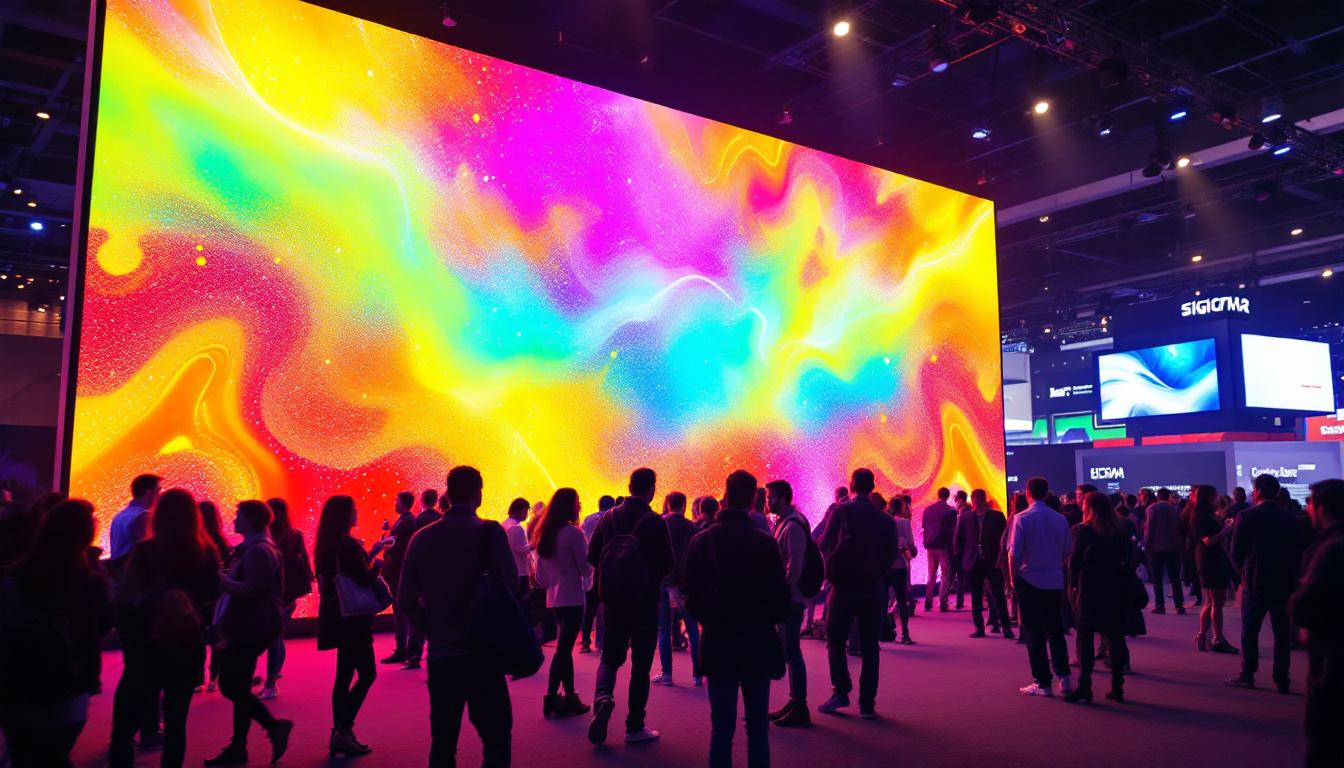
Large-format LED walls can also be used on the factory floor to broadcast shift schedules, quality control data, or emergency notifications, improving communication and workforce coordination. Additionally, these displays can be programmed to showcase motivational messages or performance achievements, fostering a culture of productivity and engagement among employees. By visually representing goals and milestones, manufacturers can encourage teamwork and a shared commitment to excellence.
Transportation and Logistics
Transportation hubs such as airports, train stations, and shipping ports rely heavily on LED displays for passenger information systems, scheduling updates, and safety messages. The high visibility and reliability of industrial LED displays ensure that critical information is conveyed clearly to travelers and staff alike.
In logistics centers, LED displays assist in tracking shipments, managing inventory, and coordinating loading operations, contributing to streamlined workflows and reduced errors. Beyond just operational efficiency, these displays can enhance customer service by providing real-time updates on shipment statuses and delays, allowing businesses to keep their clients informed and engaged. Furthermore, the integration of LED displays with mobile apps can offer users instant notifications about their deliveries, creating a more interactive and responsive logistics experience.
Energy and Utilities
Energy plants and utility companies use industrial LED displays to monitor system status, display operational data, and communicate safety protocols. These displays often operate in outdoor or harsh environments, where their rugged design and brightness are essential.
For example, wind farms and solar power plants may use LED displays to show real-time energy production metrics, helping operators optimize performance and maintenance schedules. Additionally, these displays can play a crucial role in public engagement by showcasing renewable energy contributions and environmental impact statistics, thus promoting transparency and community awareness. By visually communicating the benefits of sustainable energy practices, companies can foster a sense of responsibility and encourage public support for green initiatives.
Choosing the Right Industrial LED Display
Selecting the most suitable LED display for an industrial application requires careful consideration of several factors. Understanding these elements helps ensure the display meets operational requirements and delivers long-term value.
Resolution and Pixel Pitch
Resolution refers to the number of pixels in the display, while pixel pitch is the distance between the centers of adjacent pixels. A smaller pixel pitch means higher resolution and sharper images, which is important for close-up viewing or detailed data visualization.
For example, control room monitors may require pixel pitches as small as 1.5mm to 2.5mm, whereas large outdoor displays can use pixel pitches of 10mm or more since viewers are typically farther away.
Brightness and Contrast Ratio
Brightness is measured in nits and determines how well the display performs under various lighting conditions. Industrial environments with strong ambient light or outdoor settings demand higher brightness levels, often above 4,000 nits.
The contrast ratio, the difference between the darkest black and brightest white, affects image clarity and readability. Higher contrast ratios improve visibility, especially for text and critical data.
Environmental Ratings and Durability
Check the IP rating to ensure the display can handle exposure to dust, water, and other contaminants. IP65 or higher is typically recommended for outdoor or harsh indoor environments.
Other durability features include shock and vibration resistance, temperature tolerance (often ranging from -40°C to +60°C), and anti-glare coatings to reduce reflections.
Connectivity and Integration
Industrial LED displays often need to integrate with existing control systems, data sources, or network infrastructure. Ensure the display supports relevant input options such as HDMI, DVI, DisplayPort, or industrial protocols.
Advanced displays may offer remote management capabilities, allowing operators to update content and monitor performance from centralized locations.
Future Trends in Industrial LED Displays
The industrial display market continues to evolve, driven by advancements in LED technology and growing demand for smarter, more connected solutions.
Higher Resolution and Miniaturization
As LED manufacturing techniques improve, pixel pitches continue to shrink, enabling ultra-high-definition displays even in large formats. This trend allows for more detailed and precise visualizations, which is critical for complex industrial monitoring and control tasks.
Integration with IoT and Smart Systems
Industrial LED displays are increasingly becoming part of the Internet of Things (IoT) ecosystem. Integration with sensors, data analytics platforms, and automation systems enables dynamic content updates based on real-time conditions, enhancing operational responsiveness.
Energy Harvesting and Sustainability
Energy-efficient designs and the incorporation of renewable energy sources, such as solar-powered LED displays, are gaining traction. These innovations reduce the environmental footprint of industrial operations and contribute to sustainability goals.
Conclusion
Industrial LED displays offer a compelling combination of durability, visibility, and energy efficiency, making them indispensable in modern industrial environments. Their ability to deliver clear, real-time information under challenging conditions enhances safety, productivity, and communication across diverse sectors.
By understanding the technology, benefits, and key selection criteria, businesses can leverage industrial LED displays to optimize operations and stay competitive in an increasingly digital and connected world.
Discover LumenMatrix LED Display Solutions
Ready to elevate your industrial environment with high-performance LED displays? LumenMatrix is at the forefront of LED display technology, offering a diverse range of solutions tailored to meet the demands of any industrial application. From Indoor and Outdoor LED Wall Displays to specialized options like Vehicle, Sports, and Floor LED Displays, our products are designed to enhance brand visibility and create immersive visual experiences. Embrace the future of visual communication with LumenMatrix’s cutting-edge digital signage and LED display solutions. Check out LumenMatrix LED Display Solutions today and transform the way you share your message.