Street lighting plays a crucial role in urban infrastructure, impacting safety, energy consumption, and the overall aesthetic of public spaces. With the rise of LED technology, street lights have evolved significantly in design and functionality. One key aspect that often goes unnoticed but is vital for both manufacturers and city planners is the size of street lights, especially when it comes to LED displays integrated into these fixtures.
This article delves into the importance of street light sizes, how LED displays are incorporated, and what factors influence their dimensions. Whether you are a municipal decision-maker, an urban planner, or a lighting professional, understanding these elements is essential for optimizing street lighting solutions.
Understanding Street Light Sizes and Their Importance
Why Size Matters in Street Lighting
The physical size of a street light fixture affects multiple aspects, including light distribution, energy efficiency, installation logistics, and maintenance. Larger fixtures can accommodate more powerful LEDs or additional components such as sensors and displays, but they also require sturdier poles and more space.
Conversely, smaller fixtures offer a sleek, modern look and can reduce material costs, but may limit the brightness or functionality of the light. Striking the right balance is essential to meet the specific needs of a location, whether it’s a busy urban intersection or a quiet residential street. Additionally, the size of street lights can influence public perception and safety; well-lit areas tend to feel more secure, encouraging pedestrian traffic and enhancing overall community engagement.
Standard Sizes and Dimensions
Street light sizes vary widely depending on their application and design. Traditional street lights often range from 12 to 24 inches in diameter for the lamp head, with pole heights between 15 and 50 feet. LED street lights, however, have enabled more compact and versatile designs.
For example, many LED street light fixtures feature heads that are between 10 and 18 inches wide, with slim profiles to reduce wind resistance and material usage. Pole heights are typically chosen based on the road width and desired light coverage, but common heights include 20, 30, and 40 feet. Furthermore, the integration of smart technology into street lighting systems has led to the development of adjustable fixtures that can change brightness based on real-time conditions, such as traffic flow or weather patterns. This adaptability not only enhances energy efficiency but also allows for a more tailored approach to urban planning, ensuring that lighting meets the dynamic needs of a community.
LED Displays on Street Lights: An Emerging Trend
What Are LED Displays on Street Lights?
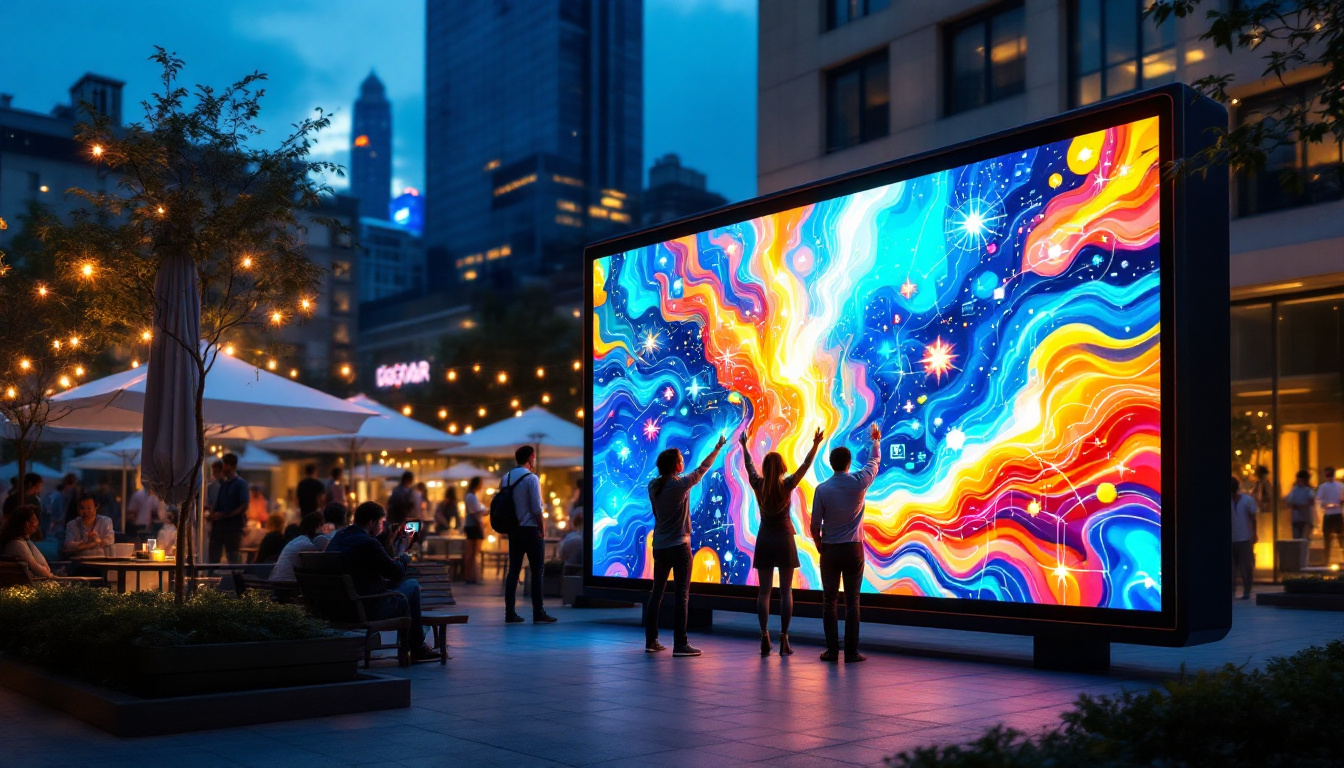
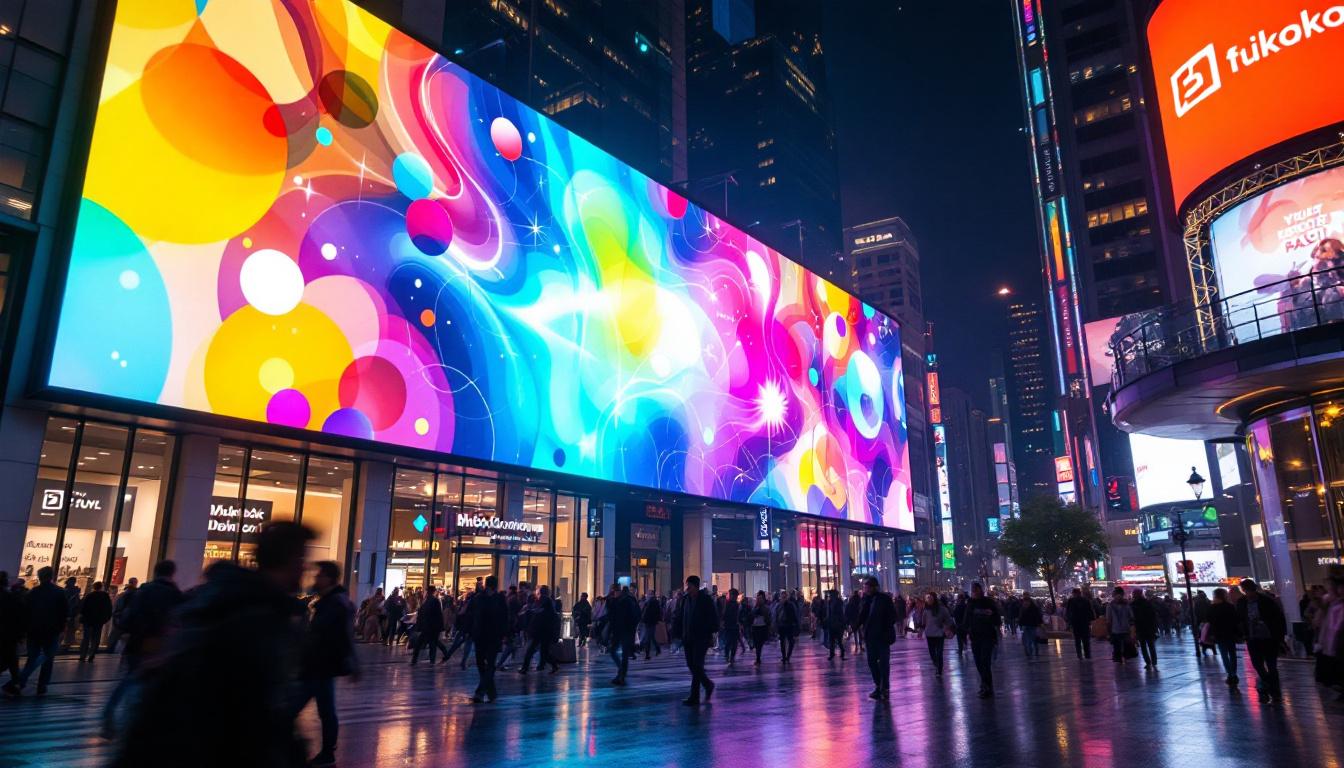
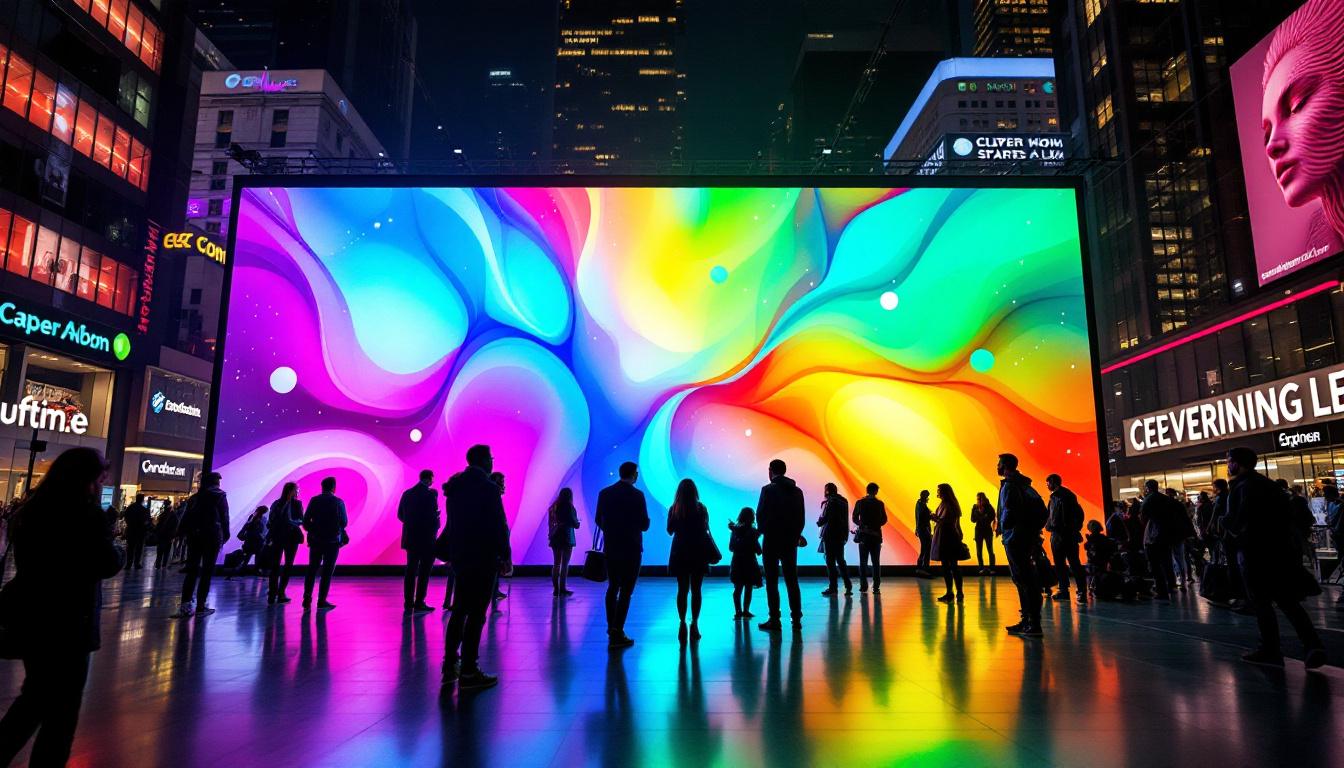
LED displays integrated into street lights are digital screens that can show information such as traffic updates, public announcements, advertisements, or emergency alerts. These displays leverage the existing street light infrastructure to provide dynamic communication without the need for separate installations.
They vary in size from small panels a few inches across to large, billboard-sized screens. The integration of these displays requires careful consideration of the street light’s size and structural capacity.
Common Sizes of LED Displays on Street Lights
The size of LED displays on street lights is often dictated by their intended use and visibility requirements. Smaller displays, typically around 12 to 24 inches diagonally, are used for displaying simple messages or icons visible to pedestrians and cyclists.
Larger displays, ranging from 32 inches up to 55 inches or more, are designed for motorists and can show detailed information such as scrolling text, graphics, or even video content. These larger units require more robust street light fixtures and poles to support their weight and power needs.
Factors Influencing the Size of LED Street Lights and Displays
Lighting Requirements and Coverage Area
The primary function of street lights is to provide adequate illumination for safety and visibility. The size of the light fixture, including the LED module, is directly related to the amount of light output needed.
For instance, a wide arterial road requires a higher lumen output and thus larger or multiple LED arrays, which increases the fixture size. In contrast, a narrow residential street may only require a smaller fixture with fewer LEDs.
Structural and Environmental Considerations
Street lights must withstand environmental factors such as wind, rain, and temperature fluctuations. Larger fixtures and LED displays increase wind load, necessitating stronger poles and mounting hardware.
Additionally, in areas prone to vandalism or accidents, smaller, more compact fixtures may be preferred to minimize damage and repair costs. The placement height also influences size choices, as taller poles can accommodate larger fixtures without obstructing views or pedestrian pathways.
Power and Heat Dissipation
LED technology is energy-efficient but still generates heat that must be managed to maintain performance and longevity. Larger LED arrays or displays produce more heat, requiring heat sinks or cooling systems integrated into the fixture design.
This need for thermal management often increases the size and weight of the street light fixture. Designers must balance LED brightness and display size with effective heat dissipation to ensure reliability.
Integration of Smart Technology
Modern street lights increasingly incorporate smart sensors, cameras, and communication modules. These components add to the size and complexity of the fixture.
For example, a street light with an integrated LED display, motion sensors, and environmental monitors will be larger than a simple lighting fixture. The size must accommodate all components while maintaining aesthetic appeal and functionality.
Design Considerations for LED Street Light Displays
Visibility and Readability
The size of the LED display must ensure that the content is clearly visible and readable from the intended viewing distance. Factors such as pixel pitch, brightness, and contrast ratio influence how large the display needs to be.
For example, a display intended for drivers traveling at 40 mph should be larger with higher brightness than one meant for pedestrians. Optimal size ensures messages are conveyed effectively without causing distraction or confusion.
Energy Efficiency and Cost Implications
Larger LED displays consume more power and may increase operational costs. Municipalities must weigh the benefits of larger, more visible displays against energy budgets and maintenance expenses.
Advances in LED technology have improved energy efficiency, allowing for larger displays with lower power consumption than in the past. However, size remains a key factor in cost planning.
Aesthetic and Urban Integration
Street lights are part of the urban landscape and should complement the surrounding architecture and environment. Oversized fixtures or displays can detract from historic districts or residential neighborhoods.
Designers often work with city planners to select sizes and styles that blend functionality with visual harmony, preserving the character of the area while enhancing safety and communication.
Case Studies: Size and LED Display Implementation in Cities
New York City’s Adaptive Street Lighting
New York City has implemented LED street lights with integrated displays in select neighborhoods to provide real-time transit updates and public safety messages. These displays are typically 24 to 32 inches in size, mounted on 30-foot poles.
The city balances visibility with minimal intrusion, opting for mid-sized displays that deliver clear information without overwhelming the streetscape. This approach has improved communication during emergencies and enhanced pedestrian awareness.
Singapore’s Smart Lighting Network
Singapore’s smart city initiatives include street lights equipped with large LED displays up to 55 inches, used for advertising and public announcements. These are installed on major thoroughfares with poles 40 feet or higher.
The displays are designed with high brightness and wide viewing angles to accommodate heavy traffic and diverse audiences. The size and technology integration reflect Singapore’s focus on innovation and urban efficiency.
Amsterdam’s Historic District Approach
In Amsterdam’s historic districts, street lights maintain a traditional appearance with smaller LED fixtures and minimal or no displays. Where LED displays are used, they are compact (under 18 inches) and discreetly integrated to preserve the area’s aesthetic.
This strategy highlights how size considerations extend beyond technical needs to cultural and heritage preservation.
Future Trends in Street Light Size and LED Displays
Miniaturization and Modular Designs
Advances in LED and electronic component miniaturization are enabling smaller, more modular street light designs. This allows for easier upgrades and customization of displays without replacing entire fixtures.
Modular designs also facilitate maintenance and reduce downtime, making them attractive for cities aiming to modernize infrastructure cost-effectively.
Dynamic Size Adjustments and Flexible Displays
Emerging technologies such as flexible OLED displays and adaptive lighting systems may allow street lights to adjust display size or shape based on context. For example, a display could expand during peak hours for more information and contract when less communication is needed.
This flexibility could revolutionize how cities use street light infrastructure for communication and safety.
Integration with Smart City Ecosystems
As cities become smarter, street lights will serve as multifunctional hubs, combining lighting, communication, environmental sensing, and public information. Size considerations will evolve to accommodate these diverse roles while maintaining efficiency and aesthetics.
Future street lights might feature scalable LED displays that adapt to various functions, requiring innovative design approaches to balance size, power, and usability.
Conclusion
The size of street lights, particularly those incorporating LED displays, is a critical factor that influences functionality, safety, energy consumption, and urban aesthetics. Understanding the interplay between lighting requirements, structural considerations, and technological integration is essential for effective street lighting design.
As LED technology advances and cities embrace smart infrastructure, the size and capabilities of street lights will continue to evolve. Thoughtful planning and design will ensure that street lighting not only illuminates public spaces but also enhances communication and urban experience.
For municipalities and designers, staying informed about current trends and best practices in street light sizing and LED display integration is key to creating safer, more efficient, and visually appealing urban environments.
Illuminate Your City with LumenMatrix LED Displays
As you consider the future of street lighting and communication in your urban environment, LumenMatrix stands ready to illuminate the path forward. Our comprehensive range of LED display solutions, from vibrant outdoor displays to innovative transparent screens, is designed to integrate seamlessly with street lights, enhancing safety, aesthetics, and public engagement. Embrace the revolution in visual communication with LumenMatrix’s advanced LED technology. Check out LumenMatrix LED Display Solutions today and take the first step towards a brighter, more connected cityscape.