In the rapidly evolving world of display technologies, flexible LED screens are emerging as a groundbreaking innovation. These displays combine the vibrant, high-contrast visuals of traditional LED screens with the adaptability of flexible materials, opening new horizons for advertising, consumer electronics, and even wearable devices. This article delves into the fundamentals of flexible LED displays, their technology, applications, advantages, and future prospects.
Understanding Flexible LED Display Technology
What Is a Flexible LED Display?
Flexible LED displays are screens made from light-emitting diodes (LEDs) mounted on bendable substrates, allowing the screen to curve, fold, or roll without damaging the display. Unlike conventional rigid LED panels, these flexible versions can adapt to various shapes and surfaces, making them ideal for innovative design applications.
The core technology involves organic or inorganic LEDs arranged on a flexible base such as plastic, thin glass, or metal foil. This construction enables the display to maintain brightness and clarity even when bent or twisted, a feature that traditional LED screens cannot offer. The versatility of flexible LED displays has led to their integration into a variety of environments, from retail spaces that require eye-catching signage to automotive applications where screens can be seamlessly integrated into vehicle designs.
Moreover, the lightweight nature of flexible LED displays allows for easier installation and transportation, making them a popular choice for events and exhibitions. Their ability to be shaped into intricate designs opens up new avenues for creativity in advertising, art installations, and architectural features, pushing the boundaries of how visual information can be presented.
How Do Flexible LED Displays Work?
At the heart of flexible LED displays are tiny semiconductor devices that emit light when an electric current passes through them. These LEDs are typically mounted on flexible printed circuit boards (FPCBs), which use materials like polyimide or polyethylene terephthalate (PET) to provide durability and flexibility.
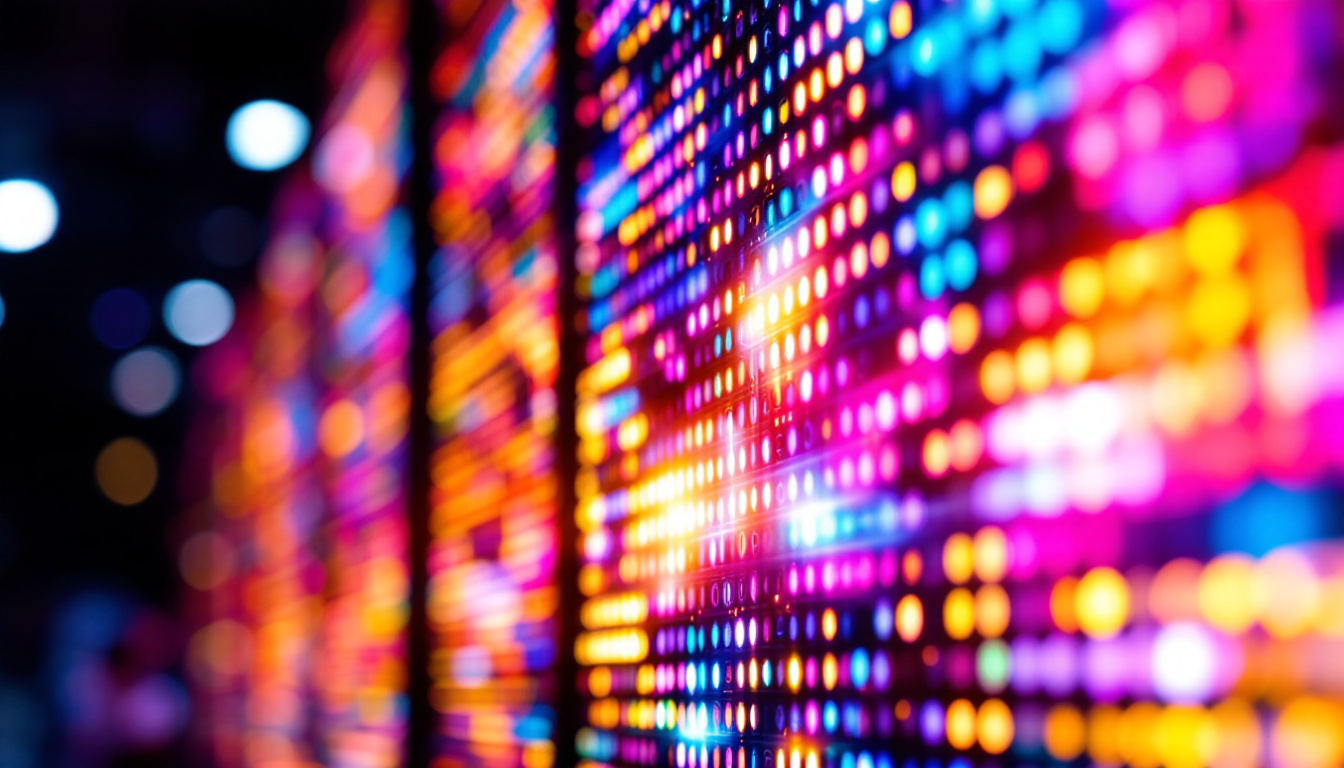
The display is composed of many individual pixels, each containing red, green, and blue LEDs. By adjusting the intensity of these LEDs, the screen can produce millions of colors. The flexible substrate allows the entire panel to bend without breaking the electrical connections or compromising image quality. This technology is particularly advantageous in applications where traditional screens would be impractical, such as in wearable devices or curved digital signage that conforms to architectural features.
Advancements in micro-LED and mini-LED technologies have further enhanced the resolution, brightness, and energy efficiency of flexible displays, making them suitable for a wide range of applications. These innovations not only improve visual performance but also contribute to lower power consumption, which is increasingly important in our energy-conscious world. As manufacturers continue to refine these technologies, we can expect to see even more dynamic and immersive displays that can transform how we interact with digital content in everyday life.
Key Advantages of Flexible LED Displays
Design Versatility and Aesthetic Appeal
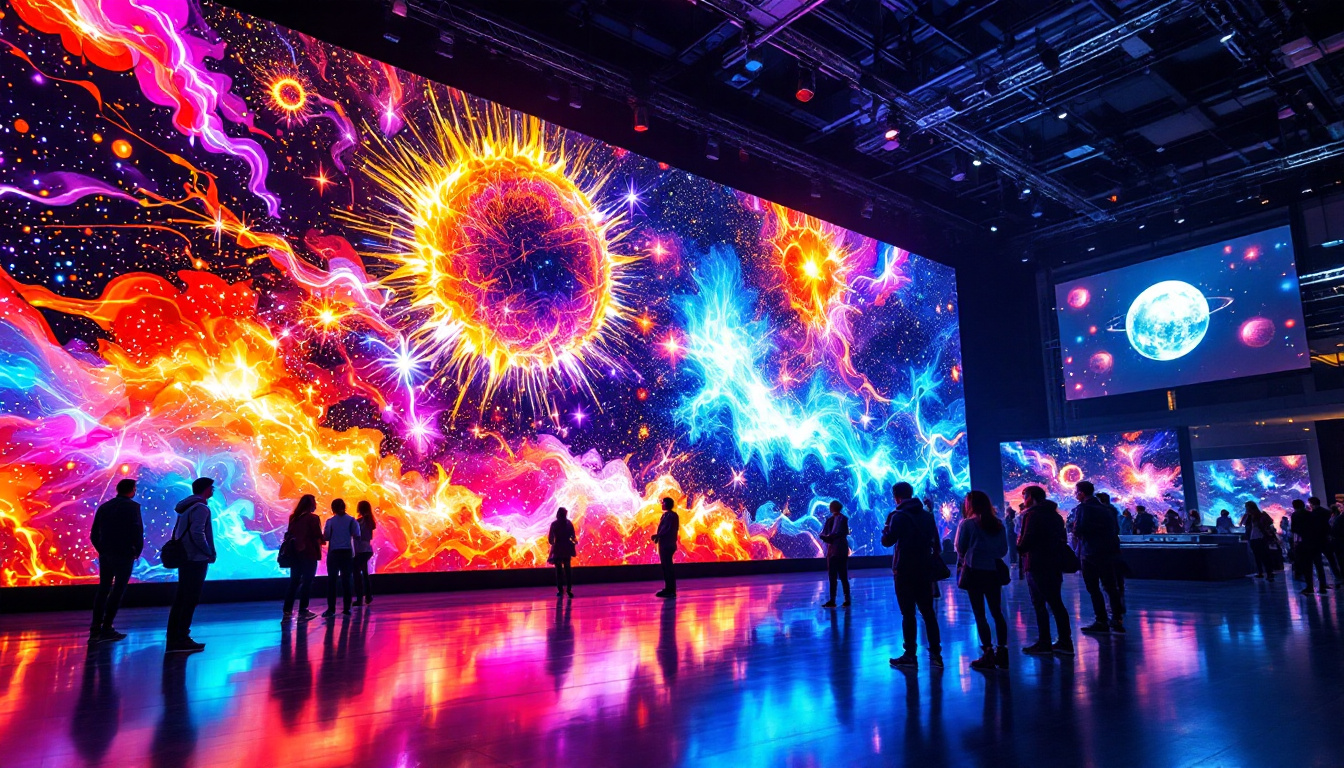
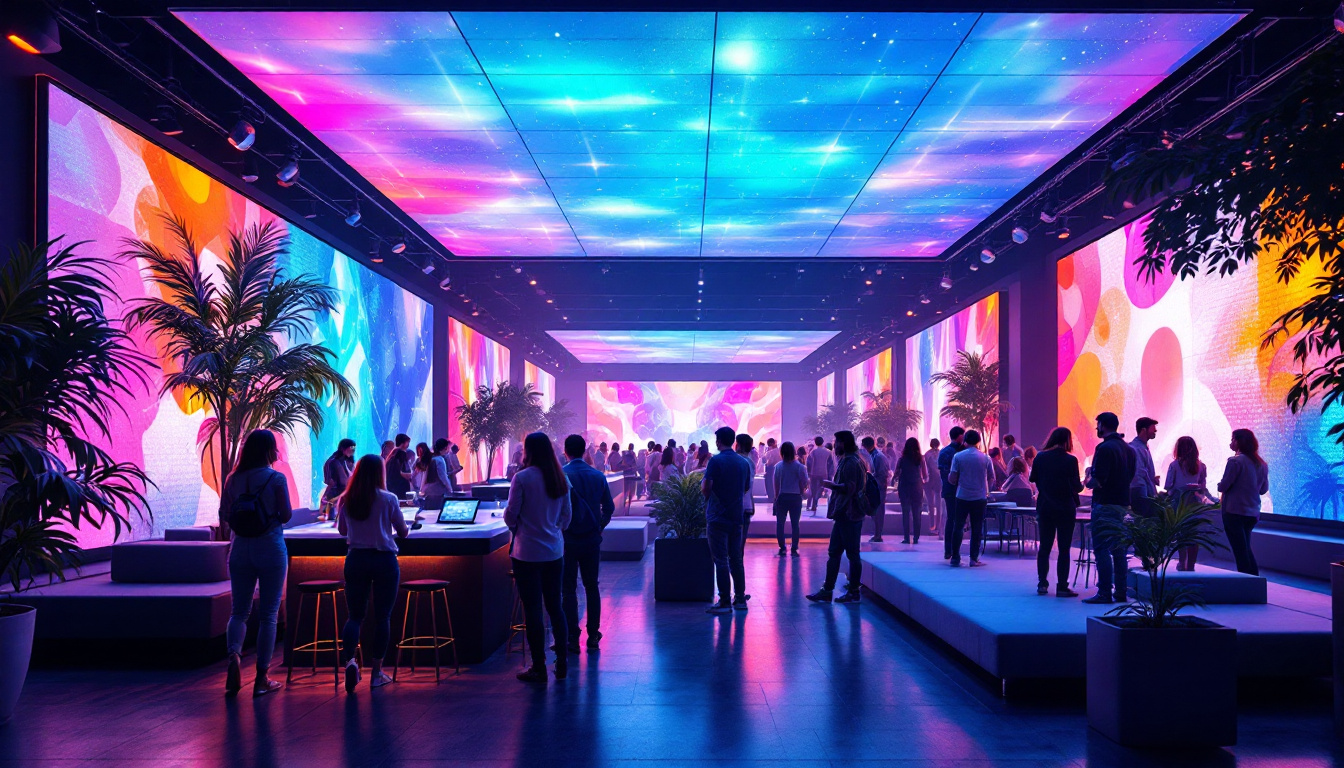
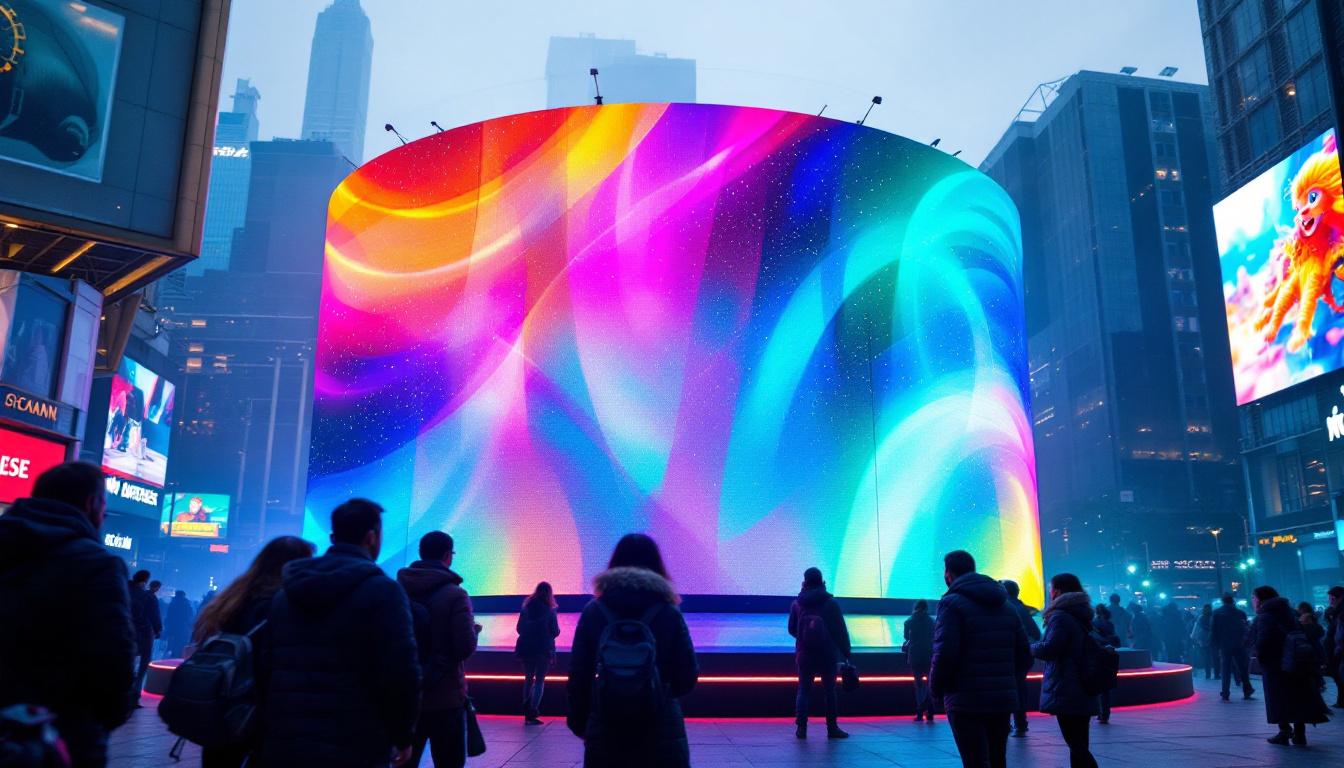
One of the most significant benefits of flexible LED displays is their ability to conform to unconventional shapes. This flexibility enables designers to create curved, cylindrical, or even spherical screens, transforming how visual content is presented. For example, retail stores use flexible LED wraps around columns or curved walls to create immersive advertising experiences that capture consumer attention.
This adaptability also allows for seamless integration into environments where traditional flat screens would be impractical, such as automotive interiors, architectural facades, or wearable technology. The ability to create unique visual experiences can enhance brand identity, as businesses can utilize these displays to tell their stories in innovative ways. For instance, museums and exhibitions can design interactive installations that wrap around visitors, providing a captivating narrative that engages the audience on multiple sensory levels. This not only elevates the aesthetic appeal but also fosters a deeper connection between the viewer and the content.
Durability and Lightweight Construction
Flexible LED screens are typically lighter and more resilient than rigid panels. Their bendable substrates can absorb impacts and resist cracking, which is particularly advantageous for portable devices or outdoor installations exposed to harsh conditions.
Additionally, many flexible LED displays incorporate waterproof and dustproof features, increasing their lifespan and reliability in diverse environments. This durability is essential for applications in outdoor advertising, where displays face the elements daily. Furthermore, the lightweight nature of these screens allows for easier installation and transportation, making them ideal for events, concerts, and trade shows where quick setup and teardown are necessary. The innovation in materials used in flexible LED technology also means that they can be produced in various thicknesses, allowing for ultra-thin designs that enhance modern aesthetics without compromising on performance.
Energy Efficiency and Brightness
LED technology is inherently energy-efficient compared to older display types like LCDs or plasma screens. Flexible LED displays continue this trend by using less power while delivering high brightness levels. This makes them suitable for both indoor and outdoor use, where visibility under direct sunlight is crucial.
Moreover, the ability to control individual pixels precisely allows for dynamic brightness adjustments, further optimizing energy consumption. This not only contributes to lower operational costs but also aligns with sustainability goals, as businesses increasingly seek eco-friendly solutions. The integration of smart technology in flexible LED displays enables features such as automatic brightness adjustment based on ambient light, ensuring optimal viewing conditions while minimizing energy waste. As a result, these displays not only enhance visual communication but also support a greener approach to technology deployment, appealing to environmentally conscious consumers and businesses alike.
Applications of Flexible LED Displays
Advertising and Digital Signage
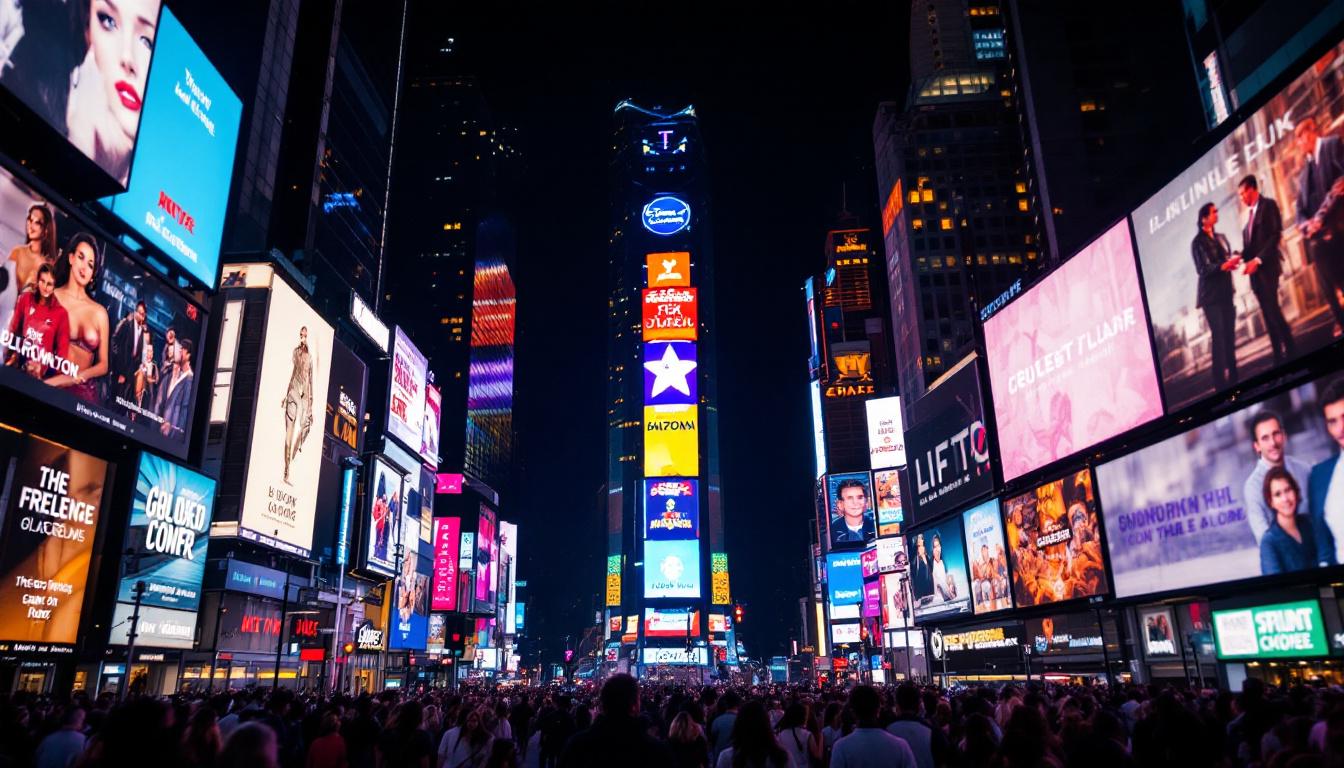
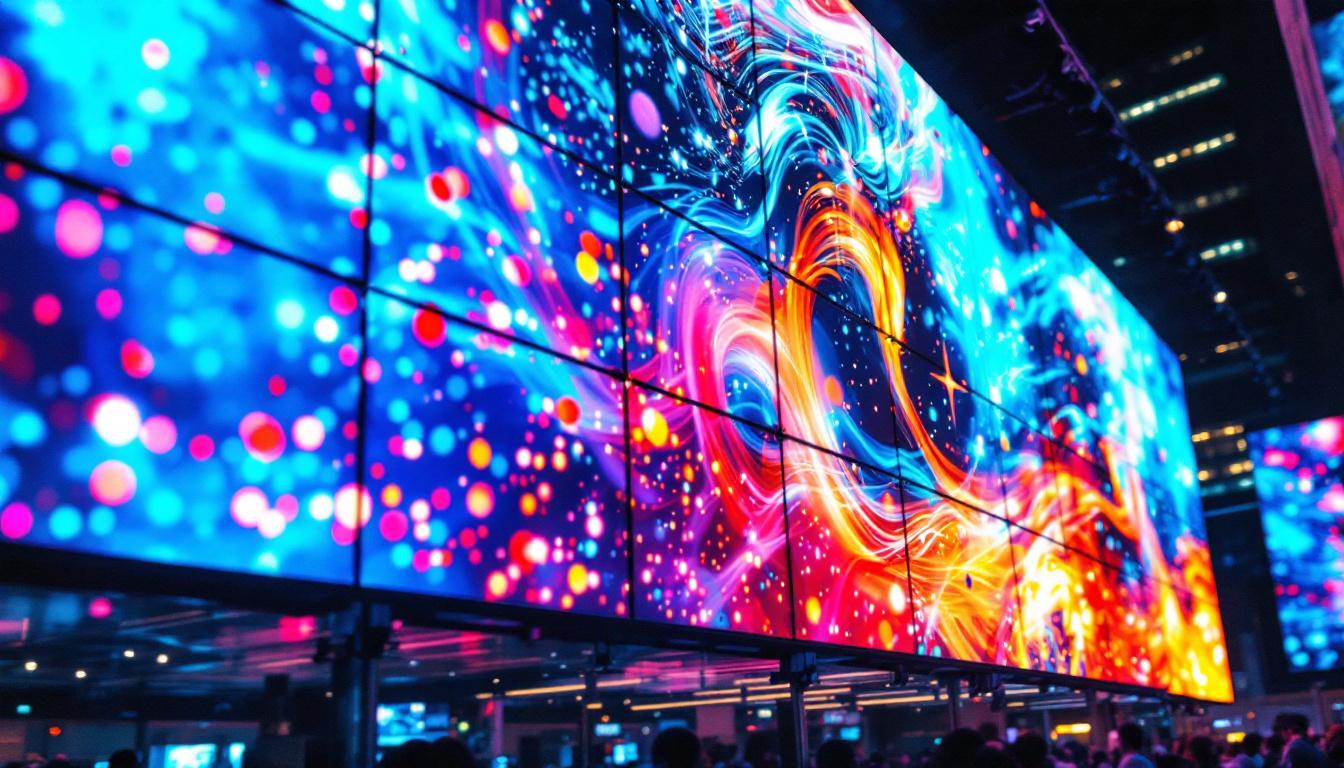
Flexible LED displays have revolutionized the advertising industry. Their ability to wrap around surfaces and fit unusual spaces enables brands to create eye-catching digital signage that stands out in crowded urban environments. For instance, Times Square in New York and Shibuya Crossing in Tokyo feature curved LED installations that attract millions of viewers daily.
Moreover, the lightweight and modular nature of these displays simplifies installation and maintenance, reducing operational costs for advertisers.
Consumer Electronics and Wearables
The consumer electronics sector has embraced flexible LED technology for devices such as foldable smartphones, smartwatches, and fitness bands. These products benefit from the compactness and durability of flexible displays, offering users enhanced portability and novel form factors.
For example, foldable smartphones with flexible OLED or micro-LED screens provide larger display areas without increasing device size, improving user experience in gaming, multimedia, and productivity.
Automotive and Transportation
Flexible LED displays are increasingly integrated into automotive interiors and exteriors. Curved dashboards, heads-up displays (HUDs), and customizable ambient lighting systems use flexible screens to enhance driver information delivery and passenger entertainment.
Exterior applications include dynamic advertising on buses or taxis and adaptive lighting systems that improve safety and aesthetics.
Healthcare and Wearable Medical Devices
In healthcare, flexible LED displays contribute to wearable medical devices that monitor vital signs and provide real-time feedback. Their lightweight and conformable nature allows for comfortable, continuous wear, essential for patient compliance and accurate data collection.
Flexible displays also enable the development of advanced prosthetics and rehabilitation devices with integrated visual feedback systems.
Challenges and Limitations
Manufacturing Complexity and Cost
Producing flexible LED displays involves sophisticated manufacturing processes that require precision and specialized materials. This complexity often results in higher production costs compared to traditional rigid displays.
However, as the technology matures and economies of scale improve, prices are expected to decrease, making flexible LED displays more accessible to a broader market.
Durability Concerns Over Time
Although flexible displays are designed to withstand bending, repeated stress can eventually lead to material fatigue or pixel degradation. Ensuring long-term durability remains a key focus for manufacturers, particularly for devices subjected to constant flexing, such as foldable smartphones.
Resolution and Size Constraints
While flexible LED displays have made significant strides in resolution, achieving ultra-high-definition quality on large flexible panels remains challenging. Balancing pixel density with flexibility requires ongoing innovation in LED miniaturization and substrate materials.
The Future of Flexible LED Displays
Emerging Technologies: Micro-LED and Quantum Dots
Micro-LED technology, which uses microscopic LEDs as individual pixels, promises to enhance flexible displays with higher brightness, better color accuracy, and improved energy efficiency. When combined with quantum dot materials, these displays can achieve wider color gamuts and superior visual performance.
Research in these areas is rapidly advancing, with prototypes already demonstrating the potential for foldable TVs, rollable monitors, and next-generation wearable devices.
Integration with IoT and Smart Environments
Flexible LED displays are poised to play a critical role in the Internet of Things (IoT) ecosystem. Their ability to conform to various surfaces enables seamless integration into smart homes, offices, and public spaces, providing dynamic information displays and interactive interfaces.
For example, flexible LED wallpaper or furniture embedded with displays could transform living spaces, offering customizable aesthetics and real-time data visualization.
Sustainability and Eco-Friendly Innovations
As environmental concerns grow, the development of sustainable flexible LED displays is gaining momentum. Innovations include using recyclable materials, reducing hazardous substances in manufacturing, and improving energy efficiency.
These efforts aim to minimize the ecological footprint of flexible display production and disposal, aligning with global sustainability goals.
Conclusion
Flexible LED displays represent a significant leap forward in display technology, merging high-quality visuals with unprecedented design freedom. Their versatility spans numerous industries, from advertising and consumer electronics to healthcare and automotive applications. While challenges such as manufacturing costs and durability remain, ongoing advancements in micro-LED technology and materials science are paving the way for more affordable, durable, and high-resolution flexible screens.
As these displays become more integrated into everyday life, they will redefine how information and entertainment are delivered, offering immersive and adaptable experiences that were once unimaginable. For businesses and consumers alike, understanding the capabilities and potential of flexible LED displays is essential to harnessing their transformative power in the years ahead.
Discover the Future of LED Displays with LumenMatrix
Ready to experience the next generation of visual storytelling? LumenMatrix is at the forefront of the LED display revolution, offering a wide array of innovative solutions that bring your brand to life. From Indoor and Outdoor LED Walls to dynamic Vehicle and Sports Displays, our technology is designed to captivate and engage. Explore our cutting-edge LED Poster, Floor, Custom, All-in-One, and Transparent Displays, each crafted to deliver unparalleled clarity and impact. Embrace the transformative power of flexible LED displays and check out LumenMatrix LED Display Solutions today to elevate your visual communication to new heights.