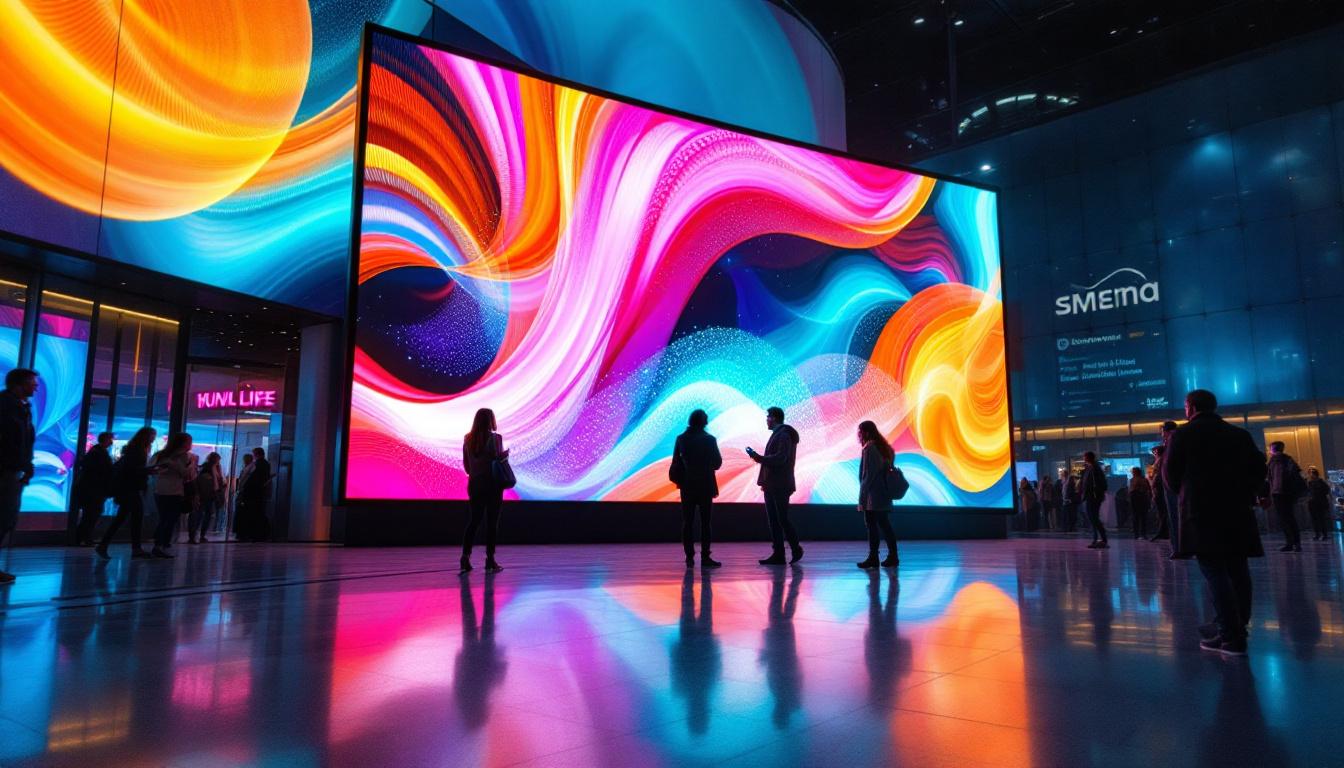
In an era where visual communication dominates, mobile digital displays have become an essential tool for businesses, event organizers, and advertisers. Among the various technologies available, LED displays stand out for their brightness, versatility, and energy efficiency. This article delves into the world of mobile LED displays, explaining their technology, benefits, applications, and future trends.
Understanding Mobile LED Displays
What Is a Mobile LED Display?
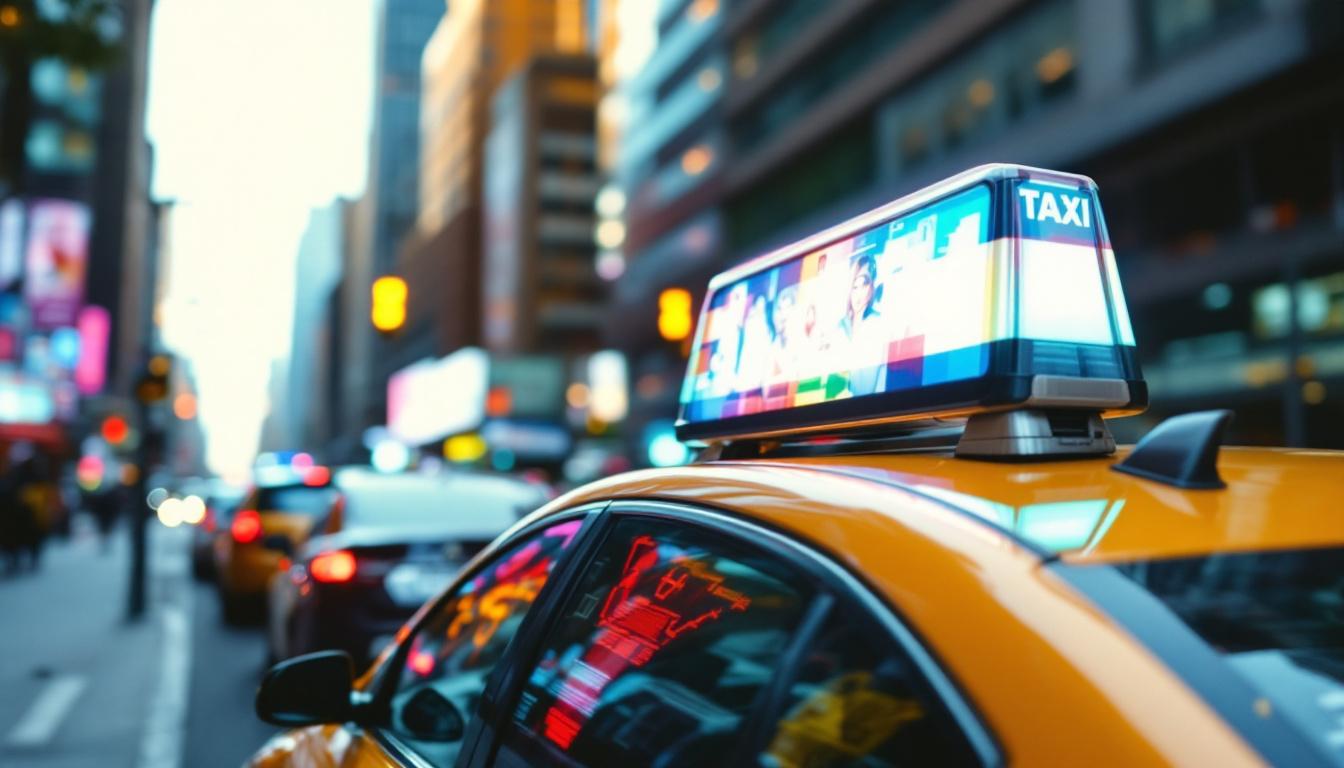
A mobile LED display is a digital screen that uses light-emitting diodes (LEDs) to present images, videos, and text, mounted on a portable platform such as a trailer or vehicle. Unlike fixed LED billboards, these displays can be transported to different locations, making them ideal for temporary advertising, live events, and public information dissemination.
The mobility factor allows businesses and organizations to reach diverse audiences in various environments, from urban centers to remote outdoor venues. These displays typically range from small, compact units to large-scale screens capable of showing high-resolution content. With the ability to set up quickly and operate in a variety of weather conditions, mobile LED displays are increasingly popular for festivals, concerts, sporting events, and promotional campaigns. Their versatility also extends to emergency services, where they can be used to relay critical information during natural disasters or public safety announcements.
How Do LED Displays Work?
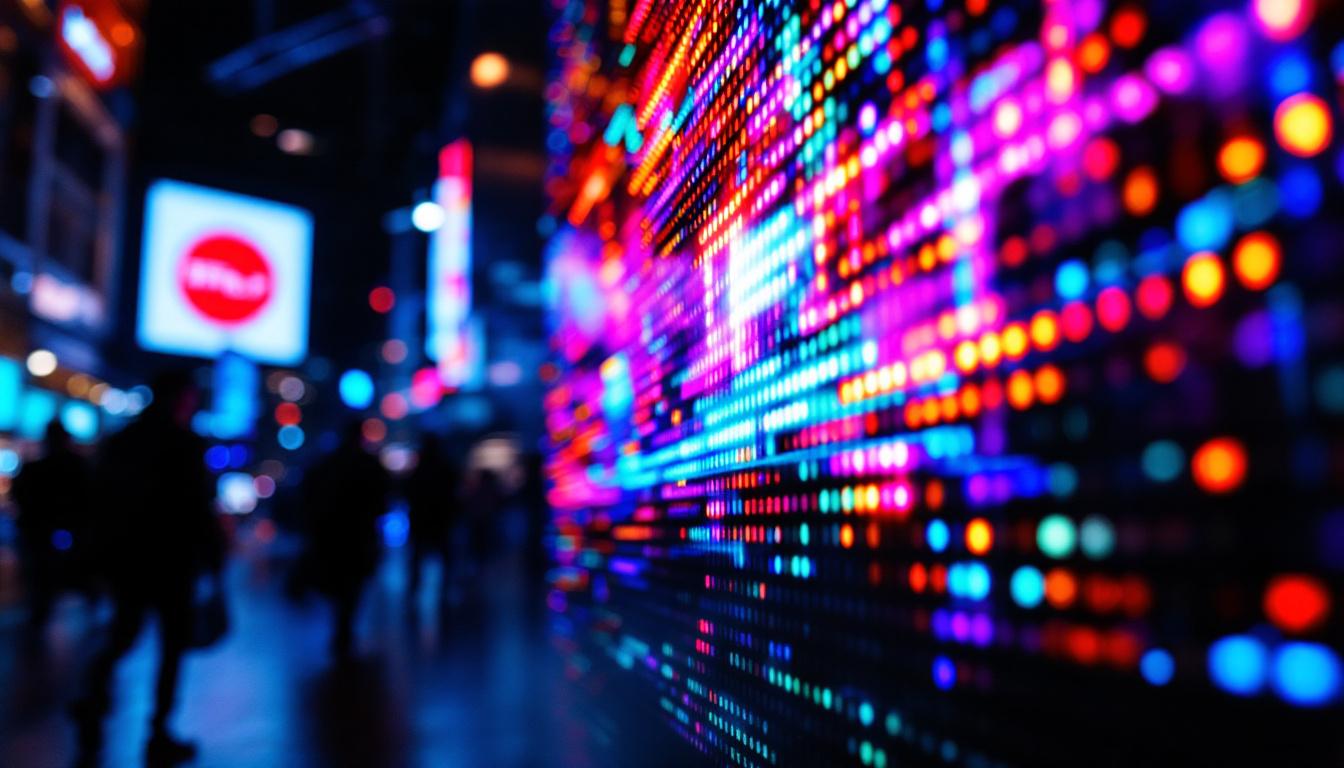
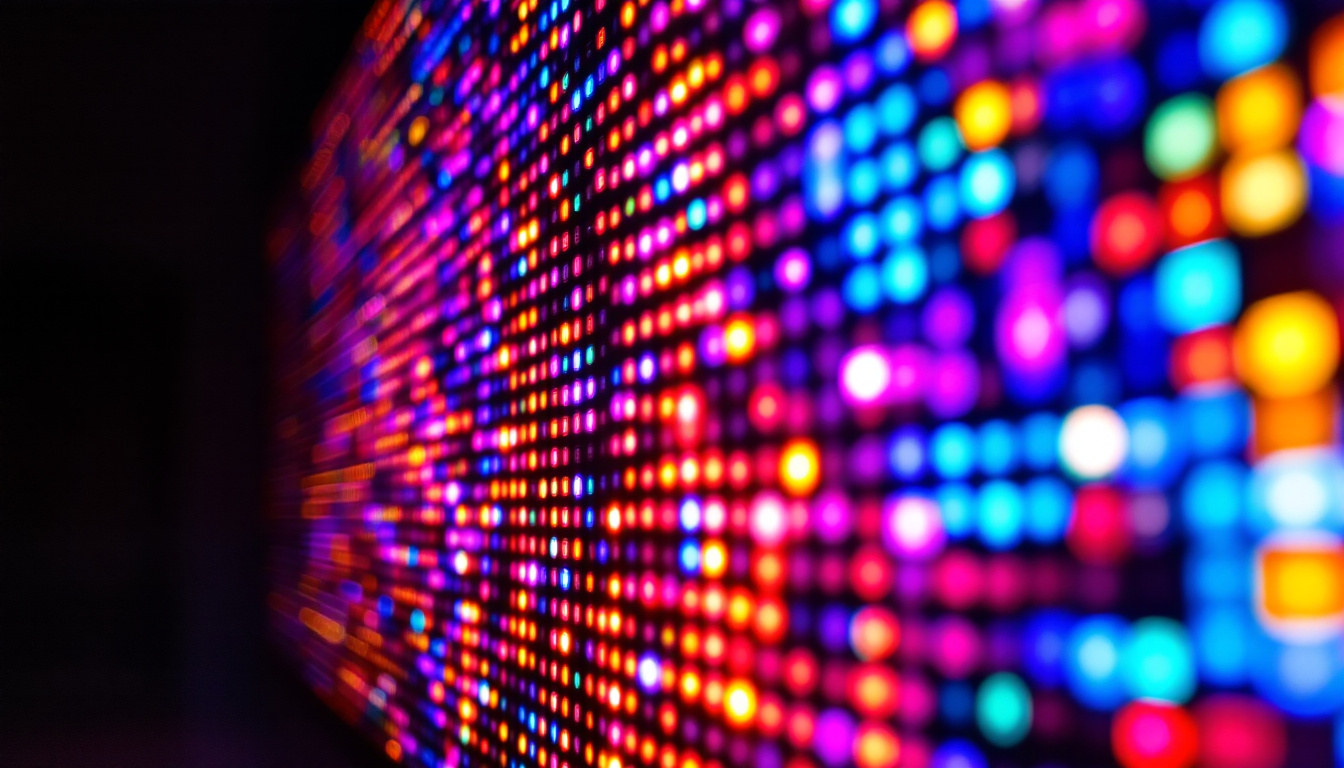
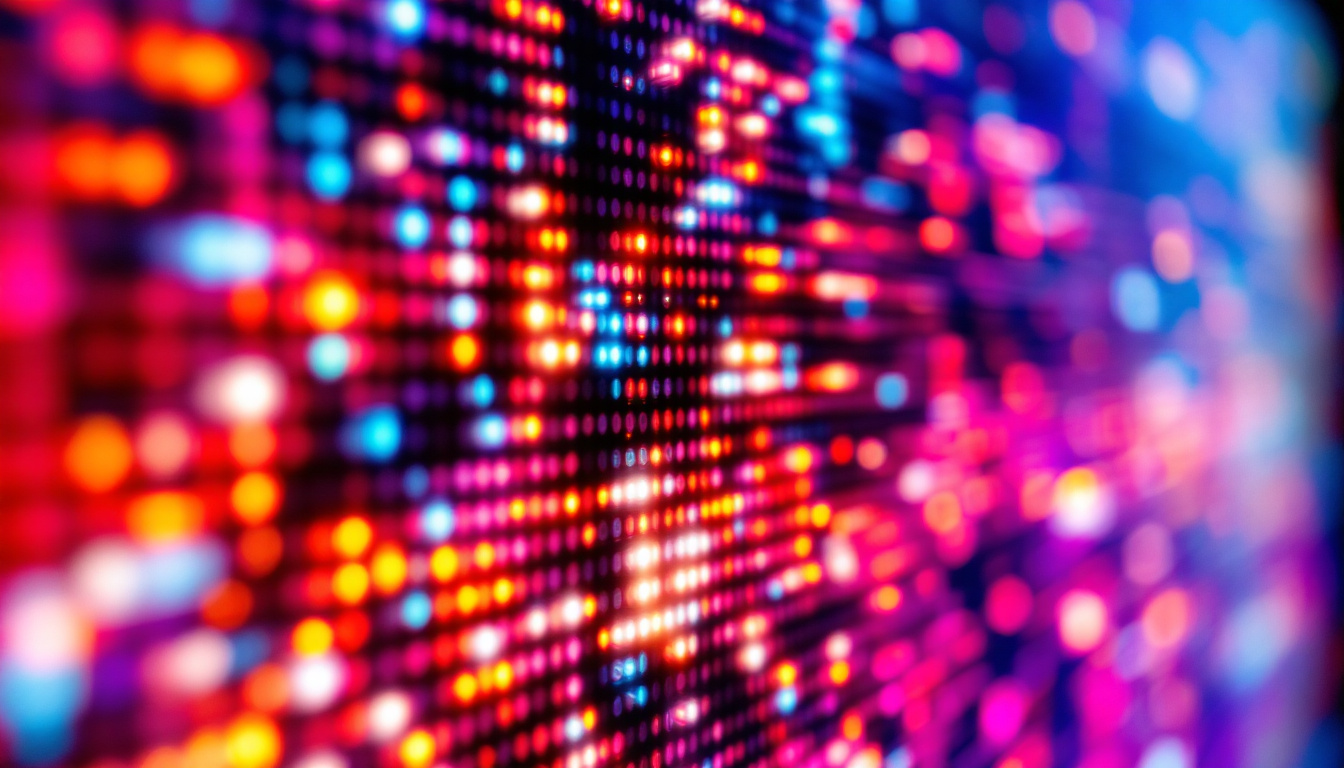
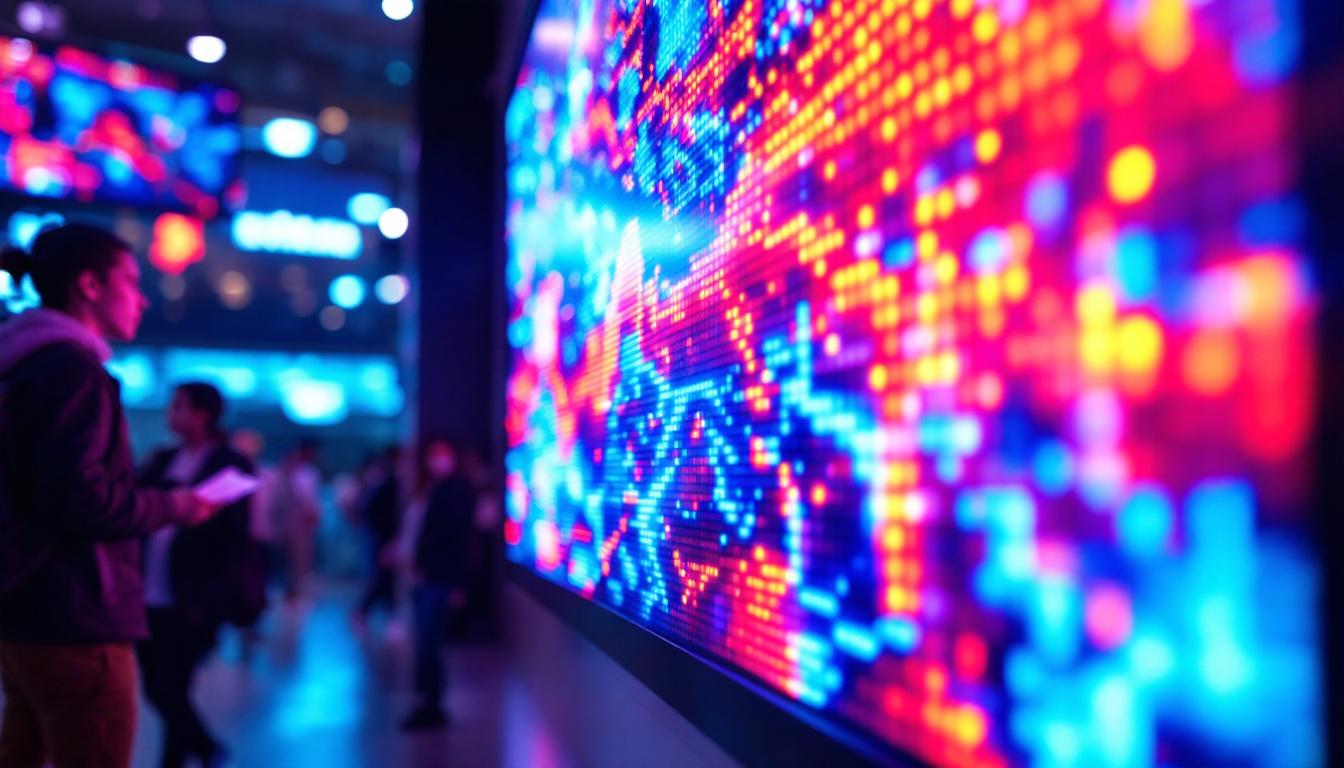
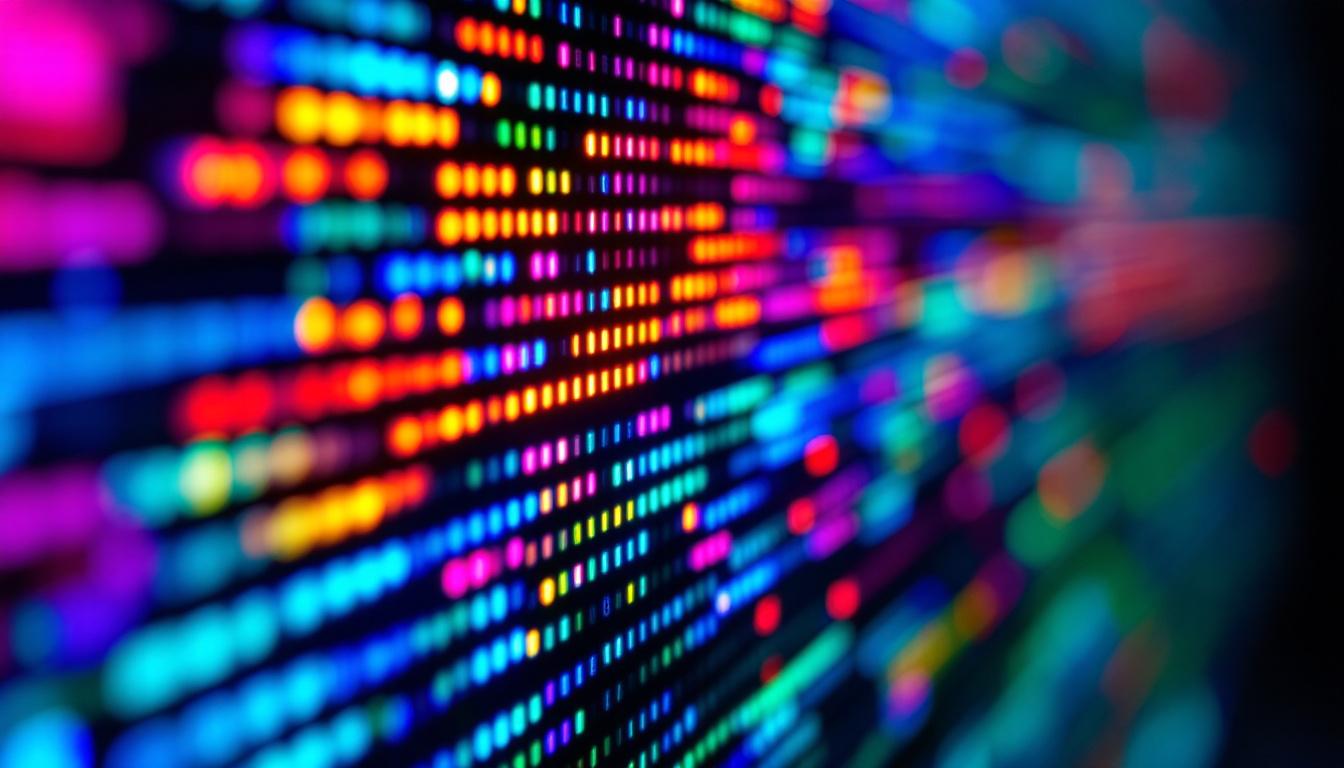
LED displays consist of thousands of tiny LEDs arranged in a grid. Each LED can emit red, green, or blue light, and by combining these colors at different intensities, the display produces a full spectrum of colors. This RGB (red, green, blue) system enables vibrant, dynamic visuals that are easily visible even in bright daylight.
The display’s resolution depends on the pixel pitch — the distance between the centers of adjacent LEDs. A smaller pixel pitch means higher resolution and sharper images, which is crucial for close-up viewing. Mobile LED displays balance resolution and size to optimize visibility from various distances. Additionally, many modern mobile LED displays incorporate advanced technologies such as automatic brightness adjustment, ensuring that the content remains clear and eye-catching regardless of the surrounding light conditions. This adaptability is particularly beneficial for outdoor events, where lighting can change dramatically from day to night. Furthermore, the integration of wireless connectivity allows for real-time content updates, enabling advertisers and event organizers to engage audiences with timely and relevant information seamlessly.
Advantages of Mobile LED Displays
Brightness and Visibility
One of the most significant advantages of LED technology is its superior brightness. Mobile LED displays can achieve brightness levels exceeding 5,000 nits, making them easily readable under direct sunlight. This feature is particularly important for outdoor advertising and event signage, where ambient light conditions can vary greatly.
Furthermore, LEDs have excellent contrast ratios, enabling clear and crisp images that capture attention effectively. This ensures messages are conveyed clearly, enhancing engagement and recall. The vibrant colors produced by LED displays also play a crucial role in attracting viewers, as they can create visually stunning advertisements that stand out in crowded environments. As a result, brands can maximize their visibility and impact, ensuring that their messages resonate with audiences in a way that traditional displays often cannot.
Energy Efficiency and Durability
Compared to traditional display technologies such as LCD or plasma, LEDs consume significantly less power, reducing operational costs and environmental impact. This energy efficiency is vital for mobile displays that may rely on battery power or generators during transportation and deployment.
Additionally, LED displays are known for their durability. They are resistant to shocks, vibrations, and weather conditions, including rain and extreme temperatures. This robustness ensures reliable performance in diverse settings, from bustling city streets to outdoor festivals. The long lifespan of LED technology also means that maintenance costs are lower over time, allowing businesses to invest more in creative content rather than frequent repairs or replacements. This combination of low energy consumption and high durability makes mobile LED displays a smart choice for both short-term events and long-term installations.
Flexibility and Customization
Mobile LED displays offer remarkable flexibility in terms of size, shape, and content. They can be configured into various dimensions to suit specific needs, whether for a small promotional stand or a large concert backdrop. Content can be updated in real-time via wireless connections, allowing for dynamic messaging and interactive campaigns.
This adaptability makes mobile LED displays a powerful marketing tool, capable of targeting different demographics and adjusting to changing event requirements seamlessly. For instance, event organizers can use the same display for various purposes throughout the day, switching from advertisements to live feeds or social media interactions. This capability not only enhances audience engagement but also allows for creative storytelling that can evolve in real-time, creating a more immersive experience for viewers. Moreover, the ability to integrate with other technologies, such as augmented reality, opens up even more possibilities for innovative marketing strategies, ensuring that brands remain at the forefront of consumer attention.
Common Applications of Mobile LED Displays
Advertising and Marketing Campaigns
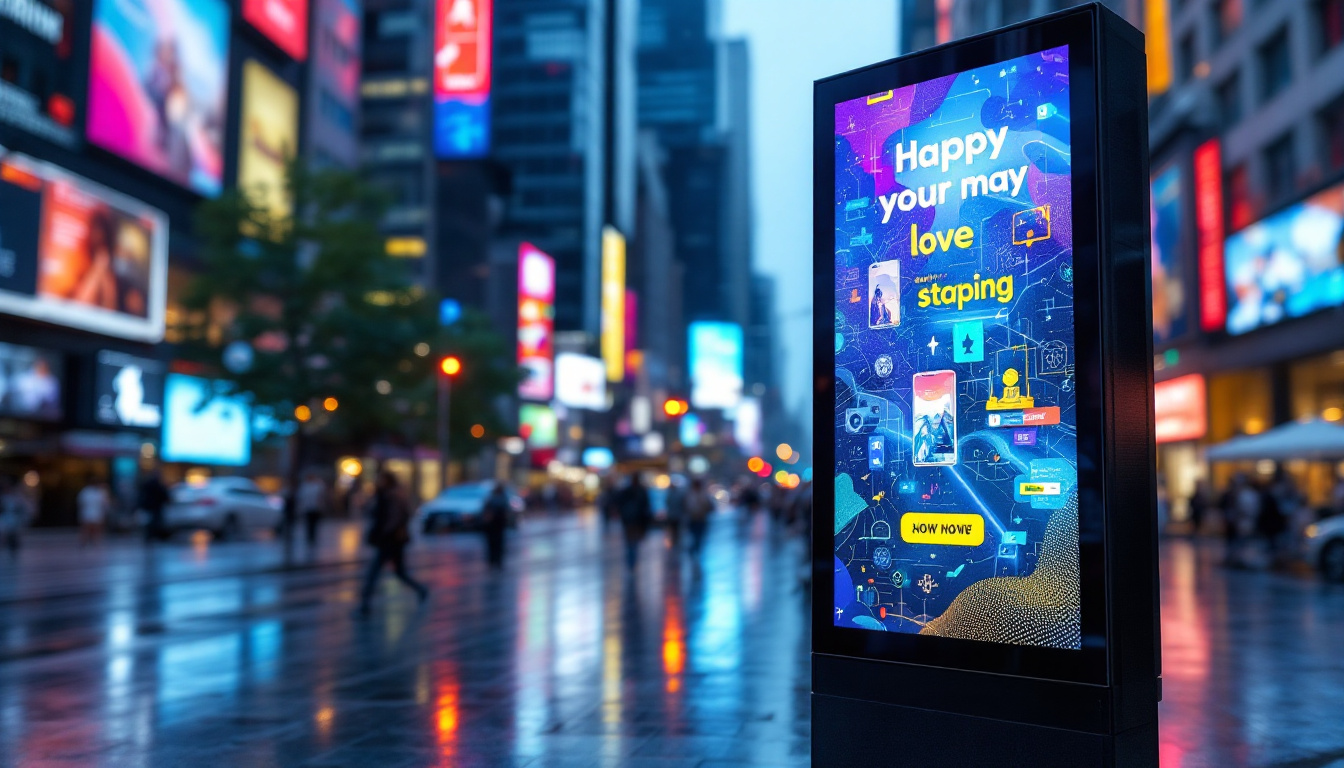
Mobile LED displays have revolutionized outdoor advertising by enabling brands to reach audiences in high-traffic areas without the need for permanent installations. Companies can deploy these displays at trade shows, sporting events, or city centers to showcase products, promotions, or brand messages.
For example, during major events like music festivals or sports tournaments, mobile LED displays provide sponsors with a dynamic platform to engage attendees. The ability to rotate content and tailor messages to specific time slots enhances campaign effectiveness. This flexibility allows brands to adapt their messaging in real-time, responding to audience reactions or even changes in the event schedule, ensuring that they remain relevant and engaging throughout the event.
Additionally, the use of mobile LED displays allows for creative storytelling through visually captivating animations and videos. Brands can create immersive experiences that resonate with their target audience, making their messages more memorable. This innovative approach not only attracts attention but also fosters a deeper emotional connection with potential customers, ultimately driving higher conversion rates.
Public Events and Entertainment
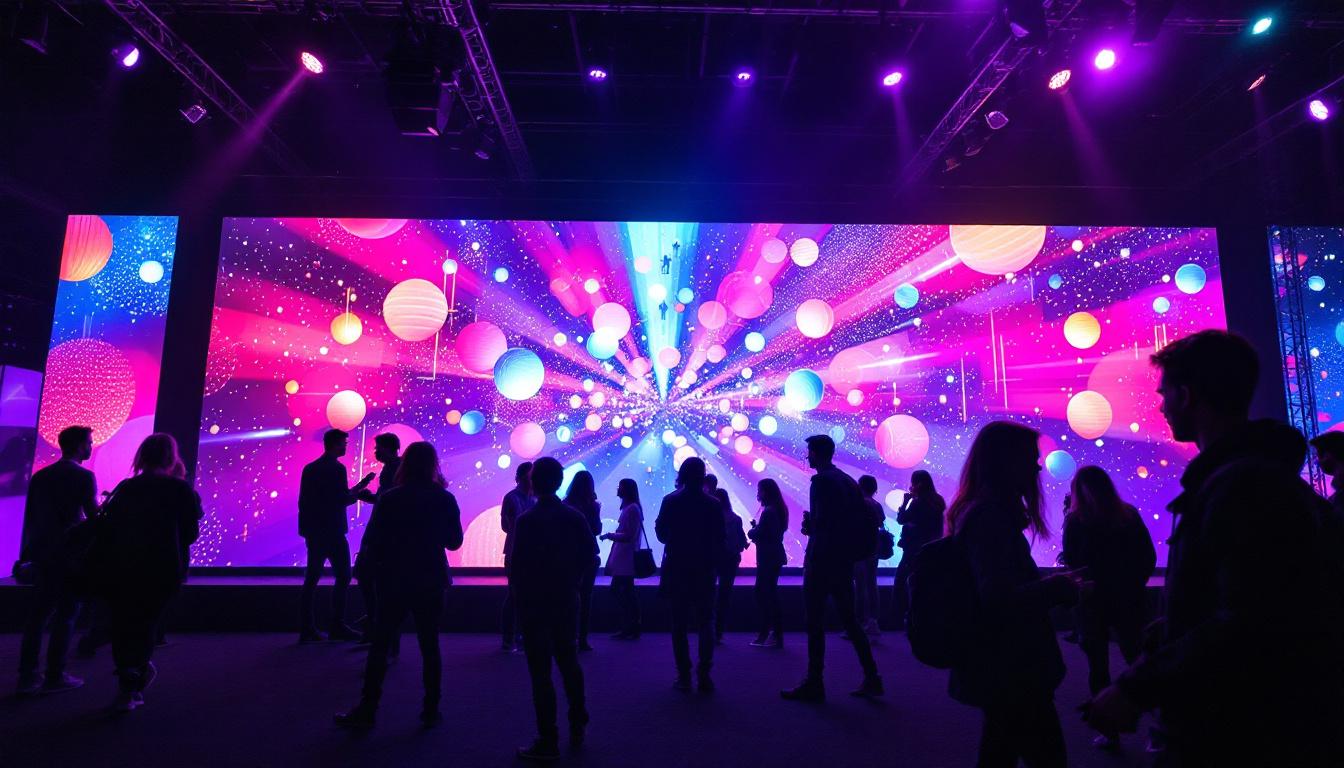
Concerts, festivals, parades, and other public gatherings benefit immensely from mobile LED displays. They serve as stage backdrops, live video screens, or information boards, enhancing the audience experience. High-resolution visuals and bright colors ensure that even attendees far from the stage can enjoy clear views.
Moreover, mobile LED displays facilitate real-time interaction, such as displaying social media feeds, live scores, or emergency announcements, contributing to event safety and engagement. This interactivity can be further enhanced by integrating audience participation features, such as live polls or contests, where attendees can see their contributions displayed on the big screen, fostering a sense of community and excitement.
Furthermore, these displays can be used to highlight sponsors and partners, providing them with valuable exposure while simultaneously enriching the overall event experience. By showcasing artist interviews, behind-the-scenes footage, or even fan-generated content, event organizers can create a more immersive atmosphere that keeps attendees engaged and entertained throughout the duration of the event.
Information and Emergency Communications
Governments and emergency services utilize mobile LED displays for public information dissemination during crises or large-scale events. These displays can broadcast evacuation routes, safety instructions, or updates on traffic conditions, providing critical information quickly and effectively.
The portability of these displays allows rapid deployment in disaster zones, temporary checkpoints, or community gatherings, where traditional signage might be impractical or unavailable. In addition to emergency alerts, these displays can also be used to promote community events, health and safety campaigns, or public service announcements, ensuring that vital information reaches citizens in a timely manner.
Moreover, the integration of advanced technology, such as real-time data feeds and automated messaging systems, enhances the functionality of mobile LED displays. For instance, during severe weather events, these displays can provide live updates on changing conditions, helping to keep the public informed and safe. The ability to communicate effectively during emergencies not only aids in public safety but also strengthens community resilience by ensuring that residents are well-informed and prepared for any situation that may arise.
Technical Considerations When Choosing a Mobile LED Display
Resolution and Pixel Pitch
Choosing the right resolution and pixel pitch is essential for ensuring optimal image quality. For displays intended to be viewed from a distance of 10 meters or more, a pixel pitch of 10mm or greater is usually sufficient. For closer viewing, smaller pixel pitches (4mm to 6mm) provide sharper images.
Understanding the typical viewing distance and environment will guide the selection process, balancing cost and performance effectively.
Brightness and Weather Resistance
Brightness levels should be tailored to the intended use environment. Outdoor displays require higher brightness to overcome sunlight glare, while indoor displays can operate at lower levels, conserving energy.
Weatherproofing ratings, such as IP65 or higher, indicate the display’s resistance to dust and water ingress. This is crucial for mobile units exposed to unpredictable weather conditions during transport and operation.
Connectivity and Control Systems
Modern mobile LED displays often come equipped with wireless connectivity options like Wi-Fi, 4G/5G, or Bluetooth, enabling remote content updates and monitoring. User-friendly control software allows operators to schedule content, adjust brightness, and troubleshoot issues from a distance.
Reliable connectivity ensures smooth operation during live events and reduces the need for on-site technical support, saving time and costs.
Future Trends in Mobile LED Display Technology
Advancements in Flexible and Transparent LEDs
Emerging technologies in flexible and transparent LED panels promise to expand the possibilities of mobile displays. Flexible LEDs can conform to curved surfaces, enabling innovative display shapes and applications, such as wrapping around vehicles or architectural elements.
Transparent LED displays allow viewers to see through the screen while still displaying vibrant images, opening new avenues for retail windows and vehicle advertising without obstructing visibility.
Integration with Augmented Reality and AI
Integration of mobile LED displays with augmented reality (AR) and artificial intelligence (AI) is set to enhance interactivity and personalization. AR can overlay digital content onto physical environments, while AI-driven analytics can optimize content based on audience demographics and engagement patterns.
These technologies will enable more immersive and targeted advertising experiences, increasing the effectiveness of mobile LED campaigns.
Eco-Friendly Innovations
As sustainability becomes a priority, manufacturers are developing LED displays with lower power consumption, recyclable materials, and longer lifespans. Solar-powered mobile LED units are also gaining traction, reducing reliance on fossil fuels during outdoor deployments.
These eco-friendly advancements align with corporate social responsibility goals and appeal to environmentally conscious consumers.
Conclusion
Mobile LED displays represent a dynamic and powerful medium for visual communication, combining high visibility, flexibility, and durability. Their ability to deliver vibrant, real-time content across diverse locations makes them invaluable for advertising, events, and public information.
Understanding the technical aspects and applications of mobile LED displays enables businesses and organizations to leverage this technology effectively. As innovations continue to evolve, mobile LED displays will play an increasingly prominent role in shaping how messages are delivered and experienced in the digital age.
Discover LumenMatrix LED Display Solutions
Ready to elevate your visual communication strategy with cutting-edge technology? Explore LumenMatrix’s comprehensive range of LED display solutions, designed to captivate your audience and amplify your message. From vibrant Indoor and Outdoor LED Wall Displays to innovative Vehicle LED Displays and beyond, LumenMatrix offers tailored options to fit any scenario. Experience the future of digital signage with our LED Sports Displays, Floor LED Displays, and the transformative LED Transparent Display. Let LumenMatrix help you create unforgettable visual experiences that resonate with your audience. Check out LumenMatrix LED Display Solutions today and see your vision come to life.