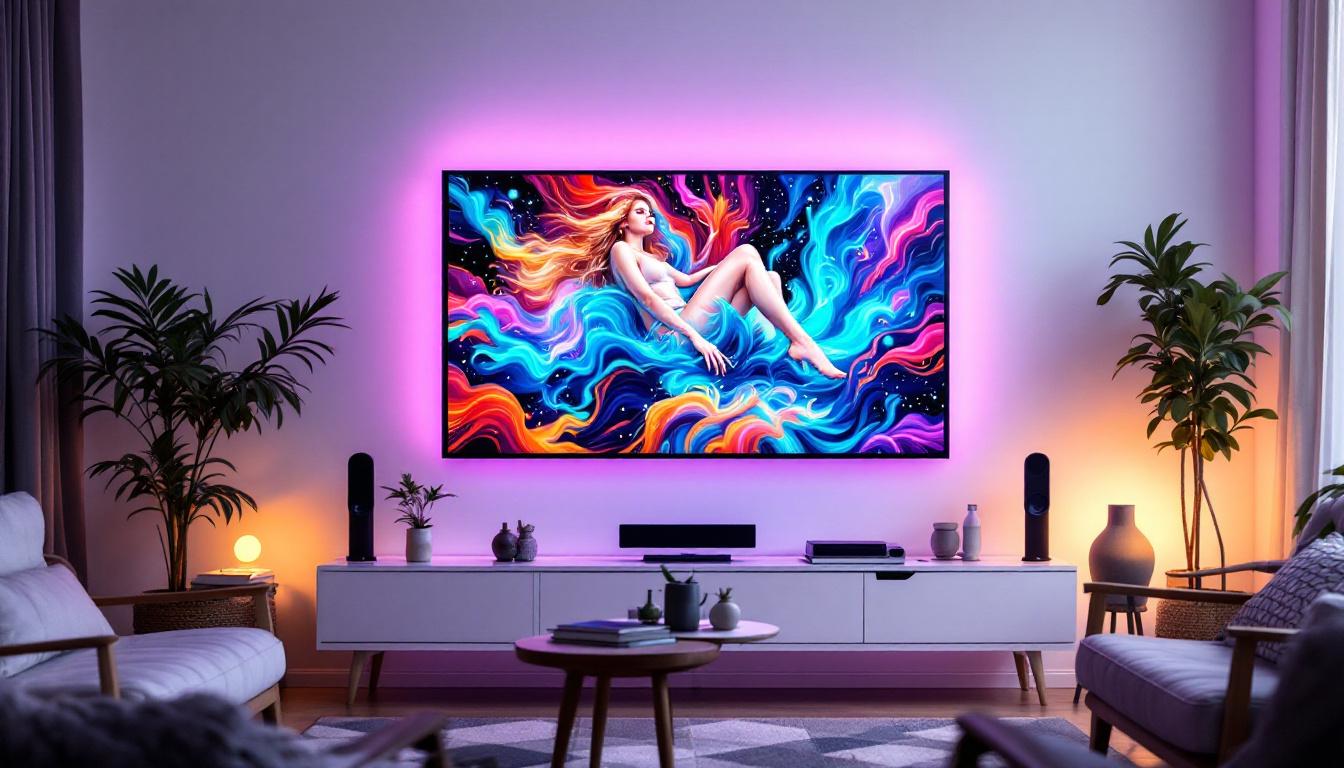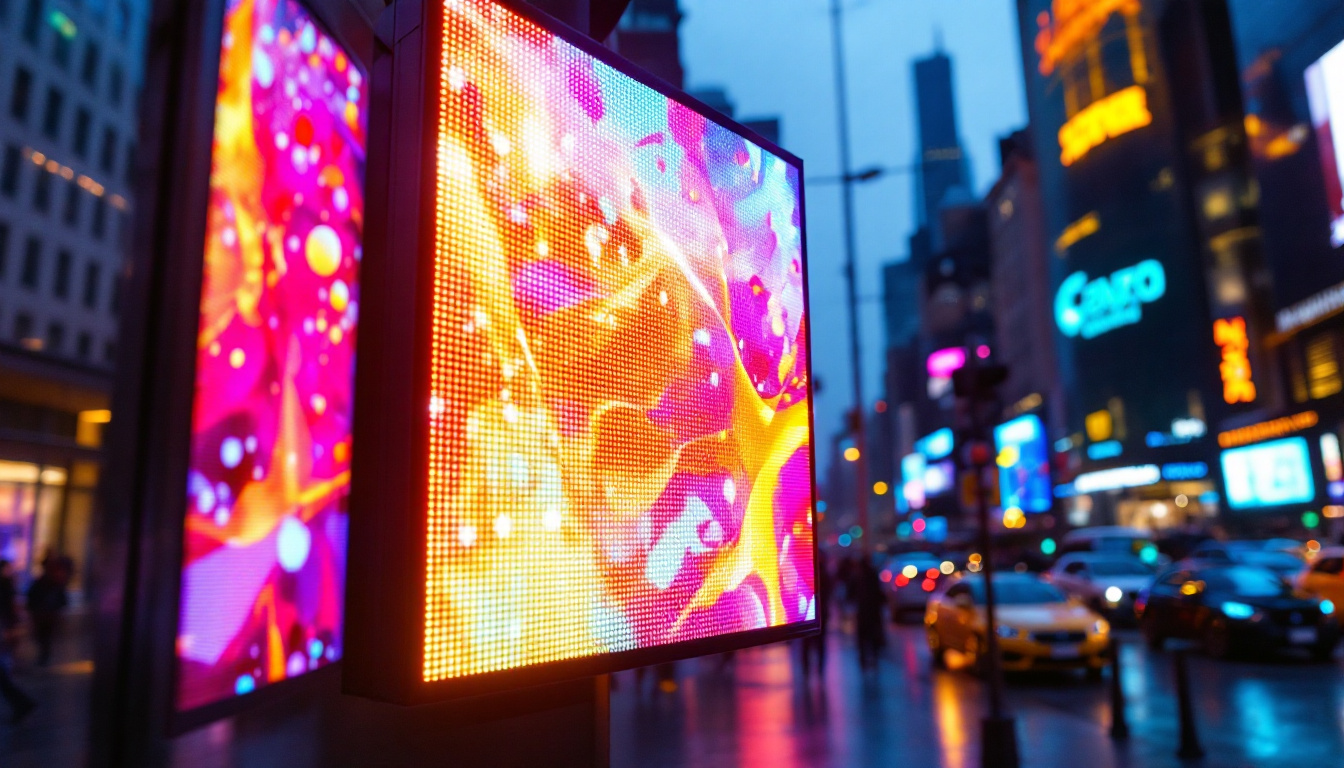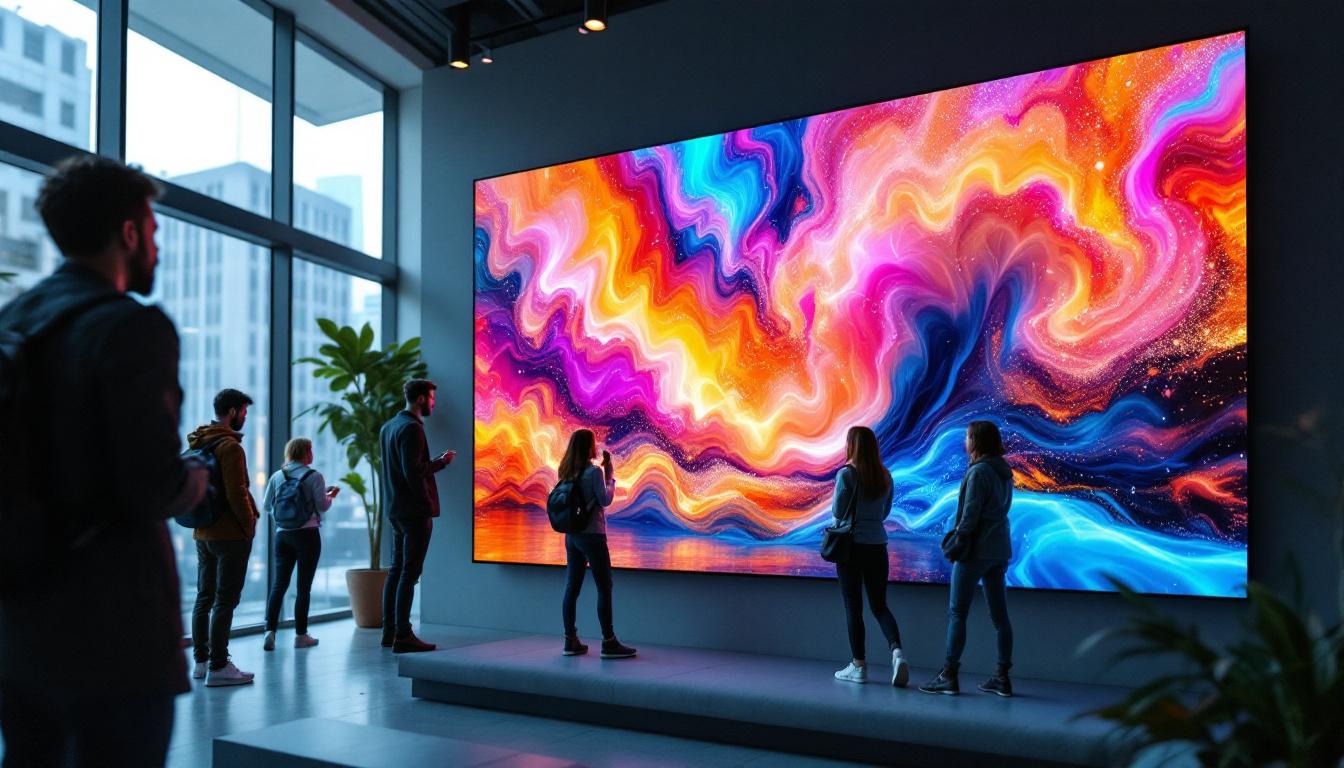
In today’s digital age, large display technologies have become an integral part of how information is communicated in public spaces, retail environments, and entertainment venues. Among the most popular and widely used are LCD (Liquid Crystal Display) and LED (Light Emitting Diode) displays. While these terms are often used interchangeably, they represent distinct technologies with unique characteristics, advantages, and applications. This article explores the fundamentals of large LCD and LED displays, clarifies their differences, and highlights why understanding these distinctions is crucial for businesses and consumers alike.
Understanding Large LCD Displays
What is an LCD Display?
LCD, or Liquid Crystal Display, technology relies on liquid crystals that modulate light to create images. These crystals do not emit light themselves but instead control the passage of light from a backlight source. In large LCD displays, a backlight panel illuminates the screen, and the liquid crystals adjust to block or allow light through colored filters, producing the visible image.
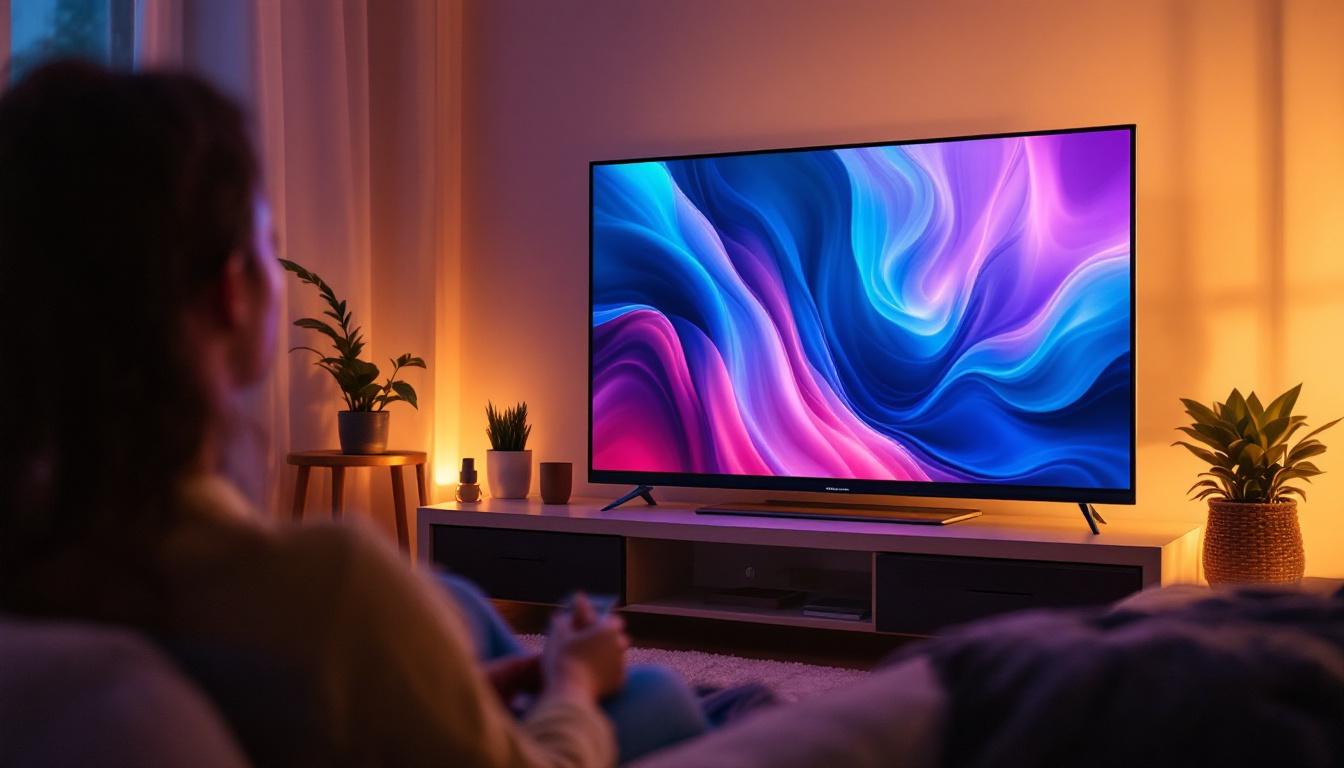
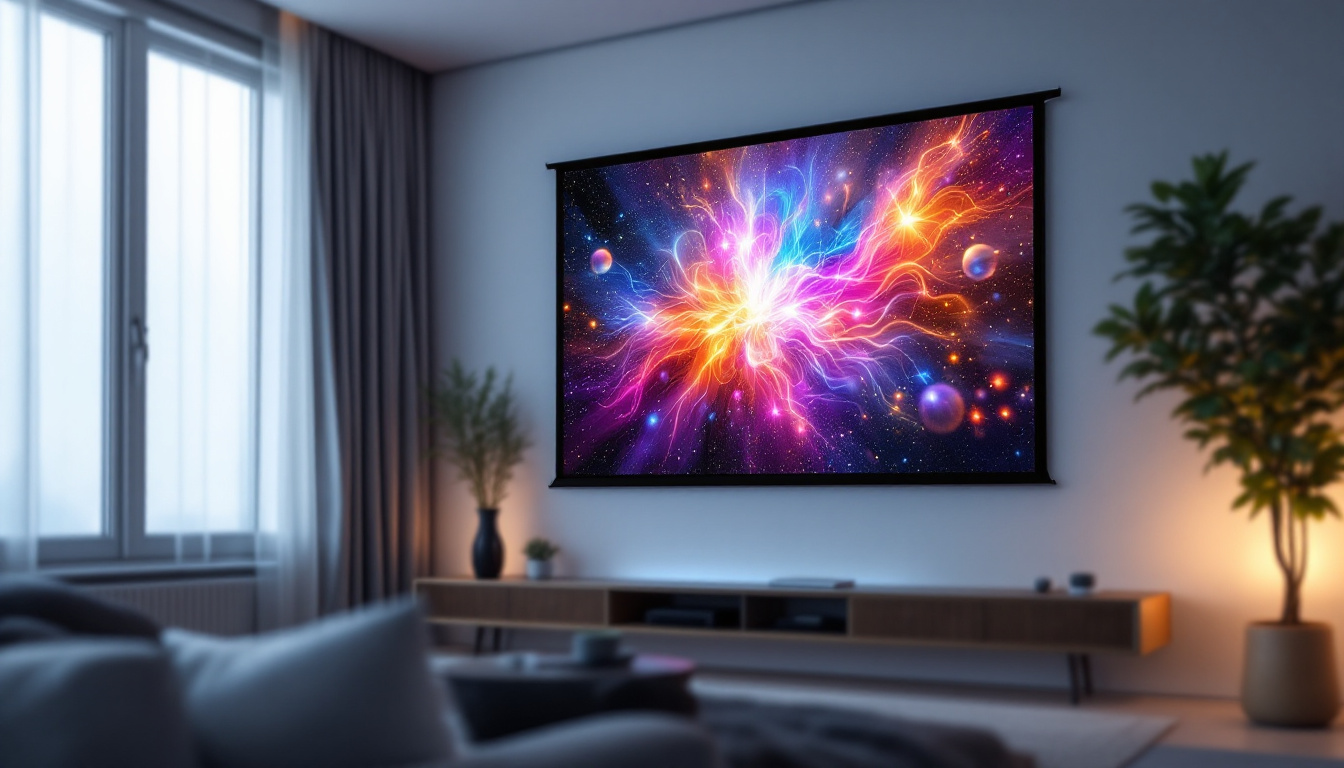
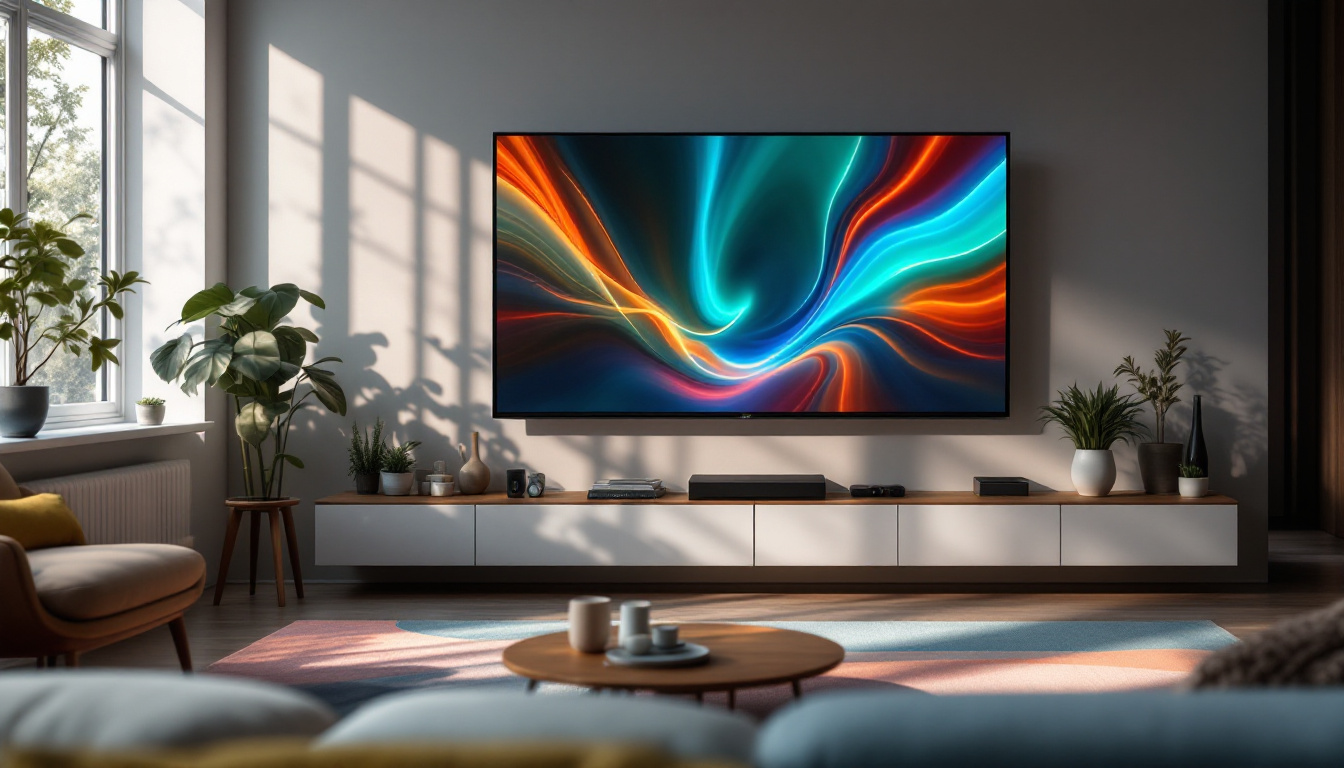
Large LCD displays are commonly used in televisions, computer monitors, digital signage, and video walls. They offer high resolution and sharp image quality, making them suitable for detailed visuals such as text, graphics, and videos. The backlight is typically composed of fluorescent lamps or LEDs, with the latter becoming more prevalent due to better energy efficiency and thinner designs. The advancements in LCD technology have also led to the development of various types, such as IPS (In-Plane Switching) and VA (Vertical Alignment) panels, each offering unique benefits in terms of viewing angles and contrast ratios, further enhancing the user experience.
Key Features and Advantages of Large LCD Displays
One of the primary benefits of large LCD displays is their ability to deliver high-resolution images with excellent color accuracy. They are capable of displaying millions of colors, which is essential for applications requiring precise color reproduction, such as advertising and broadcasting.
Additionally, LCD technology is mature and widely available, making large LCD displays relatively affordable. Their slim profile and lightweight design facilitate easy installation in various environments, from retail storefronts to corporate lobbies. The versatility of large LCD displays extends beyond just their physical attributes; they can be integrated with various technologies such as touch screens for interactive applications, enhancing user engagement in educational and commercial settings. Furthermore, many large LCD displays now come equipped with smart technology, allowing them to connect to the internet and stream content directly, making them a powerful tool for modern communication and marketing strategies.
Moreover, LCD displays consume less power compared to older display technologies like plasma, and modern LED-backlit LCDs further improve energy efficiency. This combination of performance and cost-effectiveness has driven the widespread adoption of large LCD displays globally. In addition to their energy efficiency, many manufacturers are now focusing on sustainability, producing displays with recyclable materials and energy-saving features that align with eco-friendly initiatives. As a result, large LCD displays not only serve as a practical solution for visual communication but also contribute to a greener future, appealing to environmentally conscious consumers and businesses alike.
Demystifying LED Displays
What is an LED Display?
LED displays, in the context of large screens, typically refer to displays made up of an array of light-emitting diodes that produce their own light. Unlike LCDs, which require a backlight, LED displays are self-illuminating. This fundamental difference results in several performance advantages.
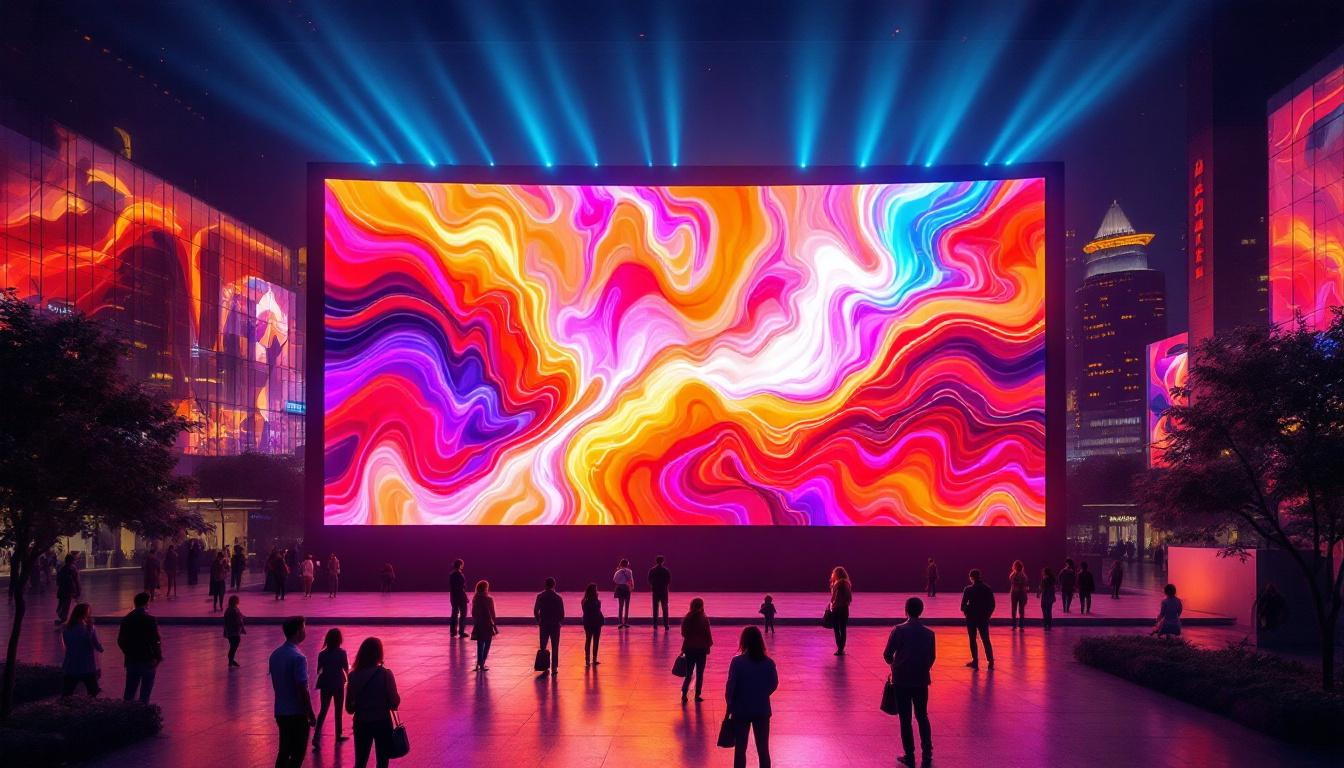
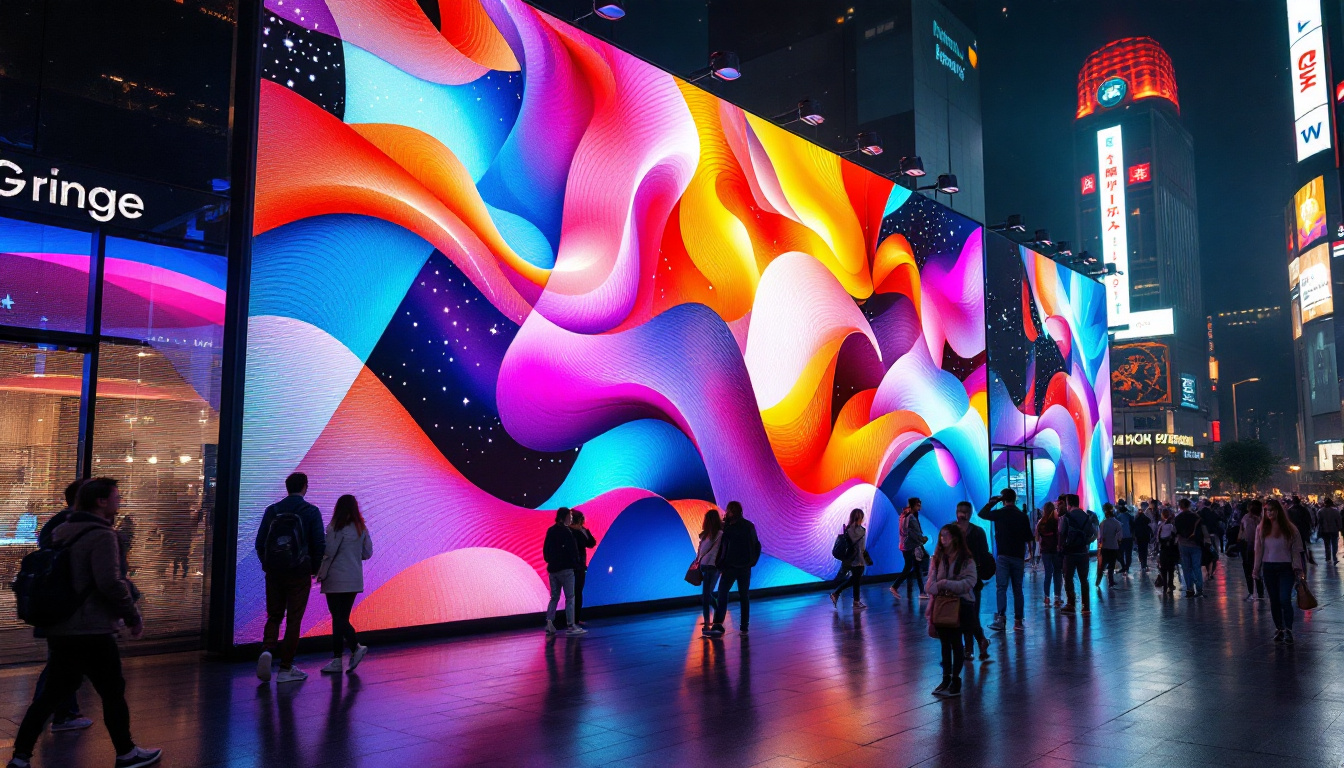
Large LED displays are often used for outdoor advertising billboards, stadium screens, and large-scale event displays due to their brightness and visibility under direct sunlight. These displays are composed of thousands or millions of tiny LEDs arranged in pixels, each capable of emitting red, green, and blue light to create full-color images.
Types of LED Displays
LED displays come in two main types: direct-view LED and LED-backlit LCD. Direct-view LED displays consist of LEDs that form the image directly and are commonly used for very large screens. LED-backlit LCDs, on the other hand, are LCD panels illuminated by LEDs and are often marketed as LED TVs or monitors, though they fundamentally remain LCD technology.
Direct-view LED displays offer superior brightness and contrast ratios compared to LCDs, making them ideal for environments with high ambient light. They also have faster refresh rates and wider viewing angles, enhancing the visual experience for large audiences.
Comparing Large LCD and LED Displays
Brightness and Visibility
One of the most significant differences between large LCD and LED displays is brightness. Direct-view LED displays can achieve brightness levels exceeding 5,000 nits, making them highly visible even in direct sunlight. Large LCD displays, even those with LED backlighting, typically max out around 500-700 nits, which can limit their effectiveness outdoors.
This difference is critical for applications such as outdoor advertising and sports arenas, where visibility from long distances and under varying lighting conditions is essential.
Color Accuracy and Image Quality
Large LCD displays generally provide better color accuracy and finer image detail due to their higher pixel density and advanced color processing capabilities. This makes them suitable for environments where image fidelity is paramount, such as corporate presentations, museums, and retail product displays.
Direct-view LED displays, while excellent in brightness and contrast, may have lower pixel density, especially in very large formats, which can affect image sharpness at close viewing distances. However, ongoing advancements in LED technology continue to improve resolution and color performance.
Durability and Lifespan
LED displays are known for their robustness and long lifespan, often exceeding 100,000 hours of operation. They are resistant to shock and vibration, which makes them ideal for outdoor and mobile applications. Large LCD displays also offer good durability but are more sensitive to physical damage due to their glass panels and liquid crystal components.
Environmental factors such as temperature and humidity can affect both technologies, but LED displays generally have better tolerance for extreme conditions, further supporting their use in outdoor and industrial settings.
Energy Efficiency
Both large LCD and LED displays are energy-efficient compared to older technologies like plasma. However, direct-view LED displays typically consume less power per unit of brightness because they emit light directly rather than relying on a backlight. This efficiency can translate into lower operational costs, especially for large-scale installations running continuously.
Applications of Large LCD and LED Displays
Indoor vs. Outdoor Usage
Large LCD displays are predominantly used indoors due to their limited brightness and sensitivity to environmental factors. Common applications include conference rooms, retail stores, control rooms, and digital signage within malls and airports. Their ability to render detailed images and videos makes them ideal for these controlled environments.
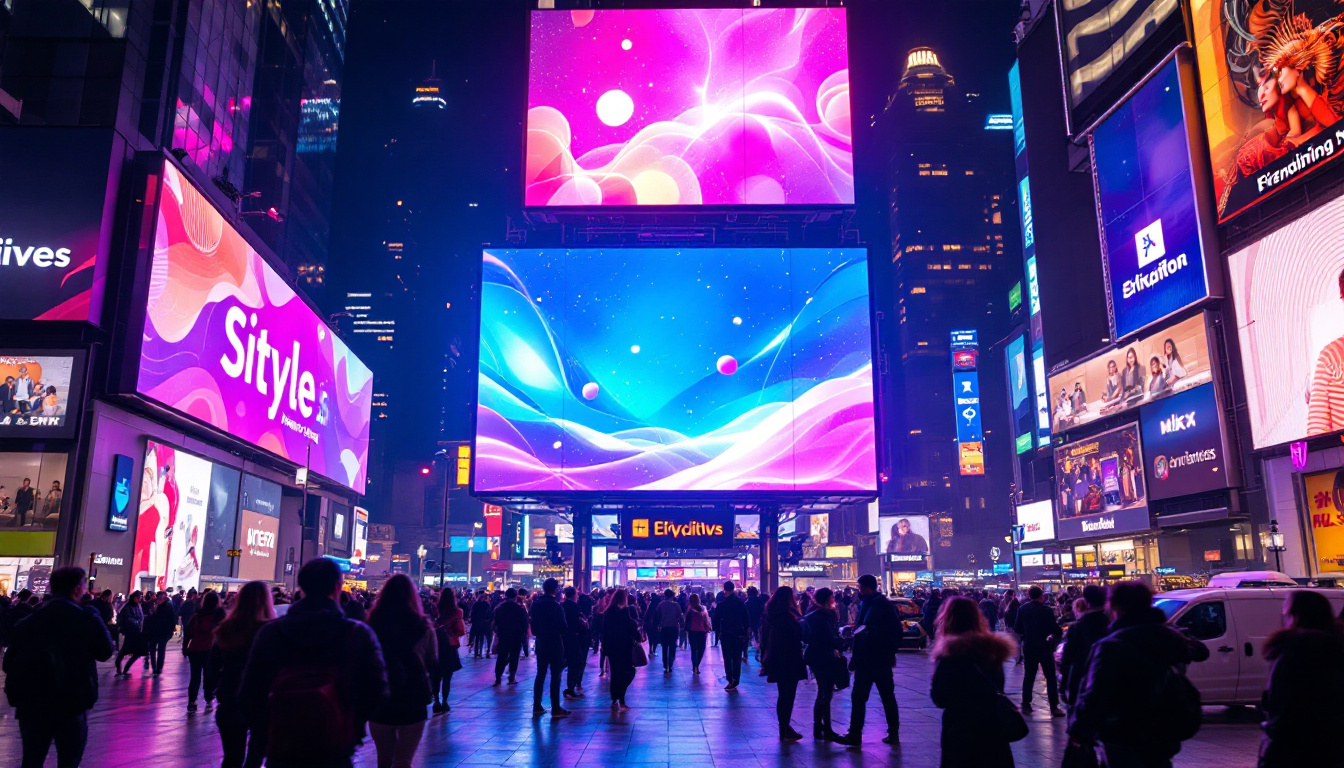
In contrast, direct-view LED displays dominate outdoor applications such as billboards, sports stadiums, concert venues, and transportation hubs. Their high brightness, durability, and scalability allow them to deliver impactful visual messages to large audiences under varying weather conditions.
Advertising and Marketing
Both LCD and LED displays play vital roles in advertising. Large LCD screens are often used for indoor advertising where high-resolution content is necessary to attract shoppers’ attention. LED displays, with their vibrant colors and brightness, are preferred for outdoor advertising where visibility from a distance is critical.
Brands increasingly leverage LED video walls for dynamic, eye-catching campaigns that can be updated in real-time, providing flexibility and engagement that static billboards cannot match.
Entertainment and Events
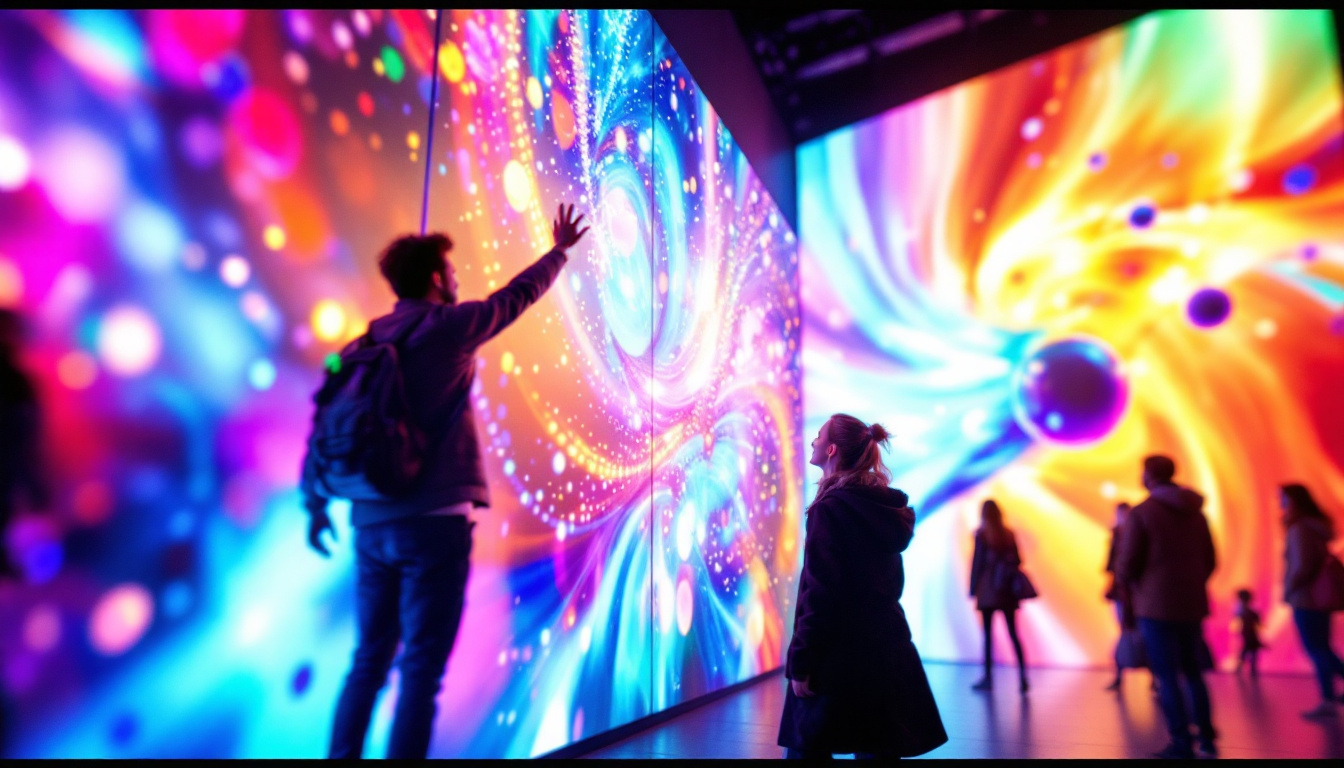
In the entertainment industry, LED displays have revolutionized live events by providing massive, bright screens that enhance audience experience. Concerts, festivals, and sports events utilize LED video walls for live feeds, graphics, and interactive content.
Large LCD displays also contribute to entertainment venues, particularly in control rooms and backstage areas, where detailed monitoring and content management are required.
Future Trends and Innovations
MicroLED and MiniLED Technologies
Emerging display technologies such as MicroLED and MiniLED are bridging the gap between LCD and LED displays. MicroLED displays use microscopic LEDs to create images with exceptional brightness, contrast, and energy efficiency, without the need for backlighting. This technology promises to combine the best aspects of both LCD and LED displays, offering superior performance for large-format screens.
MiniLED technology enhances traditional LCD panels by using thousands of tiny LEDs for backlighting, improving contrast ratios and local dimming capabilities. These advancements are already appearing in premium televisions and professional displays, indicating a shift towards higher quality and more versatile large displays.
Integration with Smart Technologies
Large displays are becoming increasingly integrated with smart technologies, including IoT connectivity, AI-driven content management, and interactive touch capabilities. These features enable dynamic content delivery, audience analytics, and enhanced user engagement, transforming large displays from mere screens into powerful communication platforms.
For businesses, this means more targeted advertising, improved customer experiences, and greater return on investment from digital signage and display installations.
Conclusion: Choosing the Right Large Display
Understanding the differences between large LCD and LED displays is essential for selecting the right technology for specific applications. LCD displays excel in environments requiring high resolution, color accuracy, and indoor use, while LED displays provide unmatched brightness, durability, and outdoor visibility.
As display technologies continue to evolve, innovations like MicroLED and MiniLED are set to redefine the landscape, offering new possibilities for large-format visual communication. Whether for advertising, entertainment, or information dissemination, choosing the appropriate display technology can significantly impact effectiveness, audience engagement, and overall success.
For businesses and consumers alike, staying informed about these technologies ensures smarter investments and better outcomes in the rapidly advancing world of large digital displays.
Discover LumenMatrix’s Advanced LED Display Solutions
Ready to elevate your visual communication with the latest in display technology? Look no further than LumenMatrix, a pioneer in LED display innovation. Our extensive range of products, from vibrant Indoor and Outdoor LED Wall Displays to dynamic Vehicle and Sports LED Displays, is designed to capture attention and immerse audiences. Whether you’re seeking a Custom LED Display solution or the convenience of an All-in-One LED Display, LumenMatrix has the expertise to bring your vision to life. Experience the future of digital signage with our LED Transparent Displays and interactive Floor LED Displays. Check out LumenMatrix LED Display Solutions today and transform your space into a captivating visual experience.