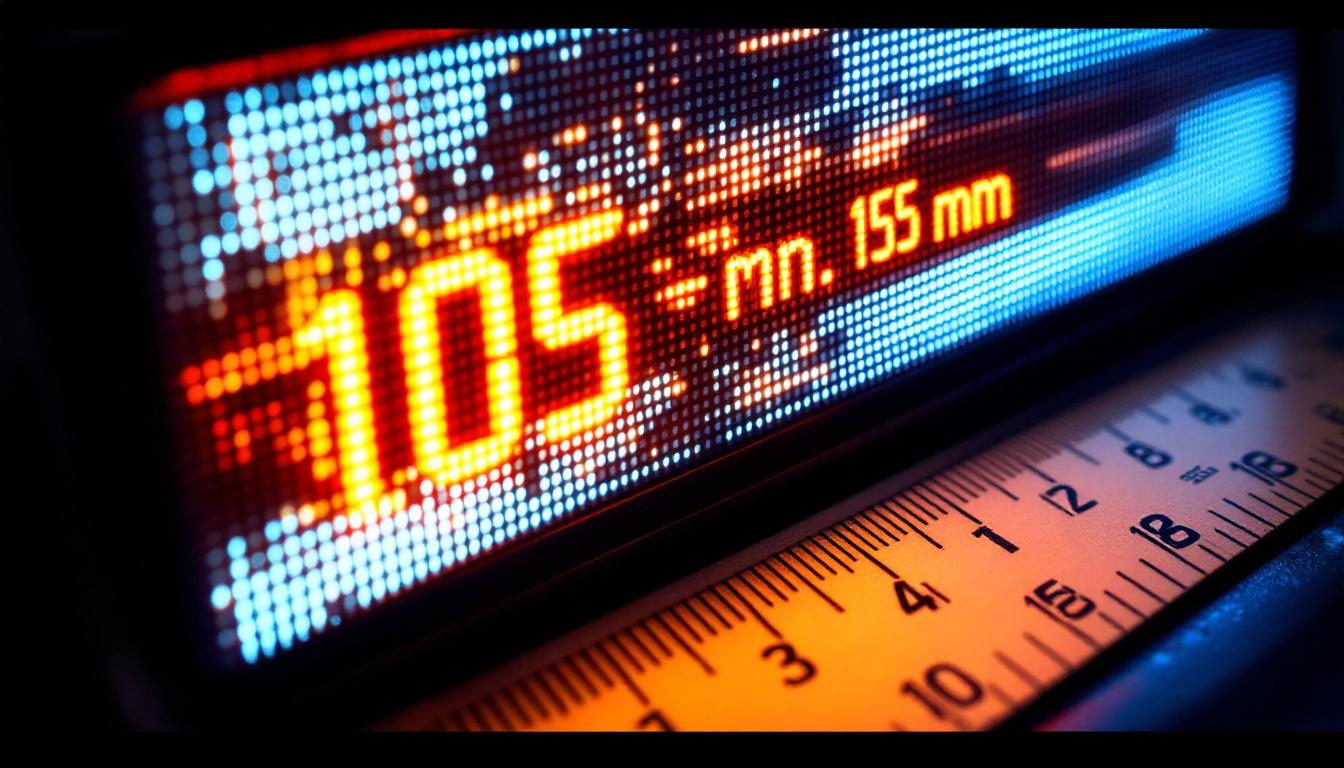
Understanding the dimensions of LED displays is crucial for professionals and consumers alike, whether you’re selecting a screen for a digital billboard, a retail display, or a home entertainment system. One common measurement conversion that often comes up is between millimeters (mm) and inches, especially when dealing with LED pixel pitch or screen size specifications. This article explores the conversion of 105 millimeters to inches and explains why this measurement matters in the context of LED displays.
Converting Millimeters to Inches: The Basics
Millimeters and inches are two of the most commonly used units for measuring length, but they belong to different measurement systems. Millimeters are part of the metric system, widely used around the world, while inches belong to the imperial system, predominantly used in the United States.
The exact conversion factor between millimeters and inches is:
1 inch = 25.4 millimeters
To convert millimeters to inches, you divide the number of millimeters by 25.4. Applying this to 105 mm:
105 mm ÷ 25.4 = approximately 4.13 inches
This means that 105 millimeters is roughly equivalent to 4.13 inches.
Why Precise Conversion Matters in LED Displays
When selecting or specifying LED displays, precision in measurement is essential. LED displays are often described in terms of pixel pitch, which is the distance from the center of one LED cluster (or pixel) to the center of the next. Pixel pitch is commonly measured in millimeters, but many buyers and installers may be more familiar with inches.
For example, a pixel pitch of 105 mm would indicate a very large spacing between pixels, which is typical for large outdoor displays viewed from a distance. Knowing the exact size in inches helps in visualizing the scale and planning installation spaces.
Furthermore, understanding the conversion between these two units can significantly impact the quality and effectiveness of the display. For instance, a display with a smaller pixel pitch, such as 2.5 mm, translates to a much finer resolution, making it ideal for indoor environments where viewers are closer. In contrast, larger pixel pitches are more suited for outdoor applications where the audience is typically at a greater distance, thereby requiring less detail. This knowledge allows designers and engineers to tailor their choices based on the intended viewing environment, ensuring optimal performance and viewer satisfaction.
Additionally, as global trade continues to expand, professionals in various industries often encounter specifications in both metric and imperial units. This duality necessitates a solid understanding of conversions to avoid miscalculations that could lead to costly errors in manufacturing, construction, or design. Therefore, mastering the conversion between millimeters and inches not only aids in the selection of LED displays but also enhances overall communication and collaboration across international projects.
Understanding LED Display Pixel Pitch and Size
Pixel pitch is a fundamental specification in LED displays that directly affects image resolution and viewing distance. It is the physical distance between two adjacent pixels on the display, usually measured in millimeters.
What Does a 105 mm Pixel Pitch Mean?
A pixel pitch of 105 mm means that each pixel on the LED display is spaced 105 millimeters apart from its neighbor. This is significantly larger than typical indoor displays, which might have pixel pitches as small as 1.5 mm to 4 mm.
Large pixel pitches like 105 mm are generally used for:
- Outdoor billboards
- Sports stadium screens
- Highway signage
These applications require displays that can be viewed clearly from hundreds of feet away, where fine pixel density is less critical than visibility and brightness. The brightness of these displays is often enhanced to ensure that the images remain vibrant even in direct sunlight, making them ideal for outdoor environments where ambient light can be a challenge.
Visualizing 105 mm in Practical Terms
Converting 105 mm to inches (approximately 4.13 inches) helps put this into perspective. Imagine a pixel on a display that is over 4 inches away from its neighboring pixel — this is a very coarse resolution by modern display standards. Such a configuration allows for the creation of large-scale visuals that can capture attention from great distances, making it particularly effective in urban settings where billboards compete for visibility.
For comparison:
- Indoor LED displays typically have pixel pitches between 1.2 mm and 4 mm (about 0.05 to 0.16 inches)
- Outdoor displays usually range from 6 mm to 20 mm (0.24 to 0.79 inches)
- 105 mm (4.13 inches) is considered very large, suitable for extremely large-format displays where viewers are far away
Understanding pixel pitch is crucial for those involved in the design and placement of LED displays. For instance, a well-placed 105 mm display can serve as a landmark, guiding traffic or providing information in a way that smaller displays simply cannot. In environments like sports arenas, these large displays are often used to showcase live action, replays, and advertisements, ensuring that every spectator, regardless of their seat location, has a clear view of the content being presented. The strategic placement of such displays can enhance the overall experience, drawing in crowds and keeping them engaged.
How Pixel Pitch Affects LED Display Quality
Pixel pitch directly influences the resolution and image quality of an LED display. The smaller the pixel pitch, the higher the resolution, and the closer a viewer can stand to the screen without noticing individual pixels.
Resolution and Viewing Distance
Displays with a 105 mm pixel pitch are designed for long-distance viewing. At such a large pixel pitch, the screen’s resolution is low, but the LEDs are bright and visible from far away. This makes them ideal for outdoor advertising where viewers are typically hundreds of feet away.
Conversely, indoor displays with pixel pitches below 4 mm provide crisp images at close range, suitable for presentations, retail environments, and control rooms.
Brightness and Environmental Considerations
Large pixel pitch LED displays like those with 105 mm spacing often feature high-brightness LEDs to ensure visibility in direct sunlight. The physical size of the LEDs allows for greater light output, which is essential for outdoor applications.
Additionally, the robust construction of these large-pitch displays makes them durable against weather elements such as rain, wind, and dust.
Practical Applications of 105 mm Pixel Pitch Displays
Understanding the conversion of 105 mm to inches is just the first step. Knowing where and why such a pixel pitch is used helps in making informed decisions about LED display purchases and installations.
Outdoor Advertising Billboards
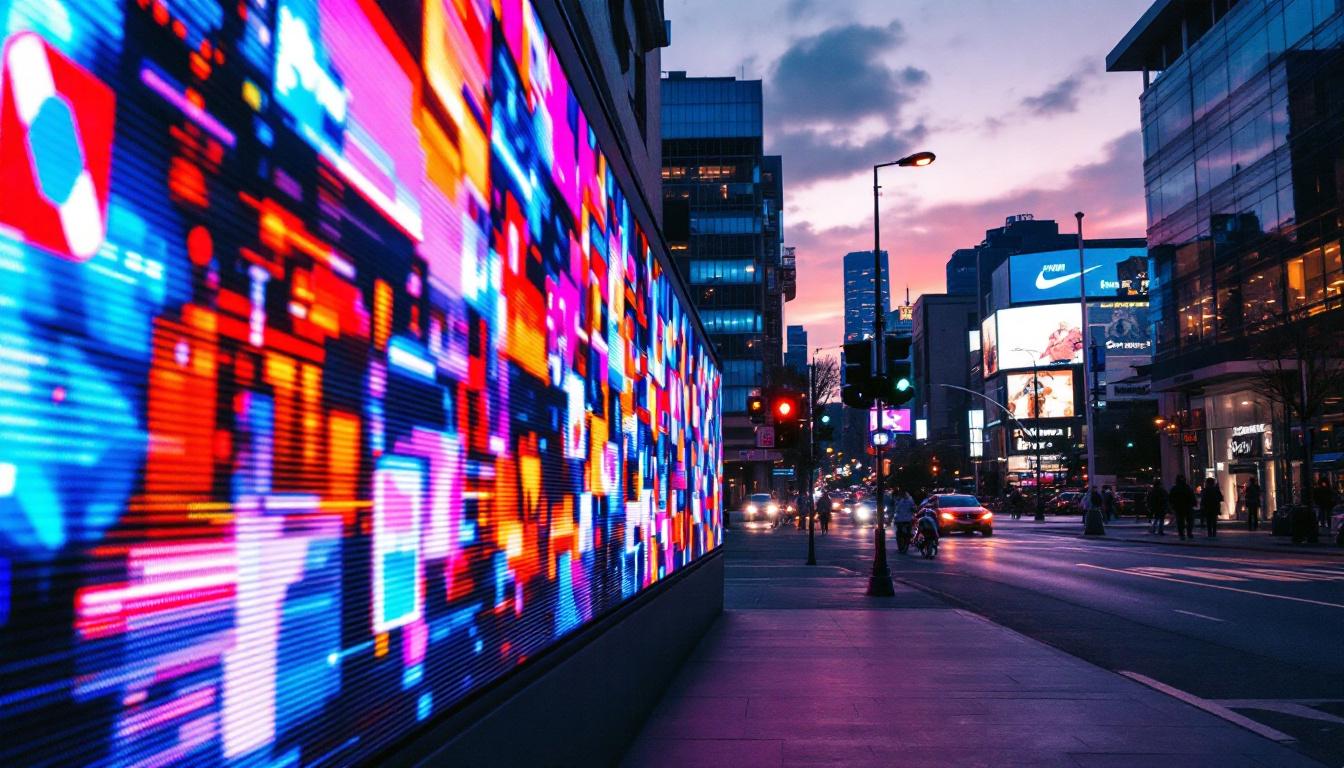
Billboards often use LED modules with pixel pitches ranging from 10 mm to over 100 mm. A 105 mm pitch is on the higher end, suitable for very large billboards where viewers are driving by at high speeds or viewing from a great distance.
The large pixel pitch allows for cost-effective construction of massive displays without the need for ultra-high resolution, which would be unnecessary given the viewing distance.
Sports Stadium and Event Screens
In stadiums, large LED screens with pixel pitches around 100 mm or more are used to provide information and replays to spectators seated far from the screen. The size and brightness of these displays ensure visibility across vast seating areas.
Traffic and Highway Signage
LED signs on highways and roads use large pixel pitches to display simple messages like speed limits, warnings, or directions. The 105 mm pixel pitch ensures that the sign is visible from long distances, even at high vehicle speeds.
How to Choose the Right Pixel Pitch for Your LED Display
Choosing the correct pixel pitch depends on several factors, including viewing distance, display size, application, and budget.
Determining Optimal Viewing Distance
A general rule of thumb is that the optimal viewing distance (in meters) is approximately 1,000 times the pixel pitch (in millimeters). For a 105 mm pixel pitch, this translates to an optimal viewing distance of about 105 meters (approximately 344 feet).
At this distance, the pixels blend together, and the image appears smooth to the human eye. Closer than this, the image may appear pixelated.
Balancing Resolution and Cost
Smaller pixel pitches provide higher resolution but come at a higher cost. Larger pixel pitches like 105 mm are more affordable for large-scale displays but sacrifice image detail.
For applications where fine detail is unnecessary, such as large outdoor advertising, a 105 mm pixel pitch can be a cost-effective choice.
Environmental and Installation Considerations
Large pixel pitch LED displays are typically more rugged and weather-resistant, making them suitable for outdoor use. Installation logistics, such as mounting structure and power requirements, also influence the choice of pixel pitch.
Summary: 105 Mm in Inches and LED Display Context
To recap, 105 millimeters equals approximately 4.13 inches. This measurement is significant when discussing LED display pixel pitch, especially for large outdoor screens.
A 105 mm pixel pitch indicates a display designed for long-distance viewing, such as billboards, stadium screens, and highway signs. While the resolution is low compared to indoor displays, the brightness and size make these displays highly effective for their intended use.
Understanding these measurements and their implications helps buyers, installers, and designers select the right LED display for their specific needs, balancing resolution, cost, and viewing distance.
Additional Tips for LED Display Buyers
When purchasing an LED display, always ask for detailed specifications, including pixel pitch, brightness (measured in nits), refresh rate, and viewing angle. These factors collectively determine the display’s performance.
Also, consider the environment where the display will be installed. Outdoor displays require weatherproofing and high brightness, while indoor displays prioritize resolution and color accuracy.
Finally, consult with LED display manufacturers or specialists to ensure the chosen pixel pitch and size meet your project’s goals and budget.
Discover the Perfect LED Display with LumenMatrix
Ready to elevate your visual experience with the right LED display? LumenMatrix offers a comprehensive range of cutting-edge LED display solutions tailored to your unique needs. From vibrant indoor walls to dynamic outdoor signage, and from mobile vehicle displays to immersive sports arenas, our technology is designed to captivate and engage. Embrace the future of visual communication with LumenMatrix and let us help you make a powerful statement. Check out LumenMatrix LED Display Solutions today and transform your space into a visual masterpiece.