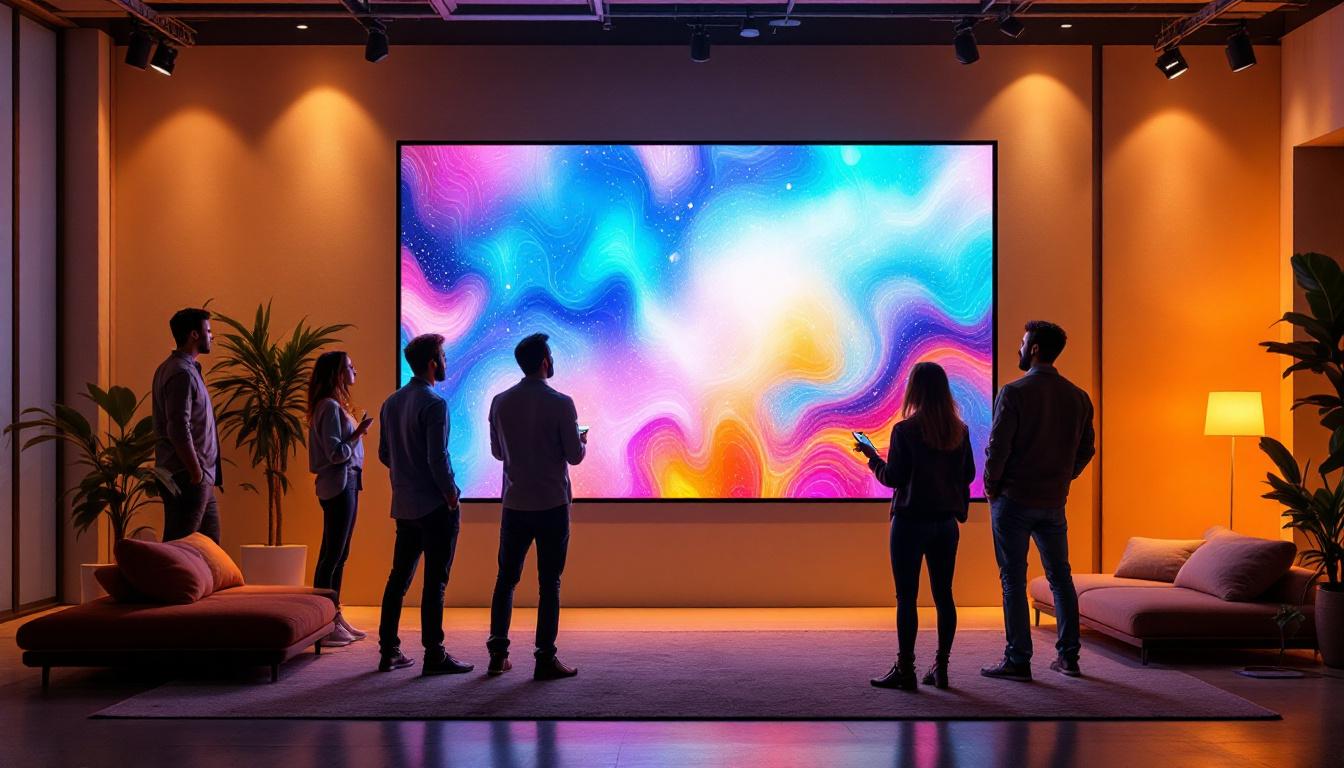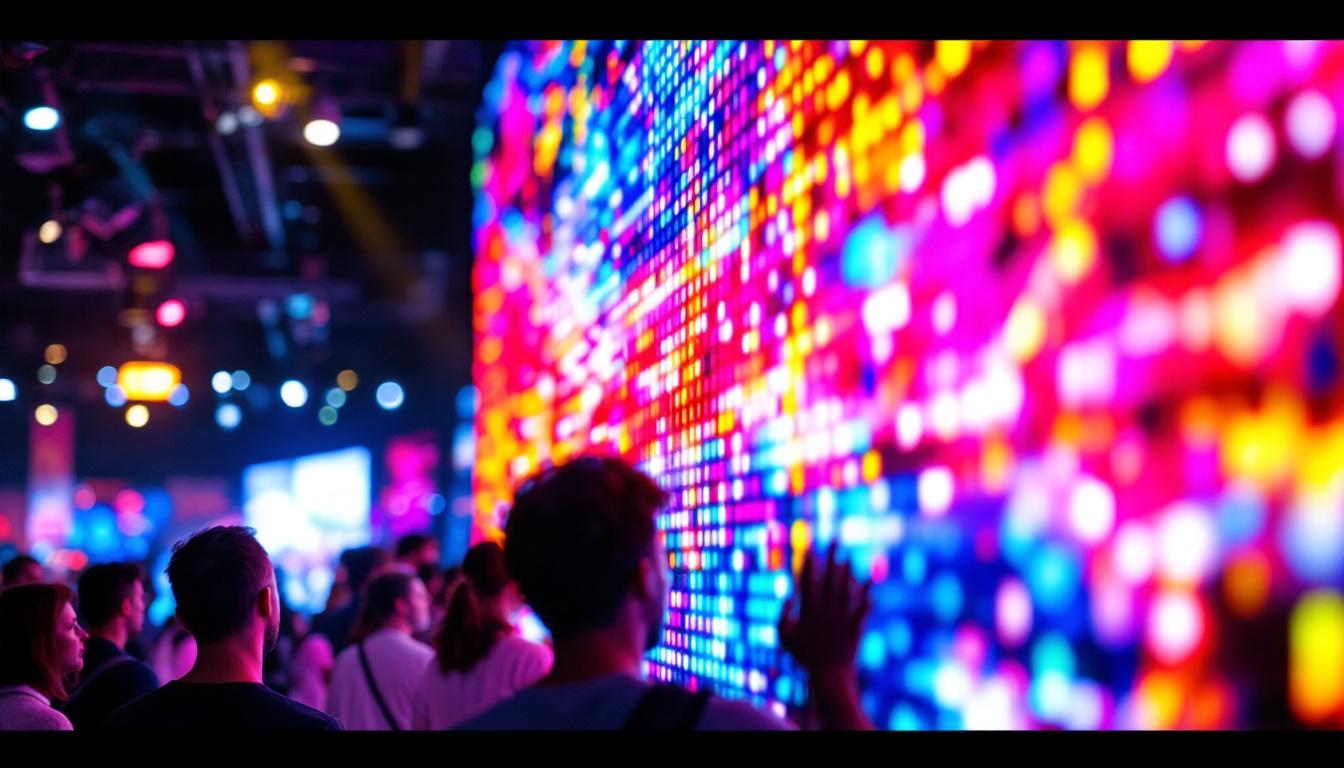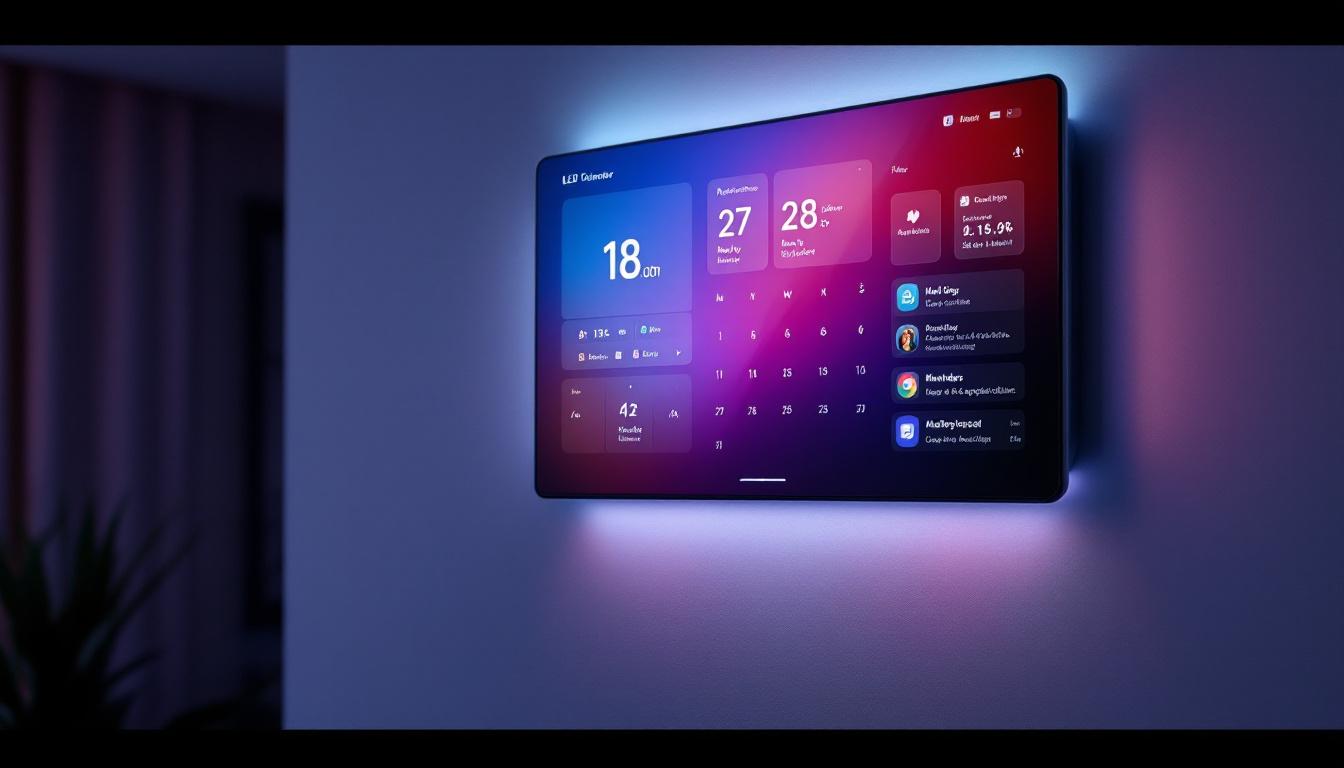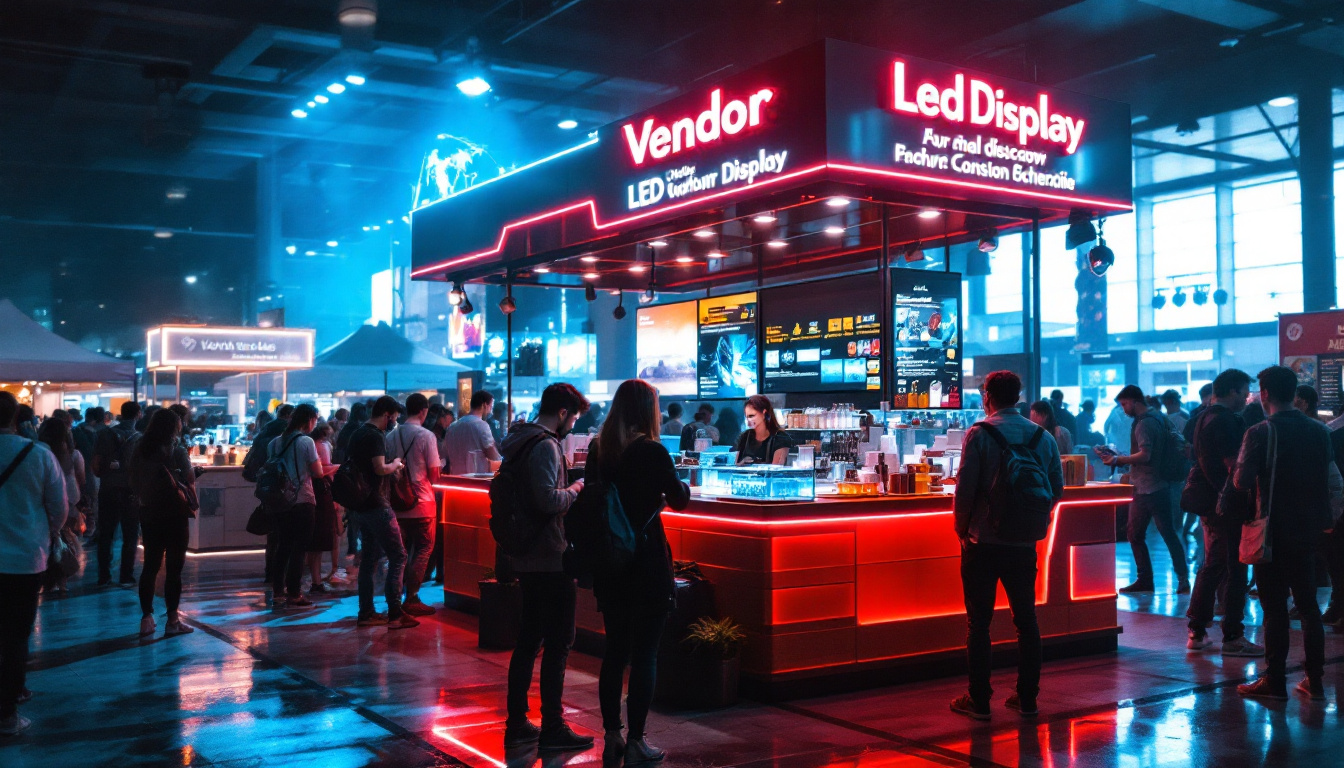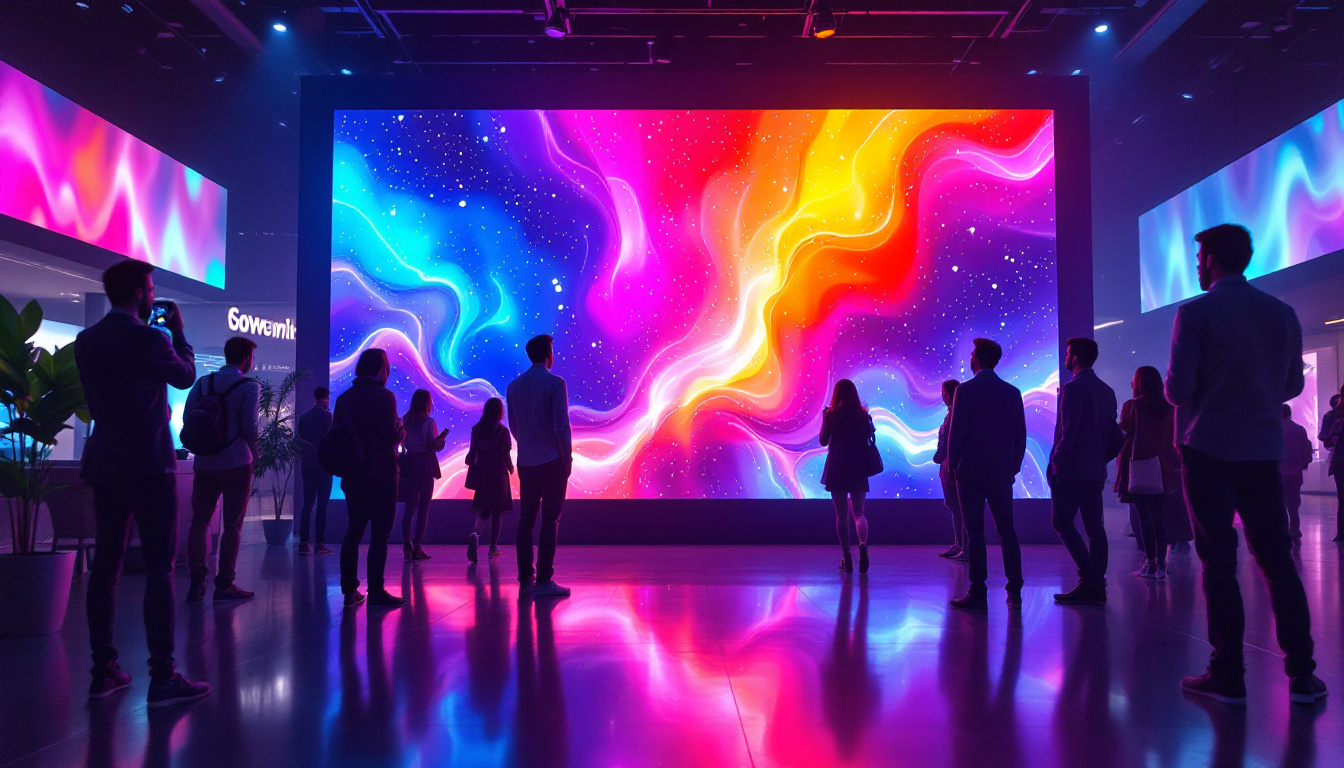
In today’s digital age, display technologies have become an integral part of how we interact with information, entertainment, and even our environments. Among these, LED displays have emerged as a dominant force, powering everything from smartphones and televisions to large-scale advertising billboards and interactive kiosks. When combined with touch screen technology, LED displays offer a dynamic interface that enhances user engagement and functionality. This article delves into the world of LED touch screen displays, explaining their technology, applications, benefits, and future trends.
Understanding LED Display Technology
What is an LED Display?
LED stands for Light Emitting Diode, a semiconductor device that emits light when an electric current passes through it. An LED display consists of an array of these tiny diodes that light up in various colors to form images, text, and videos. Unlike traditional LCDs that rely on backlighting, LED displays generate their own light, which results in brighter, more vibrant images with higher contrast ratios.
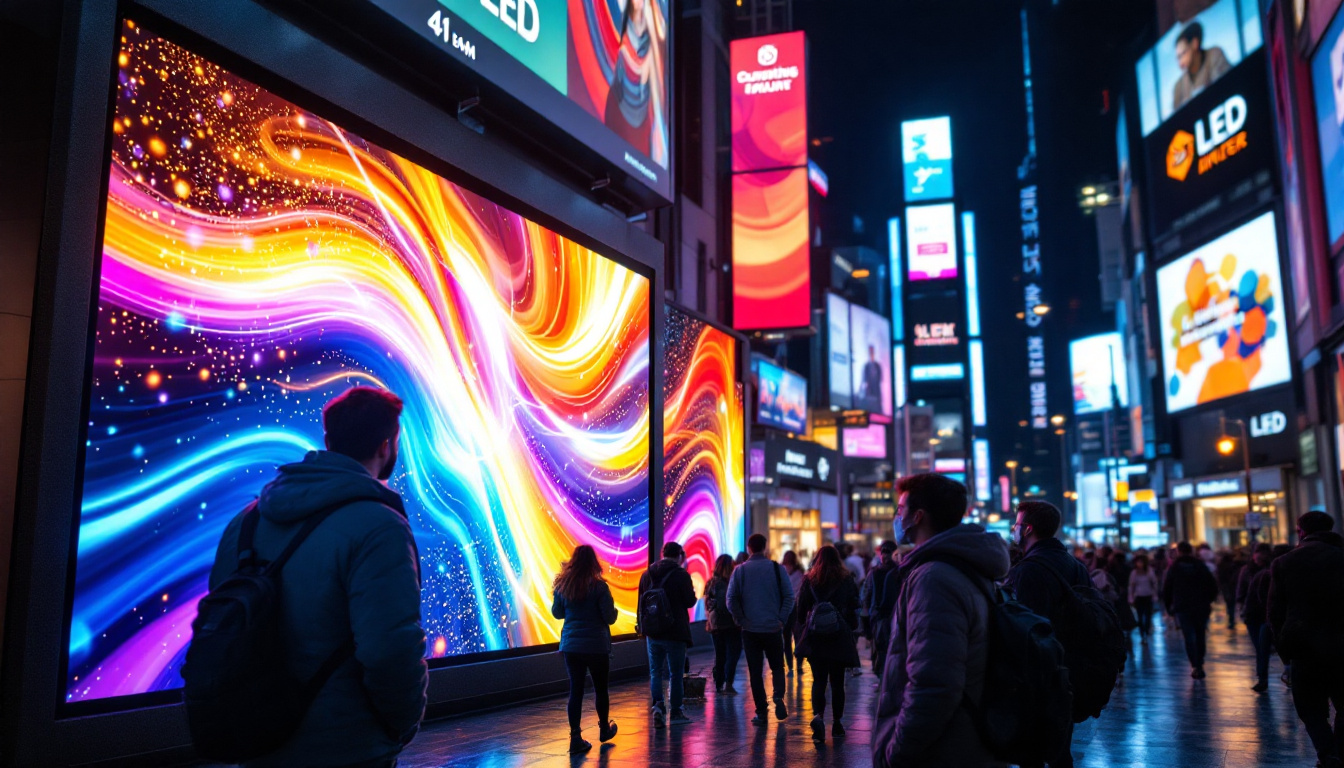
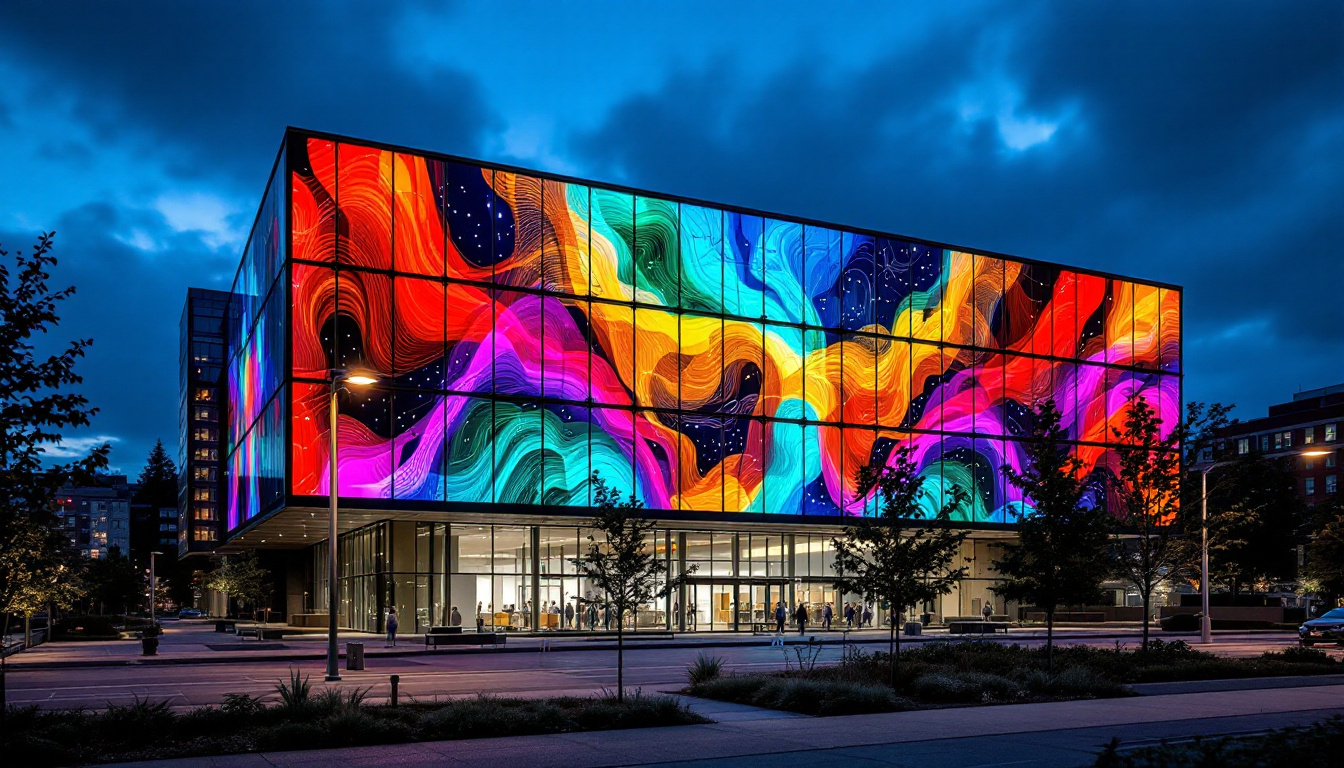
The evolution of LED displays has been remarkable. Initially used in simple indicator lights and numeric displays, LEDs have now become the backbone of modern digital screens. Large-scale LED panels are common in stadiums, concert venues, and public advertising spaces, while smaller, high-resolution LED screens are found in smartphones and televisions. The versatility of LED technology has led to its integration into various fields, including automotive lighting, architectural illumination, and even wearable technology, showcasing its adaptability and widespread appeal.
Types of LED Displays
There are several types of LED display technologies, each suited for different applications:
- Direct View LED (DV-LED): This type uses LEDs as individual pixels, offering excellent brightness and color accuracy. It is commonly used in large outdoor screens and video walls, making it ideal for events where visibility is crucial, even in bright sunlight.
- Mini LED: Mini LEDs are smaller than traditional LEDs and are used as backlighting in LCD screens to improve contrast and brightness. This technology allows for finer control over local dimming zones, enhancing the viewing experience by delivering deeper blacks and more vivid colors.
- Micro LED: An emerging technology where microscopic LEDs form individual pixels, promising superior image quality and energy efficiency compared to OLED and LCD. Micro LED displays are not only thinner and lighter but also boast longer lifespans and greater durability, making them a compelling choice for future display innovations.
In addition to these types, LED technology has also paved the way for innovative applications such as transparent displays, which allow for a seamless blend of digital content with the physical environment. This technology is particularly exciting for retail spaces and advertising, where brands can create immersive experiences that engage customers without obstructing their view of the products. Furthermore, advancements in flexible LED displays are leading to new possibilities in design, enabling screens that can bend and conform to various surfaces, opening up creative avenues for artists and designers alike.
The Integration of Touch Technology with LED Displays
How Does a Touch Screen Work?
Touch screens detect user input through physical touch, enabling direct interaction with the display. There are several methods to achieve this, the most common being capacitive and resistive touch technologies.
Capacitive Touch Screens use the electrical properties of the human body to detect touch. They are highly responsive and support multi-touch gestures, making them ideal for smartphones and tablets. This technology allows users to perform actions such as pinch-to-zoom or swipe with ease, enhancing the overall user experience. Capacitive screens are also known for their clarity and brightness, which is crucial for applications requiring high visibility.
Resistive Touch Screens consist of multiple layers that register touch when pressure is applied. Although less sensitive than capacitive screens, they are durable and work well with gloves or styluses. This makes them particularly useful in industrial settings or outdoor environments where users may not have direct skin contact with the screen. Additionally, resistive screens can be more cost-effective, making them a viable option for budget-conscious projects.
Combining LED Displays with Touch Screens
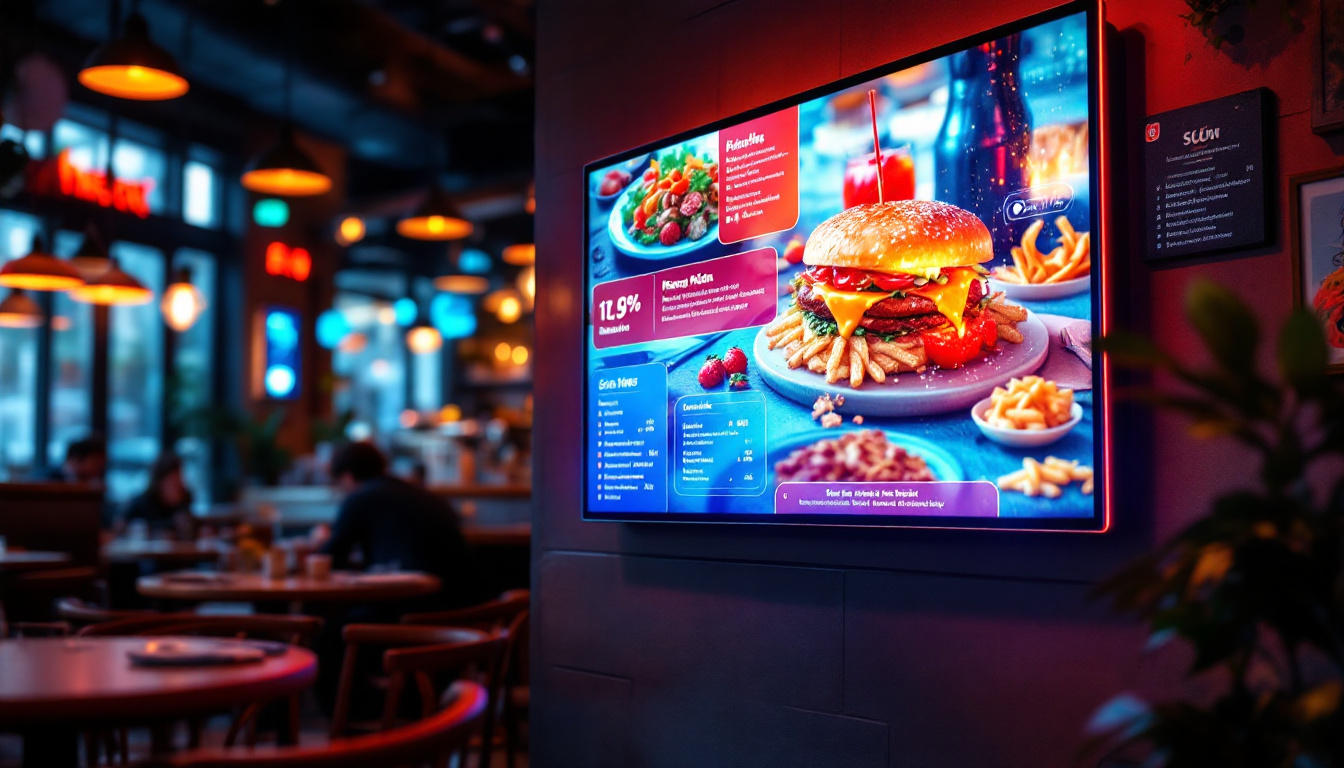
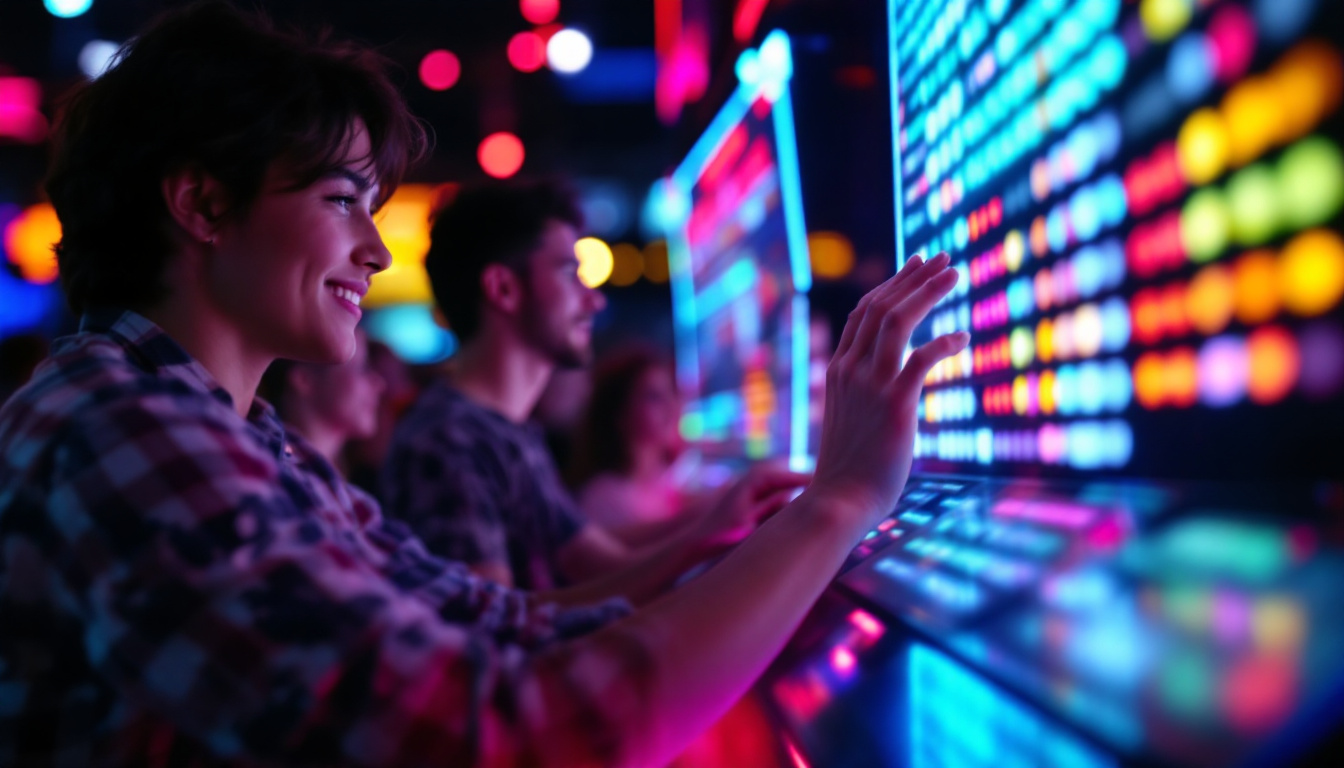
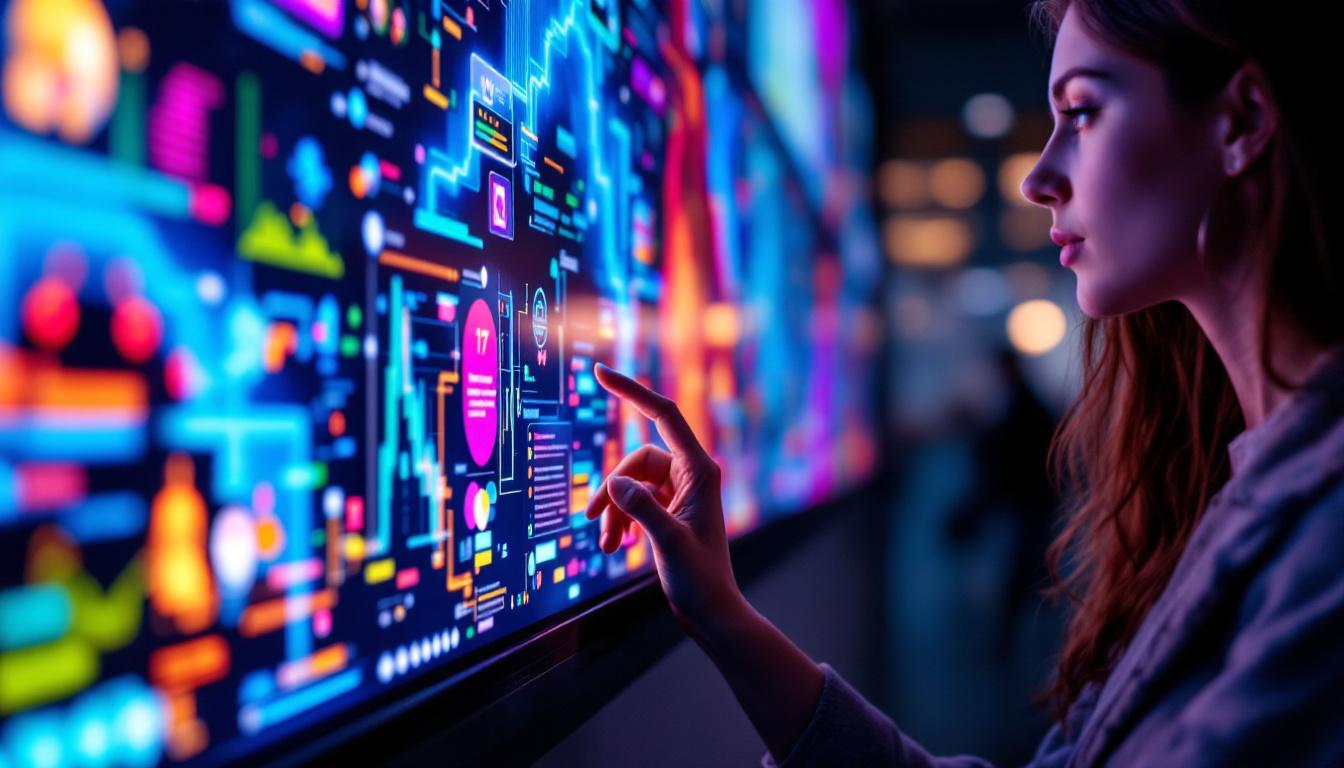
Integrating touch technology with LED displays creates a powerful interface that is both visually striking and interactive. This combination is widely used in various sectors, including retail, education, healthcare, and public information systems. The vibrant colors and high contrast of LED displays enhance the visual appeal of touch interfaces, drawing users in and encouraging interaction.
For example, interactive digital signage in shopping malls uses LED touch screens to allow customers to browse products, check promotions, or locate stores. These displays can also be updated in real-time, providing dynamic content that keeps shoppers informed and engaged. Similarly, in education, LED touch displays facilitate engaging lessons with interactive content. Teachers can use these screens to display multimedia presentations, conduct quizzes, or even allow students to collaborate on projects in real-time, fostering a more interactive learning environment.
Moreover, the integration of touch technology with LED displays is also making waves in the healthcare sector. Hospitals are increasingly adopting touch-enabled LED screens for patient check-in systems and information kiosks. These systems not only streamline administrative processes but also enhance the patient experience by providing easy access to essential information. Touch screens in healthcare settings can display real-time data, such as wait times or available services, ensuring that patients are well-informed and can navigate the facility with ease.
Advantages of LED Touch Screen Displays
Superior Visual Quality
One of the primary benefits of LED displays is their exceptional brightness and color accuracy. LED technology can produce vivid images even in bright environments, such as outdoor settings where sunlight is a factor. This makes LED touch screens ideal for applications that require high visibility and clarity.
Energy Efficiency and Longevity
LEDs are known for their energy efficiency compared to other lighting technologies. They consume less power while delivering brighter light, which translates to lower operational costs. Additionally, LED displays have a longer lifespan, often exceeding 50,000 hours of use, reducing maintenance and replacement expenses.
Enhanced Durability and Flexibility
LED touch screen displays are typically more robust than traditional LCD screens. Their solid-state nature makes them resistant to shock and vibration. Moreover, LED technology allows for flexible and curved display designs, opening new possibilities for innovative product designs and installations.
Improved User Engagement
The interactive nature of touch screens combined with the visual appeal of LED displays significantly boosts user engagement. Whether in retail environments, museums, or corporate settings, users are more likely to interact with content that is both visually attractive and easy to navigate.
Applications of LED Touch Screen Displays
Retail and Advertising
Retailers leverage LED touch screen displays to create immersive shopping experiences. Interactive kiosks allow customers to explore product catalogs, customize items, and place orders seamlessly. Digital signage powered by LED touch screens also enables dynamic advertising that can be updated in real-time to reflect promotions or inventory changes.
Education and Training
In classrooms and training centers, LED touch screens facilitate interactive learning. Teachers can present multimedia content, annotate directly on the screen, and engage students through touch-based activities. The high brightness and clarity of LED displays ensure visibility even in well-lit rooms.
Healthcare
Healthcare providers use LED touch screen displays for patient check-ins, information kiosks, and telemedicine consultations. The intuitive interface helps patients navigate services easily, while the bright display ensures readability for users of all ages.
Transportation and Public Information
Airports, train stations, and bus terminals utilize LED touch screen displays for wayfinding, ticketing, and real-time updates. The durability and visibility of LED technology make it suitable for these high-traffic environments.
Challenges and Considerations
Cost Factors
While LED touch screen displays offer many advantages, they can be more expensive upfront compared to traditional LCD touch screens. The cost of materials, manufacturing, and integration of touch sensors with LED panels contributes to this higher price point. However, the long-term benefits in energy savings and durability often justify the investment.
Technical Complexity
Integrating touch technology with LED displays requires precise engineering to ensure responsiveness and image quality are not compromised. Calibration, software compatibility, and environmental factors such as humidity and temperature must be carefully managed.
Size and Resolution Limitations
For very small displays, such as those used in wearable devices, LED touch screens may face challenges related to pixel density and touch sensitivity. Conversely, extremely large LED touch screens require advanced control systems to maintain uniform brightness and responsiveness across the entire surface.
The Future of LED Touch Screen Displays
Emerging Technologies: Micro LED and Beyond
Micro LED technology is poised to revolutionize display quality by offering higher brightness, better color accuracy, and lower power consumption than current LED and OLED displays. When combined with advanced touch capabilities, Micro LED displays could enable ultra-thin, flexible, and highly interactive screens for a wide range of applications.
Integration with AI and IoT
The convergence of LED touch screen displays with artificial intelligence (AI) and the Internet of Things (IoT) is creating smart environments where displays adapt to user preferences and contextual data. For example, retail displays might change content based on customer demographics detected through sensors, enhancing personalization and engagement.
Sustainability and Environmental Impact
As sustainability becomes a priority, LED technology’s energy efficiency and recyclability will play a crucial role in reducing the environmental footprint of digital displays. Manufacturers are also exploring eco-friendly materials and production methods to make LED touch screen displays more sustainable.
Conclusion
LED touch screen displays represent a fusion of cutting-edge lighting and interactive technologies that transform how people engage with digital content. Their superior brightness, energy efficiency, durability, and interactive capabilities make them ideal for a broad spectrum of applications, from retail and education to healthcare and public information. While challenges related to cost and technical complexity remain, ongoing advancements such as Micro LED and AI integration promise to expand the possibilities even further.
For businesses and organizations looking to enhance user experience and communication, understanding the capabilities and benefits of LED touch screen displays is essential. As this technology continues to evolve, it will undoubtedly play a pivotal role in shaping the future of digital interaction.
Discover LumenMatrix’s Innovative LED Display Solutions
Ready to elevate your user experience with the latest in LED touch screen technology? LumenMatrix is at the forefront of creating immersive visual displays that captivate and communicate with unparalleled clarity. From dynamic Indoor LED Walls to vibrant Outdoor Displays, and from sleek LED Posters to fully Customizable LED Solutions, LumenMatrix has the expertise to bring your vision to life. Don’t just take our word for it; check out LumenMatrix LED Display Solutions today and see how we can transform your space into a hub of engagement and interaction.