In the rapidly evolving world of display technology, LED light wallpaper is emerging as an innovative solution that blends aesthetics with functionality. This technology transforms entire walls into vibrant, dynamic displays, offering a new dimension to interior design, advertising, and information dissemination. But what exactly is LED light wallpaper, how does it work, and why is it gaining traction across various industries? This comprehensive article delves into the fundamentals of LED display technology, explores the unique features of LED light wallpaper, and examines its practical applications and future potential.
Understanding LED Display Technology
What Are LEDs and How Do They Work?
LED stands for Light Emitting Diode, a semiconductor device that emits light when an electric current passes through it. Unlike traditional incandescent bulbs, LEDs are highly energy-efficient, durable, and capable of producing a wide range of colors. Their compact size and versatility have made them the cornerstone of modern display technology.
In LED displays, thousands or even millions of these tiny diodes are arranged in a grid to form pixels. Each pixel can emit light of different colors and intensities, allowing the display to render images, videos, and text with remarkable clarity and brightness. The ability to control each pixel individually enables dynamic content that can be updated in real-time. This capability is particularly beneficial in applications such as advertising, where vibrant visuals can capture attention and convey messages effectively. Furthermore, the longevity of LEDs—often exceeding 50,000 hours—means that they require less frequent replacements compared to traditional lighting solutions, making them a cost-effective choice in the long run.
Types of LED Displays
LED displays come in various forms, primarily categorized by pixel pitch, brightness, and configuration. The most common types include:
- Indoor LED Displays: Designed for close viewing distances with high resolution and brightness suitable for indoor lighting conditions.
- Outdoor LED Displays: Built to withstand weather elements, these displays offer higher brightness levels to combat sunlight glare.
- Flexible LED Displays: Made with bendable materials that allow the display to curve or wrap around surfaces, paving the way for innovative applications like LED light wallpaper.
Understanding these types is crucial to appreciating how LED light wallpaper fits into the broader landscape of LED technology. Moreover, the evolution of LED displays has led to the development of advanced technologies such as MicroLED and MiniLED, which enhance color accuracy and contrast ratios. MicroLED technology, for instance, utilizes microscopic LEDs to create individual pixels, resulting in displays that boast exceptional brightness and energy efficiency. This innovation is particularly exciting for future applications, including augmented reality and virtual reality, where immersive experiences demand high-quality visuals. As the technology continues to advance, the possibilities for LED displays seem virtually limitless, opening new avenues for creativity in design and functionality.
What is LED Light Wallpaper?
Definition and Concept
LED light wallpaper is a cutting-edge display technology that integrates ultra-thin LED panels or micro-LEDs into flexible, wallpaper-like sheets. These sheets can be applied directly onto walls, turning them into large-scale, customizable digital displays. Unlike traditional LED screens, which are often bulky and rigid, LED light wallpaper offers a seamless, lightweight, and visually appealing alternative that blends effortlessly with interior decor.
This innovation combines the decorative function of wallpaper with the dynamic capabilities of LED displays, enabling users to transform any wall into a vibrant canvas for art, information, or advertising. The potential applications are vast, ranging from residential settings where homeowners can showcase their favorite artworks or family photos, to commercial spaces that utilize the technology for branding and marketing purposes. As LED light wallpaper continues to evolve, it also opens up new avenues for creative expression, allowing designers and artists to explore interactive installations that engage viewers in unprecedented ways.
How Does LED Light Wallpaper Work?
The technology behind LED light wallpaper revolves around flexible substrates embedded with micro-LEDs or mini-LEDs. These tiny light sources are arranged in high-density arrays, connected to a control system that manages the display content. The wallpaper is typically composed of several layers:
- Flexible Base Layer: Usually made of polymer or fabric, providing durability and flexibility.
- LED Layer: Contains the micro-LEDs or mini-LEDs arranged in a precise grid.
- Protective Coating: Shields the LEDs from dust, moisture, and physical damage while maintaining transparency and brightness.
The wallpaper connects to a media player or control unit via wired or wireless interfaces, allowing users to upload and change content effortlessly. Advanced models support touch interactivity, ambient light sensors, and integration with smart home systems. This means that users can not only display static images but also create dynamic environments that respond to their mood or the time of day. For instance, a living room wall could shift from a calming ocean scene during the day to a vibrant cityscape at night, enhancing the ambiance and aesthetic appeal of the space.
Moreover, the installation process for LED light wallpaper is designed to be user-friendly, often requiring minimal tools and expertise. This accessibility allows homeowners and businesses alike to easily update their environments without the need for extensive renovations. As technology advances, the cost of production is expected to decrease, making LED light wallpaper an increasingly viable option for a broader audience. With the rise of smart homes and IoT devices, the integration of LED light wallpaper into everyday life is not just a trend, but a glimpse into the future of interactive living spaces.
Advantages of LED Light Wallpaper
Design Flexibility and Aesthetic Appeal
One of the most compelling benefits of LED light wallpaper is its ability to merge design and technology seamlessly. Unlike traditional displays that can disrupt room aesthetics, LED light wallpaper maintains a slim profile and can mimic the texture and appearance of conventional wallpaper when inactive. This allows for creative freedom in interior design, enabling dynamic environments that can shift moods, themes, or branding with a simple content update.
Energy Efficiency and Longevity
LED technology is renowned for its low power consumption compared to other lighting and display technologies. LED light wallpaper inherits this efficiency, making it a sustainable choice for continuous or long-term use. Additionally, LEDs have a longer lifespan—often exceeding 50,000 hours—reducing maintenance costs and environmental impact.
Customization and Interactivity
LED light wallpaper offers unparalleled customization options. Users can display static images, animated graphics, live data feeds, or even interactive content. This versatility makes it suitable for various settings, from corporate offices and retail stores to homes and public spaces. Some systems incorporate sensors that adjust brightness based on ambient light or respond to touch, creating immersive experiences.
Applications of LED Light Wallpaper
Commercial and Retail Environments
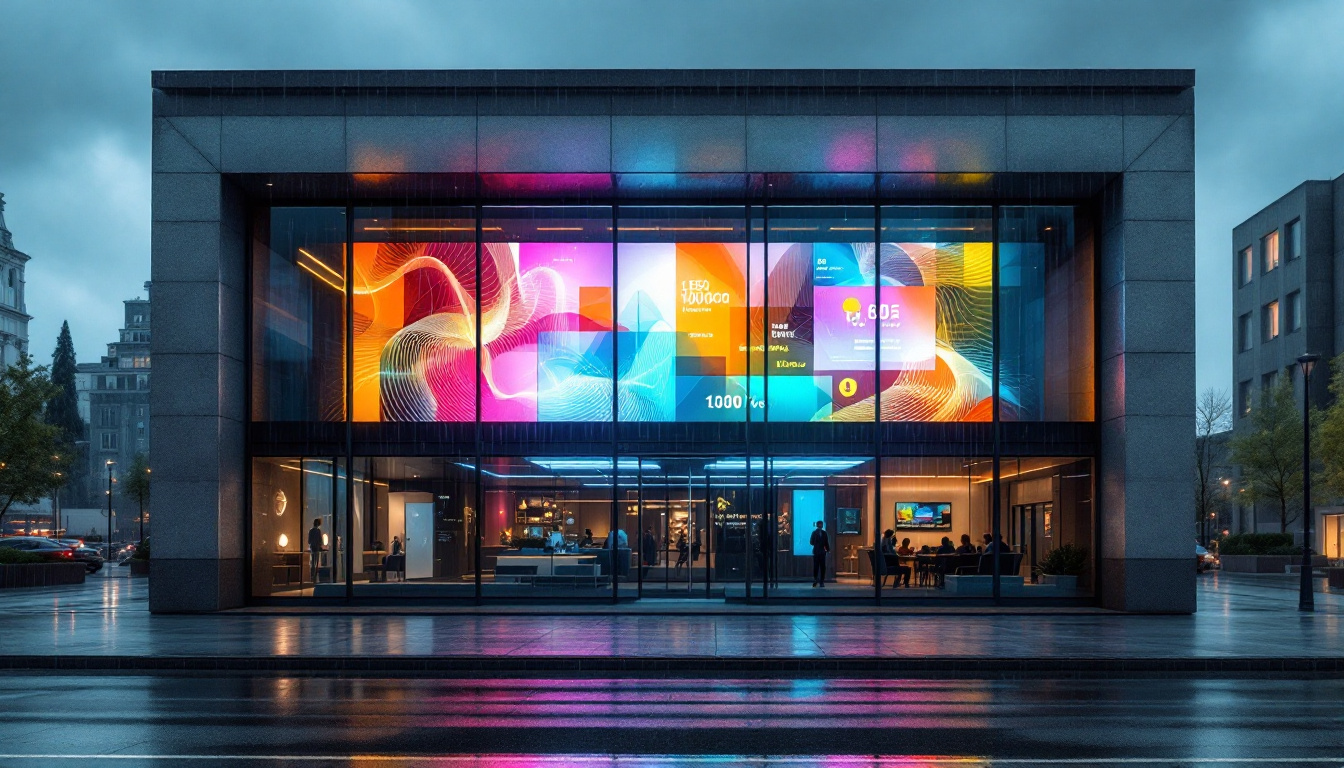
Retailers are increasingly adopting LED light wallpaper to create eye-catching storefronts and in-store displays. The technology enables dynamic advertising that can be updated instantly to reflect promotions, seasonal themes, or new product launches. The ability to cover large wall surfaces with vivid visuals enhances brand visibility and customer engagement.
For example, luxury fashion boutiques use LED light wallpaper to showcase runway videos or digital art that complements their collections, creating an immersive shopping experience. Similarly, restaurants and bars employ it to set ambiance or display menus and event information.
Corporate and Office Spaces
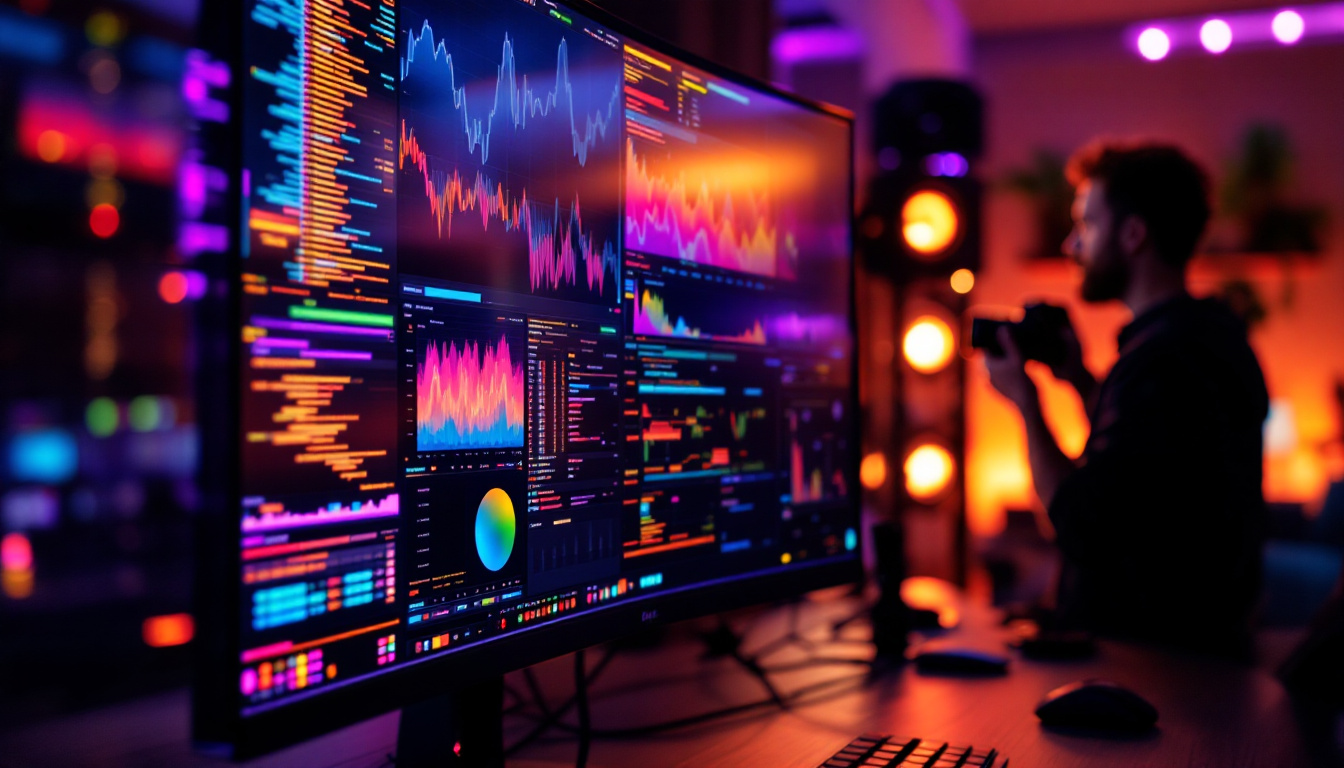
In corporate settings, LED light wallpaper serves both functional and aesthetic purposes. It can be used to display company branding, real-time data dashboards, or motivational content in lobbies and meeting rooms. The technology also supports flexible workspace designs by transforming walls into digital whiteboards or collaborative surfaces.
Residential Use
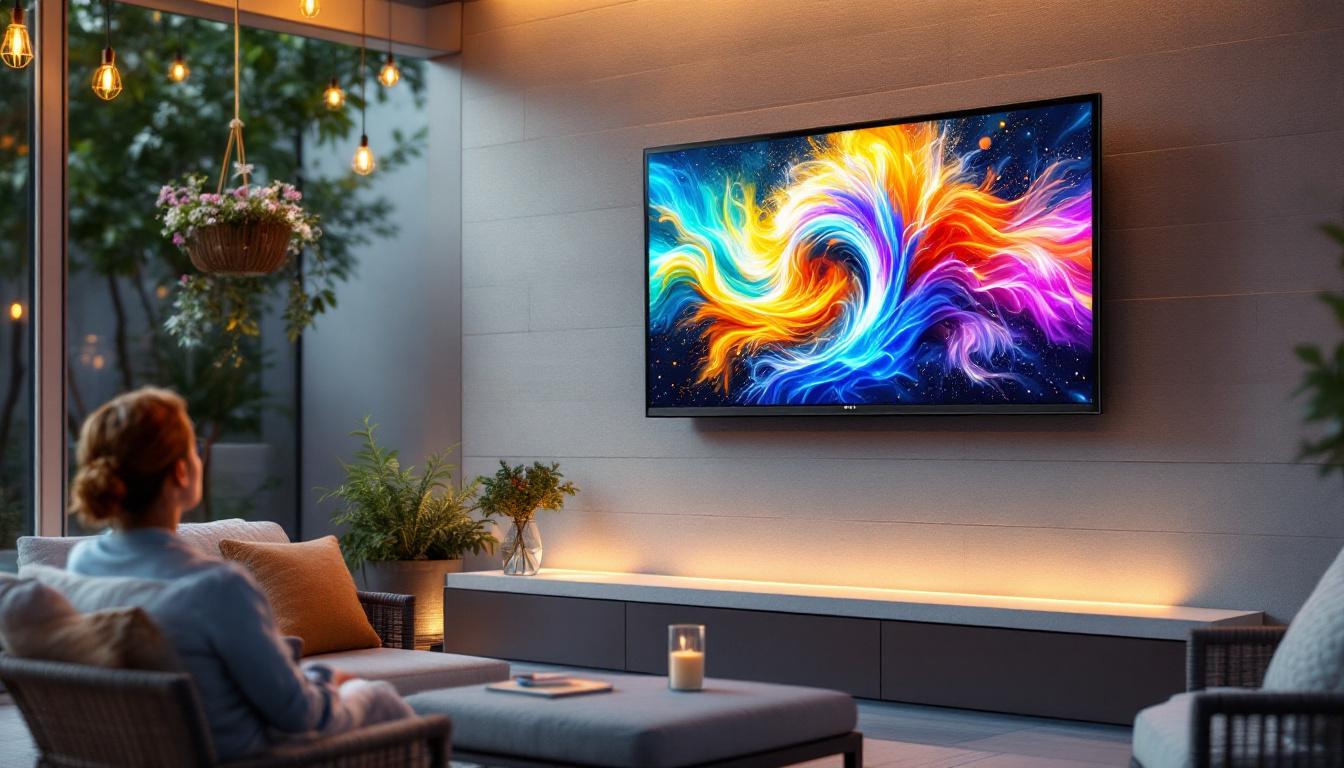
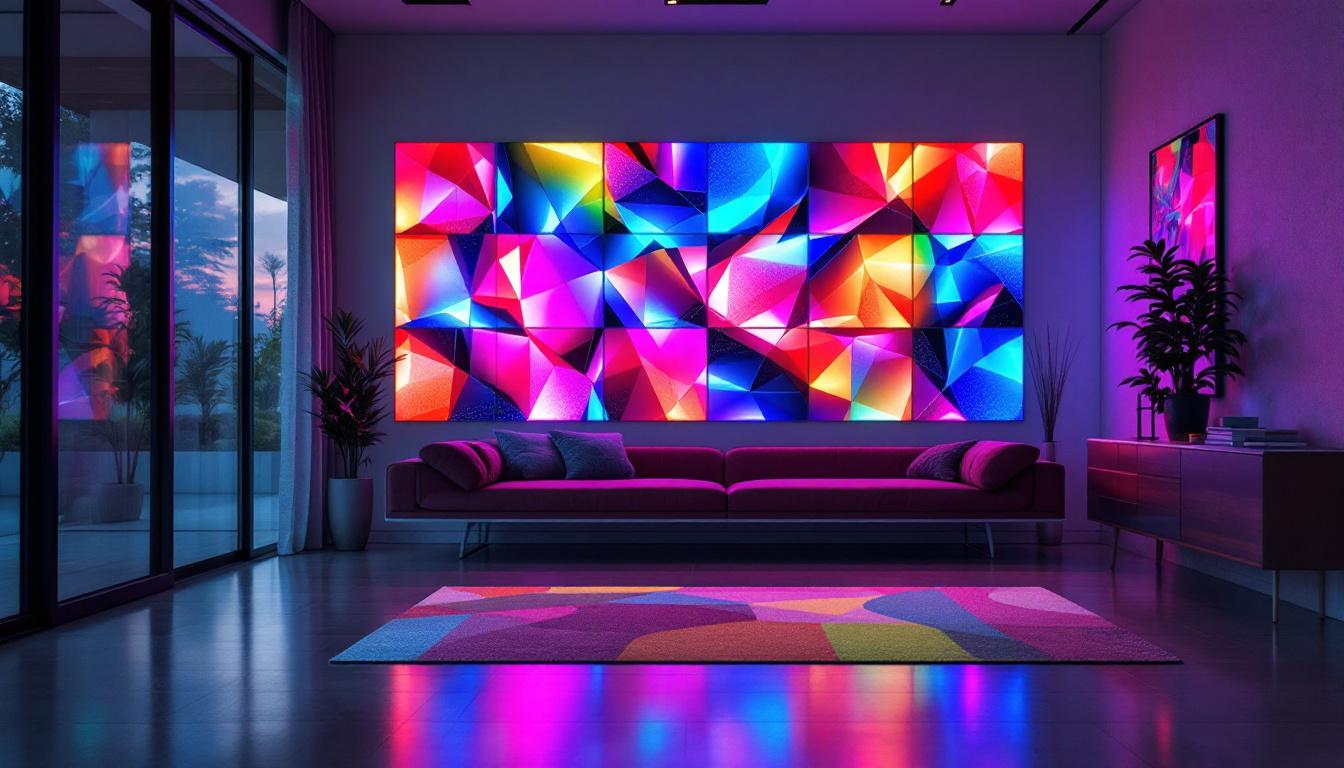
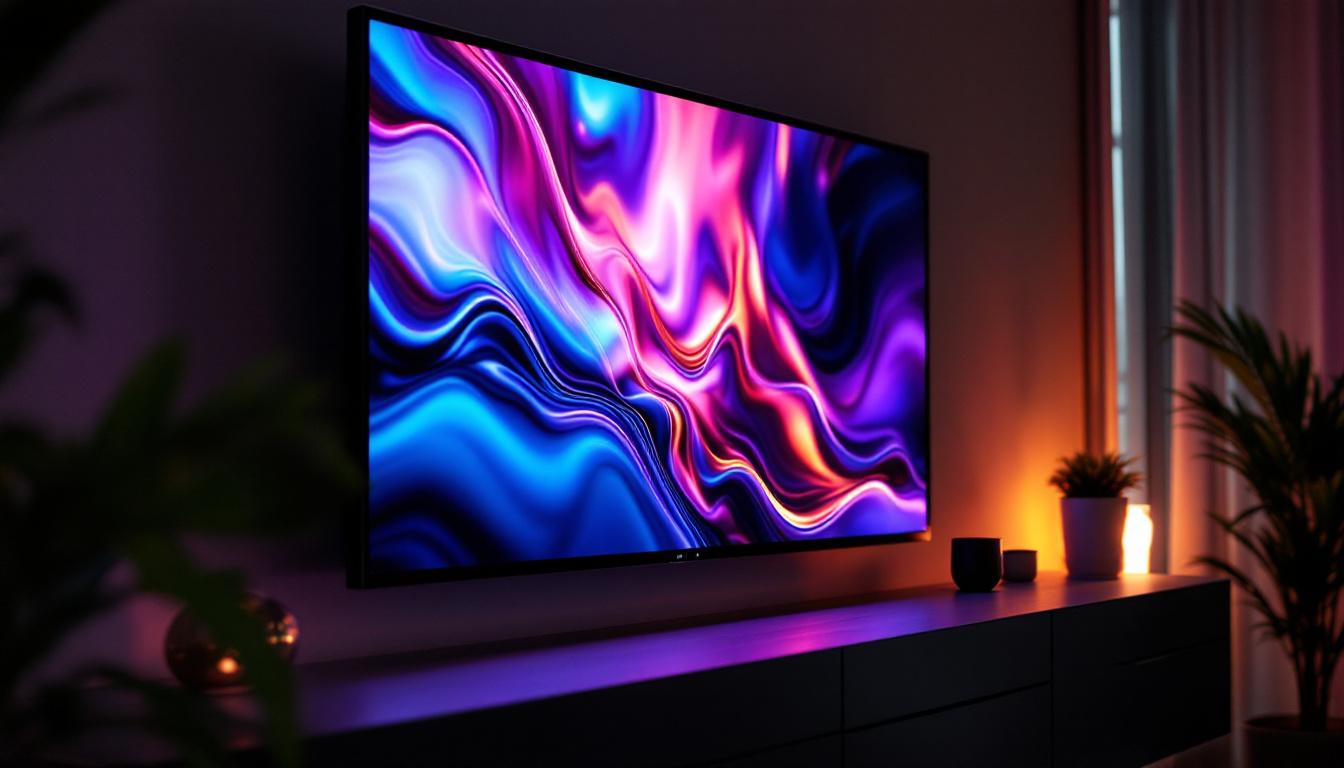
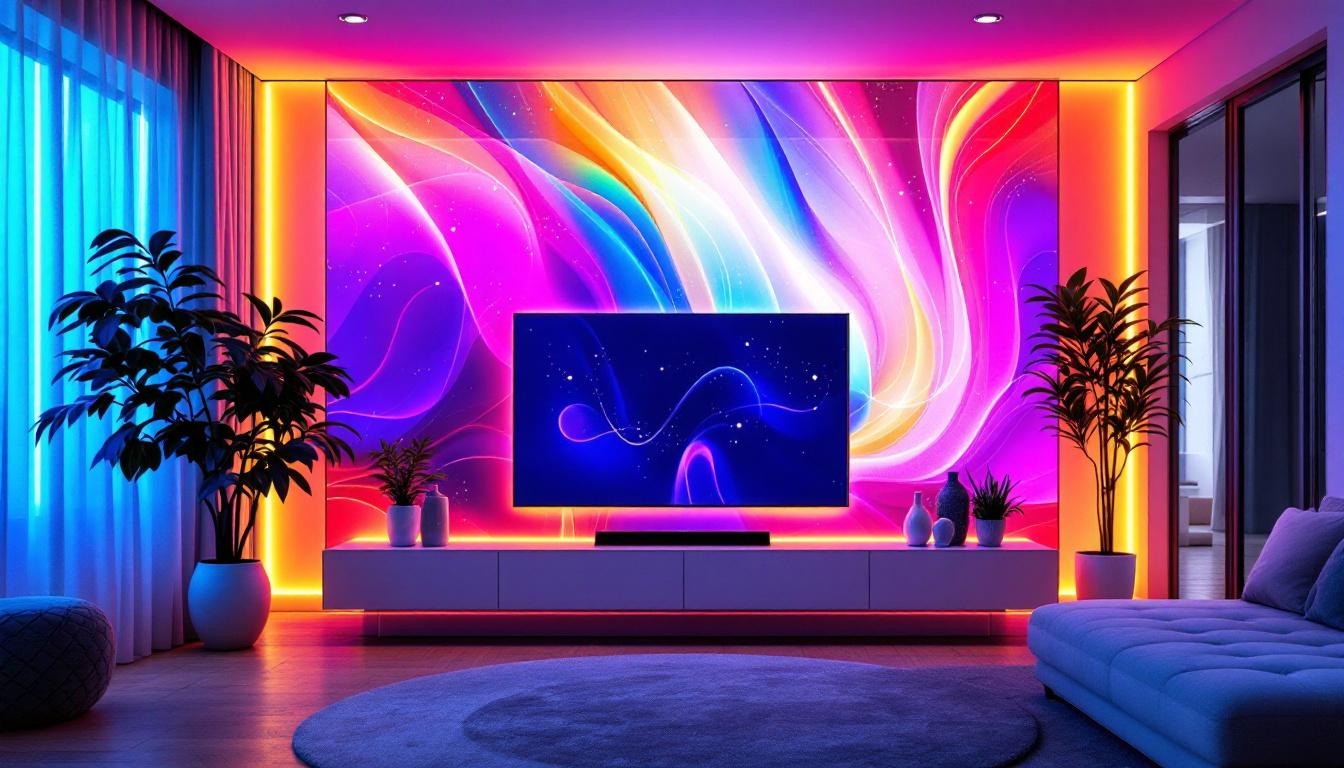
While still an emerging trend in homes, LED light wallpaper offers exciting possibilities for residential interiors. Homeowners can personalize living spaces with dynamic wallpapers that change according to mood, time of day, or special occasions. From simulating natural landscapes to displaying family photos or artwork, the technology adds a new layer of personalization and interactivity.
Public Spaces and Events
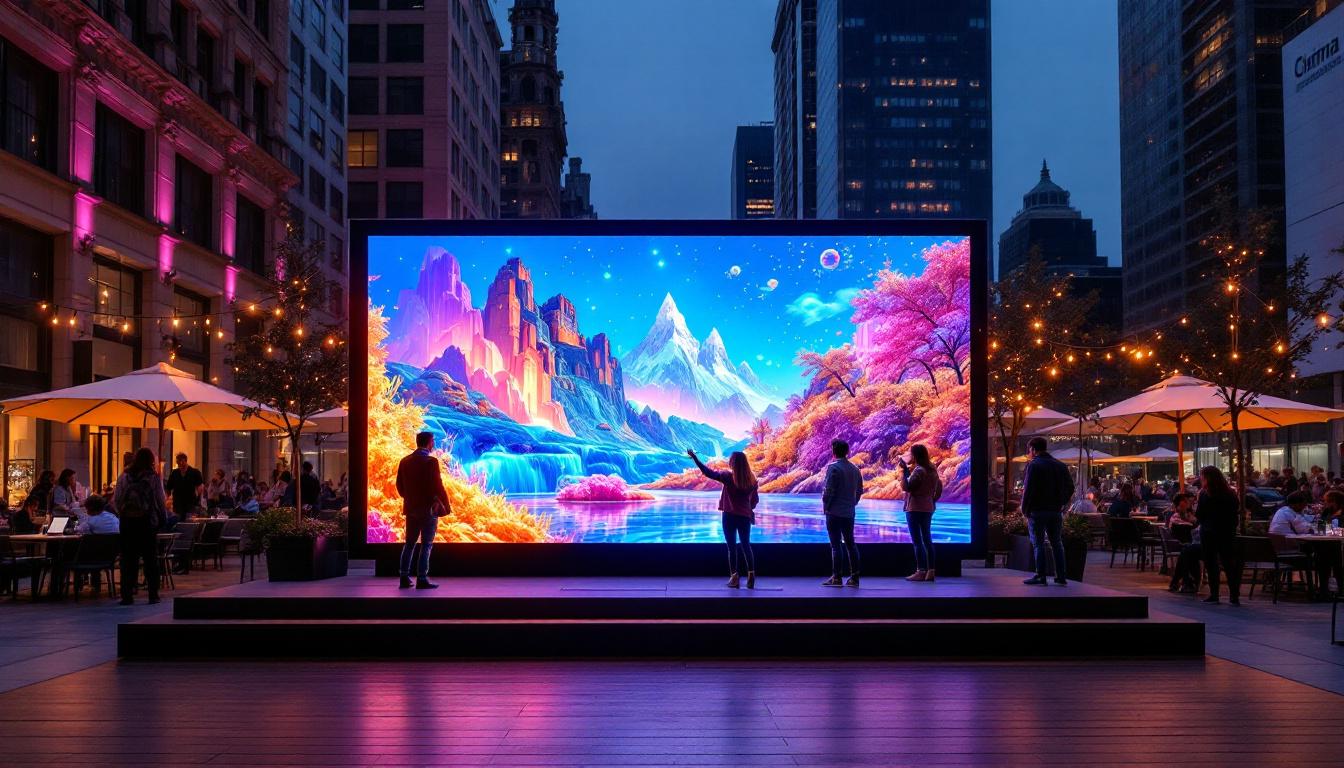
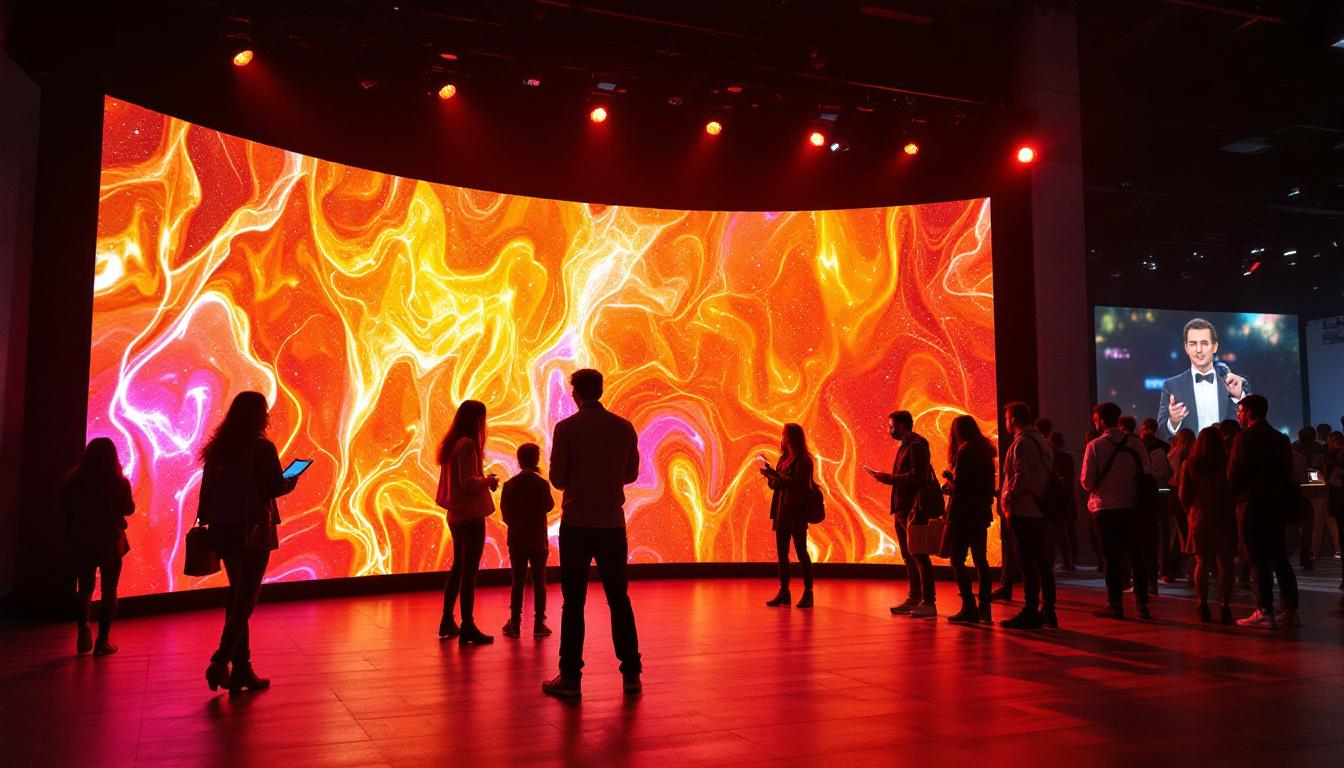
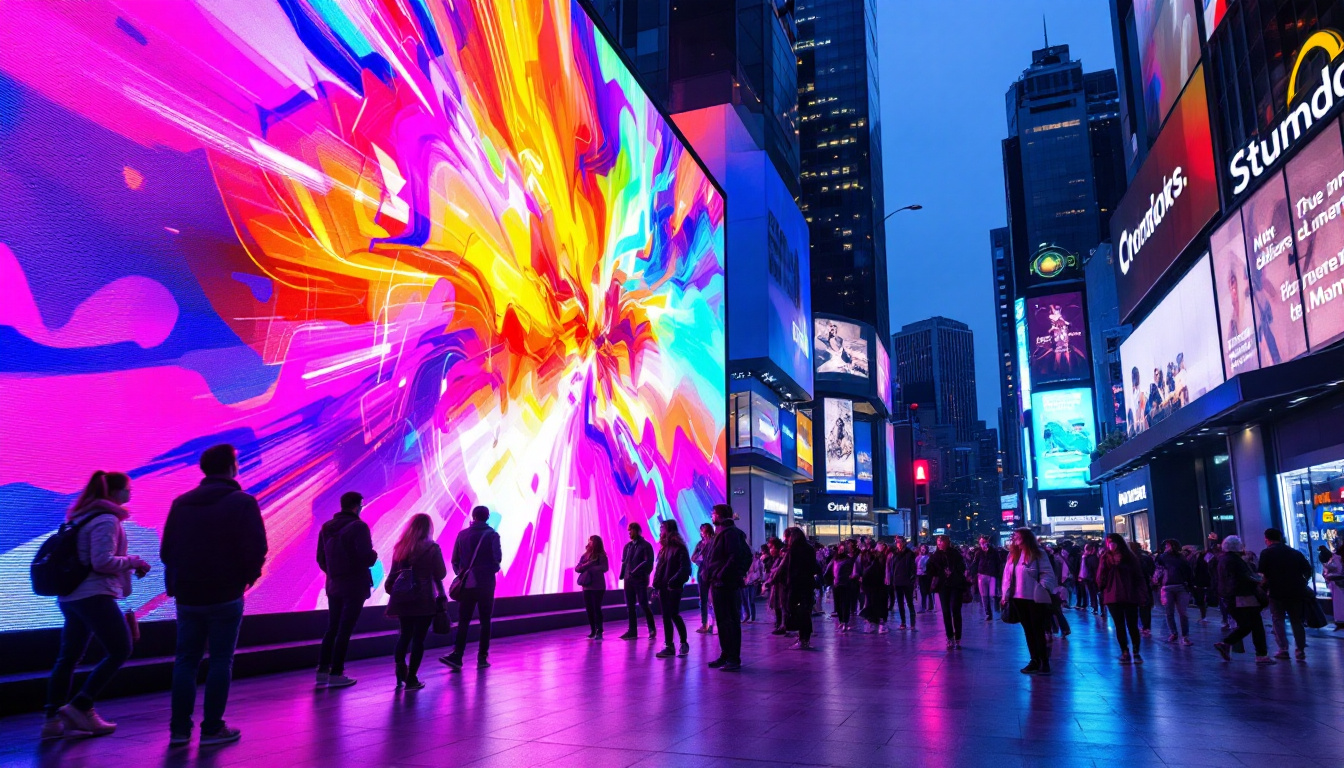
Public venues such as museums, airports, and convention centers utilize LED light wallpaper to provide information, wayfinding, or artistic displays. Its flexibility and scalability make it ideal for temporary installations at events, exhibitions, or trade shows, where impactful visual communication is essential.
Challenges and Considerations
Installation and Cost
Despite its advantages, LED light wallpaper is still relatively expensive compared to traditional wallpaper or static displays. The cost includes not only the material itself but also installation, control systems, and maintenance. Installation requires professional expertise to ensure proper electrical connections, calibration, and integration with existing infrastructure.
Durability and Maintenance
While designed to be durable, LED light wallpaper is more delicate than conventional wall coverings. Exposure to moisture, physical impact, or improper handling can damage the LEDs or circuitry. Regular maintenance and careful use are essential to preserve functionality and appearance over time.
Brightness and Viewing Angles
Achieving uniform brightness and optimal viewing angles across large wall surfaces can be challenging. Advances in LED technology and calibration techniques continue to improve these aspects, but users should consider ambient lighting conditions and viewing distances when planning installations.
The Future of LED Light Wallpaper
Technological Advancements
Ongoing research in micro-LED and flexible electronics promises to make LED light wallpaper thinner, more affordable, and easier to install. Innovations in wireless power transmission and energy harvesting could eliminate the need for cumbersome wiring, further enhancing design freedom.
Integration with Smart Environments
As smart home and building automation systems become more prevalent, LED light wallpaper is poised to play a central role in creating responsive environments. Integration with voice assistants, IoT devices, and AI-driven content management will enable walls that adapt dynamically to user preferences and environmental cues.
Expanding Market Adoption
With decreasing costs and increasing awareness, LED light wallpaper is expected to see broader adoption across residential, commercial, and public sectors. Its unique combination of visual impact, flexibility, and interactivity aligns well with contemporary demands for immersive and personalized spaces.
Conclusion
LED light wallpaper represents a fascinating convergence of display technology and interior design, offering a versatile platform for dynamic visual expression. By understanding the underlying LED technology, appreciating the benefits and challenges, and exploring diverse applications, businesses and individuals can harness this innovation to create captivating environments. As the technology matures, LED light wallpaper is set to redefine how walls communicate, decorate, and interact in the modern world.
Illuminate Your Space with LumenMatrix
Ready to elevate your environment with the dynamic allure of LED light wallpaper? LumenMatrix is at the forefront of transforming spaces with our comprehensive range of LED display solutions. From captivating Indoor LED Wall Displays to innovative Transparent LED Displays, we offer tailored options to bring your vision to life. Embrace the future of interior design and visual communication with LumenMatrix. Check out LumenMatrix LED Display Solutions today and start creating immersive experiences that resonate with your audience.