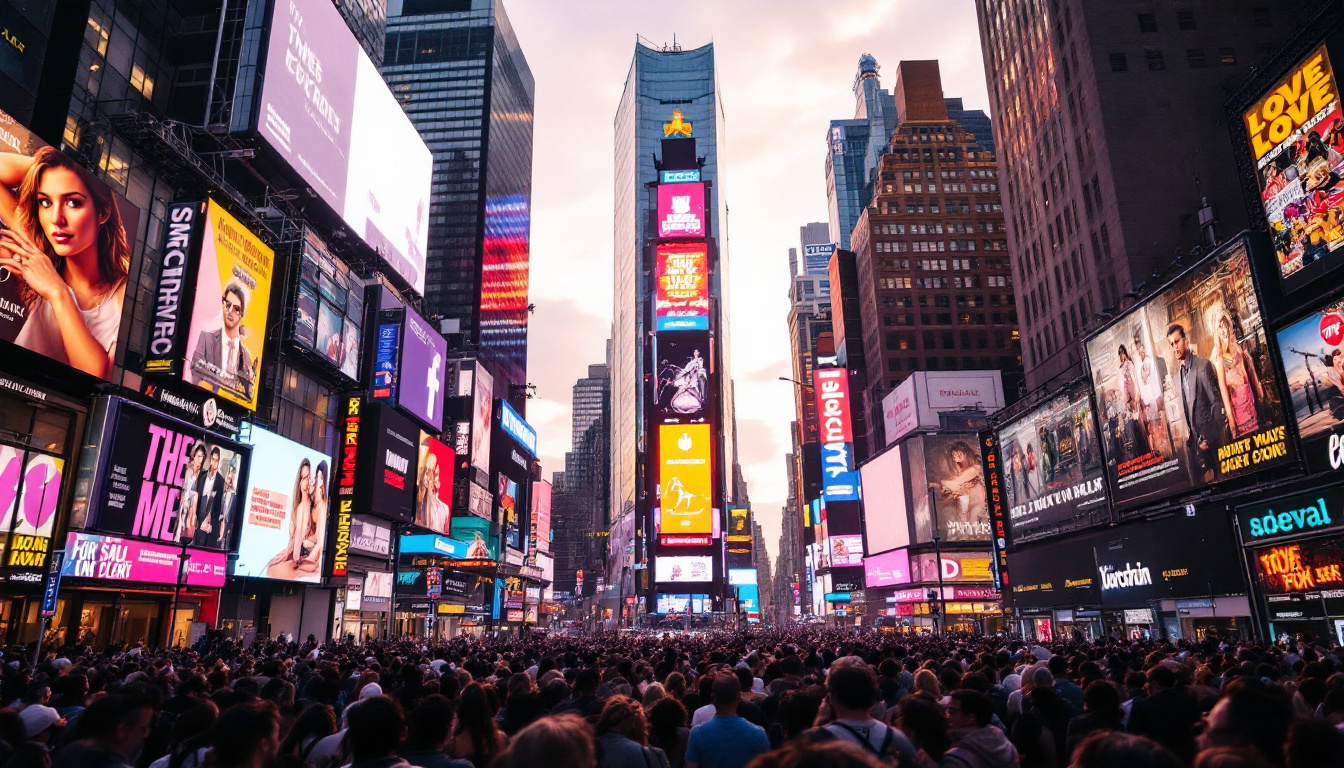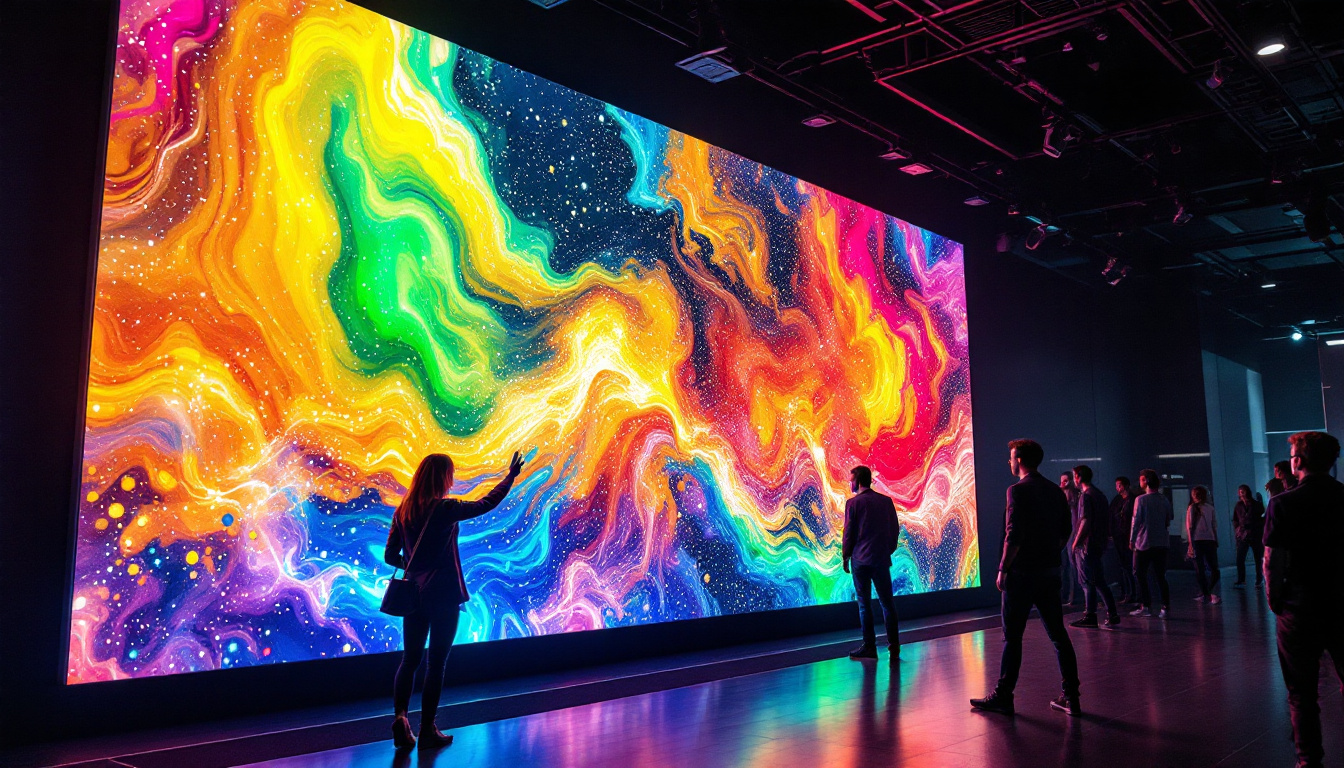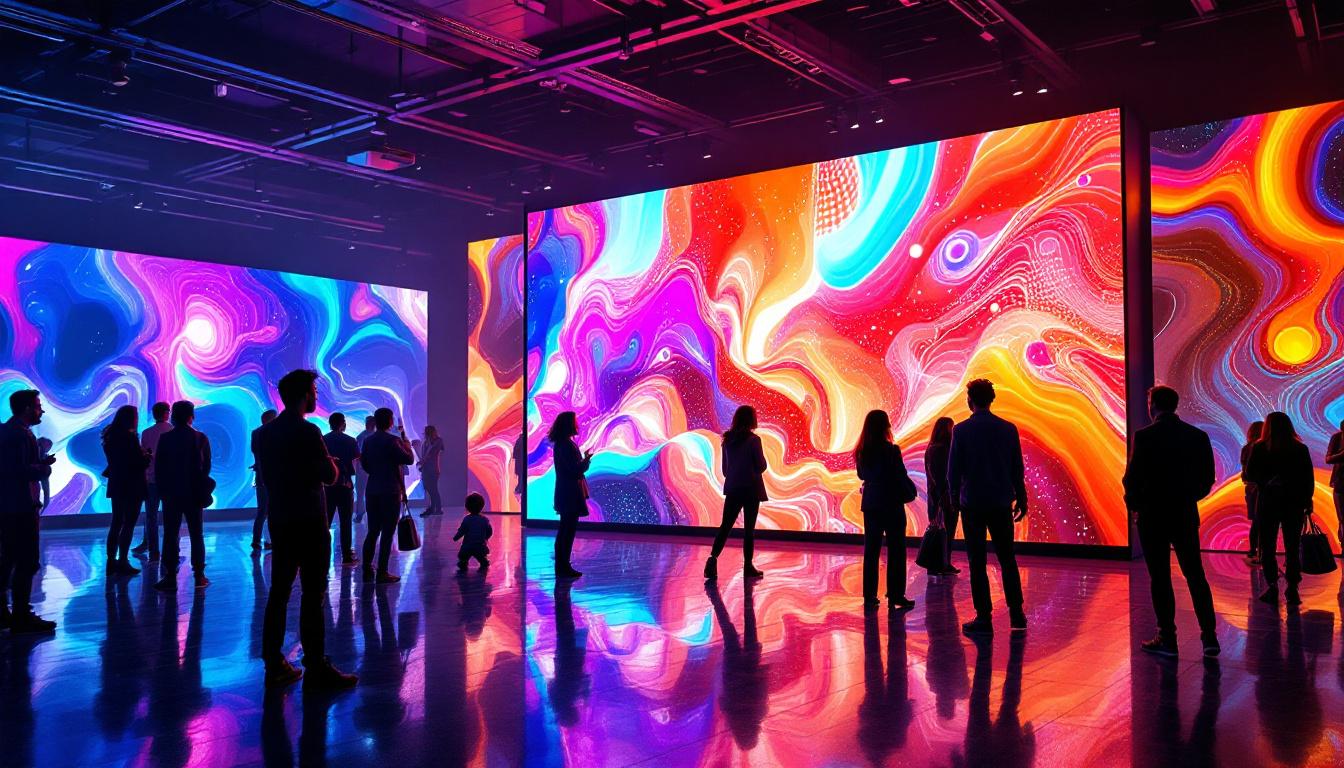
In today’s fast-paced digital world, LED displays have become an integral part of how information is shared, advertisements are showcased, and environments are transformed. From the towering billboards in Times Square to the dynamic video walls in corporate lobbies, LED technology is everywhere. But what exactly goes into these vibrant, eye-catching displays? This article delves deep into the world of LED displays, explaining their technology, applications, and why they have become the go-to choice for visual communication.
Understanding the Basics of LED Displays
What is an LED Display?
LED stands for Light Emitting Diode, a semiconductor device that emits light when an electric current passes through it. An LED display is essentially a flat panel or screen that uses an array of these tiny LEDs to produce images, videos, or text. Unlike traditional LCD or plasma screens, LED displays use these diodes as individual pixels or clusters of pixels, enabling bright, vivid, and energy-efficient visuals.
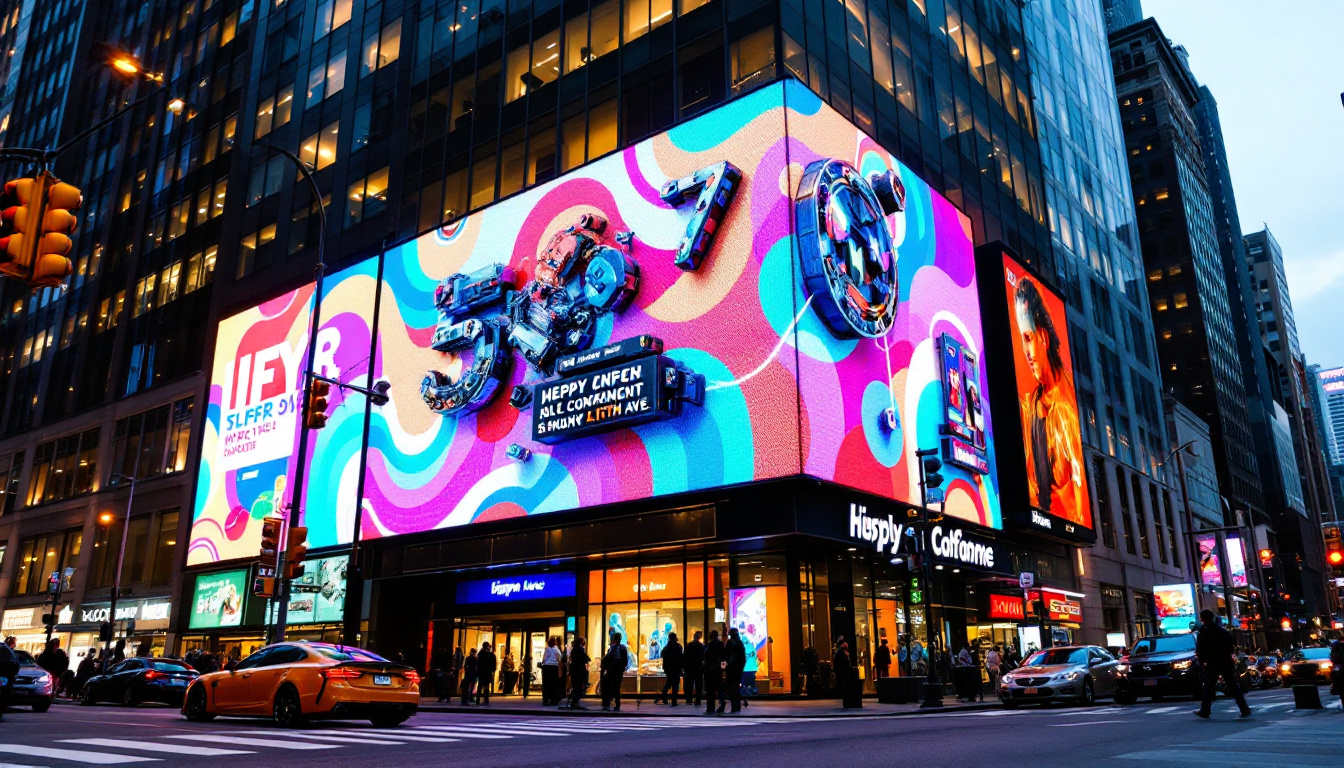
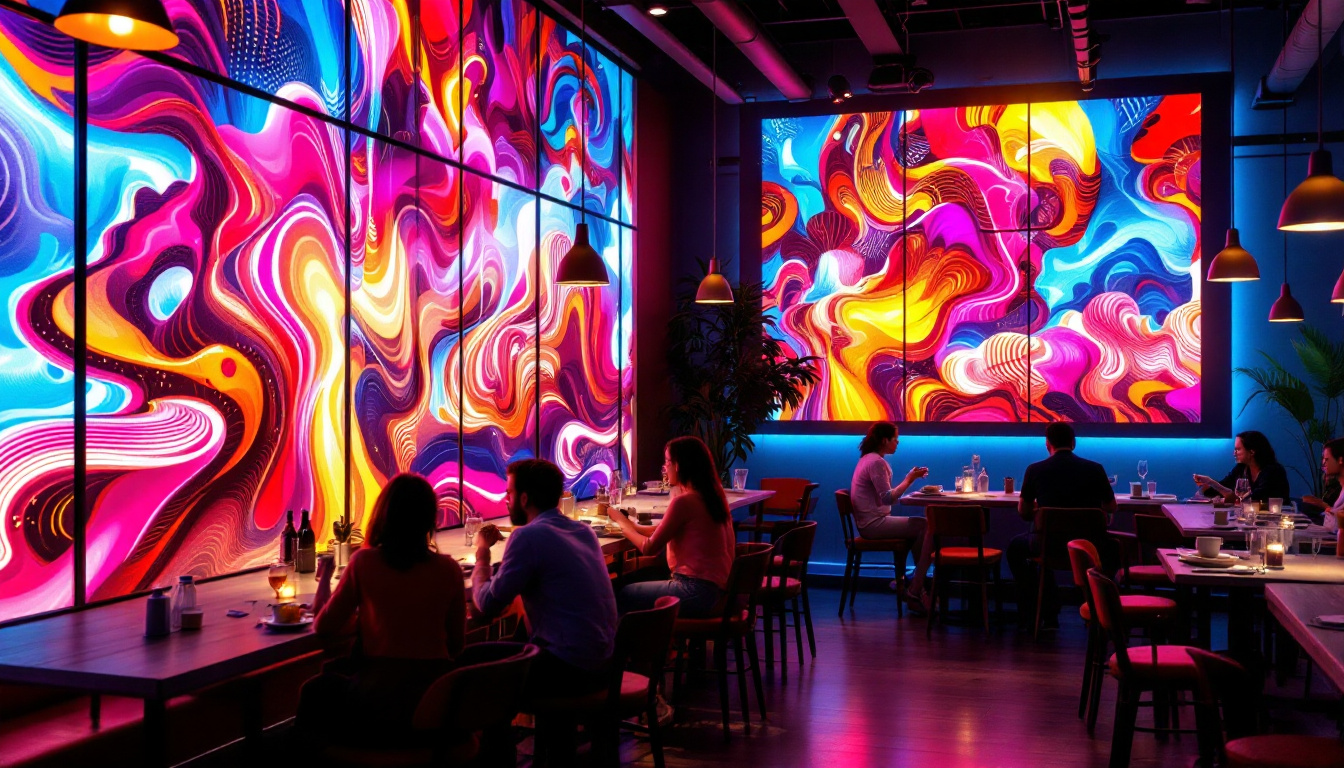
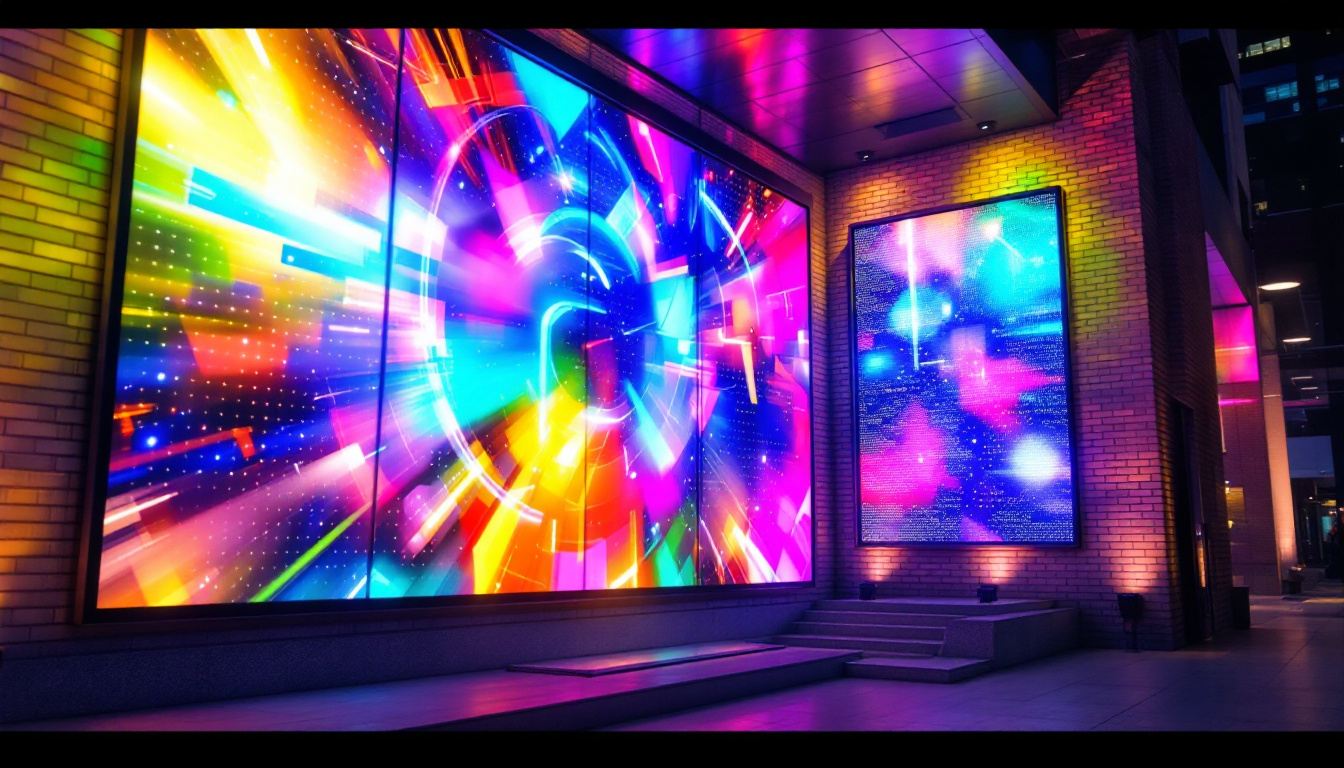
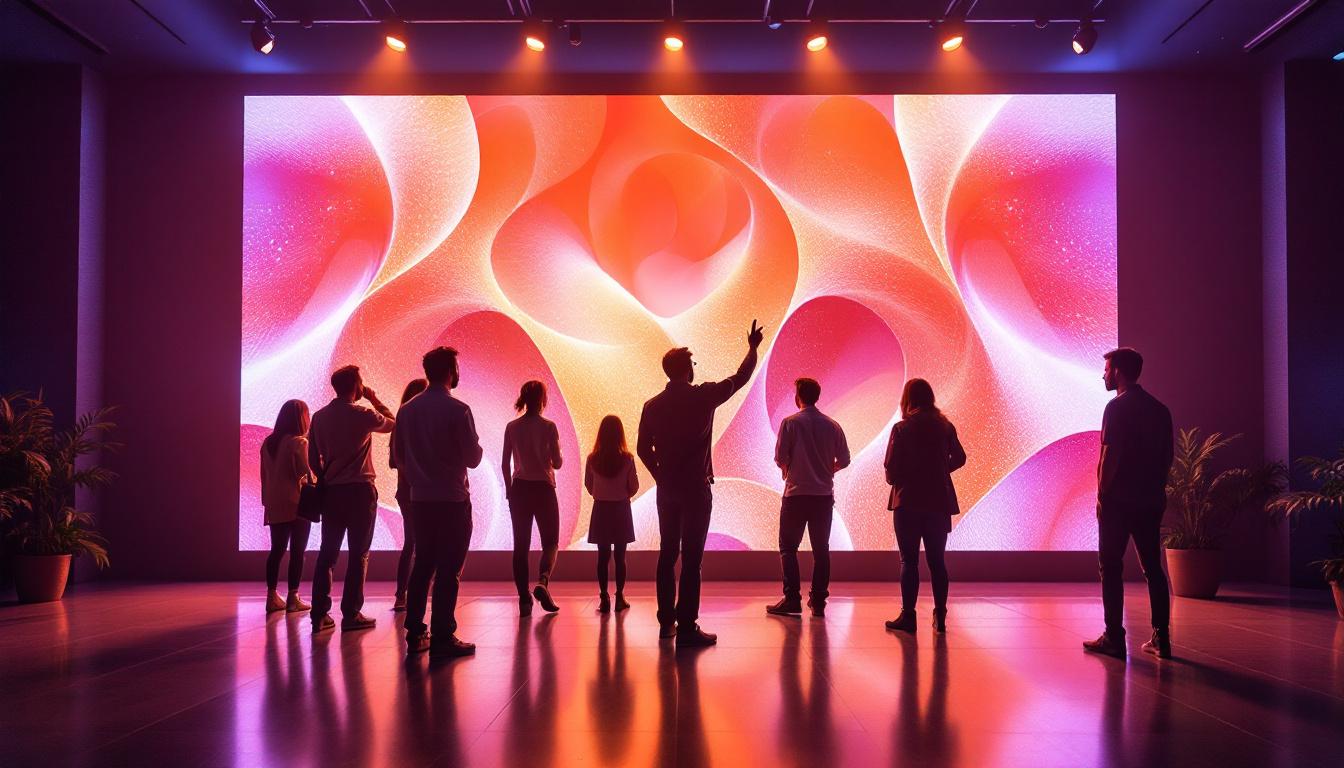
LED displays come in various forms, including indoor and outdoor screens, flexible panels, and even transparent displays. Their modular design allows for customization in size and shape, making them ideal for a wide range of applications. For instance, outdoor LED displays are often used for billboards and large advertising screens, while indoor models are popular in venues like theaters and conference rooms. The versatility of LED technology also extends to creative installations, where displays can be shaped to fit unique architectural designs, enhancing the aesthetic appeal of public spaces.
How Do LED Displays Work?
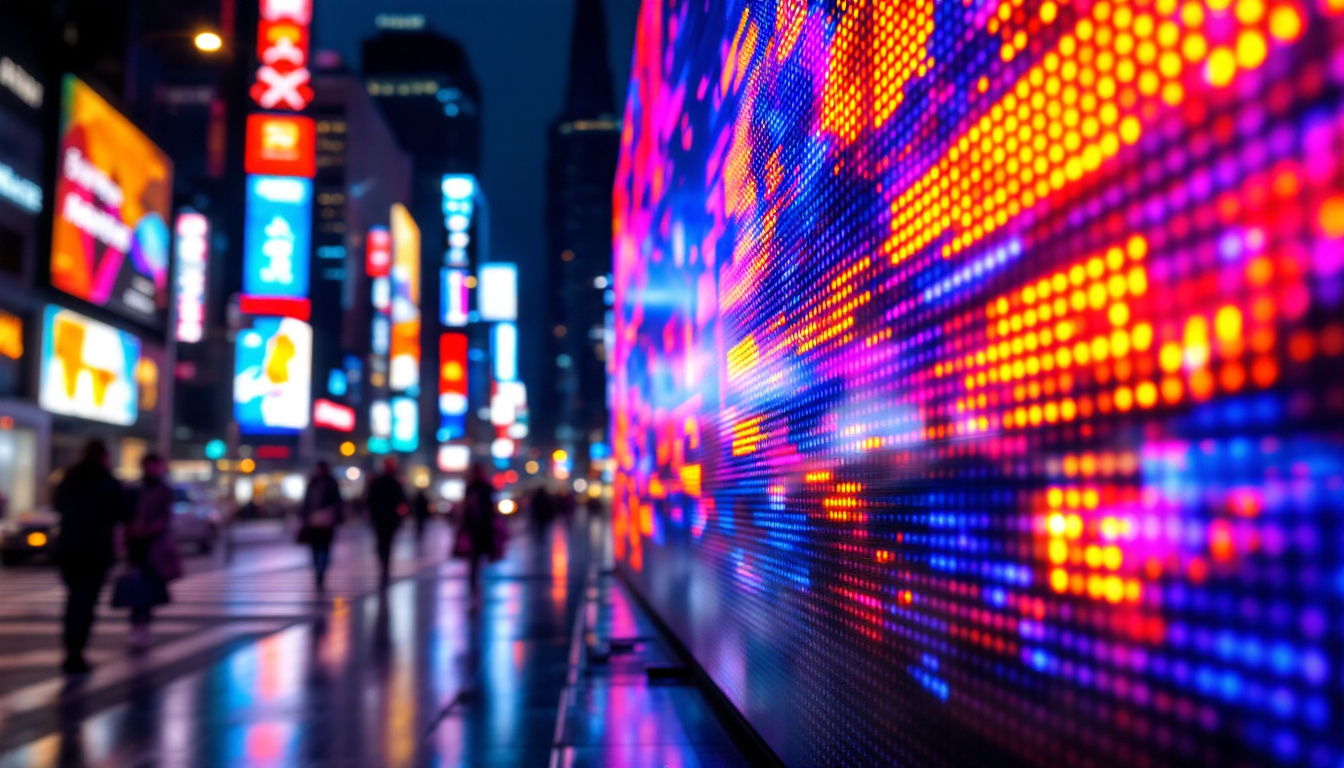
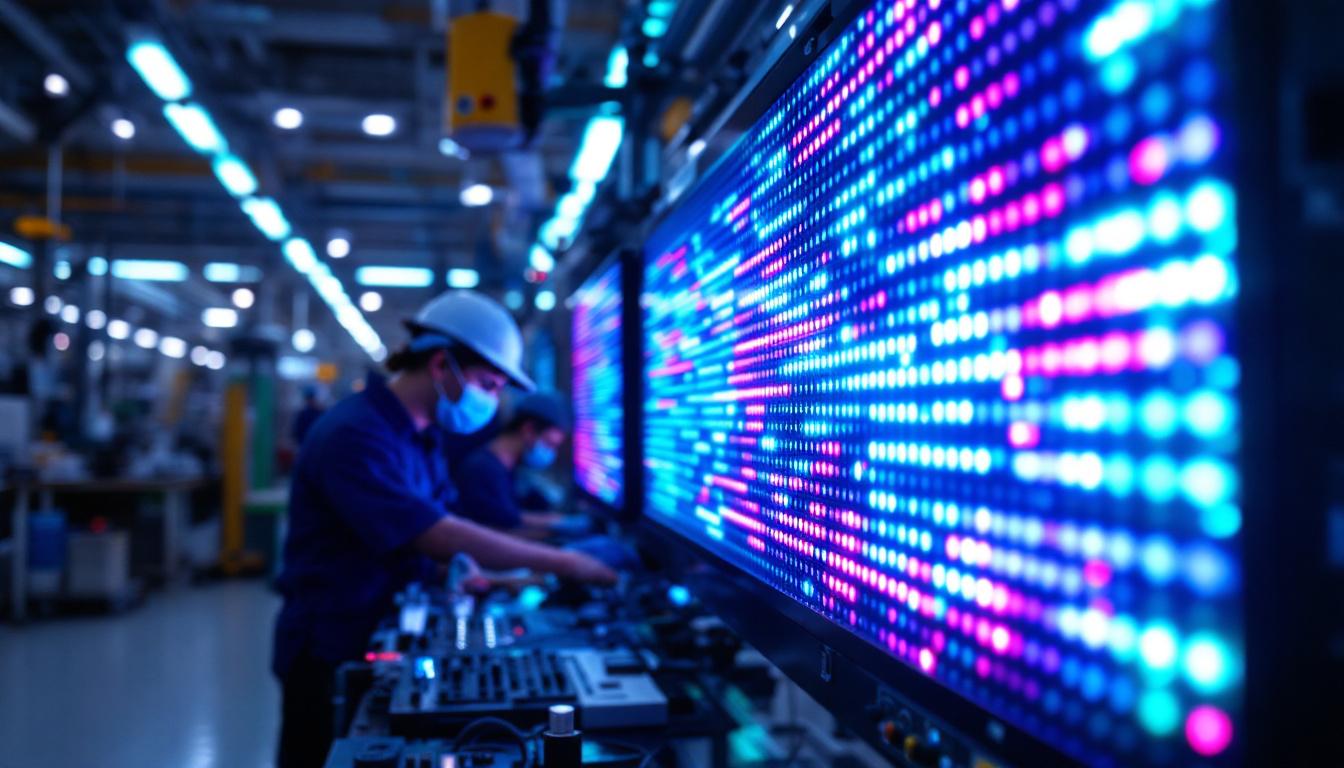
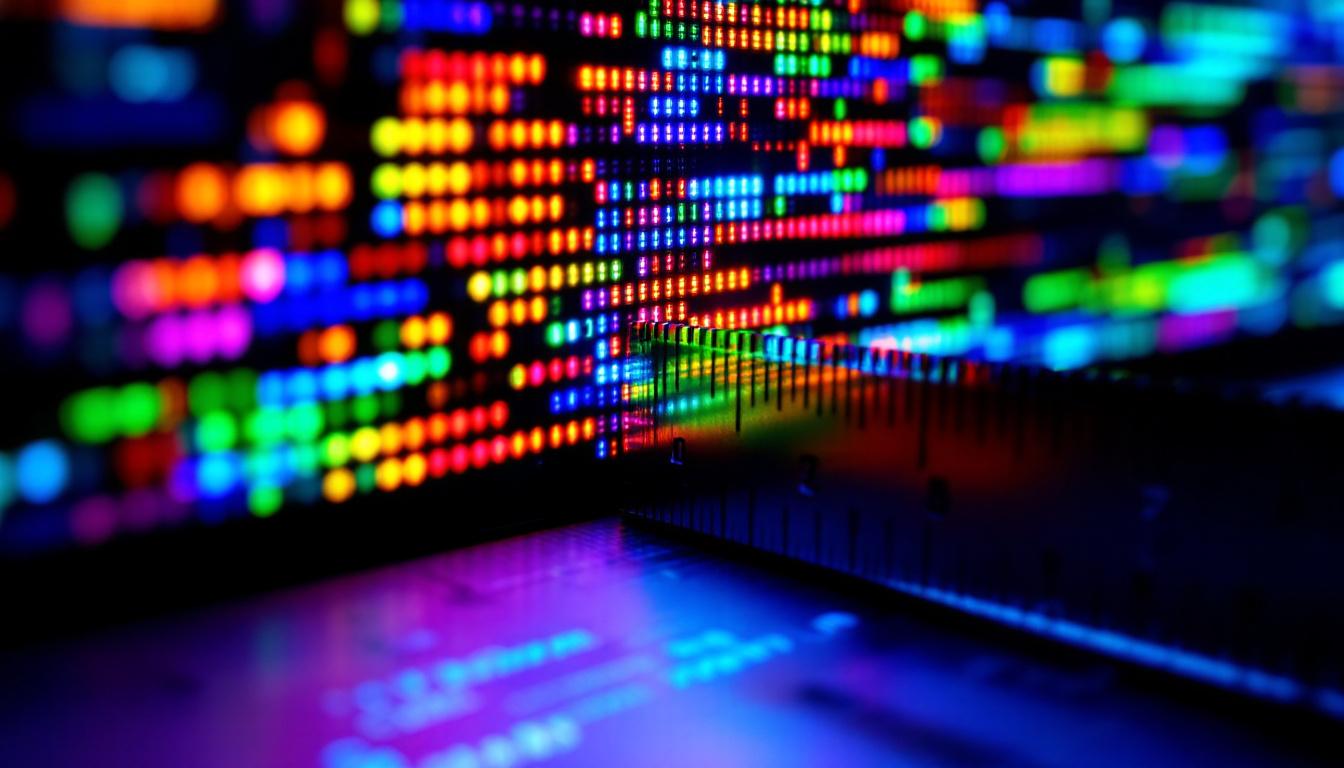
At the core of an LED display are thousands, sometimes millions, of tiny LEDs arranged in a grid. Each LED acts as a pixel or part of a pixel, emitting light in red, green, and blue (RGB) colors. By controlling the intensity of each color diode, the display can produce a full spectrum of colors through color mixing. This capability allows for stunning visuals that can captivate audiences, whether in a concert setting or during a sporting event.
The display is driven by a control system that sends signals to each LED, determining which diodes light up and at what brightness. This process happens rapidly, allowing for smooth video playback and dynamic content changes. The brightness and contrast levels of LED displays are generally superior to other technologies, making them highly visible even in direct sunlight. Additionally, advancements in LED technology have led to improvements in energy efficiency, with many modern displays consuming less power while delivering higher performance. This not only reduces operational costs but also contributes to a more sustainable approach to visual media, appealing to environmentally conscious consumers and businesses alike.
Key Components of LED Displays
LED Modules and Pixels
The fundamental building block of an LED display is the module, which contains a matrix of LEDs. Each LED within a module represents a pixel or part of a pixel, depending on the display’s resolution. The density of these pixels is measured in pixel pitch, which is the distance between the centers of two adjacent LEDs. A smaller pixel pitch means higher resolution and sharper images, especially important for close-viewing environments.
For example, indoor LED displays typically have a pixel pitch ranging from 1.2mm to 4mm, providing crisp visuals for viewers standing just a few feet away. Outdoor displays, designed to be viewed from a distance, often have a larger pixel pitch of 6mm to 20mm or more.
Control Systems and Processors
The control system is the brain behind an LED display. It manages the input signals, processes the content, and synchronizes the lighting of each LED pixel. Advanced processors allow for real-time content updates, remote management, and integration with various media sources.
Modern LED display controllers support high-definition video, live streaming, and interactive content. They also include features such as brightness adjustment based on ambient light, color calibration, and error detection to ensure consistent performance.
Power Supply and Cooling
LED displays require a stable power supply to maintain consistent brightness and color accuracy. High-quality power units protect the display from voltage fluctuations and ensure energy efficiency. Additionally, LED panels generate heat during operation, especially large-scale outdoor installations. Efficient cooling systems, including fans and heat sinks, are essential to prevent overheating and extend the lifespan of the display.
Applications of LED Displays in Various Industries
Advertising and Marketing
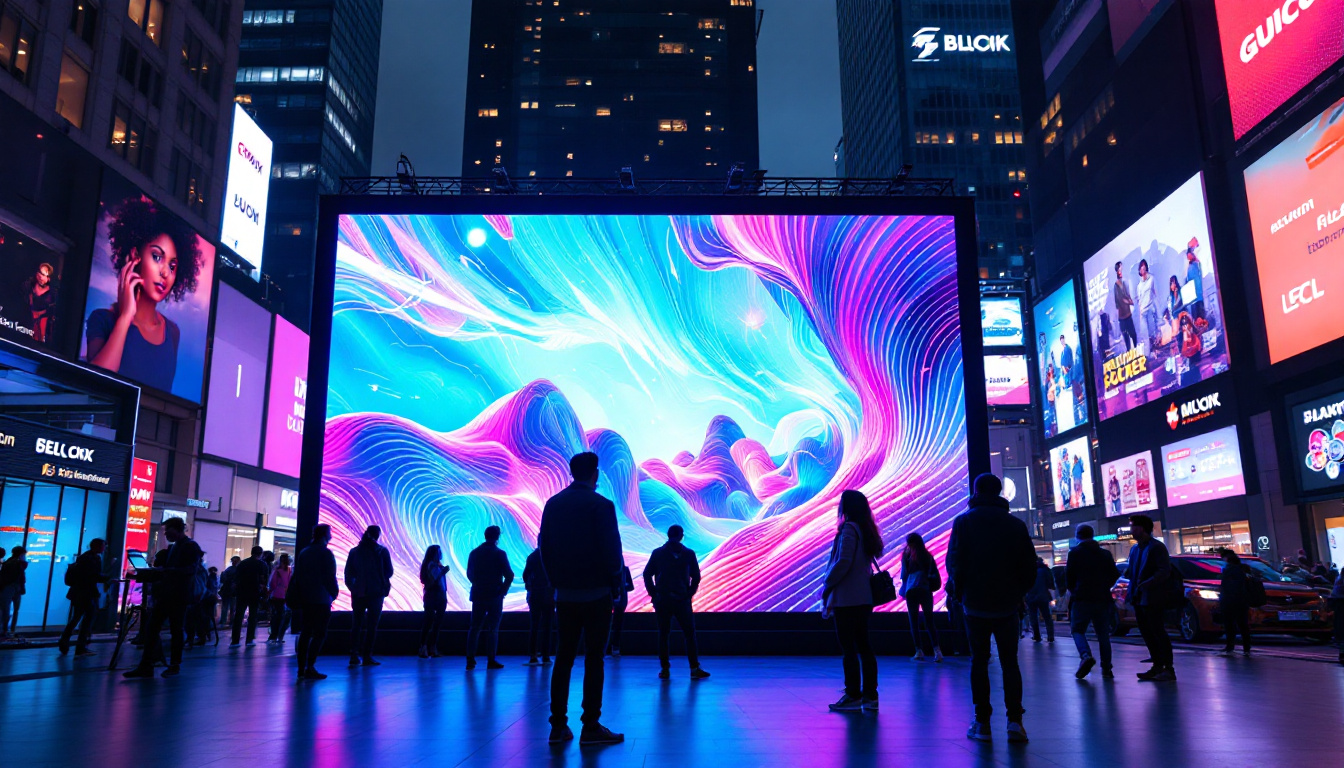
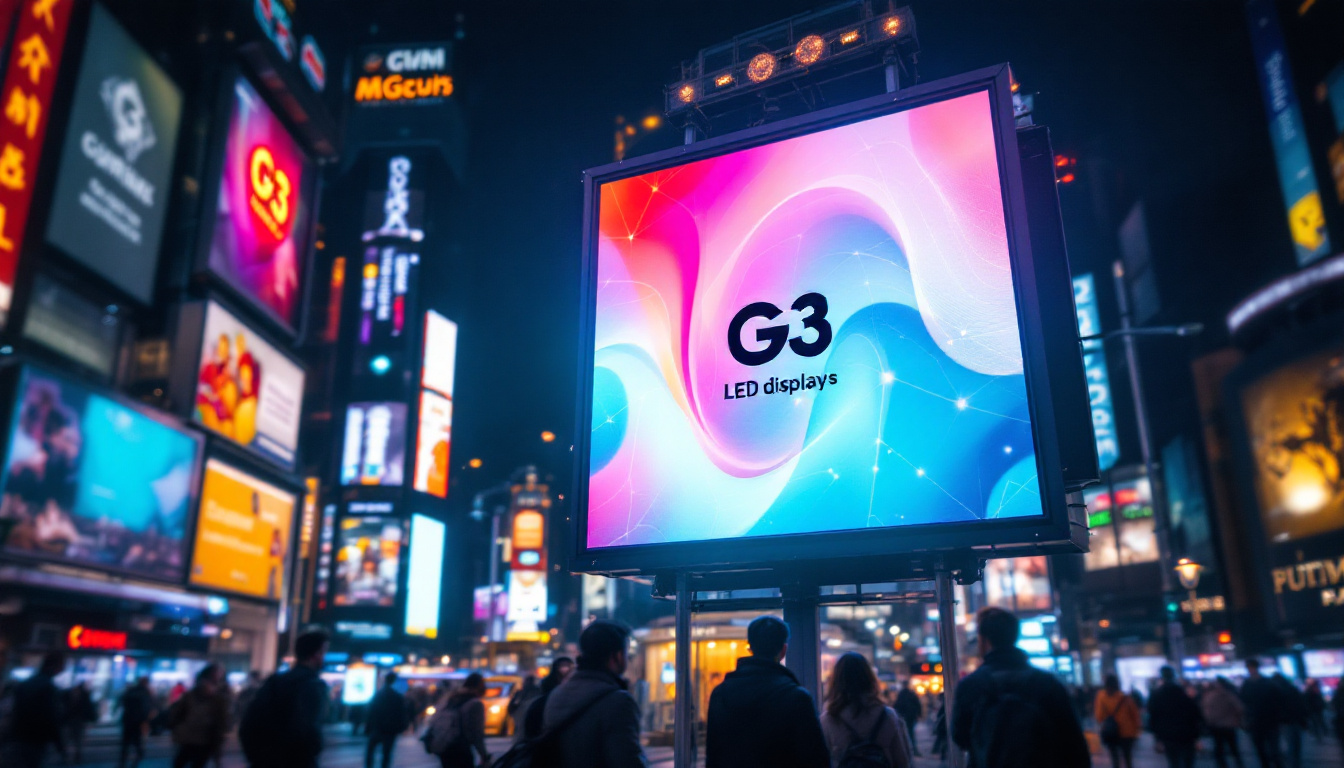
One of the most visible uses of LED displays is in advertising. Digital billboards and signage have revolutionized outdoor advertising by enabling dynamic, eye-catching content that can be updated instantly. According to a 2023 report by the Digital Signage Federation, LED displays now account for over 60% of the digital out-of-home advertising market, reflecting their growing dominance.
Brands use LED displays to create immersive campaigns, combining video, animation, and interactive elements to engage audiences. The ability to schedule content based on time of day, weather, or audience demographics enhances the effectiveness of these campaigns.
Events and Entertainment
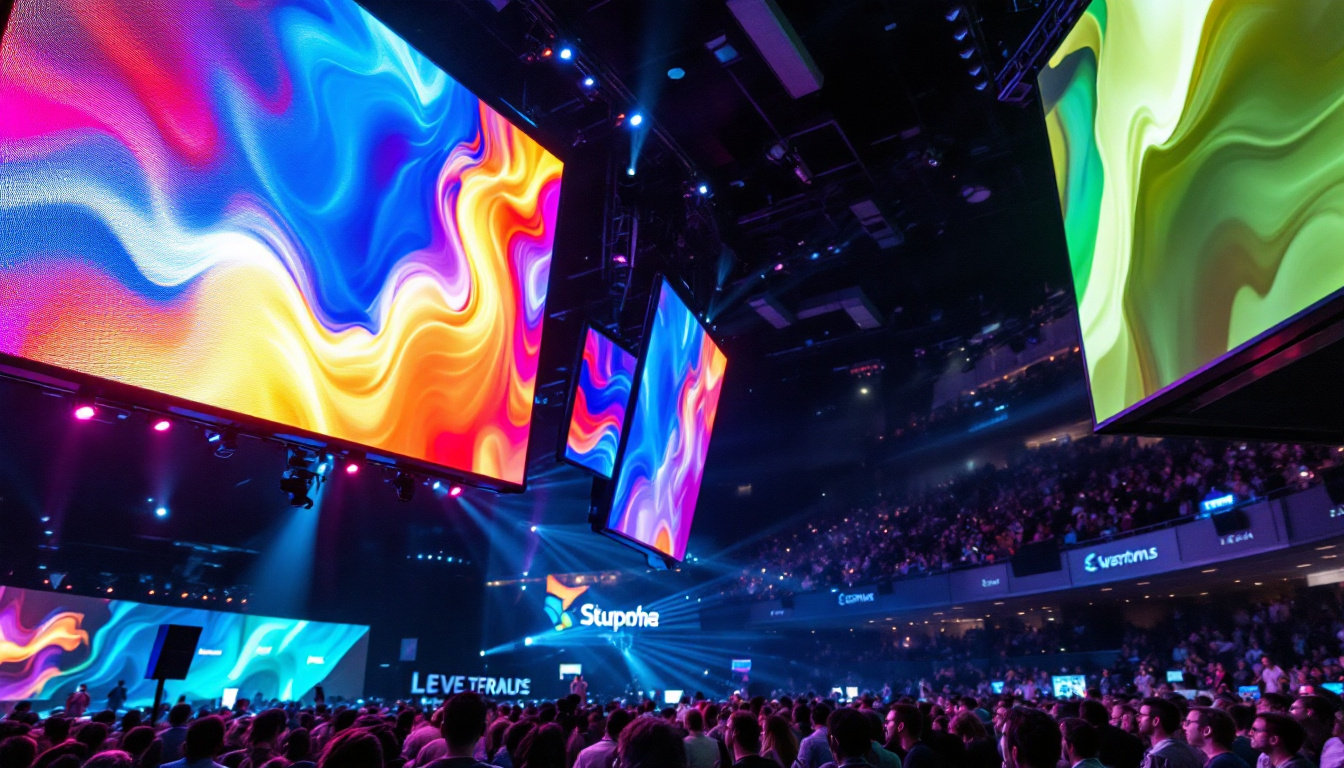
Concerts, sports events, and festivals rely heavily on LED displays to enhance the spectator experience. Massive LED video walls provide live feeds, replays, and vibrant visuals that can be seen clearly from any seat in the venue. The flexibility of LED panels allows for creative stage designs, including curved or irregular shapes.
In theaters and studios, LED walls are increasingly used as dynamic backdrops, replacing traditional green screens. This technology, known as virtual production, allows real-time rendering of backgrounds, saving time and costs in post-production.
Corporate and Retail Environments
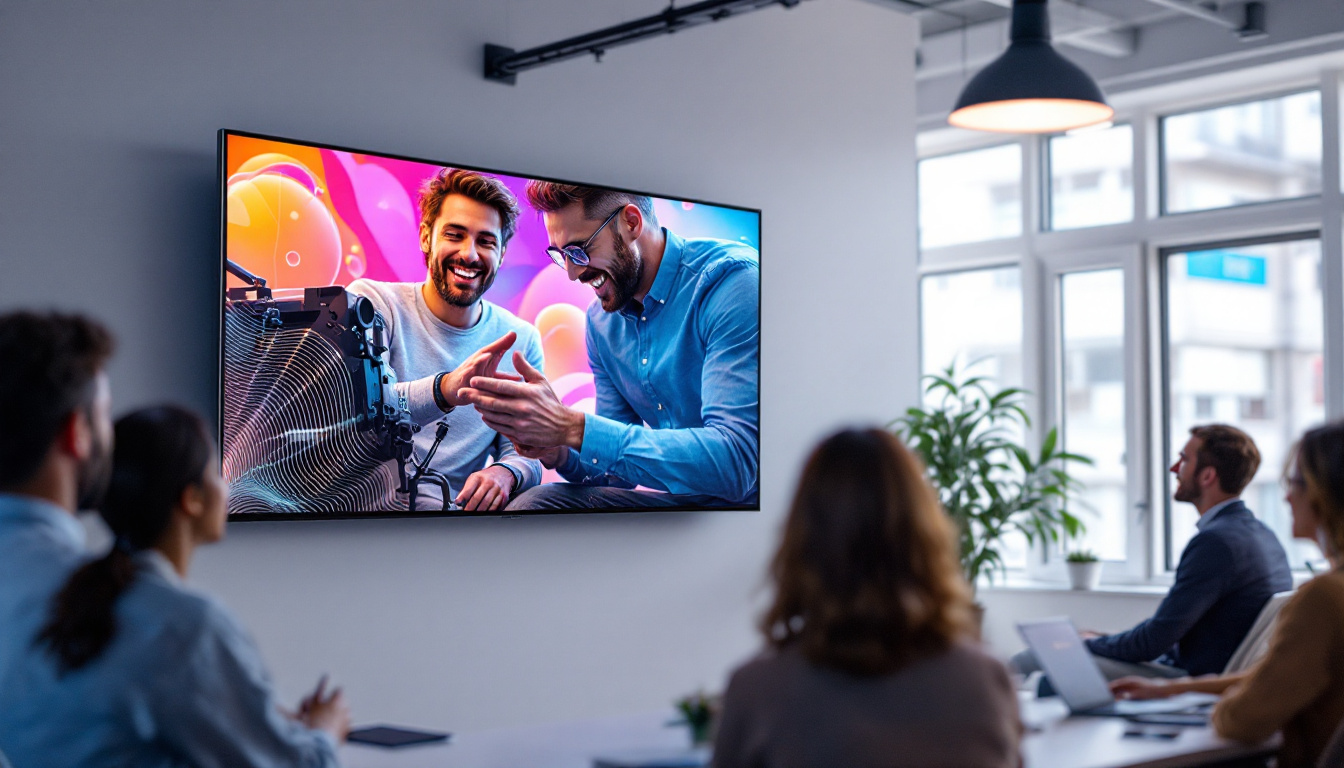
In corporate settings, LED displays serve as communication hubs in lobbies, conference rooms, and trade show booths. They provide real-time information, branding, and interactive presentations that enhance visitor engagement. Retailers use LED walls to create captivating window displays and in-store promotions that drive foot traffic and sales.
Moreover, LED displays support wayfinding and digital directories in large complexes such as airports, malls, and hospitals, improving customer experience and operational efficiency.
Advantages of LED Displays Over Other Technologies
Brightness and Visibility
LED displays are renowned for their superior brightness, often exceeding 5,000 nits for outdoor models. This makes them easily visible even in direct sunlight, unlike LCD or projection-based systems that struggle with glare and ambient light. High brightness ensures that messages and visuals remain clear and impactful regardless of the environment.
Energy Efficiency and Longevity
Compared to traditional lighting and display technologies, LEDs consume significantly less power. Advances in LED chip design and power management have further improved energy efficiency, reducing operational costs for large-scale installations. Additionally, LED displays boast a long lifespan, often rated between 50,000 to 100,000 hours, minimizing maintenance and replacement expenses.
Flexibility and Customization
The modular nature of LED displays allows for unparalleled flexibility in size, shape, and resolution. Whether it’s a massive outdoor billboard or a delicate curved indoor wall, LED technology can be tailored to the specific needs of any project. This adaptability opens creative possibilities for architects, designers, and advertisers alike.
Color Accuracy and Refresh Rate
LED displays offer excellent color reproduction with wide color gamuts and high contrast ratios. Their fast refresh rates eliminate flicker, making them suitable for broadcasting and live video applications. This ensures smooth motion and vibrant imagery that captures attention and conveys messages effectively.
Challenges and Considerations When Choosing LED Displays
Initial Investment and Installation
While LED displays offer many benefits, the upfront costs can be significant, especially for high-resolution indoor models or large outdoor installations. Budgeting for installation, structural support, and integration with existing systems is crucial. However, the long-term savings in energy and maintenance often justify the initial expenditure.
Environmental Factors
Outdoor LED displays must withstand harsh weather conditions, including rain, dust, extreme temperatures, and UV exposure. Selecting displays with appropriate IP (Ingress Protection) ratings and robust construction is essential to ensure durability and consistent performance.
Content Management and Technical Support
Effective use of LED displays requires skilled content creation and management. Organizations should invest in software solutions that enable easy scheduling, remote updates, and analytics tracking. Additionally, reliable technical support is vital to address any issues promptly and minimize downtime.
The Future of LED Display Technology
MicroLED and MiniLED Innovations
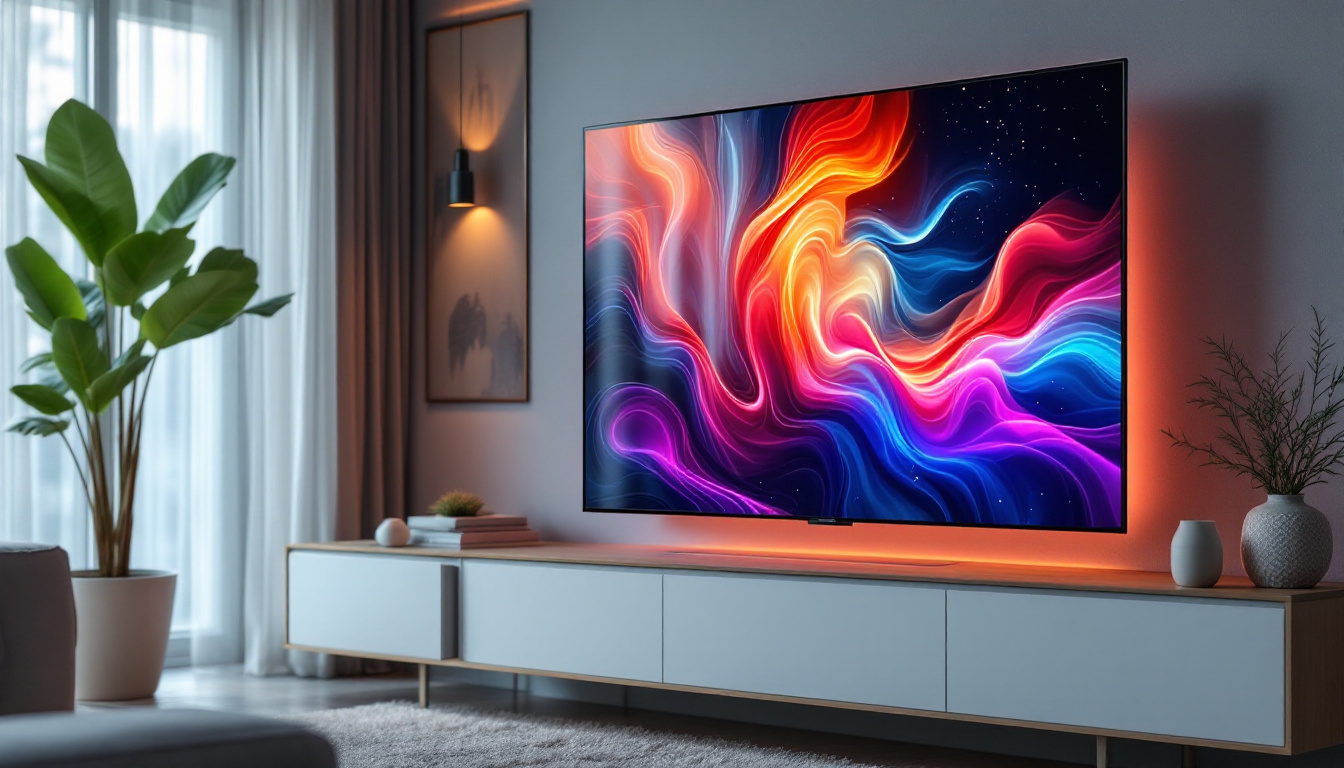
Emerging technologies like MicroLED and MiniLED promise to push the boundaries of LED displays even further. MicroLEDs, which are significantly smaller than traditional LEDs, enable ultra-high resolution, improved brightness, and better energy efficiency. These displays are poised to revolutionize consumer electronics, including TVs, smartphones, and wearable devices.
Integration with AI and IoT
The integration of LED displays with Artificial Intelligence (AI) and the Internet of Things (IoT) is creating smarter, more interactive signage. AI can analyze audience behavior and optimize content in real-time, while IoT connectivity allows displays to communicate with other devices and systems for seamless operation.
Sustainability and Eco-Friendly Designs
As environmental concerns grow, manufacturers are focusing on sustainable materials and energy-saving designs for LED displays. Innovations include recyclable components, low-power modes, and solar-powered outdoor displays, aligning with global efforts to reduce carbon footprints.
Conclusion
LED displays have transformed the way information and visuals are presented across industries. Their brightness, flexibility, and efficiency make them an ideal choice for advertising, entertainment, corporate communication, and beyond. Understanding the technology behind these displays helps businesses and organizations make informed decisions when investing in digital signage solutions.
As LED technology continues to evolve with innovations like MicroLED and AI integration, the possibilities for captivating and effective visual communication are expanding. Whether for a bustling city billboard or an intimate retail display, LED technology remains at the forefront of digital display innovation, lighting the way to the future of visual storytelling.
Explore Cutting-Edge LED Solutions with LumenMatrix
Ready to bring your visual communication into the future? Discover LumenMatrix’s innovative LED display technologies, designed to captivate your audience and amplify your message. From Indoor and Outdoor LED Wall Displays to specialized solutions like Vehicle, Sports, and Floor LED Displays, LumenMatrix offers a wide array of products tailored to your needs. Experience the difference with our Custom, All-in-One, and Transparent LED Displays, and see how our commitment to revolutionizing digital signage can transform your space. Check out LumenMatrix LED Display Solutions today and take the first step towards unparalleled brand visibility and engaging visual experiences.