In today’s digital age, LED displays have become an integral part of how information and entertainment are presented across various platforms. From massive outdoor billboards to indoor video walls in corporate settings, LED technology offers unparalleled brightness, clarity, and versatility. This article delves deep into the world of LED displays, explaining their technology, applications, and why they are a game-changer for extreme video websites and beyond.
Understanding LED Display Technology
What Is an LED Display?
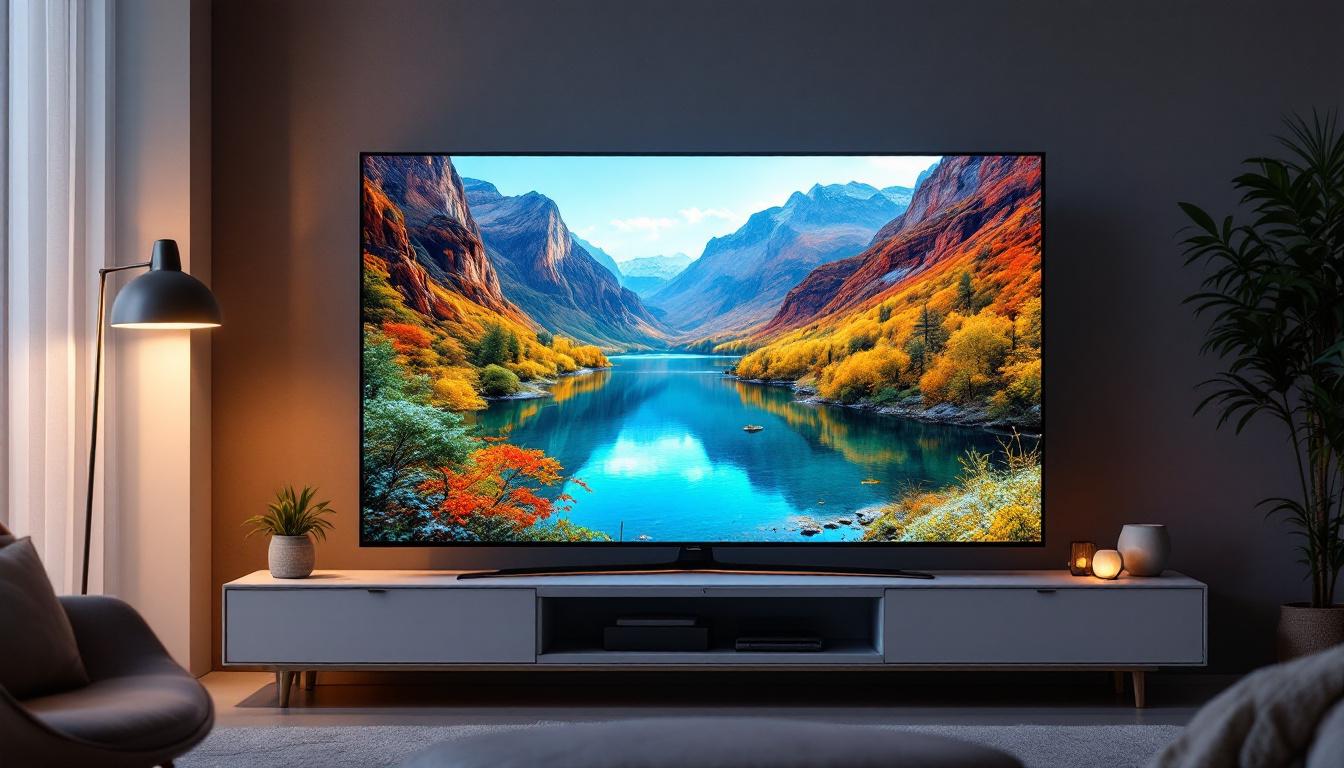
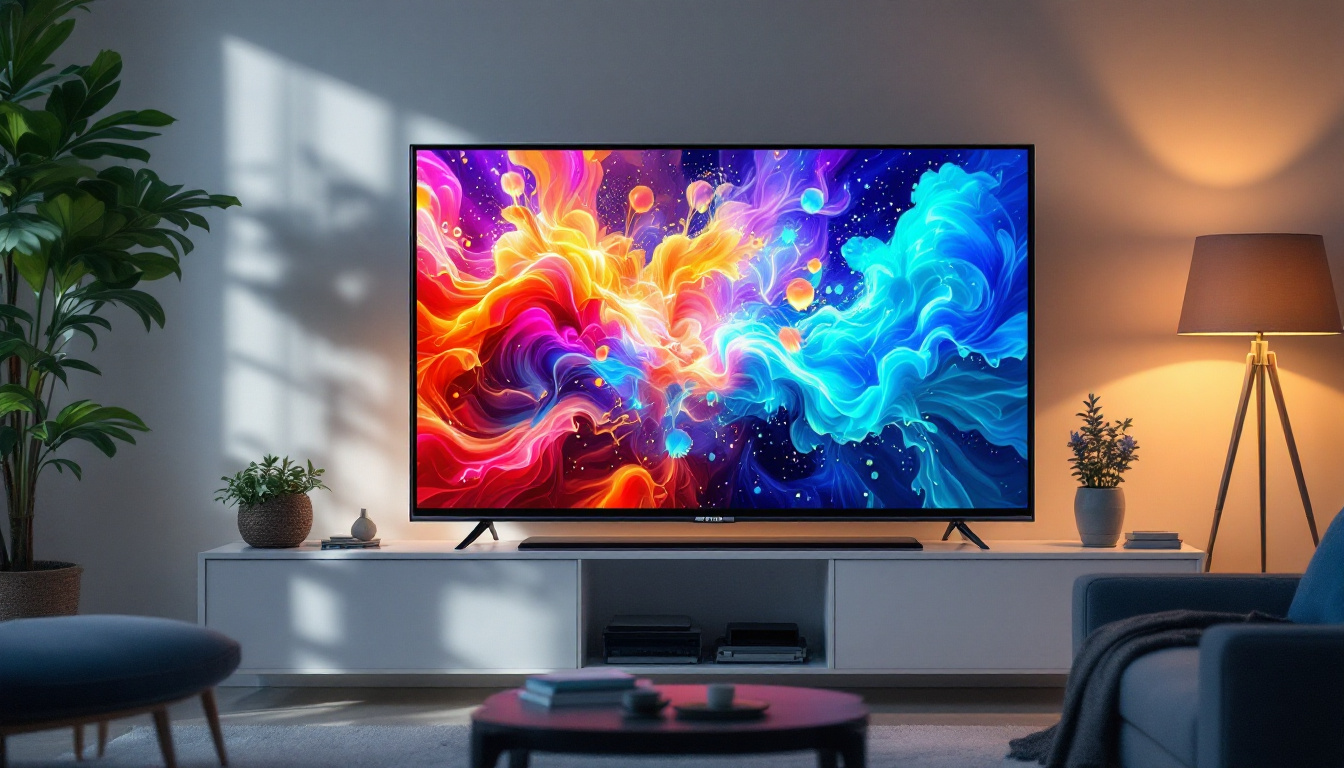
LED stands for Light Emitting Diode, a semiconductor device that emits light when an electrical current passes through it. An LED display is a flat panel that uses an array of these tiny LEDs as pixels to create images, videos, and text. Unlike traditional LCD or plasma screens, LED displays can produce vibrant colors and high contrast ratios, making them ideal for environments with varying lighting conditions.
Modern LED displays are composed of thousands to millions of individual LEDs arranged in a matrix. These LEDs can be red, green, and blue, which combine to produce a full spectrum of colors through a process called additive color mixing. The precision and density of these LEDs determine the display’s resolution and image quality. This technology has revolutionized visual presentations, allowing for more immersive experiences in both public and private settings. For instance, the sharpness and clarity of LED displays make them a popular choice for advertising, where capturing the viewer’s attention is paramount.
Types of LED Displays
There are primarily two types of LED displays: Direct View LED (DVLED) and LED-backlit LCD. Direct View LED displays use LEDs as the actual pixels that emit light directly to the viewer, whereas LED-backlit LCDs use LEDs as a backlight behind an LCD panel.
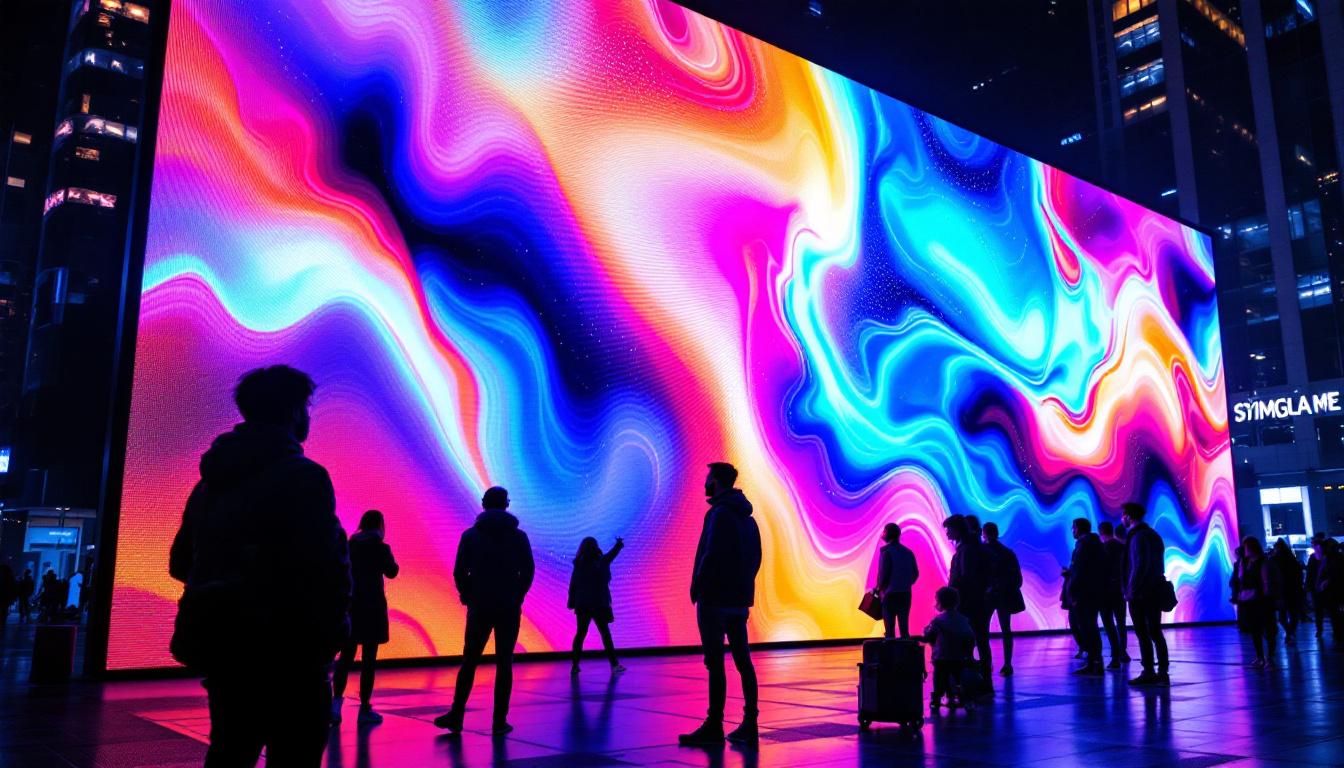
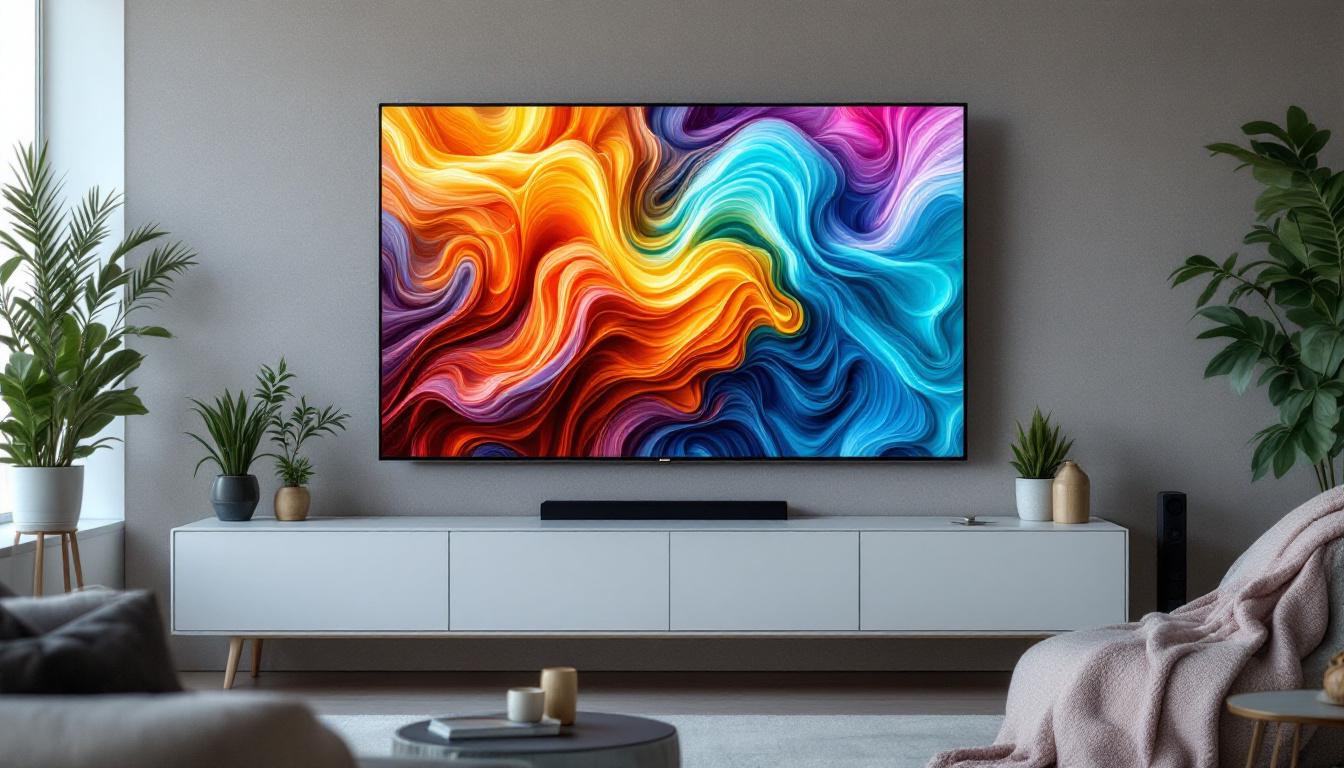
Direct View LED displays are typically used for large-scale applications such as stadium screens, digital billboards, and stage backgrounds. They offer superior brightness and viewing angles. The ability to create massive screens with seamless visuals makes DVLED technology essential for outdoor advertising and events, where visibility from great distances is crucial. On the other hand, LED-backlit LCDs are more common in consumer electronics like televisions and monitors, where the LED serves to enhance the LCD’s backlighting for better color and contrast. This type of display has become increasingly popular due to its energy efficiency and thinner profile, making it easier to integrate into modern home and office environments.
Another emerging category is the MicroLED display, which utilizes microscopic LEDs to create even finer pixel densities. This technology promises to deliver exceptional color accuracy and brightness while maintaining low power consumption. MicroLED displays are still in their infancy but hold the potential to redefine the landscape of personal and professional displays, offering a level of detail and clarity previously unattainable. As advancements continue, we may soon see these displays become mainstream, further enhancing our visual experiences in various applications, from smartphones to large-scale installations.
Key Features and Advantages of LED Displays
Brightness and Visibility
One of the standout features of LED displays is their exceptional brightness. Outdoor LED billboards can reach brightness levels of over 5,000 nits (a measure of luminance), making them easily visible even under direct sunlight. This is crucial for extreme video websites that rely on outdoor advertising or large-scale public displays to capture attention in bright environments.
Indoor LED displays, while less bright, still offer superior visibility compared to other display technologies. Their ability to maintain consistent brightness and color accuracy regardless of ambient lighting conditions makes them ideal for control rooms, retail environments, and event venues.
Durability and Longevity
LED displays are known for their robustness. They can operate continuously for tens of thousands of hours, often exceeding 100,000 hours of use before significant brightness degradation occurs. This longevity is a vital consideration for businesses investing in digital signage or video walls that need to operate reliably 24/7.
Moreover, LED panels are designed to withstand various environmental factors such as moisture, dust, and temperature fluctuations. Outdoor LED displays often come with IP65 or higher ratings, indicating they are dust-tight and protected against water jets, ensuring consistent performance in harsh weather conditions.
Energy Efficiency
Compared to traditional lighting and display technologies, LEDs consume significantly less power. This energy efficiency translates into lower operational costs, especially for large-scale displays that run continuously. For extreme video websites and digital advertising companies, this means a greener footprint and cost savings over time.
Applications of LED Displays in Extreme Video Websites
Outdoor Advertising and Digital Billboards
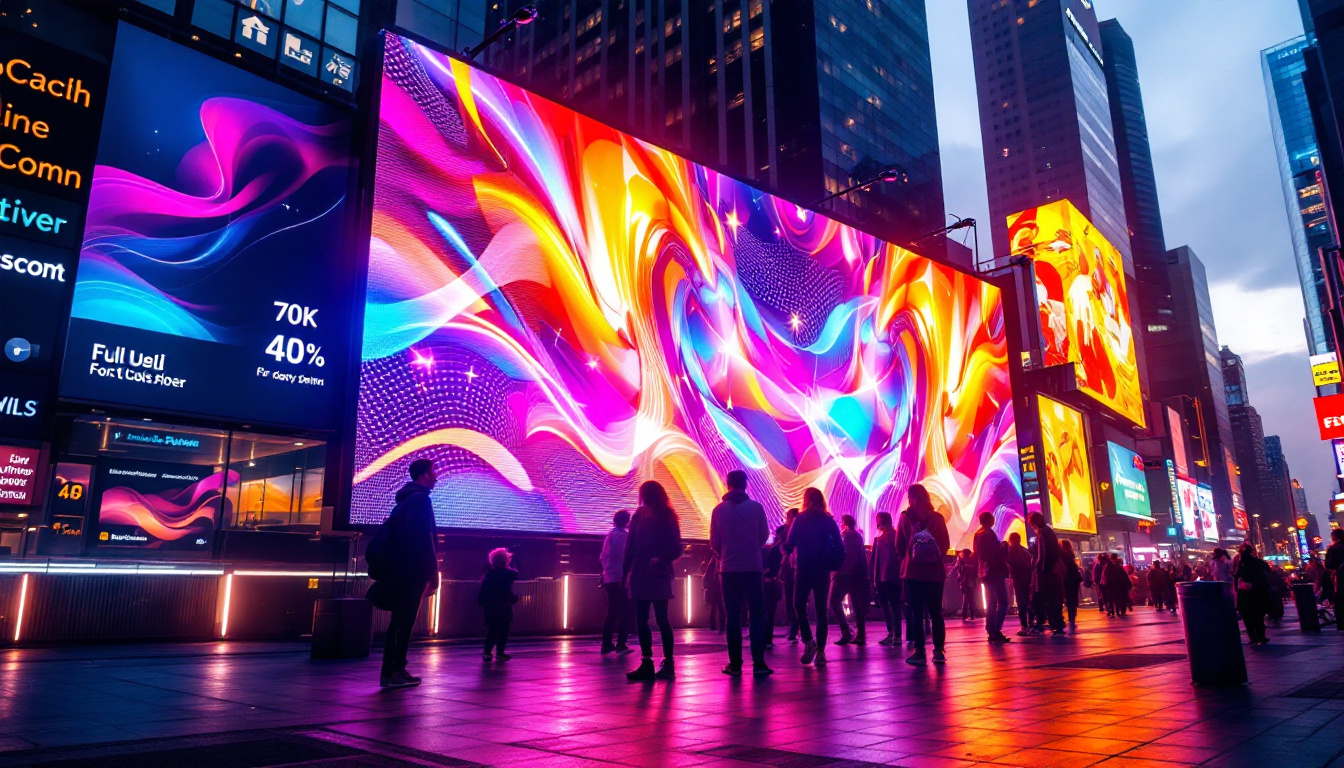
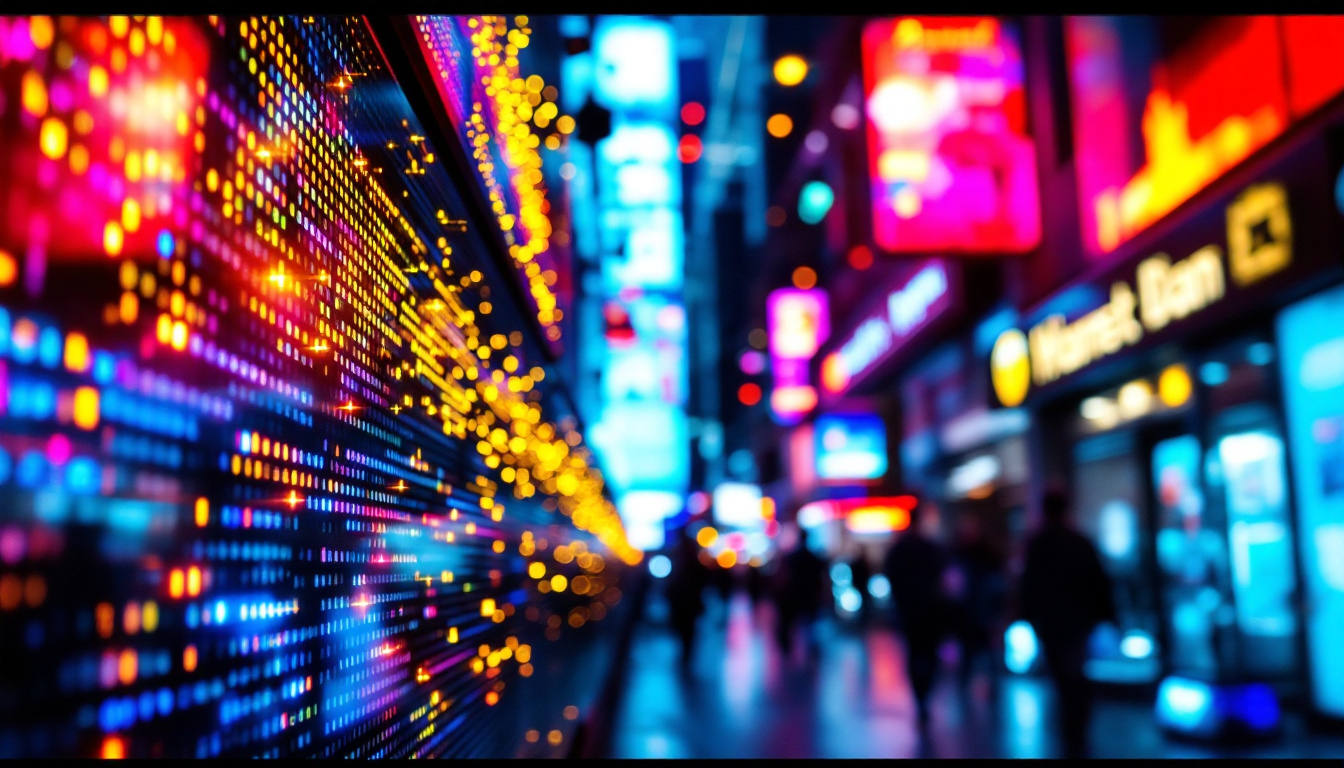
Outdoor advertising has been revolutionized by LED technology. Digital billboards powered by LED displays allow advertisers to change content dynamically, targeting audiences with timely and relevant messages. For extreme video websites that manage or promote such advertising, understanding LED display capabilities is crucial for optimizing content delivery.
For example, Times Square in New York City features some of the most iconic LED billboards in the world. These displays use ultra-high brightness and resolution to deliver captivating video content that can be updated remotely and instantly. This flexibility is a massive advantage over static billboards, enabling advertisers to respond to market trends and events in real time.
Event and Entertainment Venues
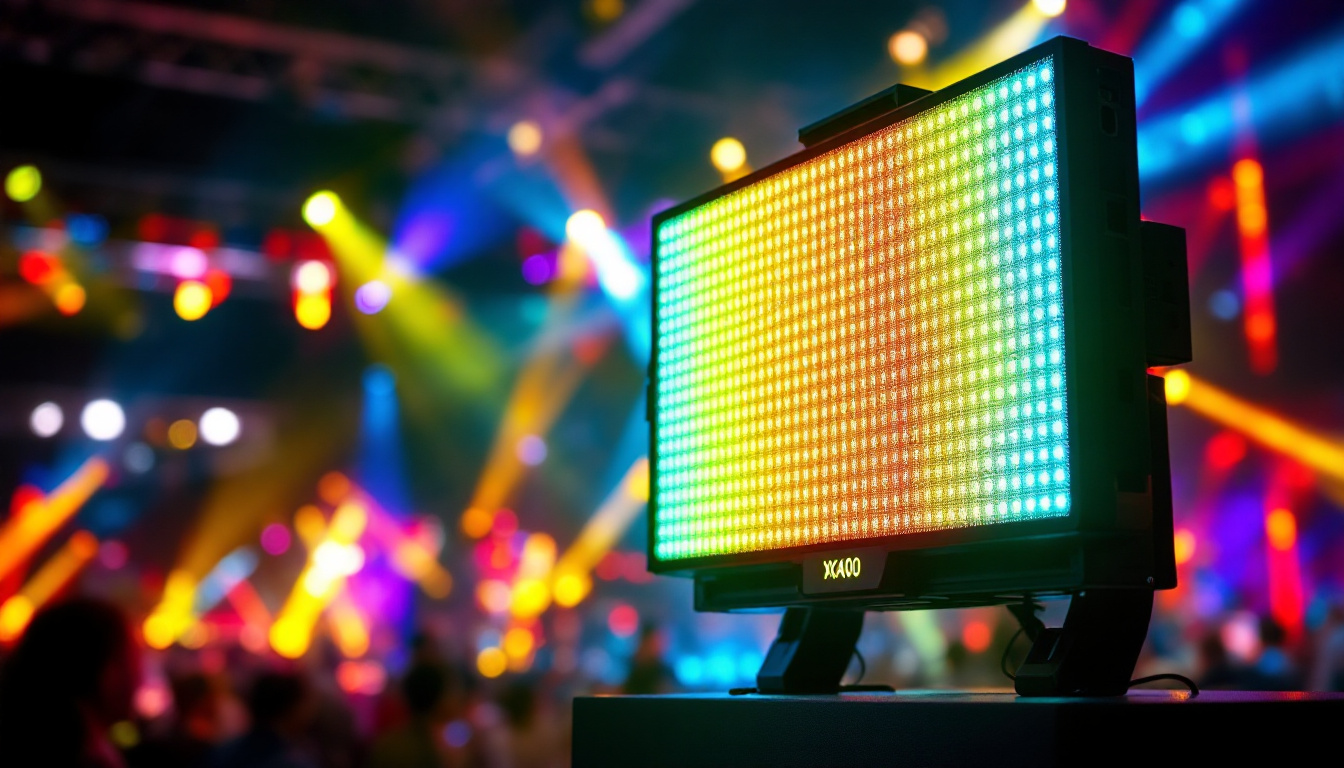
Concerts, sports arenas, and festivals frequently use large LED video walls to enhance the audience experience. These displays provide live feeds, replays, and immersive visual effects that engage attendees. Extreme video websites often showcase such events, requiring high-quality video capture and playback that matches the LED display’s capabilities.
For instance, the Super Bowl halftime shows utilize massive LED screens that integrate seamlessly with stage lighting and pyrotechnics, creating a multimedia spectacle. The precision and reliability of LED displays in these settings are paramount to delivering flawless performances.
Corporate and Retail Environments
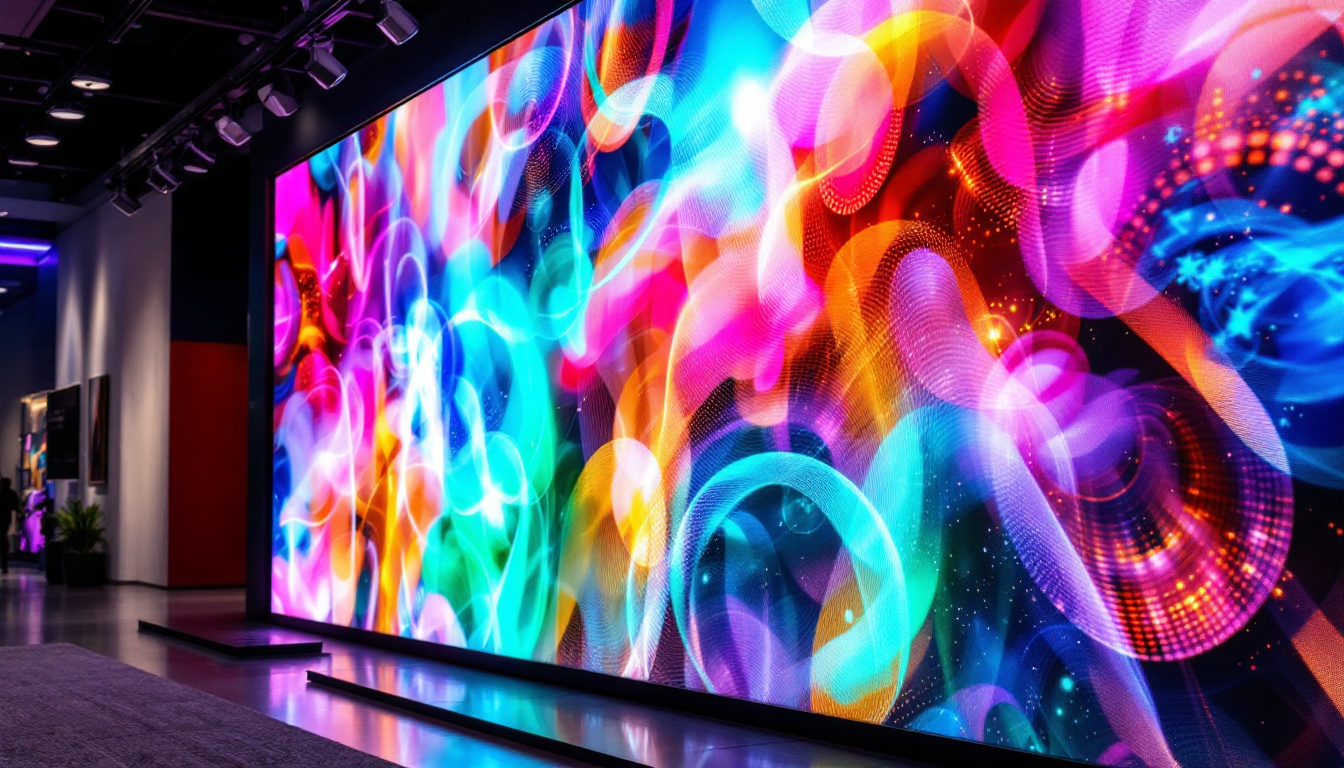
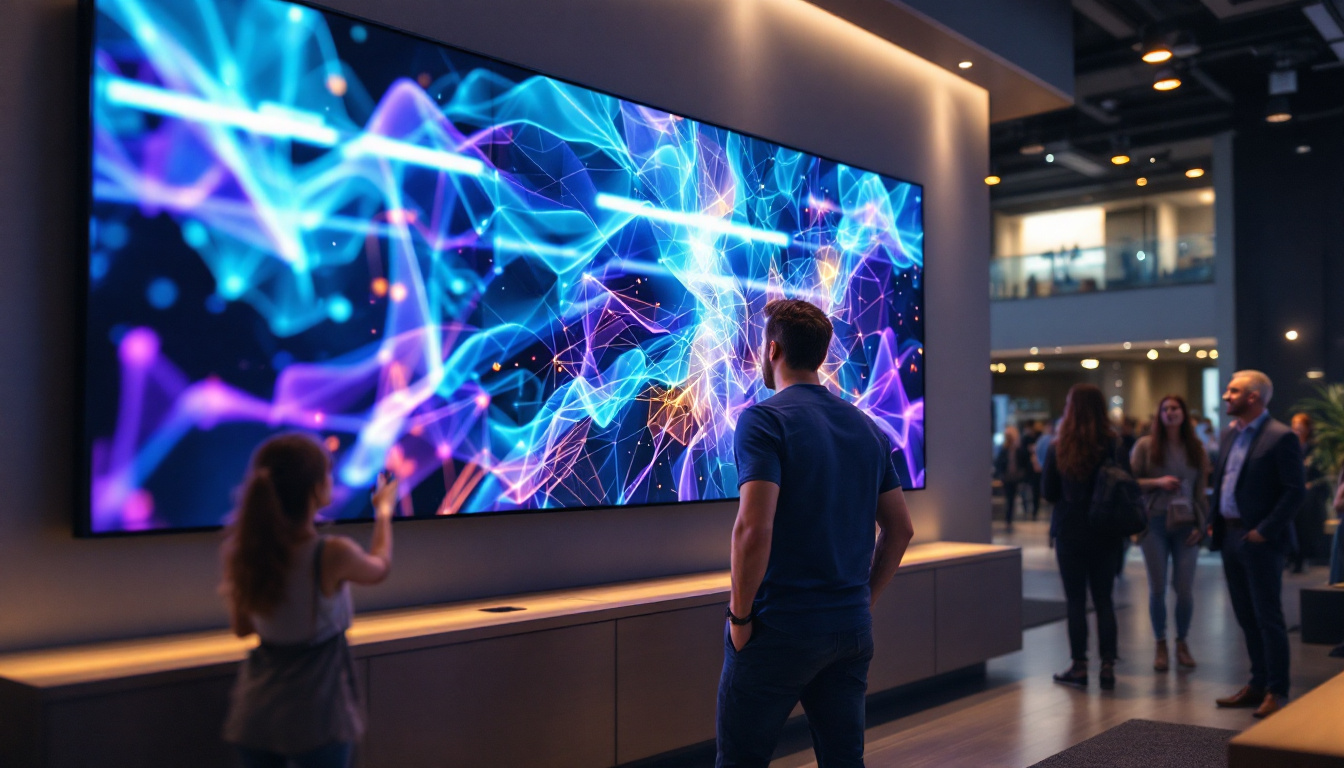
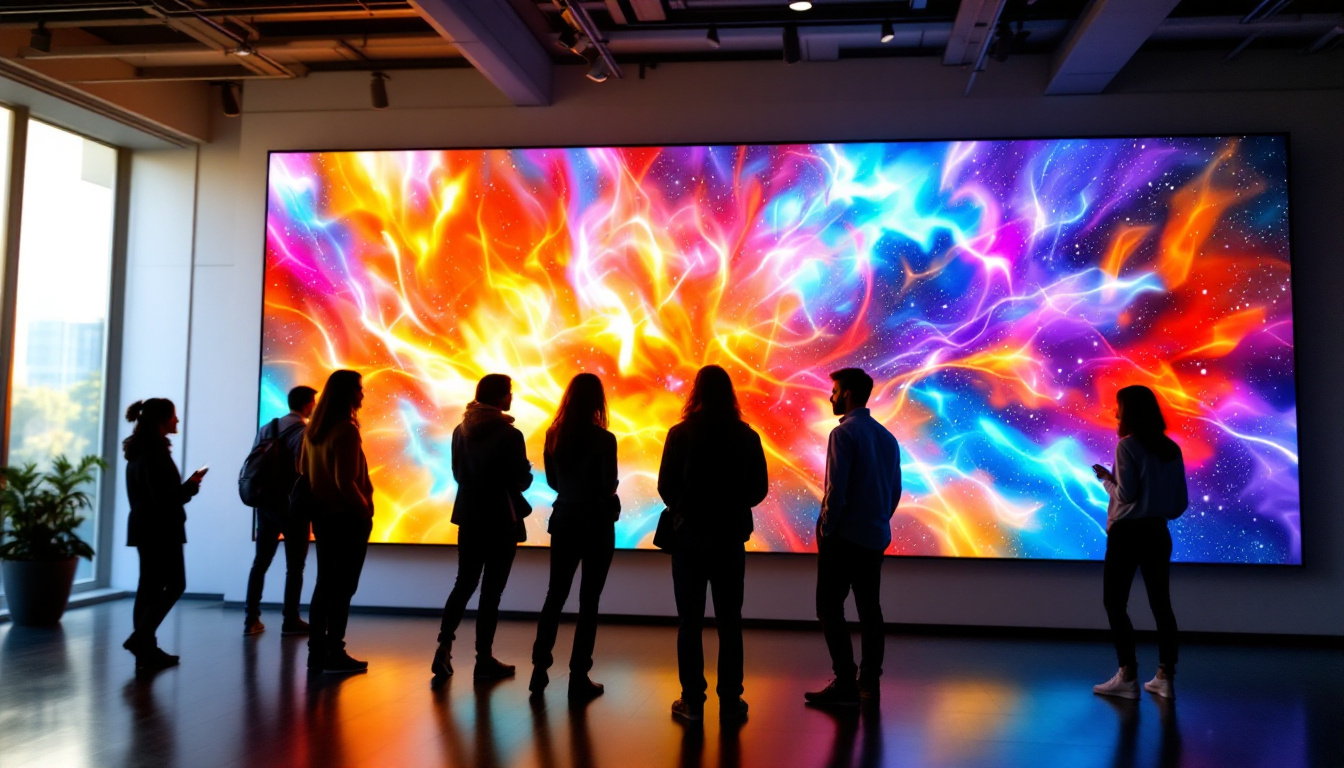
LED video walls are becoming increasingly popular in corporate lobbies, conference rooms, and retail stores. They serve multiple purposes, from branding and advertising to information dissemination and interactive experiences. Extreme video websites that provide content for these environments must consider the unique requirements of LED displays, such as viewing distance, resolution, and ambient lighting.
Retail giants like Apple and Nike use LED video walls to create visually stunning product showcases and promotional campaigns. These displays help attract customers and enhance brand perception by delivering high-impact visuals.
Technical Considerations for LED Displays
Pixel Pitch and Resolution
Pixel pitch refers to the distance between the centers of two adjacent LEDs on a display, usually measured in millimeters. It is a critical factor that determines the display’s resolution and viewing distance. A smaller pixel pitch means higher resolution and sharper images, suitable for close-up viewing.
For example, a pixel pitch of 1.5mm is typical for indoor LED video walls where viewers are close to the screen, while outdoor billboards might use pixel pitches of 10mm or more since viewers are farther away. Choosing the right pixel pitch is essential to ensure optimal image quality without unnecessary cost.
Refresh Rate and Color Accuracy
The refresh rate of an LED display indicates how many times per second the image is updated. Higher refresh rates reduce flickering and motion blur, which is especially important for video content and live broadcasts. Professional LED displays often have refresh rates of 3,000 Hz or higher to ensure smooth playback.
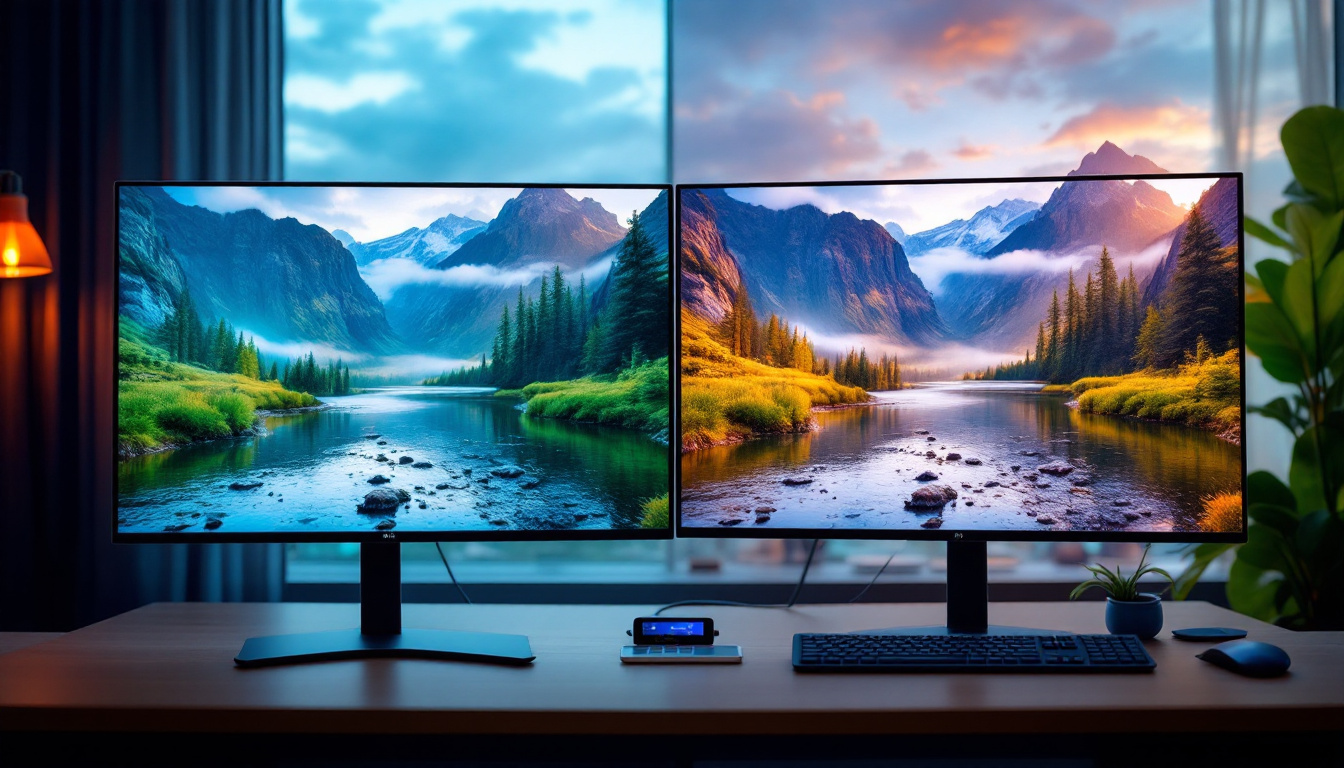
Color accuracy is another vital aspect, especially for branding and advertising. Advanced LED displays use sophisticated calibration techniques and color management systems to maintain consistent and vibrant colors across the entire screen.
Installation and Maintenance
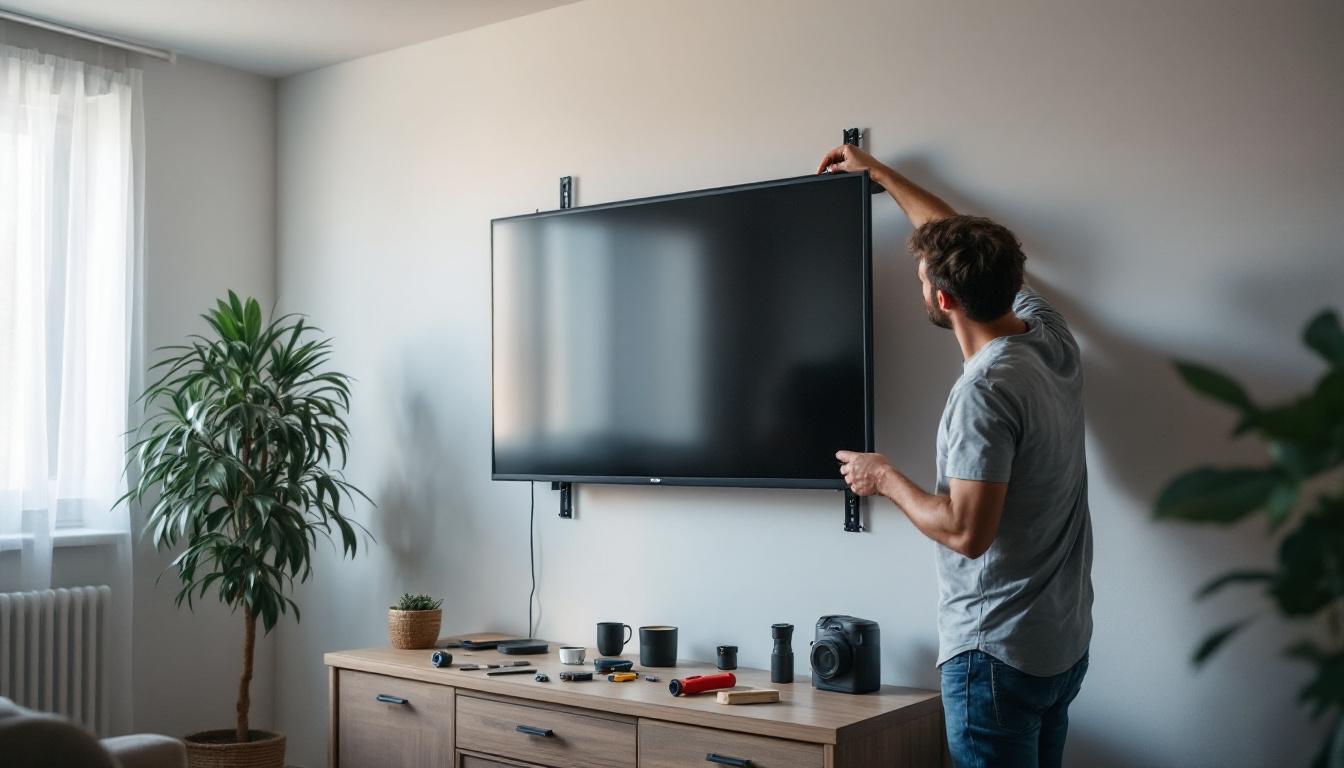
Installing LED displays requires careful planning to ensure structural integrity, electrical safety, and optimal viewing angles. Modular design is common, allowing panels to be assembled into custom sizes and shapes. This modularity also simplifies maintenance, as individual panels can be replaced or repaired without dismantling the entire display.
Regular maintenance is necessary to keep LED displays performing at their best. This includes cleaning to remove dust and debris, checking electrical connections, and performing software updates for content management systems.
The Future of LED Displays in Extreme Video Experiences
Advancements in MicroLED and MiniLED Technologies
Emerging technologies like MicroLED and MiniLED promise to push LED displays to new heights. MicroLEDs are significantly smaller than traditional LEDs, allowing for even higher resolution and thinner, more flexible displays. This technology is poised to revolutionize consumer electronics and professional video walls by combining the best features of OLED and LED technologies.
MiniLED technology enhances LED-backlit LCDs by using thousands of tiny LEDs for backlighting, improving contrast and brightness while reducing power consumption. These innovations will enable extreme video websites to deliver richer, more immersive content with unprecedented clarity.
Integration with Interactive and Augmented Reality
LED displays are increasingly being integrated with interactive technologies and augmented reality (AR) to create engaging user experiences. For example, retail stores use LED video walls combined with motion sensors and AR to offer personalized shopping experiences. Extreme video websites can leverage these integrations to create dynamic content that responds to viewer interactions in real time.
Such interactivity opens new avenues for advertising and entertainment, making LED displays not just passive screens but active participants in storytelling and brand engagement.
Sustainability and Environmental Impact
As sustainability becomes a priority, LED display manufacturers are focusing on eco-friendly materials and energy-efficient designs. Advances in LED technology reduce power consumption and extend product lifecycles, minimizing electronic waste. Additionally, many LED displays are now designed for easy recycling and reuse.
Extreme video websites and advertisers can contribute to environmental responsibility by choosing LED displays that meet high sustainability standards, aligning with growing consumer demand for green practices.
Conclusion
LED displays have transformed the way video content is presented across industries, offering unmatched brightness, durability, and flexibility. For extreme video websites, understanding LED technology is essential to harness its full potential—whether for outdoor advertising, live events, corporate branding, or immersive experiences.
As LED technology continues to evolve with innovations like MicroLED and interactive integration, the possibilities for creating captivating video content are expanding rapidly. Embracing these advancements will enable businesses and content creators to deliver visually stunning, engaging, and sustainable experiences that resonate with audiences worldwide.
Discover LumenMatrix’s Innovative LED Solutions
Ready to elevate your visual experience with the latest in LED technology? Look no further than LumenMatrix, a pioneer in crafting exceptional LED display modules that bring your content to life. Whether you’re in need of an Indoor LED Wall Display for your corporate headquarters, an Outdoor LED Wall Display for impactful advertising, or any of our specialized solutions like Vehicle, Sports, or Floor LED Displays, LumenMatrix has you covered. Our mission is to transform your visual communication with digital signage that not only engages but also captivates your audience. Don’t miss the opportunity to make a powerful statement with clarity and impact. Check out LumenMatrix LED Display Solutions today and start creating unforgettable experiences.