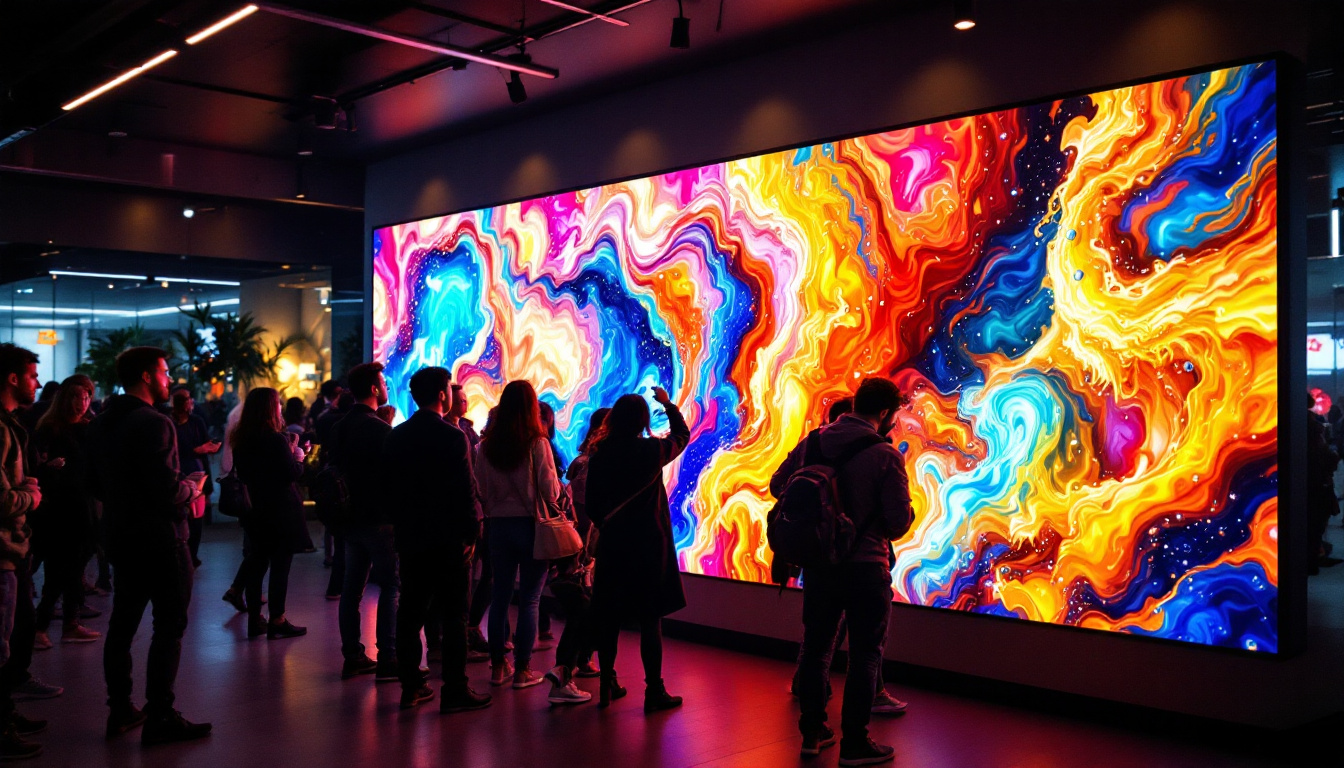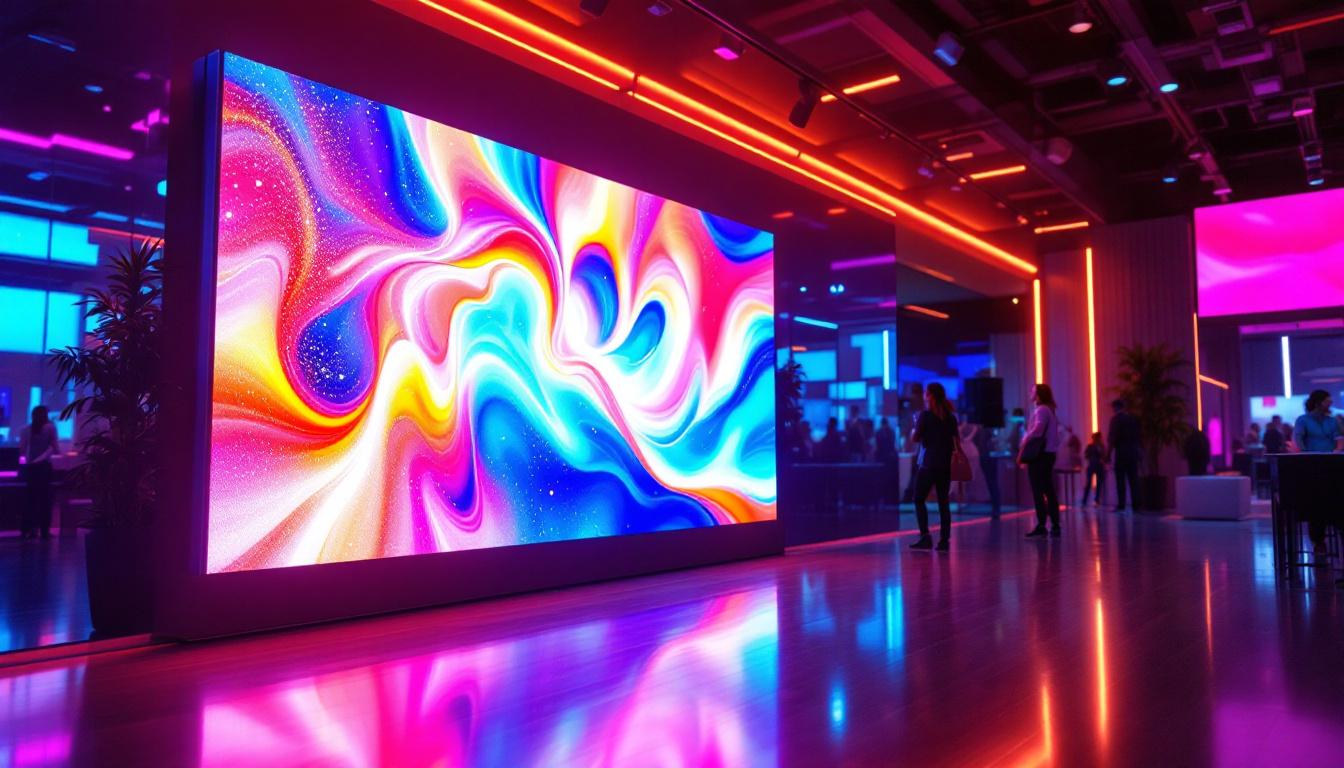
In today’s fast-evolving visual landscape, LED displays have become a cornerstone technology for live events, especially concerts. Whether it’s the massive screens behind performers or the intricate video walls that transform stages, LED displays play a pivotal role in enhancing the audience’s experience. This article delves into the technical and practical aspects of LED displays in concert settings, explaining how they work, why they are preferred, and what innovations are shaping their future.
Understanding LED Display Technology
What is an LED Display?
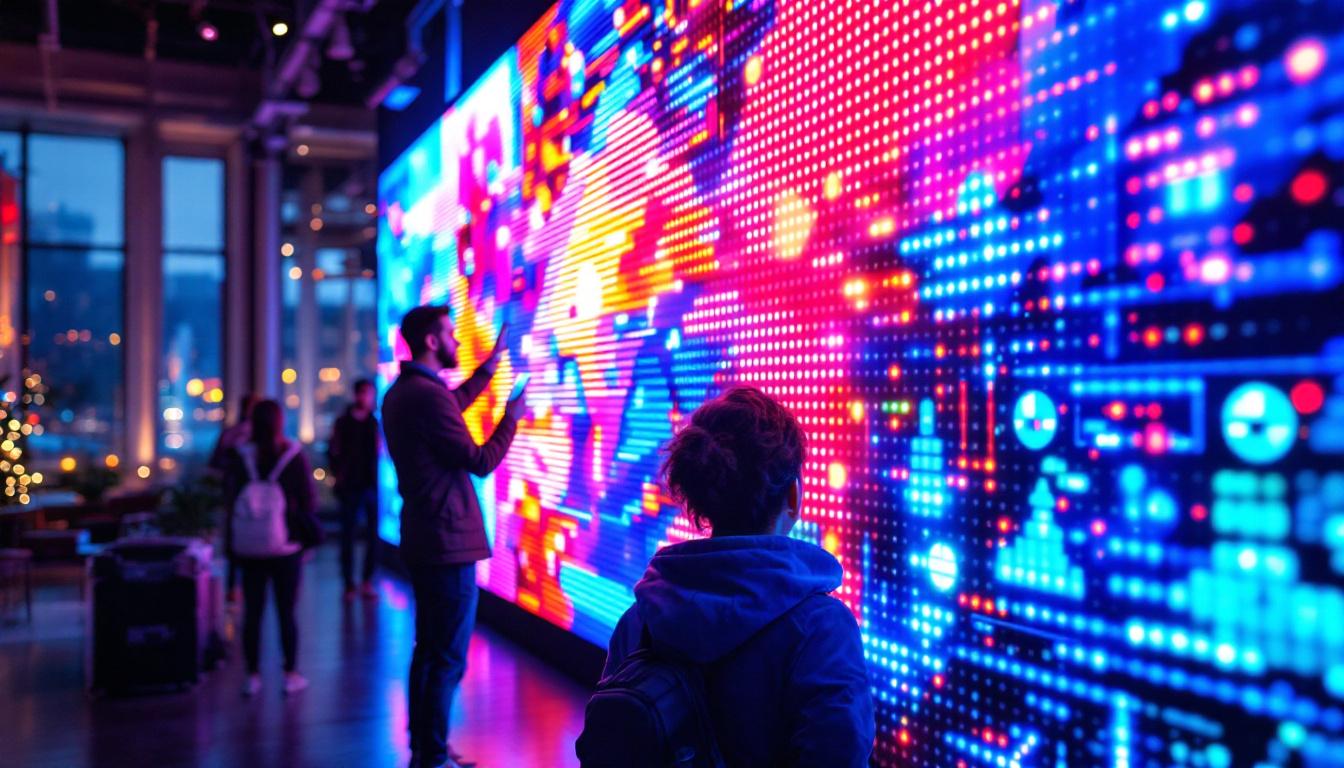
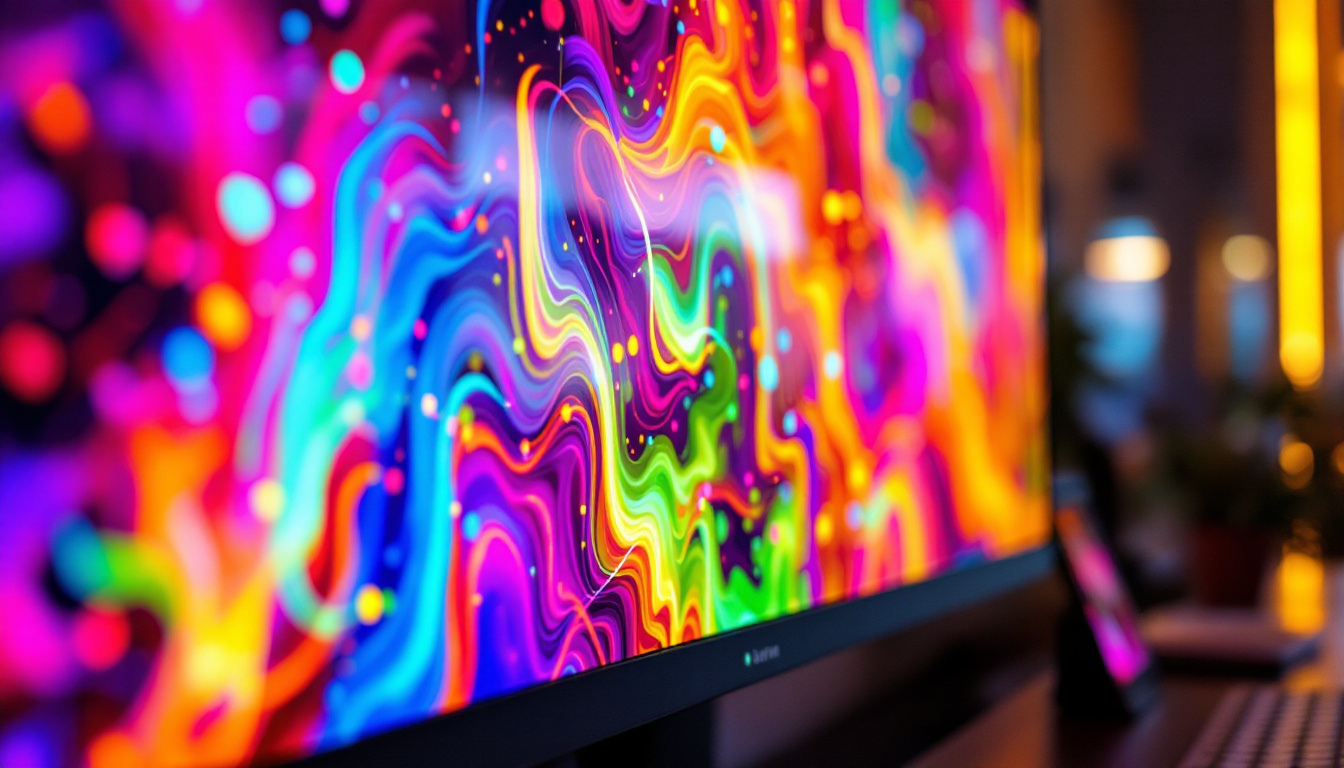
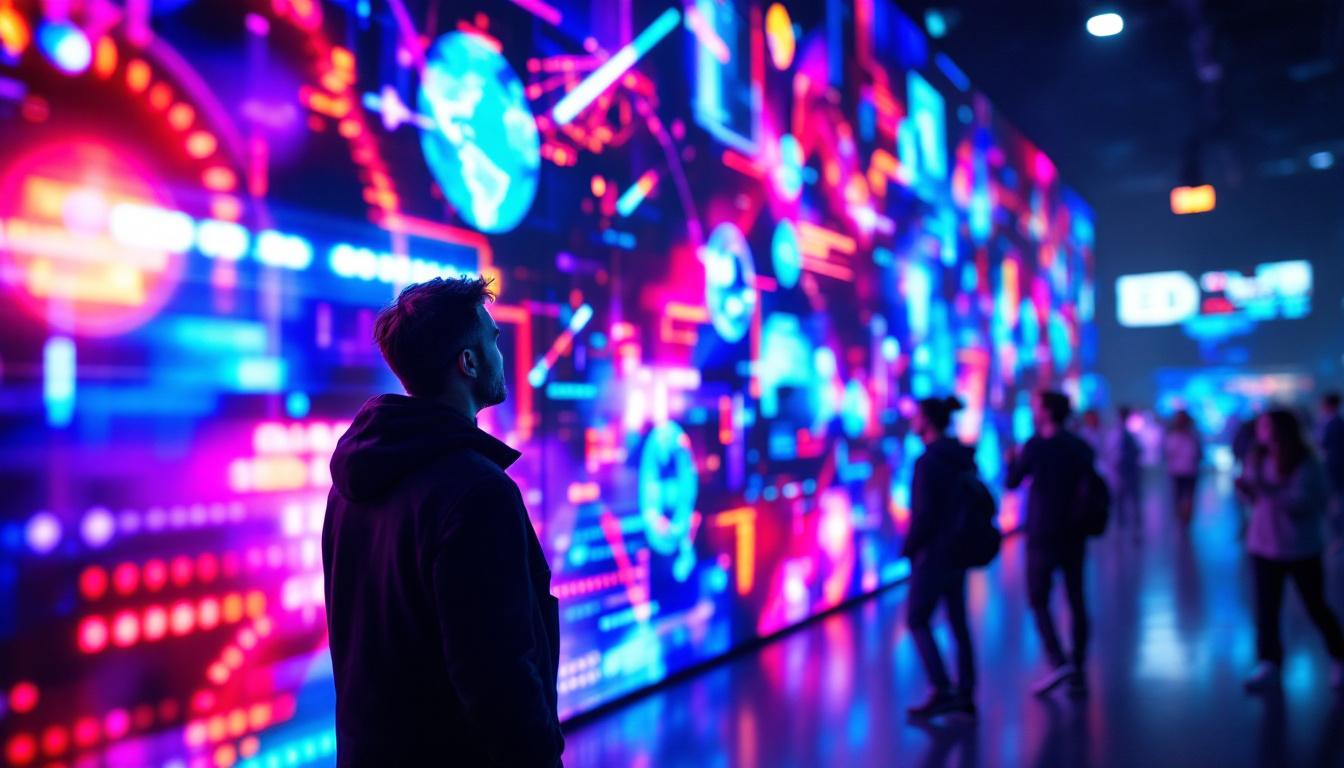
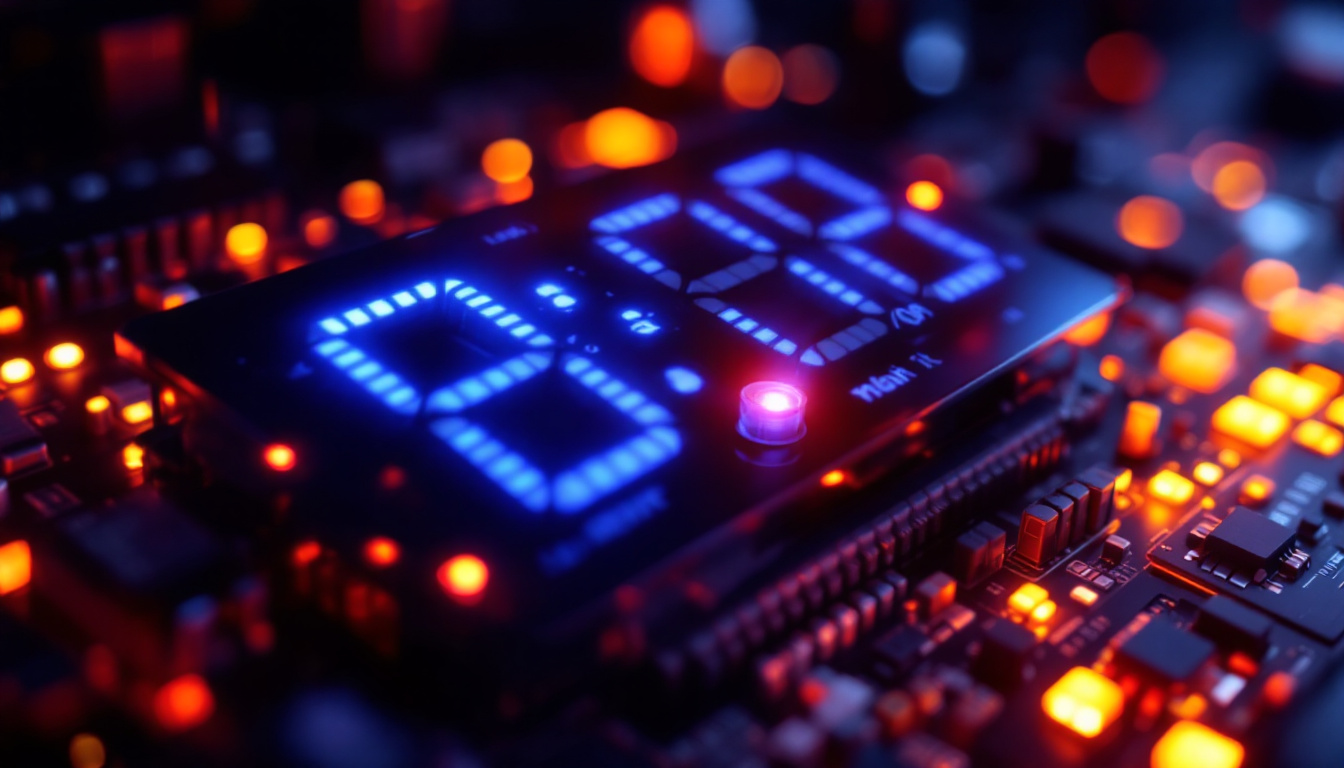
LED stands for Light Emitting Diode, a semiconductor device that emits light when an electric current passes through it. LED displays are composed of thousands, sometimes millions, of these tiny diodes arranged in a grid to form images or videos. Unlike traditional LCD or projection screens, LED displays are self-illuminating, meaning each diode produces its own light, resulting in brighter and more vibrant visuals. This self-illumination allows for deeper blacks and a wider color gamut, making LED displays particularly appealing for dynamic content such as music videos and live performances.
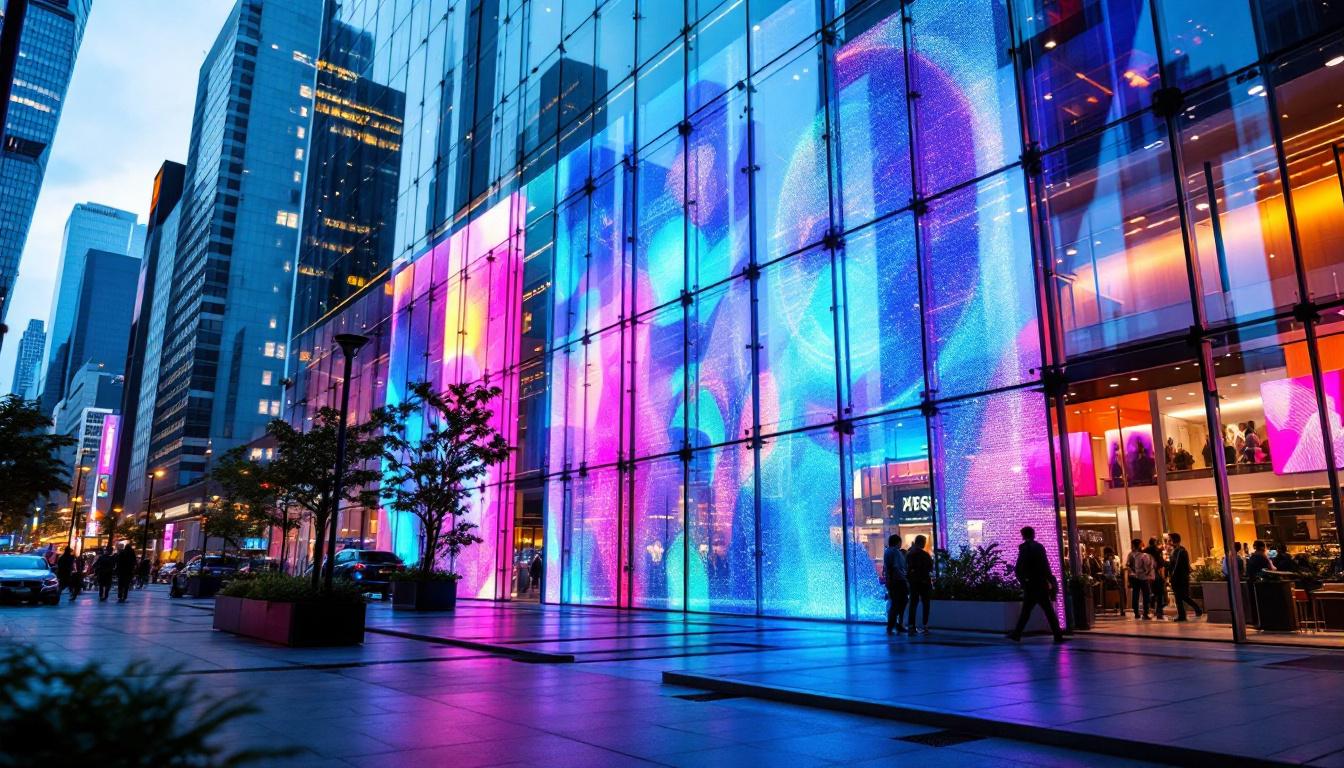
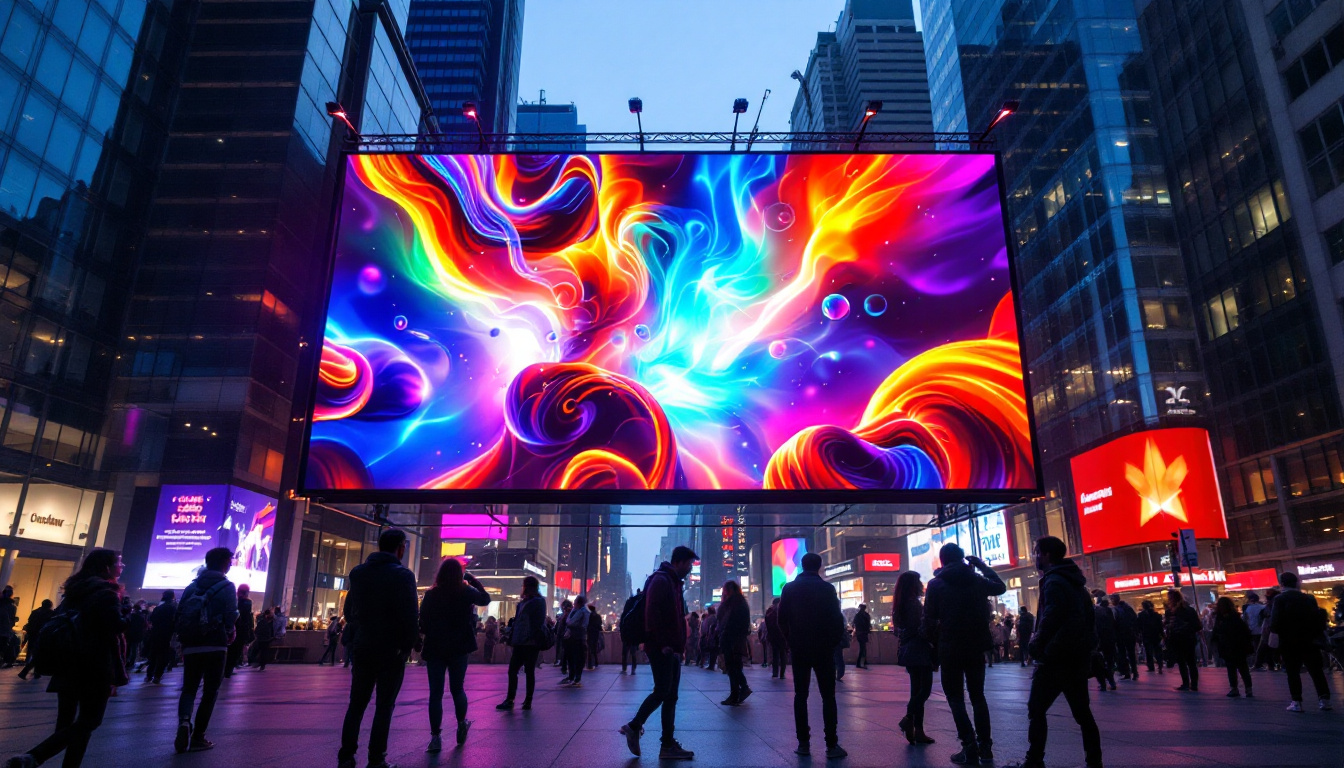
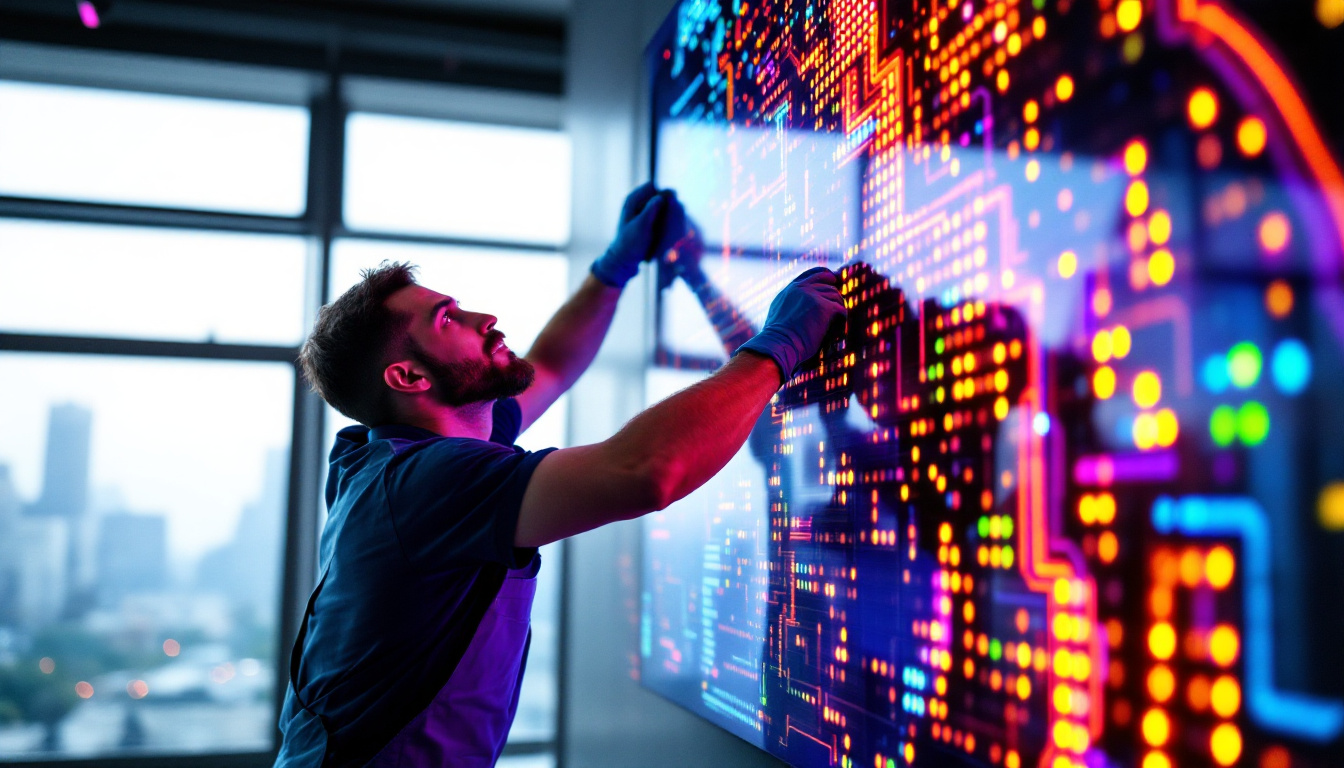
In concert environments, LED displays are typically modular panels that can be combined to create large-scale video walls. These panels are designed to be lightweight, durable, and easy to assemble, which is essential for touring productions where quick setup and teardown are critical. The modular nature of these displays not only allows for flexibility in design but also enables technicians to replace individual panels quickly in case of malfunction, minimizing downtime during events. Furthermore, advancements in technology have led to the development of flexible LED displays that can bend and curve, allowing for creative installations that enhance the visual experience in unique ways.
Key Technical Specifications
Several technical parameters define the quality and suitability of an LED display for concert use:
- Pixel Pitch: This is the distance between the centers of two adjacent pixels, usually measured in millimeters. A smaller pixel pitch means higher resolution and better image clarity, especially important for close viewing distances. For instance, a pixel pitch of 2.5mm is often used in indoor venues where audiences are seated close to the screen, while a pitch of 10mm might be more suitable for outdoor events where viewers are further away.
- Brightness: Measured in nits (cd/m²), brightness is crucial for outdoor concerts or venues with strong ambient lighting. Typical concert LED displays offer brightness levels from 1,000 to over 5,000 nits, ensuring visibility even in daylight. Additionally, many modern LED displays feature adaptive brightness technology, which automatically adjusts the brightness based on environmental conditions, ensuring optimal visibility at all times.
- Refresh Rate: The refresh rate, measured in Hertz (Hz), indicates how many times per second the image is updated. Higher refresh rates (above 3,000 Hz) help eliminate flicker, which is essential for high-quality video recording and live broadcasting. This is particularly important for events that are streamed live or recorded for later broadcast, as flickering can detract from the overall viewing experience.
- Viewing Angle: This defines the range from which the display can be viewed without significant loss of brightness or color distortion. Wide viewing angles (up to 160° or more) are vital in concert venues where audiences are spread out. This ensures that everyone, regardless of their position in the venue, can enjoy the same high-quality visuals, enhancing the overall atmosphere of the performance.
Why LED Displays Are Ideal for Concerts
Superior Visual Impact
Concerts are as much about visual spectacle as they are about music. LED displays deliver vibrant colors, deep blacks, and high contrast ratios that bring stage designs to life. Unlike projection systems, LED displays maintain consistent brightness and color accuracy regardless of ambient light conditions, ensuring that every audience member enjoys a clear view.
Moreover, the flexibility of LED panels allows for creative stage designs. Curved, irregularly shaped, or even transparent LED screens can be integrated seamlessly into the set, offering artists and designers unprecedented freedom to craft immersive environments. This adaptability not only enhances the aesthetic appeal of the performance but also allows for dynamic content that can change throughout the concert, keeping the audience engaged and visually stimulated. For instance, artists can synchronize visuals with their music, creating an audio-visual experience that resonates on multiple levels and leaves a lasting impression on concert-goers.
Reliability and Durability
Concerts demand equipment that can withstand the rigors of touring and frequent handling. LED displays are engineered for durability, with robust casings that protect against shocks, dust, and moisture. Their modular nature means that individual panels can be quickly replaced or serviced without dismantling the entire setup, minimizing downtime.
Additionally, LED technology has a long lifespan, often exceeding 100,000 hours of operation. This longevity reduces maintenance costs and ensures consistent performance over multiple tours and events. Many production teams appreciate that LED displays can endure the challenges of various environments, from outdoor festivals with unpredictable weather to indoor arenas with high foot traffic. This resilience not only enhances the reliability of the show but also fosters confidence among event organizers and artists alike, knowing that their visual components will perform flawlessly night after night.
Energy Efficiency
Compared to traditional lighting and projection systems, LED displays consume significantly less power. This energy efficiency not only lowers operational costs but also aligns with the growing emphasis on sustainability in the live events industry. Many concert venues and production companies are adopting LED technology as part of their green initiatives.
Furthermore, the reduced energy consumption of LED displays translates into a smaller carbon footprint, making them an environmentally friendly choice for modern concerts. As the industry moves toward more sustainable practices, many artists and promoters are keen to showcase their commitment to the planet by utilizing energy-efficient technologies. This shift not only appeals to eco-conscious fans but also sets a positive example for future events, encouraging a culture of sustainability within the entertainment sector. With advancements in LED technology continuing to evolve, the potential for even greater energy savings and innovative applications is on the horizon, promising an exciting future for concert experiences.
Applications of LED Displays in Concerts
Backdrop and Stage Design
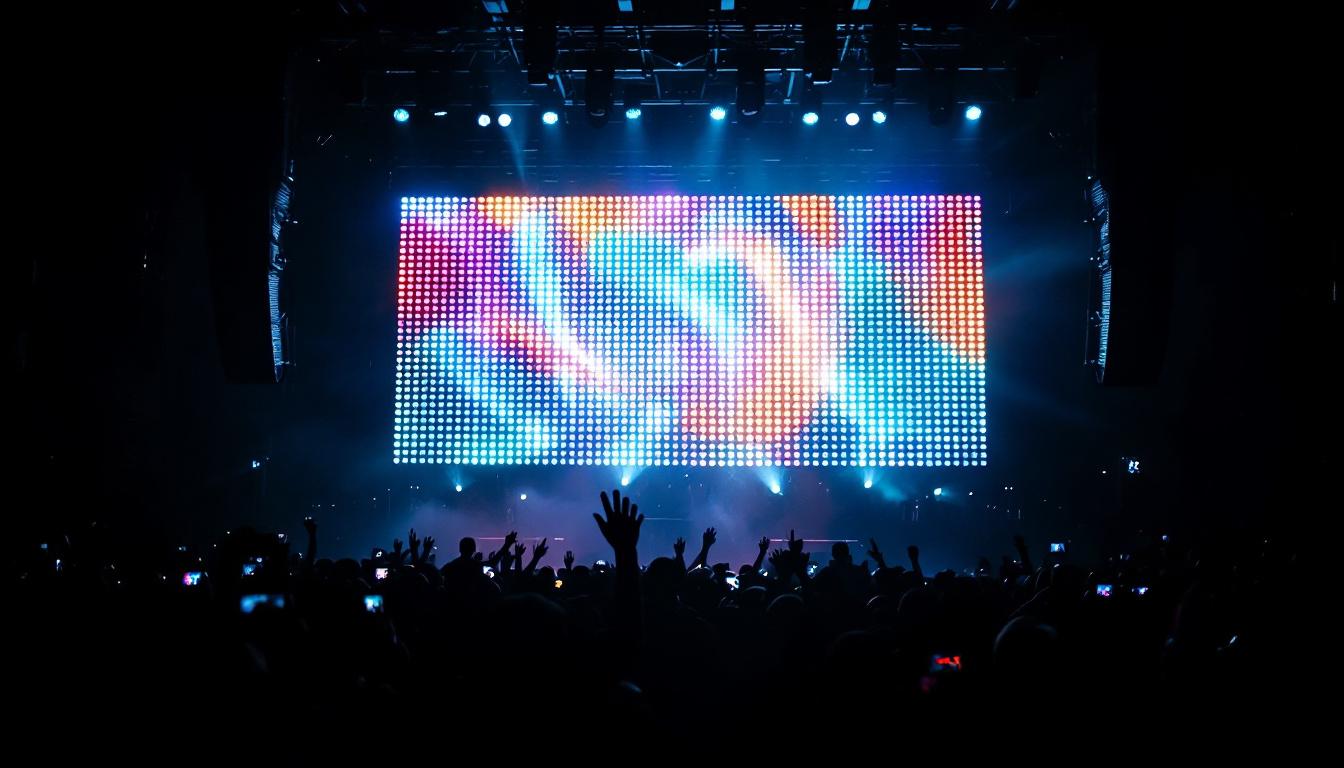
The most common use of LED displays in concerts is as dynamic backdrops. These large video walls can display everything from abstract visuals and thematic animations to live camera feeds of the performers. This capability transforms the stage into a living canvas that evolves throughout the show, enhancing storytelling and audience engagement.
For example, at major festivals like Coachella or Glastonbury, LED backdrops are often synchronized with lighting and pyrotechnics, creating a multi-sensory experience that captivates tens of thousands of attendees.
Audience Engagement and Interaction
LED displays also serve as interactive tools to boost audience participation. Some concerts integrate live social media feeds, real-time voting, or crowd-sourced visuals displayed on the screens. This interactivity not only personalizes the experience but also extends the event’s reach beyond the venue through live streaming and social sharing.
Camera Integration and Live Broadcasting
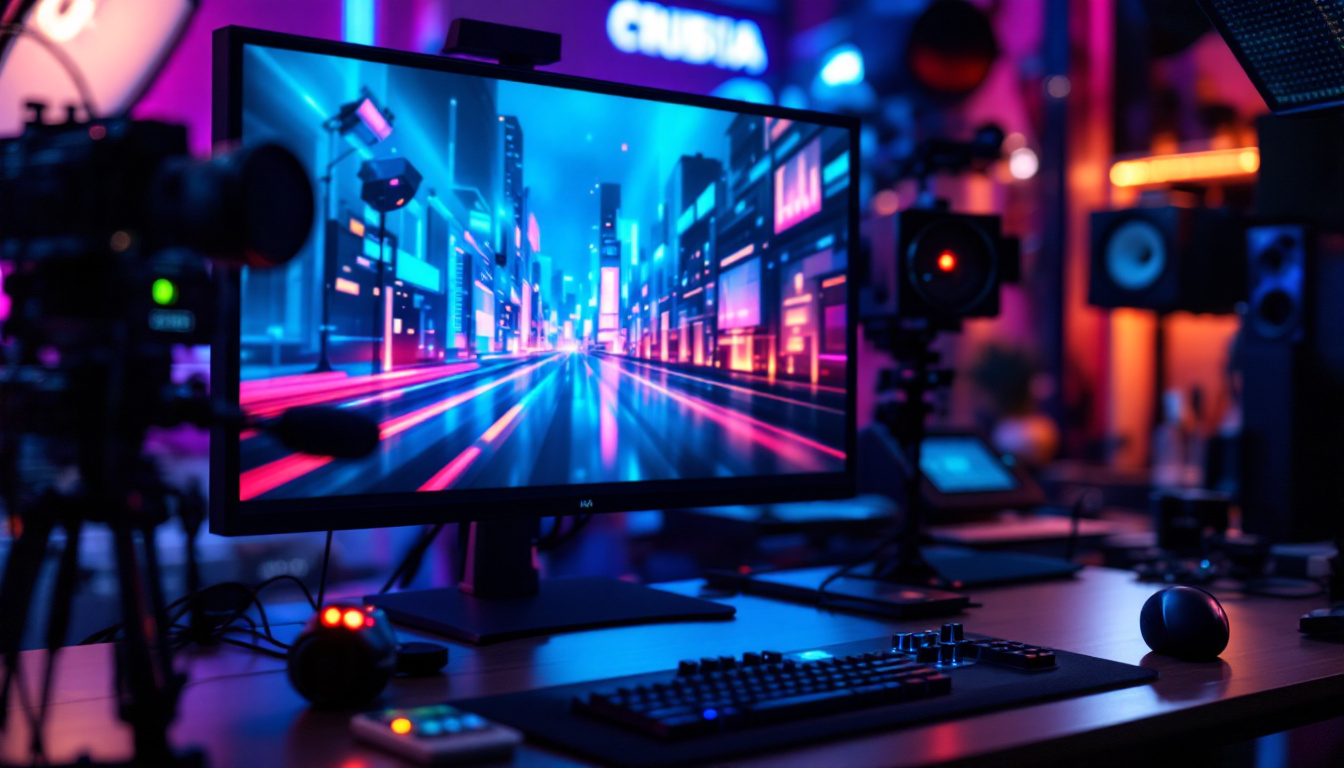
One of the most critical roles of LED displays in modern concerts is their integration with camera systems. High-definition cameras capture live footage of performers, which is then displayed on LED screens in real time. This ensures that even attendees far from the stage can see close-up details, facial expressions, and intricate movements.
Furthermore, LED displays are essential for live broadcasting and recording. Their high refresh rates and flicker-free performance prevent visual artifacts on camera, resulting in crisp and professional-quality video feeds for television and online streaming platforms.
Challenges and Considerations
Cost and Budget Constraints
While LED displays offer numerous advantages, they can be costly to purchase and maintain. High-resolution panels with fine pixel pitches command premium prices, which may be prohibitive for smaller venues or independent artists. However, rental options and modular systems have made LED technology more accessible, allowing productions to scale their setups according to budget.
Technical Expertise and Setup Complexity
Deploying LED displays requires specialized knowledge in video processing, signal routing, and calibration. Ensuring color consistency across large video walls, managing synchronization with other stage elements, and troubleshooting technical issues demand experienced technicians. Investing in skilled personnel is crucial to maximize the potential of LED displays.
Environmental and Safety Factors
Concerts often take place in challenging environments, including outdoor venues exposed to weather and temperature fluctuations. LED displays must be rated for outdoor use and equipped with protective features such as waterproofing and temperature control. Additionally, safety considerations related to rigging, electrical load, and emergency protocols must be rigorously followed.
The Future of LED Displays in Concerts
MicroLED and MiniLED Innovations
Emerging technologies like MicroLED and MiniLED promise to revolutionize concert displays by offering even higher resolution, improved brightness, and better energy efficiency. MicroLEDs, in particular, feature microscopic diodes that can be individually controlled, enabling displays with exceptional color accuracy and contrast.
These advancements will allow for thinner, lighter, and more flexible screens that can be integrated into stage elements in novel ways, further blurring the lines between technology and artistry.
Augmented Reality and Immersive Experiences
As augmented reality (AR) and mixed reality technologies mature, LED displays will increasingly serve as platforms for immersive experiences. Combining LED visuals with AR projections and interactive elements can create multi-dimensional concerts where digital and physical worlds merge seamlessly.
Artists and producers are already experimenting with these concepts to engage audiences on a deeper level, making concerts not just events but transformative experiences.
AI-Driven Content and Automation
Artificial intelligence is beginning to influence LED display content creation and management. AI algorithms can analyze audience reactions, music tempo, and other variables to generate dynamic visuals that adapt in real time. Automation tools also streamline setup and calibration processes, reducing human error and setup time.
This integration of AI will enable more personalized and responsive concert environments, enhancing both artistic expression and operational efficiency.
Conclusion
LED displays have become indispensable in the concert industry, offering unparalleled visual quality, flexibility, and reliability. Their ability to transform stages into immersive, interactive environments elevates live performances and deepens audience engagement. While challenges such as cost and technical complexity remain, ongoing innovations promise to make LED technology even more powerful and accessible.
For artists, producers, and event organizers aiming to create memorable concert experiences, understanding the capabilities and potential of LED displays is essential. As the technology continues to evolve, it will undoubtedly shape the future of live entertainment, making every concert a spectacular visual journey.
Illuminate Your Next Event with LumenMatrix
Ready to elevate your live performances and captivate your audience like never before? Discover LumenMatrix’s innovative LED display solutions, designed to bring your creative vision to life with unparalleled brightness, clarity, and versatility. From indoor and outdoor displays to custom configurations that fit any space or event, LumenMatrix is your partner in creating unforgettable visual experiences. Check out LumenMatrix LED Display Solutions today and transform your concert into a spectacular visual journey.