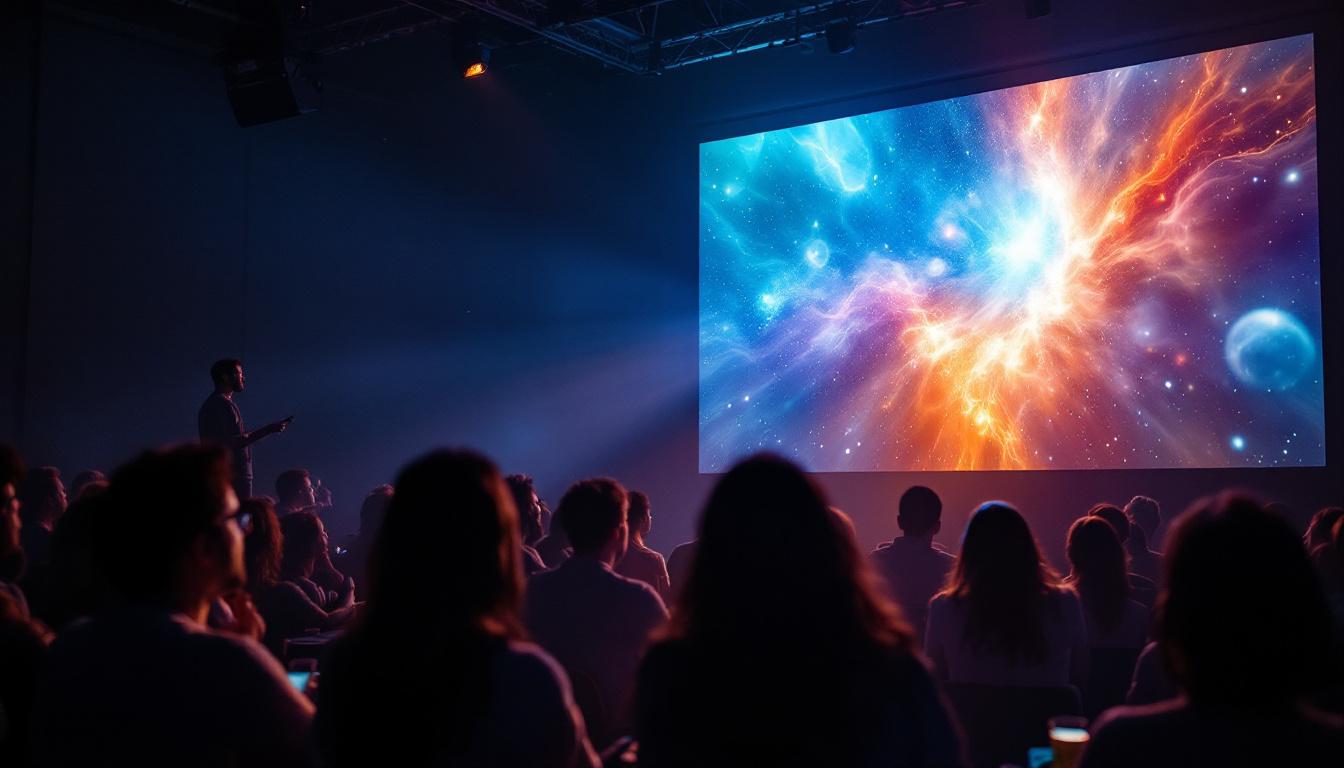
In the realm of large-screen displays, choosing the right technology can make a significant difference in image quality, durability, and overall viewing experience. Among the many options available, LED displays have emerged as a powerful contender, especially when paired with projectors designed for large venues. This article delves into the intricacies of LED display technology in the context of large-screen projectors, explaining how it works, its advantages, and practical considerations for users seeking the ultimate visual experience.
Understanding LED Display Technology
LED, or Light Emitting Diode, technology has revolutionized the display industry over the past decade. Unlike traditional LCD or plasma screens, LED displays use an array of tiny light-emitting diodes to produce images. These diodes can be individually controlled to emit precise colors and brightness levels, resulting in vivid, high-contrast visuals.
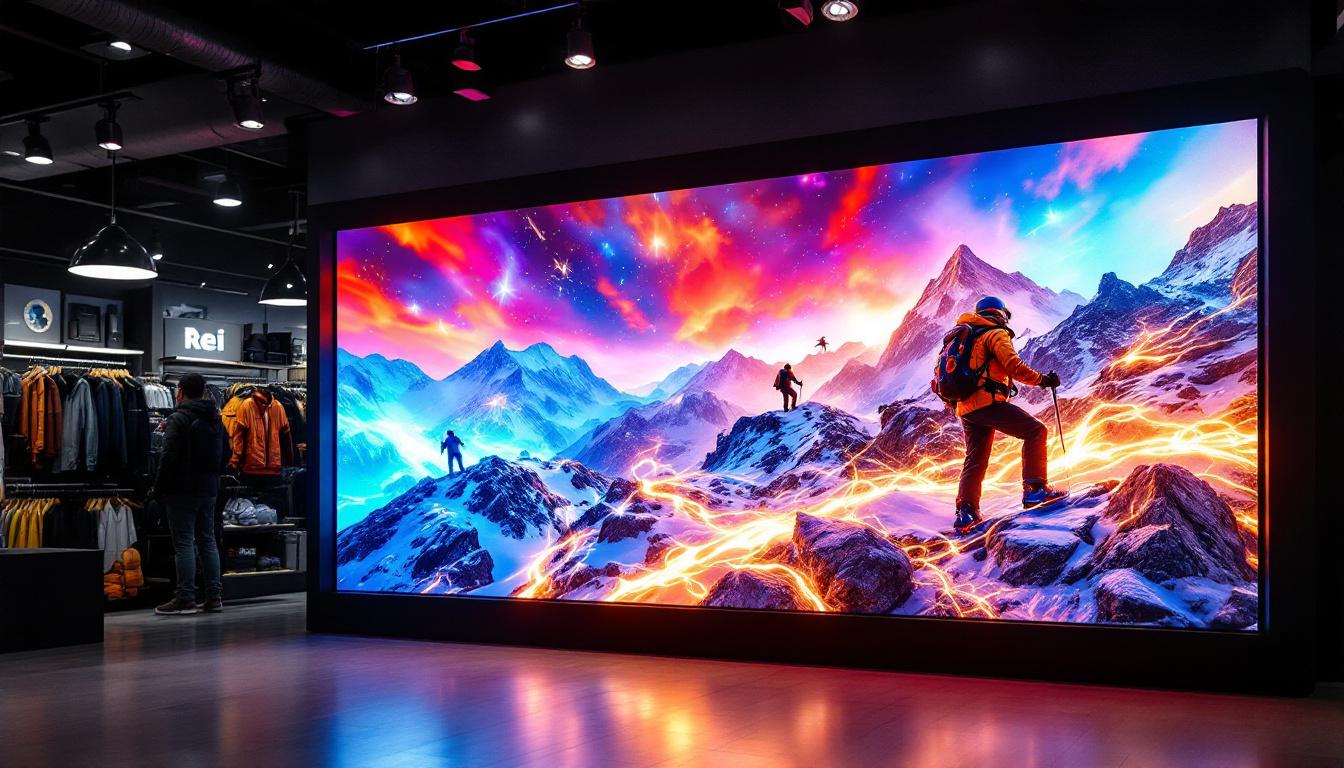
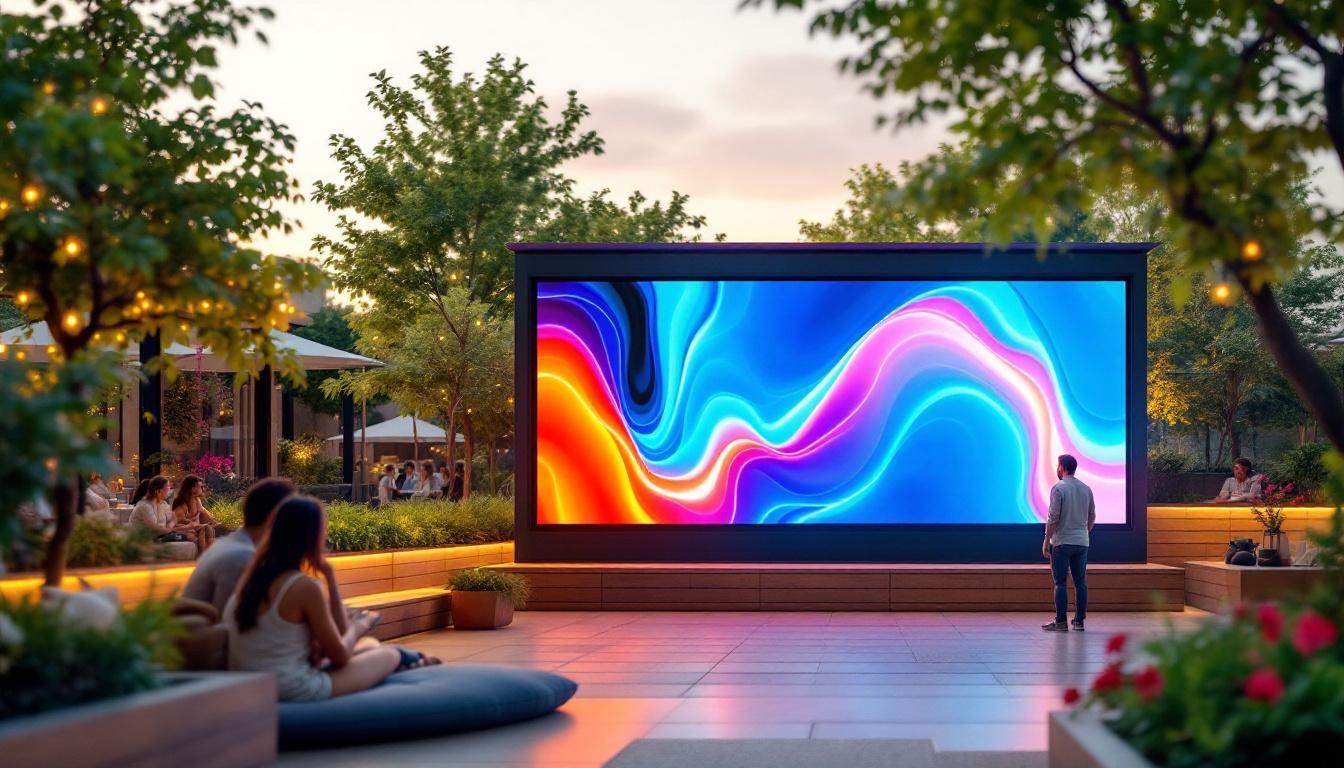
When it comes to large-screen displays, LED technology is often implemented in the form of video walls or modular panels that can be assembled to create screens of virtually any size. This scalability makes LED an ideal choice for venues such as stadiums, concert halls, conference centers, and outdoor advertising.
How LED Displays Work
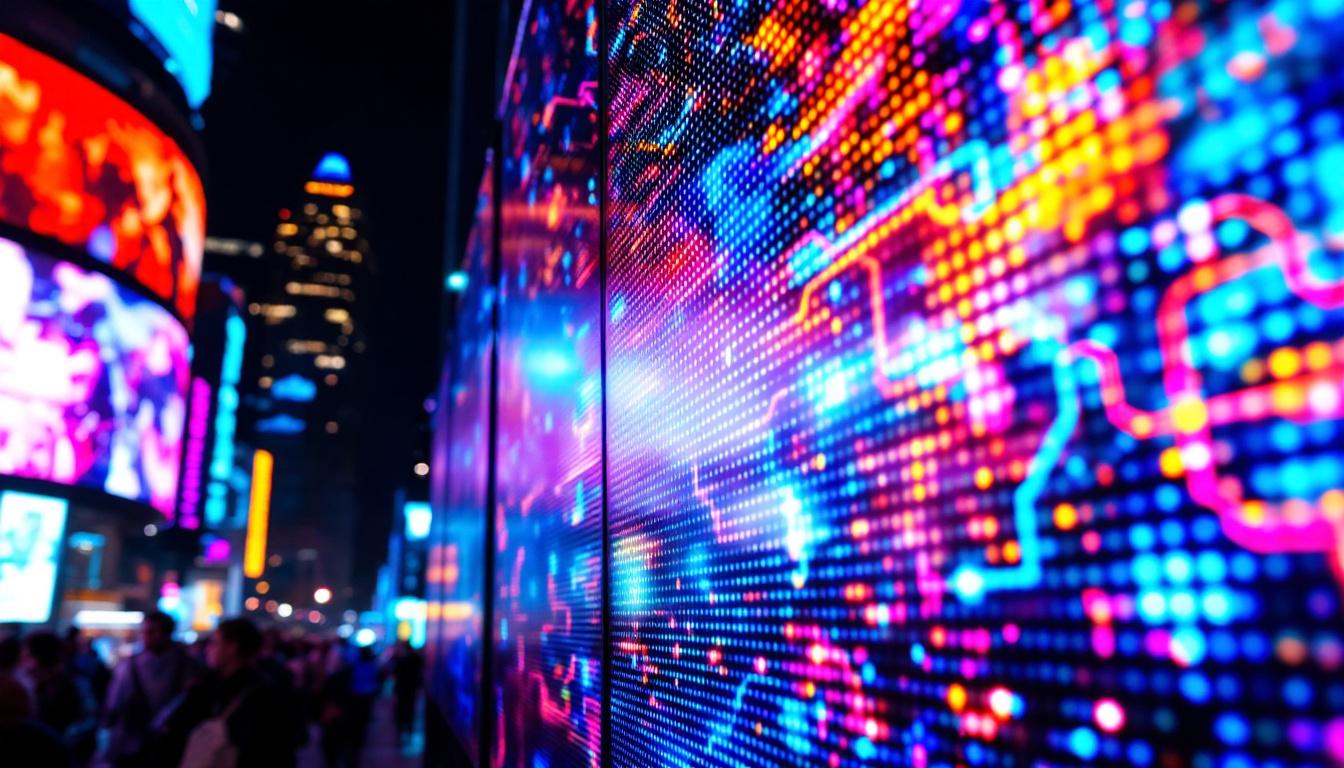
At the core of an LED display are thousands, sometimes millions, of tiny LEDs arranged in a grid. Each LED acts as a pixel or part of a pixel, emitting red, green, and blue light to create a full-color spectrum. By adjusting the intensity of each LED, the display can render images with remarkable accuracy and brightness.
In large-screen projectors that incorporate LED technology, the LEDs serve as the light source instead of traditional lamps or lasers. This direct illumination approach offers several benefits, including longer lifespan, lower heat generation, and consistent brightness over time.
Advantages of LED Displays for Large Screens
LED displays bring a host of advantages that make them particularly well-suited for large-screen applications. Understanding these benefits can help users make informed decisions when selecting a projector or display system.
Superior Brightness and Contrast
One of the standout features of LED displays is their exceptional brightness. LEDs can achieve luminance levels far exceeding those of conventional projectors, making them ideal for environments with ambient light. This means that even in brightly lit rooms or outdoor settings, the image remains clear and vibrant.
Moreover, LED displays offer superior contrast ratios. Because each LED can be turned off completely to display true blacks, the resulting image has deeper shadows and more vivid colors. This high contrast enhances the overall viewing experience, especially for high-definition content.
Longevity and Reliability
Traditional projector lamps typically have a lifespan of 2,000 to 4,000 hours, after which they require replacement. In contrast, LED light sources can last upwards of 30,000 to 50,000 hours. This dramatically reduces maintenance costs and downtime, which is crucial for venues that rely on consistent performance.
Additionally, LEDs generate less heat than conventional lamps, reducing the risk of overheating and extending the lifespan of the projector’s internal components.
Energy Efficiency and Environmental Impact
LED technology is inherently more energy-efficient than traditional projection lamps. This efficiency translates into lower electricity consumption, which can result in significant cost savings over time, especially in commercial or institutional settings.
From an environmental perspective, LEDs contain no hazardous materials like mercury, which is commonly found in projector lamps. This makes LED displays a greener choice, aligning with increasing global emphasis on sustainability.
LED Projectors vs. Traditional Projectors: What’s the Difference?
While LED projectors utilize LED light sources, traditional projectors often rely on high-intensity discharge (HID) lamps, such as metal halide or UHP (Ultra High Performance) lamps. Understanding the distinctions between these technologies is essential for selecting the right projector for large-screen applications.
Light Source and Image Quality
Traditional projectors use powerful lamps that produce intense light, which is then modulated through an optical engine to create images. These lamps can achieve high brightness but tend to degrade over time, leading to diminished image quality.
LED projectors, by contrast, use arrays of LEDs that provide stable brightness and color accuracy throughout their lifespan. The colors produced by LEDs are often richer and more saturated, contributing to a more immersive viewing experience.
Maintenance and Operational Costs
Because traditional lamps have limited lifespans and require periodic replacement, maintenance costs can add up quickly. Replacement lamps can be expensive, and the process of changing them can cause downtime.
LED projectors, with their extended lifespan and lower heat output, require less frequent maintenance. This makes them particularly attractive for installations where accessibility is limited or where continuous operation is critical.
Portability and Design Considerations
LED projectors tend to be more compact and lightweight due to the smaller size of LED light sources compared to bulky lamps. This can be advantageous for mobile setups or venues where space is at a premium.
However, it’s worth noting that achieving extremely high brightness levels with LED projectors can be challenging and often comes at a higher initial cost. For ultra-large venues requiring brightness beyond 10,000 lumens, traditional lamp or laser projectors may still be preferred.
Applications of LED Displays in Large-Screen Projection
The versatility of LED displays has led to widespread adoption across various sectors. Here are some of the most common applications where LED technology excels in large-screen projection.
Entertainment and Events
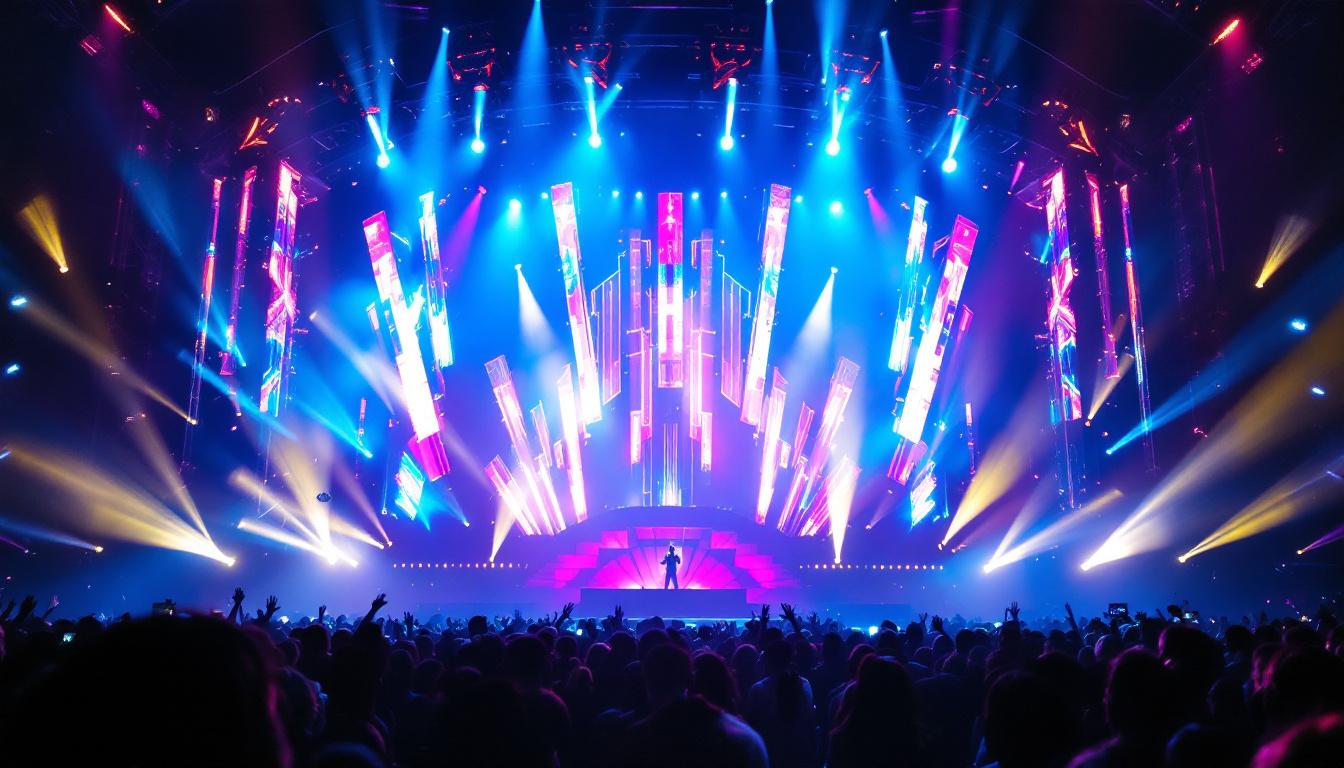
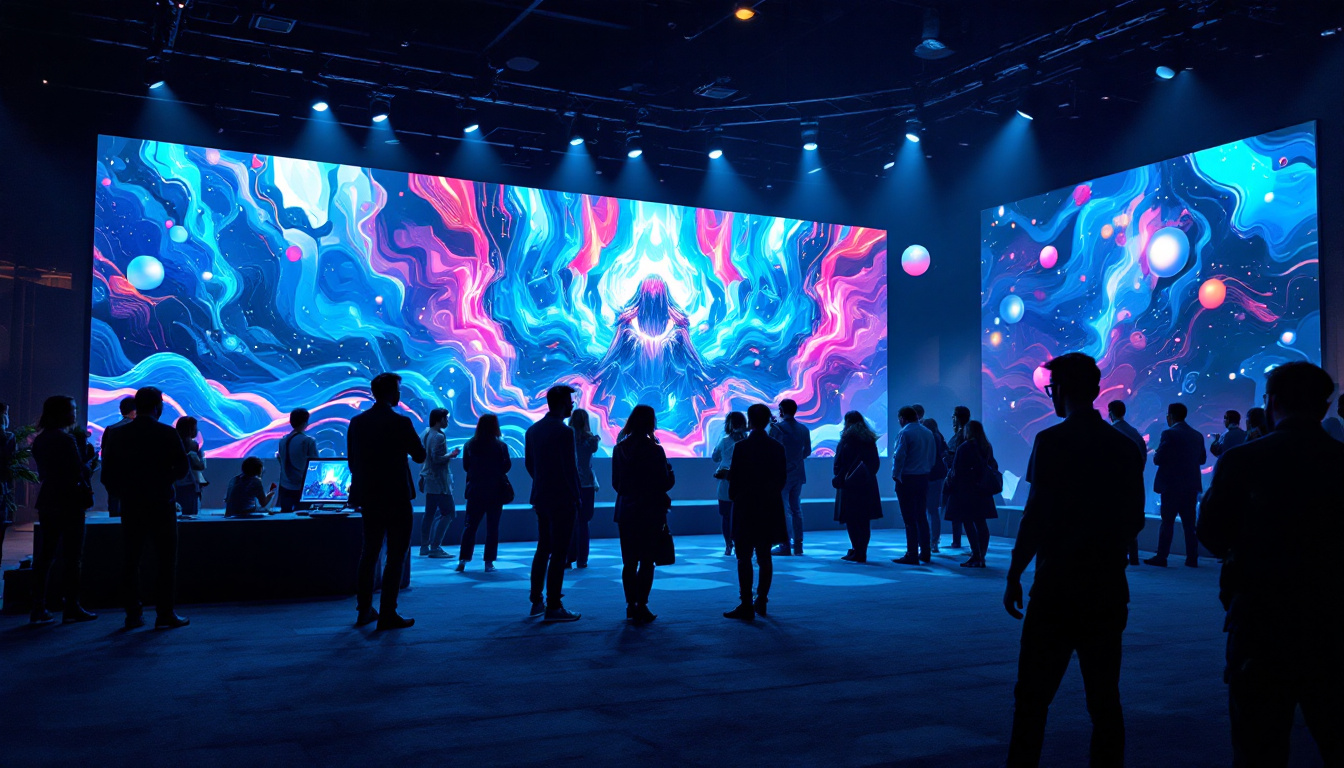
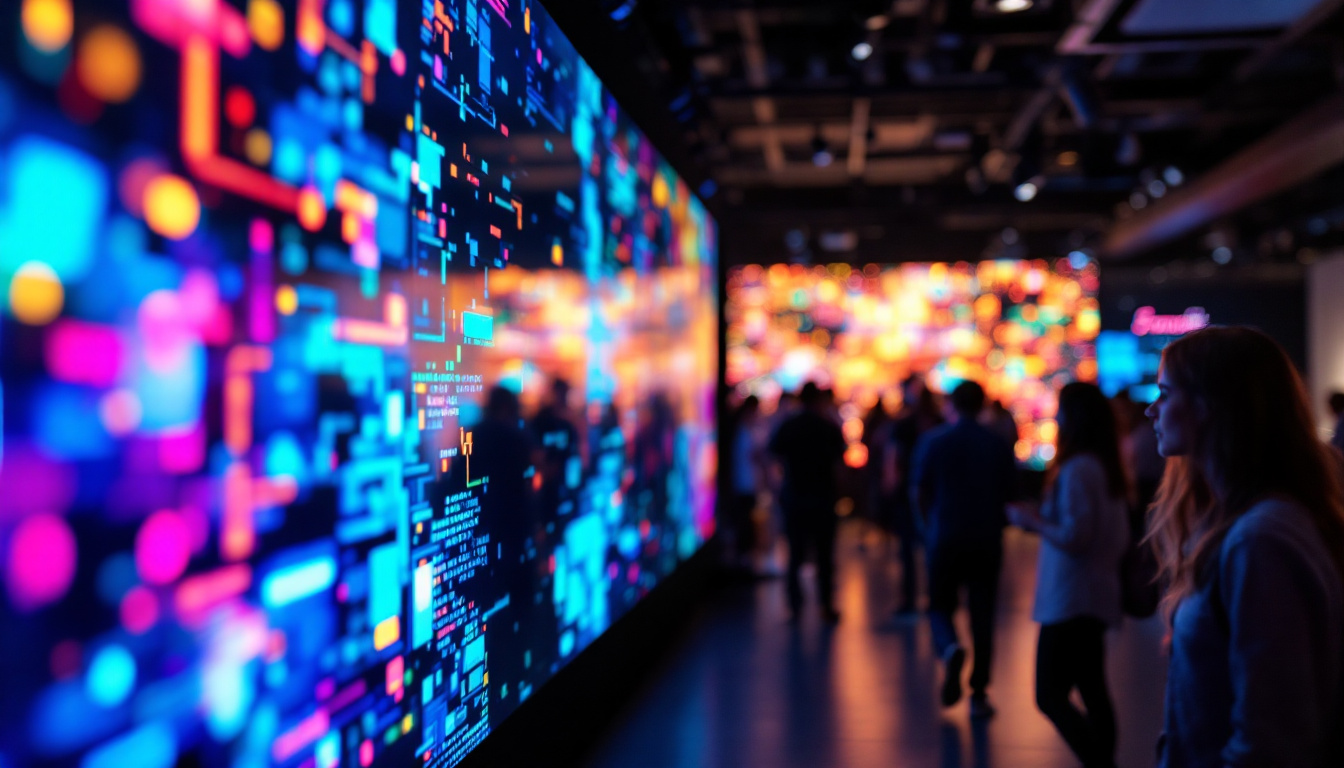
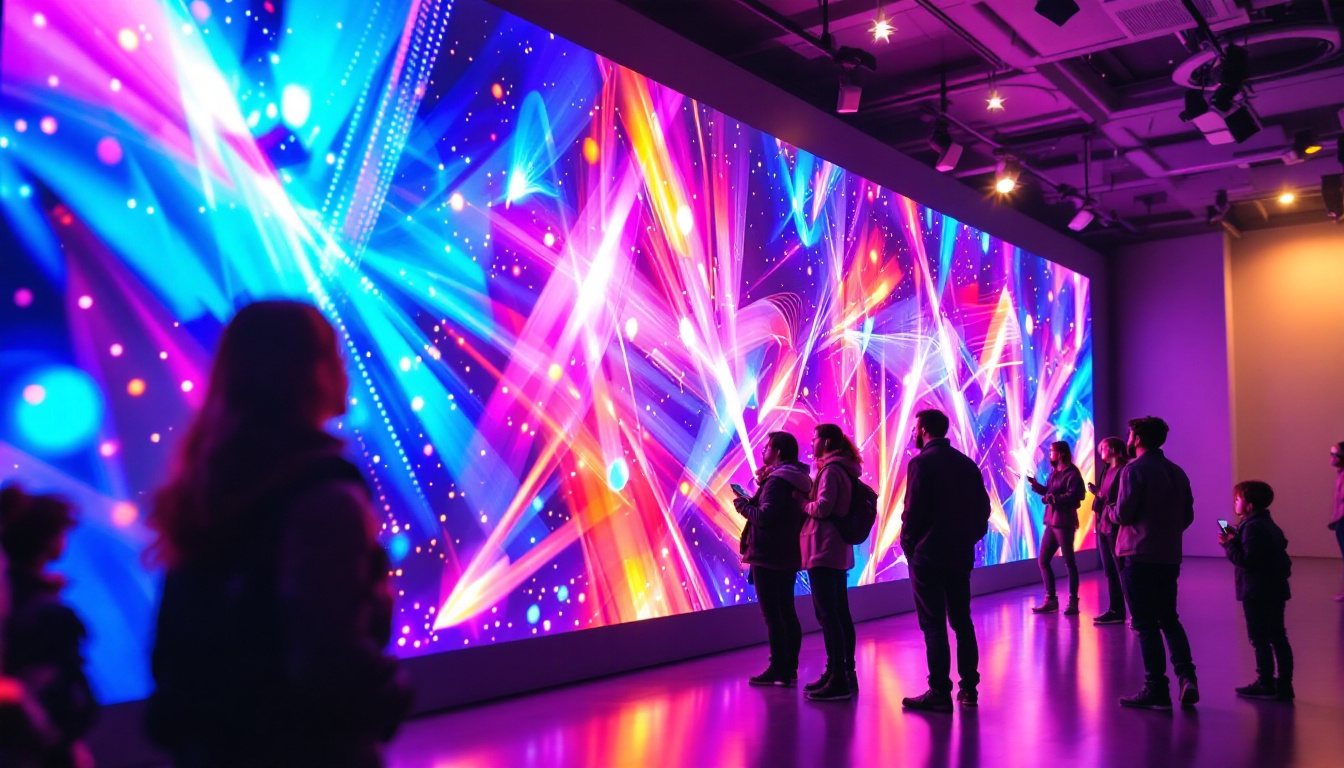
Concerts, festivals, and live events frequently utilize LED video walls to provide large, bright, and dynamic visuals that engage audiences. The ability to create seamless, scalable screens means that organizers can tailor the display size and shape to the venue’s requirements.
LED displays also handle fast motion and high contrast scenes exceptionally well, which is critical for live broadcasts and immersive experiences.
Corporate and Educational Settings
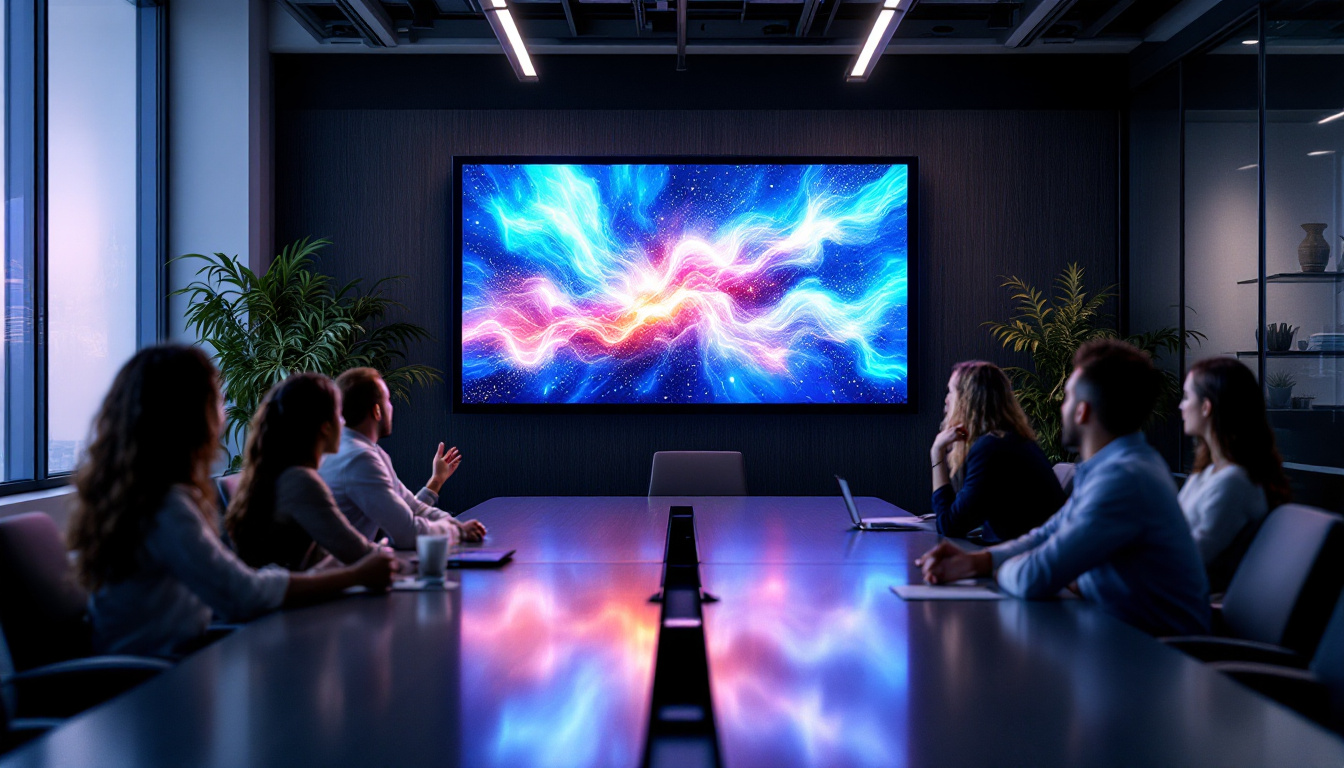
In conference centers and lecture halls, LED projectors offer clear, bright images that enhance presentations and video content. Their reliability and low maintenance make them ideal for environments where equipment uptime is essential.
Furthermore, LED displays can be integrated with interactive technologies, enabling more engaging and collaborative sessions.
Advertising and Digital Signage
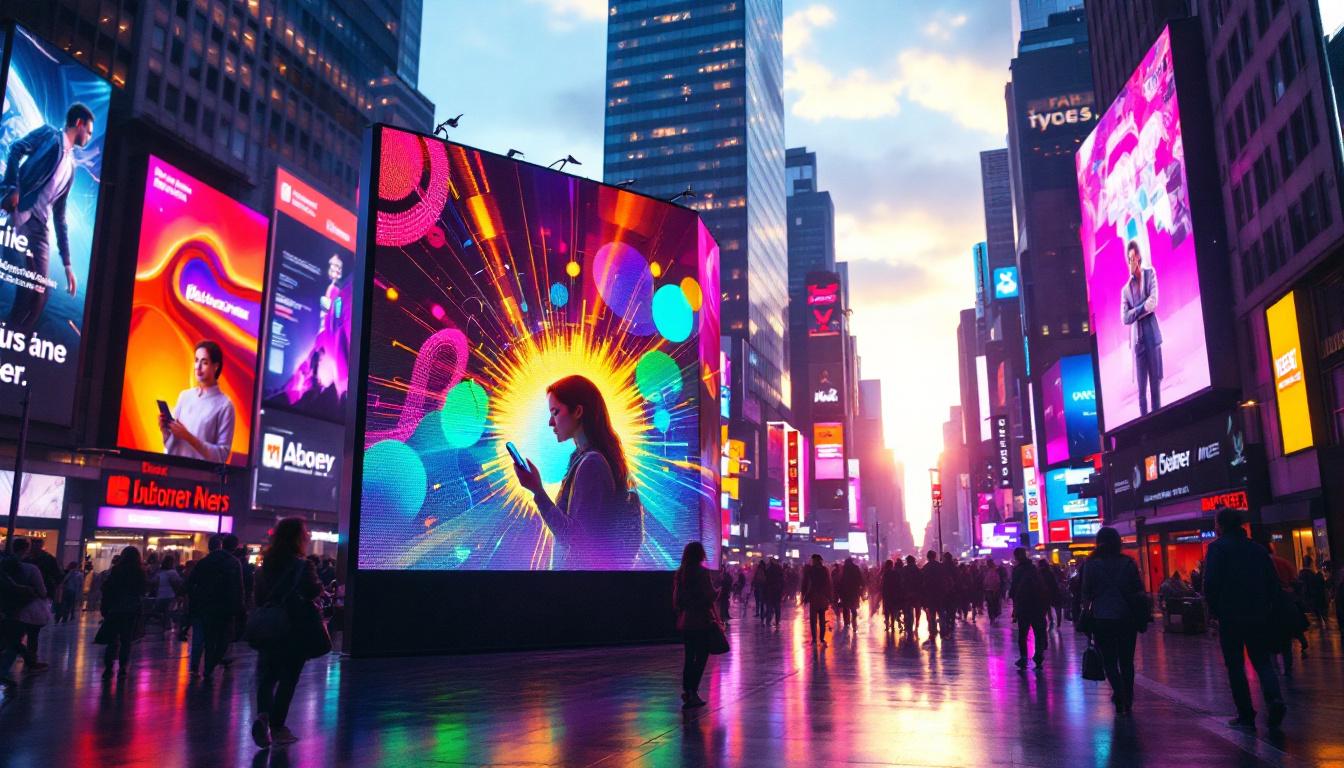
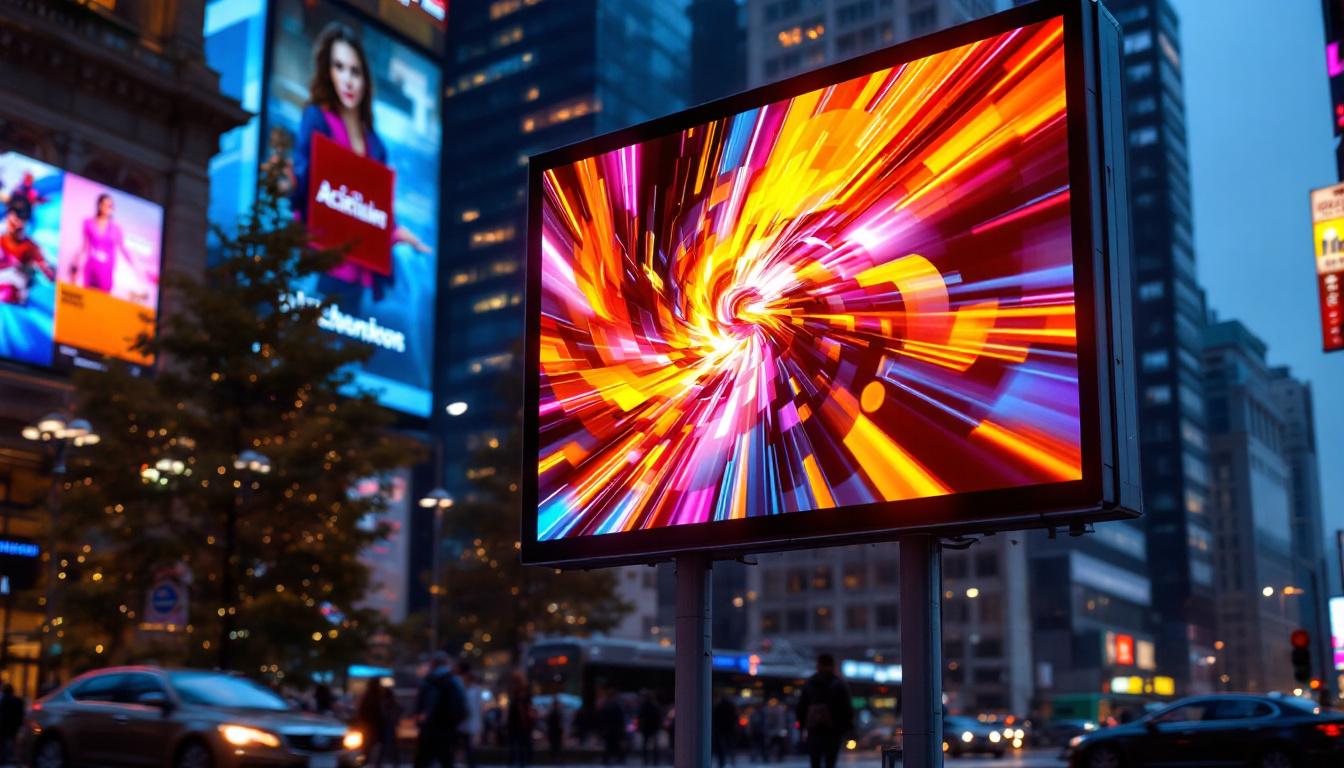
Outdoor advertising benefits greatly from LED displays due to their brightness and weather resistance. Billboards, stadium displays, and transit signage often rely on LED technology to capture attention and deliver high-impact messages.
The modular nature of LED panels allows for creative, large-scale installations that can be customized to fit unique architectural spaces.
Choosing the Right LED Display for Your Large-Screen Projector
Selecting an LED display or projector for large-screen use involves balancing several factors, including resolution, brightness, size, and budget. Here are key considerations to guide the decision-making process.
Resolution and Pixel Pitch
Resolution determines the clarity and detail of the image. For large screens viewed from a distance, a lower resolution with a larger pixel pitch (distance between LEDs) may suffice. However, for closer viewing or detailed content, higher resolution with smaller pixel pitch is necessary.
It’s important to match the pixel pitch to the typical viewing distance to avoid pixelation or blurry images.
Brightness Requirements
Assess the ambient lighting conditions of the installation environment. Outdoor or brightly lit indoor venues require higher brightness levels, often exceeding 5,000 nits (a measure of luminance), to maintain image visibility.
LED displays can be configured to meet these requirements, but higher brightness typically increases power consumption and cost.
Durability and Weather Resistance
For outdoor installations, ensure that the LED panels are rated for weather resistance, including protection against moisture, dust, and temperature fluctuations. IP65 or higher ratings are common for outdoor LED displays.
Indoor displays have less stringent requirements but should still be robust enough to withstand regular use.
Integration and Control Systems
Modern LED displays often come with sophisticated control systems that allow seamless content management, color calibration, and real-time monitoring. Compatibility with existing AV infrastructure and ease of use should be evaluated.
Additionally, consider the availability of technical support and warranty services from the manufacturer or vendor.
Future Trends in LED Large-Screen Projection
The LED display industry continues to evolve rapidly, driven by advances in materials science, manufacturing, and digital technology. Several trends are shaping the future of large-screen projection using LED technology.
MicroLED and MiniLED Innovations
Emerging technologies like MicroLED and MiniLED promise even higher resolution, better color accuracy, and improved energy efficiency. These smaller LEDs enable finer pixel pitches, making large screens sharper and more detailed.
While currently more expensive, these technologies are expected to become mainstream within the next few years, expanding the possibilities for large-scale displays.
Flexible and Transparent LED Displays
Flexible LED panels allow for curved or irregularly shaped screens, opening new creative avenues for architects and designers. Transparent LED displays can be integrated into glass surfaces, blending digital content with physical environments.
These innovations are particularly exciting for retail, museums, and experiential marketing applications.
Integration with Augmented Reality (AR) and AI
As AR and AI technologies mature, LED large-screen displays will increasingly be used in interactive and intelligent environments. For example, AI-driven content adaptation can optimize visuals based on audience behavior or environmental conditions.
This integration will enhance engagement and provide personalized experiences at scale.
Conclusion
LED displays have transformed the landscape of large-screen projection by offering unparalleled brightness, color fidelity, and durability. Whether for entertainment, corporate presentations, or outdoor advertising, LED technology provides a scalable and reliable solution that meets the demands of modern audiences.
When selecting a projector or display system for large screens, understanding the nuances of LED technology and its advantages compared to traditional projection methods is crucial. By carefully considering factors such as resolution, brightness, and environmental conditions, users can ensure optimal performance and longevity.
As LED technology continues to advance, it promises even more exciting possibilities for large-screen displays, making it an investment that will deliver value well into the future.
Discover LumenMatrix LED Display Solutions
Ready to elevate your large-screen projection experience? LumenMatrix is at the forefront of LED display innovation, offering a diverse range of solutions tailored to your unique needs. From stunning Indoor and Outdoor LED Wall Displays to dynamic Vehicle and Sports LED Displays, our products are designed to captivate and engage your audience. Embrace the future of visual communication with our Custom, All-in-One, and Transparent LED Displays, each crafted to deliver unparalleled brightness, color fidelity, and durability. Check out LumenMatrix LED Display Solutions today and transform your space into a mesmerizing visual spectacle.