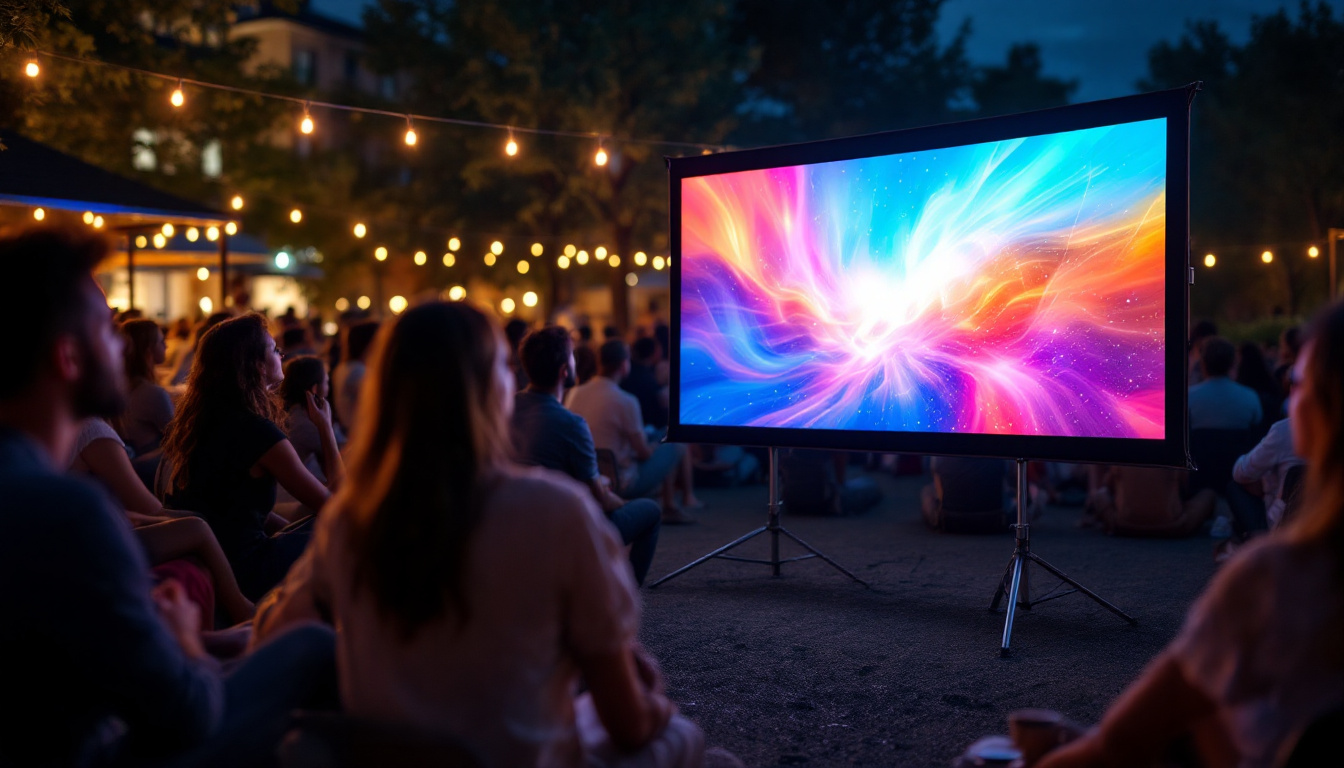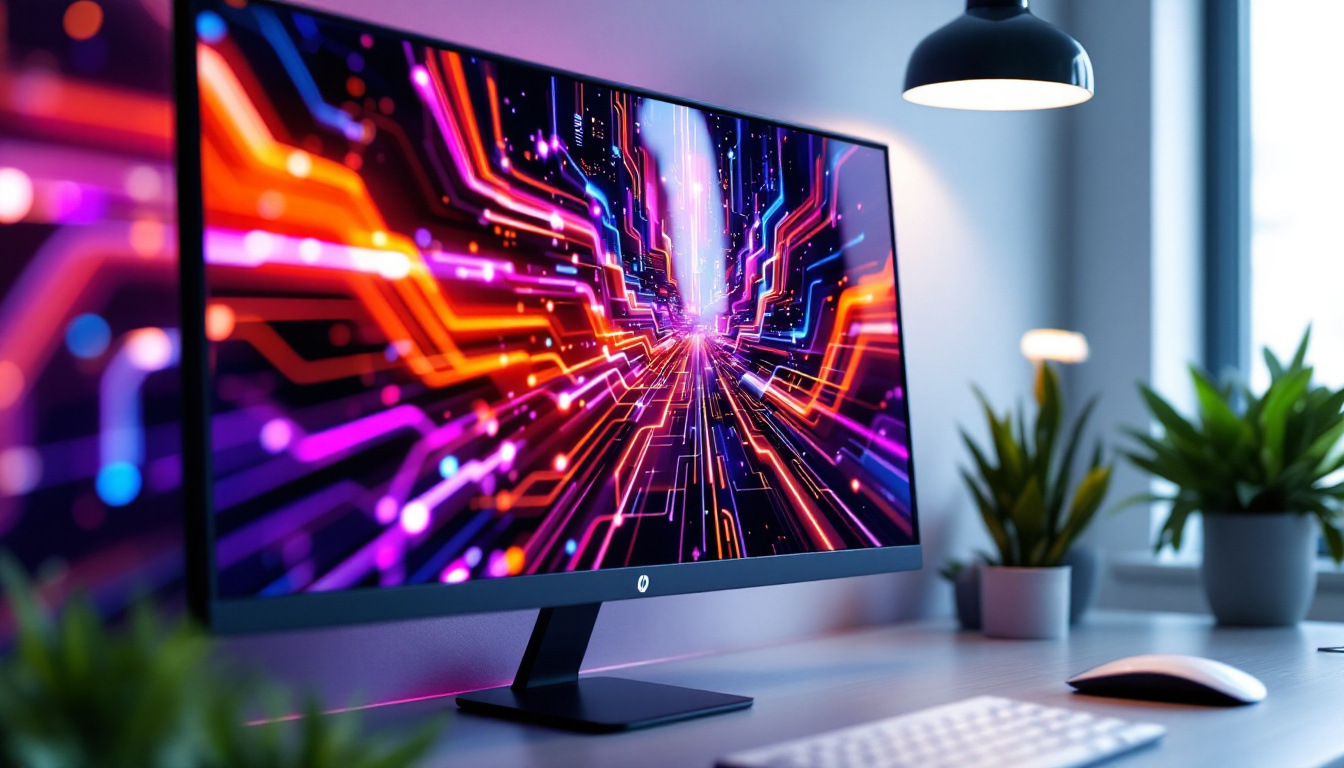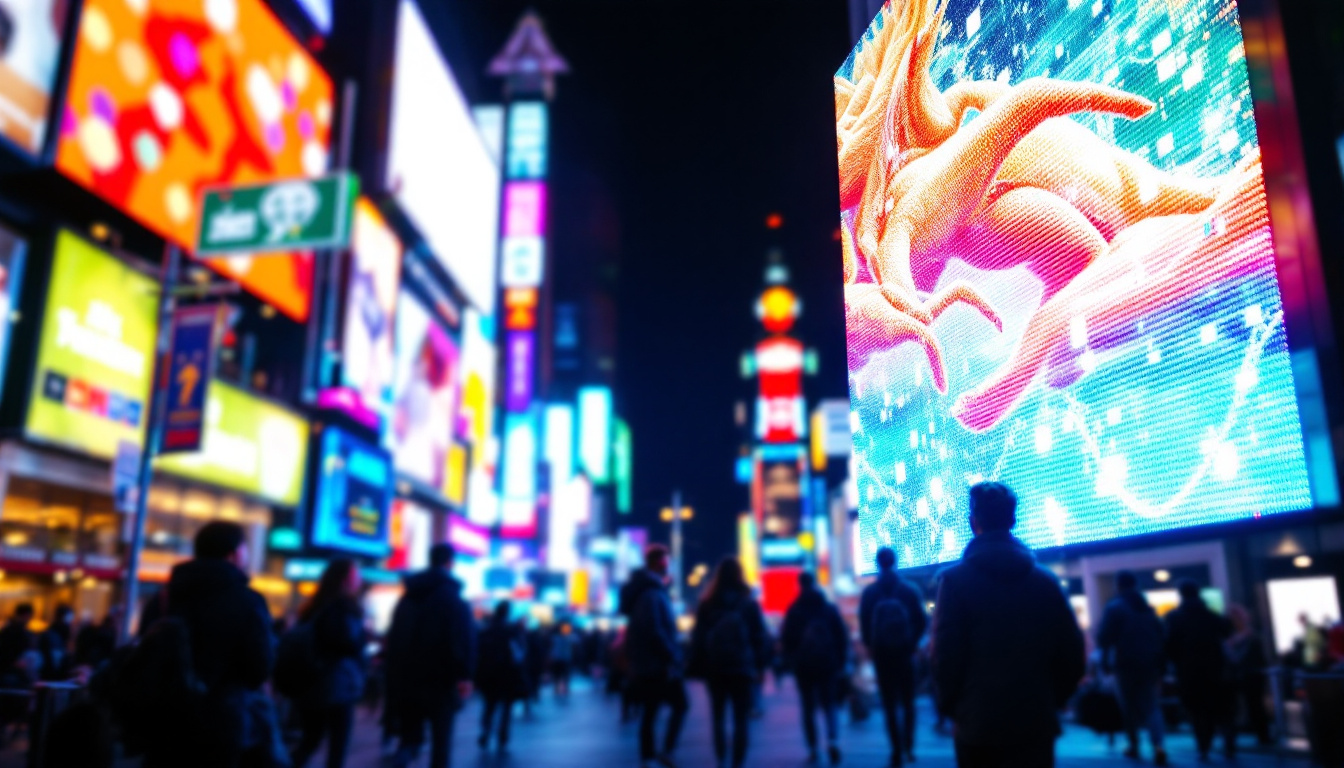
In today’s digital age, LED displays have become ubiquitous—from smartphones and televisions to large-scale advertising billboards and stadium screens. Understanding the intricacies of screen light settings on LED displays is essential for manufacturers, designers, and end-users seeking optimal visual performance and energy efficiency. This article delves into the science behind LED screen lighting, explores the technology’s advantages, and provides insights into how different settings affect display quality and user experience.
Understanding LED Display Technology
LED stands for Light Emitting Diode, a semiconductor device that emits light when an electric current passes through it. Unlike traditional LCD screens that rely on backlighting, LED displays use these tiny diodes as direct light sources, enabling brighter images, better contrast, and more vibrant colors.
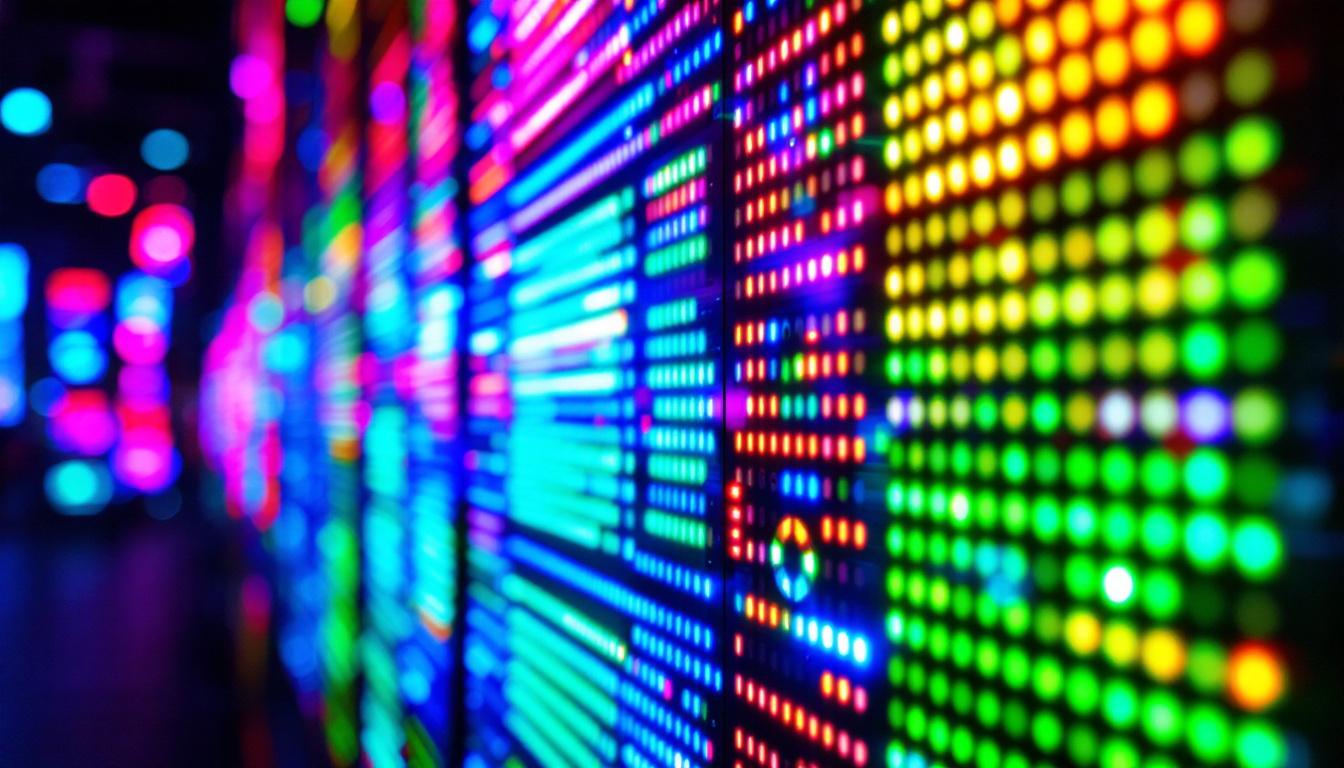
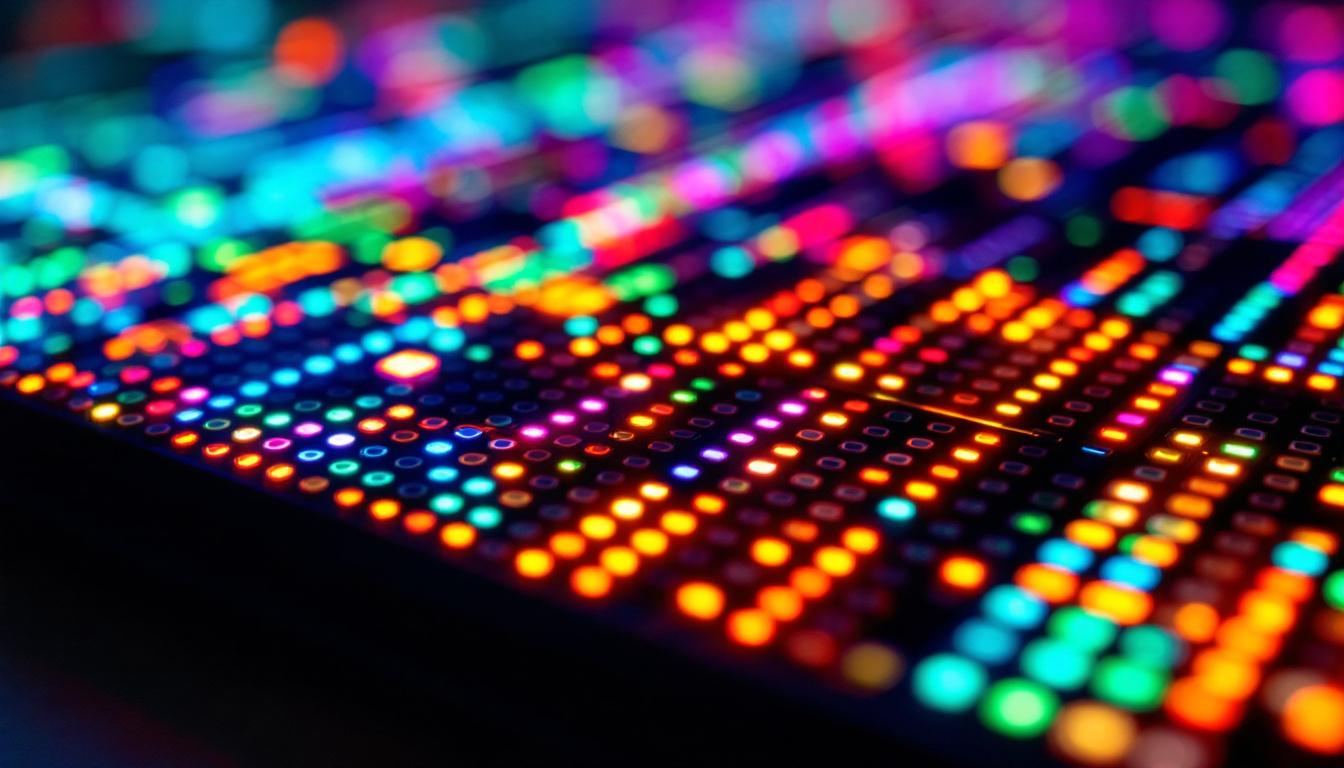
The basic structure of an LED display consists of an array of individual LEDs arranged in pixels. Each pixel typically contains sub-pixels in red, green, and blue (RGB) that combine to produce a full spectrum of colors. By adjusting the intensity of each sub-pixel, the display can render millions of colors with remarkable accuracy.
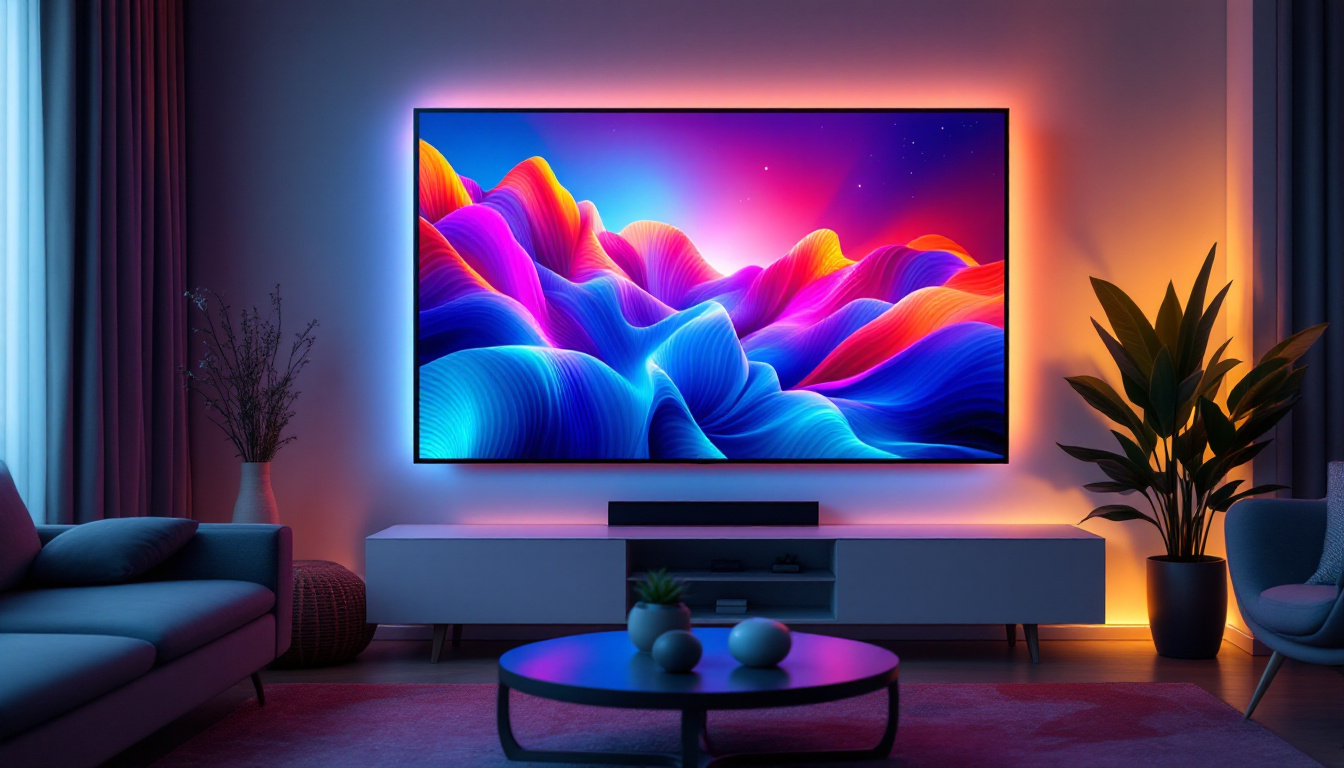
There are two primary types of LED displays: direct-view LED and LED-backlit LCDs. Direct-view LED displays use LEDs as the actual pixels, commonly seen in large outdoor screens and newer television models. LED-backlit LCDs, on the other hand, use LEDs to illuminate an LCD panel, improving brightness and energy efficiency compared to older CCFL-backlit LCDs.
Key Advantages of LED Displays
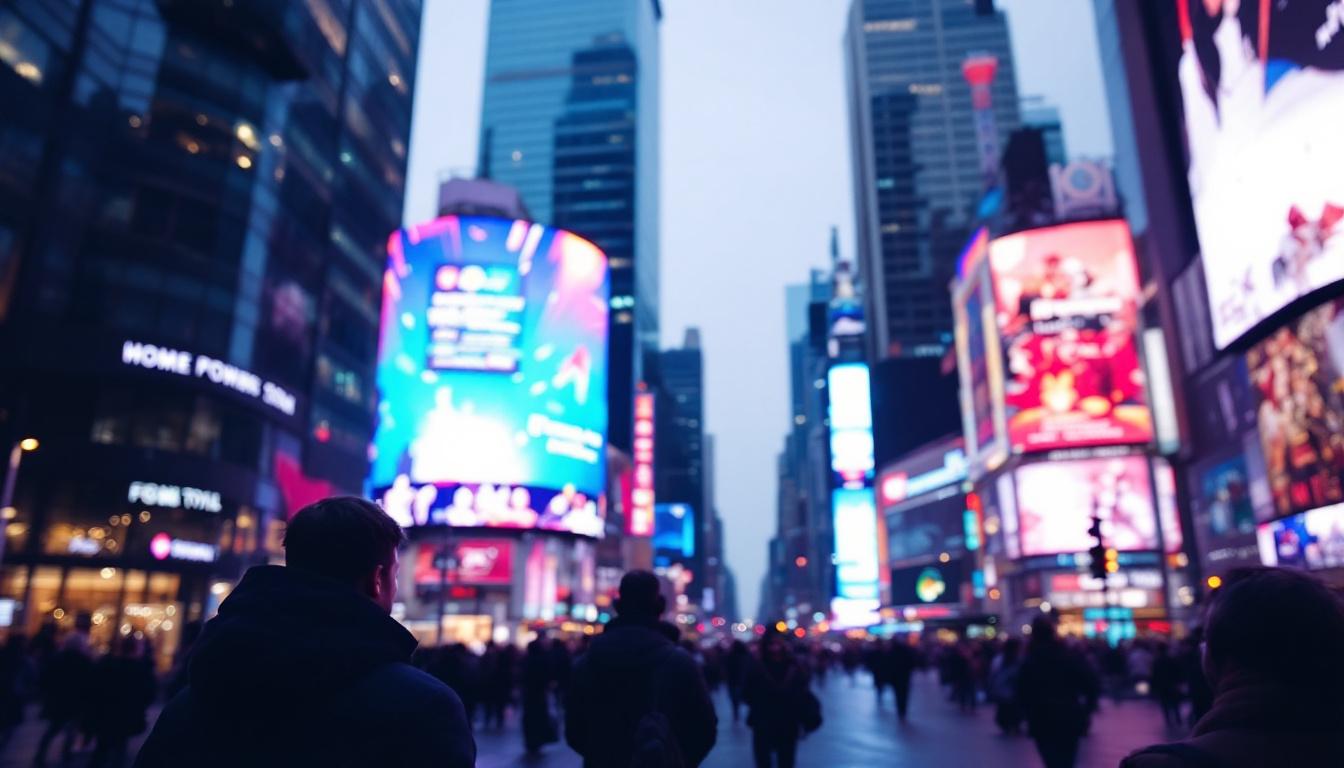
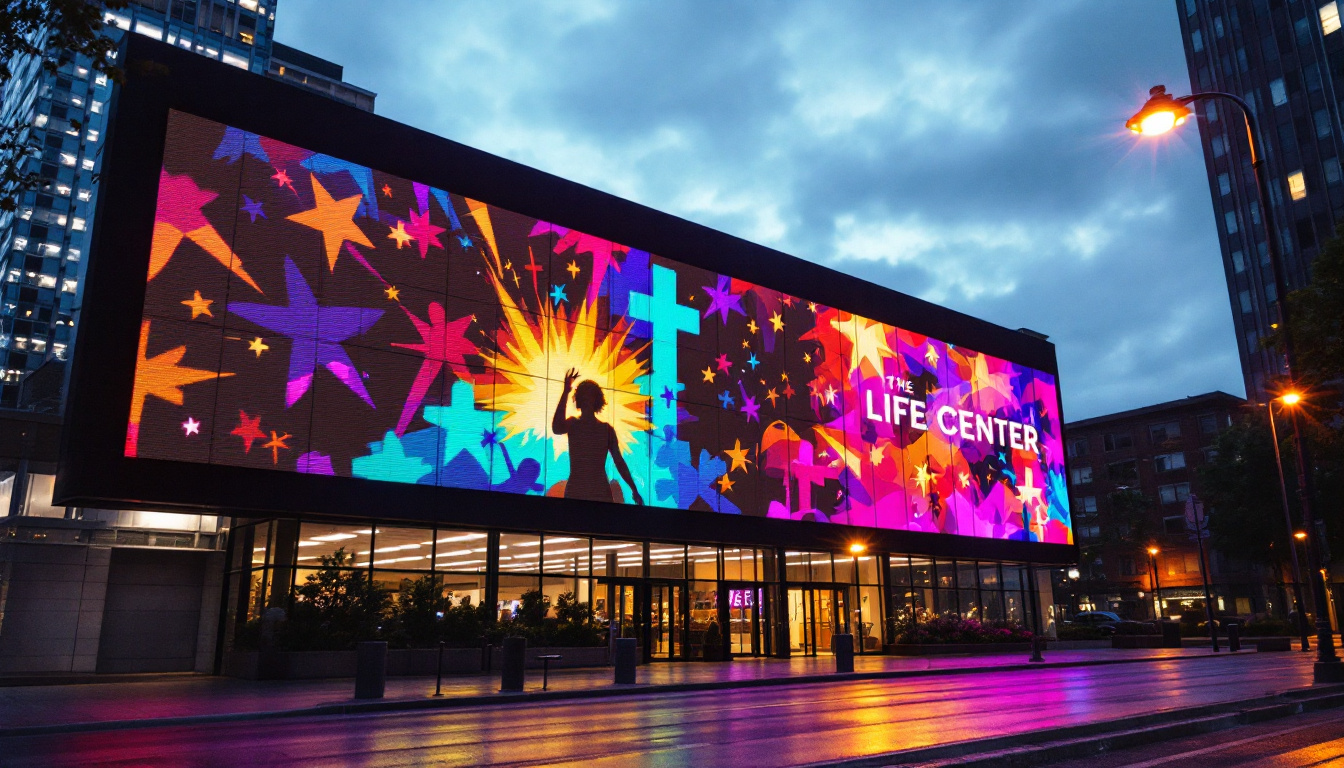
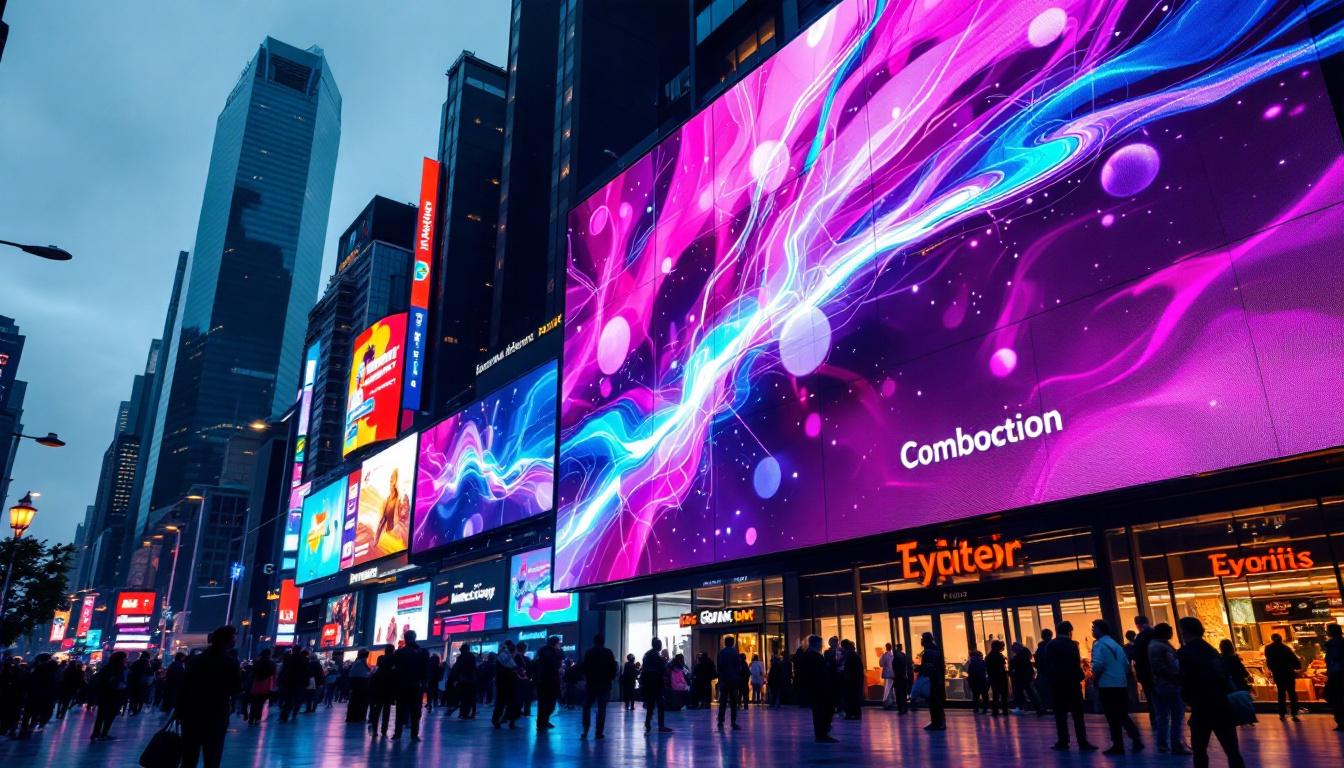
LED technology offers several benefits over traditional display methods. Firstly, LEDs provide higher brightness levels, which is crucial for visibility in bright environments such as outdoor advertising or retail displays. For example, modern outdoor LED billboards can reach brightness levels exceeding 5,000 nits, ensuring clear visibility even under direct sunlight.
Secondly, LED displays boast superior contrast ratios. Since LEDs can be turned off completely to display true blacks, the contrast ratio can be significantly higher than LCDs, which rely on backlighting that leaks light even in dark scenes. This capability enhances image depth and overall viewing experience.
Energy efficiency is another important advantage. LEDs consume less power than traditional light sources, reducing operational costs and environmental impact. Additionally, LEDs have a longer lifespan, often exceeding 50,000 hours of use, which translates to lower maintenance and replacement expenses.
Screen Light Settings: Brightness, Contrast, and Color Calibration
Optimizing screen light settings on LED displays is essential for delivering the best visual performance tailored to the environment and content. The three main parameters that influence display quality are brightness, contrast, and color calibration.
Brightness Adjustment
Brightness refers to the amount of light emitted by the display, measured in nits (candelas per square meter). Proper brightness settings ensure that the screen is visible without causing eye strain or wasting energy. For indoor LED displays, brightness levels typically range from 200 to 1,000 nits, while outdoor displays require much higher brightness to overcome ambient light.
Many modern LED displays feature ambient light sensors that automatically adjust brightness based on surrounding lighting conditions. This dynamic adjustment helps maintain consistent visibility while conserving power during low-light conditions. For example, smartphones and laptops often reduce brightness in dim environments to extend battery life and reduce eye fatigue.
Contrast Ratio and Its Impact
Contrast ratio is the difference between the brightest white and the darkest black a display can produce. A higher contrast ratio results in more vivid images with greater depth and detail. LED displays excel in this area because individual LEDs can be turned off completely to achieve true black levels.
Manufacturers often specify contrast ratios for their displays, with high-end LED TVs boasting ratios of 1,000,000:1 or greater. However, perceived contrast can also depend on ambient lighting and screen reflections, which is why screen coatings and anti-glare treatments are often combined with LED technology to enhance viewing quality.
Color Calibration and Accuracy
Color calibration is the process of adjusting the display to reproduce colors as accurately as possible. This involves fine-tuning the RGB sub-pixels and white balance to match standardized color spaces such as sRGB, Adobe RGB, or DCI-P3. Accurate color reproduction is critical for professional applications like photo editing, video production, and medical imaging.
LED displays can achieve wide color gamuts due to the precise control over individual diodes. Advances in quantum dot technology have further expanded color range, allowing displays to render more saturated and lifelike colors. Regular calibration using specialized tools ensures consistent color accuracy over time, compensating for LED aging and environmental factors.
Advanced Screen Light Settings and Technologies
Beyond basic brightness, contrast, and color settings, LED displays incorporate advanced technologies to enhance visual performance and user comfort.
Local Dimming and HDR Support
Local dimming is a feature where the display selectively dims or brightens specific zones of the screen to improve contrast and black levels. This is particularly effective in LED-backlit LCDs, where the backlight is divided into controllable zones. By dimming dark areas and brightening highlights, local dimming enhances the dynamic range and overall picture quality.
High Dynamic Range (HDR) technology leverages local dimming and increased brightness to display a wider range of luminance levels. HDR content delivers more realistic images with enhanced detail in shadows and highlights. Many modern LED displays support HDR standards such as HDR10, Dolby Vision, and HLG, making them suitable for cinema-quality viewing experiences.
Blue Light Reduction and Flicker-Free Technology
Prolonged exposure to blue light emitted by screens can cause eye strain and disrupt sleep patterns. To address this, many LED displays offer blue light reduction modes that shift the color temperature toward warmer tones during evening hours. This feature helps reduce eye fatigue and supports healthier viewing habits.
Flicker-free technology eliminates the rapid on/off cycling of LEDs used in brightness control, which can cause discomfort and headaches for sensitive users. By using direct current (DC) dimming or higher frequency pulse-width modulation (PWM), flicker-free displays provide a more comfortable viewing experience, especially during extended use.
Adaptive Refresh Rates and Motion Handling
Screen refresh rate, measured in hertz (Hz), indicates how many times per second the display updates the image. Higher refresh rates result in smoother motion, which is crucial for gaming, sports broadcasts, and fast-paced video content. LED displays often support refresh rates of 60Hz, 120Hz, or even 240Hz.
Adaptive refresh rate technologies dynamically adjust the refresh rate based on the content, reducing power consumption and minimizing motion blur. This ensures fluid visuals without unnecessary strain on the hardware or the viewer’s eyes.
Practical Considerations for Choosing and Using LED Displays
When selecting an LED display or adjusting its screen light settings, several practical factors should be considered to balance performance, cost, and user needs.
Environmental Factors and Installation
The intended environment plays a significant role in determining the optimal screen light settings. Outdoor LED displays must withstand varying weather conditions and intense sunlight, necessitating high brightness and robust protective coatings. Indoor displays prioritize color accuracy and viewing angle over extreme brightness.
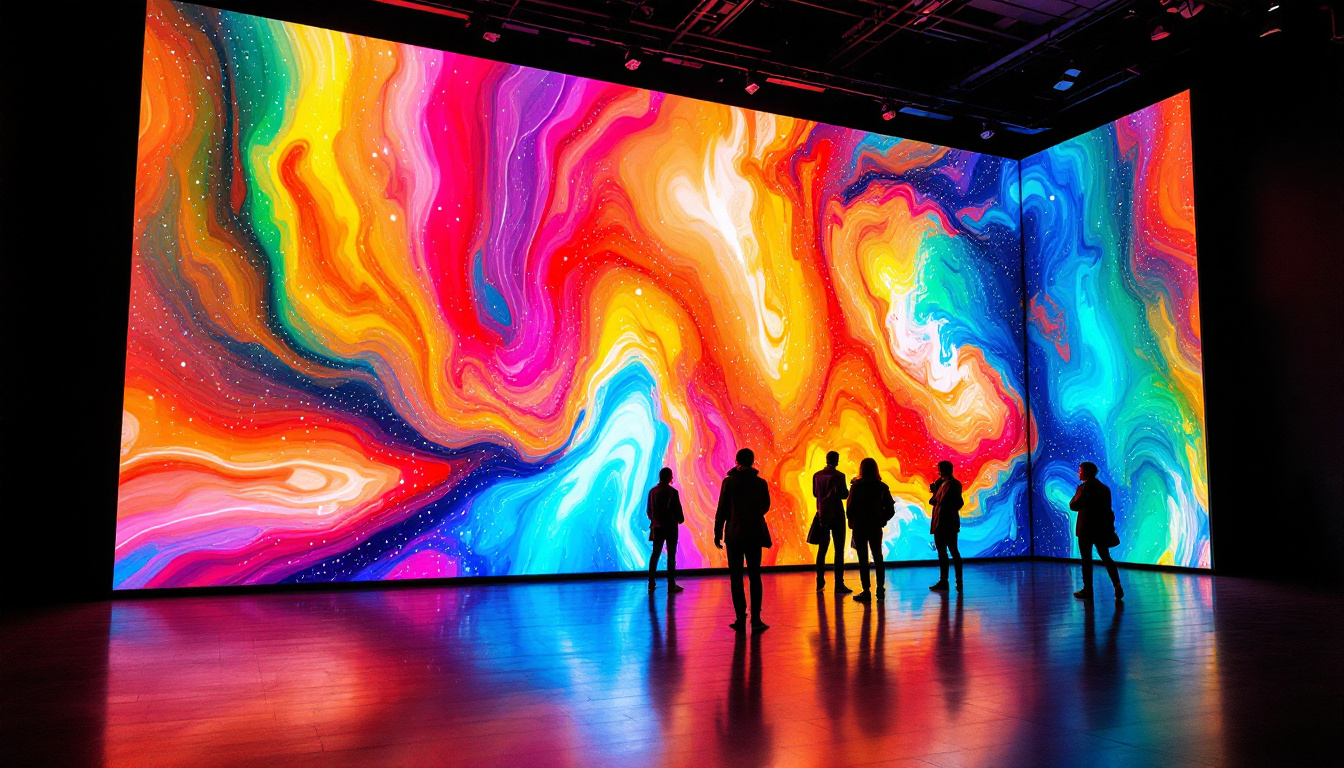
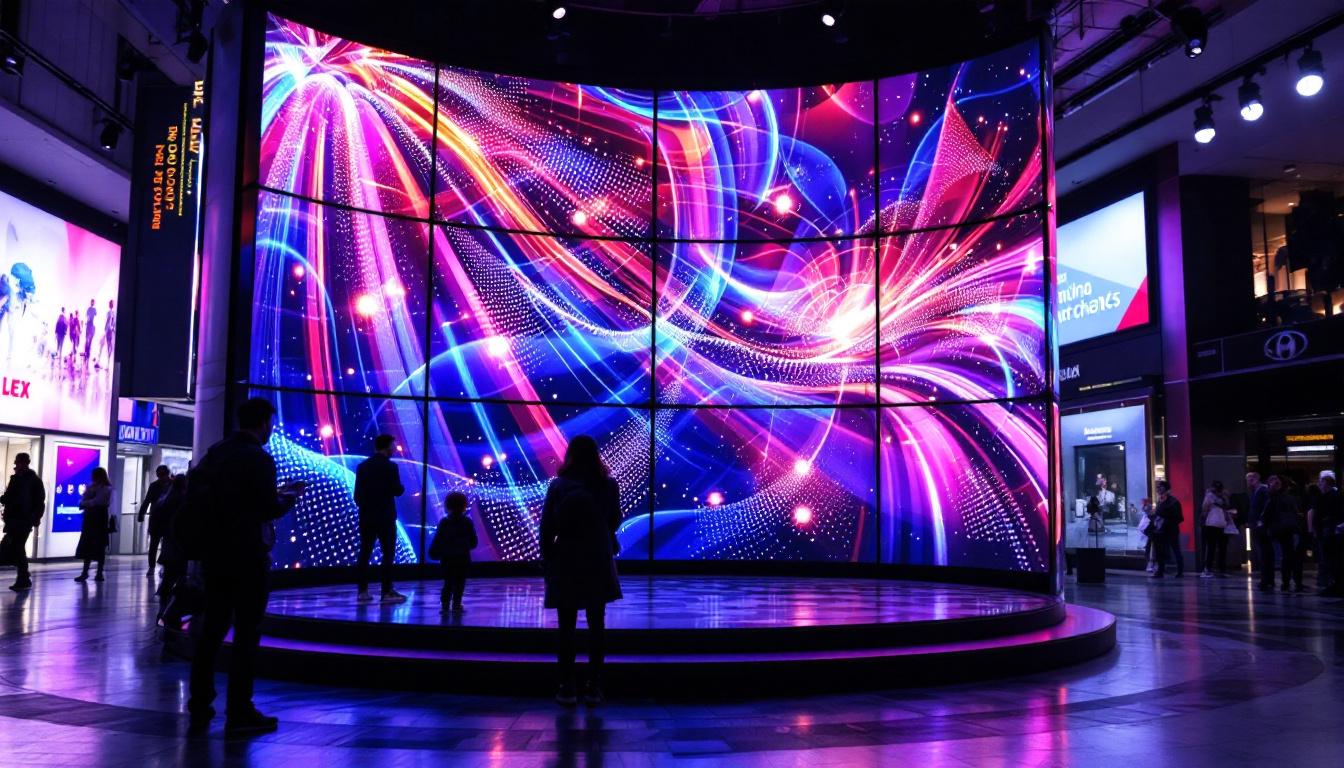
Installation location also affects viewing distance and angle. For example, large-format LED video walls require careful calibration to ensure uniform brightness and color consistency across the entire surface. Professional installation and periodic maintenance are essential to preserve display quality over time.
Energy Efficiency and Sustainability
With growing emphasis on sustainability, energy consumption is a critical consideration. LED displays are inherently more energy-efficient than older technologies, but optimizing screen light settings can further reduce power usage. Features like ambient light sensors, adaptive brightness, and automatic power-off modes contribute to greener operation.
Manufacturers increasingly incorporate eco-friendly materials and recycling programs to minimize environmental impact. For businesses, investing in energy-efficient LED displays can lead to significant cost savings and support corporate social responsibility goals.
User Experience and Accessibility
Adjustable screen light settings enhance user comfort and accessibility. For individuals with visual impairments or light sensitivity, customizable brightness, contrast, and color modes can make digital content more accessible. Features like high contrast modes and screen readers complement LED display capabilities to create inclusive experiences.
Ergonomic considerations, such as reducing glare and flicker, also contribute to healthier screen time habits. As remote work and digital learning become more prevalent, optimizing LED display settings helps mitigate eye strain and improves productivity.
Future Trends in LED Display Screen Light Technology
The LED display industry continues to evolve rapidly, driven by innovations in materials science, electronics, and software algorithms.
MicroLED and MiniLED Advancements
MicroLED technology represents the next frontier in LED displays, featuring microscopic LEDs that offer unparalleled brightness, contrast, and energy efficiency. Unlike OLEDs, MicroLEDs do not suffer from burn-in issues and can achieve higher peak brightness, making them ideal for both indoor and outdoor applications.
MiniLED backlighting, which uses thousands of tiny LEDs to illuminate LCD panels, provides improved local dimming and HDR performance at a more affordable price point. This technology is increasingly adopted in premium laptops, monitors, and TVs.
Artificial Intelligence and Adaptive Display Settings
Artificial intelligence (AI) is being integrated into LED display systems to optimize screen light settings in real-time. AI algorithms analyze content type, ambient lighting, and user preferences to dynamically adjust brightness, contrast, and color calibration. This intelligent adaptation enhances viewing comfort and visual fidelity without manual intervention.
Moreover, AI-driven diagnostics can predict LED aging and proactively adjust settings to maintain consistent image quality throughout the display’s lifespan.
Flexible and Transparent LED Displays
Emerging form factors such as flexible and transparent LED displays are expanding the possibilities for screen light settings. Flexible displays can conform to curved surfaces, enabling innovative design applications in automotive, wearable devices, and architectural installations. Transparent LED screens allow for see-through displays in retail windows and augmented reality applications, requiring precise light management to balance visibility and display brightness.
Conclusion
Screen light settings on LED displays are fundamental to achieving optimal image quality, energy efficiency, and user comfort. By understanding the technology behind LED lighting, the impact of brightness, contrast, and color calibration, and the benefits of advanced features like local dimming and flicker-free modes, users and professionals can make informed decisions about display selection and configuration.
As LED technology continues to advance with innovations like MicroLED and AI-driven adaptive settings, the future promises even more immersive and efficient visual experiences. Whether for personal use, professional applications, or large-scale digital signage, mastering screen light settings ensures that LED displays deliver their full potential in clarity, vibrancy, and sustainability.
Discover LumenMatrix’s Advanced LED Solutions
Ready to experience the pinnacle of LED display technology? LumenMatrix is at the forefront of innovation, offering a comprehensive range of LED display solutions tailored to your needs. From captivating Indoor LED Wall Displays to dynamic Outdoor LED Wall Displays, and from versatile Vehicle LED Displays to sleek LED Poster Displays, our products are designed to revolutionize visual communication. Embrace the future with our LED Sports Displays, interactive Floor LED Displays, and the transformative All-in-One LED Display. Elevate your brand’s visibility and engage your audience like never before with our Custom LED Display and LED Transparent Display options. Don’t miss out on the opportunity to transform your visual storytelling. Check out LumenMatrix LED Display Solutions today and empower your business with unmatched clarity and impact.