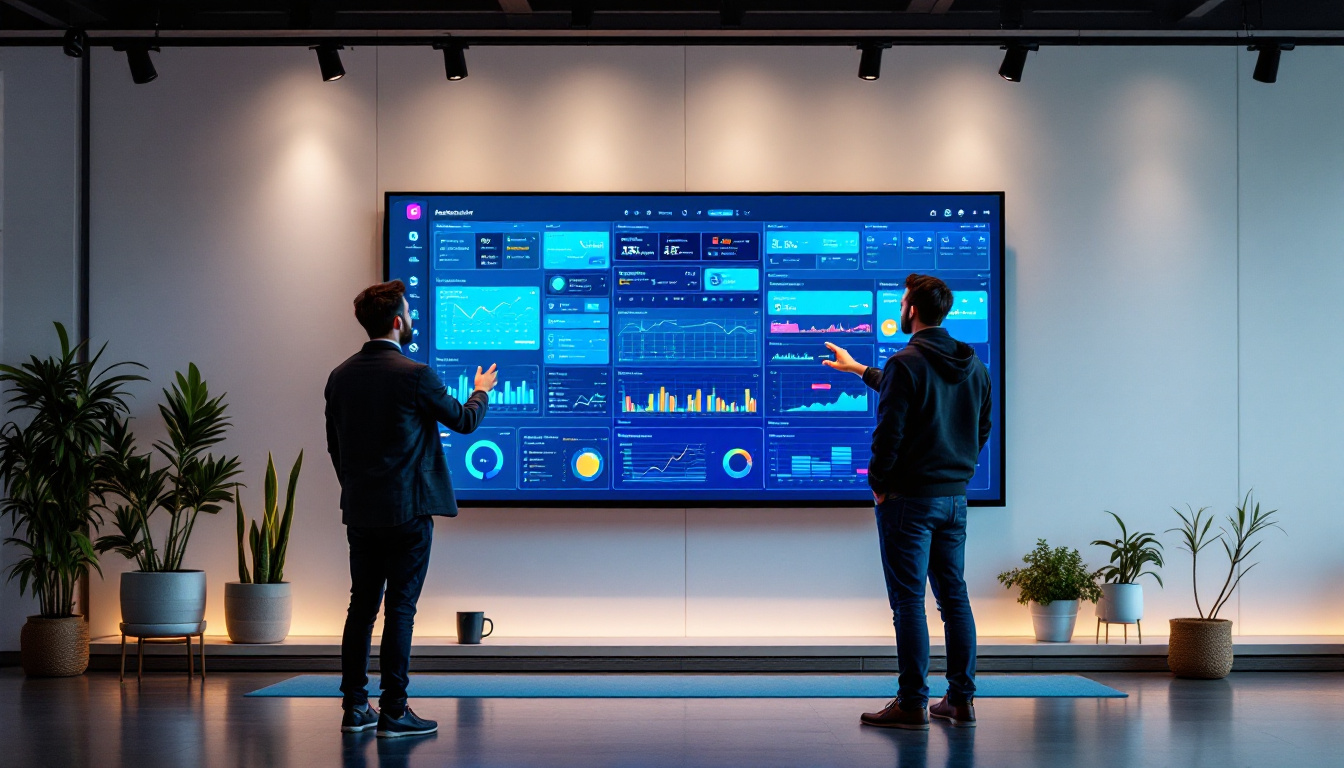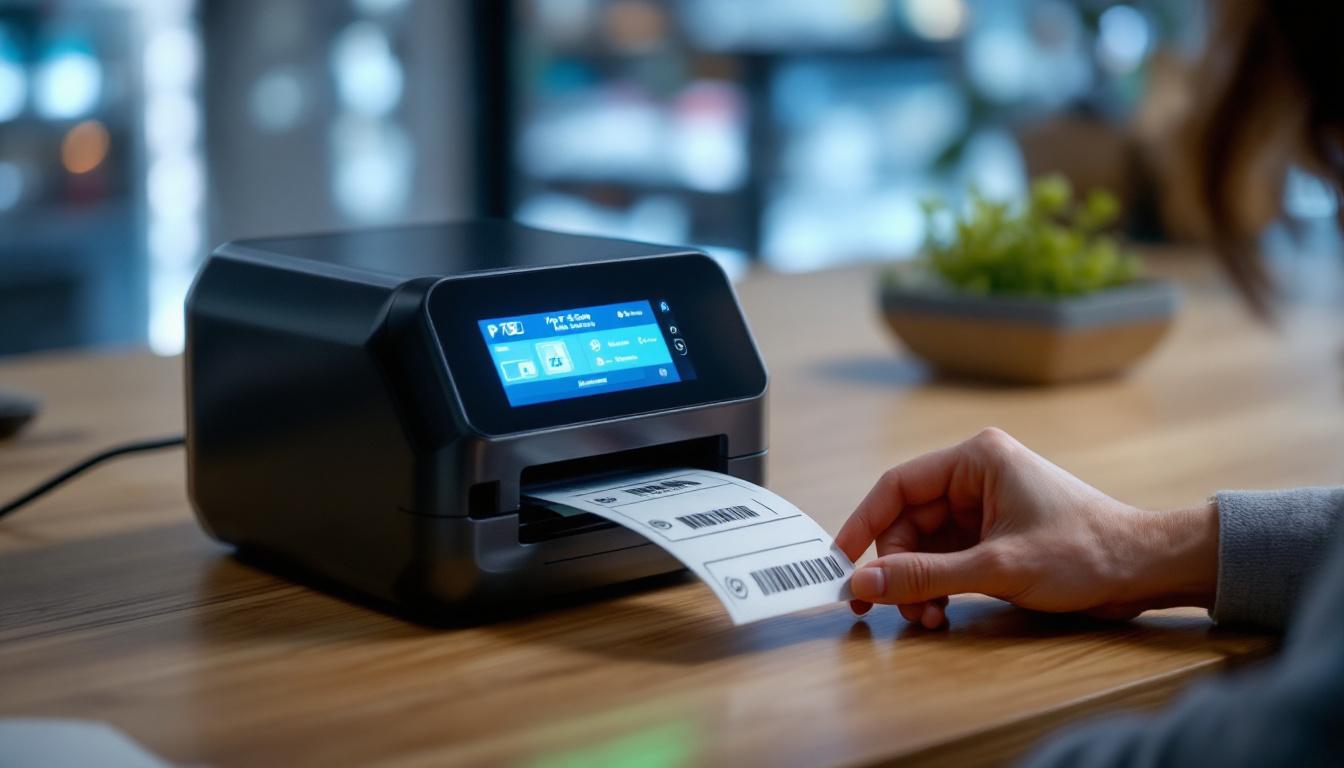
In the ever-evolving world of digital signage and display technology, LED displays have emerged as a dominant force, transforming how businesses communicate with their audiences. Whether it’s vibrant advertising billboards, dynamic retail signage, or informative public displays, LED technology offers unparalleled brightness, flexibility, and energy efficiency. This article delves into the essentials of LED displays, exploring their design, functionality, and how tools like P Touch Design and Print can enhance their creation and management.
Understanding LED Display Technology
What is an LED Display?
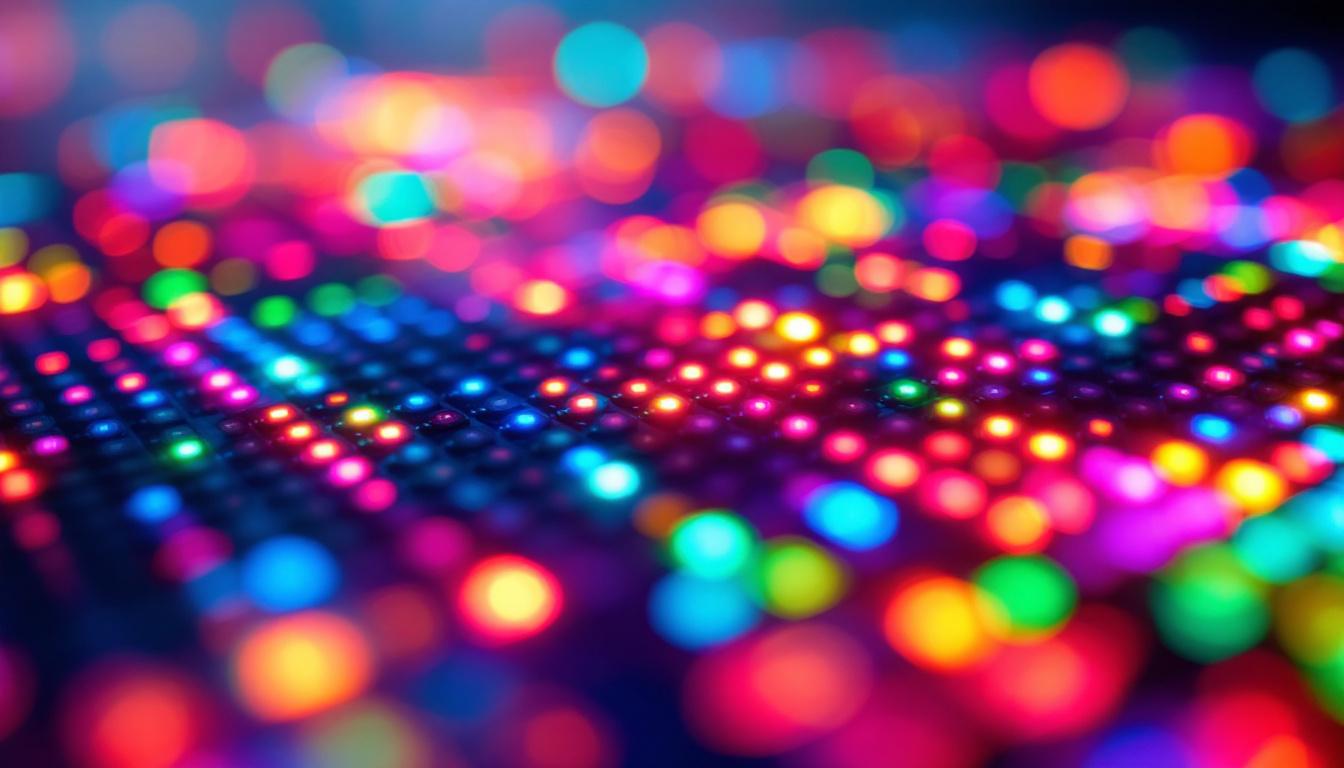
LED stands for Light Emitting Diode, a semiconductor device that emits light when an electric current passes through it. An LED display is essentially a screen composed of numerous tiny LEDs arranged in a grid to form pixels. These pixels work together to produce images, videos, and text with remarkable clarity and brightness.
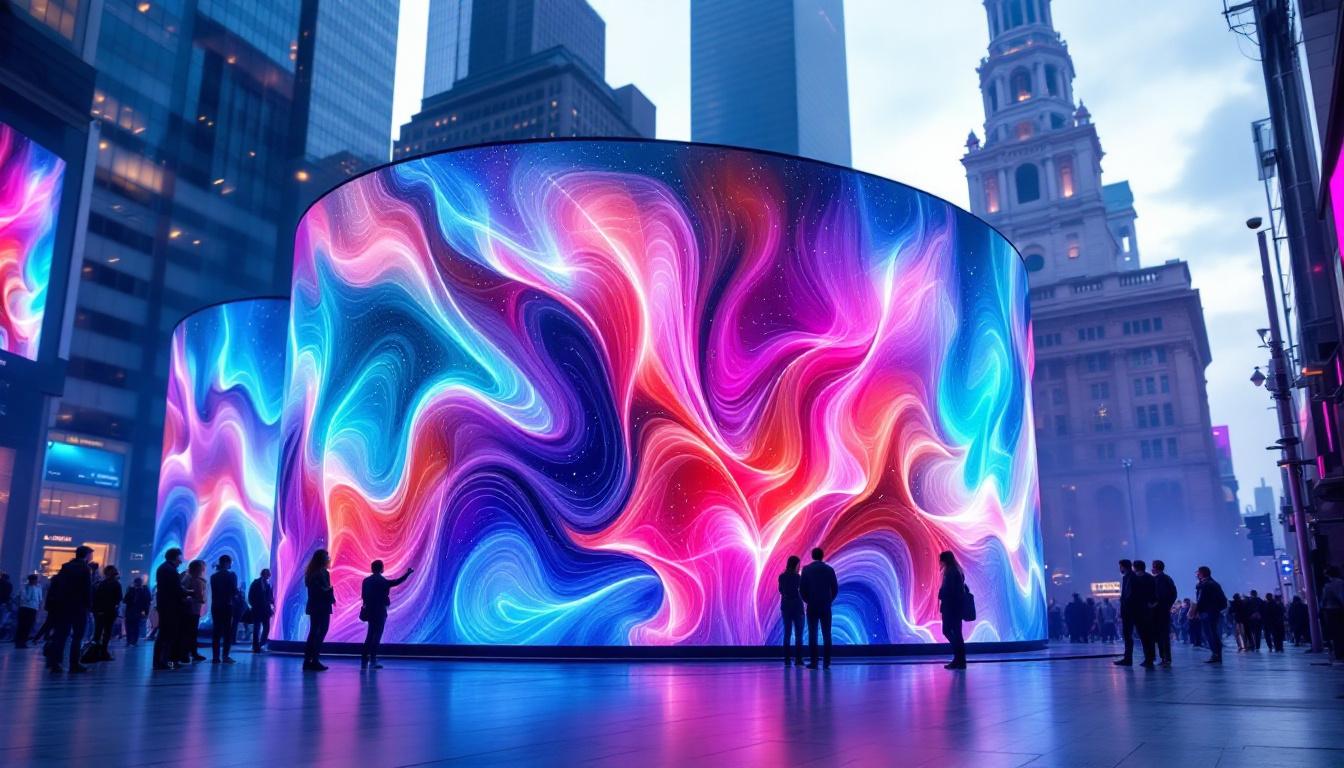
Unlike traditional LCD or plasma screens, LED displays use direct light emission, which results in higher contrast ratios, better color accuracy, and superior visibility in various lighting conditions, including direct sunlight. This makes LED displays particularly suitable for outdoor advertising and large-scale public installations. Their energy efficiency is another significant advantage, as they consume less power compared to older technologies, leading to lower operational costs and a reduced environmental footprint.
Types of LED Displays
LED displays come in various forms, primarily categorized by their structure and application:
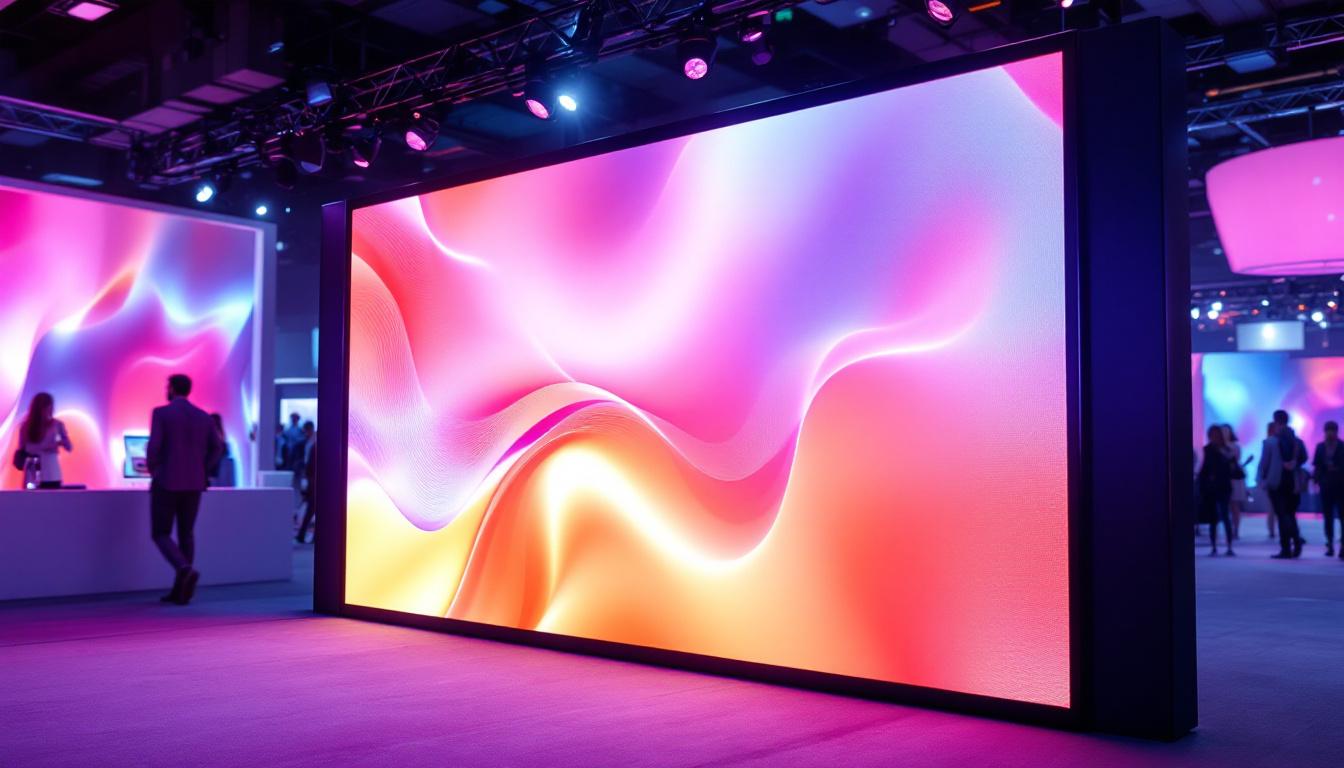
- Indoor LED Displays: Designed for controlled lighting environments, these displays offer high resolution and are often used in retail stores, conference halls, and event venues. Their vibrant colors and sharp images can captivate audiences, making them an ideal choice for presentations and advertisements.
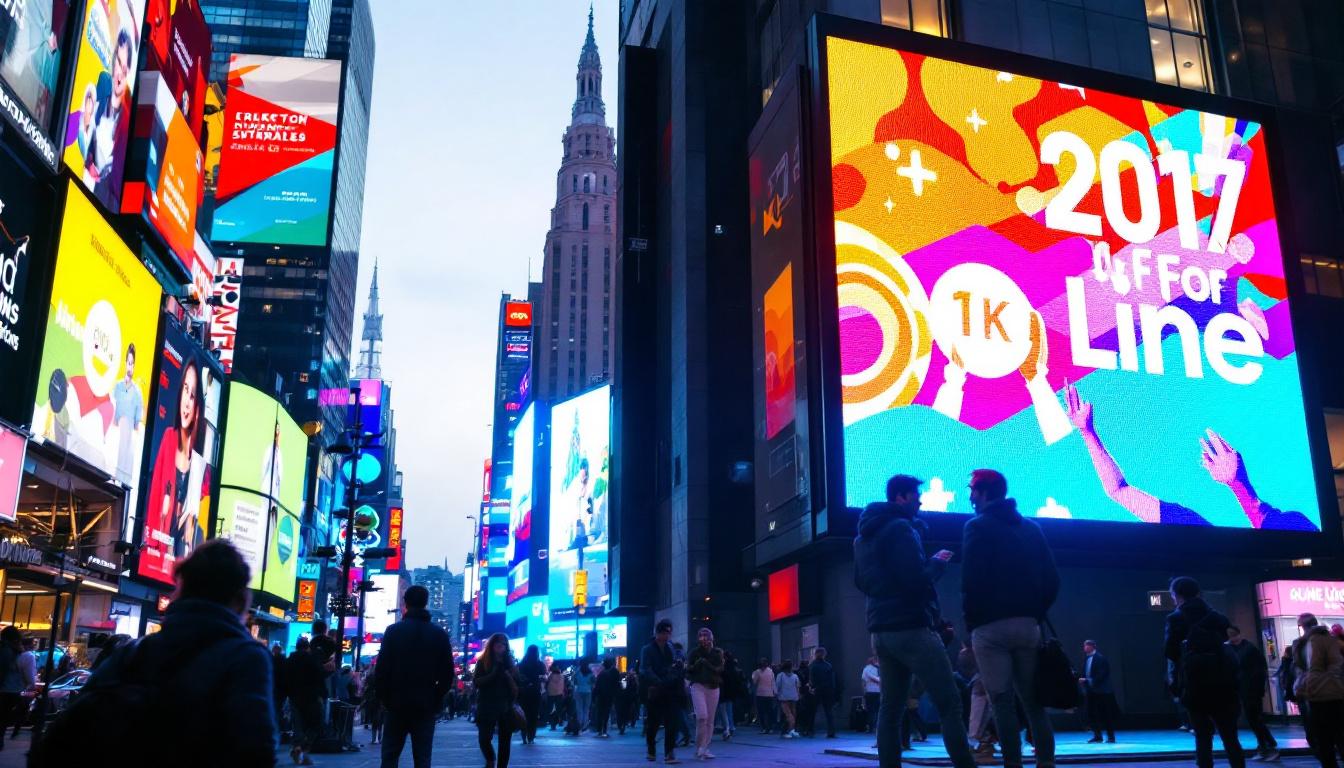
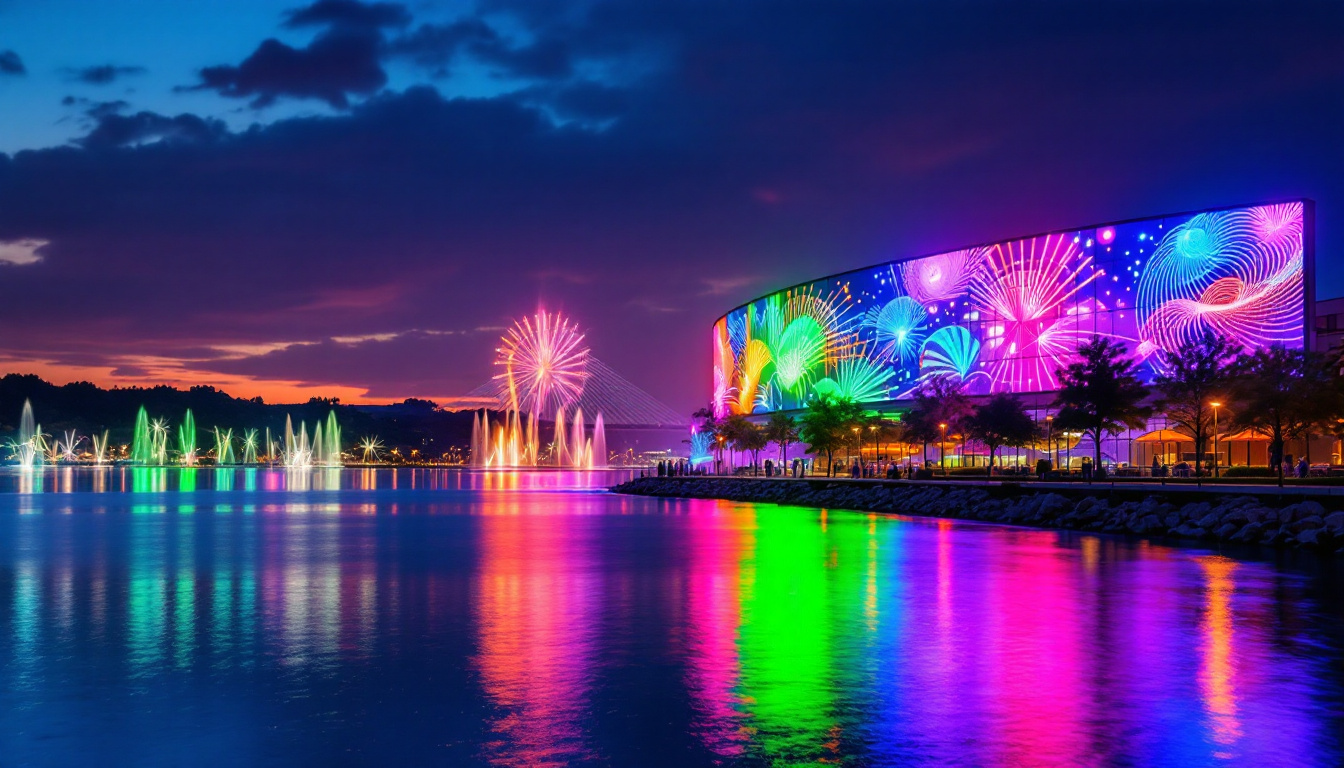
- Outdoor LED Displays: Built to withstand weather conditions and bright sunlight, these are commonly found in stadiums, billboards, and transportation hubs. Their durability ensures that they can operate effectively in extreme temperatures and conditions, providing consistent performance and reliability.
- Flexible LED Displays: These innovative displays can bend and curve, allowing for creative installations on irregular surfaces. This flexibility opens up new possibilities for artistic and functional designs, enabling businesses to create eye-catching displays that stand out in crowded environments.
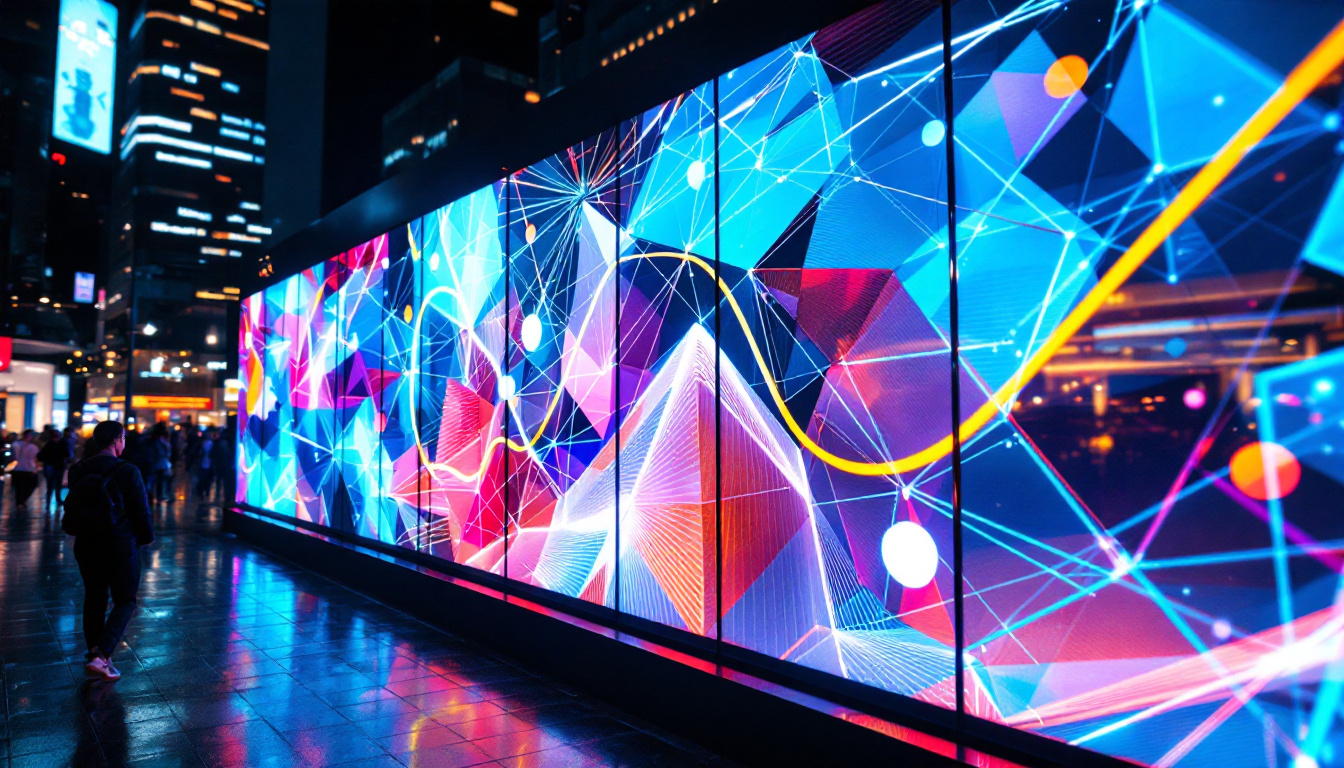
- Transparent LED Displays: Allowing light to pass through, these are used in storefront windows and architectural applications to combine visibility with digital content. They provide a unique way to showcase products while maintaining an open and inviting atmosphere, making them increasingly popular in modern retail settings.
In addition to these types, LED technology continues to evolve, leading to advancements such as microLED and miniLED displays. MicroLED technology utilizes microscopic LEDs to create incredibly high-resolution images, making them perfect for applications requiring extreme detail and color fidelity. MiniLED displays, on the other hand, enhance traditional LCD screens by using smaller LEDs for backlighting, resulting in improved contrast and color performance. As these technologies develop, they promise to further revolutionize how we experience visual content across various platforms.
The versatility of LED displays also extends to their integration with smart technologies. Many modern LED displays can be connected to the internet, allowing for dynamic content updates and real-time information sharing. This capability is particularly useful in environments such as airports and train stations, where timely updates can significantly enhance passenger experience. Furthermore, with the rise of digital signage, businesses are leveraging LED displays to create interactive and engaging customer experiences, transforming the way information is communicated in public spaces.
Key Components of LED Displays
LED Modules and Pixels
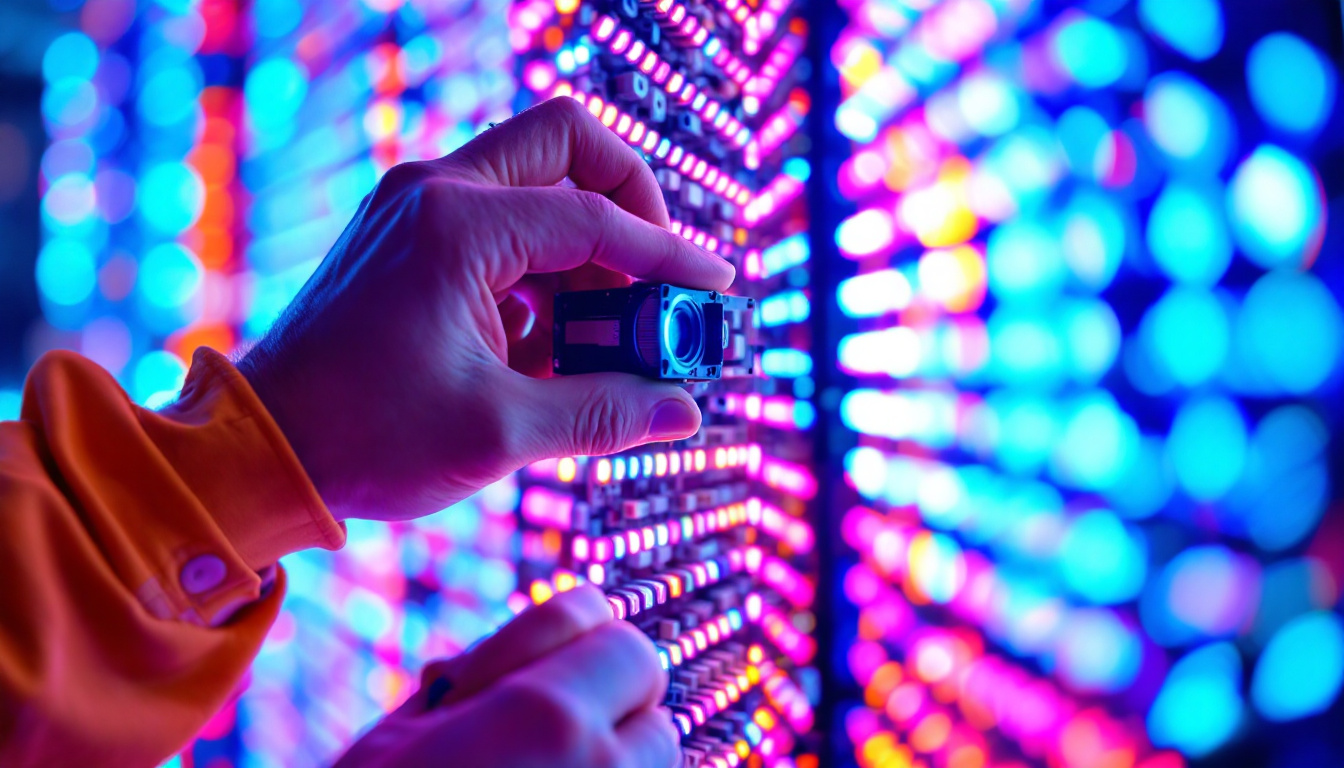
The fundamental building block of an LED display is the LED module, which contains multiple LEDs arranged to form pixels. Each pixel typically consists of three LEDs—red, green, and blue—that combine to produce a full spectrum of colors through varying intensities. The density of these pixels, known as pixel pitch, determines the display’s resolution and clarity. A smaller pixel pitch means higher resolution and closer viewing distances. For instance, high-end displays used in stadiums or concert venues often feature a pixel pitch of just a few millimeters, allowing for stunning visuals even from afar. Conversely, larger pixel pitches are more common in outdoor displays, where viewing distances are greater, and the audience is typically farther away.
Control Systems and Processors
Behind every LED display is a sophisticated control system that manages the input signals, processes the content, and synchronizes the LEDs to render images accurately. These systems can handle various data formats and support real-time content updates, essential for dynamic advertising and information dissemination. Advanced control systems may also incorporate features such as remote monitoring and diagnostics, allowing operators to troubleshoot issues quickly and efficiently. Furthermore, many modern displays are equipped with software that enables users to create and schedule content easily, ensuring that advertisements or messages are displayed at optimal times for maximum impact.
Power Supply and Cooling
LED displays require stable power sources to maintain consistent brightness and color fidelity. Additionally, since LEDs generate heat during operation, effective cooling mechanisms—such as fans or heat sinks—are integrated to prolong the lifespan of the display and prevent performance degradation. The power supply units (PSUs) are designed to handle fluctuations in electrical input, ensuring that the display remains operational even in varying environmental conditions. Moreover, some LED displays are now designed with energy efficiency in mind, utilizing advanced technologies that reduce power consumption without compromising performance. This not only lowers operational costs but also contributes to a more sustainable approach to large-scale display technology.
Advantages of LED Displays Over Other Technologies
Brightness and Visibility
One of the standout features of LED displays is their exceptional brightness, often exceeding 5,000 nits for outdoor models. This ensures visibility even in direct sunlight, a challenge for many other display types. The high contrast ratio also enhances readability and image quality, making LED displays ideal for both day and night use.
Energy Efficiency and Longevity
LEDs are inherently energy-efficient, consuming less power compared to traditional incandescent or fluorescent lighting. This efficiency translates into lower operational costs, especially for large-scale installations running 24/7. Furthermore, LED displays boast long lifespans, often exceeding 100,000 hours of use, reducing maintenance and replacement expenses.
Flexibility and Customization
LED displays can be manufactured in virtually any size and shape, allowing for bespoke installations tailored to specific environments and branding needs. Their modular design also facilitates easy repairs and upgrades, ensuring adaptability over time.
Integrating P Touch Design and Print with LED Displays
What is P Touch Design and Print?
P Touch Design and Print is a versatile software solution designed to simplify the creation of labels, signs, and various printed materials. While traditionally associated with label printing, its capabilities extend to designing content that can be adapted for LED display use, especially in indoor environments where signage and digital displays often coexist.
Designing Content for LED Displays
Creating effective content for LED displays requires careful consideration of resolution, color schemes, and message clarity. P Touch Design and Print offers user-friendly tools to design crisp, high-contrast graphics and text that translate well onto LED screens. Its template-based system allows users to maintain brand consistency and quickly update content as needed.
Streamlining Workflow and Consistency
For businesses managing multiple display types—printed labels, indoor digital signs, and LED displays—using a unified design platform like P Touch Design and Print ensures visual consistency across all media. This integrated approach reduces errors, speeds up production, and enhances overall brand presentation.
Applications and Use Cases of LED Displays
Retail and Advertising
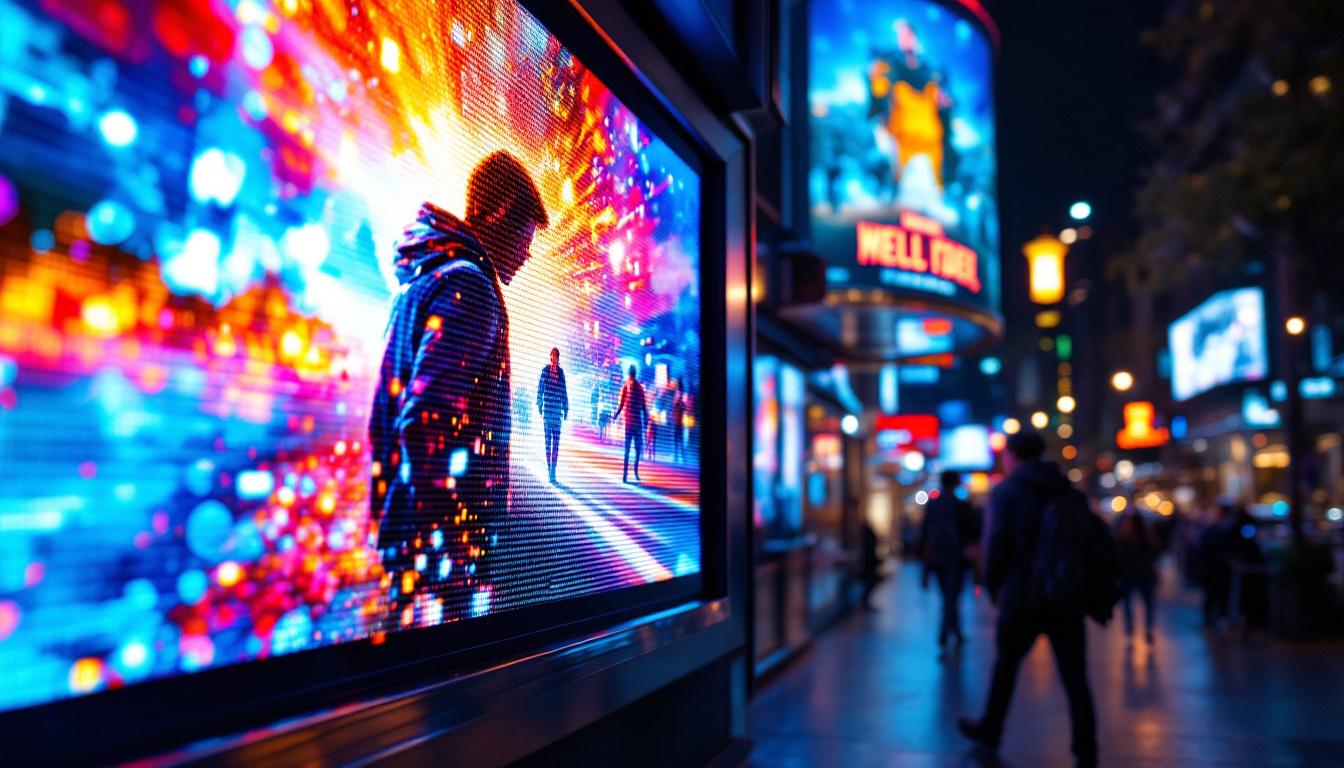
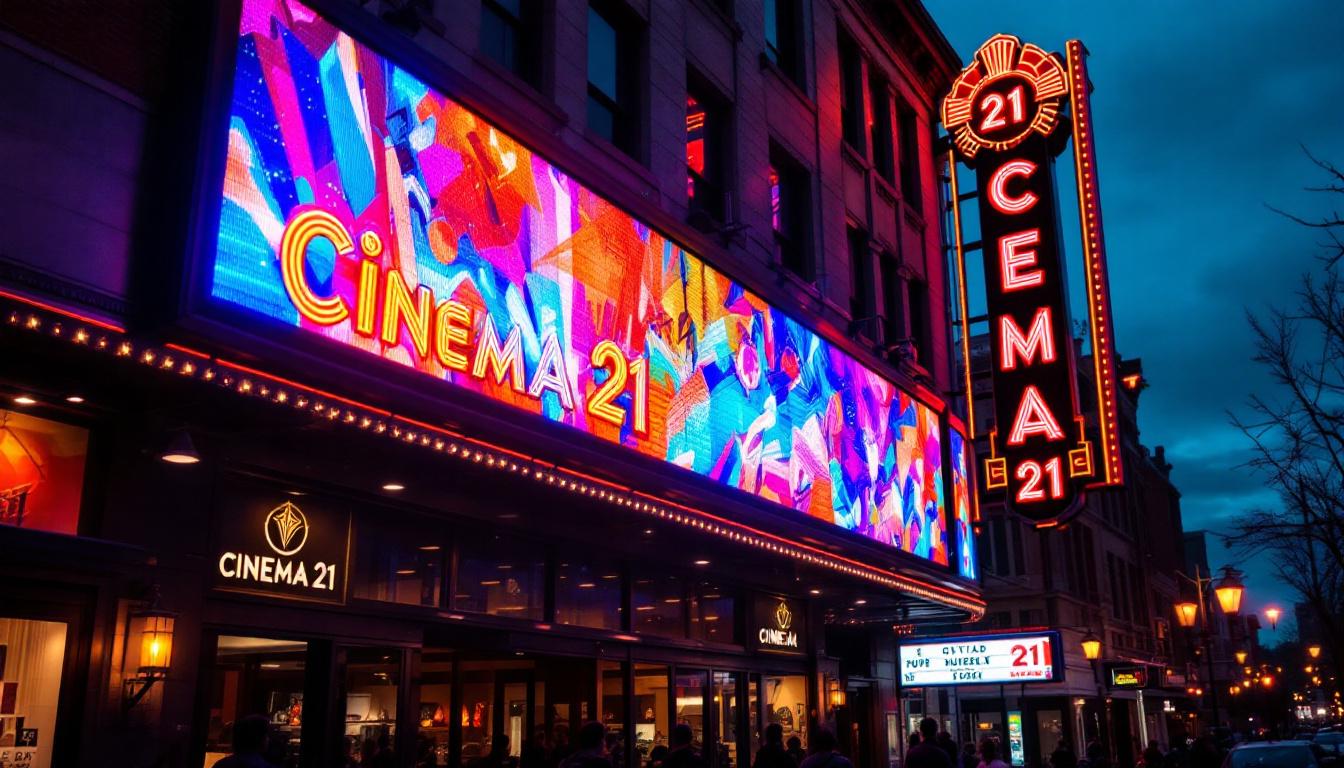
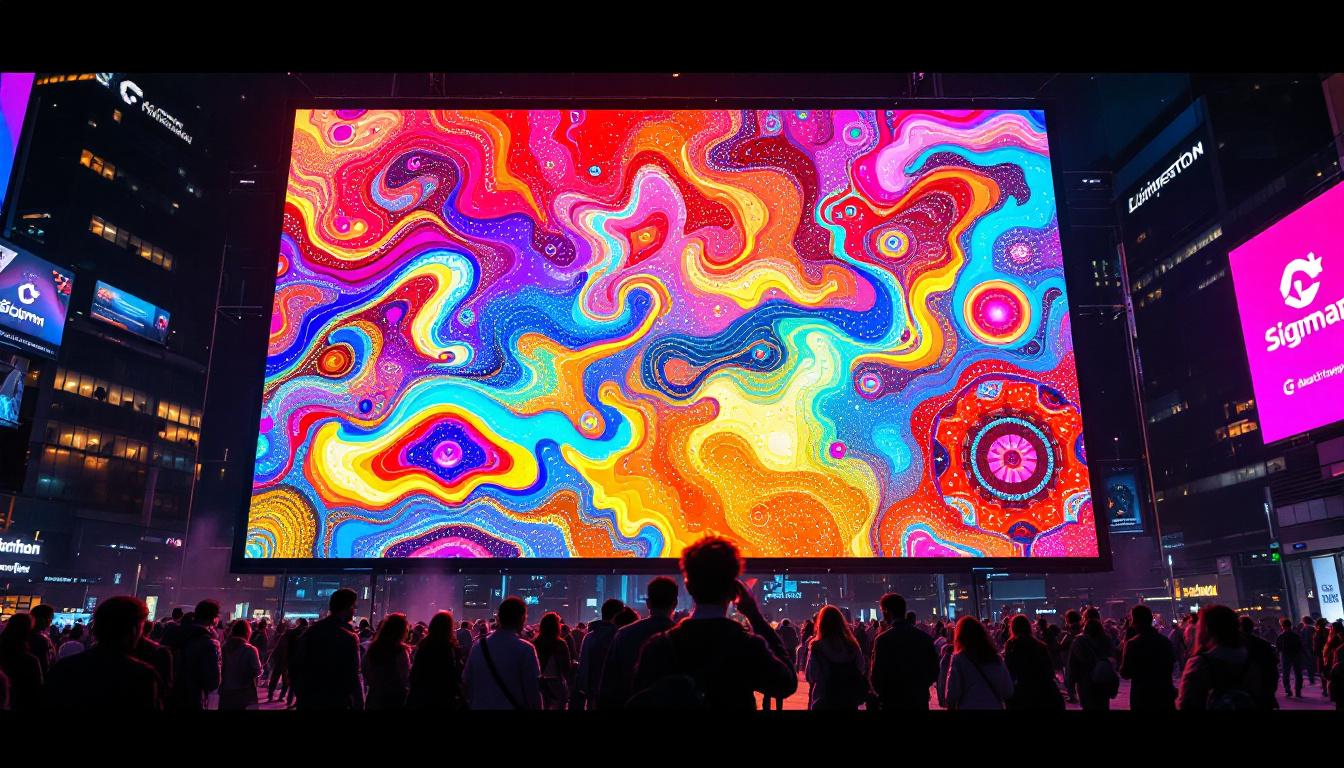
LED displays have revolutionized retail environments by enabling dynamic promotions, interactive product showcases, and real-time updates. For example, major retailers use LED signage to highlight flash sales, new arrivals, and loyalty programs, driving customer engagement and sales.
Transportation and Public Information
Airports, train stations, and bus terminals rely heavily on LED displays to provide timely information such as schedules, delays, and safety messages. The high visibility and reliability of LED technology ensure that travelers receive accurate updates regardless of ambient lighting conditions.
Entertainment and Events
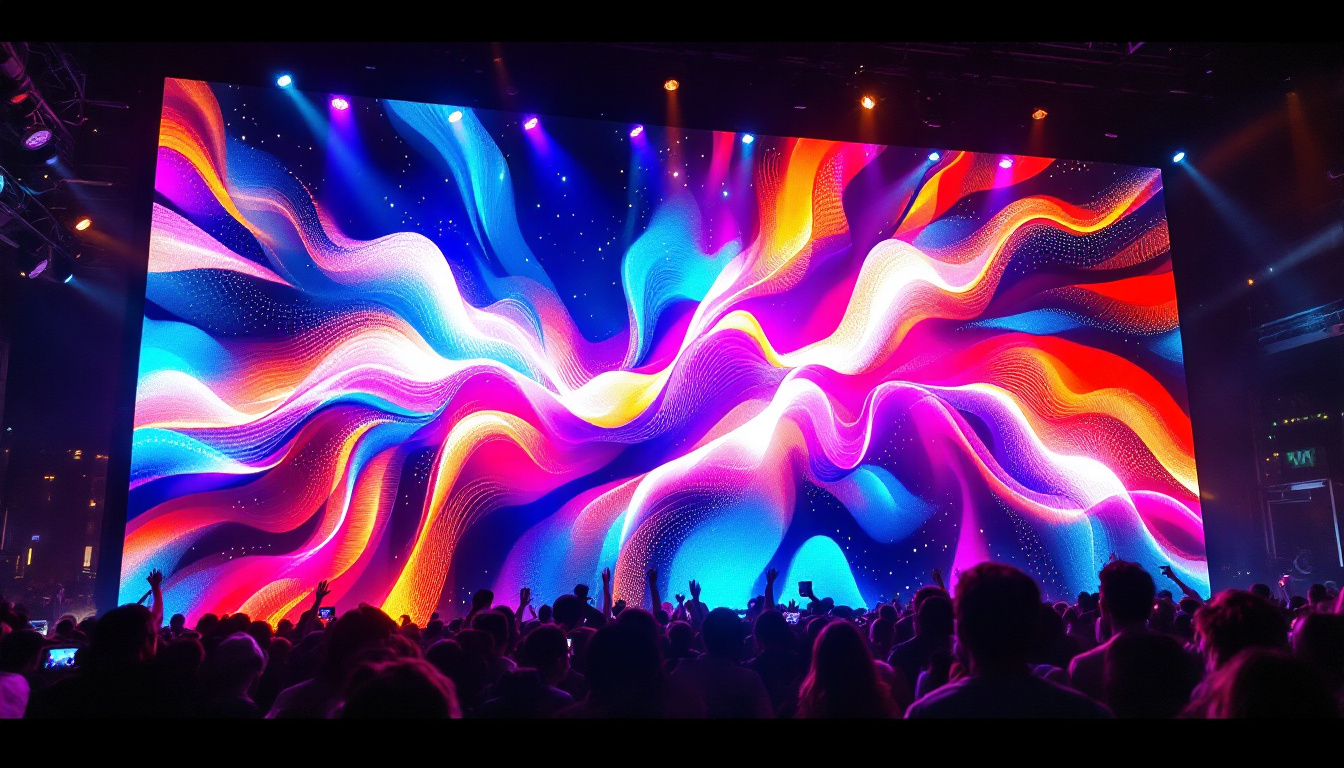
Concerts, sports arenas, and festivals utilize large-scale LED displays to enhance audience experience with live video feeds, graphics, and interactive content. The scalability and brightness of LED screens make them indispensable for captivating large crowds.
Future Trends in LED Display Technology
Mini-LED and Micro-LED Innovations
Emerging technologies like Mini-LED and Micro-LED promise even greater resolutions, improved color accuracy, and thinner form factors. These advancements will enable more immersive displays in everything from smartphones to massive outdoor billboards.
Integration with IoT and AI
Smart LED displays integrated with Internet of Things (IoT) devices and artificial intelligence (AI) can deliver personalized content based on audience demographics, weather conditions, and real-time analytics. This level of interactivity is set to redefine digital marketing and public communication.
Sustainability and Energy Management
As environmental concerns grow, manufacturers are focusing on reducing the carbon footprint of LED displays through energy-efficient designs, recyclable materials, and intelligent power management systems. This aligns with broader corporate responsibility goals and regulatory requirements.
Conclusion
LED displays represent a powerful medium for communication, blending technological innovation with creative expression. Their superior brightness, energy efficiency, and adaptability make them a preferred choice across industries. By leveraging tools like P Touch Design and Print, businesses can streamline the design and deployment of content, ensuring impactful and consistent messaging across both digital and printed platforms.
As LED technology continues to advance, embracing these innovations will be crucial for organizations aiming to stay ahead in a competitive landscape. Understanding the fundamentals and applications of LED displays empowers decision-makers to harness their full potential and create engaging, effective visual experiences.
Explore Cutting-Edge LED Display Solutions with LumenMatrix
Ready to elevate your visual communication strategy with the latest in LED display technology? LumenMatrix is at the forefront of innovation, offering a diverse range of LED display solutions that cater to your unique needs. From the vibrant Indoor LED Wall Display to the robust Outdoor LED Wall Display, and from the dynamic Vehicle LED Display to the sleek LED Poster Display, our products are designed to captivate and engage your audience. Discover how our LED Sports Display, Floor LED Display, Custom LED Display, All-in-One LED Display, and LED Transparent Display can transform your space and message. Don’t miss out on the opportunity to revolutionize your brand’s visibility. Check out LumenMatrix LED Display Solutions today and step into the future of digital signage.