In today’s digital age, visual communication plays a pivotal role in how businesses, advertisers, and public spaces engage with their audiences. Among the myriad of display technologies available, LED displays have emerged as a dominant force, offering vibrant visuals, energy efficiency, and versatility. This article delves into the world of LED displays, explaining their technology, applications, and how they integrate with LCD content management systems (CMS) to deliver dynamic visual experiences.
Understanding LED Display Technology
What Are LED Displays?
LED stands for Light Emitting Diode, a semiconductor device that emits light when an electric current passes through it. LED displays are composed of numerous tiny LEDs arranged in a matrix to form pixels, which collectively create images and videos. Unlike traditional LCD screens that rely on backlighting, LED displays generate their own light, resulting in brighter and more vivid visuals.
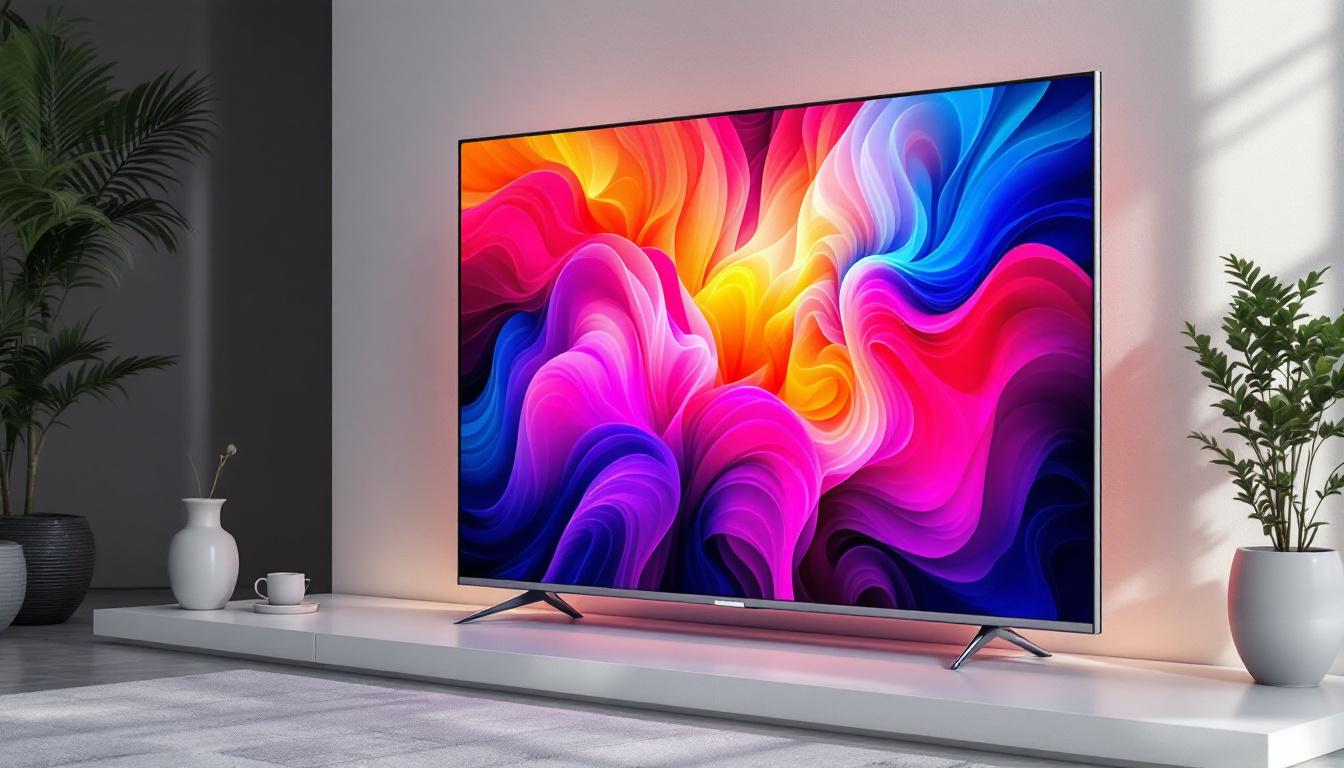
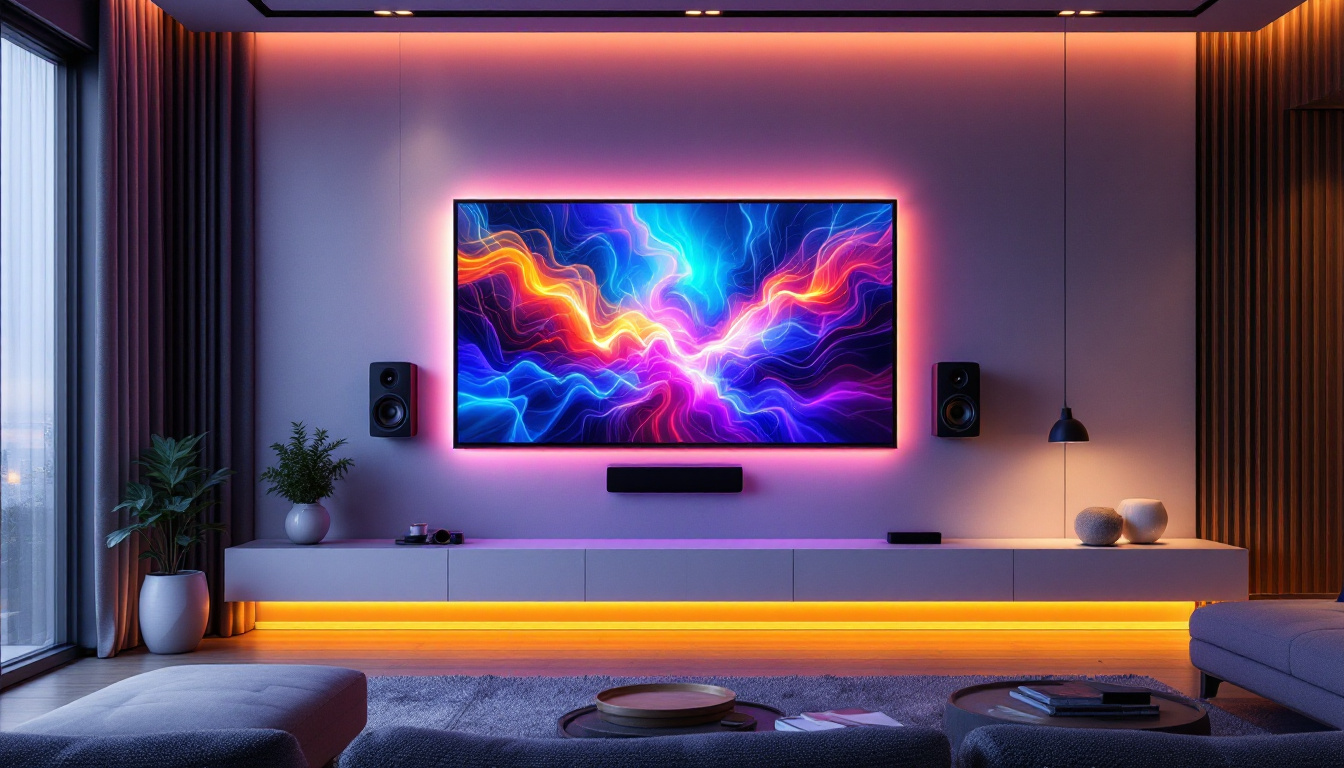
There are two main types of LED displays: direct-view LED and LED-backlit LCDs. Direct-view LED displays use individual LEDs as pixels, offering superior brightness and contrast, especially for large-scale installations such as billboards and stadium screens. On the other hand, LED-backlit LCDs use LEDs as a backlight source behind an LCD panel, improving brightness and color accuracy compared to older CCFL-backlit LCDs. The versatility of LED technology has led to its adoption in various applications, from consumer electronics like televisions and smartphones to large-scale public displays and architectural lighting.
How LED Displays Work
Each pixel in an LED display typically consists of red, green, and blue (RGB) LEDs. By varying the intensity of these three colors, the display can produce a broad spectrum of colors. The control system adjusts the brightness of each LED to render images with high precision. This pixel-level control enables LED displays to achieve excellent color reproduction and sharpness. Additionally, many modern LED displays incorporate advanced technologies such as HDR (High Dynamic Range) to enhance the contrast and color depth, providing viewers with an immersive visual experience.
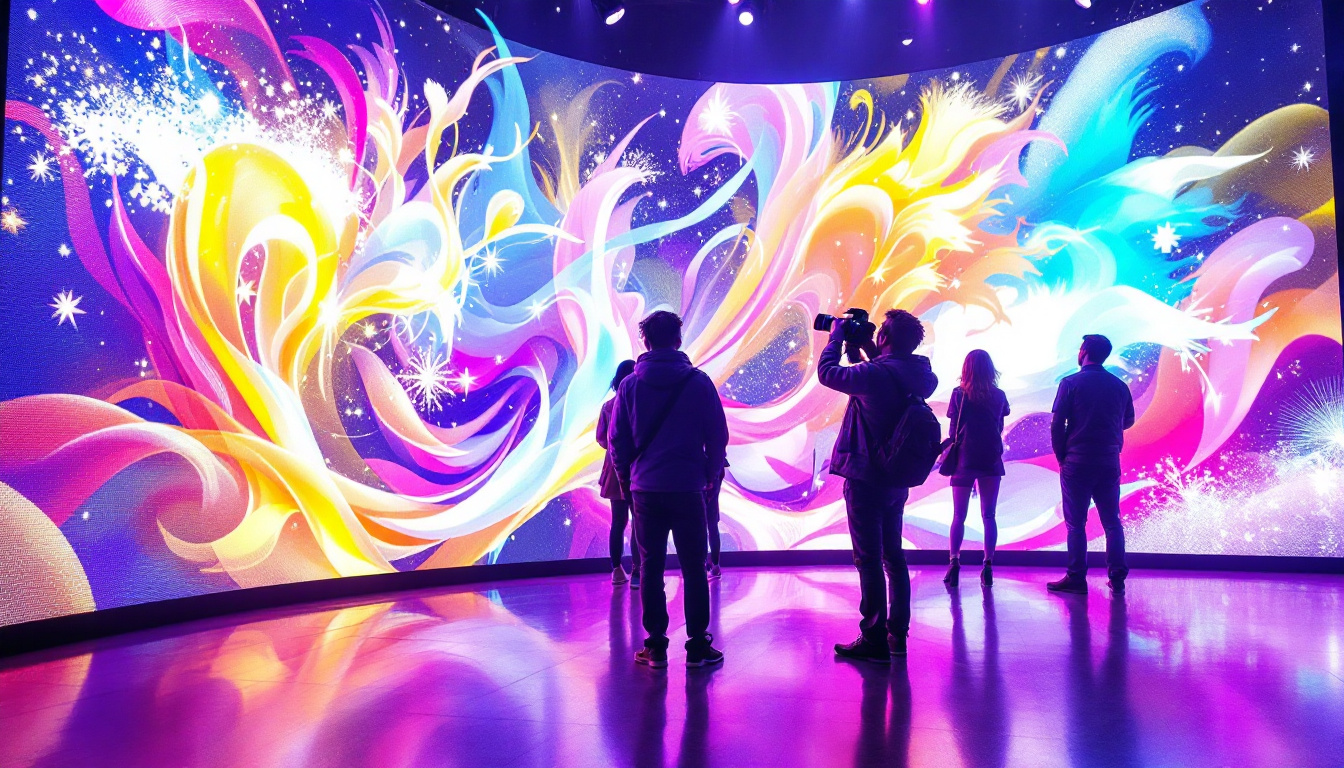
Direct-view LED displays are modular, composed of panels or tiles that can be combined to create screens of various sizes and shapes. This scalability makes them ideal for both indoor and outdoor environments, ranging from small retail signage to massive outdoor advertising boards. The flexibility in design also allows for creative installations, such as curved or irregularly shaped displays that can fit unique architectural spaces. Furthermore, the durability of LED technology ensures that these displays can withstand harsh weather conditions, making them a reliable choice for outdoor advertising and public information displays.
LCD CMS: Managing LED Display Content
What Is an LCD Content Management System?
An LCD Content Management System (CMS) is a software platform designed to create, schedule, and distribute content to LCD or LED display screens. While the term “LCD CMS” traditionally referred to systems managing LCD panels, modern CMS platforms are versatile enough to handle LED displays as well, enabling centralized control over multiple screens.
These systems allow users to upload multimedia content such as images, videos, text, and interactive elements, then organize them into playlists or schedules. This capability is essential for businesses and organizations that need to update their displays frequently and maintain consistent messaging across locations. Moreover, with the rise of digital marketing, having a robust CMS has become a necessity for brands looking to capture the attention of their audience in a visually compelling manner. The flexibility of these systems means that users can tailor their content to specific demographics or events, ensuring that the messaging resonates with the intended audience.
How LCD CMS Enhances LED Display Usage
Integrating an LCD CMS with LED displays offers several advantages. Firstly, it simplifies content updates by enabling remote management. For example, a retail chain can update promotional content across hundreds of stores simultaneously without sending staff to each location. This not only saves time and resources but also ensures that all locations are aligned with the latest marketing strategies and promotions, creating a unified brand presence.
Secondly, CMS platforms often support dynamic content, such as real-time data feeds, social media integration, and interactive elements. This interactivity can boost audience engagement and provide timely information, such as news, weather, or event updates. For instance, a sports venue can display live scores and highlights, while a corporate office might showcase employee achievements or company news, fostering a sense of community and involvement. Additionally, the ability to incorporate user-generated content from social media can enhance authenticity and relatability, making the display more appealing to viewers.
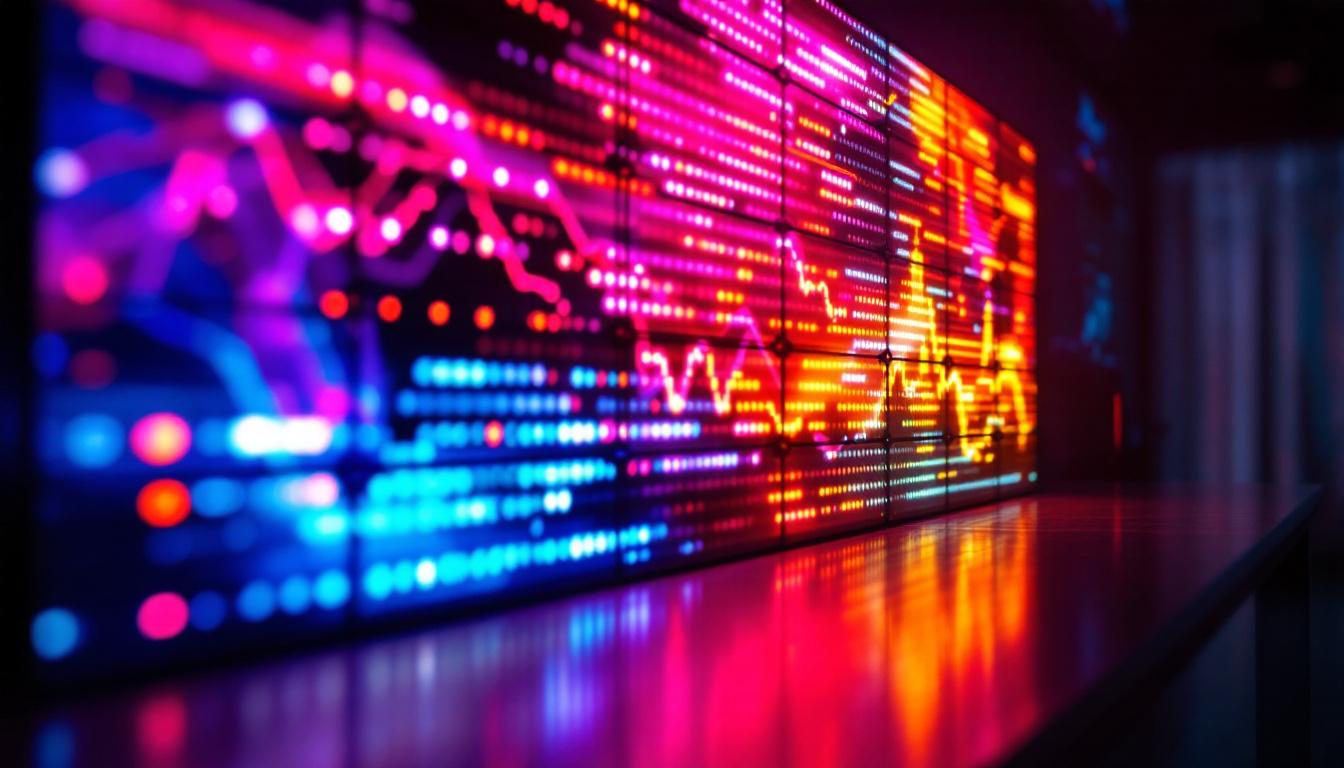
Finally, advanced CMS solutions provide analytics and reporting tools, allowing users to measure the effectiveness of their content and optimize their digital signage strategy accordingly. By analyzing viewer engagement metrics, businesses can adjust their content in real-time to maximize impact, ensuring that their messaging is not only seen but also resonates with the audience. This data-driven approach empowers organizations to make informed decisions about their digital signage, enhancing overall marketing effectiveness and return on investment.
Applications of LED Displays in Various Industries
Retail and Advertising
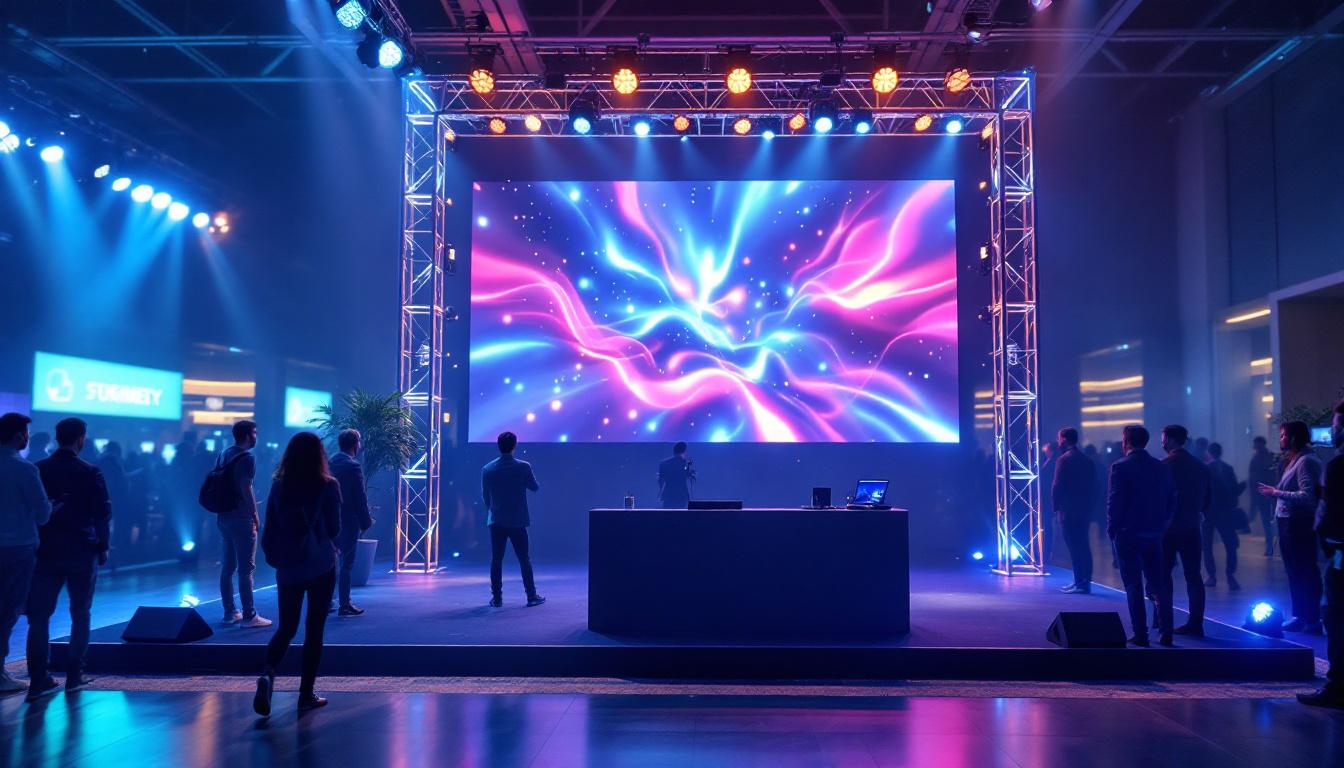
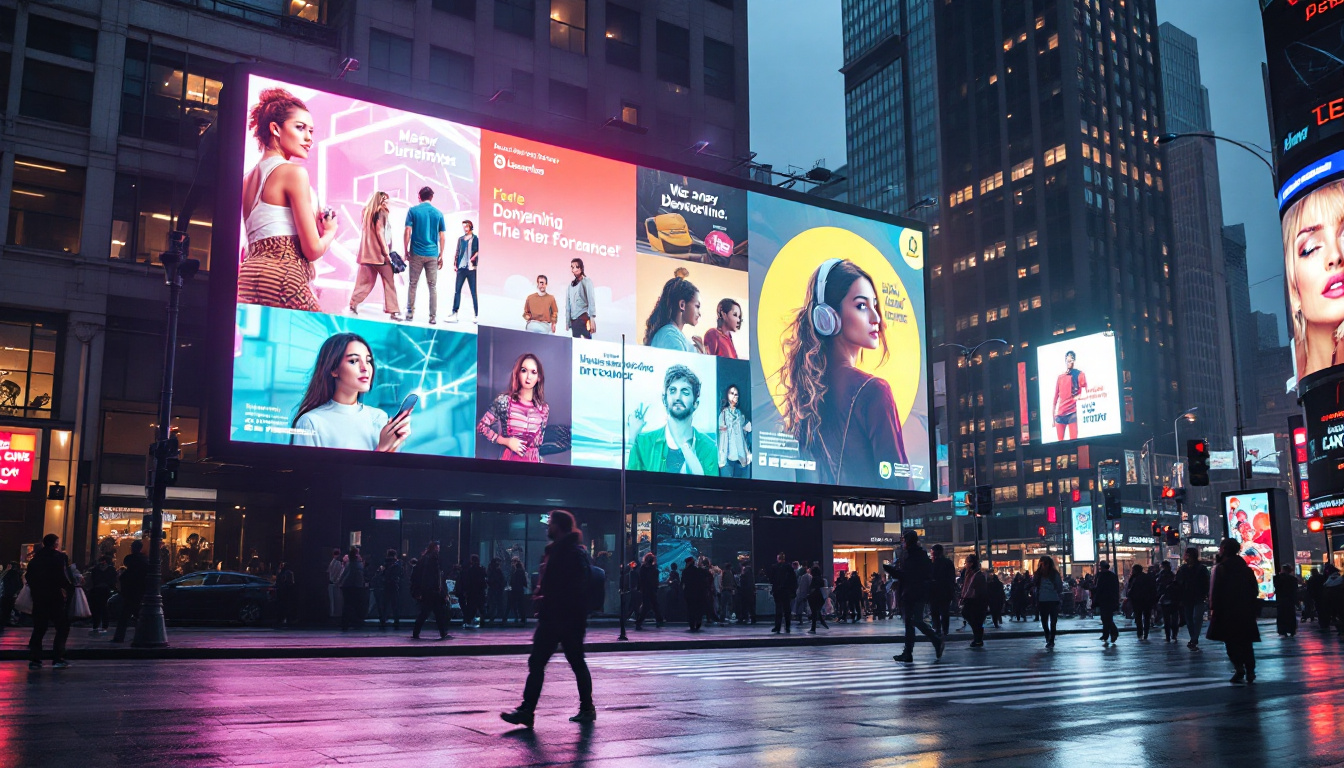
Retailers leverage LED displays to attract customers with eye-catching promotions and dynamic advertisements. The high brightness and vivid colors of LED screens make them perfect for storefronts, shopping malls, and trade shows. According to a 2023 study by the Digital Signage Federation, dynamic digital signage can increase customer engagement by up to 30% compared to static signs.
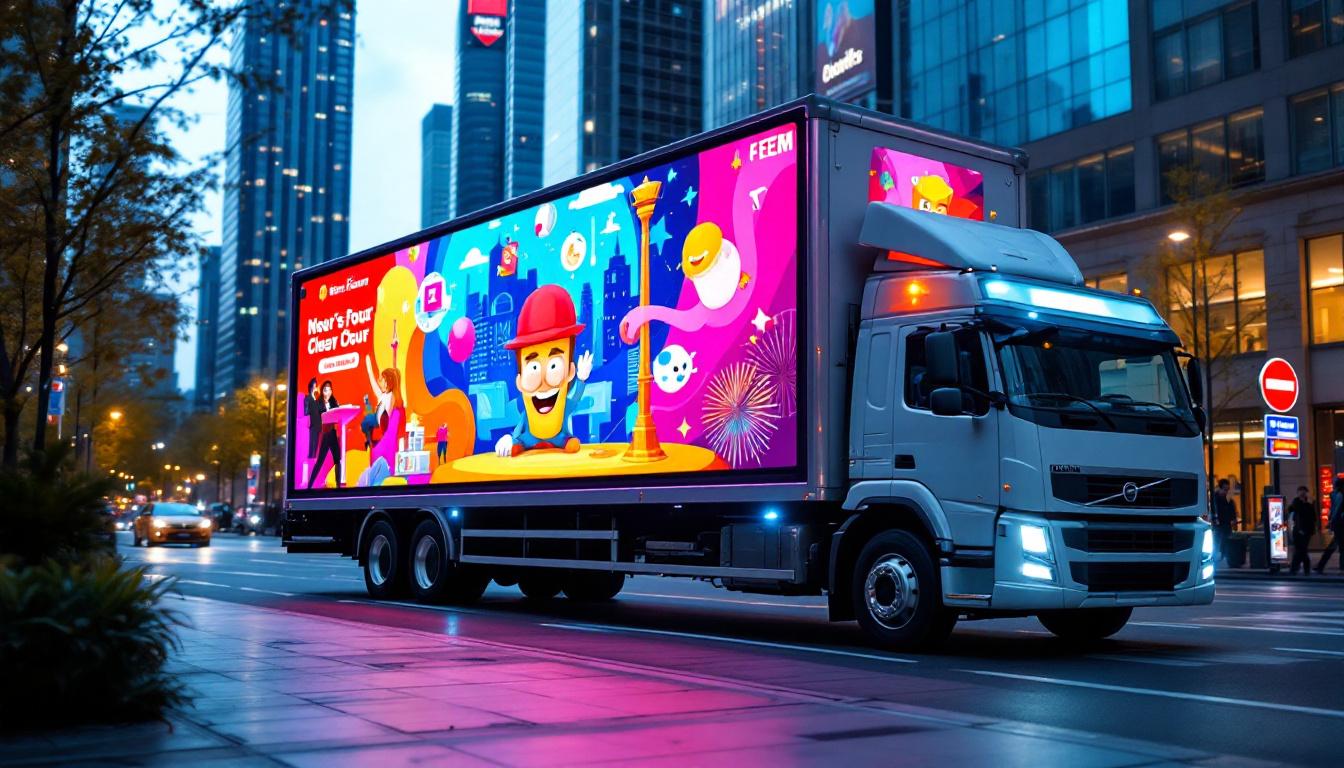
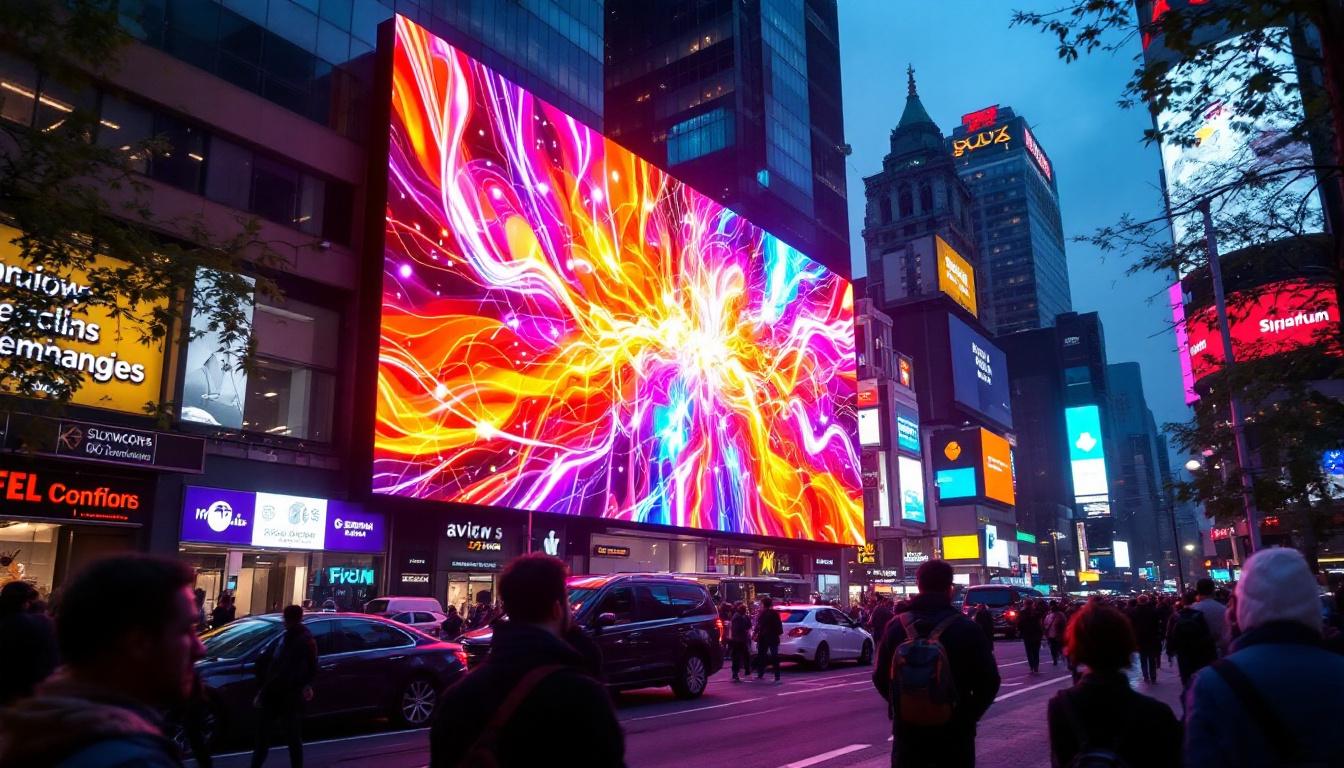
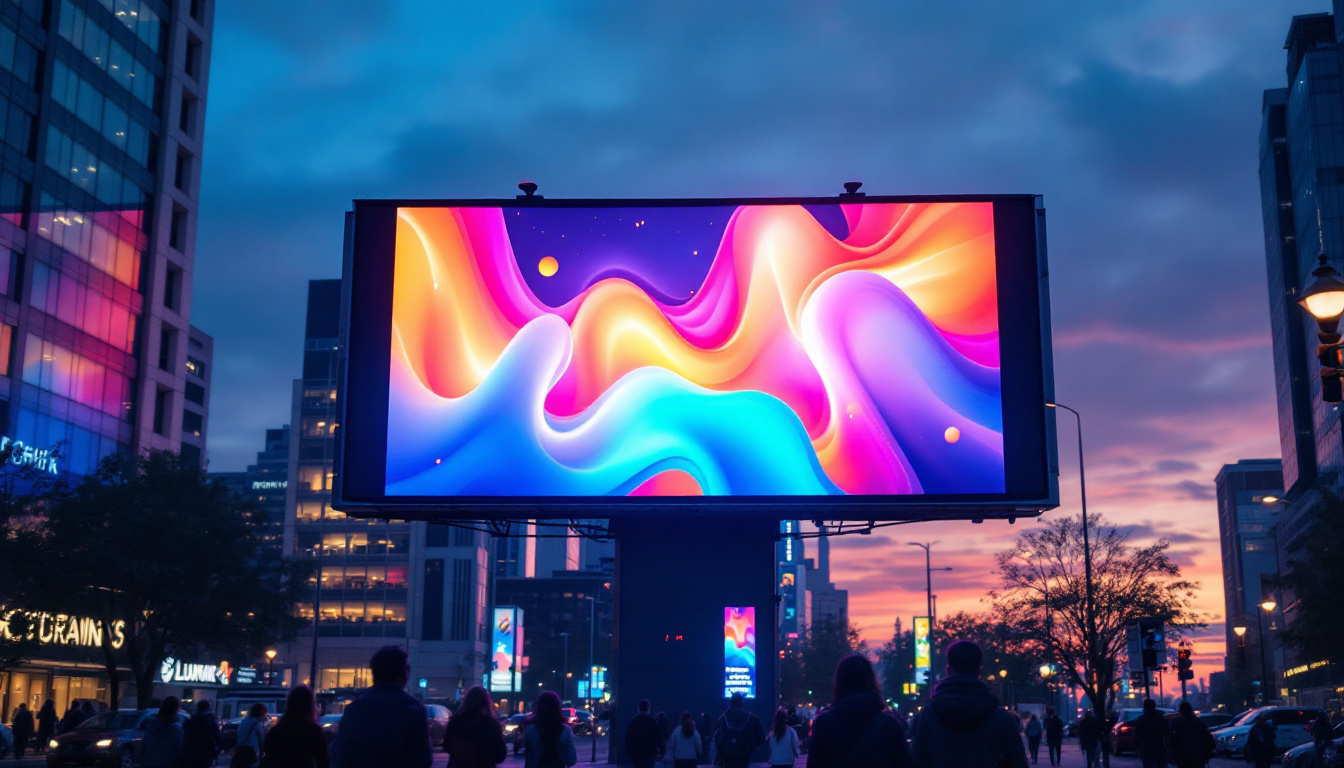
In advertising, LED billboards dominate outdoor media due to their visibility in various lighting conditions and ability to display multiple ads in rotation. This flexibility allows advertisers to target different demographics throughout the day, maximizing return on investment. Furthermore, the integration of sensors and data analytics with LED displays enables advertisers to tailor content based on real-time audience metrics, ensuring that the messages resonate with viewers effectively. This innovative approach not only enhances the relevance of advertisements but also fosters a more engaging shopping experience.
Transportation and Public Spaces
LED displays are widely used in transportation hubs such as airports, train stations, and bus terminals. They provide real-time updates on schedules, delays, and safety information, enhancing passenger experience and operational efficiency. The clarity and immediacy of information displayed on LED screens help reduce confusion and anxiety among travelers, making their journeys smoother and more predictable.
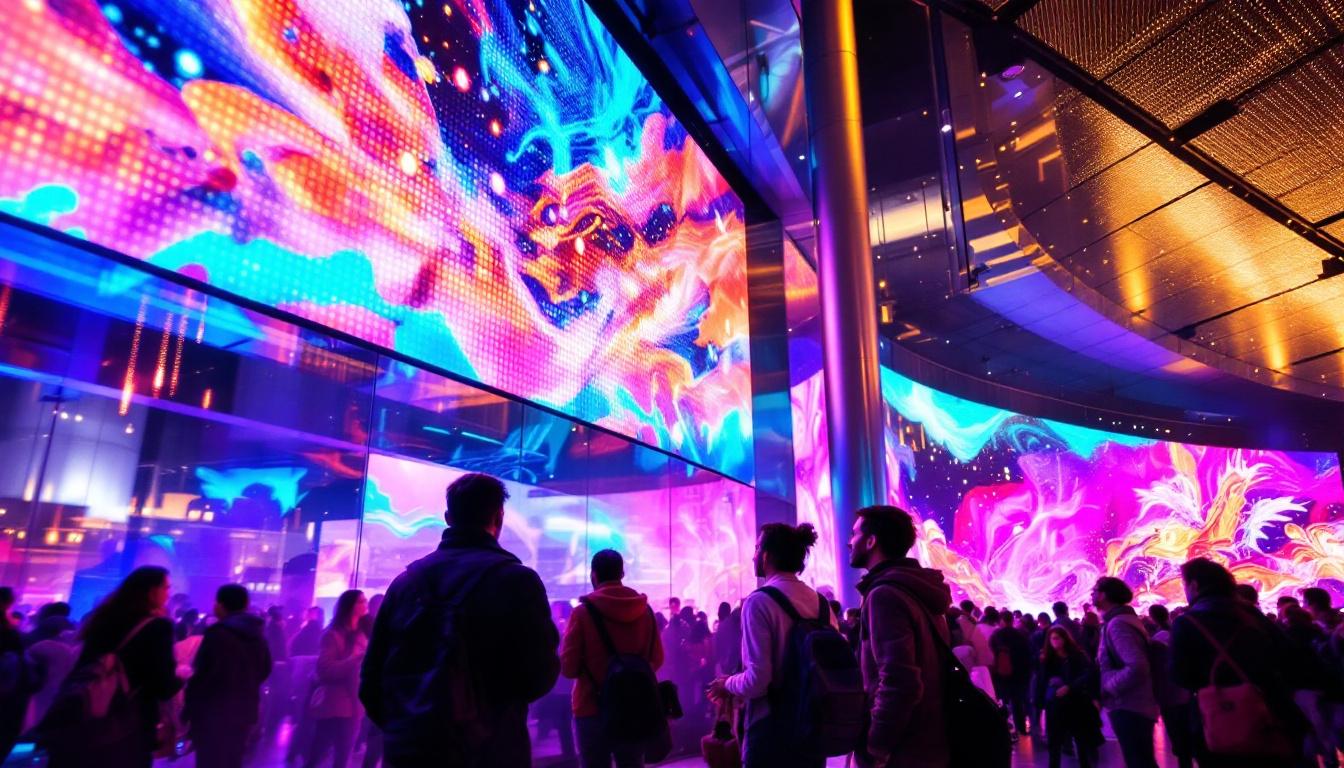
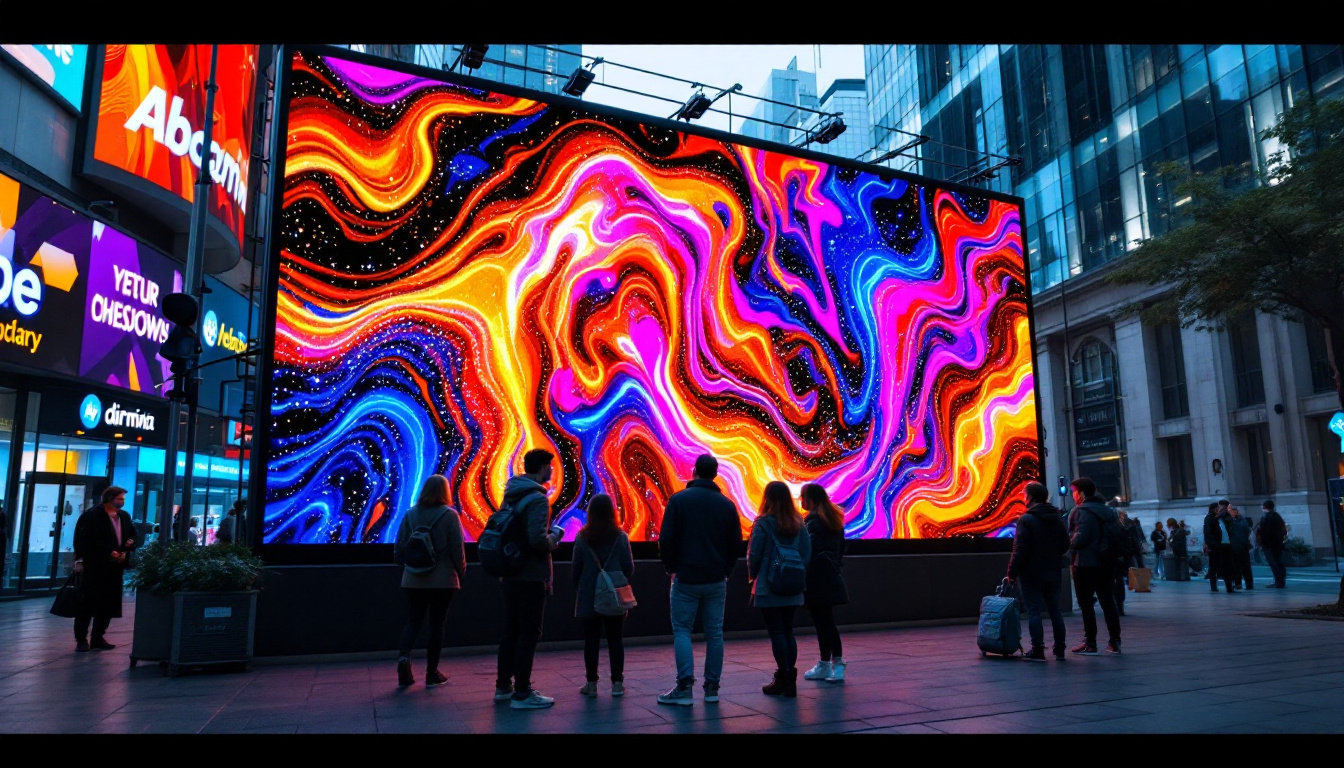
Public spaces also utilize LED screens for community announcements, event promotions, and emergency alerts. Their durability and weather resistance make them suitable for outdoor installations in parks, stadiums, and city centers. Additionally, LED displays can serve as platforms for artistic expression, showcasing local artists’ work or community-driven messages, thereby fostering a sense of belonging and cultural engagement within the community. As cities continue to evolve, the role of LED displays in enhancing urban life and connectivity becomes increasingly significant.
Corporate and Educational Environments
In corporate settings, LED displays serve as digital notice boards, meeting room schedulers, and presentation screens. Their ability to display high-resolution content supports professional communication and branding. Moreover, the integration of LED technology with video conferencing tools allows for seamless collaboration across different locations, making remote work more efficient and productive.
Educational institutions use LED displays to share announcements, event information, and educational content. Interactive LED walls can also facilitate collaborative learning and immersive presentations. The versatility of these displays enables educators to incorporate multimedia elements into their teaching, catering to various learning styles and enhancing student engagement. Furthermore, with the rise of hybrid learning environments, LED displays play a crucial role in bridging the gap between in-person and online education, ensuring that all students receive the same high-quality learning experience, regardless of their physical location.
Technical Considerations When Choosing LED Displays
Resolution and Pixel Pitch
Resolution refers to the number of pixels in the display, affecting image clarity. Pixel pitch, the distance between the centers of adjacent pixels, is a critical factor in determining viewing distance and image sharpness. Smaller pixel pitches (e.g., 1.5mm) are suitable for close-up viewing indoors, while larger pitches (e.g., 10mm or more) are better for outdoor displays viewed from a distance.
Brightness and Contrast
Brightness is measured in nits and is crucial for visibility in different lighting conditions. Outdoor LED displays often require brightness levels exceeding 5,000 nits to remain legible under direct sunlight. Contrast ratio, the difference between the brightest and darkest parts of the image, affects the display’s ability to show detailed and vibrant visuals.
Durability and Maintenance
LED displays designed for outdoor use must be weatherproof and resistant to dust, moisture, and temperature fluctuations. IP ratings (Ingress Protection) indicate the level of protection against these elements. Additionally, modular designs facilitate easier maintenance and repairs, reducing downtime and operational costs.
Future Trends in LED Display Technology
MicroLED and MiniLED Innovations
Emerging technologies such as MicroLED and MiniLED promise to enhance LED display performance further. MicroLEDs are significantly smaller than traditional LEDs, enabling even higher resolution and improved energy efficiency. This technology is poised to revolutionize displays in smartphones, TVs, and augmented reality devices.
MiniLEDs, while larger than MicroLEDs, offer improved local dimming capabilities for LCD panels, resulting in better contrast and color accuracy. Both technologies are gaining traction in premium display markets.
Integration with Artificial Intelligence
Artificial intelligence (AI) is beginning to influence digital signage by enabling content personalization and automated scheduling based on audience behavior and environmental factors. AI-powered CMS can analyze data from cameras and sensors to tailor content in real-time, enhancing relevance and engagement.
Sustainability and Energy Efficiency
As environmental concerns grow, manufacturers are focusing on developing LED displays that consume less power and use eco-friendly materials. Advances in LED chip design and power management contribute to reducing the carbon footprint of digital signage installations.
Conclusion
LED displays have transformed the landscape of visual communication by offering unmatched brightness, color quality, and flexibility. When combined with robust LCD content management systems, they empower organizations to deliver compelling, dynamic content that captures attention and drives engagement.
Understanding the technical aspects and applications of LED displays helps businesses make informed decisions tailored to their specific needs. As technology advances, LED displays will continue to evolve, integrating new innovations that enhance performance and sustainability, shaping the future of digital signage.
Discover LumenMatrix’s Advanced LED Solutions
Ready to elevate your visual communication strategy with the latest in LED technology? LumenMatrix is at the forefront of innovation, offering a diverse range of LED display solutions tailored to your unique needs. From Indoor and Outdoor LED Walls to specialized displays for vehicles, sports, and even customizable options, LumenMatrix has the tools to transform your space into a dynamic visual experience. Embrace the future of digital signage with our cutting-edge displays designed to captivate and engage your audience. Check out LumenMatrix LED Display Solutions today and see the difference for yourself.