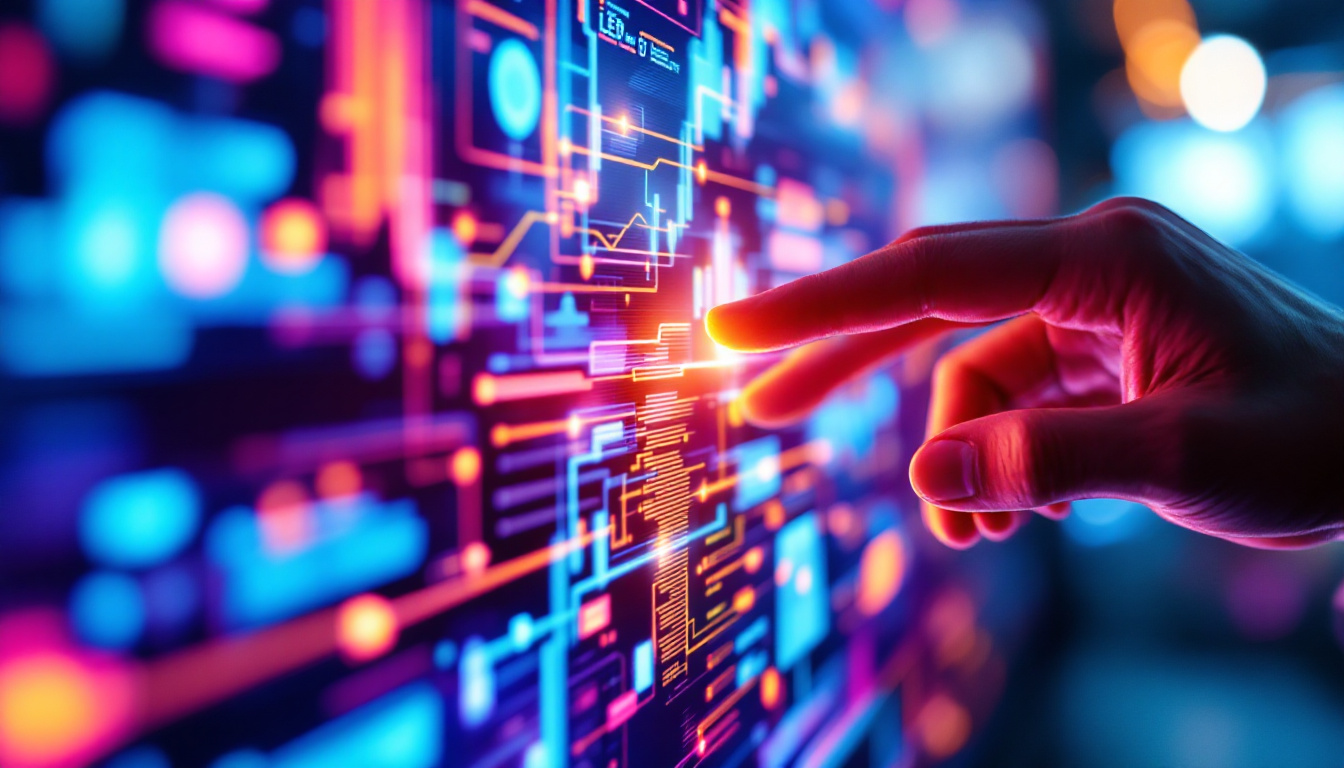
Touch screens have become an integral part of daily life, from smartphones and tablets to kiosks and automotive displays. Their seamless interaction and vibrant visuals are largely due to advancements in LED display technology. Understanding how touch screens work, especially those utilizing LED displays, provides insight into the sophisticated engineering behind these ubiquitous devices.
The Basics of LED Displays
LED, or Light Emitting Diode, displays are a type of flat panel display technology that uses light-emitting diodes as pixels to produce images. Unlike traditional LCDs that rely on a backlight, LED displays generate their own light, offering brighter images, better contrast, and more energy efficiency. This self-illuminating property not only enhances the visual quality but also contributes to the longevity of the display, as LEDs typically have a longer lifespan than conventional lighting methods.
There are two main types of LED displays used in touch screens: direct LED and OLED (Organic LED). Direct LED displays consist of an array of LEDs that illuminate the screen, while OLED displays use organic compounds that emit light when an electric current passes through them. Both types have unique characteristics that affect the performance and quality of touch screens. For instance, OLED displays can achieve true blacks since individual pixels can be turned off completely, resulting in a more immersive viewing experience, particularly in dark environments.
Advantages of LED Displays in Touch Screens
LED displays provide several benefits that make them ideal for touch screen applications:
- Brightness and Visibility: LED displays can achieve higher brightness levels compared to traditional LCDs, making them easier to view in various lighting conditions, including direct sunlight. This characteristic is particularly advantageous for outdoor applications, such as digital signage and advertising, where visibility can significantly impact engagement.
- Energy Efficiency: LEDs consume less power, which is critical for battery-powered devices such as smartphones and tablets. This efficiency not only extends battery life but also contributes to reduced carbon footprints, aligning with growing environmental concerns.
- Thin and Lightweight: LED technology allows for thinner and lighter screens, enhancing portability and design flexibility. This has led to the development of sleek devices that are not only aesthetically pleasing but also easier to handle and transport.
- Color Accuracy and Contrast: LED displays offer superior color reproduction and deeper blacks, improving the overall visual experience. The ability to display a wider color gamut means that images and videos appear more vibrant and true to life, making LED displays a preferred choice for photographers, graphic designers, and gamers alike.
Furthermore, the rapid advancements in LED technology continue to push the boundaries of what is possible in display design. Innovations such as MicroLED and MiniLED are emerging, promising even finer resolutions and enhanced performance characteristics. MicroLED, for example, utilizes microscopic LEDs to create incredibly detailed images with minimal power consumption, while MiniLED technology enhances backlighting in LCDs, improving contrast and color accuracy. These developments indicate a promising future for LED displays, particularly in the realm of touch screen technology, where user experience and visual fidelity are paramount.
How Touch Screens Detect Input
Touch screens combine display technology with touch-sensitive layers that detect user input. There are several methods for detecting touch, each with distinct mechanisms and applications.
Resistive Touch Technology
Resistive touch screens consist of two flexible layers coated with a conductive material, separated by a thin gap. When the screen is pressed, the layers make contact, changing the electrical resistance and allowing the device to register the touch location.
This technology is cost-effective and works with any input device, such as a finger, stylus, or glove. However, resistive screens tend to have lower clarity and durability compared to other types. They are often found in environments where durability is essential, such as in industrial settings or medical devices, where users may wear gloves or need to interact with the screen in challenging conditions. The ability to register input from various objects makes resistive touch screens a versatile choice for specific applications.
Capacitive Touch Technology
Capacitive touch screens are the most common in modern devices. They use a layer of capacitive material that stores electrical charge. When a finger touches the screen, it distorts the electrostatic field, and sensors detect this change to determine the touch point.
Capacitive screens support multi-touch gestures and offer higher clarity and responsiveness. However, they generally require conductive input, such as a bare finger or specialized stylus. This technology has revolutionized user interaction, enabling intuitive gestures like pinch-to-zoom and swipe, which have become standard in smartphones and tablets. The sleek design of capacitive screens also allows for thinner devices, as they do not require the additional layers found in resistive technology, further enhancing the user experience.
Infrared and Surface Acoustic Wave Technologies
Other touch detection methods include infrared and surface acoustic wave (SAW) technologies. Infrared touch screens use an array of IR LEDs and photodetectors around the screen edges to detect interruptions caused by a finger or object. SAW screens detect touch by measuring changes in ultrasonic waves on the screen surface.
These technologies are less common in consumer electronics but are used in specialized applications like industrial controls and large public displays. Infrared touch screens are particularly advantageous in environments where durability and cleanliness are paramount, as they can be operated with gloves and do not require direct contact with the surface. Meanwhile, SAW technology is often favored for its high image clarity and durability, making it suitable for kiosks and interactive displays in museums or public information centers. Both technologies highlight the diverse approaches to touch detection, catering to a wide range of user needs and settings.
Integrating Touch Sensors with LED Displays
The integration of touch sensors with LED displays requires precise engineering to maintain screen clarity and responsiveness. The touch-sensitive layer is typically laminated directly onto the LED display, creating a compact and durable unit. This seamless integration not only enhances the aesthetic appeal of the device but also contributes to its overall functionality, allowing for a more intuitive user experience.
Modern manufacturing techniques use advanced materials such as indium tin oxide (ITO) for transparent conductive layers. This ensures that the touch sensor does not interfere with the display’s brightness or color accuracy. The use of ITO is particularly important in high-definition displays, where even minor distortions can significantly affect the viewer’s experience. Furthermore, ongoing research into alternative materials, such as graphene and silver nanowires, holds promise for even better performance and lower production costs in the future.
Challenges in Integration
One of the main challenges in combining touch sensors with LED displays is minimizing parallax—the apparent displacement between the touch point and the displayed image. Reducing the gap between the touch layer and the display surface helps improve touch accuracy. This is especially critical in applications where precision is paramount, such as in medical devices or high-end graphic design tools, where even the slightest misalignment can lead to errors in operation.
Additionally, engineers must address issues related to electromagnetic interference and signal processing to ensure fast and reliable touch detection without compromising display quality. The complexity of these systems increases with the introduction of multi-touch capabilities, which require sophisticated algorithms to interpret simultaneous inputs accurately. Moreover, as touch technology evolves, there is a growing demand for haptic feedback, which adds another layer of complexity to the integration process, allowing users to receive tactile responses that enhance their interaction with the display.
How LED Displays Enhance Touch Screen Performance
LED display technology significantly contributes to the overall performance of touch screens. The rapid response times of LEDs enable smoother interactions, especially in applications requiring quick feedback such as gaming or drawing.
Furthermore, the high contrast ratios and vibrant colors of LED displays improve the visibility of touch targets and user interface elements, reducing errors and enhancing user satisfaction.
Durability and Longevity
LED displays are known for their durability and long lifespan. Unlike traditional backlit LCDs, LEDs are less prone to burn-in and degradation over time. This longevity is crucial for devices subjected to frequent touch interactions.
Additionally, LED technology supports flexible and curved displays, opening new possibilities for innovative touch screen designs in wearable devices and automotive dashboards.
Emerging Trends in Touch Screen and LED Display Technology
The touch screen and LED display landscape continues to evolve rapidly, driven by consumer demand for better performance and new functionalities.
MicroLED Displays
MicroLED technology represents the next generation of LED displays. It uses microscopic LEDs to create individual pixels, offering even higher brightness, improved energy efficiency, and enhanced color accuracy compared to OLEDs.
MicroLEDs also promise greater durability and no risk of burn-in, making them ideal for future touch screen devices that require long-term reliability.
Under-Display Touch Sensors
Advancements in sensor technology have led to under-display touch sensors that are completely hidden beneath the LED screen. This innovation allows for uninterrupted display surfaces and new design aesthetics without compromising touch sensitivity.
Under-display fingerprint scanners and gesture controls are examples of how touch technology is becoming more integrated and seamless.
Flexible and Foldable Displays
Flexible LED displays combined with touch sensors enable foldable smartphones and tablets, revolutionizing how users interact with their devices. These displays can bend without damage, providing larger screen real estate in compact form factors.
The integration of touch technology in flexible displays requires novel materials and engineering solutions to maintain responsiveness and durability.
Conclusion: The Future of Touch Screens and LED Displays
Touch screens powered by LED display technology have transformed human-computer interaction, making devices more intuitive, responsive, and visually stunning. As LED technology advances with innovations like MicroLED and flexible displays, touch screens will become even more immersive and versatile.
Understanding the underlying principles of LED displays and touch detection methods offers valuable insight into the technology that shapes modern digital experiences. Whether for everyday smartphones or specialized industrial equipment, the synergy between LED displays and touch sensors continues to drive innovation and enhance usability.
Discover the Future of Visual Engagement with LumenMatrix
As you’ve explored the intricacies of touch screens and the vibrant potential of LED display technology, imagine the possibilities for your own business or project. LumenMatrix stands at the forefront of this innovation, offering a diverse range of LED display solutions tailored to bring your vision to life. From captivating Indoor LED Walls to dynamic Vehicle LED Displays, our mission is to revolutionize your visual communication. Ready to create an unforgettable visual experience? Check out LumenMatrix LED Display Solutions and see how we can illuminate your brand’s message with clarity and impact.