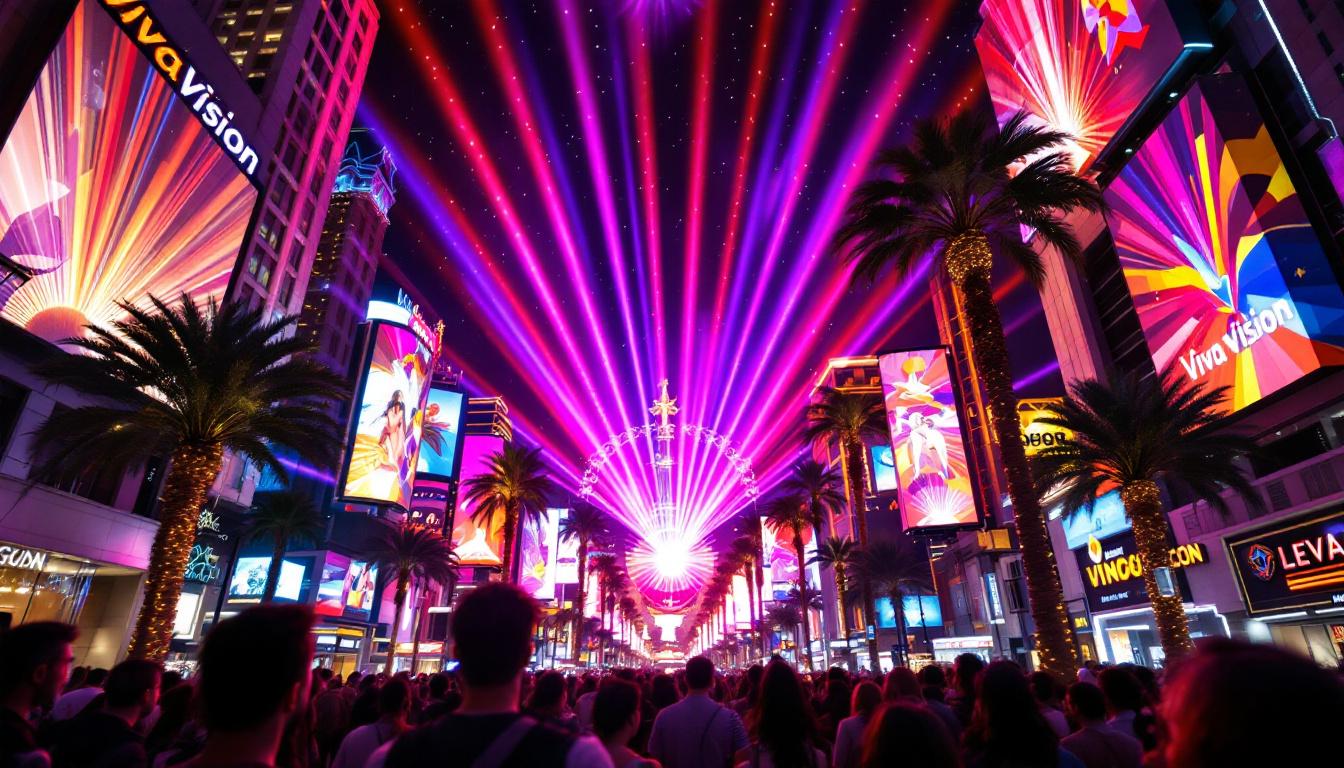
Las Vegas is renowned worldwide for its dazzling lights, vibrant nightlife, and spectacular entertainment. Among its many iconic attractions, the Viva Vision Light Show stands out as a modern marvel of digital artistry and engineering. Located on Fremont Street in downtown Las Vegas, the Viva Vision canopy is not just a light show; it is one of the largest LED displays in the world, captivating millions of visitors each year with its immersive visual experiences.
This article delves into the technology behind the Viva Vision Light Show, exploring the LED display’s design, functionality, and impact on the Las Vegas entertainment scene. Whether you are a technology enthusiast, a tourist planning your visit, or simply curious about how such a massive digital canvas operates, this comprehensive guide will illuminate the fascinating world of LED displays through the lens of Viva Vision.
The Origins and Evolution of Viva Vision
The Viva Vision canopy first debuted in 1995 as part of the Fremont Street Experience, an ambitious project aimed at revitalizing downtown Las Vegas. The original display was revolutionary for its time, featuring a 1,500-foot-long LED screen that stretched nearly the entire length of Fremont Street. However, the technology used was relatively basic compared to today’s standards.
Over the years, the Viva Vision display has undergone several upgrades to enhance its resolution, brightness, and interactivity. The most significant renovation occurred in 2019, when the canopy was transformed into a state-of-the-art LED display with over 12.5 million individual LEDs. This upgrade increased the screen’s resolution by 16 times and brightness by 50%, allowing for more vivid and detailed imagery.
These advancements have made Viva Vision not only a tourist attraction but also a technological landmark, showcasing the possibilities of large-scale LED displays in public entertainment.
Why Fremont Street?
Fremont Street is often referred to as the “old Vegas,” known for its vintage casinos and historic charm. The decision to install the Viva Vision canopy here was strategic: it preserved the street’s cultural significance while injecting modern technology to attract new visitors. The canopy covers approximately 1,500 feet of the pedestrian mall, creating an immersive environment where visitors can enjoy the light show without distractions from the outside world.
Understanding LED Technology Behind Viva Vision
At the heart of the Viva Vision Light Show is its LED (Light Emitting Diode) technology. LEDs have become the preferred choice for large-scale displays due to their energy efficiency, brightness, and longevity. But what exactly makes the Viva Vision canopy’s LED display so unique?
LED Basics: How It Works
LEDs are semiconductor devices that emit light when an electric current passes through them. Unlike traditional incandescent bulbs, LEDs produce light through electroluminescence, which is more energy-efficient and produces less heat. This efficiency allows for the creation of large displays that can run continuously without excessive power consumption or overheating.
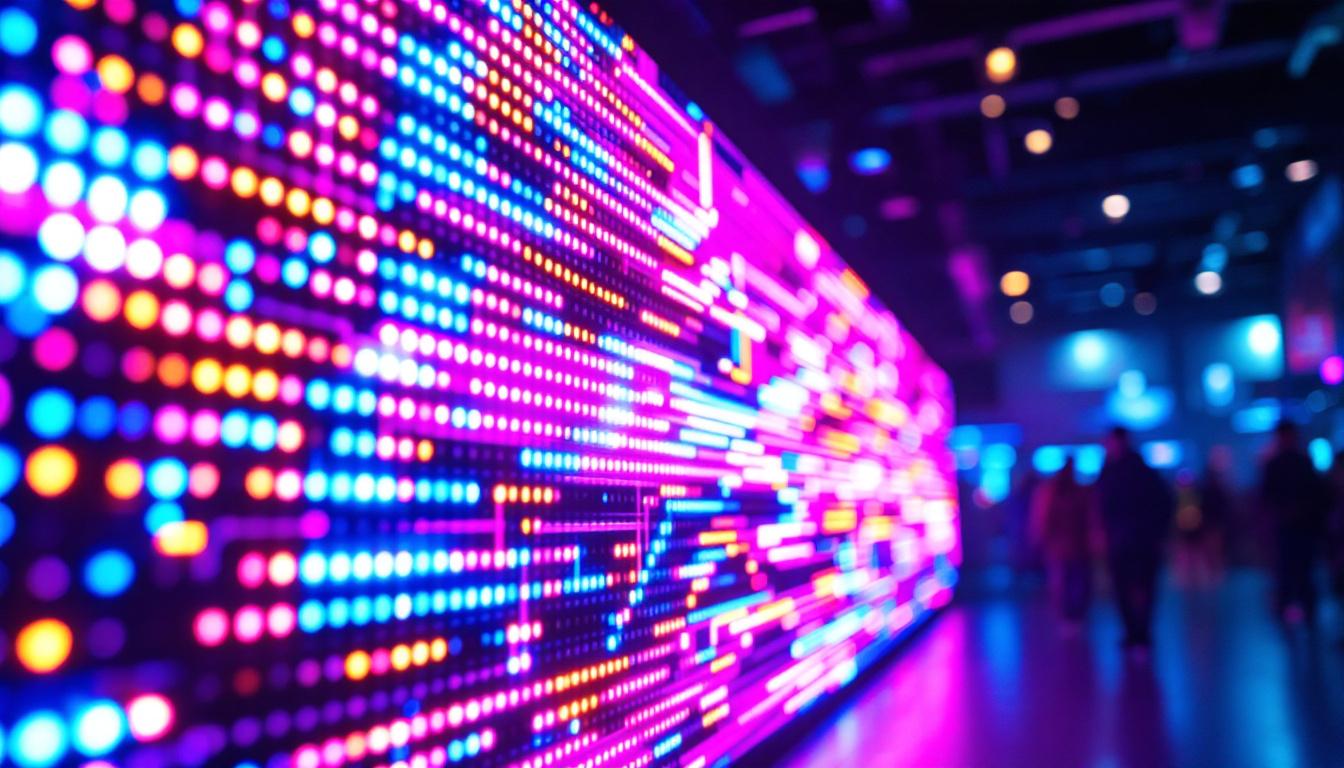
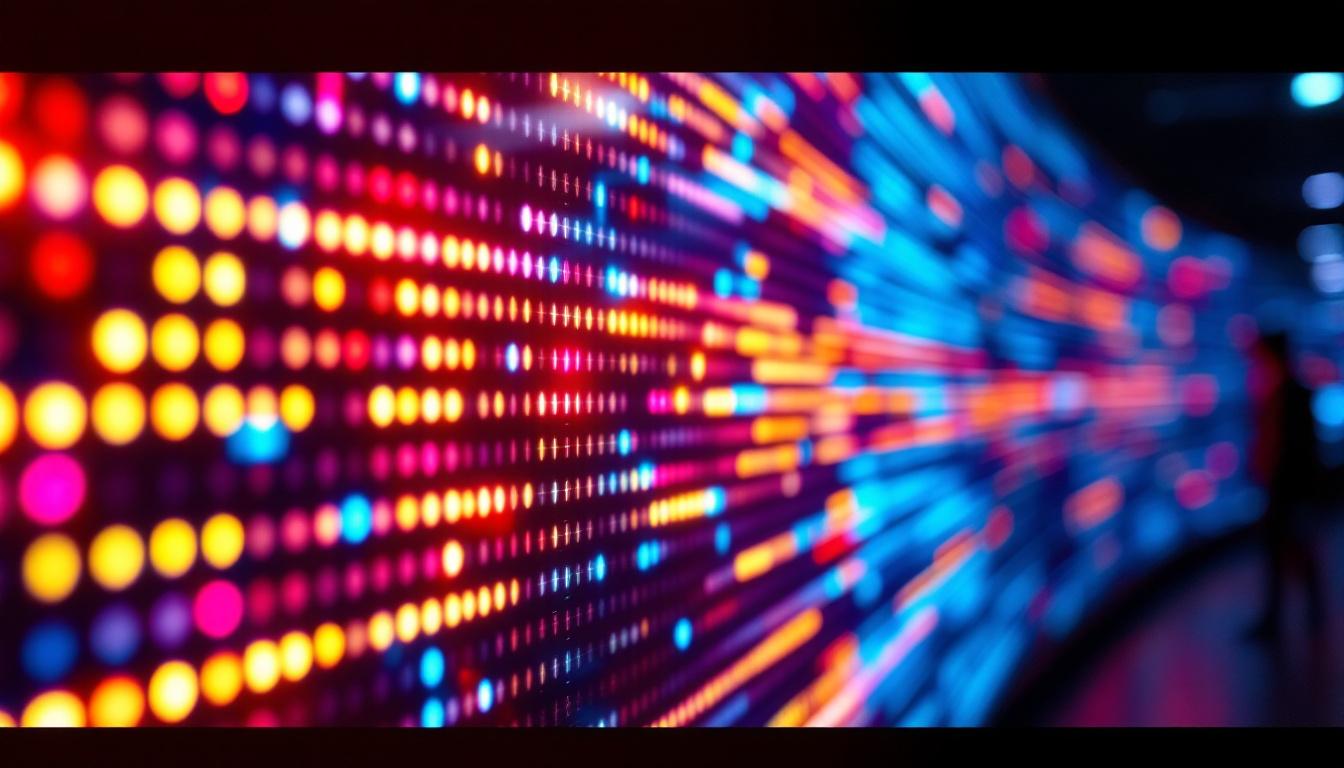
In the case of Viva Vision, millions of tiny LEDs are arranged in a grid pattern to form pixels. Each pixel consists of red, green, and blue LEDs that combine to produce a full spectrum of colors. By controlling the intensity of each color LED, the display can render complex images and videos with remarkable clarity.
Resolution and Pixel Density
The 2019 upgrade boosted the canopy’s resolution to approximately 5,000 by 150 pixels, an impressive feat given the sheer size of the screen. While this resolution might seem low compared to modern smartphones or televisions, it is important to remember that the canopy is viewed from a distance of about 90 feet or more. The pixel density is optimized for this viewing distance, ensuring images appear sharp and vibrant to spectators below.
Higher pixel density on such a massive scale would be prohibitively expensive and technically challenging. The current balance between resolution, brightness, and cost represents a well-engineered compromise that maximizes viewer experience.
Brightness and Color Accuracy
One of the standout features of the Viva Vision LED display is its extraordinary brightness. The canopy can reach peak brightness levels of up to 2,500 nits, which is essential for outdoor viewing in a city that never sleeps. This brightness ensures that the light show remains visible even under bright ambient lighting conditions, such as neon signs and street lamps.
Color accuracy is achieved through precise calibration of the red, green, and blue LEDs, allowing for a wide color gamut and smooth gradients. This capability is crucial for creating immersive visuals that can evoke emotions and complement the music and themes of the light shows.
The Engineering Marvel: Design and Installation Challenges
Constructing and maintaining a 12.5-million-LED canopy is no small feat. The engineering behind Viva Vision required innovative solutions to overcome challenges related to scale, weather resistance, and maintenance.
Structural Design and Materials
The canopy is supported by a steel framework that spans across Fremont Street, suspended approximately 90 feet above the pedestrian walkway. The LED panels are lightweight but durable, designed to withstand the desert climate of Las Vegas, which includes intense heat, occasional rain, and dust storms.
Each LED module is weatherproofed and sealed to prevent damage from moisture and debris. The materials used are also UV-resistant, ensuring that prolonged exposure to sunlight does not degrade the display’s performance over time.
Power and Data Management
Powering millions of LEDs requires a sophisticated electrical infrastructure. The canopy is divided into multiple zones, each with dedicated power supplies and control systems. This segmentation allows for efficient energy distribution and simplifies troubleshooting and repairs.
Data transmission is handled through a high-speed fiber optic network that delivers video content to the LED modules in real-time. The system uses advanced video processors and controllers to synchronize the display with audio and other interactive elements, creating a seamless multimedia experience.
Maintenance and Upkeep
Maintaining such a vast LED display involves regular inspections and repairs. Technicians access the canopy using specialized equipment to replace faulty LEDs or modules. The modular design of the canopy simplifies this process, as individual panels can be swapped out without disrupting the entire system.
Routine cleaning is also essential to preserve brightness and clarity, as dust and grime can accumulate on the surface over time. The maintenance team employs automated cleaning systems and manual methods to keep the canopy in pristine condition.
The Spectacle: What to Expect from the Viva Vision Light Show
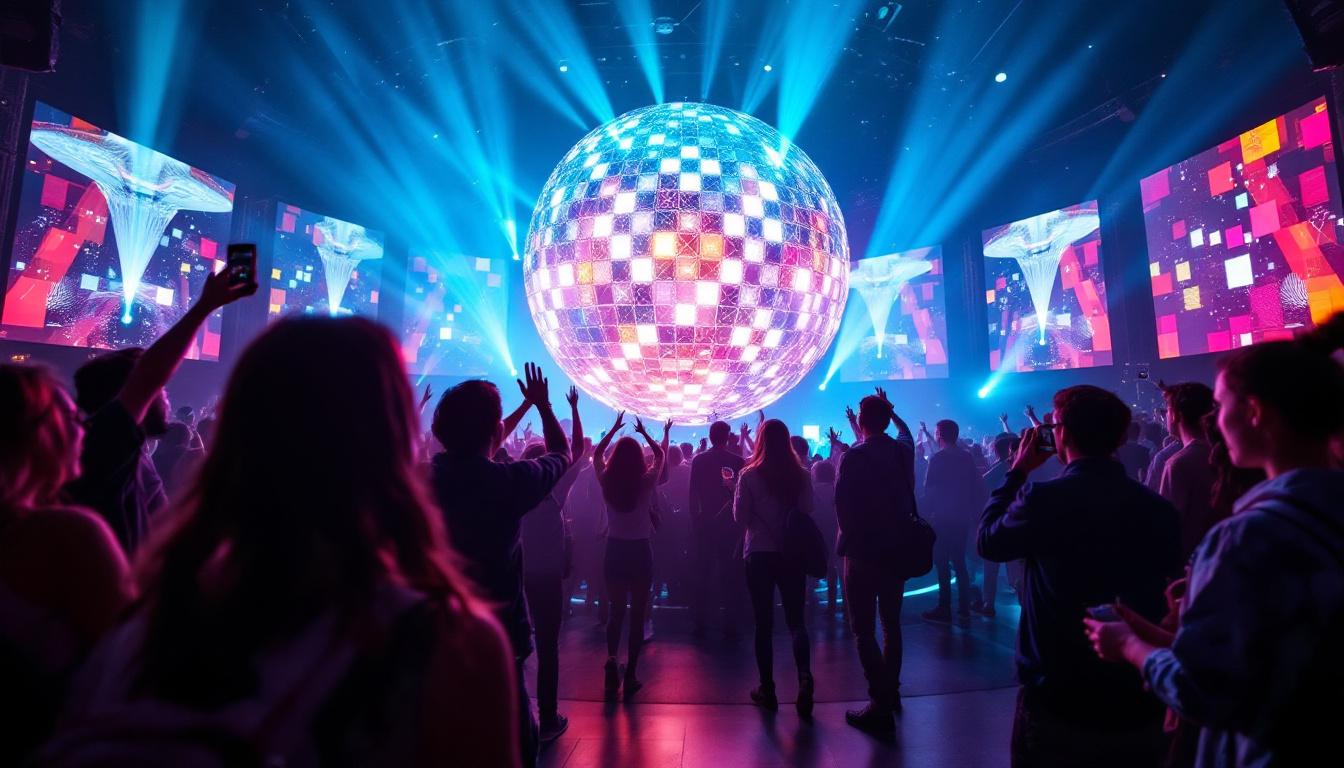
The Viva Vision Light Show is more than just a static display; it is a dynamic, multimedia event that combines visuals, music, and storytelling. The shows run nightly, featuring a variety of themes and collaborations with artists and brands.
Visual Themes and Content
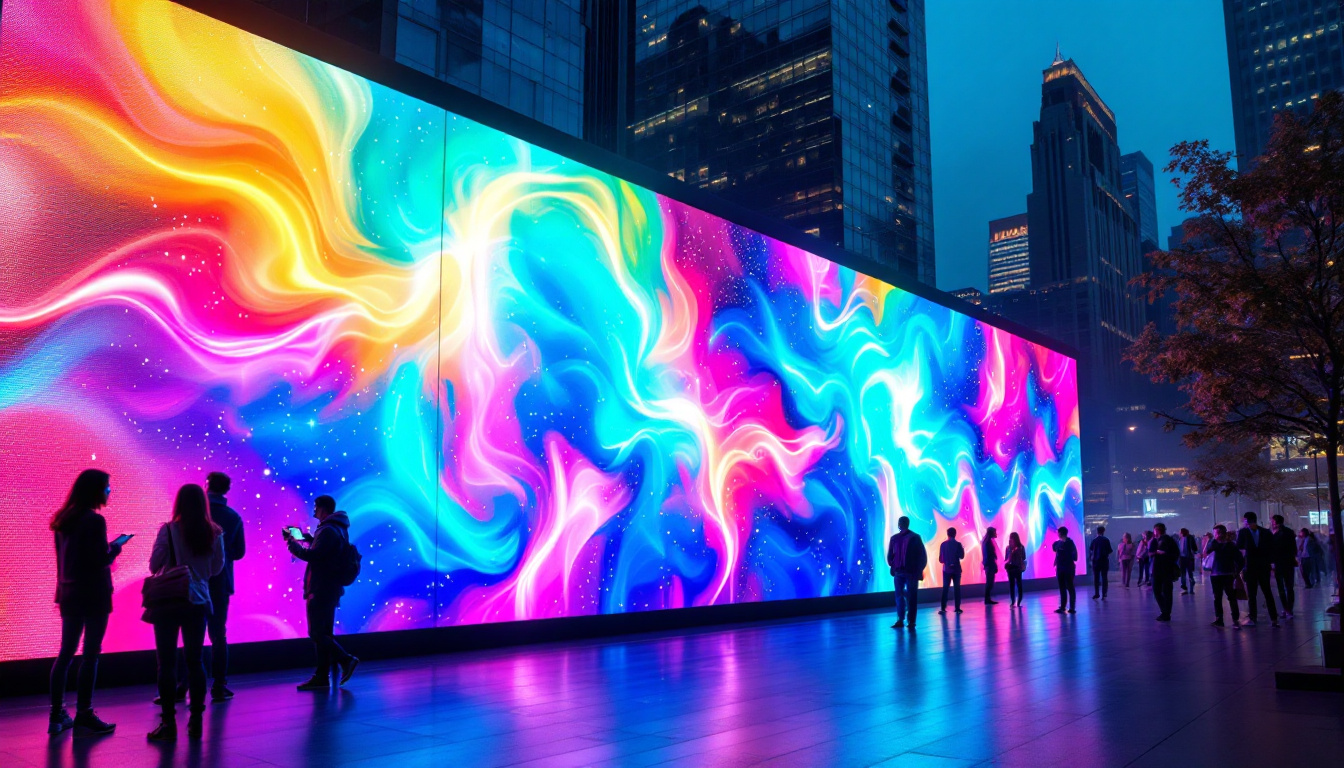
The content displayed on Viva Vision ranges from abstract light patterns to intricate animations and video clips. Themes often celebrate Las Vegas culture, holidays, and special events. For example, the canopy has hosted spectacular Fourth of July fireworks simulations, Halloween-themed animations, and tributes to iconic musicians.
Recent shows have incorporated 3D visual effects and synchronized lighting that interacts with the crowd below, enhancing the immersive experience. The display’s ability to render vivid colors and sharp images allows for storytelling that captivates audiences of all ages.
Music Synchronization
Music is a critical component of the Viva Vision Light Show. The visuals are choreographed to match the rhythm and mood of the soundtrack, which ranges from classic rock and pop to electronic dance music. This synchronization creates a multisensory experience that elevates the entertainment value.
Sound is delivered through strategically placed speakers along Fremont Street, ensuring that the audio quality complements the visual spectacle. The integration of sound and light is carefully engineered to maximize impact and audience engagement.
Visitor Experience and Impact
The light show has become a major draw for tourists and locals alike, contributing significantly to the revitalization of downtown Las Vegas. It encourages foot traffic, supports local businesses, and enhances the city’s reputation as an entertainment capital.
Visitors often describe the experience as mesmerizing and unforgettable, with many returning multiple times to see different shows. The canopy also serves as a backdrop for events, festivals, and celebrations, making it a versatile asset for the city.
Future Prospects and Innovations
The Viva Vision Light Show continues to evolve with advances in LED technology and digital media. Emerging trends such as augmented reality (AR), interactive displays, and AI-driven content creation hold promise for future enhancements.
Potential Upgrades
One area of potential development is increasing interactivity. Future iterations of the canopy might incorporate sensors that respond to crowd movement or mobile devices, allowing visitors to influence the visuals in real-time. This would create a more personalized and engaging experience.
Another possibility is the integration of higher-resolution LED modules as costs decrease, enabling even more detailed and immersive imagery. Improvements in energy efficiency and sustainable power sources may also reduce the environmental footprint of the display.
Broader Applications
The success of Viva Vision has inspired other cities to explore large-scale LED displays for public art and entertainment. The lessons learned from its design and operation contribute to the broader field of digital signage and urban media installations worldwide.
As technology advances, the line between architecture, art, and technology continues to blur, with LED displays like Viva Vision leading the way in transforming public spaces into dynamic canvases.
Conclusion
The Viva Vision Light Show on Fremont Street is a testament to the power of LED technology to transform urban environments and create unforgettable experiences. Its massive LED canopy combines cutting-edge engineering, artistic creativity, and cultural significance to deliver a spectacle that is both visually stunning and technologically impressive.
Understanding the intricacies of the LED display—from its semiconductor foundations to its large-scale implementation—reveals the complexity and innovation behind what might appear to be a simple light show. As Las Vegas continues to push the boundaries of entertainment, Viva Vision remains a shining example of how technology and art can come together to captivate the world.
For visitors planning a trip to Las Vegas, experiencing the Viva Vision Light Show is a must. Beyond the glitz and glamour of the Strip, Fremont Street offers a unique blend of history, culture, and modern technology that exemplifies the city’s enduring spirit of innovation.
Illuminate Your Space with LumenMatrix
As you marvel at the technological wonder of the Viva Vision Light Show, imagine the potential of LED displays to transform your own space. LumenMatrix, a leader in LED display innovation, offers a spectrum of solutions to bring your vision to life. From indoor and outdoor displays to custom and transparent options, our products are designed to captivate and engage. Whether for advertising, entertainment, or art, check out LumenMatrix LED Display Solutions and see how we can illuminate your brand and create unforgettable visual experiences.