In an era where digital communication and visual engagement are paramount, portable LED displays have emerged as a powerful tool for businesses, educators, event organizers, and tech enthusiasts alike. These displays combine the benefits of LED technology with mobility, offering vibrant visuals that can be transported and set up with ease. This article delves into the essentials of portable LED displays, explaining how they work, their advantages, applications, and what to consider when choosing one.
Understanding LED Display Technology
What is an LED Display?
LED stands for Light Emitting Diode, a semiconductor device that emits light when an electric current passes through it. An LED display is a flat panel that uses an array of these diodes to create images, videos, or text. Unlike traditional LCD screens that rely on backlighting, LED displays produce their own light, resulting in brighter, more vibrant visuals with higher contrast ratios.
LED displays are composed of thousands to millions of tiny LEDs arranged in a grid. Each LED acts as a pixel or part of a pixel, and by controlling the intensity and color of each diode, the display can render detailed images and videos. The technology is scalable, allowing for screens ranging from small handheld devices to massive outdoor billboards. The advancements in LED technology have also led to the development of various types of displays, including OLED (Organic LED) and MicroLED, both of which offer even greater color accuracy and flexibility in design, further enhancing the viewing experience.
How Portable LED Displays Differ from Fixed Ones
While the core LED technology remains consistent, portable LED displays are designed with mobility and ease of setup in mind. They typically feature lightweight frames, modular panels, and quick-assembly mechanisms. This contrasts with fixed LED installations, which are often larger, heavier, and permanently mounted. The versatility of portable displays allows them to be utilized in a variety of settings, from corporate events to outdoor festivals, where adaptability is key.
Portability also influences factors such as power consumption and durability. Portable displays often incorporate energy-efficient components and ruggedized casings to withstand transportation and frequent handling. These features make them ideal for temporary setups like trade shows, concerts, and mobile advertising. Additionally, many portable LED displays come equipped with advanced connectivity options, allowing for seamless integration with various media sources and real-time content updates. This capability not only enhances the effectiveness of advertising campaigns but also provides a dynamic platform for live events, ensuring that audiences remain engaged and informed.
Key Advantages of Portable LED Displays
Exceptional Visual Quality
One of the most significant benefits of LED technology is its superior visual performance. Portable LED displays offer high brightness levels, often exceeding 1,000 nits, which means they remain clearly visible even in direct sunlight. This makes them especially useful for outdoor events or locations with challenging lighting conditions.
Additionally, LED displays provide excellent color accuracy and wide viewing angles, ensuring that images and videos look consistent from almost any perspective. The high refresh rates reduce flickering, which is crucial for video playback and dynamic content.
Flexibility and Versatility
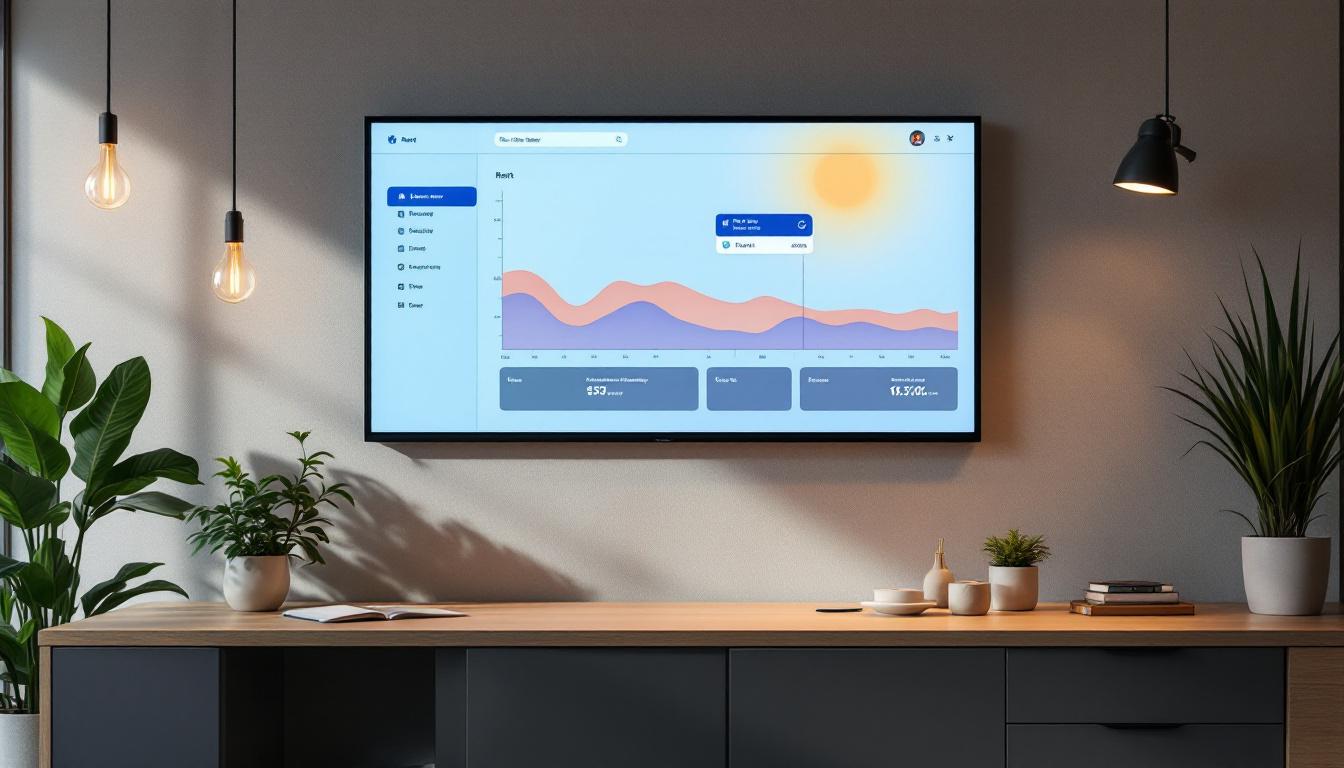
Portability inherently brings flexibility. These displays can be used in a variety of settings, from indoor corporate presentations to outdoor advertising campaigns. Their modular design allows users to customize screen sizes and shapes to fit specific needs, whether it’s a compact 32-inch panel or a large video wall assembled from multiple units.
Moreover, many portable LED displays support various input sources such as HDMI, USB, and wireless connections, making it easy to integrate with laptops, smartphones, or media players. This adaptability enhances user convenience and broadens the scope of potential applications.
Durability and Longevity
LEDs have a long operational lifespan, often rated between 50,000 to 100,000 hours, which translates to years of reliable use under typical conditions. Portable LED displays are built to endure the rigors of transport and frequent assembly, with robust materials and protective features like shock-absorbing frames and weather-resistant coatings.
This durability reduces maintenance costs and downtime, making portable LED displays a cost-effective investment over time. Their solid-state nature also means they are less prone to damage from vibration or impact compared to more fragile display technologies.
Common Applications of Portable LED Displays
Events and Exhibitions
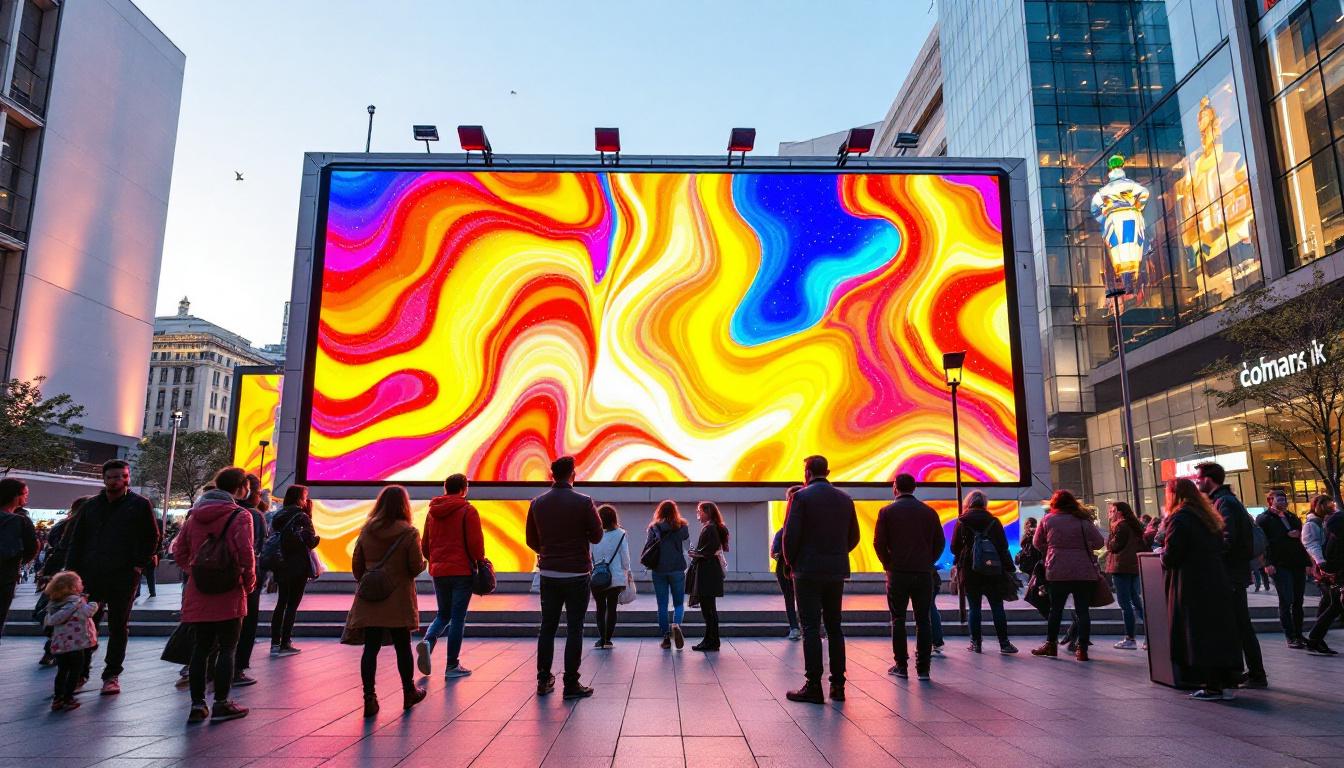
Trade shows, conferences, and exhibitions are prime environments for portable LED displays. Their bright, eye-catching visuals attract attendees and effectively communicate brand messages or product information. The ease of setup and breakdown allows event organizers to deploy these displays in multiple locations or events without significant logistical challenges.
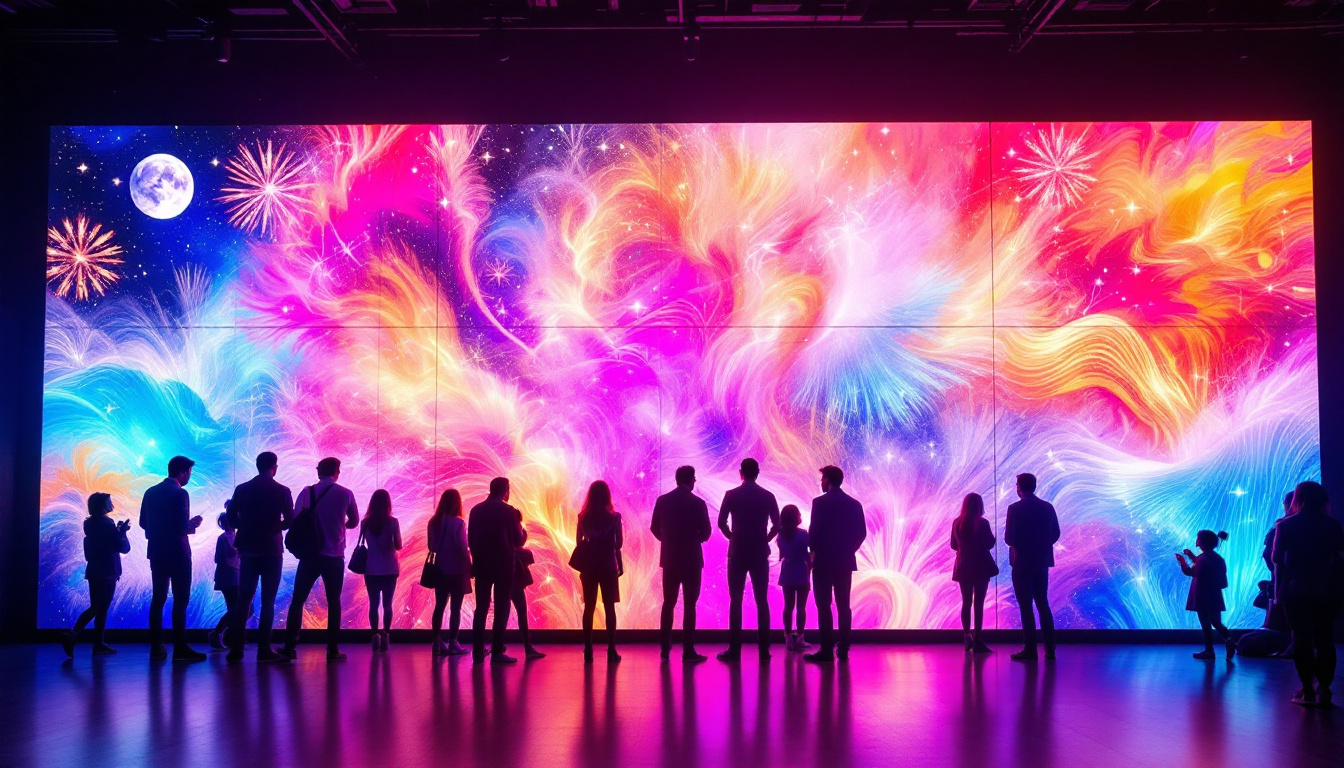
For example, a technology company might use a portable LED video wall to showcase product demos, while a speaker at a conference could rely on a smaller portable display for presentation slides. The versatility in size and configuration supports diverse event requirements.
Retail and Advertising
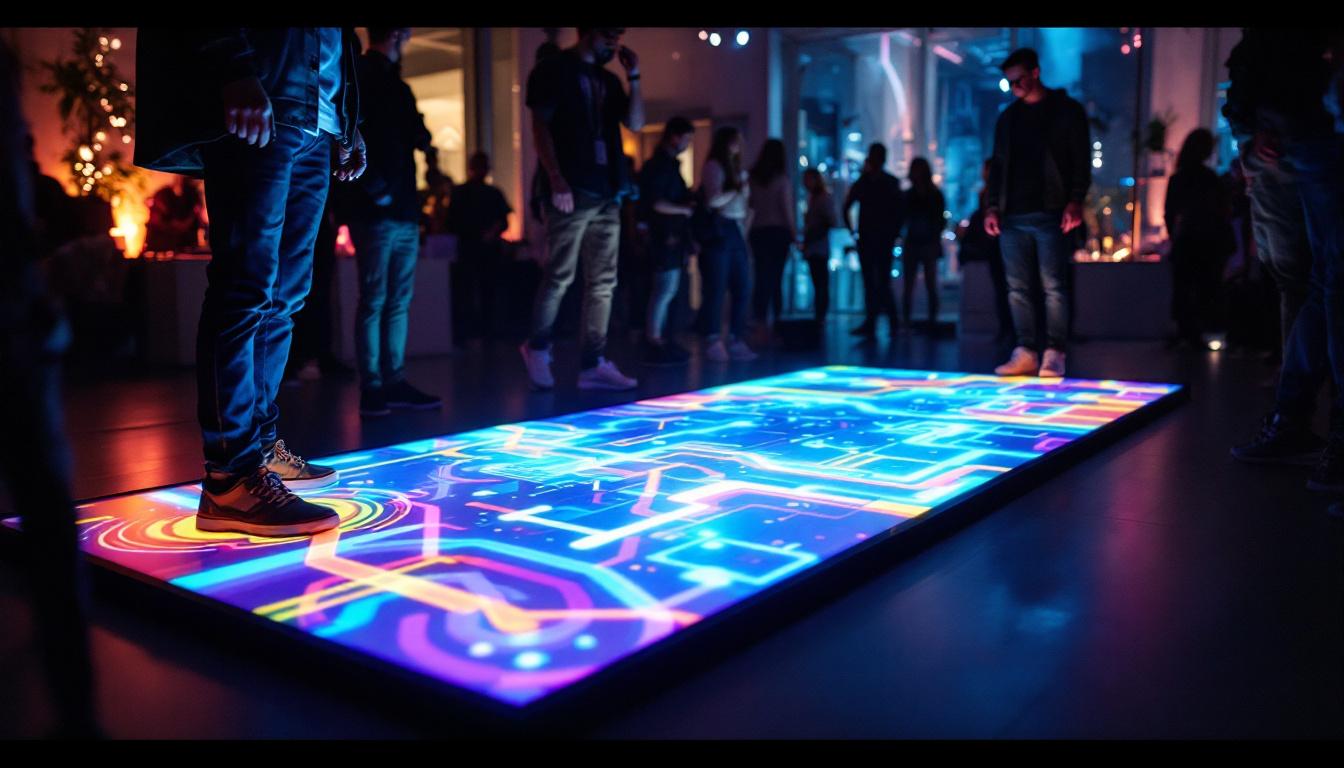
Retailers and advertisers leverage portable LED displays to create dynamic, engaging storefronts or pop-up promotions. Unlike static posters or banners, LED displays can cycle through multiple advertisements, update content in real-time, and even interact with customers via touch or motion sensors.
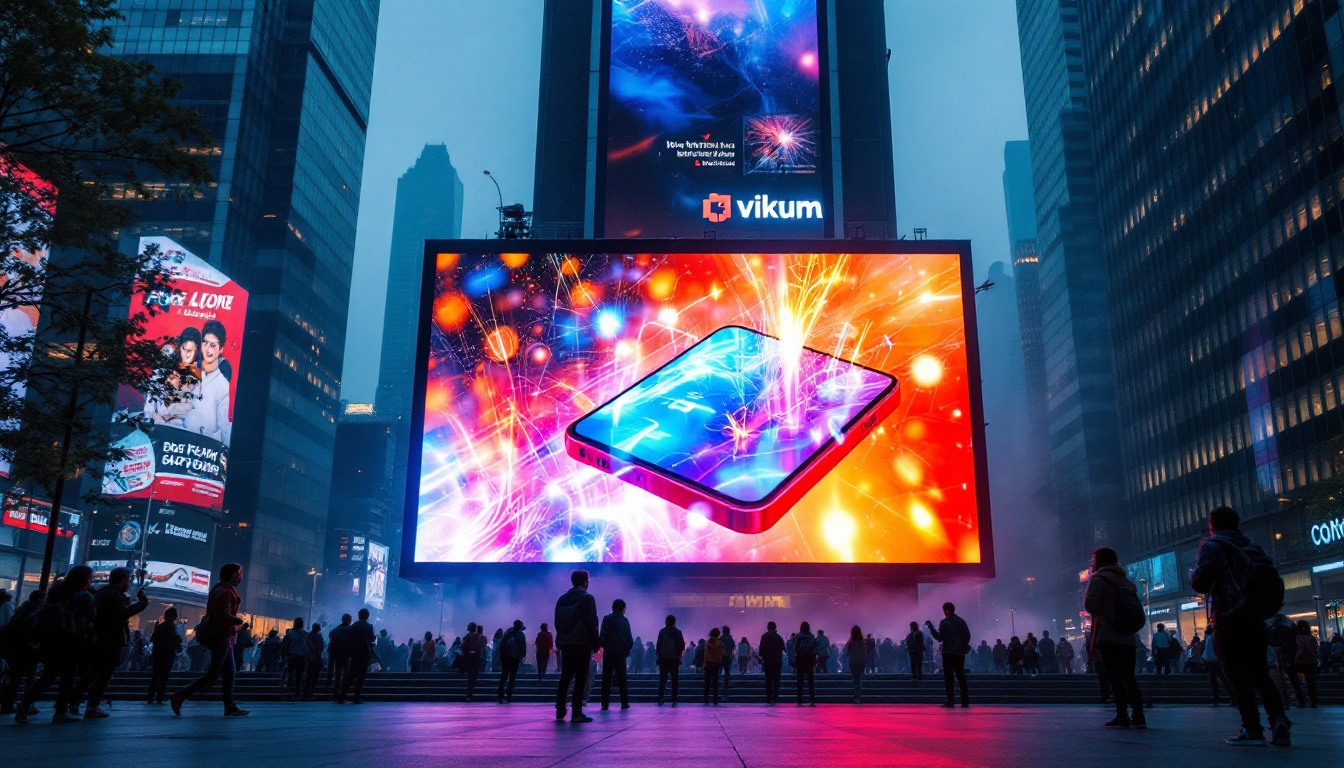
Mobile advertising vehicles equipped with LED screens have become increasingly popular, allowing brands to reach audiences in different neighborhoods or events. This mobility combined with high visibility maximizes marketing impact and return on investment.
Education and Training
Educational institutions and corporate training programs benefit from portable LED displays by enhancing visual learning experiences. These displays can be easily moved between classrooms or training rooms, providing clear, large-format visuals that improve engagement and information retention.
Interactive portable LED displays also support collaborative learning, enabling participants to interact directly with the content. This technology fosters a more immersive and effective educational environment.
Entertainment and Sports
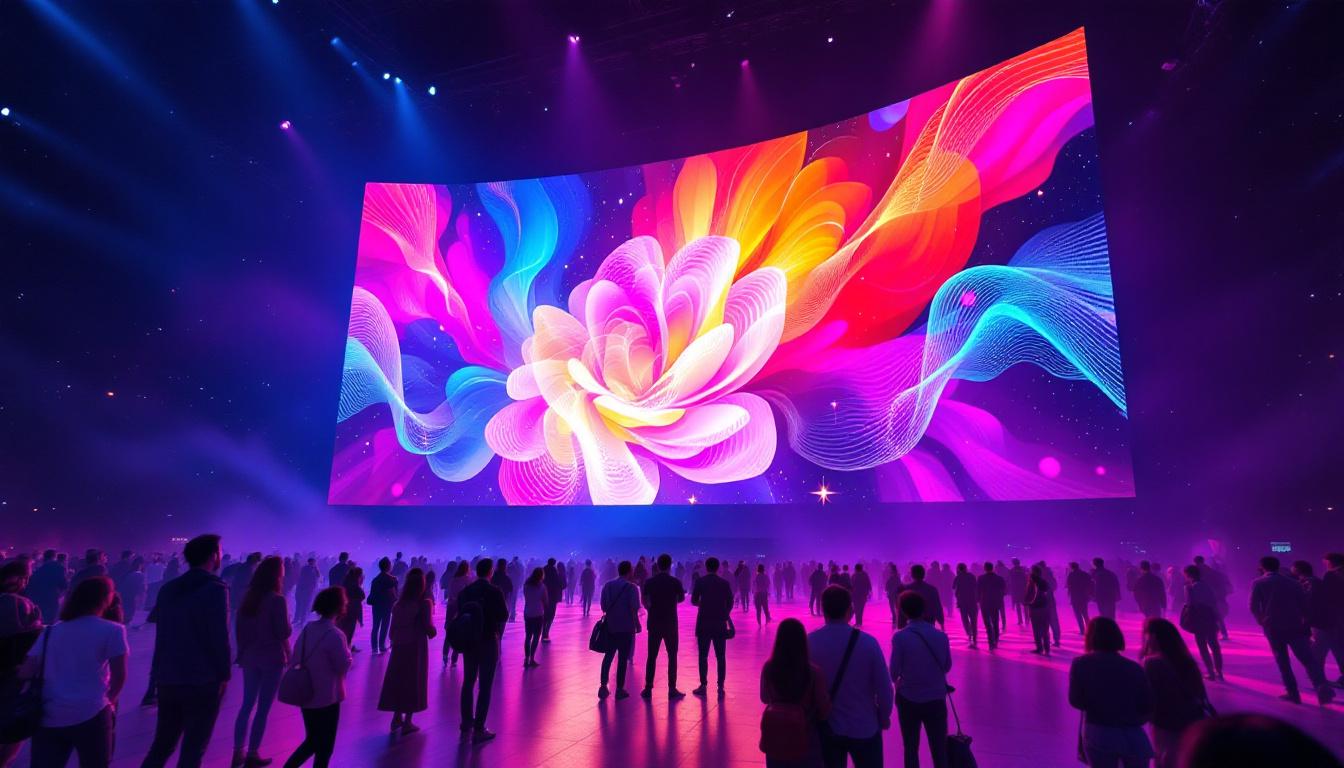
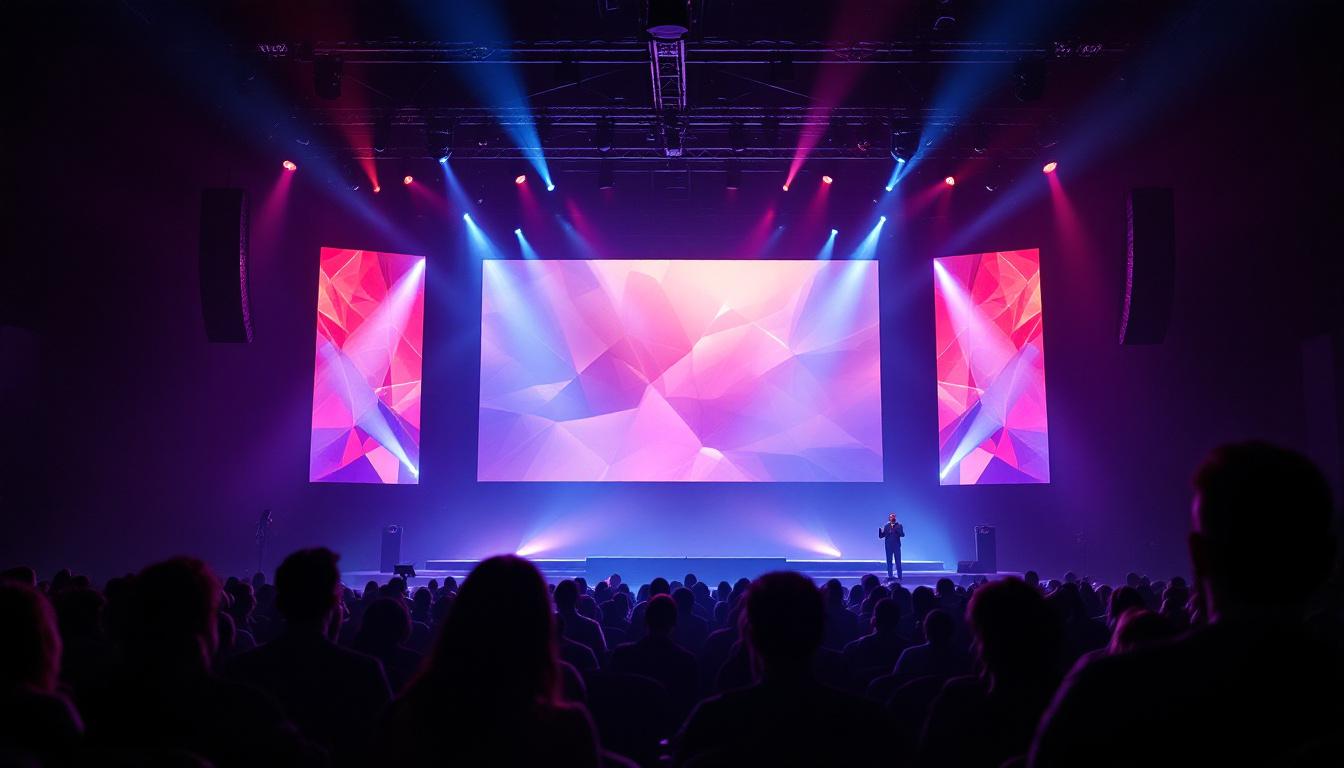
In the entertainment industry, portable LED displays are used for concerts, theater productions, and sporting events. Their ability to deliver vibrant visuals and video content enhances the audience experience, whether through live feeds, graphics, or advertising.
Sports venues utilize portable LED scoreboards and advertising panels that can be repositioned or upgraded as needed. The lightweight and modular nature of these displays simplifies logistics and reduces setup times during events.
Choosing the Right Portable LED Display
Resolution and Pixel Pitch
Resolution refers to the number of pixels displayed on the screen, while pixel pitch is the distance between the centers of adjacent pixels, typically measured in millimeters. A smaller pixel pitch means higher resolution and sharper images, which is crucial for close-up viewing.
When selecting a portable LED display, consider the typical viewing distance. For indoor use where viewers are close, a pixel pitch of 1.5 to 2.5 mm is ideal. For outdoor or larger venues where viewers are farther away, a pixel pitch of 4 mm or more may suffice.
Brightness and Contrast
Brightness is a critical factor, especially for outdoor applications. Portable LED displays with a brightness of 1,000 to 5,000 nits ensure visibility under various lighting conditions. Contrast ratio, the difference between the darkest black and brightest white, affects image depth and clarity.
Choosing a display with adjustable brightness settings can help optimize visibility and power consumption depending on the environment.
Size and Weight
Portability demands a balance between screen size and weight. Larger displays offer more impact but can be heavier and more cumbersome to transport. Modular designs that allow for assembling multiple smaller panels into a larger screen provide flexibility without sacrificing portability.
Consider the transport method and setup crew when deciding on size and weight. Some portable LED displays come with carrying cases or wheeled racks to facilitate movement.
Connectivity and Control
Modern portable LED displays support a range of input options including HDMI, DisplayPort, USB, and wireless connections like Wi-Fi or Bluetooth. This variety ensures compatibility with diverse media sources.
Control software is another important consideration. User-friendly interfaces that allow for quick content updates, scheduling, and remote management enhance operational efficiency, especially for users who frequently change display content.
Power Requirements and Battery Life
Some portable LED displays operate on standard AC power, while others include built-in batteries for true mobility. Battery-powered models are ideal for locations without easy access to power outlets but require attention to battery life and charging times.
Energy-efficient LED panels extend operational time and reduce the need for frequent recharging, which is essential for long events or outdoor use.
Future Trends in Portable LED Displays
Advancements in Mini-LED and Micro-LED Technology
Emerging technologies like mini-LED and micro-LED promise even higher brightness, better color accuracy, and thinner form factors. These advances will likely enhance the visual quality and portability of future LED displays, making them lighter and more energy-efficient.
Integration with Augmented Reality (AR) and Interactive Features
As AR technology matures, portable LED displays are expected to incorporate interactive elements that blend digital content with the physical environment. Touch-sensitive surfaces, gesture controls, and real-time data overlays will create more engaging user experiences.
Eco-Friendly and Sustainable Designs
Environmental concerns are driving manufacturers to develop LED displays with recyclable materials, lower power consumption, and longer lifespans. Portable displays designed for easy disassembly and repair will reduce electronic waste and support sustainable practices.
Conclusion
Portable LED displays represent a convergence of cutting-edge technology and practical design, offering vibrant, versatile, and durable solutions for a wide range of applications. Whether used for marketing, education, entertainment, or events, these displays provide unmatched visual impact combined with the convenience of mobility.
Understanding the technical aspects such as resolution, brightness, and connectivity, alongside practical considerations like size, weight, and power, helps users select the right portable LED display for their needs. As technology evolves, these displays will continue to become more advanced, interactive, and environmentally friendly, further expanding their role in digital communication and visual storytelling.
Discover LumenMatrix’s Innovative LED Solutions
Ready to elevate your visual presentations with the latest in LED display technology? Look no further than LumenMatrix. Our diverse range of products, from Indoor and Outdoor LED Wall Displays to specialized solutions like Vehicle LED Displays and LED Sports Displays, are designed to captivate and engage your audience. With LumenMatrix, you can create immersive environments and deliver your message with unparalleled clarity. Check out LumenMatrix LED Display Solutions today and experience the future of visual communication.