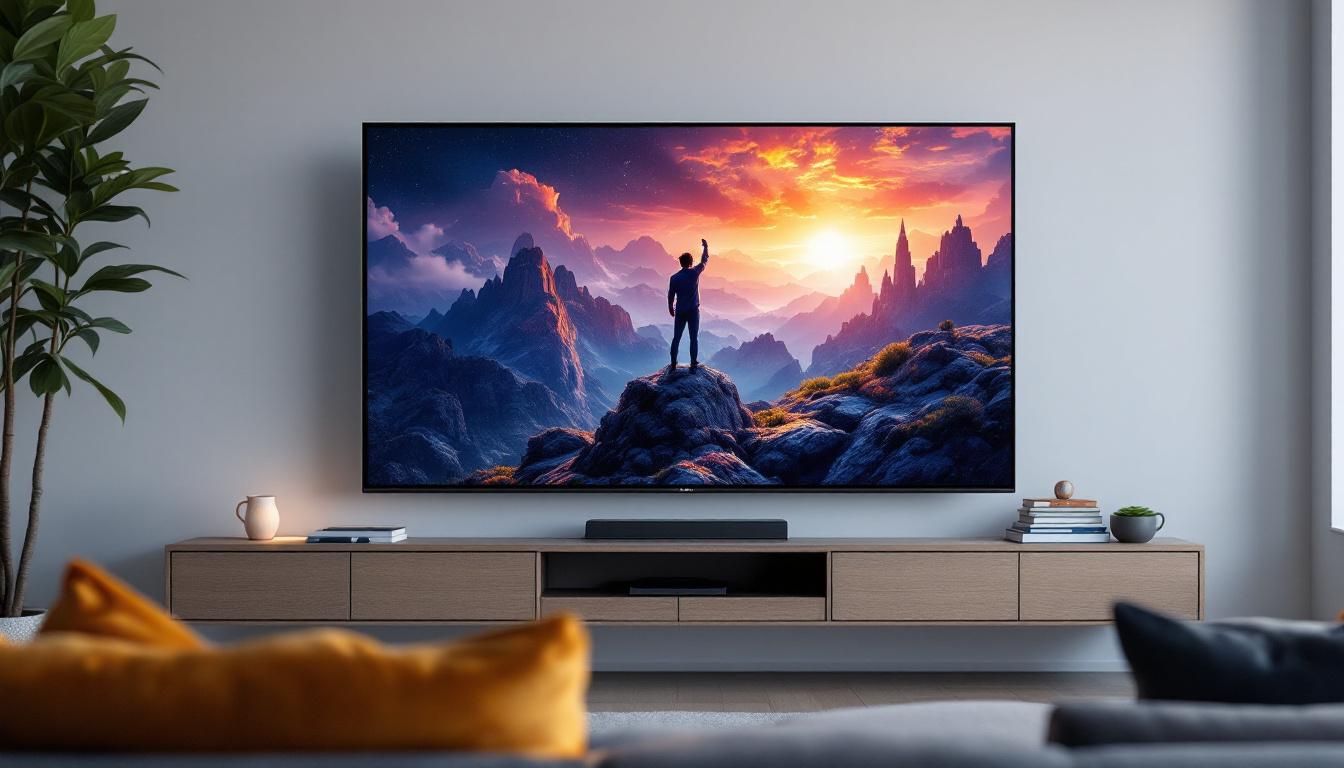
21 9 Aspect Ratio TV: LED Display Explained
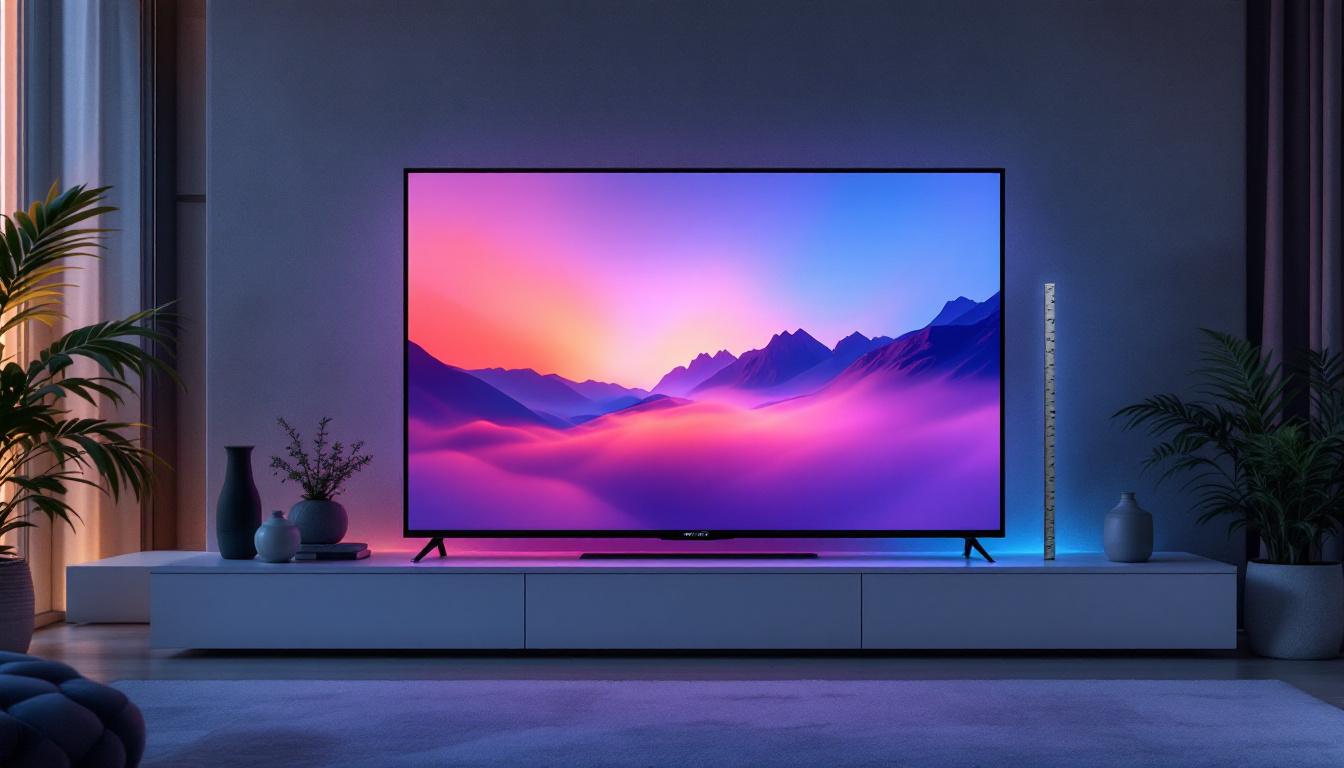
The television market has evolved dramatically over the past decade, with manufacturers constantly pushing the boundaries of screen technology and design. Among the many innovations, the 21:9 aspect ratio TV has emerged as a compelling choice for viewers seeking an immersive cinematic experience at home. Coupled with LED display technology, these ultra-wide TVs offer unique advantages and considerations that are worth exploring. This article delves into what the 21:9 aspect ratio means, why it matters, and how LED displays enhance this format.
Understanding the 21:9 Aspect Ratio
The aspect ratio of a television refers to the proportional relationship between its width and height. Traditional TVs have long used the 16:9 aspect ratio, which is now the industry standard for HDTVs and most streaming content. However, the 21:9 aspect ratio, often referred to as “ultra-wide,” offers a noticeably wider screen that mimics the dimensions used in many cinematic films.
What Does 21:9 Mean?
A 21:9 aspect ratio means the screen is 21 units wide for every 9 units of height. To put it simply, this ratio creates a screen that is significantly wider than the more common 16:9. This ultra-wide format is designed to replicate the “CinemaScope” or anamorphic widescreen format used in many movies, providing a more authentic viewing experience for film enthusiasts.
For example, a 55-inch 21:9 TV will have a noticeably wider display compared to a 55-inch 16:9 TV, although the height will be shorter. This difference allows for a broader field of view, which can be particularly advantageous for watching movies, gaming, or multitasking with multiple windows on the screen. The immersive experience that a 21:9 screen offers can truly transform the way viewers engage with visual content, making them feel as though they are part of the action rather than just passive observers.
Why Choose 21:9 Over 16:9?
One of the primary reasons consumers opt for 21:9 TVs is the cinematic experience. Most Hollywood films are shot in ultra-wide formats, and when viewed on a 16:9 screen, they typically display black bars at the top and bottom (letterboxing) to fit the narrower screen. A 21:9 TV eliminates or greatly reduces these black bars, filling the screen with the movie’s full image. This not only enhances the visual appeal but also allows viewers to appreciate the director’s artistic choices without compromise.
Beyond movies, the 21:9 aspect ratio is gaining traction among gamers and productivity users. Gamers benefit from a wider field of view, which can provide a competitive edge in first-person shooters or racing games. The ability to see more of the game environment at a glance can lead to quicker reactions and improved situational awareness. Meanwhile, professionals who multitask or use multiple applications simultaneously find the extra horizontal space invaluable for managing windows side-by-side without the need for multiple monitors. This is particularly useful for graphic designers, video editors, and data analysts who require extensive screen real estate to visualize their work effectively. The 21:9 format not only enhances entertainment but also boosts productivity, making it a versatile choice for various user needs.
LED Display Technology: How It Works
To fully appreciate the advantages of a 21:9 TV, it’s important to understand the underlying display technology. LED (Light Emitting Diode) displays have become the dominant technology in modern televisions, offering a balance of performance, energy efficiency, and cost-effectiveness.
Basics of LED Displays
LED TVs are essentially LCD (Liquid Crystal Display) screens that use LED backlighting instead of the older cold cathode fluorescent lamps (CCFL). This LED backlighting provides better brightness, contrast, and color accuracy, which are critical for delivering a vivid viewing experience.
The LEDs can be arranged in different ways, such as edge-lit or full-array backlighting. Full-array LED TVs, which have LEDs distributed evenly behind the screen, often support local dimming technology. This allows specific areas of the screen to dim independently, improving contrast ratios and producing deeper blacks.
Why LED is Ideal for 21:9 TVs
LED technology is well-suited for ultra-wide 21:9 TVs due to its flexibility in screen size and shape. Unlike OLED or plasma displays, which can be more expensive and challenging to produce in ultra-wide formats, LED panels can be manufactured in a variety of dimensions and resolutions.
Additionally, LED TVs tend to have higher peak brightness levels, which is beneficial for HDR (High Dynamic Range) content. HDR enhances the contrast and color range of the picture, making movies and games appear more lifelike. Since cinematic content often relies on subtle lighting and color details, the combination of 21:9 aspect ratio and LED HDR technology creates a highly immersive experience.
Benefits of 21:9 Aspect Ratio LED TVs
The marriage of the 21:9 aspect ratio and LED display technology offers several tangible benefits that appeal to different types of users. Understanding these advantages can help consumers make informed decisions when selecting their next TV.
Cinematic Viewing Experience
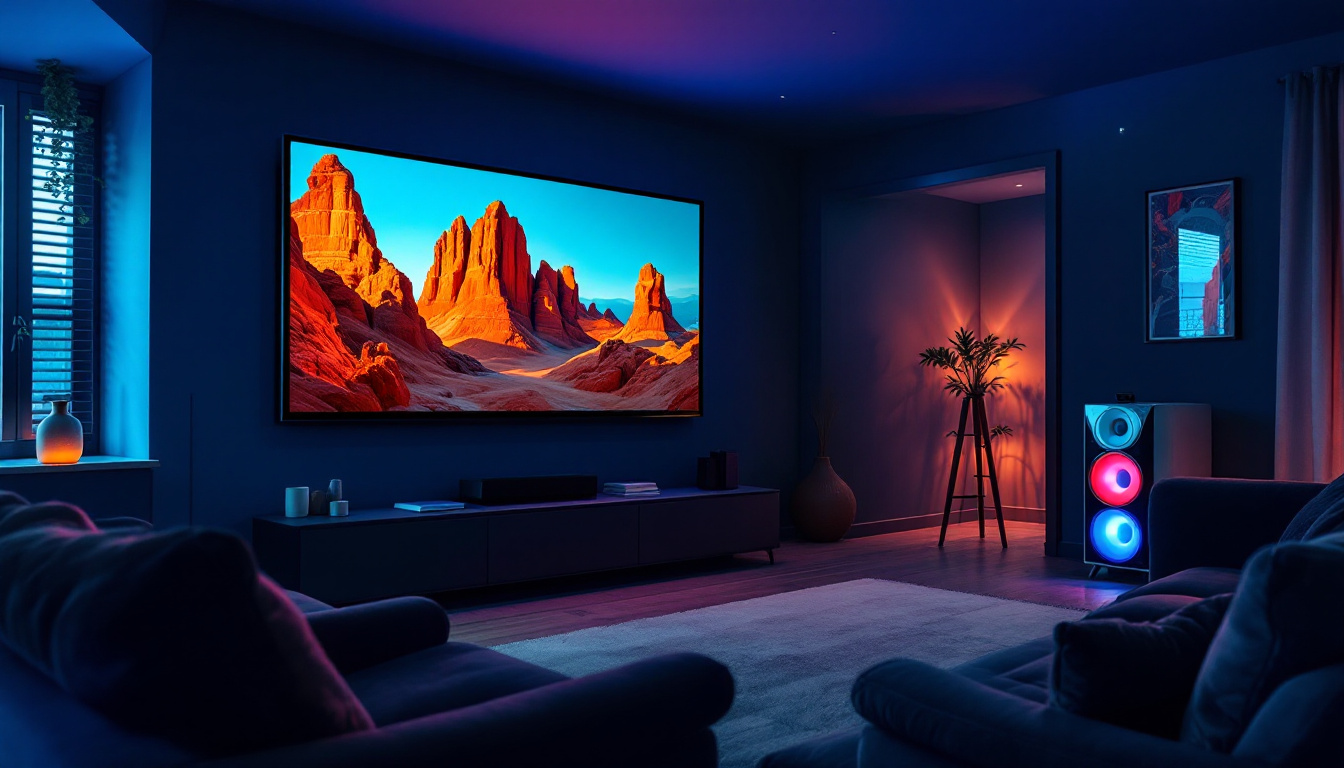
As mentioned earlier, the 21:9 aspect ratio closely matches the format used in many films, especially those shot in CinemaScope or anamorphic formats. Watching movies on a 21:9 LED TV means the picture fills the screen without letterboxing, providing a more immersive and authentic cinema-like experience in the comfort of your living room.
Moreover, LED displays’ enhanced brightness and color reproduction further elevate the visual quality. When combined with HDR content, viewers can enjoy deeper blacks, brighter highlights, and a wider color gamut, all of which contribute to a more engaging movie night.
Enhanced Productivity and Multitasking
The extra horizontal space on a 21:9 screen is not just for entertainment. Many professionals find ultra-wide TVs beneficial for work-related tasks. The extended width allows for multiple application windows to be opened side-by-side without feeling cramped, reducing the need for multiple monitors.
This can be especially useful for video editors, graphic designers, programmers, and financial analysts who often juggle several tools and data streams simultaneously. The LED display’s sharpness and color accuracy also ensure that details are clear and consistent across the screen.
Gaming Advantages
Gamers increasingly favor 21:9 aspect ratio displays because they offer a wider field of view, which can provide a tactical advantage in competitive gaming. Many modern games support ultra-wide resolutions, allowing players to see more of the game environment without panning the camera.
LED technology complements this by delivering fast response times and high refresh rates, essential for smooth gameplay. The improved contrast and HDR support further enhance the visual experience, making games more immersive and visually striking.
Considerations and Potential Drawbacks
While 21:9 aspect ratio LED TVs present many benefits, there are also considerations and potential drawbacks that buyers should keep in mind before making a purchase.
Content Compatibility
One of the biggest challenges with 21:9 TVs is content compatibility. Most TV broadcasts, streaming shows, and video games are produced in the 16:9 aspect ratio. When viewed on a 21:9 screen, these sources will either display black bars on the sides (pillarboxing) or be stretched to fill the screen, which can distort the image.
Although streaming services like Netflix and Amazon Prime Video offer some ultra-wide content, it remains a small portion of the total library. Viewers who primarily watch TV shows or sports may find the 21:9 format less advantageous.
Price and Availability
21:9 aspect ratio TVs tend to be more expensive than standard 16:9 models, partly due to their niche market and the specialized manufacturing processes involved. Additionally, the selection of brands and models is more limited, which can make it harder to find a TV that fits specific budget or feature requirements.
Consumers should weigh the cost against the benefits they expect to gain, especially if ultra-wide content consumption is not a priority.
Physical Space and Setup
The wider design of 21:9 TVs means they require more horizontal space, which may not suit all rooms or entertainment centers. Additionally, the shorter height can affect mounting options and viewing angles. It’s important to measure available space carefully and consider seating arrangements to ensure an optimal viewing experience.
Future Trends and Innovations
The 21:9 aspect ratio and LED display technology continue to evolve, driven by consumer demand and advances in manufacturing. Several trends are shaping the future of ultra-wide TVs.
Integration with Smart Features
Modern 21:9 TVs increasingly come equipped with smart TV platforms, voice control, and AI-enhanced picture settings. These features improve usability and allow users to customize their viewing experience based on content type and ambient lighting conditions.
Improved HDR and Color Technologies
Advancements in HDR standards such as Dolby Vision IQ and HDR10+ Adaptive are enhancing the dynamic range and color accuracy of LED TVs. These improvements are particularly impactful on ultra-wide screens, where the immersive experience depends heavily on visual fidelity.
Gaming-Specific Enhancements
As gaming continues to grow as a primary use case for ultra-wide TVs, manufacturers are focusing on features like variable refresh rate (VRR), low input lag, and high refresh rates (120Hz and above) to meet the demands of competitive gamers. These features combined with the 21:9 aspect ratio create a compelling package for gaming enthusiasts.
Conclusion
The 21:9 aspect ratio TV paired with LED display technology offers a unique and compelling viewing experience that appeals to cinephiles, gamers, and productivity-focused users alike. By closely matching the cinematic widescreen format, these TVs provide an immersive experience that standard 16:9 models cannot match.
However, potential buyers should carefully consider content compatibility, room setup, and budget before investing in a 21:9 TV. For those who prioritize ultra-wide content and multitasking capabilities, the benefits can be significant.
As LED technology and ultra-wide formats continue to advance, the 21:9 aspect ratio TV is poised to become an increasingly popular choice for consumers seeking a blend of cinematic quality, versatility, and cutting-edge display performance.
Discover the Future of Visual Experience with LumenMatrix
Ready to elevate your viewing experience with the ultra-wide 21:9 aspect ratio and superior LED display technology? Look no further than LumenMatrix, a pioneer in crafting LED displays that transform visual storytelling. Whether you’re a film aficionado, a competitive gamer, or a professional seeking unparalleled multitasking capabilities, LumenMatrix has a solution tailored to your needs. From Indoor and Outdoor LED Wall Displays to innovative LED Sports and Transparent Displays, our range is designed to captivate and engage. Check out LumenMatrix LED Display Solutions today and step into a world where clarity meets impact, and every visual is a masterpiece.