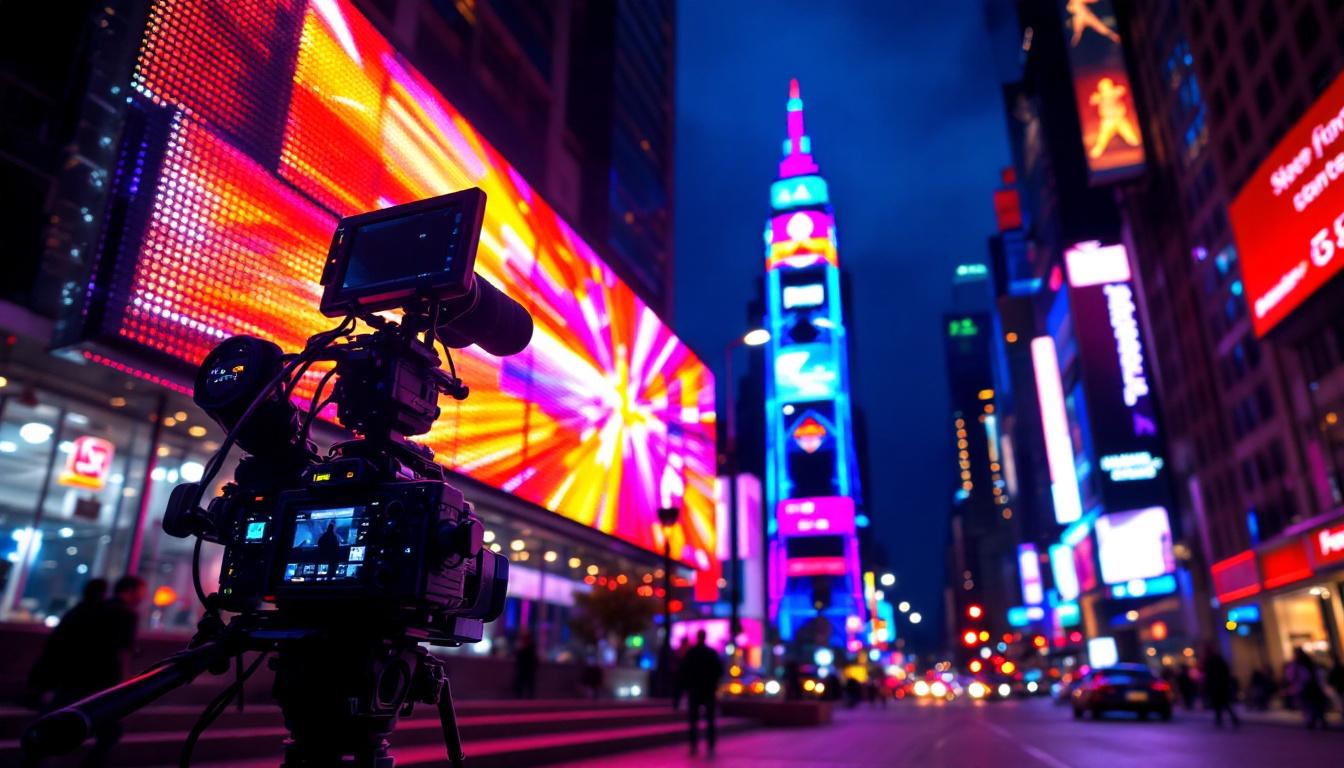
In the evolving landscape of digital filmmaking, LED display technology has emerged as a transformative tool, reshaping how filmmakers create immersive and visually stunning scenes. From groundbreaking virtual production techniques to enhanced on-set lighting and background integration, LED displays have become indispensable in modern studios. This article delves into the fundamentals of LED displays in digital filming, exploring their technology, applications, benefits, and future potential.
Understanding LED Displays in Digital Filming
What Is an LED Display?
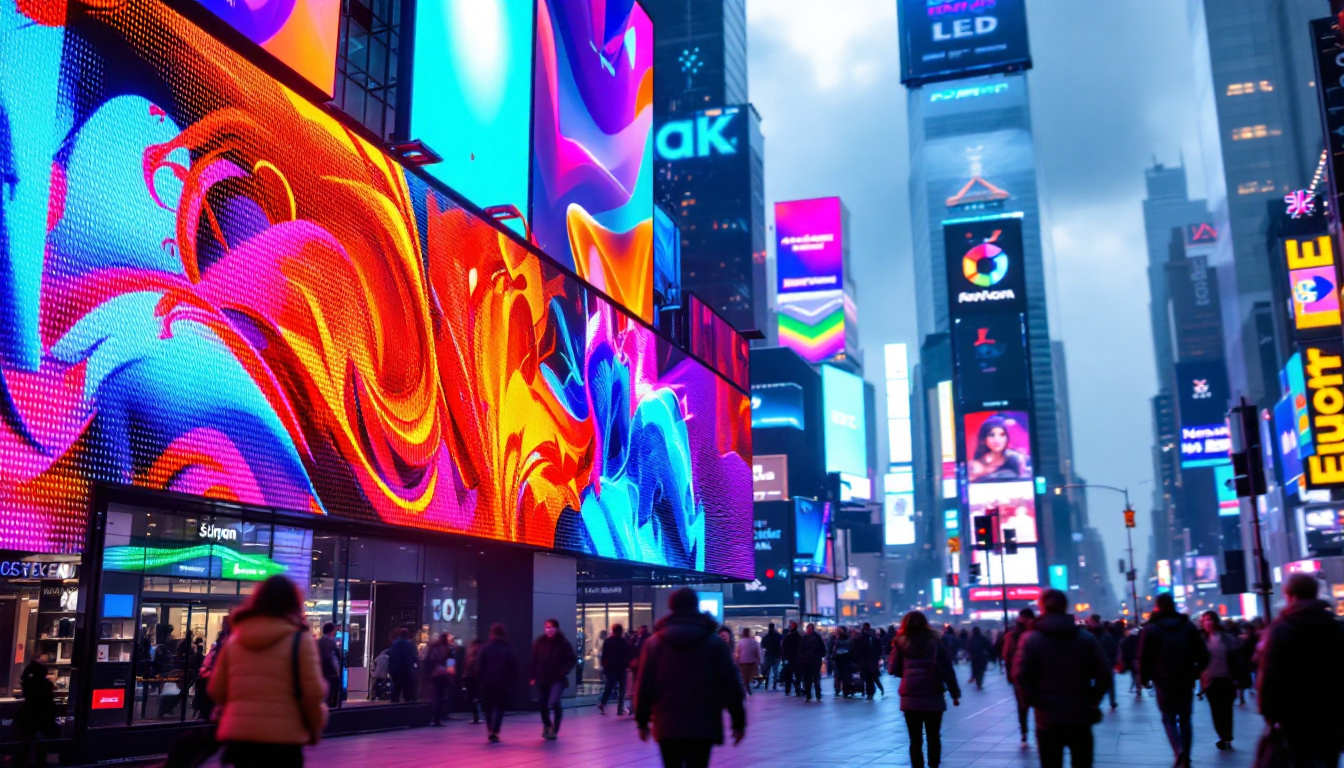
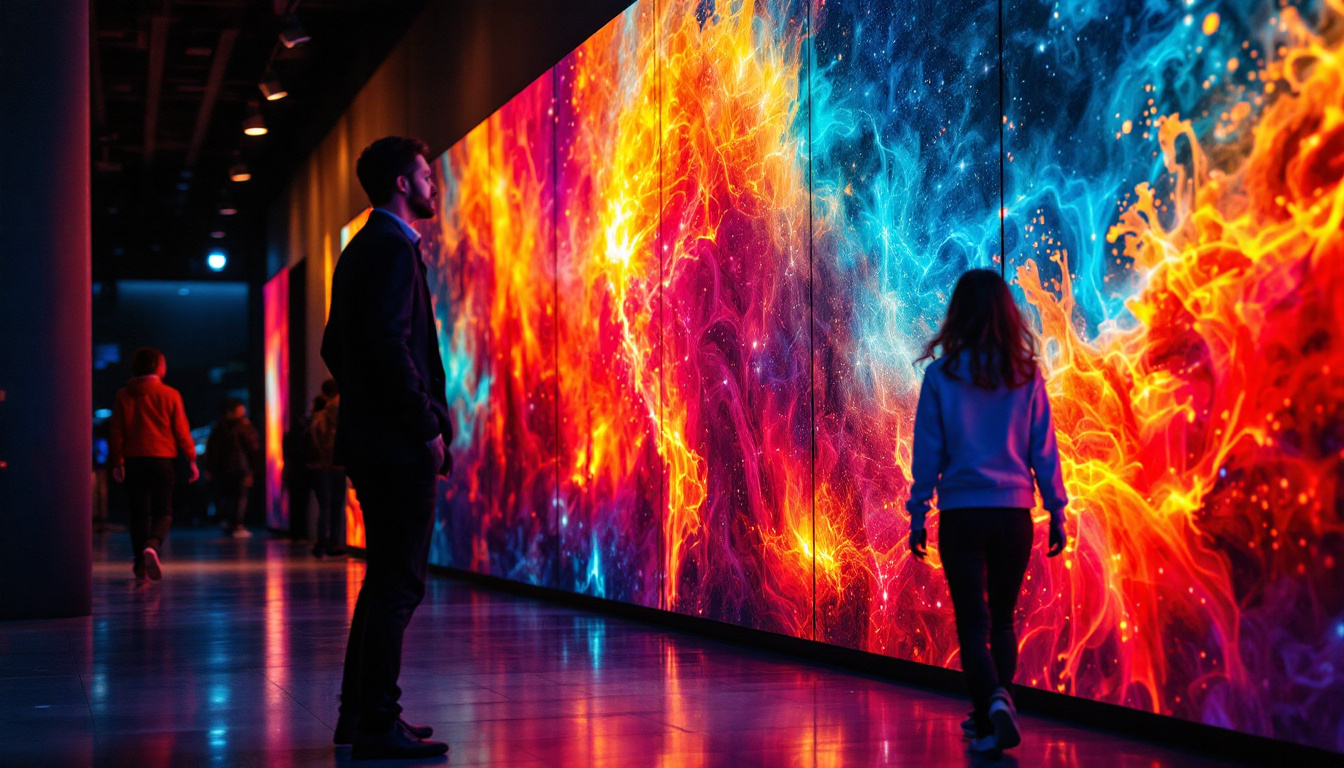
LED stands for Light Emitting Diode, a semiconductor device that emits light when an electric current passes through it. An LED display is essentially a large screen made up of thousands—or even millions—of these tiny diodes arranged in a grid. Each diode can emit light in various colors, allowing the screen to produce vibrant, high-resolution images and videos.
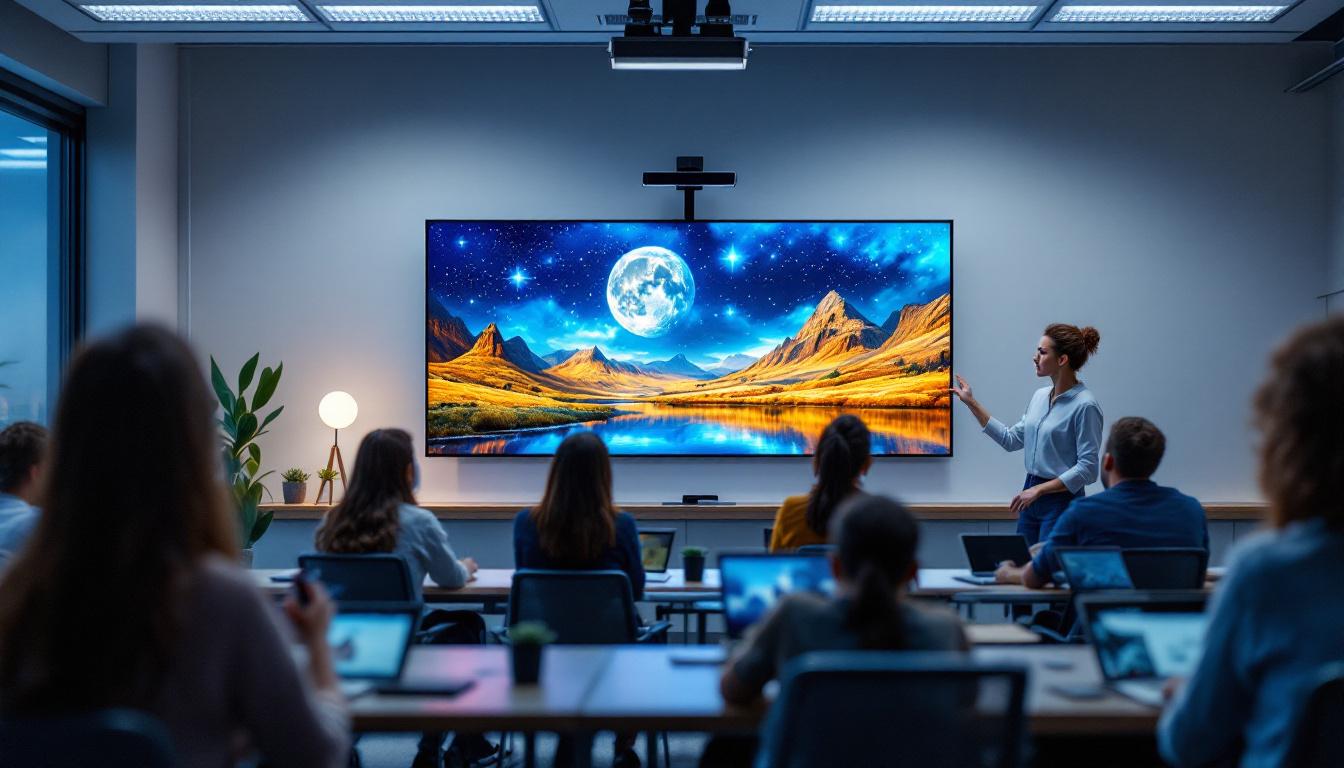
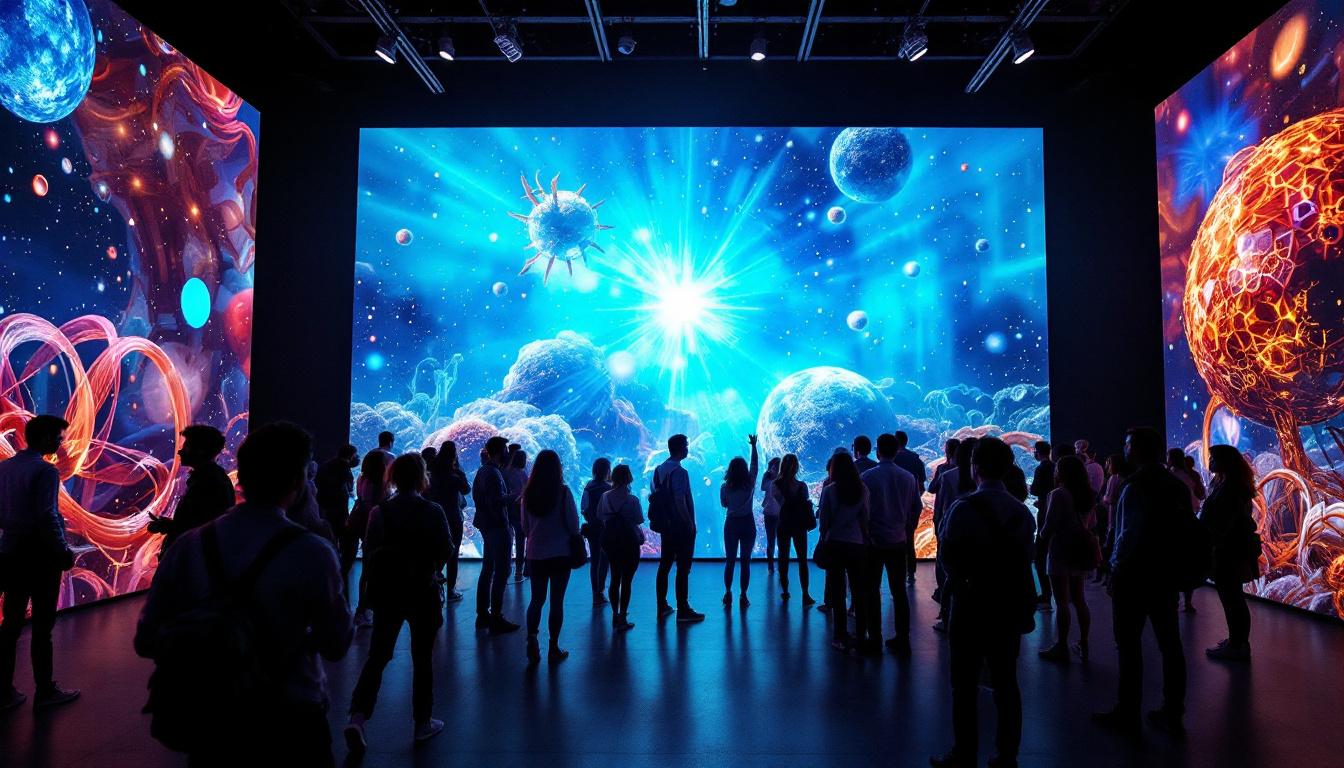
In digital filming, LED displays are used as dynamic backdrops or immersive environments that can be controlled in real-time. Unlike traditional green screens, which require post-production compositing, LED displays provide live, photorealistic backgrounds that interact naturally with the camera and lighting on set. This capability not only enhances the visual storytelling but also significantly reduces the time and resources spent in post-production, enabling filmmakers to focus more on the creative aspects of their projects.
Moreover, the use of LED displays allows for greater flexibility in location shooting. Filmmakers can recreate diverse environments—from bustling cityscapes to serene landscapes—within a controlled studio setting. This adaptability is especially beneficial in situations where traveling to remote locations is impractical or too costly. As a result, filmmakers can experiment with various visual styles and atmospheres without the logistical challenges typically associated with location shoots.
Technical Specifications and Types
LED displays vary widely in terms of pixel pitch, resolution, brightness, and refresh rates. Pixel pitch—the distance between individual LEDs—directly affects the display’s sharpness and clarity. For film production, a fine pixel pitch (often below 2mm) is preferred to ensure close-up shots remain crisp and detailed.
Brightness is another critical factor. LED panels used in studios typically offer brightness levels exceeding 1,000 nits, which helps them compete with strong studio lighting and daylight conditions. High refresh rates (120Hz or higher) are essential to avoid flicker when filming at various frame rates, ensuring smooth and natural visuals. Additionally, the color accuracy of LED displays is paramount; advanced calibration techniques are employed to ensure that the colors seen on screen match the intended vision of the filmmakers, thereby maintaining the integrity of the visual narrative.
Different types of LED displays are designed for various filming needs. For instance, some panels are specifically engineered for outdoor use, featuring enhanced weather resistance and higher brightness levels to combat ambient light. Others are tailored for indoor environments, focusing on color depth and resolution to create stunning visual effects. The choice of display type can greatly influence the overall production quality, making it essential for filmmakers to select the right technology to suit their specific project requirements.
The Role of LED Displays in Virtual Production
From Green Screens to LED Walls
Virtual production has revolutionized filmmaking by blending live-action footage with computer-generated imagery (CGI) in real-time. Traditionally, green screens have been the standard method for integrating digital backgrounds, but they come with limitations such as lighting mismatches, reflections, and extensive post-production work.
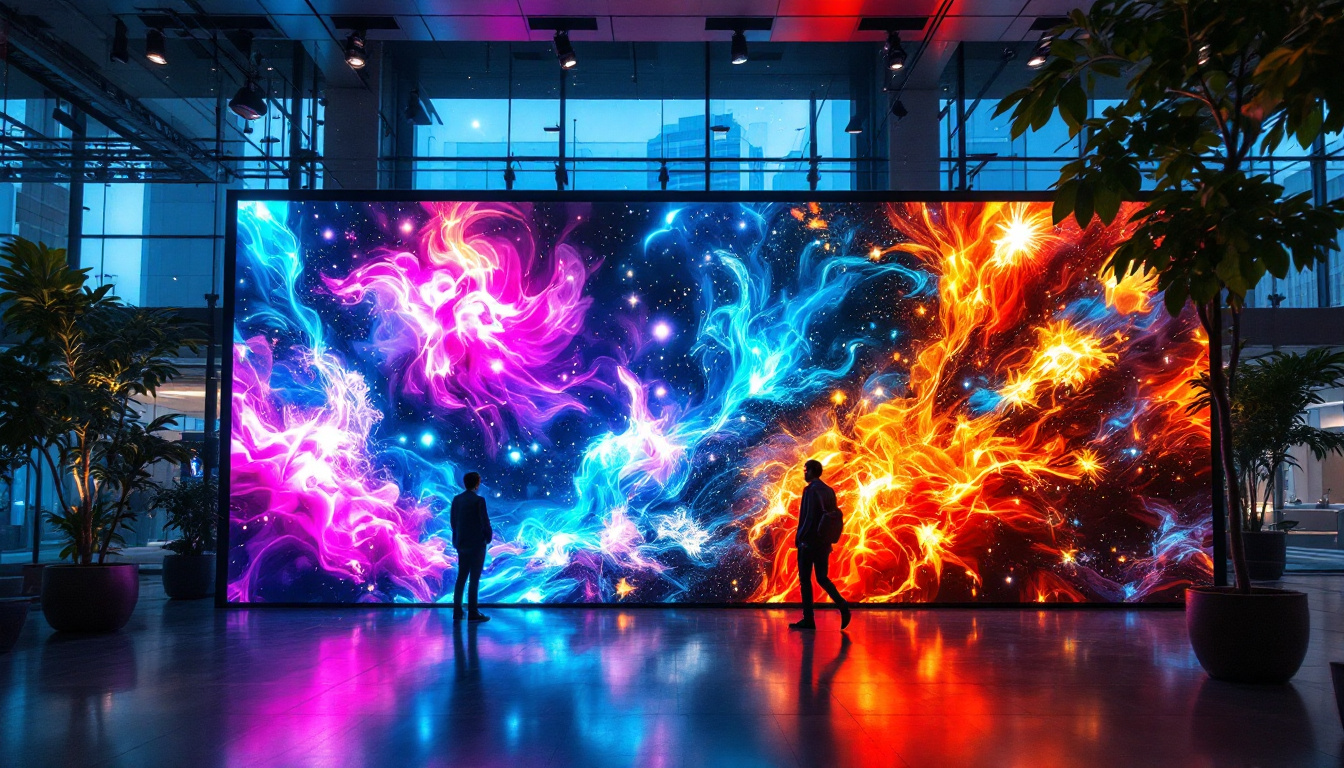
LED walls, large-scale LED displays arranged to form immersive environments, address many of these challenges. By projecting the digital background directly on set, actors and cameras interact with a tangible environment, enhancing performance and realism. The lighting from the LED wall naturally illuminates the scene, matching the background and reducing the need for complex post-processing. This seamless integration not only improves the visual quality of the final product but also allows for more spontaneous and authentic performances from actors, as they can react to their surroundings in real-time, rather than imagining them in a green-screen void.
Moreover, the use of LED displays can significantly enhance the creative possibilities for filmmakers. With the ability to change environments at the push of a button, directors can explore various settings without the logistical challenges of traditional location shooting. This flexibility allows for greater experimentation with different visual styles and atmospheres, ultimately enriching the storytelling process. As a result, filmmakers can craft more engaging narratives that resonate with audiences, leveraging the full potential of both practical and digital effects.
Case Studies: Industry Adoption
One of the most notable examples of LED display use in filmmaking is the production of the Disney+ series The Mandalorian. The show employed a massive LED volume—a curved LED wall and ceiling setup—that allowed filmmakers to project dynamic, photorealistic environments. This approach enabled real-time adjustments to backgrounds and lighting, significantly speeding up production and reducing costs.
Following this success, studios worldwide have adopted LED volumes for a variety of projects, from feature films to commercials, showcasing the technology’s versatility and effectiveness in creating immersive worlds. For instance, the recent blockbuster Avatar: The Way of Water utilized similar LED technology to bring its underwater scenes to life, allowing actors to perform against vibrant, animated backdrops that mimicked the ocean’s depth and movement. This not only enhanced the visual storytelling but also provided a more engaging experience for the cast, who could interact with their surroundings in a way that traditional green screens simply cannot replicate.
Furthermore, the rise of LED displays in virtual production has sparked a new wave of innovation in the industry. Companies specializing in LED technology are continuously developing higher-resolution screens with improved color accuracy and brightness, making them even more suitable for professional filmmaking. As this technology evolves, we can expect to see even more ambitious projects that push the boundaries of visual storytelling, paving the way for a new era in cinema where the line between reality and digital creation becomes increasingly blurred.
Benefits of Using LED Displays in Filmmaking
Enhanced Realism and Immersion
LED displays provide a level of visual fidelity and immersion that green screens cannot match. The ability to project high-resolution, dynamic backgrounds that respond to camera movements creates a more authentic interaction between actors and their environment. This realism translates into better performances and more convincing scenes. For instance, when actors are performing in front of a vibrant cityscape or a serene natural landscape projected on an LED wall, they can react more genuinely to the environment, enhancing the emotional depth of their performances. The immersive experience also allows for more nuanced storytelling, as the visual elements can shift in real-time to reflect the mood and tone of the narrative.
Improved Lighting and Reduced Post-Production
Because LED walls emit actual light, they naturally illuminate actors and set pieces, matching the color temperature and intensity of the background. This reduces the need for additional lighting setups and complex color grading in post-production. Consequently, filmmakers save time and resources, streamlining the entire production pipeline. Moreover, the integration of LED displays can significantly reduce the challenges associated with traditional green screen technology, such as spill and shadows, which often require extensive corrections in post-production. By minimizing these issues, filmmakers can focus more on the creative aspects of their projects rather than getting bogged down by technical hurdles.
Flexibility and Creative Control
Digital backgrounds on LED displays can be changed instantly, allowing directors to experiment with different settings without the need for physical set changes. This flexibility encourages creativity and rapid iteration, which is especially valuable in fast-paced productions or projects with tight budgets. Additionally, the ability to pre-visualize scenes with LED technology enables filmmakers to make informed decisions about camera angles and movements, ensuring that every shot is optimized for the best visual impact. The interactive nature of LED displays also opens up possibilities for real-time visual effects, allowing filmmakers to incorporate elements that would have previously required extensive post-production work, further enhancing the storytelling process.
Challenges and Considerations
Cost and Infrastructure
While LED technology offers numerous advantages, the initial investment can be substantial. High-quality LED volumes require significant capital expenditure for panels, control systems, and supporting infrastructure. Additionally, studios must accommodate the physical space and power requirements necessary for large LED setups.
Technical Expertise and Workflow Integration
Implementing LED displays in filmmaking demands a multidisciplinary approach, combining expertise in LED technology, virtual production software, camera tracking, and lighting design. Studios need to invest in training and develop new workflows to fully leverage the capabilities of LED volumes.
Potential Visual Artifacts
Despite advancements, LED displays can introduce challenges such as moiré patterns, color banding, or reflections that may affect image quality. Careful calibration, camera settings adjustment, and panel selection are essential to minimize these artifacts and maintain visual integrity.
The Future of LED Displays in Digital Filming
Technological Innovations on the Horizon
Emerging technologies promise to enhance LED displays further. Developments in microLED technology offer even finer pixel pitches and improved brightness with lower power consumption. Advances in real-time rendering engines, such as Unreal Engine and Unity, continue to improve the realism and responsiveness of virtual backgrounds.
Additionally, integration with augmented reality (AR) and artificial intelligence (AI) tools is expected to open new creative possibilities, enabling more interactive and adaptive filming environments.
Expanding Accessibility
As LED technology matures and becomes more affordable, smaller studios and independent filmmakers will gain access to virtual production tools previously limited to major studios. Rental services and modular LED panels are making it easier to deploy LED volumes on location, democratizing high-end digital filmmaking techniques.
Environmental Impact and Sustainability
LED displays are more energy-efficient compared to traditional lighting and projection systems, contributing to greener production practices. The ability to reduce physical set construction also lowers material waste. As sustainability becomes a priority in the film industry, LED technology aligns well with eco-conscious production goals.
Conclusion
LED displays have fundamentally transformed digital filmmaking by enabling immersive virtual production environments that enhance realism, streamline workflows, and expand creative possibilities. While challenges remain in cost and technical complexity, ongoing innovations and growing adoption signal a promising future for LED technology in the film industry.
For filmmakers, understanding the capabilities and limitations of LED displays is crucial to harnessing their full potential. As the technology continues to evolve, it will undoubtedly play an increasingly central role in shaping the stories and visuals of tomorrow’s cinema.
Discover the Future of Digital Filmmaking with LumenMatrix
Ready to take your filmmaking projects to the next level with the latest in LED display technology? LumenMatrix is at the forefront of innovation, offering a diverse range of LED display solutions that bring your creative visions to life. Whether you need an Indoor LED Wall Display for a studio set, an Outdoor LED Wall Display for a large-scale event, or any of our specialized displays like Vehicle, Sports, or Floor LED Displays, we have the cutting-edge technology to elevate your visual storytelling. Experience the difference with our Custom, All-in-One, and Transparent LED Displays designed to captivate your audience and communicate your message with unparalleled clarity. Check out LumenMatrix LED Display Solutions and join the revolution in digital filmmaking today.