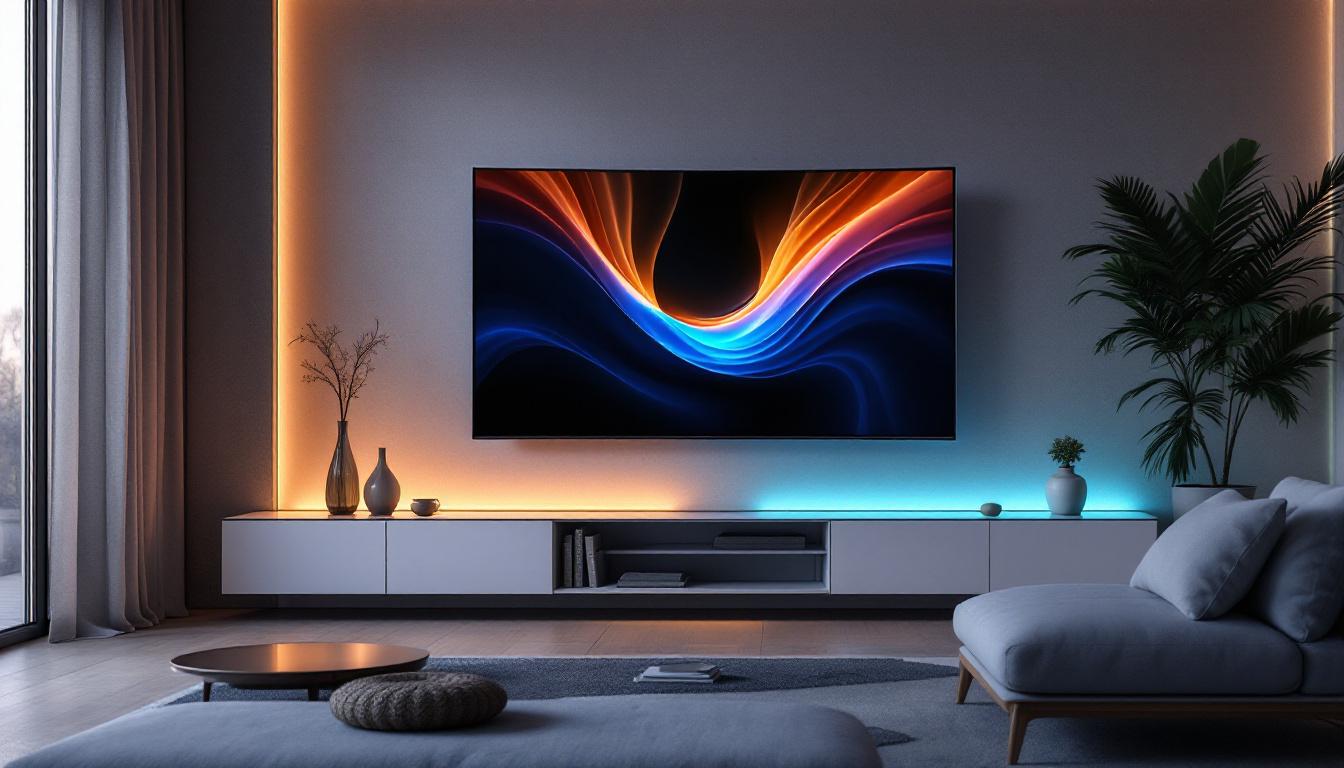
Curved Screen TV Wall Mount: LED Display Explained
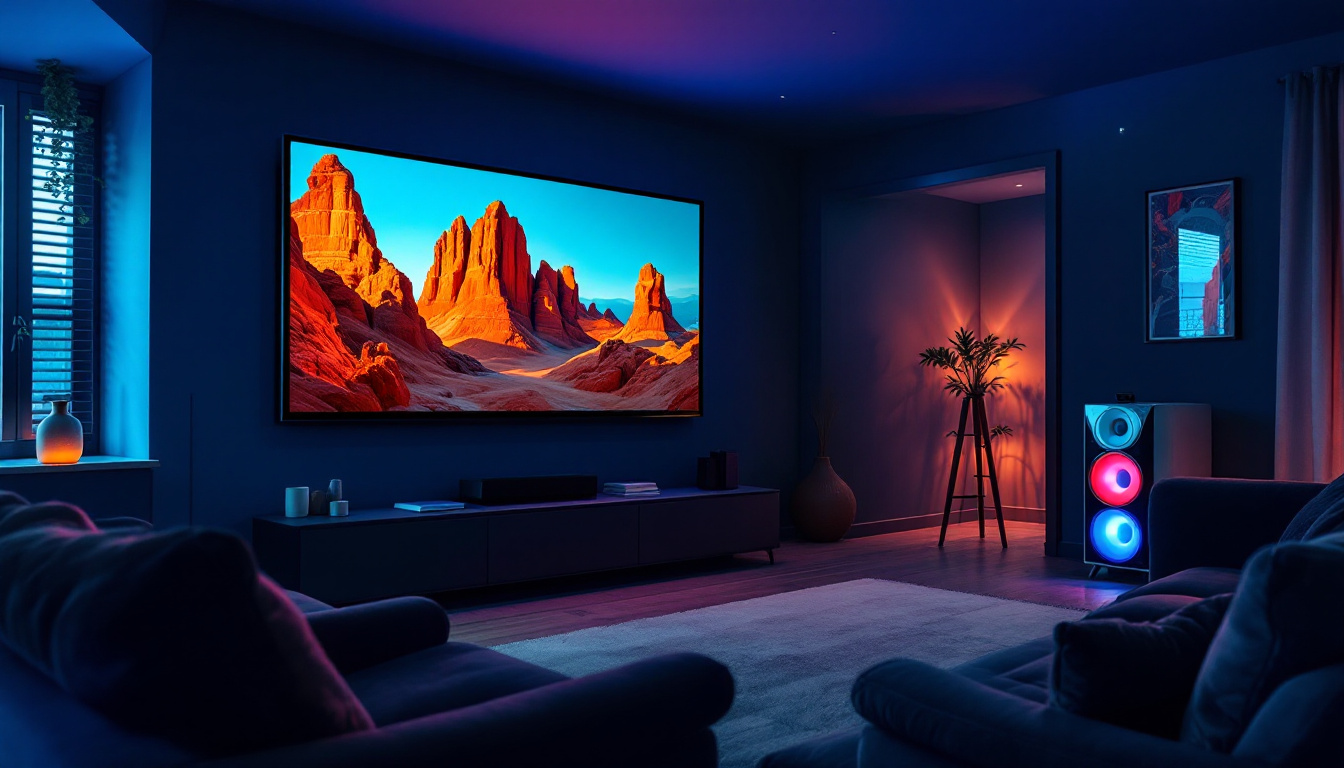
Curved screen TVs have become increasingly popular in recent years, offering a more immersive viewing experience and a sleek, modern aesthetic. However, mounting these TVs on a wall requires special considerations to ensure safety, optimal viewing angles, and preservation of the TV’s unique design. This article explores the intricacies of curved screen TV wall mounts, focusing on LED display technology, mounting options, and practical tips for installation and maintenance.
Understanding Curved Screen TVs and LED Displays
What Makes Curved Screen TVs Unique?
Curved screen TVs differ from traditional flat-panel displays by featuring a subtle inward curve that wraps around the viewer’s field of vision. This curvature is designed to enhance immersion by reducing distortion and providing a more uniform viewing distance across the screen. The curve typically ranges between 1800R and 4000R, where the “R” stands for radius of curvature in millimeters. A smaller number indicates a more pronounced curve.
The curved design also minimizes glare and reflections from ambient light sources, which can be a significant advantage in brightly lit rooms. This makes curved TVs particularly appealing for home theaters and gaming setups where visual quality is paramount.
LED Display Technology in Curved TVs
Most curved TVs on the market today use LED (Light Emitting Diode) technology, specifically LED-backlit LCD panels. LED displays offer several benefits, including energy efficiency, thinner panels, and improved brightness compared to older LCD technologies. The LED backlighting can be edge-lit or direct-lit, with direct-lit providing better contrast and uniformity.
Recent advancements have also introduced OLED (Organic LED) curved displays, which provide superior contrast ratios and color accuracy due to their self-emissive pixels. However, OLED curved TVs tend to be more expensive and less common than their LED counterparts.
Why Wall Mounting Curved Screen TVs Requires Special Attention
Challenges of Mounting a Curved Screen TV
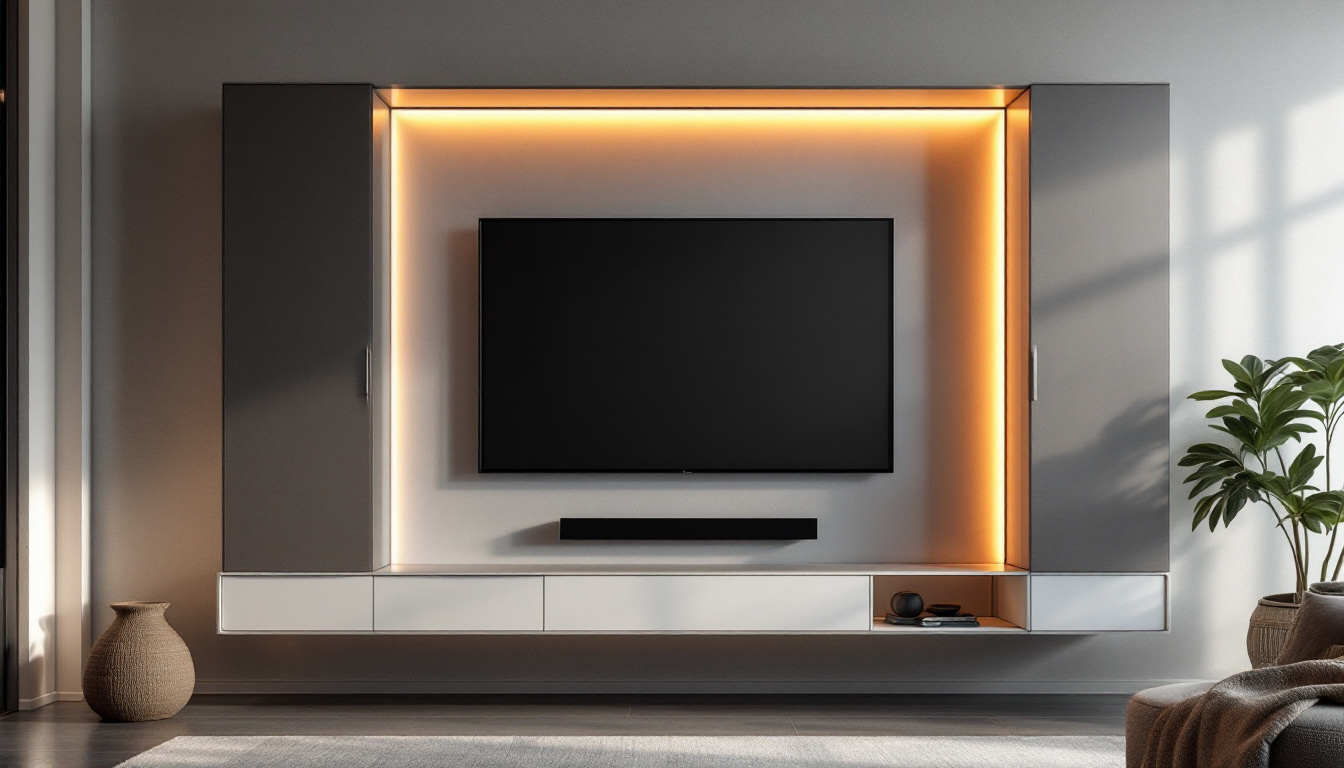
Unlike flat TVs, curved screens do not sit flush against a wall. The curvature creates a natural gap between the center of the screen and the wall surface. This gap can complicate mounting, as standard flat mounts may not provide the necessary support or alignment.
Additionally, the weight distribution of curved TVs can differ slightly from flat models, requiring mounts that can handle these nuances without risking damage to the TV or the wall. Improper mounting can lead to stress on the screen, potentially causing warping or even cracking over time.
Importance of Proper Viewing Angles
The curved design aims to optimize the viewer’s angle by wrapping the screen around their line of sight. When mounted incorrectly, the benefits of this design can be lost. For example, if the TV is mounted too high or too low, the curvature may cause distortion or color shifts.
Wall mounts that offer tilt and swivel functionality are ideal for curved TVs because they allow fine adjustments to the viewing angle. This flexibility ensures that the viewer can sit at the optimal position relative to the curve, maximizing the immersive experience.
Types of Wall Mounts Suitable for Curved Screen TVs
Fixed Wall Mounts
Fixed mounts hold the TV close to the wall with no movement options. While these mounts are typically the most affordable and offer a clean look, they are less suited for curved TVs because the curvature creates a gap that fixed mounts cannot accommodate effectively.
Using a fixed mount on a curved TV may result in uneven pressure on the screen edges or an awkward viewing angle. Therefore, fixed mounts are generally recommended only if the wall and room setup allow for perfect alignment and viewing height.
Tilting Wall Mounts
Tilting mounts allow the TV to be angled up or down, which can help reduce glare and improve viewing comfort. For curved TVs, tilting mounts are a better option than fixed mounts because they provide some flexibility to adjust the screen’s position relative to the viewer.
These mounts typically extend slightly from the wall, which helps accommodate the curvature and prevents the TV from pressing too closely against the wall surface.
Full-Motion (Articulating) Wall Mounts
Full-motion mounts offer the greatest flexibility, allowing the TV to be tilted, swiveled, and extended away from the wall. This type of mount is ideal for curved screen TVs because it enables viewers to adjust the TV to the perfect angle and distance, preserving the immersive experience.
While full-motion mounts tend to be more expensive and require more robust wall anchors, they provide the best solution for rooms with multiple seating areas or where the TV needs to be repositioned frequently.
How to Choose the Right Wall Mount for Your Curved LED TV
Consider the TV Size and Weight
Wall mounts are rated for specific TV sizes and weight capacities. Curved TVs can sometimes be heavier than flat-screen counterparts due to additional structural components needed to support the curve. Always check the manufacturer’s specifications for both the TV and the wall mount to ensure compatibility.
For example, a 65-inch curved LED TV may weigh between 40 to 60 pounds, so selecting a mount rated for at least 75 pounds provides a safe margin. Overestimating the weight capacity is better than underestimating to avoid accidents.
Check the VESA Mounting Pattern
The VESA (Video Electronics Standards Association) mounting pattern refers to the standardized hole pattern on the back of the TV used for mounting. Curved TVs follow the same VESA standards as flat TVs, but the hole placement may be slightly different due to the curvature.
Before purchasing a mount, verify the VESA pattern on your TV (e.g., 400 x 400 mm) and ensure the mount supports it. Many mounts come with adjustable brackets to accommodate different VESA sizes, which is especially helpful for curved TVs.
Account for Wall Type and Installation Location
The type of wall where the TV will be mounted—drywall, concrete, brick, or wood studs—affects the choice of mounting hardware. Curved TVs require secure mounting to prevent movement or damage, so using appropriate anchors and screws is critical.
Stud mounting is generally preferred for drywall installations, as it provides the strongest support. For concrete or brick walls, specialized anchors are necessary. Consulting with a professional installer can ensure the mount is safely secured.
Installation Tips for Curved Screen TV Wall Mounts
Measure and Mark Precisely
Accurate measurements are essential when mounting a curved TV. Start by determining the ideal viewing height—typically, the center of the screen should be at eye level when seated. Use a level and measuring tape to mark the mounting points on the wall precisely.
Because of the curve, it’s important to ensure the TV will be centered and aligned properly. Double-check measurements before drilling any holes.
Use Proper Tools and Hardware
Having the right tools—such as a drill, stud finder, screwdriver, and level—makes the installation process smoother and safer. Use the mounting hardware provided with the wall mount, as it is designed to support the specific mount and TV combination.
If the hardware is not included or if additional anchors are needed, purchase high-quality components rated for the TV’s weight and wall type.
Consider Cable Management Solutions
Curved TVs often have ports located at the back center or edges, and the curvature can make cable connections less accessible. Plan for cable management by using raceways, clips, or in-wall cable conduits to keep cables organized and hidden.
Proper cable management not only improves aesthetics but also prevents cables from being strained or damaged during adjustments to the mount.
Maintaining Your Curved LED TV After Wall Mounting
Regular Cleaning and Dusting
Curved screens can accumulate dust and fingerprints more noticeably due to their shape. Use a microfiber cloth and a gentle screen cleaner specifically designed for LED displays to clean the screen regularly. Avoid harsh chemicals or abrasive materials that could damage the screen coating.
Dust around the mount and cables to prevent buildup that could affect ventilation or cause overheating.
Check Mount Stability Periodically
Over time, wall mounts can loosen due to vibrations or accidental bumps. It’s good practice to check the mount’s screws and anchors every six months to ensure everything remains tight and secure.
If any signs of wear or instability appear, address them immediately to prevent accidents or damage to the TV.
The Future of Curved Screen TVs and Wall Mounting Solutions
Emerging Technologies and Trends
As display technology continues to evolve, curved TVs are expected to become thinner, lighter, and more flexible. Innovations in mounting solutions will likely focus on enhancing ease of installation, improving cable management, and integrating smart home connectivity.
Some manufacturers are already experimenting with magnetic mounts and wireless power transmission, which could revolutionize how curved TVs are mounted and powered in the future.
Why Curved TVs Remain a Popular Choice
Despite the rise of alternative display formats like ultra-wide and microLED, curved TVs maintain a strong appeal due to their immersive viewing experience and distinctive design. For consumers seeking a cinematic feel in their living rooms or dedicated media spaces, curved LED TVs combined with the right wall mount offer a compelling solution.
Understanding the technical and practical aspects of mounting these displays ensures users can enjoy their investment safely and comfortably for years to come.
Conclusion
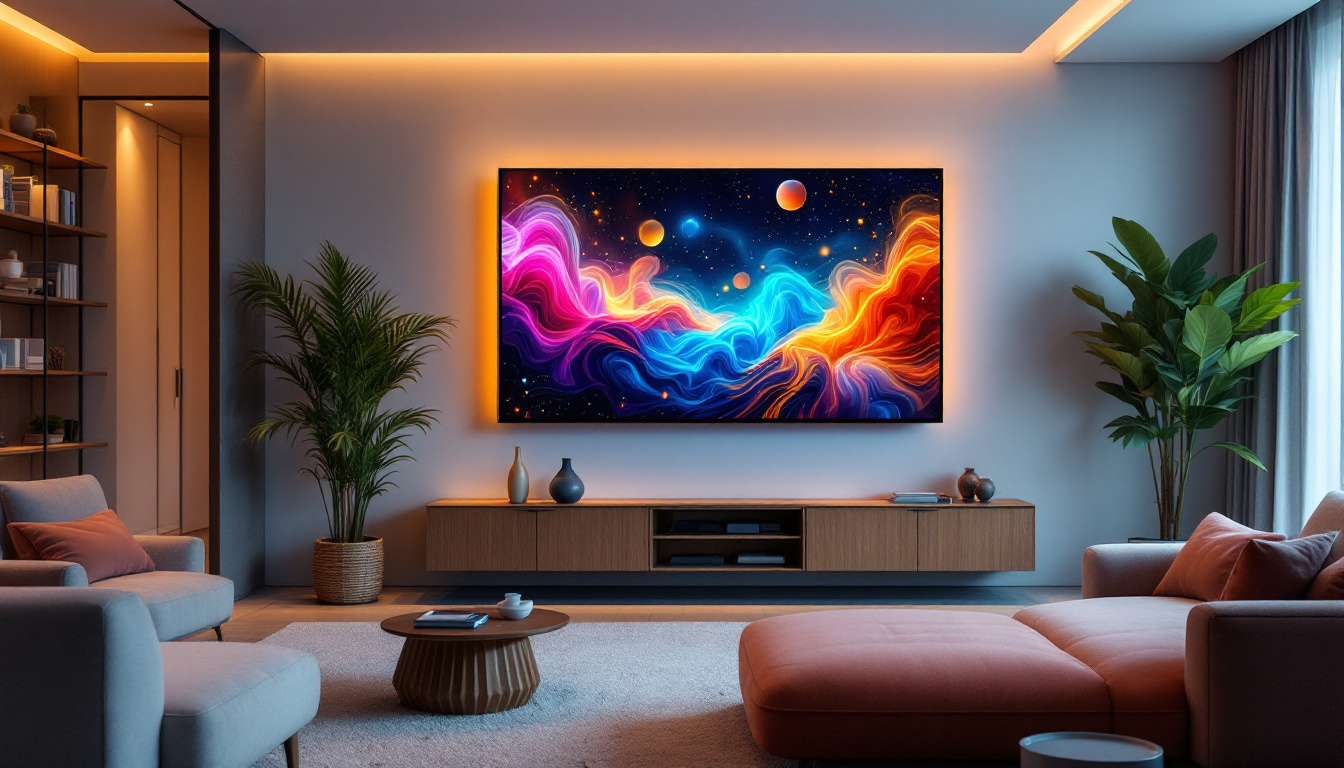
Mounting a curved screen LED TV on the wall is a task that requires careful consideration of the TV’s unique shape, weight, and mounting requirements. Selecting the appropriate wall mount—preferably a tilting or full-motion type—ensures the TV is securely supported and positioned for optimal viewing angles.
By understanding LED display technology, the challenges of curved screens, and installation best practices, consumers can enhance their home entertainment setup with confidence. With proper care and maintenance, a curved screen TV wall mount can provide a stunning, immersive viewing experience that elevates any living space.
Discover the Ultimate Viewing Experience with LumenMatrix
Ready to take your home entertainment to the next level? LumenMatrix offers a wide range of cutting-edge LED display solutions that will transform your space into a captivating visual haven. From immersive Indoor LED Wall Displays to dynamic Outdoor LED Wall Displays and beyond, our innovative technology is designed to bring your viewing experience to life with unparalleled clarity and impact. Don’t just watch—immerse yourself in the action with LumenMatrix. Check out LumenMatrix LED Display Solutions today and see the difference for yourself.