In today’s fast-paced digital world, capturing consumer attention is more challenging than ever. Marketing displays have evolved significantly, and among the most dynamic and impactful tools are LED displays. From retail environments to large-scale outdoor advertising, LED technology offers vibrant, flexible, and cost-effective solutions that revolutionize how brands communicate with their audiences.
This article delves into the intricacies of LED displays, exploring their technology, applications, benefits, and future trends. Whether you’re a marketer, business owner, or technology enthusiast, understanding LED displays is essential for leveraging their full potential in your marketing strategy.
Understanding LED Display Technology
What is an LED Display?
LED stands for Light Emitting Diode, a semiconductor device that emits light when an electric current passes through it. An LED display is a flat panel display that uses an array of these tiny LEDs as pixels to create images, videos, or text. Unlike traditional LCD or plasma screens, LED displays generate their own light, resulting in higher brightness and better contrast. This self-illuminating feature not only enhances visibility in various lighting conditions but also contributes to energy efficiency, making LED displays a more sustainable choice compared to their predecessors.
LED displays come in various forms, including indoor and outdoor panels, flexible screens, and even transparent displays. Their modular design allows for customization in size and shape, making them suitable for diverse marketing environments. Additionally, the lightweight nature of LED technology enables easier installation and transportation, further broadening their application in both permanent and temporary setups, such as exhibitions and trade shows.
Types of LED Displays
There are several types of LED displays, each designed for specific applications:
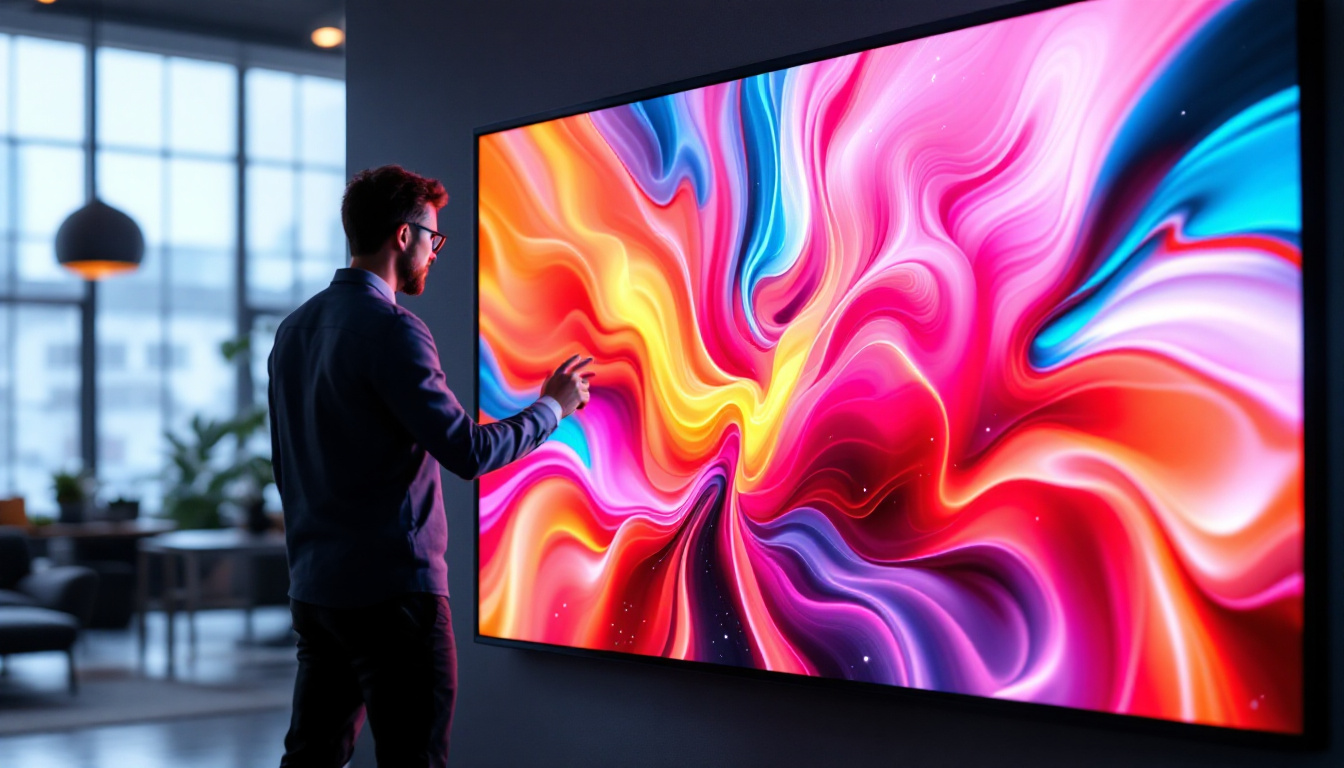
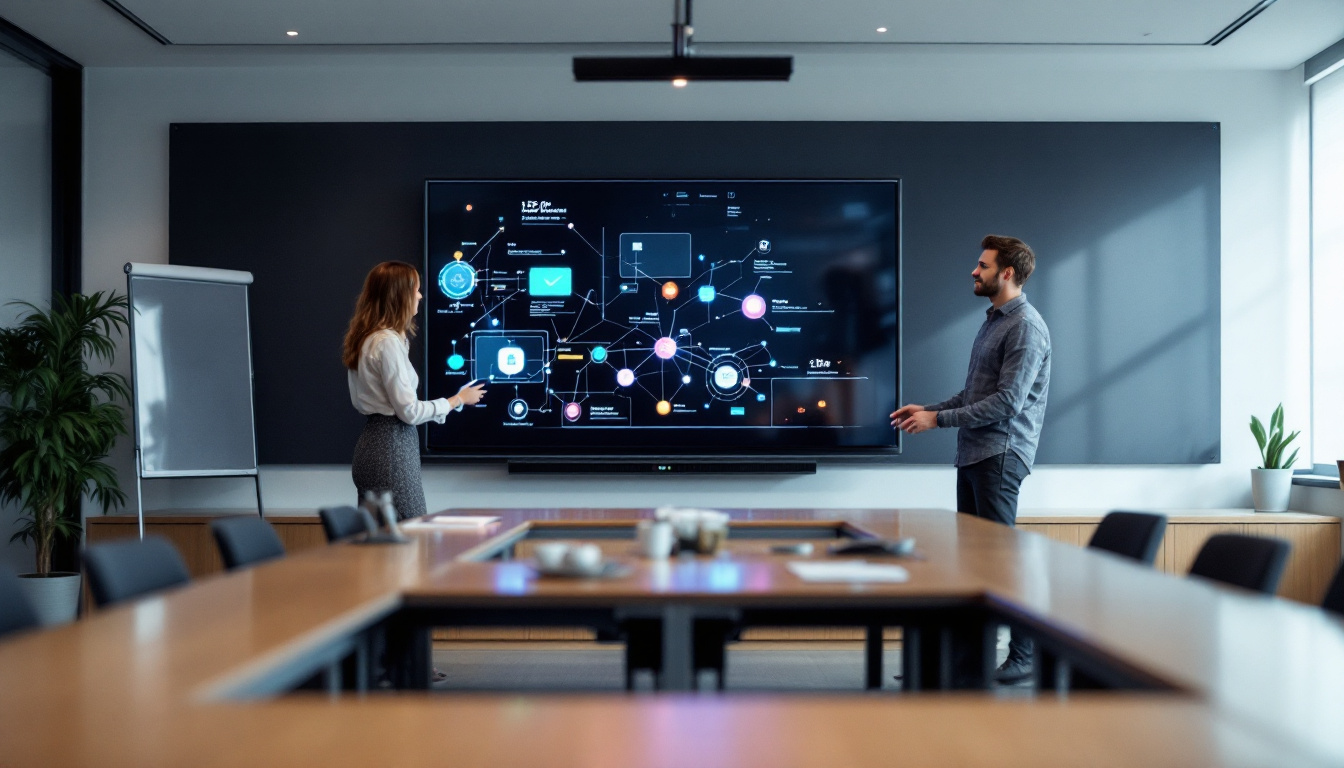
- Indoor LED Displays: These are used in retail stores, conference rooms, and event venues. They offer high resolution and brightness optimized for controlled lighting conditions, ensuring that content is vibrant and engaging. Indoor displays often incorporate advanced features such as touch interactivity and high-definition video playback, enhancing user experience and engagement.
- Outdoor LED Displays: Built to withstand weather elements, these displays are brighter and more durable, ideal for billboards, stadiums, and public spaces. Outdoor LED displays are engineered with protective coatings and robust housings to resist moisture, dust, and UV radiation, ensuring longevity and consistent performance even in harsh environments.
- Flexible LED Displays: These innovative displays can bend and curve, enabling creative installations on curved surfaces or wearable technology. Their adaptability allows designers to push the boundaries of traditional display formats, creating immersive experiences in places like art installations, concerts, and fashion shows.
- Transparent LED Displays: Allowing light to pass through, these displays are perfect for shop windows and architectural features where maintaining visibility is important. They provide a unique opportunity for advertisers to showcase dynamic content without obstructing the view of the products behind the glass, merging functionality with aesthetic appeal.
How LED Displays Work
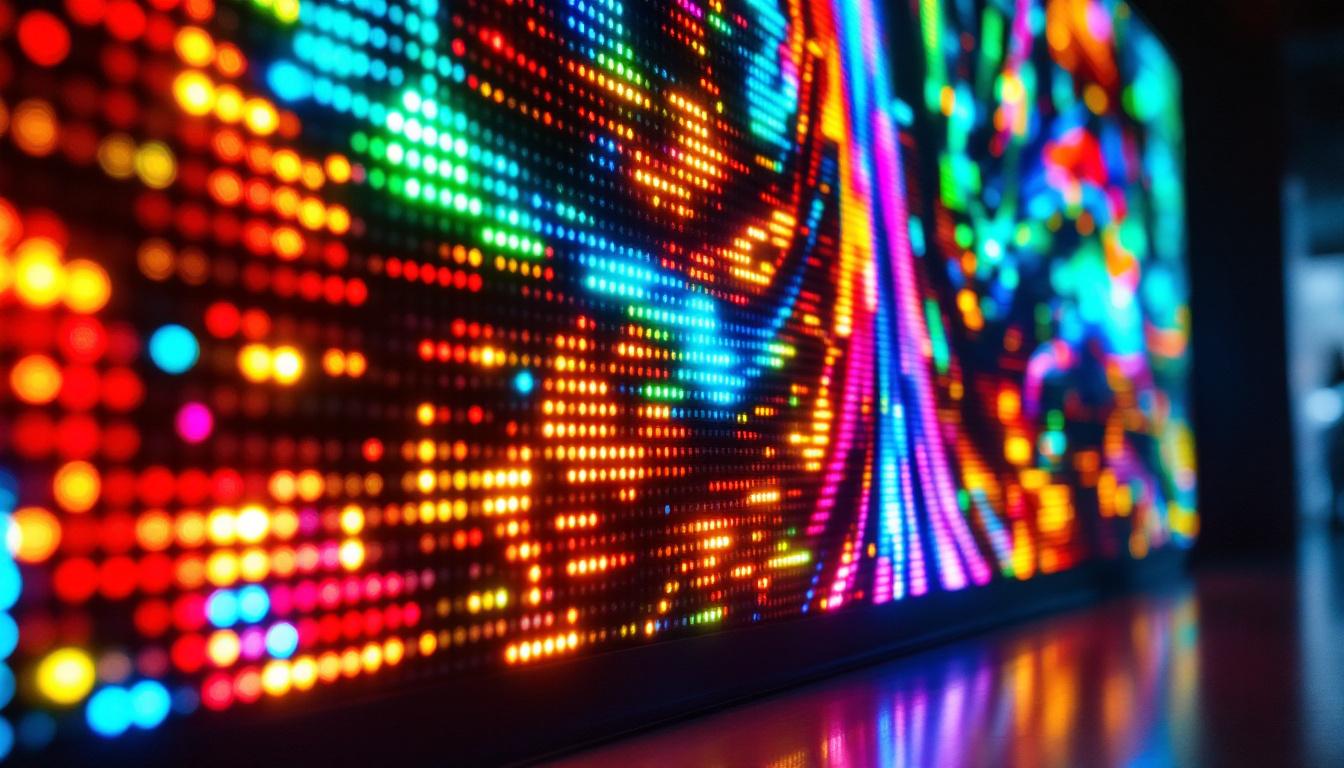
Each pixel on an LED display consists of red, green, and blue LEDs. By varying the intensity of these three colors, the display can produce a wide spectrum of colors. The control system manages these LEDs in real-time, allowing for dynamic content such as videos, animations, and interactive elements. This capability is particularly valuable in environments where attention-grabbing visuals are essential, such as in advertising and entertainment venues.
The resolution of an LED display depends on the pixel pitch—the distance between the centers of two adjacent pixels. Smaller pixel pitches yield higher resolution and sharper images, which is crucial for close-up viewing environments. Furthermore, advancements in LED technology have led to the development of high-density displays, which can achieve remarkable clarity and detail, making them ideal for applications like digital signage in retail and high-end presentations in corporate settings.
Applications of LED Displays in Marketing
Retail and In-Store Advertising
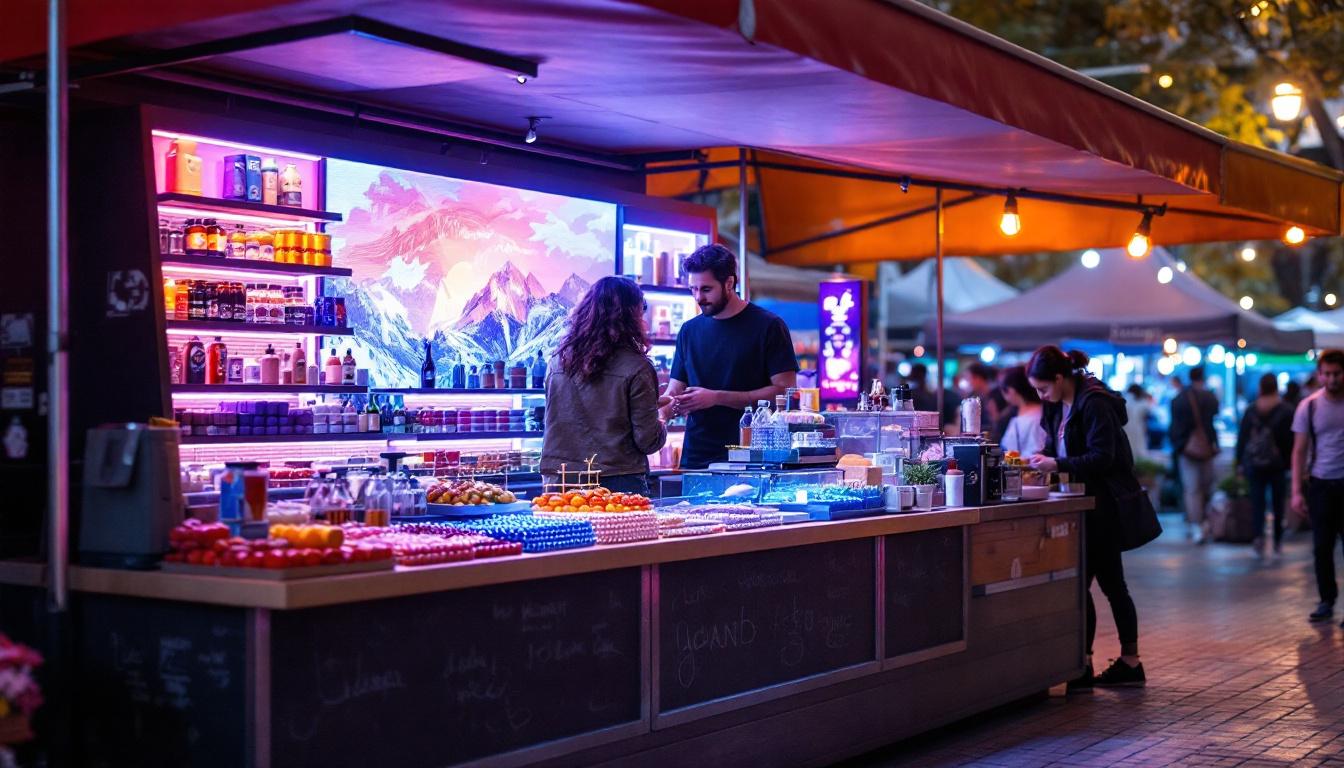
LED displays have transformed retail marketing by enabling eye-catching digital signage that attracts customers and enhances the shopping experience. Retailers use LED screens to showcase promotions, new products, and brand stories in vivid detail.
For example, fashion retailers often deploy high-resolution indoor LED walls to display runway videos or seasonal campaigns, creating an immersive atmosphere. The ability to update content instantly also allows retailers to tailor messages based on time of day, inventory levels, or customer demographics.
Moreover, the integration of LED displays with mobile apps has opened new avenues for personalized marketing. Retailers can send notifications to customers’ smartphones, prompting them to check out specific promotions displayed on nearby screens. This synergy between digital signage and mobile technology not only enhances customer engagement but also drives foot traffic to stores, ultimately increasing sales. Additionally, the use of LED displays for interactive experiences, such as virtual fitting rooms or product customization stations, further enriches the shopping journey, making it more memorable and enjoyable for consumers.
Outdoor Advertising and Billboards
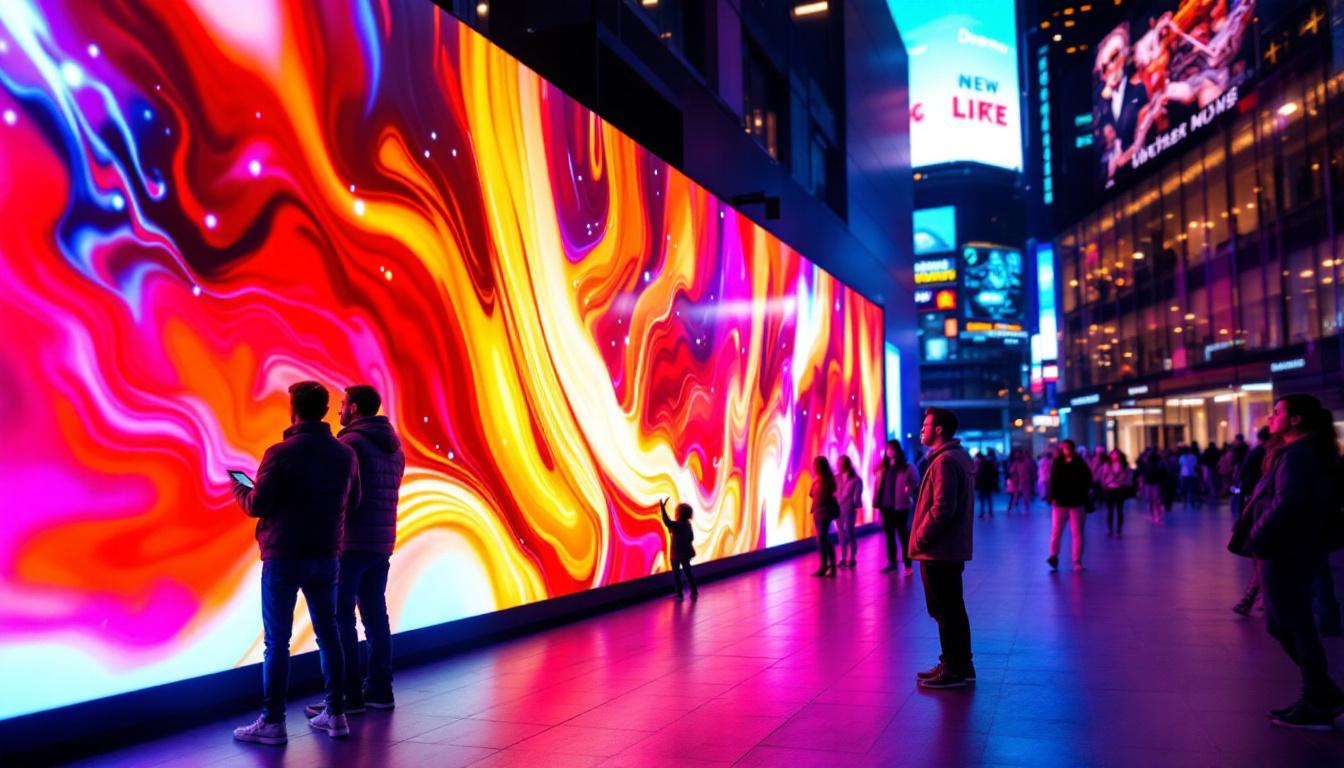
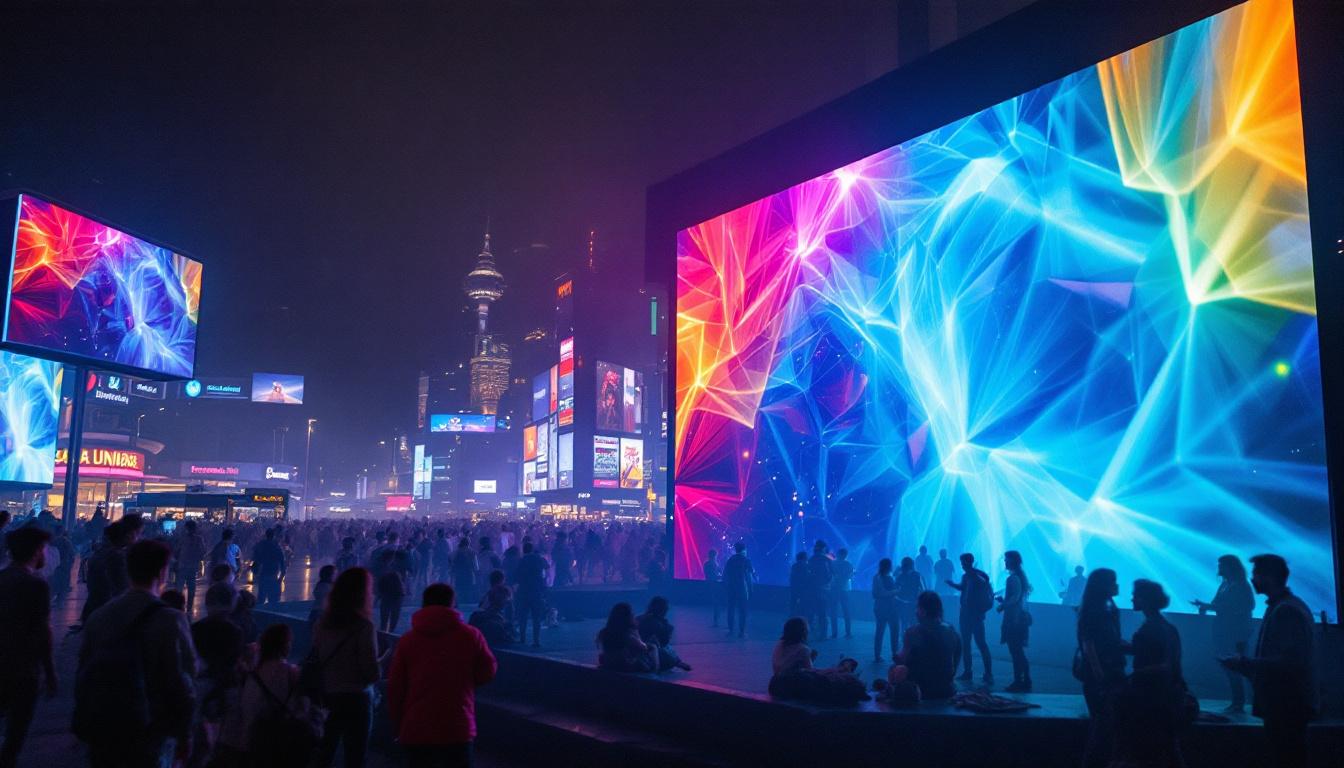
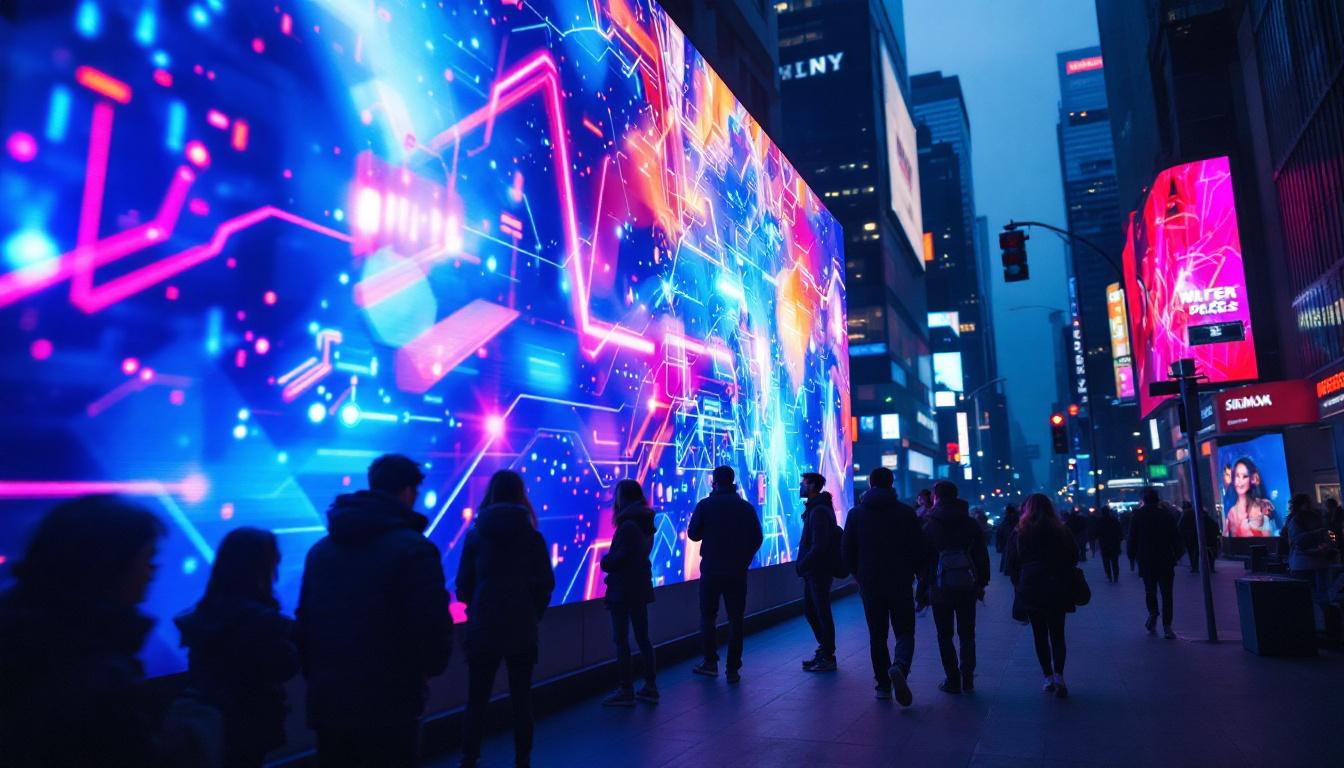
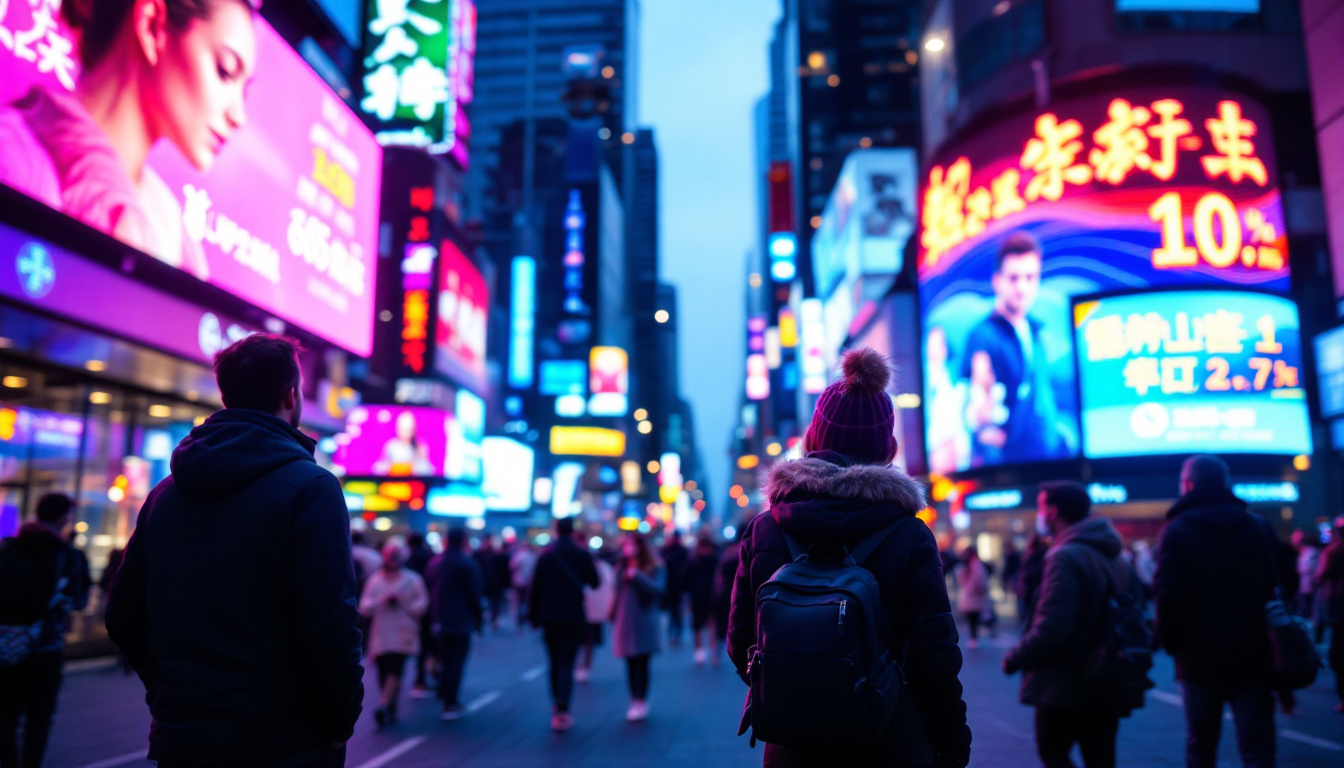
Outdoor LED billboards are among the most visible marketing tools in urban environments. Their brightness and clarity make them effective even in direct sunlight, while their durability ensures consistent performance regardless of weather.
According to recent industry reports, the global digital out-of-home (DOOH) advertising market, which heavily relies on LED displays, is projected to reach over $30 billion by 2026. This growth is driven by the increasing demand for dynamic and targeted advertising solutions.
Furthermore, LED billboards can be programmed to display multiple advertisements in a rotating schedule, maximizing exposure for various brands while minimizing costs. This flexibility allows advertisers to target specific demographics at different times of the day, such as promoting coffee shops during morning commutes or nightlife events in the evening. The ability to track engagement through analytics also provides valuable insights into audience behavior, enabling marketers to refine their strategies and improve ad performance over time. As cities continue to embrace smart technology, the integration of LED displays with data-driven marketing will likely become even more prevalent, paving the way for innovative advertising solutions.
Events, Exhibitions, and Trade Shows
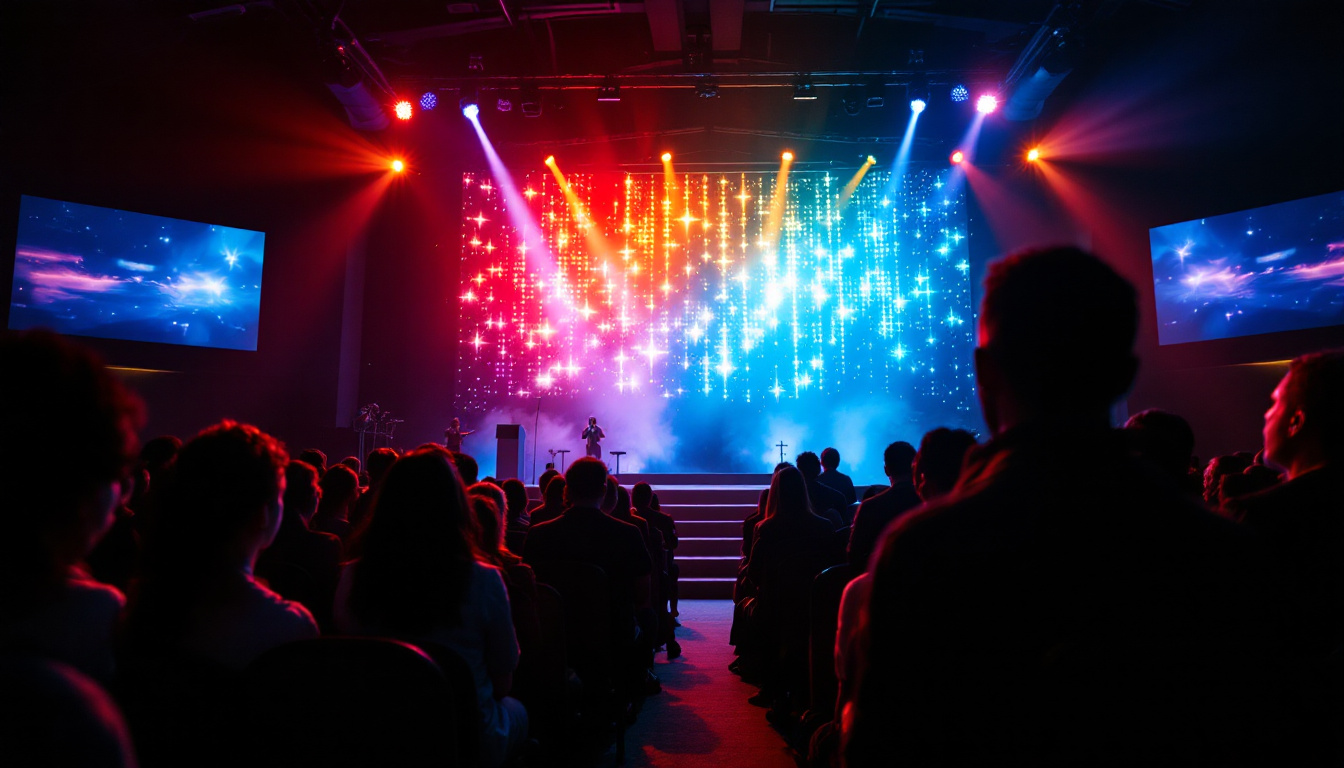
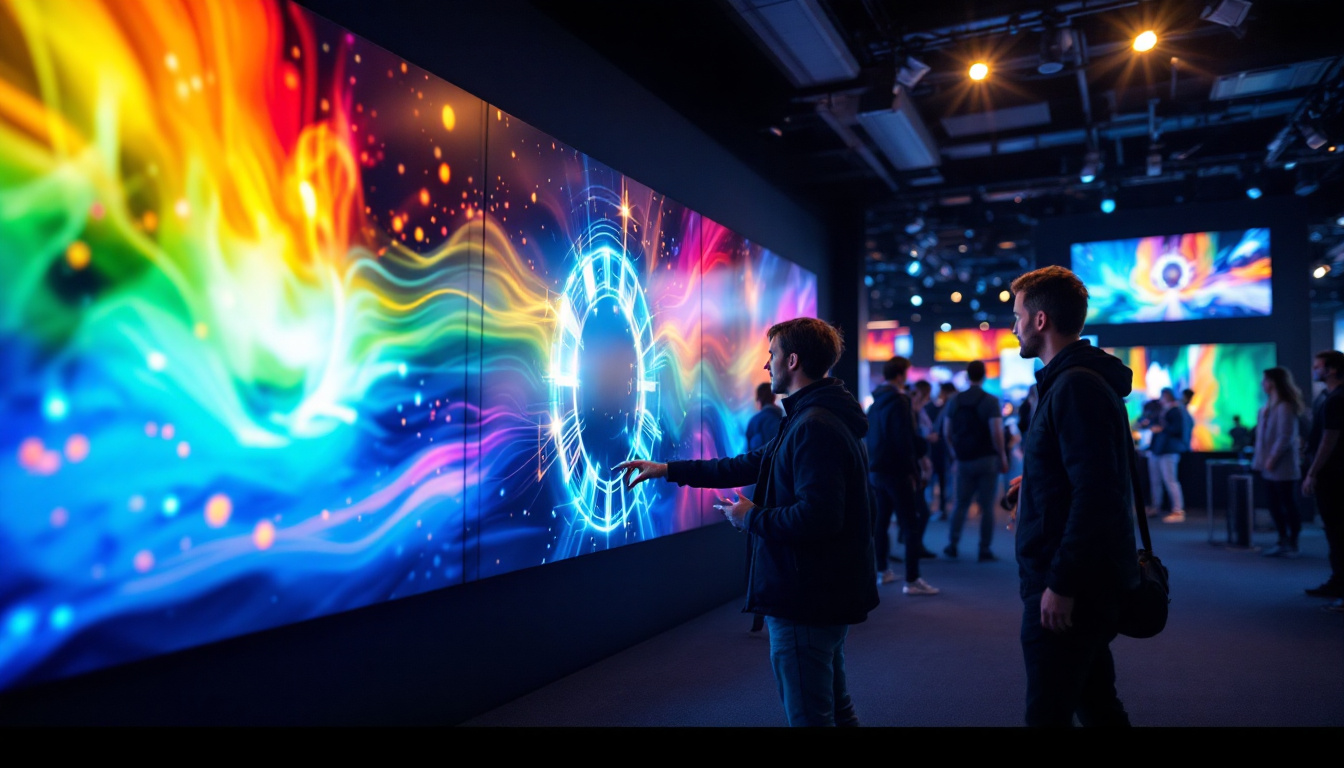
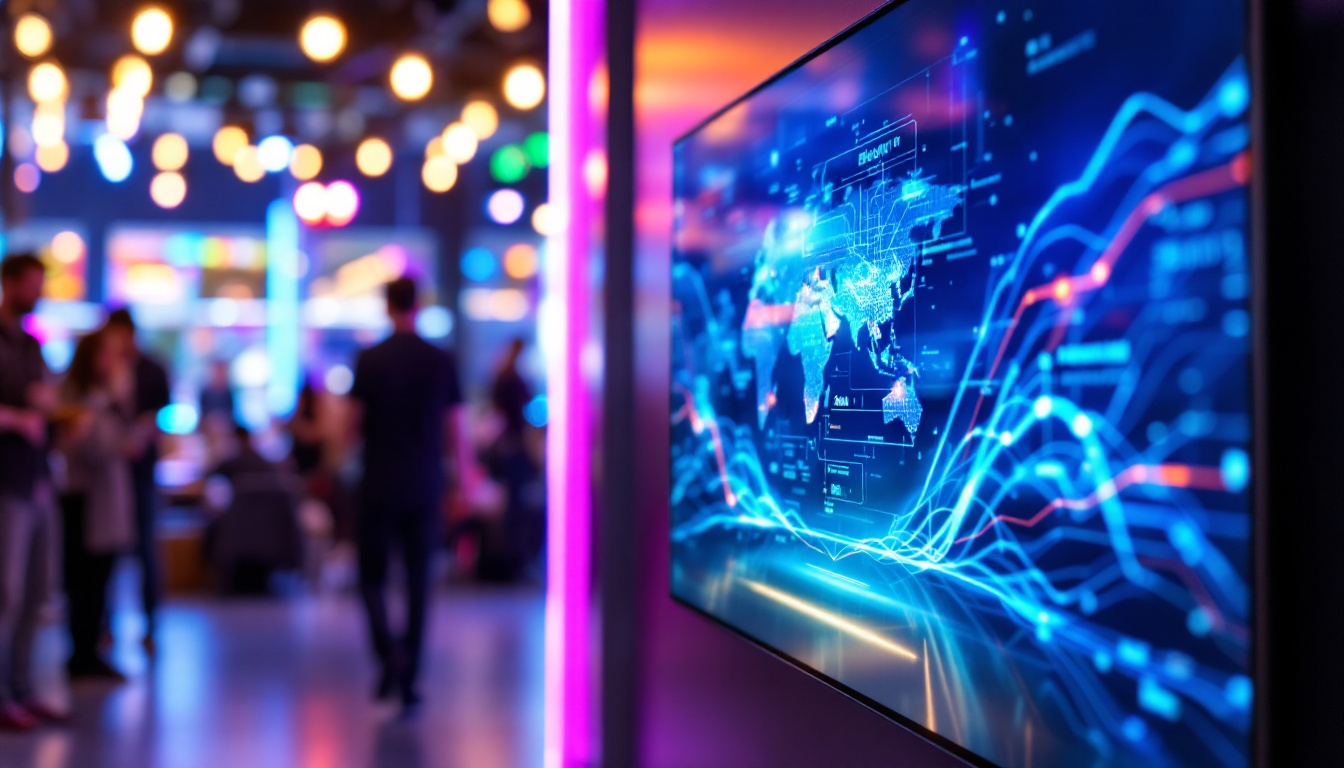
LED displays are indispensable in event marketing. Their versatility allows for large-scale video walls, stage backdrops, and interactive kiosks that captivate audiences and convey brand messages powerfully.
Trade shows benefit from LED displays by attracting visitors to booths and providing engaging product demonstrations. The ability to integrate touchscreens and motion sensors with LED technology further enhances interactivity and engagement.
In addition to their visual appeal, LED displays can also serve as platforms for live social media feeds, allowing brands to showcase real-time interactions and user-generated content during events. This not only fosters a sense of community among attendees but also encourages participation and sharing, amplifying the event’s reach beyond its physical location. Moreover, the use of augmented reality (AR) in conjunction with LED displays can create immersive experiences that leave lasting impressions on attendees, making brands more memorable and increasing the likelihood of follow-up engagement.
Transportation Hubs and Public Spaces
Airports, train stations, and shopping malls utilize LED displays for both informational and advertising purposes. These displays provide real-time updates while promoting brands and services to a diverse audience.
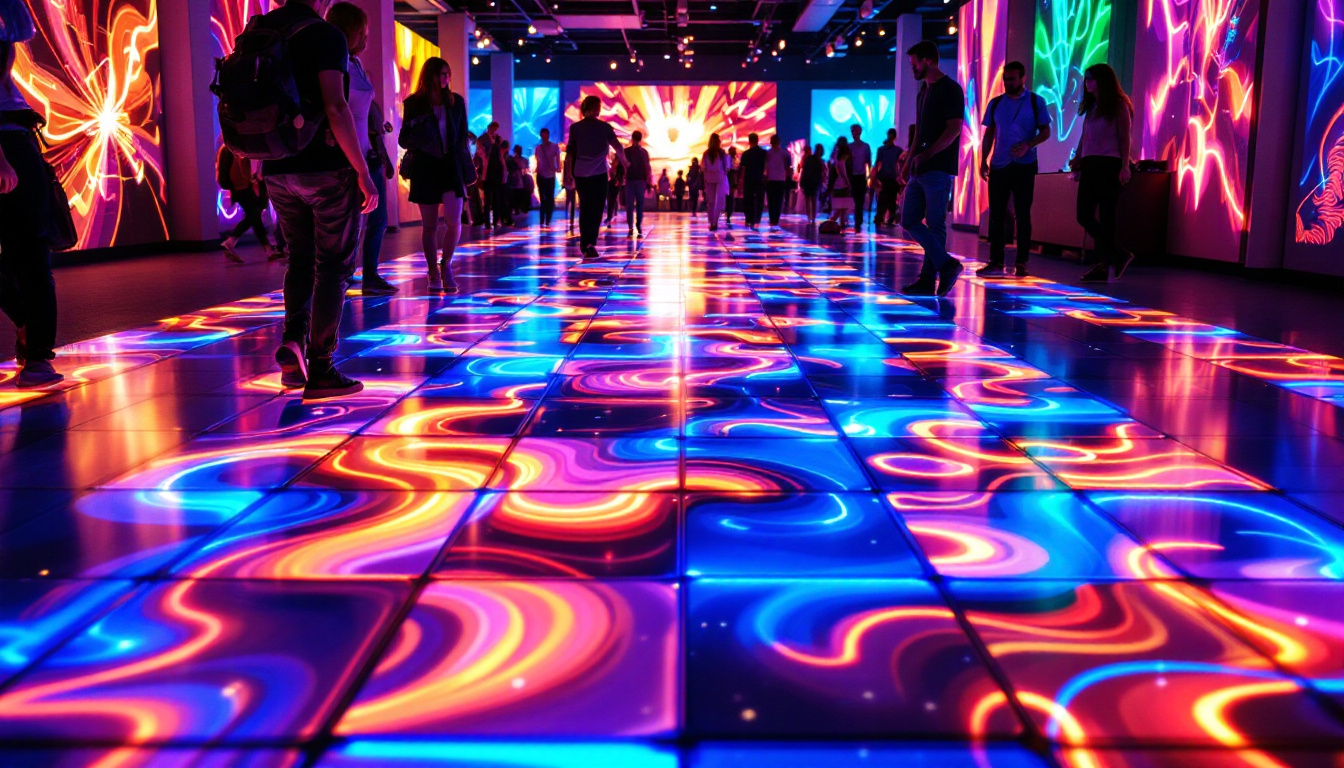
Interactive LED screens in public spaces also offer unique opportunities for experiential marketing, encouraging passersby to interact with content and share their experiences on social media.
Moreover, the strategic placement of LED displays in high-traffic areas can significantly enhance brand visibility and awareness. For instance, airports often feature large LED screens in departure lounges, where travelers spend considerable time waiting. By displaying engaging content, brands can capture the attention of a captive audience, making it an ideal environment for advertising. Additionally, the use of LED displays for wayfinding and navigation in public spaces not only aids in enhancing the user experience but also provides brands with the opportunity to integrate advertisements seamlessly into essential information, creating a win-win situation for both consumers and advertisers.
Benefits of LED Displays for Marketing
High Visibility and Impact
One of the most significant advantages of LED displays is their brightness and color vibrancy. They can achieve luminance levels up to 10,000 nits, far surpassing traditional display technologies. This ensures that marketing messages stand out in any lighting condition, from dim indoor settings to bright outdoor environments.
Dynamic and Flexible Content
Unlike static billboards or printed posters, LED displays allow marketers to change content instantly. This flexibility supports real-time promotions, seasonal campaigns, and targeted messaging based on audience data or external factors like weather and events.
Dynamic content also enables storytelling through video, animation, and interactive elements, which are proven to increase consumer engagement and recall.
Cost Efficiency Over Time
While the initial investment in LED displays can be higher than traditional signage, the long-term benefits often outweigh the costs. LED displays reduce printing and installation expenses, minimize waste, and extend the lifespan of marketing assets.
Moreover, energy-efficient LED technology lowers operational costs compared to older lighting systems, contributing to sustainability goals and corporate social responsibility.
Customization and Scalability
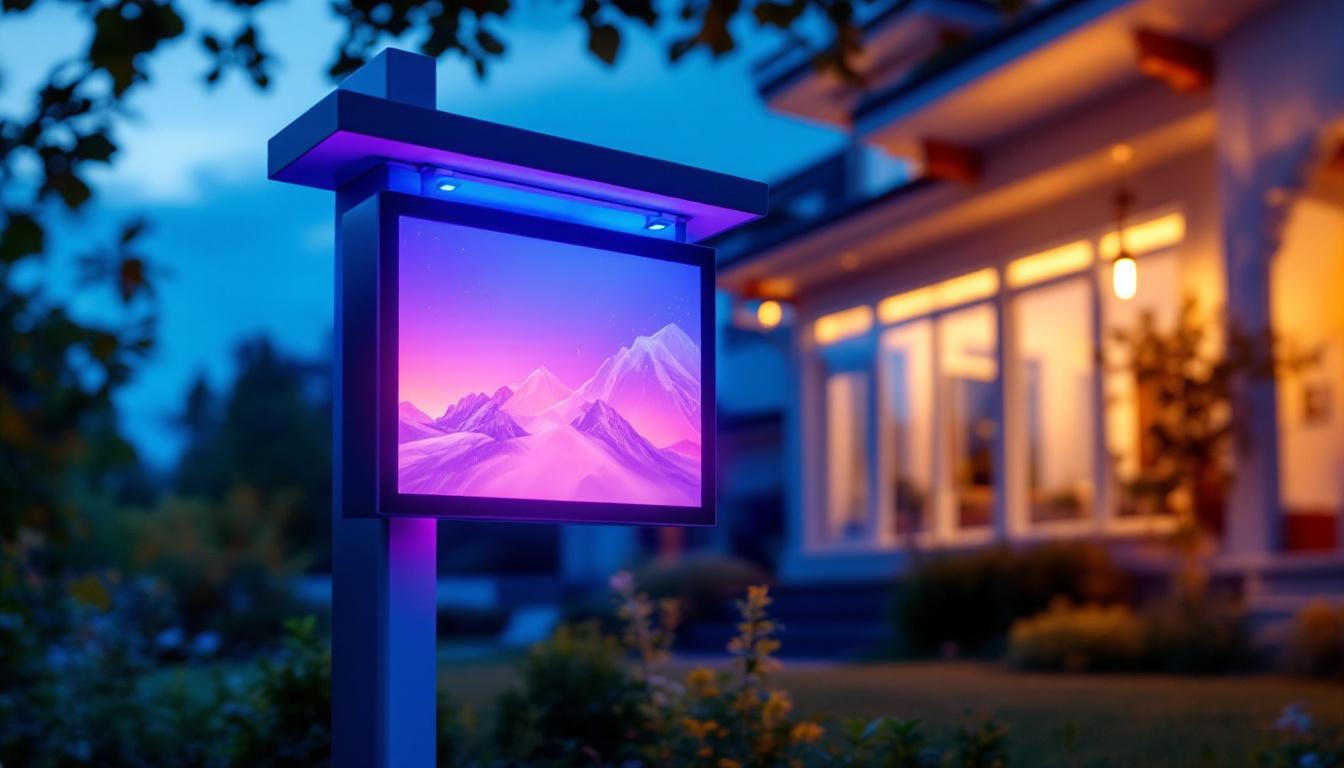
LED displays can be tailored to fit any space or design requirement. Modular panels allow for scalable installations, from small retail signs to massive stadium screens. This adaptability ensures that businesses of all sizes and industries can find suitable LED display solutions.
Key Considerations When Choosing LED Displays
Resolution and Pixel Pitch
Determining the appropriate resolution is critical to ensure content clarity. For close-viewing environments like retail stores, a pixel pitch of 1.5mm to 2.5mm is ideal. For outdoor billboards viewed from a distance, pixel pitches of 10mm or more are sufficient and more cost-effective.
Brightness and Viewing Angle
Brightness must be matched to the installation environment. Outdoor displays require higher brightness to combat sunlight, while indoor displays benefit from balanced luminance to avoid eye strain. Additionally, wide viewing angles ensure that content remains visible and vibrant from different perspectives.
Durability and Maintenance
Outdoor LED displays must be weatherproof and resistant to dust, moisture, and temperature fluctuations. IP ratings (Ingress Protection) indicate the level of protection, with IP65 or higher recommended for outdoor use.
Maintenance accessibility is another factor; modular designs facilitate easier repairs and upgrades, minimizing downtime and operational disruption.
Content Management Systems (CMS)
A robust CMS is essential for managing LED display content efficiently. Modern systems offer cloud-based platforms, scheduling tools, and analytics integration, enabling marketers to optimize campaigns and measure effectiveness.
Future Trends in LED Display Marketing
Integration with Artificial Intelligence and Data Analytics
AI-powered LED displays can analyze audience behavior and demographics in real-time, delivering personalized content that maximizes engagement. For instance, facial recognition and motion sensors can trigger specific advertisements based on viewer profiles or interactions.
Advancements in MicroLED and MiniLED Technologies
Emerging MicroLED and MiniLED technologies promise even higher resolution, better energy efficiency, and thinner form factors. These innovations will expand the possibilities for immersive and ultra-high-definition marketing displays.
Interactive and Immersive Experiences
Combining LED displays with augmented reality (AR), virtual reality (VR), and gesture control is creating new avenues for experiential marketing. Brands can offer consumers memorable, interactive experiences that deepen emotional connections and drive brand loyalty.
Sustainability and Energy Efficiency
As environmental concerns grow, LED display manufacturers are focusing on reducing energy consumption and using recyclable materials. Sustainable marketing displays not only reduce operational costs but also align with consumer values and corporate responsibility initiatives.
Conclusion
LED displays have become a cornerstone of modern marketing, offering unparalleled brightness, flexibility, and engagement opportunities. Their ability to deliver dynamic, high-impact content across various environments makes them indispensable for brands aiming to stand out in a crowded marketplace.
By understanding the technology, applications, and benefits of LED displays, marketers can make informed decisions that enhance their campaigns and drive business growth. As innovations continue to advance, LED displays will remain at the forefront of marketing technology, shaping the future of brand communication worldwide.
Discover LumenMatrix’s Innovative LED Display Solutions
As you consider the power of LED displays to transform your marketing efforts, LumenMatrix stands ready to elevate your brand’s impact. With our commitment to innovation and quality, we offer an extensive range of LED display solutions, including Indoor and Outdoor LED Wall Displays, Vehicle LED Displays, LED Poster Displays, LED Sports Displays, Floor LED Displays, Custom LED Displays, All-in-One LED Displays, and LED Transparent Displays. Embrace the future of visual communication with LumenMatrix and create experiences that not only engage but also inspire your audience. Check out LumenMatrix LED Display Solutions today and see how we can help you share your message with unparalleled clarity and vibrancy.