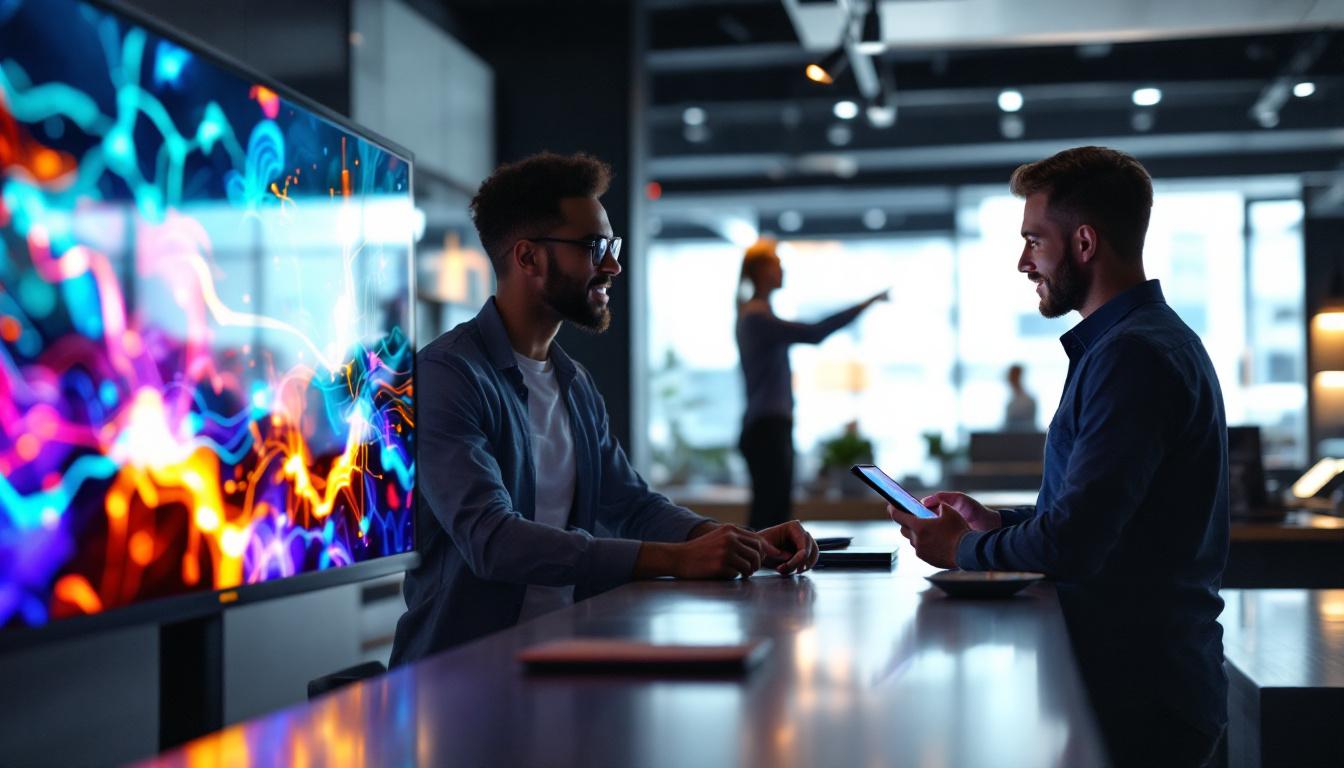
In today’s fast-paced digital world, LED displays have become an essential tool for businesses aiming to capture attention, communicate effectively, and enhance brand visibility. For professional sales representatives, understanding the intricacies of LED display technology is crucial to providing clients with tailored solutions that meet their marketing and operational needs. This article delves into the fundamentals of LED displays, their types, applications, and key considerations sales professionals must master to excel in this dynamic market.
Understanding LED Display Technology
What is an LED Display?
LED, or Light Emitting Diode, displays are screens that use tiny light-emitting diodes as pixels to create images, videos, and text. Unlike traditional LCD or plasma screens, LED displays offer superior brightness, energy efficiency, and durability, making them ideal for both indoor and outdoor use.
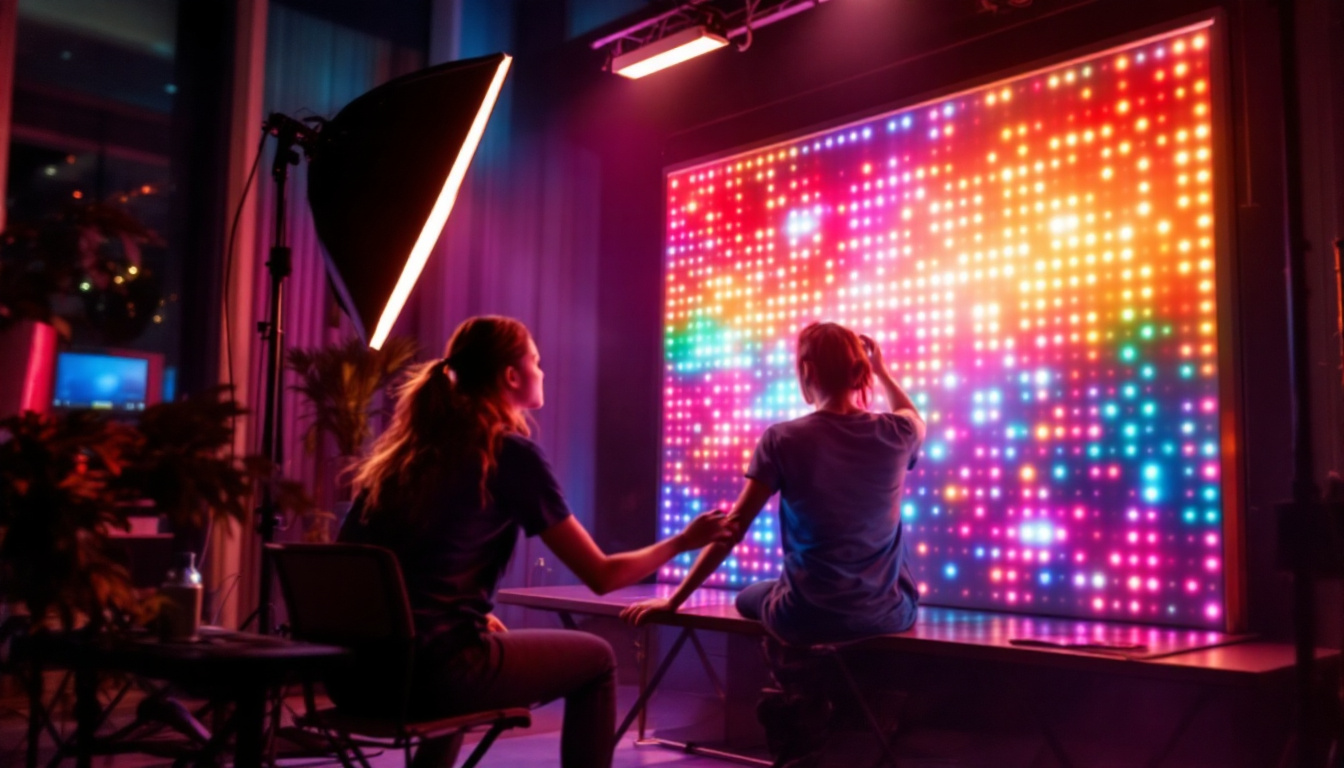
At the core of LED display technology are individual diodes that emit light when an electric current passes through them. These diodes can be arranged in various configurations, such as single-color, dual-color, or full-color (RGB), enabling a wide range of visual effects and clarity levels. The ability to produce vibrant colors and high contrast ratios makes LED displays stand out in environments with high ambient light.
Key Components of LED Displays
Understanding the components of an LED display helps sales representatives explain product benefits clearly. The main parts include:
- LED Modules: These are the building blocks of the display, containing arrays of LEDs arranged in a grid. Modules are combined to form larger screens.
- Driver ICs: Integrated circuits control the current flow to the LEDs, ensuring consistent brightness and color accuracy.
- Control System: This includes hardware and software that manage the content displayed, synchronize modules, and handle input signals.
- Power Supply: Provides the necessary energy for the LEDs and control systems to operate efficiently.
Types of LED Displays and Their Applications
Indoor vs. Outdoor LED Displays
One of the first distinctions to understand is the difference between indoor and outdoor LED displays. Each type is designed with specific requirements in mind, influencing brightness, pixel pitch, and durability.
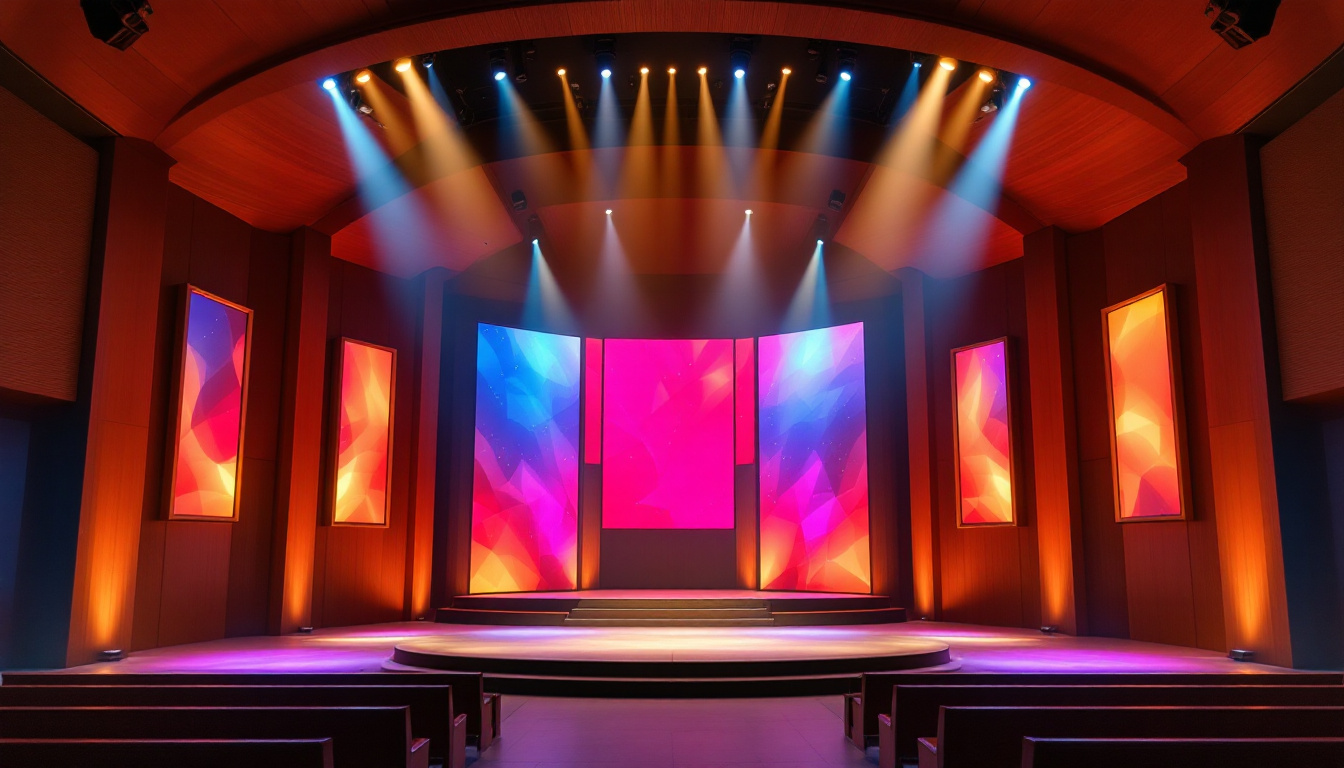
Indoor LED Displays are typically used in retail stores, conference rooms, airports, and event venues. They have a finer pixel pitch, often ranging from 1.2mm to 4mm, which allows for high-resolution images at close viewing distances. Indoor displays prioritize color accuracy and detail over brightness, as ambient lighting is controlled.
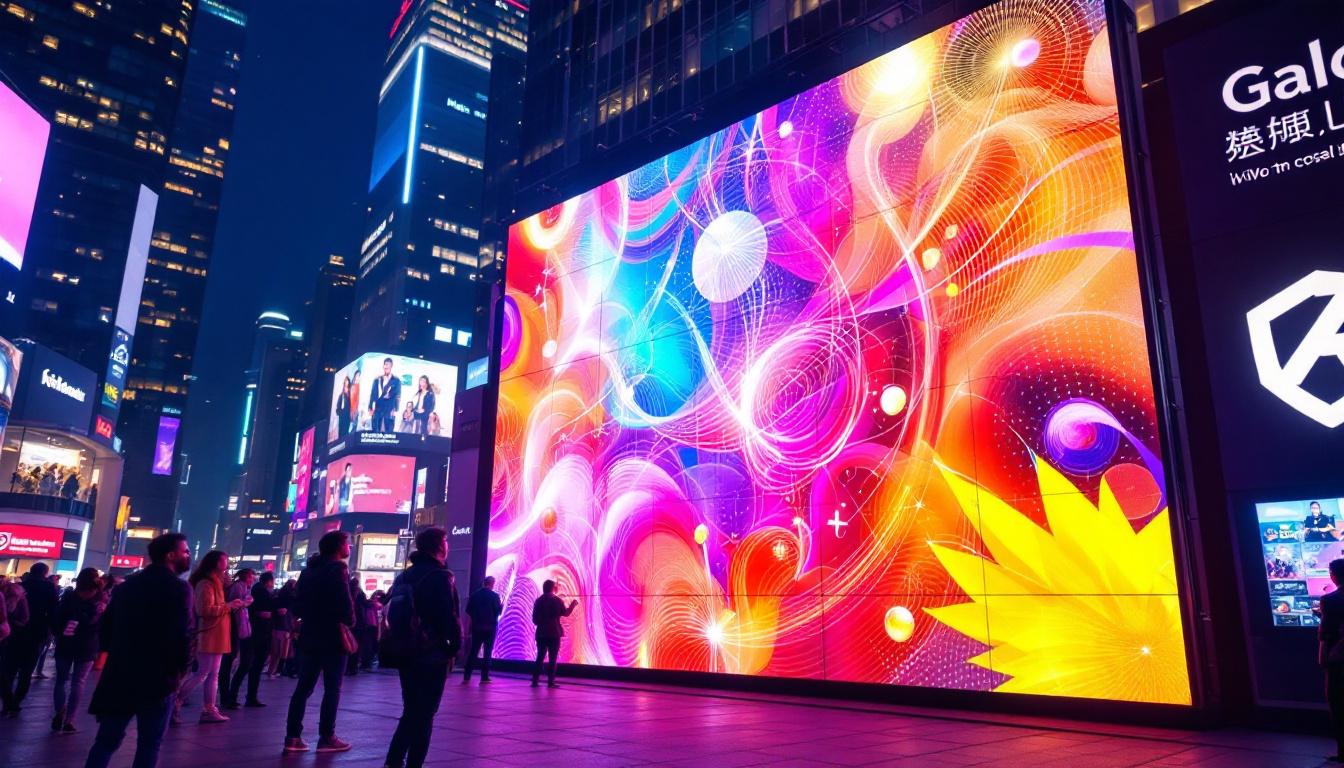
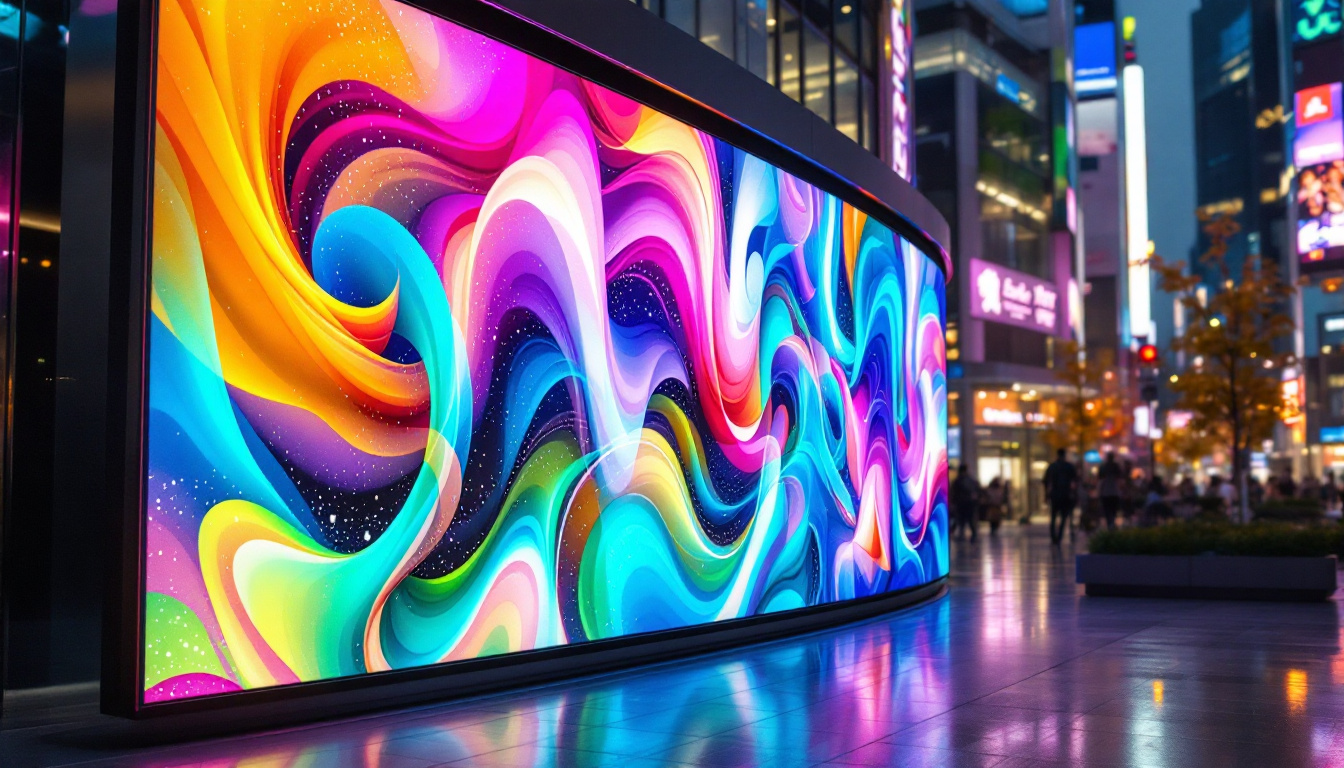
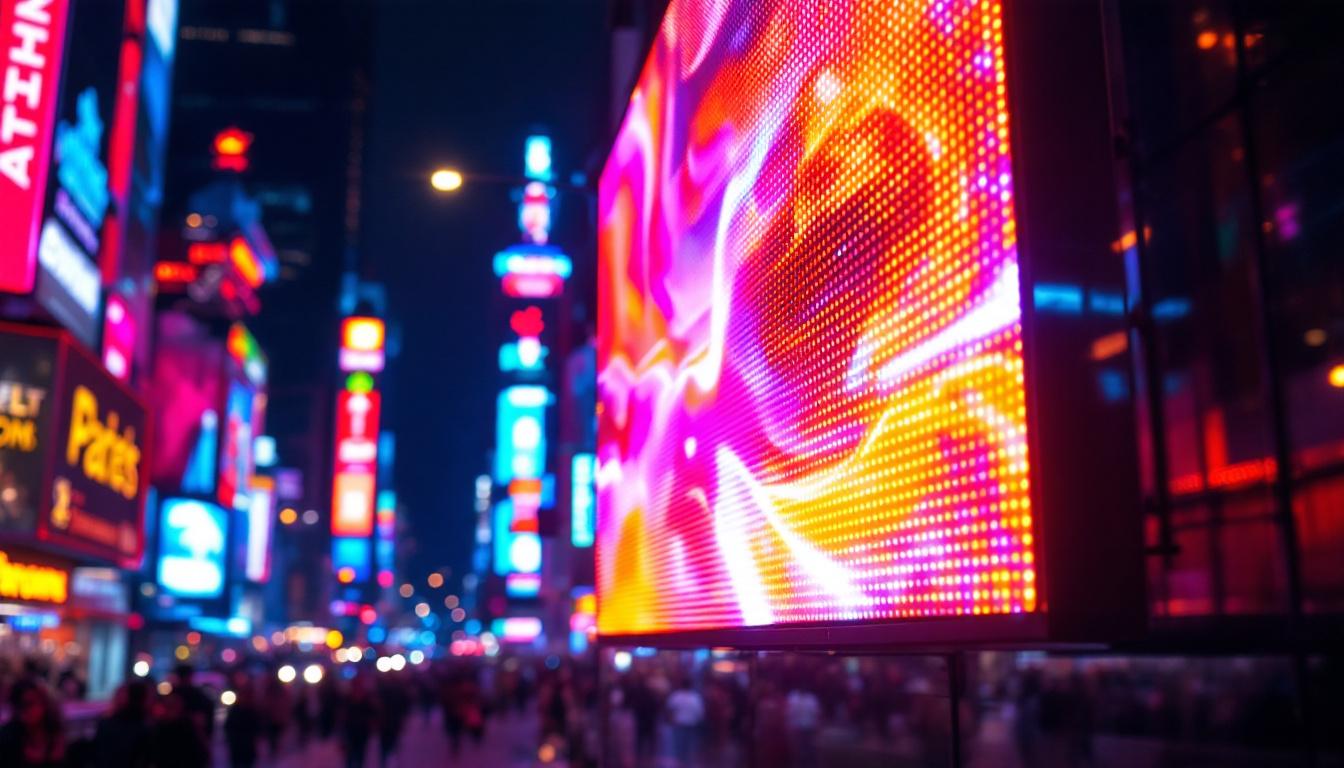
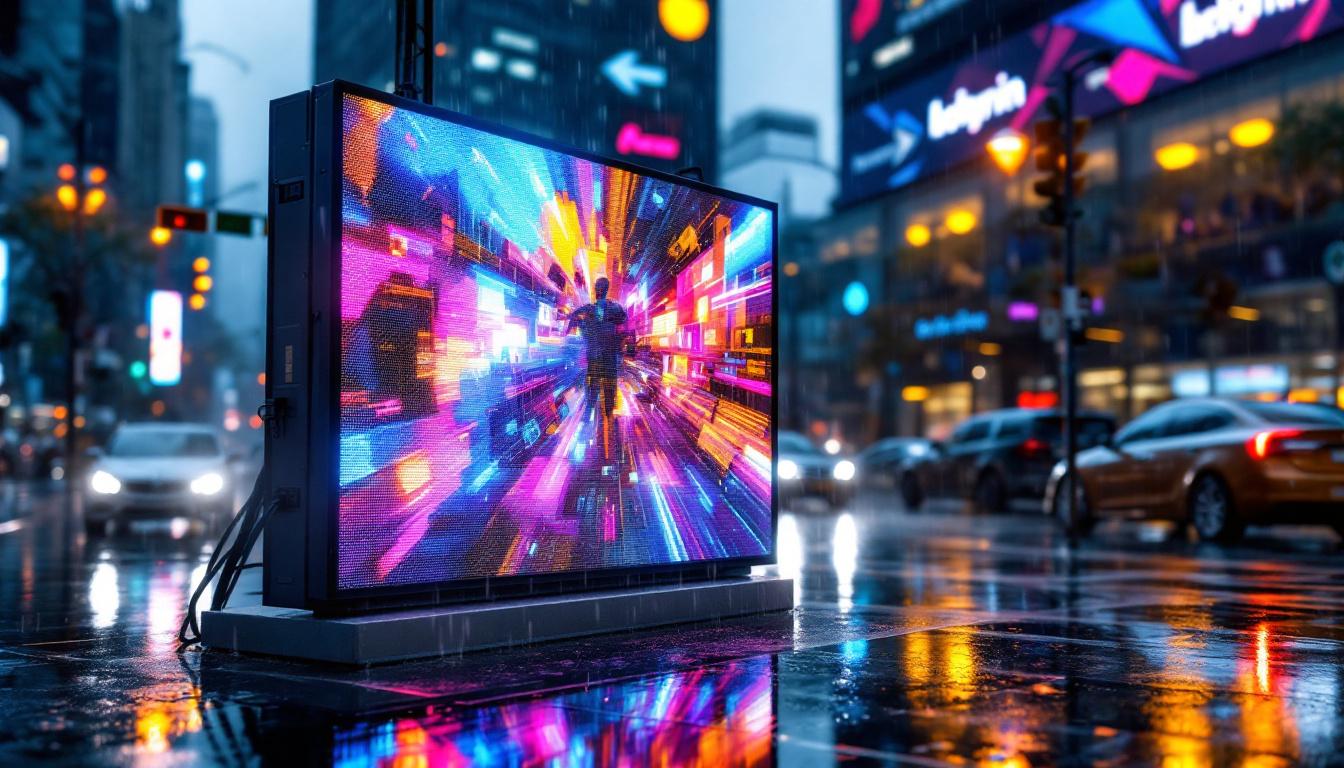
Outdoor LED Displays must withstand harsh weather conditions, including rain, wind, and extreme temperatures. They feature higher brightness levels—often exceeding 5,000 nits—to remain visible under direct sunlight. Pixel pitches are larger, commonly between 6mm and 20mm, since viewers tend to observe these displays from greater distances, such as on billboards or stadium screens.
Fixed vs. Rental LED Displays
Another important classification is between fixed and rental LED displays. Fixed displays are permanently installed in one location, providing long-term solutions for advertising, information dissemination, or decorative purposes. Rental displays, on the other hand, are designed for temporary setups, such as concerts, trade shows, or sporting events. They emphasize quick installation, modularity, and portability.
Sales representatives should highlight the benefits of each type based on client needs. For example, a retail chain might prefer fixed indoor displays to enhance customer experience, while an event organizer would benefit from lightweight rental displays that can be assembled and dismantled rapidly.
Specialized LED Displays
Beyond the standard categories, specialized LED displays cater to niche markets:
- Transparent LED Displays: These allow light to pass through, making them ideal for storefront windows or architectural applications where visibility both inside and outside is desired.
- Flexible LED Displays: Made from bendable materials, these can conform to curved surfaces, opening creative possibilities for advertising and design.
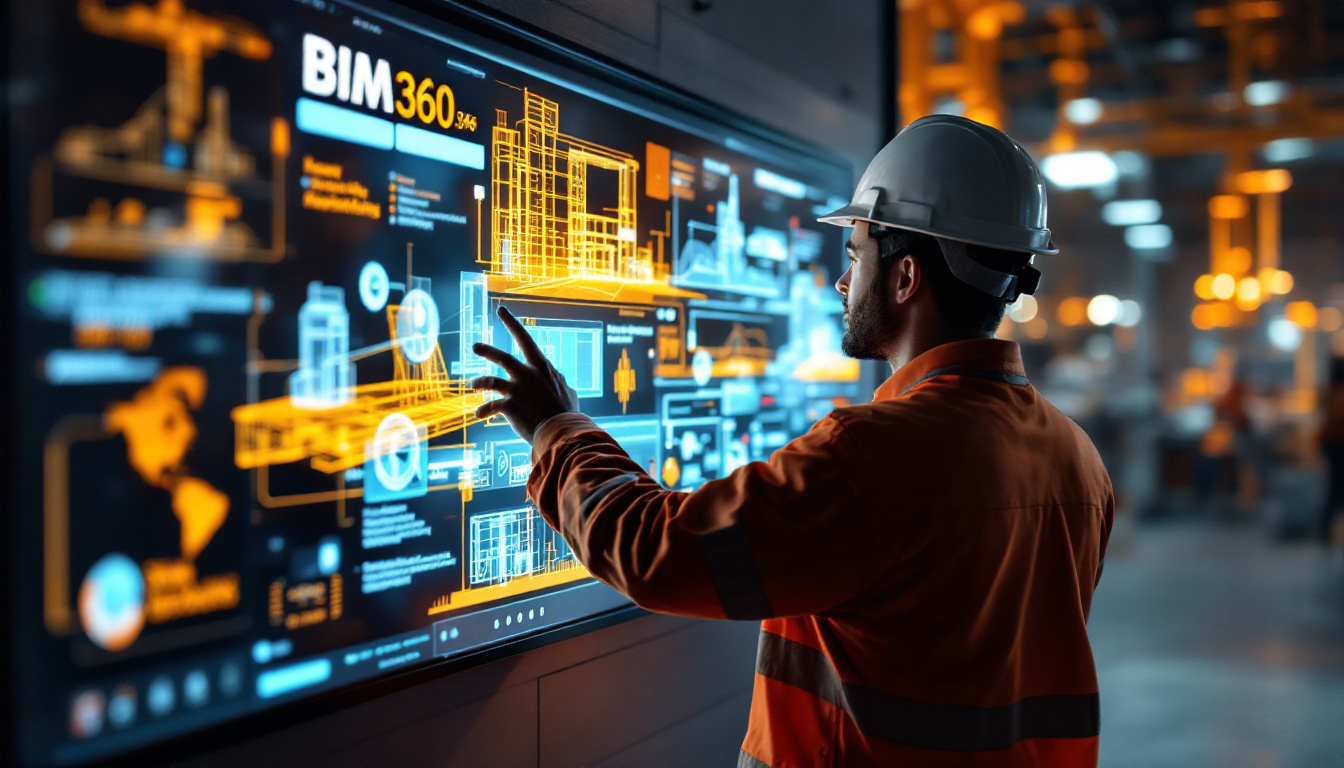
- Interactive LED Displays: Equipped with touch sensors or motion detection, these displays engage users directly, enhancing customer interaction in retail or exhibition settings.
Critical Specifications for Sales Professionals to Know
Pixel Pitch and Resolution
Pixel pitch, measured in millimeters, refers to the distance between the centers of two adjacent pixels. It directly influences the resolution and viewing distance of an LED display. A smaller pixel pitch means higher resolution and better image clarity at close range.
For example, a 1.5mm pixel pitch display is suitable for indoor environments where viewers are close to the screen, such as control rooms or retail counters. Conversely, a 10mm pixel pitch is more appropriate for outdoor billboards, where viewers are typically tens of meters away.
Brightness and Contrast Ratio
Brightness is measured in nits (cd/m²) and determines how well the display performs under various lighting conditions. Outdoor LED displays require high brightness levels—often above 5,000 nits—to remain visible in direct sunlight. Indoor displays usually operate between 800 and 1,500 nits, balancing visibility with eye comfort.
The contrast ratio, the difference between the darkest black and brightest white the display can produce, affects image depth and color vibrancy. High contrast ratios contribute to more engaging and readable content, especially in environments with variable lighting.
Refresh Rate and Viewing Angle
The refresh rate, expressed in Hertz (Hz), indicates how many times per second the display updates its image. Higher refresh rates reduce flicker, which is essential for video playback and camera compatibility, especially in broadcast environments. A refresh rate of 3,000 Hz or higher is often recommended for professional-grade LED displays.
Viewing angle refers to the maximum angle at which the display can be viewed without significant loss of brightness or color distortion. Wide viewing angles (typically 140° to 160° horizontally and vertically) ensure that content remains clear and consistent for audiences spread across large areas.
Applications and Industry Use Cases
Retail and Advertising
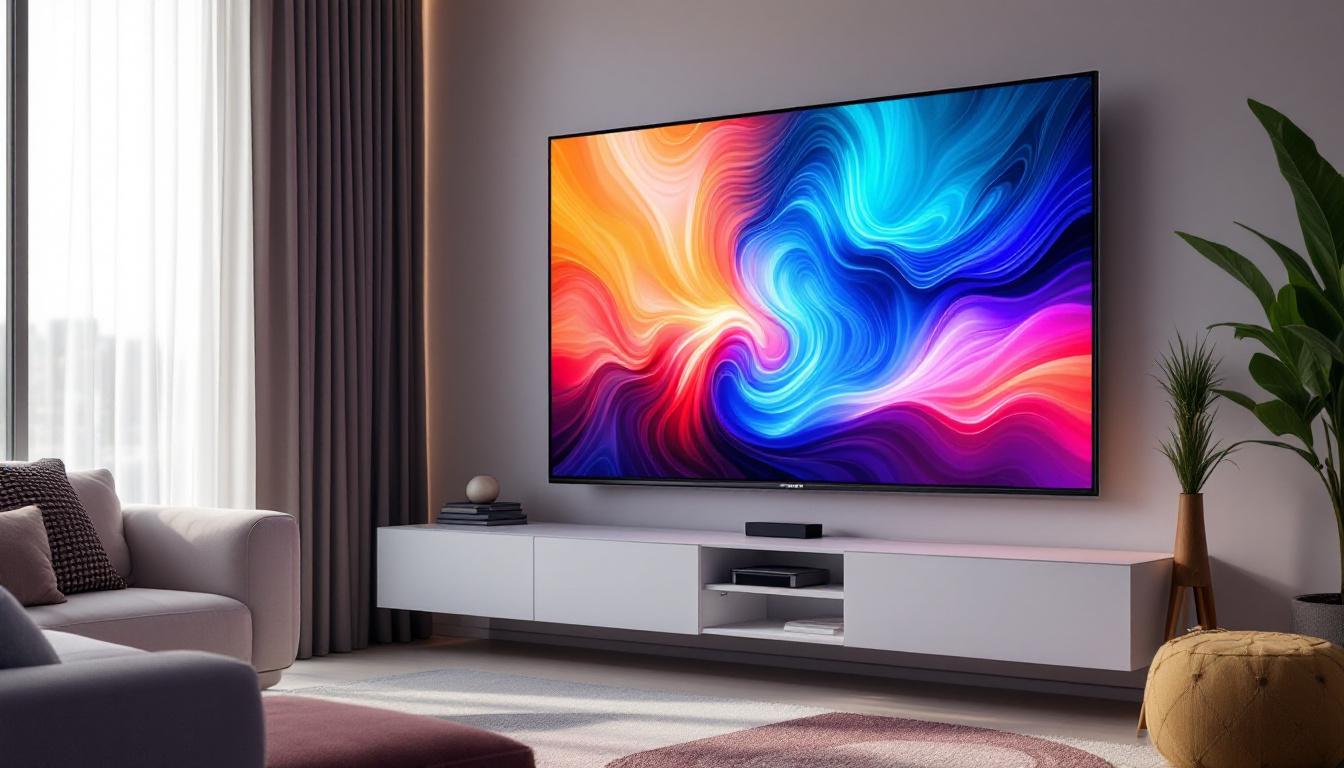
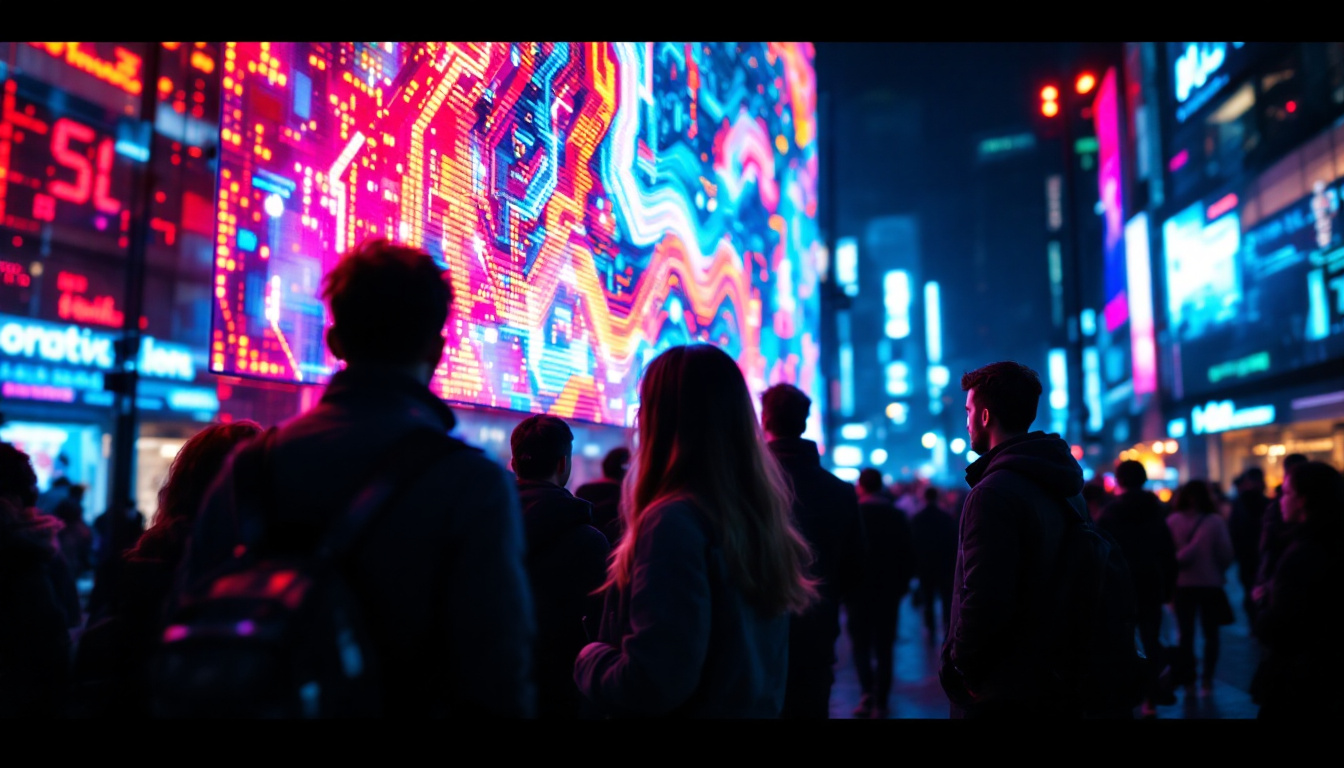
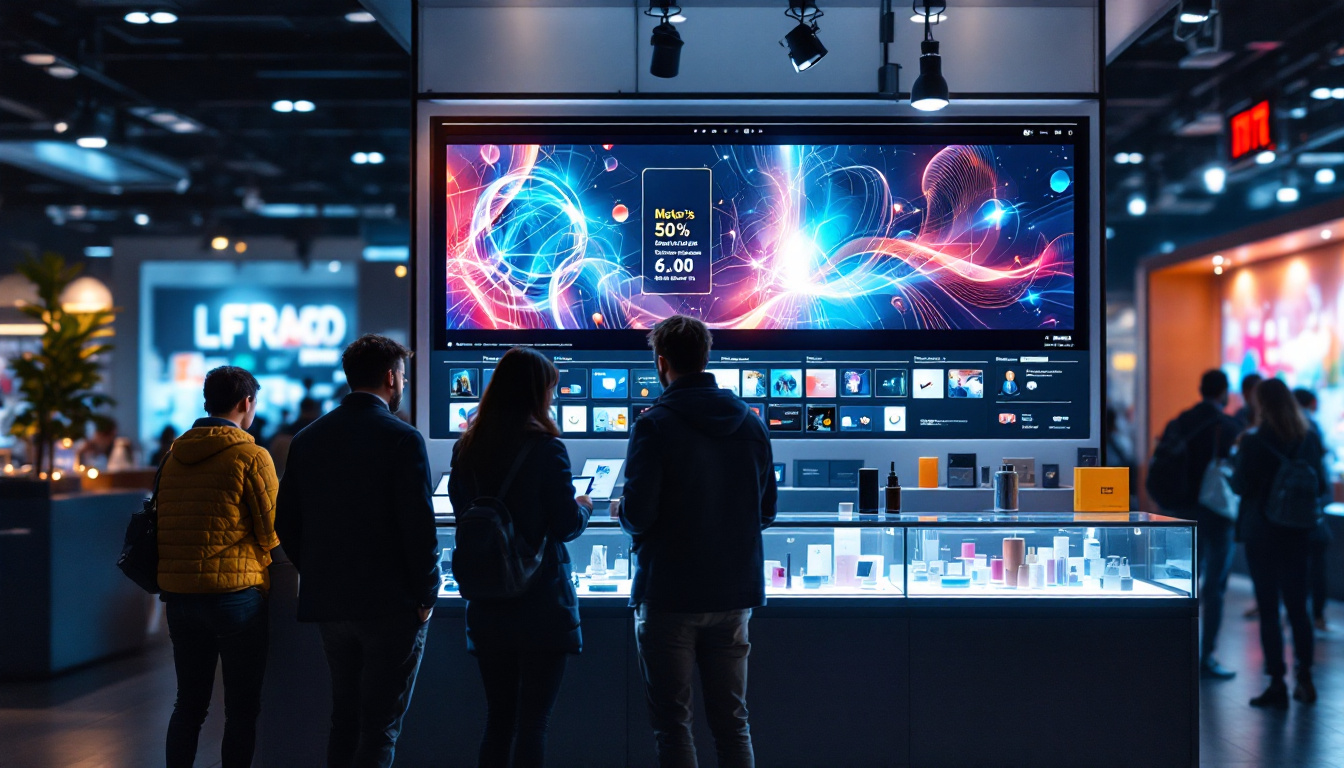
LED displays have revolutionized retail marketing by enabling dynamic, eye-catching advertisements that can be updated in real-time. Digital signage in shopping malls, storefront windows, and point-of-sale locations enhances customer engagement and drives sales.
According to recent market research, digital out-of-home (DOOH) advertising, which heavily relies on LED displays, is expected to grow at a compound annual growth rate (CAGR) of over 10% through 2027. This growth underscores the increasing demand for vibrant, flexible advertising mediums.
Sports and Entertainment Venues
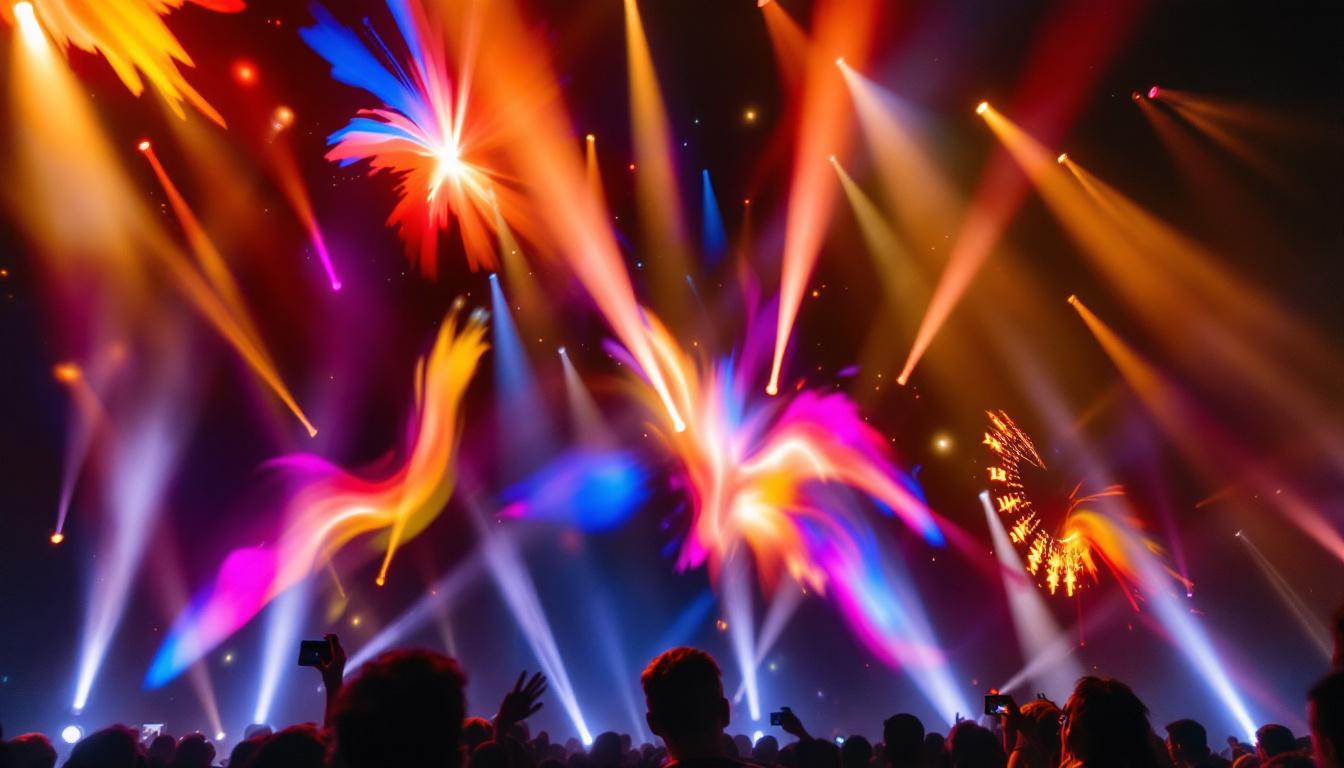
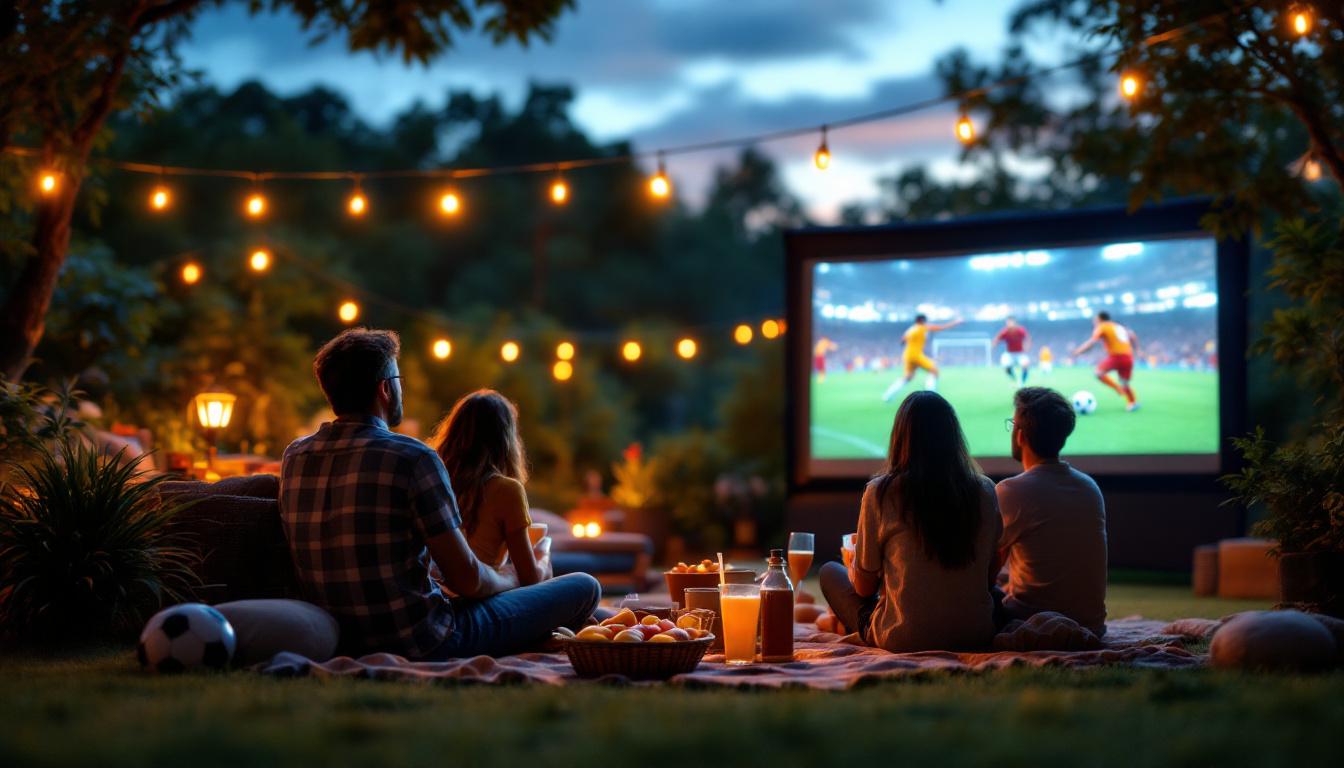
Stadiums and arenas utilize large-scale LED displays for scoreboards, instant replays, and interactive fan experiences. These displays must deliver high brightness, durability, and seamless integration with broadcast systems. Rental LED displays are also popular for concerts and festivals, offering scalable solutions that can adapt to different stage sizes and configurations.
Corporate and Control Rooms
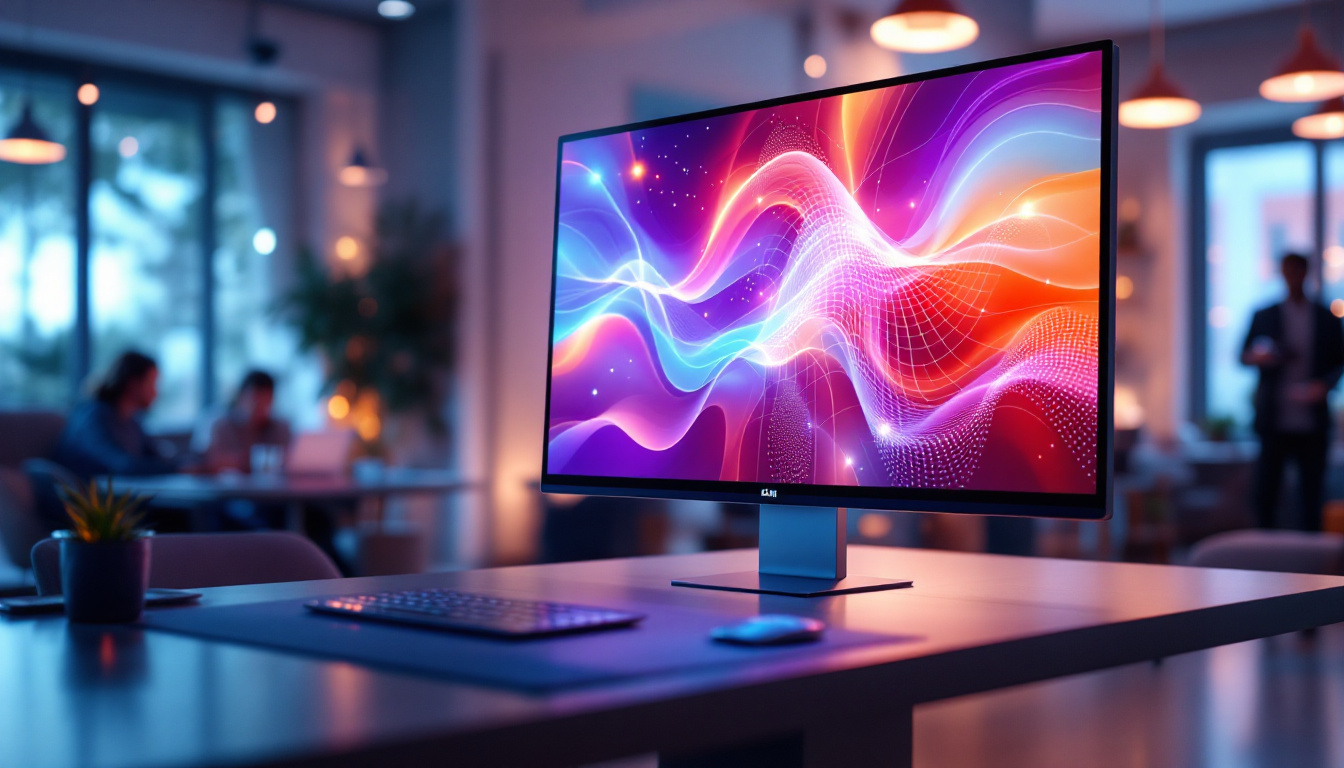
In corporate environments, LED video walls serve as powerful communication tools for presentations, video conferencing, and data visualization. Control rooms in industries such as transportation, utilities, and security rely on high-resolution LED displays to monitor operations in real-time, requiring exceptional clarity and reliability.
Transportation and Public Information
LED displays are widely used in airports, train stations, and bus terminals to provide travelers with up-to-date information. Their brightness and visibility in various lighting conditions make them ideal for critical announcements and wayfinding.
Key Considerations for Sales Representatives
Assessing Client Needs and Environment
Successful sales begin with a thorough understanding of the client’s objectives, budget, and installation environment. Questions to explore include:
- What is the primary purpose of the display (advertising, information, entertainment)?
- Will the display be used indoors or outdoors?
- What are the typical viewing distances and angles?
- Are there any environmental challenges such as weather, temperature extremes, or vandalism risk?
- What content types will be displayed (static images, videos, live feeds)?
By gathering this information, sales professionals can recommend the most suitable LED display type, size, and specifications, ensuring client satisfaction and long-term value.
Installation and Maintenance Factors
LED displays require proper installation to maximize performance and longevity. Sales representatives should discuss installation logistics, including mounting options, power requirements, and connectivity. Additionally, maintenance plans are critical, as LED modules may need periodic cleaning, calibration, or replacement.
Offering after-sales support and service agreements can differentiate a sales professional and build lasting client relationships.
Cost and Return on Investment (ROI)
While LED displays can represent a significant upfront investment, their durability, energy efficiency, and dynamic content capabilities often result in strong ROI. Sales representatives should help clients understand the total cost of ownership, including installation, operation, and maintenance, alongside potential revenue gains from enhanced advertising and customer engagement.
Emerging Trends in LED Display Technology
Mini-LED and Micro-LED Innovations
Advancements in LED technology, such as Mini-LED and Micro-LED, are pushing the boundaries of display performance. Mini-LEDs use thousands of tiny LEDs as backlighting for LCD panels, improving contrast and brightness. Micro-LEDs, on the other hand, are self-emissive like traditional LEDs but much smaller, enabling ultra-high resolution and energy efficiency.
These technologies are still emerging in commercial LED display markets but represent exciting opportunities for sales professionals to stay ahead of the curve and offer cutting-edge solutions.
Integration with IoT and Smart Technologies
Modern LED displays increasingly integrate with Internet of Things (IoT) platforms, enabling remote monitoring, content scheduling, and interactive capabilities. Smart LED displays can adapt content based on audience demographics, weather, or time of day, enhancing relevance and impact.
Sustainability and Energy Efficiency
With growing emphasis on sustainability, LED displays are evolving to consume less power and use environmentally friendly materials. Energy-efficient designs and recyclable components appeal to eco-conscious clients and align with corporate social responsibility goals.
Conclusion
For professional sales representatives, mastering the technical and practical aspects of LED displays is essential to effectively guide clients through the selection process and deliver solutions that drive business success. From understanding the nuances of pixel pitch and brightness to recognizing the diverse applications across industries, a well-rounded knowledge base empowers sales professionals to build trust and close deals confidently.
As LED display technology continues to evolve, staying informed about emerging trends and innovations will enable sales representatives to offer the most advanced and relevant products. Ultimately, the ability to match the right LED display to the client’s unique needs will distinguish top performers in this competitive market.
Discover Cutting-Edge LED Display Solutions with LumenMatrix
Ready to elevate your visual communication strategy with the latest in LED display technology? Look no further than LumenMatrix, a pioneer in crafting immersive and dynamic visual experiences. Whether you’re seeking Indoor LED Wall Displays for your retail space, Outdoor LED Wall Displays for impactful advertising, or specialized solutions like Vehicle LED Displays, LED Sports Displays, or Custom LED Displays, LumenMatrix has the expertise to bring your vision to life. Embrace the future of digital signage and enhance your brand’s presence. Check out LumenMatrix LED Display Solutions today and see the difference innovation can make.