In the rapidly evolving world of digital technology, LED displays have become a cornerstone of visual communication. From smartphones and televisions to large-scale advertising billboards and industrial control panels, LED displays are everywhere. Understanding how these displays work, their types, and how to calculate their specifications is essential for engineers, designers, and technology enthusiasts alike. This article delves into the fundamentals of LED displays, explores their various applications, and provides a comprehensive guide on calculating key parameters to help you make informed decisions when working with LED technology.
Understanding LED Displays: Basics and Technology
LED, or Light Emitting Diode, displays are flat panel displays that use tiny light-emitting diodes to create images. Unlike traditional display technologies such as LCDs, which rely on backlighting, LED displays generate their own light, resulting in brighter images, better contrast, and improved energy efficiency. This self-illuminating property not only enhances visual performance but also contributes to a more immersive viewing experience, making LED technology a preferred choice in various applications, from home entertainment to large-scale advertising.
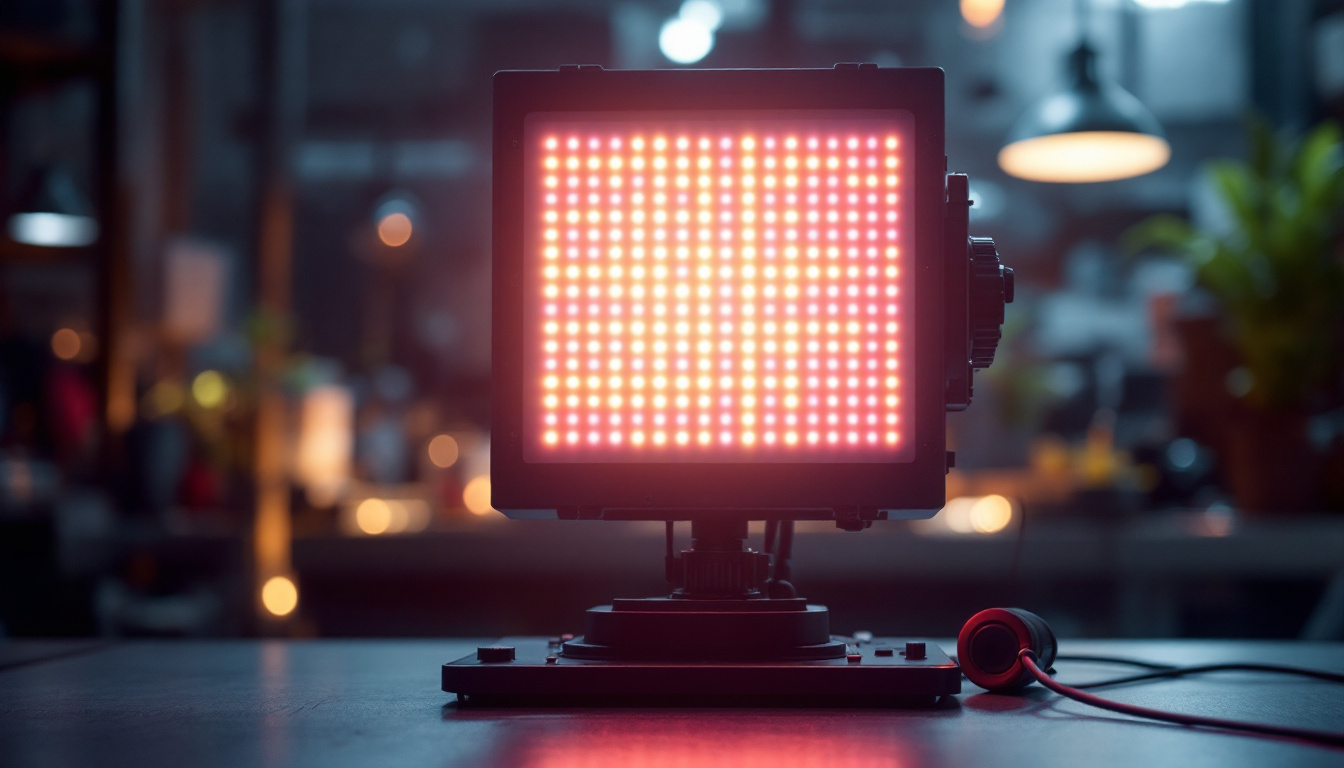
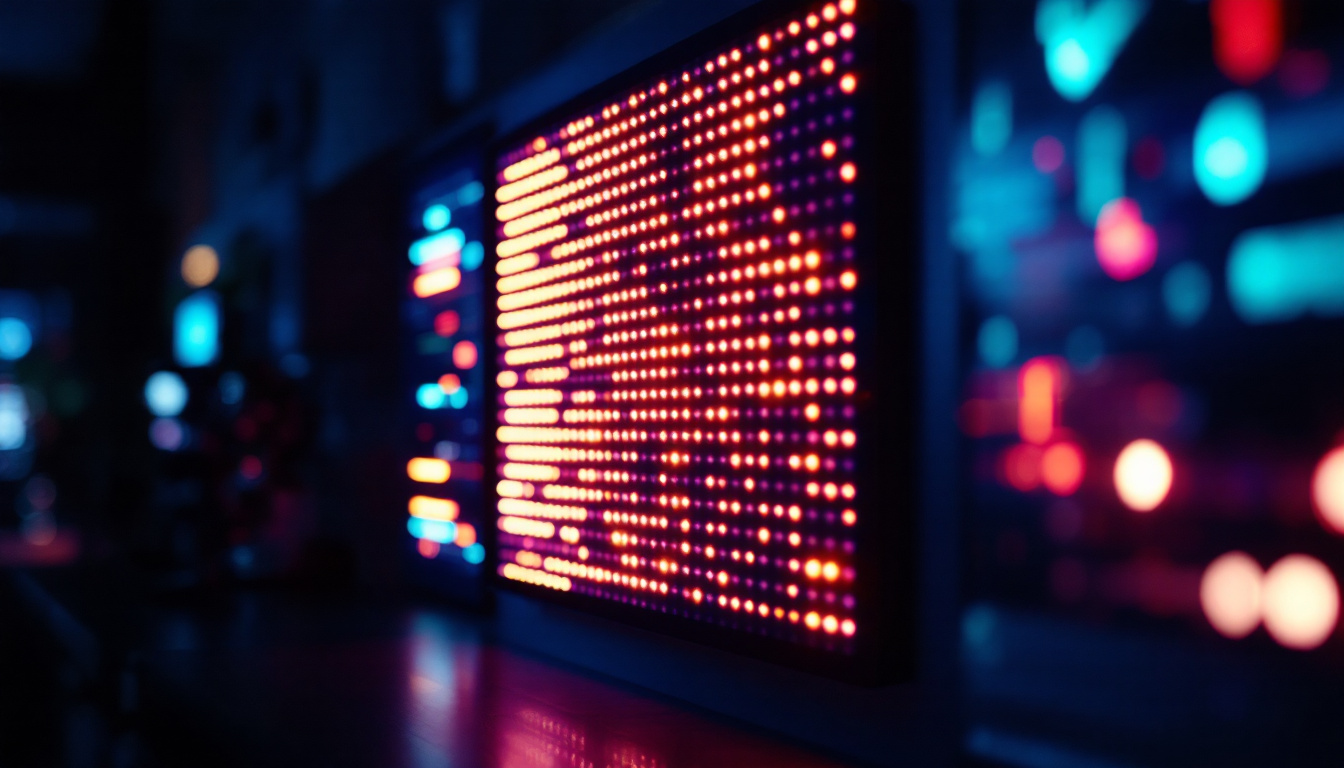
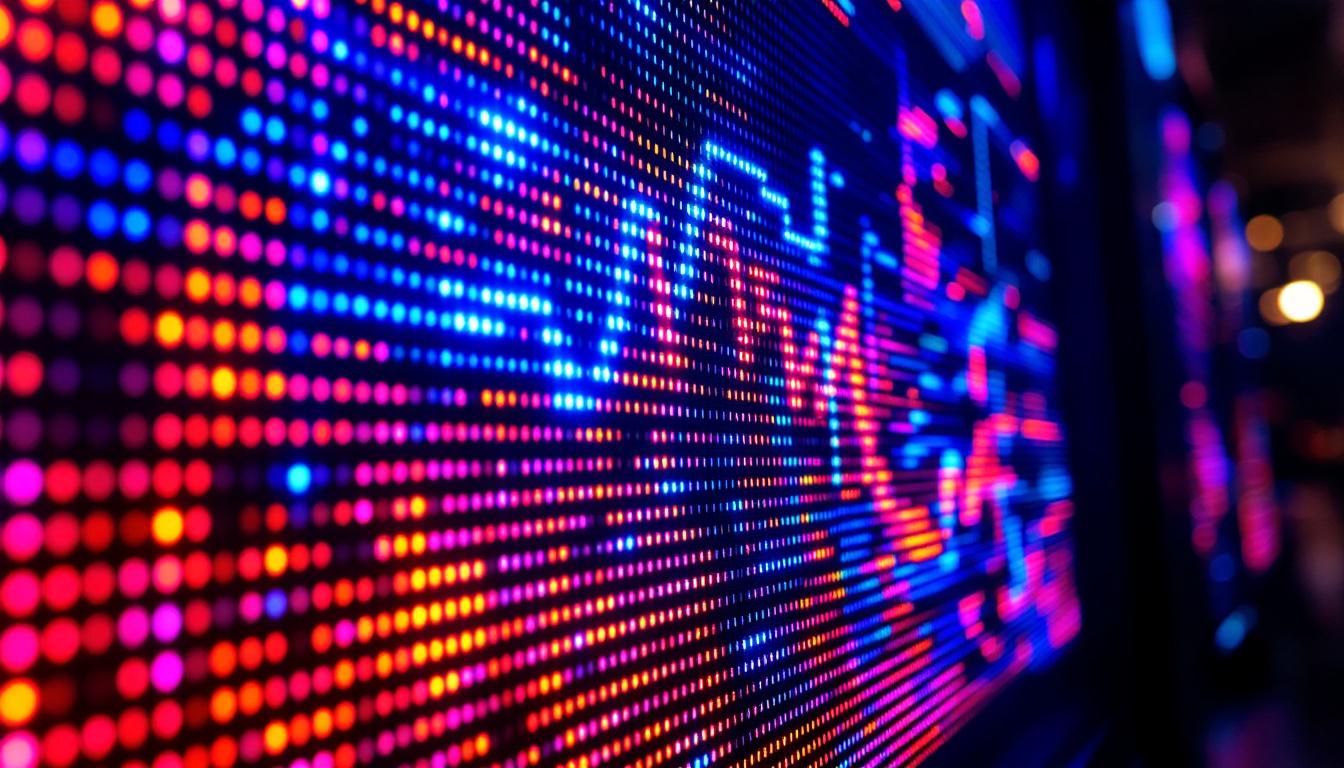
The core of an LED display consists of an array of LEDs arranged in a matrix. Each LED acts as a single pixel or a sub-pixel (red, green, or blue) in the display. By controlling the intensity of each LED, the display can produce a wide range of colors and images. This direct emission of light allows LED displays to perform exceptionally well in various lighting conditions, including direct sunlight. Furthermore, advancements in technology have led to the development of high dynamic range (HDR) capabilities in LED displays, allowing for even greater detail and realism in the images produced.
Types of LED Displays
There are primarily two types of LED displays: direct view LED displays and LED-backlit LCD displays. Direct view LED displays use LEDs as the actual pixels, while LED-backlit LCDs use LEDs as a backlight source behind an LCD panel. The choice between these two types often depends on the specific needs of the application, such as the required brightness, viewing distance, and overall display size.
Direct view LED displays are commonly used in large outdoor screens, stadium displays, and digital billboards due to their high brightness and durability. These displays are designed to withstand harsh weather conditions, making them ideal for outdoor advertising and public information displays. In contrast, LED-backlit LCDs are prevalent in consumer electronics like TVs, monitors, and smartphones, offering improved brightness and color accuracy over traditional CCFL-backlit LCDs. As technology continues to evolve, we also see the emergence of microLED displays, which promise even finer pixel densities and enhanced performance for both consumer and professional applications.
Key Advantages of LED Displays
LED displays offer several advantages over other technologies:
- Brightness: LEDs can achieve very high brightness levels, making them visible even in direct sunlight.
- Energy Efficiency: LEDs consume less power compared to traditional lighting and display technologies.
- Longevity: LED displays typically have longer lifespans, often exceeding 100,000 hours of operation.
- Color Accuracy and Contrast: Direct emission of light allows for deeper blacks and vibrant colors.
- Flexibility: LED modules can be arranged in various shapes and sizes, enabling creative display designs.
In addition to these advantages, LED displays are also known for their rapid response times, which make them ideal for displaying fast-moving images, such as in sports broadcasts or video games. This characteristic reduces motion blur and enhances the overall viewing experience. Moreover, the modular nature of LED technology allows for easy repairs and upgrades, ensuring that displays can be maintained and adapted to meet changing technological demands. As the market for LED displays continues to grow, innovations in features such as curved displays and transparent screens are also emerging, further expanding the possibilities for both commercial and personal use.
Key Parameters in LED Displays and How to Calculate Them
When designing or selecting an LED display, understanding and calculating essential parameters is crucial. These parameters influence the display’s resolution, image quality, viewing distance, and overall performance.
Pixel Pitch: The Foundation of Resolution
Pixel pitch refers to the distance between the centers of two adjacent pixels, usually measured in millimeters (mm). It is a vital factor determining the display’s resolution and viewing distance.
A smaller pixel pitch means more pixels per unit area, resulting in higher resolution and sharper images. However, smaller pixel pitches also increase the cost and complexity of the display.
Calculating Pixel Pitch
Pixel pitch can be calculated if you know the physical dimensions of the display and its resolution:
Pixel Pitch (mm) = Display Width (mm) / Number of Horizontal Pixels
For example, if a display is 1920 mm wide and has 960 horizontal pixels, the pixel pitch is:
1920 mm / 960 pixels = 2 mm
This means each pixel is spaced 2 mm apart from its neighbor.
Resolution and Display Size
The resolution of an LED display is the total number of pixels it contains, typically expressed as width × height (e.g., 1920×1080 pixels). The resolution determines the level of detail the display can show.
The physical size of the display combined with its resolution defines the pixel density, which directly impacts image clarity. For fixed resolution, increasing the display size increases pixel pitch and reduces sharpness.
Calculating Display Size from Resolution and Pixel Pitch
If you know the resolution and pixel pitch, you can calculate the physical dimensions of the display:
Display Width (mm) = Pixel Pitch (mm) × Number of Horizontal PixelsDisplay Height (mm) = Pixel Pitch (mm) × Number of Vertical Pixels
For a 1920×1080 resolution display with a 1.5 mm pixel pitch:
Width = 1.5 mm × 1920 = 2880 mm (2.88 meters)Height = 1.5 mm × 1080 = 1620 mm (1.62 meters)
Viewing Distance and Optimal Pixel Pitch
One of the most critical considerations when selecting an LED display is the optimal viewing distance. The pixel pitch must be appropriate for the intended viewing distance to ensure the image appears sharp and clear.
A common rule of thumb is that the optimal viewing distance (in meters) is approximately 1,000 times the pixel pitch (in millimeters). For example, a display with a 2 mm pixel pitch is best viewed from about 2 meters away or more.
Calculating Minimum Viewing Distance
To calculate the minimum viewing distance for a given pixel pitch:
Minimum Viewing Distance (m) ≈ Pixel Pitch (mm) × 1,000 / 1,000 = Pixel Pitch (mm) × 1
Thus, a 3 mm pixel pitch display is ideally viewed from at least 3 meters.
Choosing a pixel pitch too large for the viewing distance results in visible pixelation, while too small a pixel pitch increases cost unnecessarily.
Luminance and Brightness Calculations
Luminance, measured in candelas per square meter (cd/m²), is the brightness of the display. LED displays can achieve very high luminance levels, especially outdoor models that need to combat sunlight glare.
Indoor LED displays typically have luminance levels between 800 and 1,500 cd/m², while outdoor displays can exceed 5,000 cd/m².
Calculating Required Luminance
The required luminance depends on ambient lighting conditions. A simple approach to estimate required luminance is:
Required Luminance (cd/m²) = Ambient Light Level (lux) × Reflection Factor
For example, in direct sunlight (~10,000 lux) with a reflection factor of 0.5, the display should have at least 5,000 cd/m² to remain visible.
Power Consumption Estimation
Power consumption is a critical factor in LED display design, impacting operational costs and thermal management. It depends on the number of LEDs, their brightness, and usage patterns.
Estimating Power Consumption
A rough estimate of power consumption can be calculated using:
Power (Watts) = Number of Pixels × Power per Pixel (Watts)
Power per pixel varies by LED type and brightness but typically ranges from 0.05 to 0.2 watts for high-brightness LEDs.
For a display with 1,000,000 pixels and 0.1 watts per pixel:
Power = 1,000,000 × 0.1 = 100,000 watts (100 kW)
This is a theoretical maximum; actual consumption is often lower due to varying brightness and duty cycles.
Applications of LED Displays and Their Impact
LED displays have transformed multiple industries by providing dynamic, high-quality visual content. Their versatility and efficiency have made them the preferred choice for many applications.
Advertising and Outdoor Signage
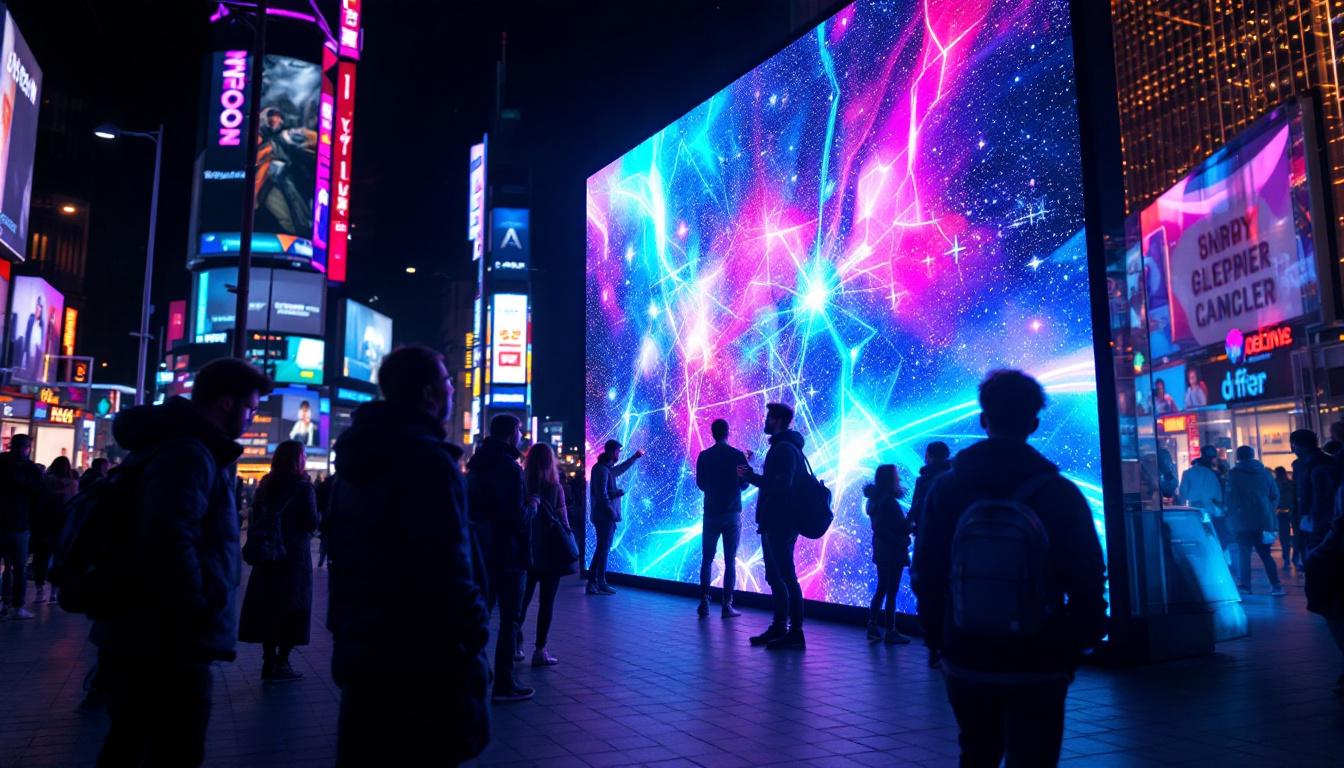
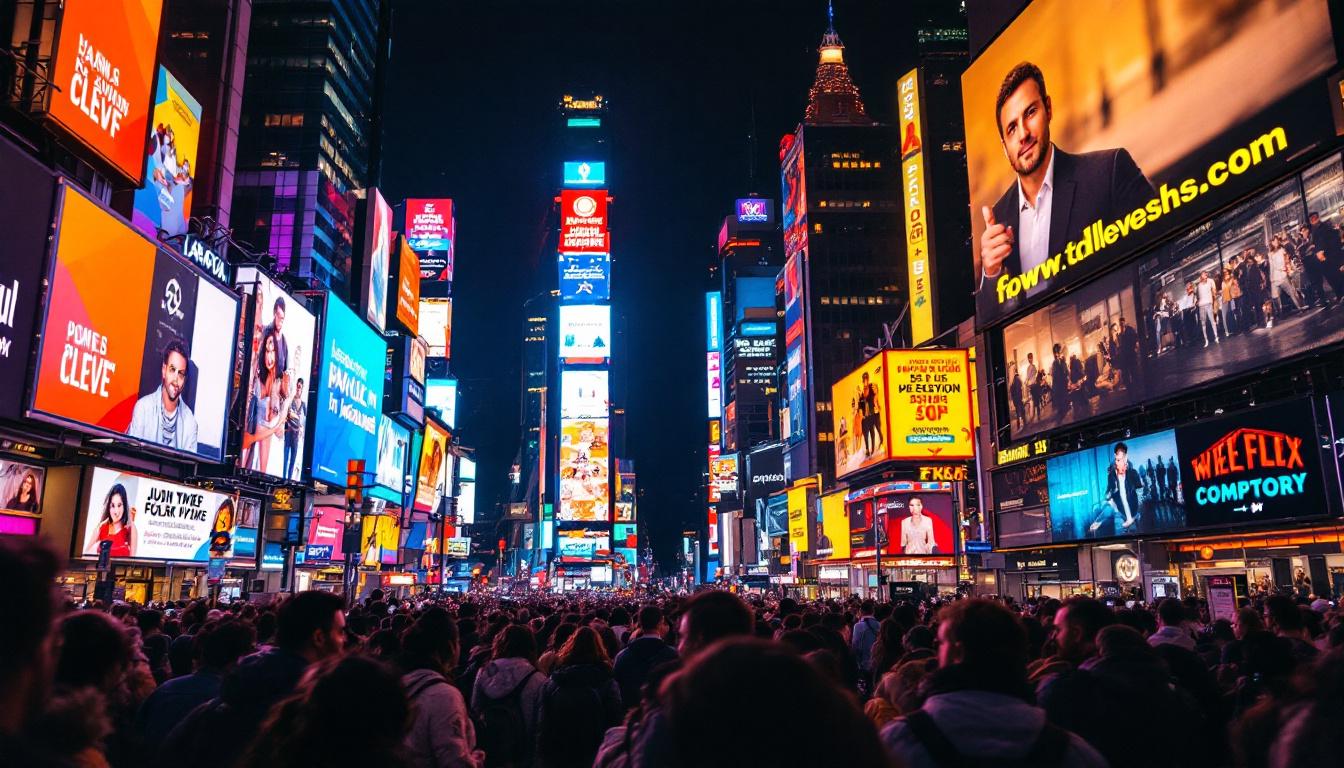
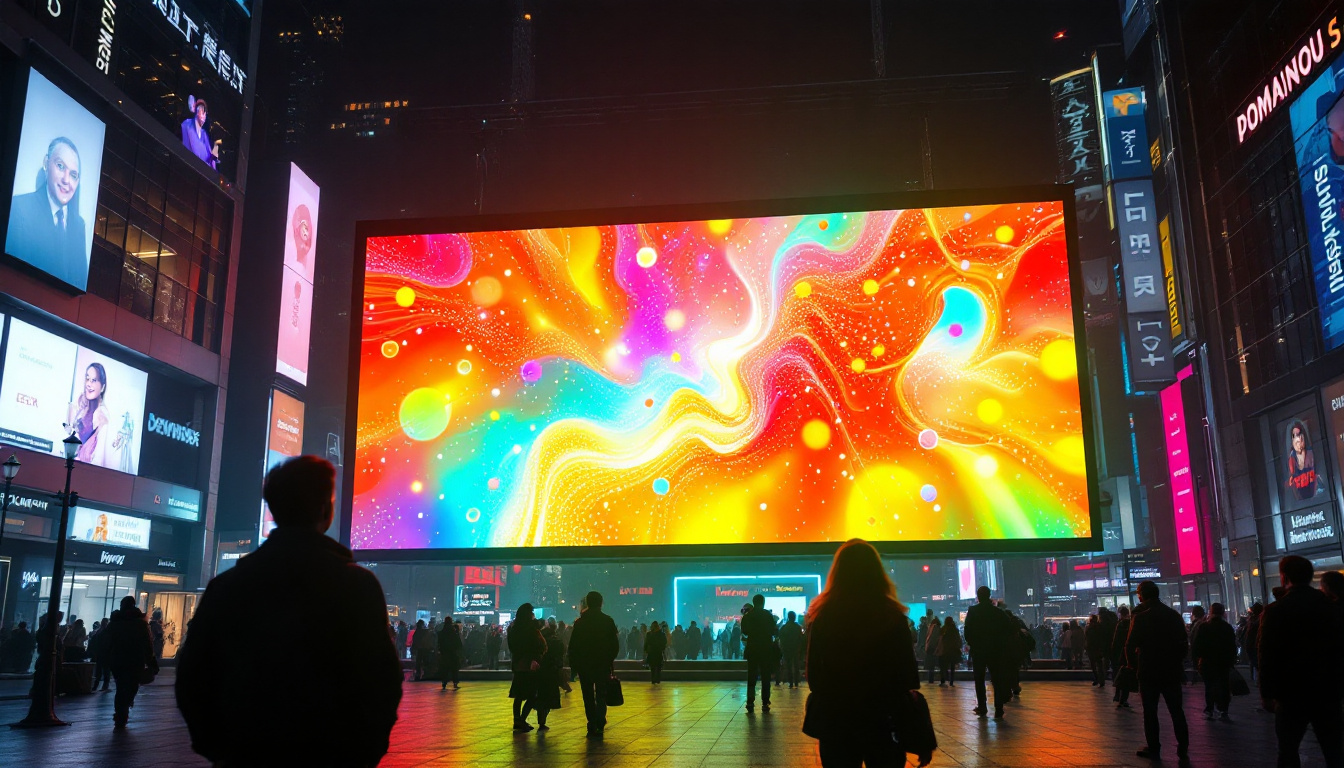
Large-scale LED billboards are ubiquitous in urban environments, offering advertisers the ability to display vibrant, changing content that captures attention. The high brightness and weather resistance of LED displays make them ideal for outdoor use.
According to recent market reports, the global digital signage market is expected to grow at a CAGR of over 8% through 2027, largely driven by LED display adoption.
Sports and Entertainment Venues
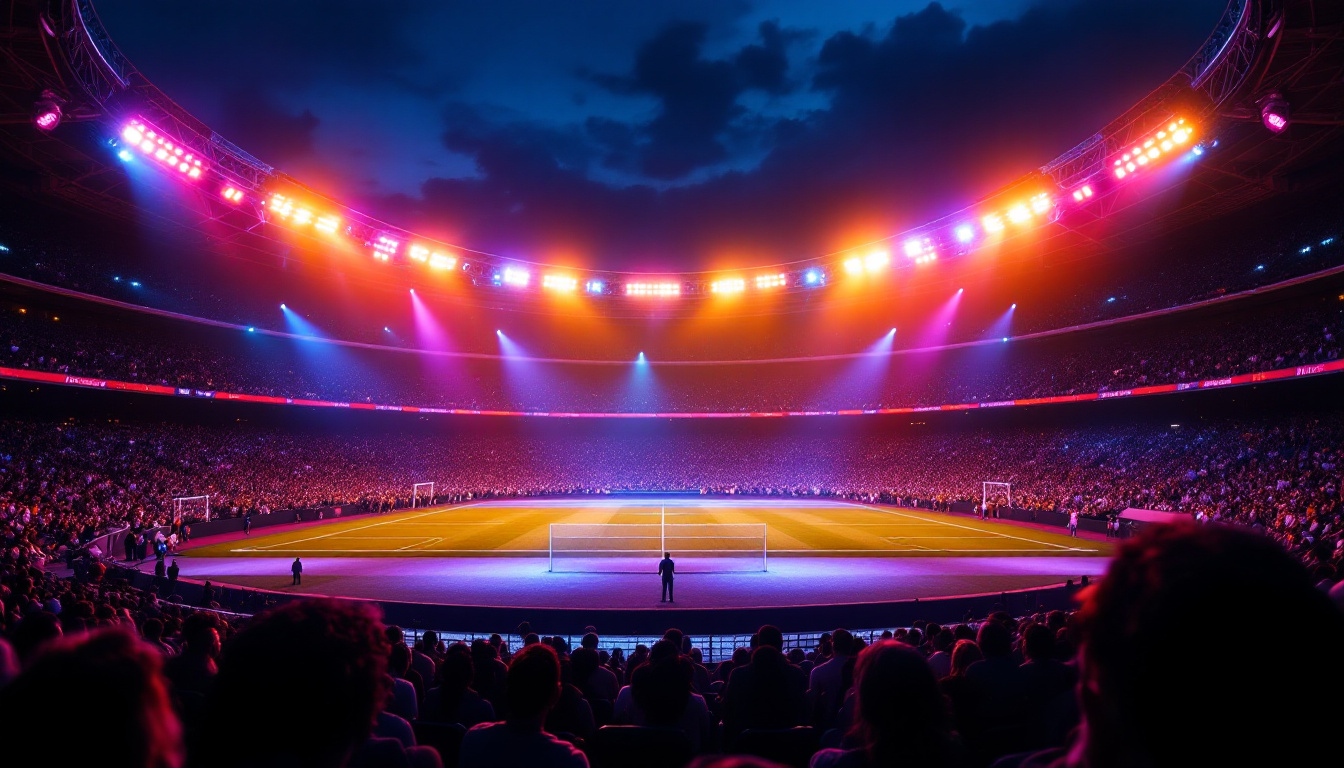
Stadiums and arenas utilize massive LED screens to enhance the spectator experience with live video feeds, replays, and interactive content. These displays must balance size, resolution, and brightness to ensure visibility for large audiences.
Retail and Corporate Environments
Indoor LED displays are increasingly used for digital signage, product promotions, and information dissemination in retail stores and corporate lobbies. Their slim profiles and high image quality make them suitable for close-range viewing.
Transportation and Public Information Systems
LED displays are integral to public transit systems, airports, and highways for real-time information, alerts, and wayfinding. Their reliability and readability under various lighting conditions are critical for safety and convenience.
Future Trends in LED Display Technology
As LED technology advances, several trends are shaping the future of displays, promising even greater performance and new applications.
MicroLED and MiniLED Innovations
MicroLED and MiniLED technologies represent the next generation of LED displays, offering higher pixel densities, improved color accuracy, and better energy efficiency. MicroLEDs, in particular, enable ultra-high-resolution displays with excellent brightness and contrast.
Flexible and Transparent LED Displays
Emerging flexible LED displays open new possibilities for curved screens, wearable devices, and creative architectural installations. Transparent LED displays allow content to be displayed on glass surfaces without obstructing the view, ideal for retail windows and automotive applications.
Integration with Smart Technologies
LED displays are increasingly integrated with IoT and AI technologies, enabling dynamic content adaptation, energy optimization, and interactive user experiences. This integration is driving smarter, more responsive display systems across industries.
Conclusion
LED displays are a vital component of modern digital communication, offering unparalleled brightness, flexibility, and efficiency. Understanding the fundamental parameters such as pixel pitch, resolution, viewing distance, luminance, and power consumption is essential for selecting or designing the right LED display for any application.
As technology progresses, LED displays will continue to evolve, delivering richer visual experiences and enabling innovative applications. Whether for advertising, entertainment, retail, or public information, mastering the calculations and concepts behind LED displays empowers professionals to leverage this technology effectively and creatively.
Explore Cutting-Edge LED Display Solutions
Ready to elevate your visual communication with the latest in LED technology? Look no further than LumenMatrix. Our extensive range of innovative LED display modules, from vibrant Indoor and Outdoor LED Wall Displays to dynamic Vehicle and Sports LED Displays, is designed to captivate and engage your audience. Discover the transformative power of our LED Poster Displays, Floor LED Displays, Custom Solutions, All-in-One Systems, and Transparent LED Displays. Join us in the revolution of digital signage and experience the unparalleled clarity and impact of LumenMatrix displays. Check out LumenMatrix LED Display Solutions today and bring your brand’s message to life.