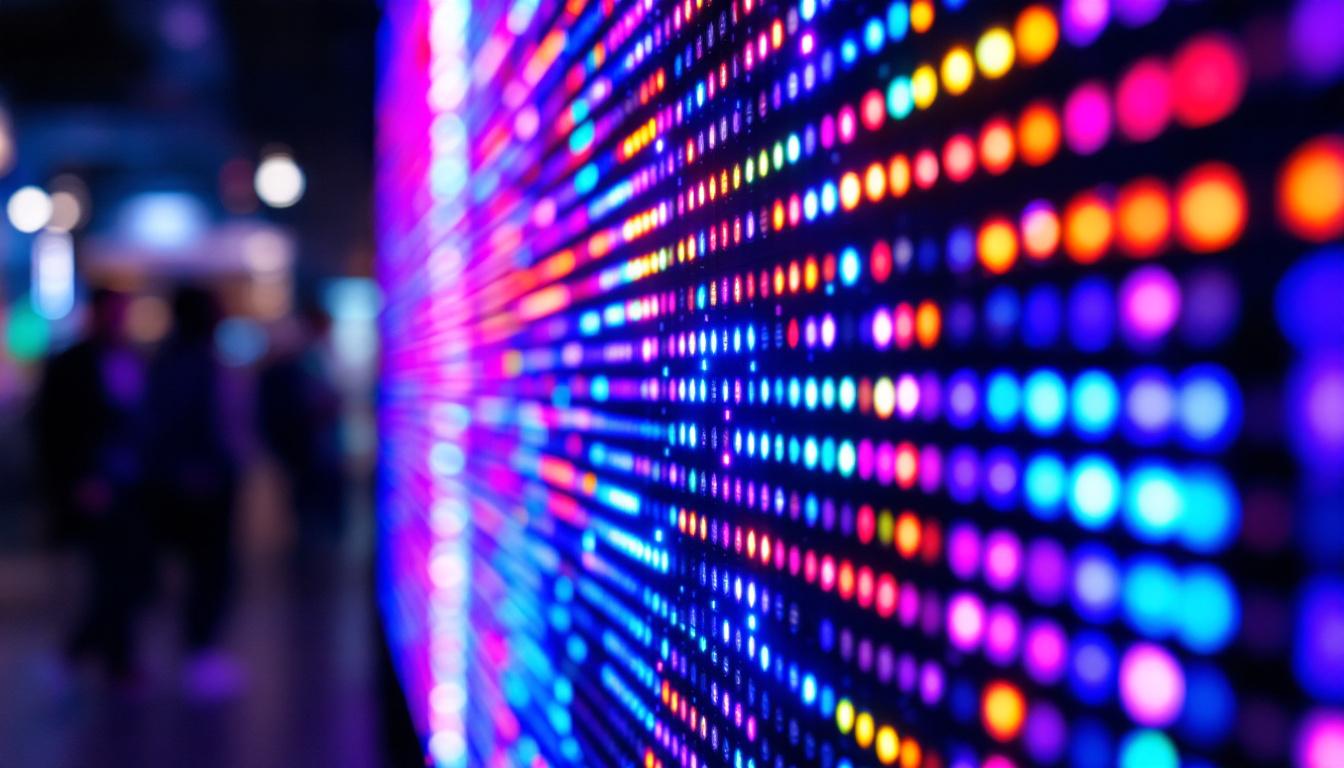
In the rapidly evolving world of digital displays, LED technology has become a cornerstone for vibrant, energy-efficient, and versatile visual solutions. From massive outdoor billboards to compact wearable devices, LED arrays power an astonishing range of applications. This article delves into the fundamentals of LED arrays, explores their design and functionality, and examines their impact on modern display technology.
Understanding LED Arrays: The Building Blocks of Modern Displays
What Is an LED Array?
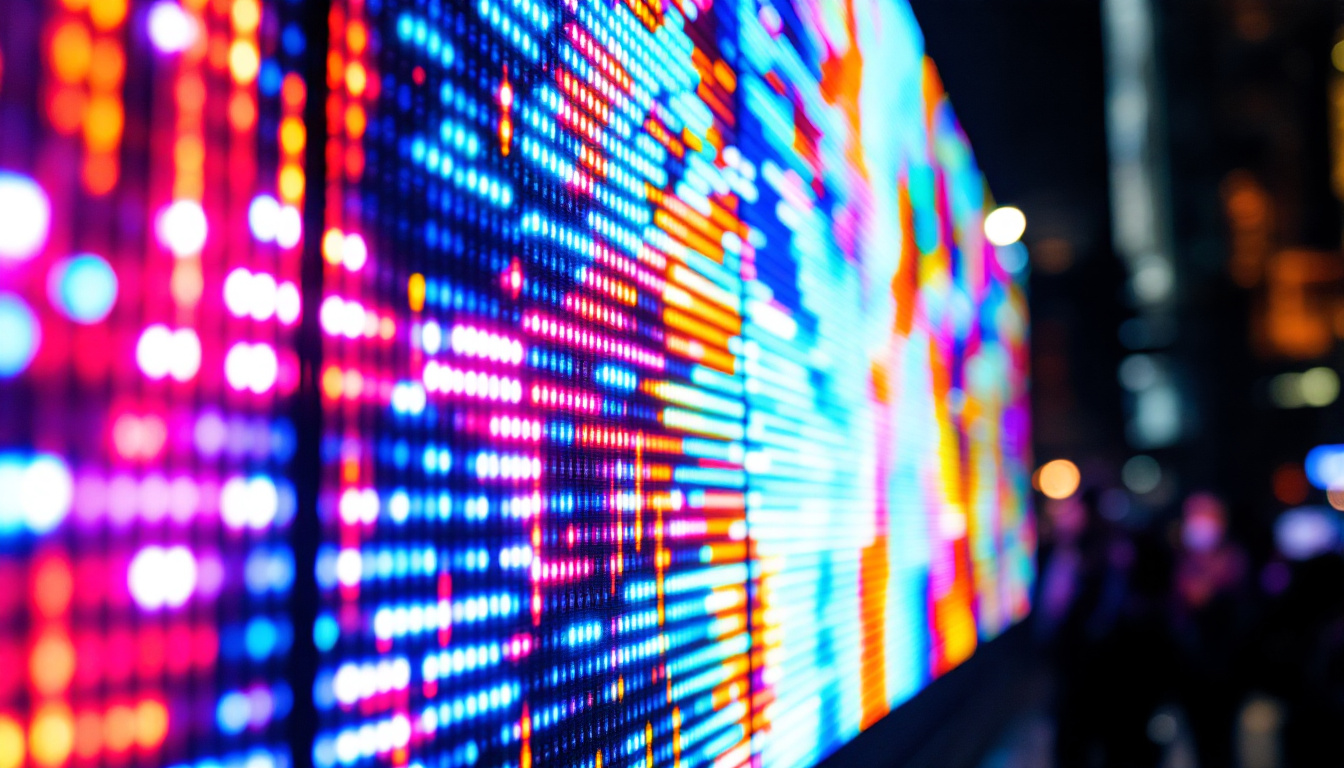
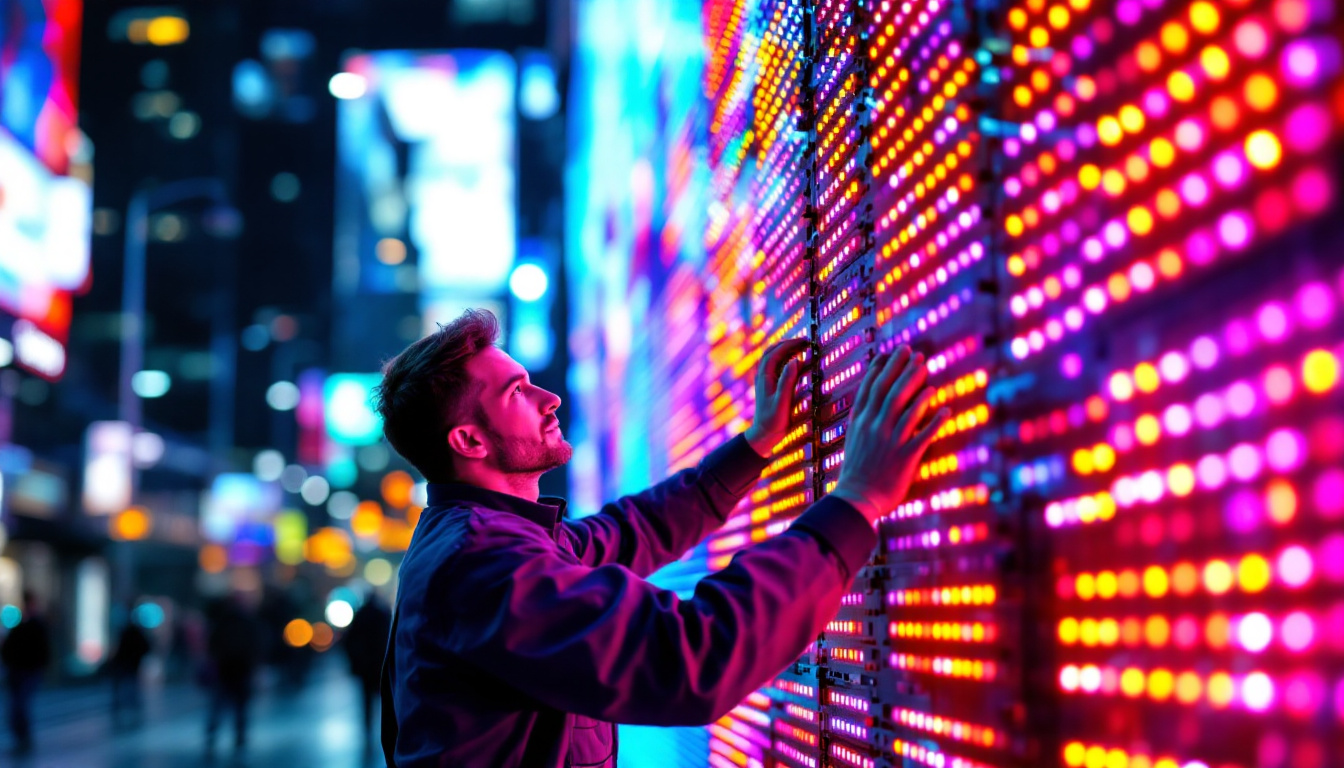
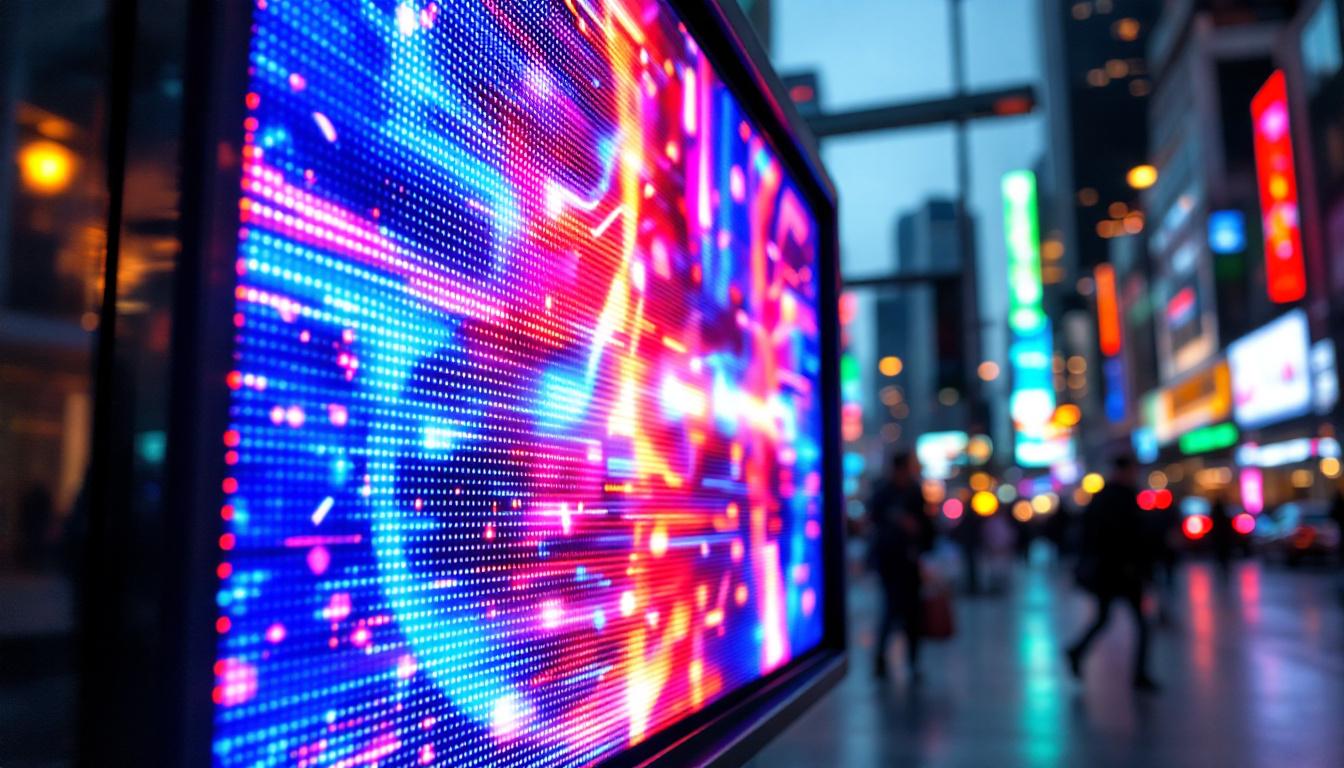
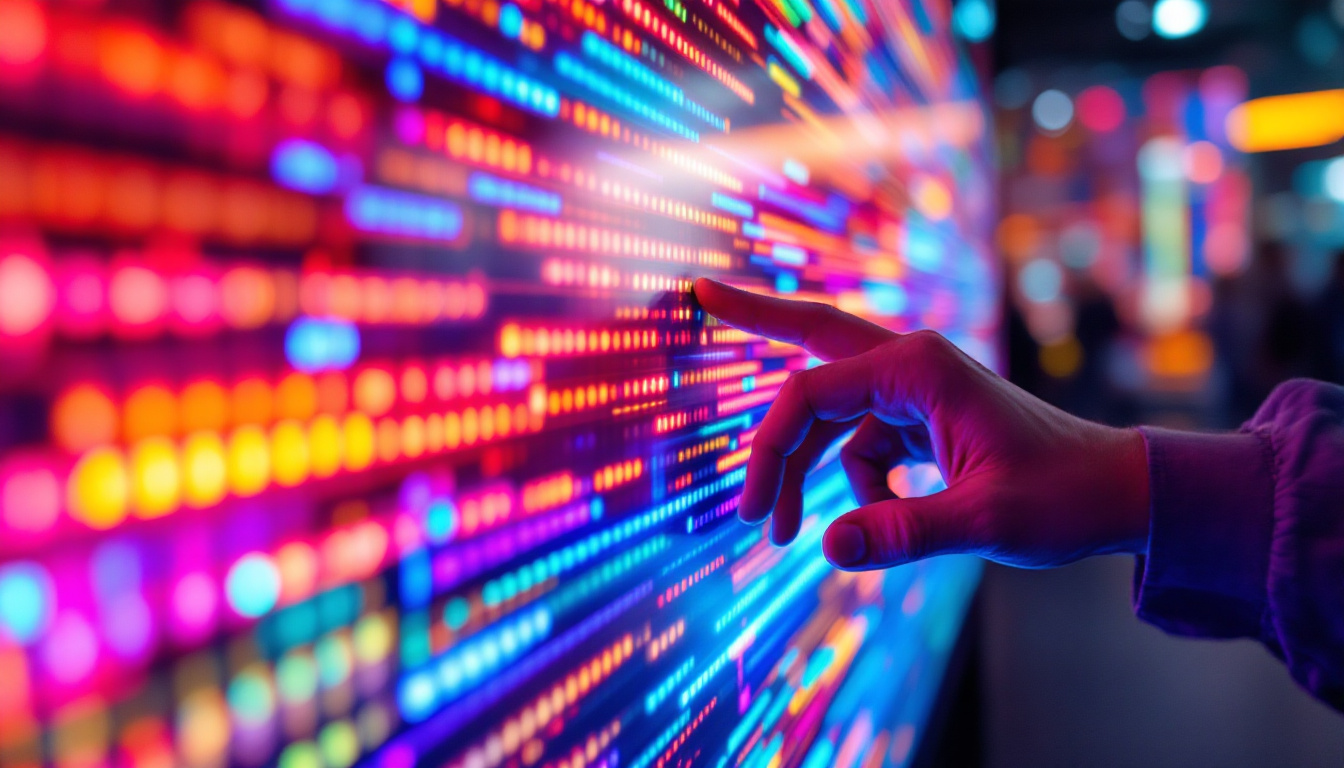
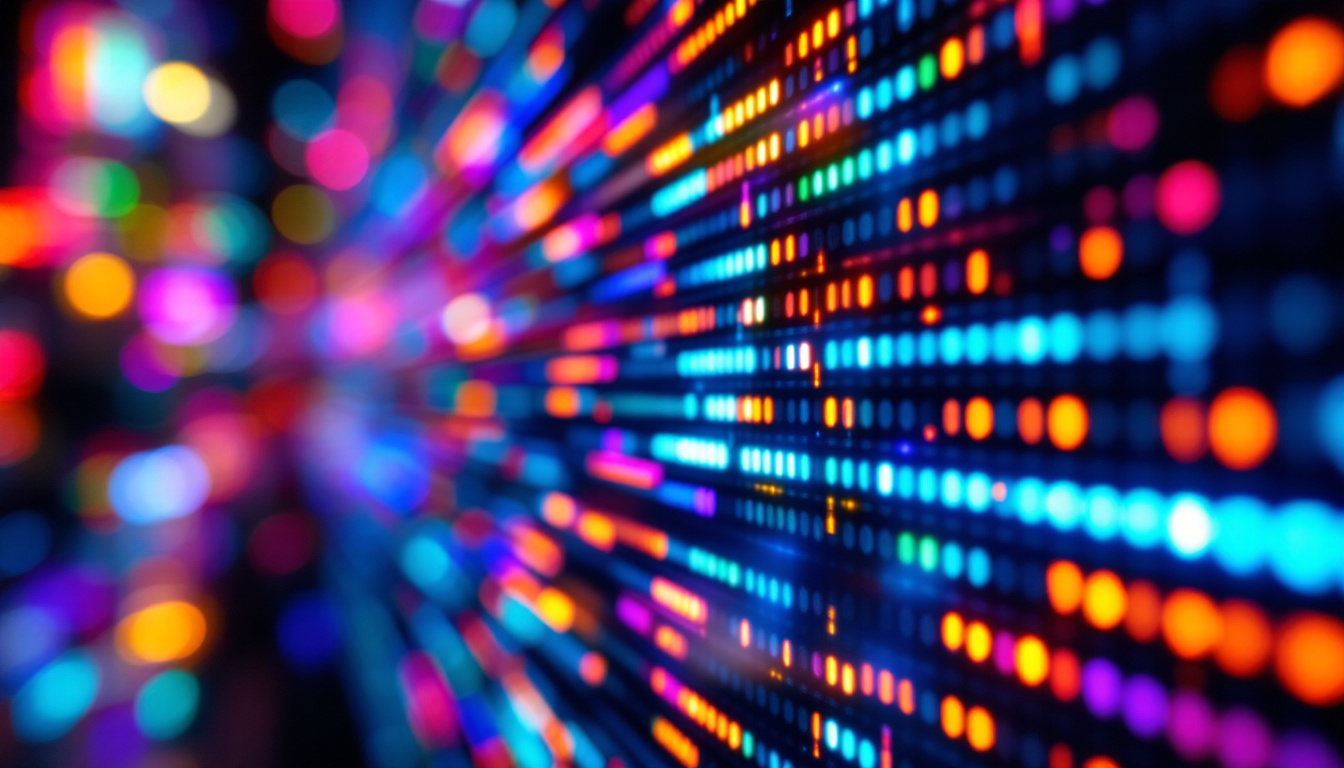
An LED array is a systematic arrangement of light-emitting diodes (LEDs) designed to work together to produce images, text, or lighting effects. Unlike a single LED, which emits light at a single point, an array combines multiple LEDs in a grid or matrix format. This configuration allows for the creation of complex visual content by controlling each LED individually or in groups.
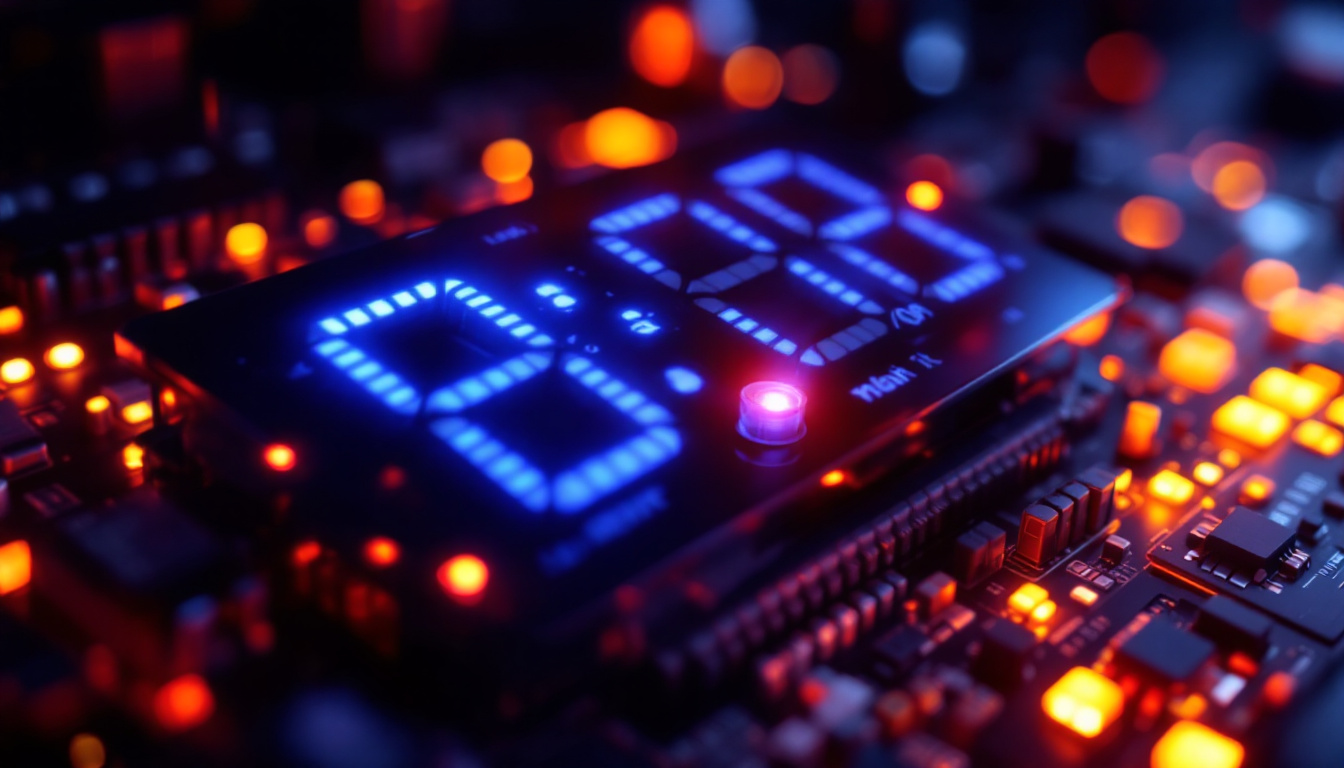
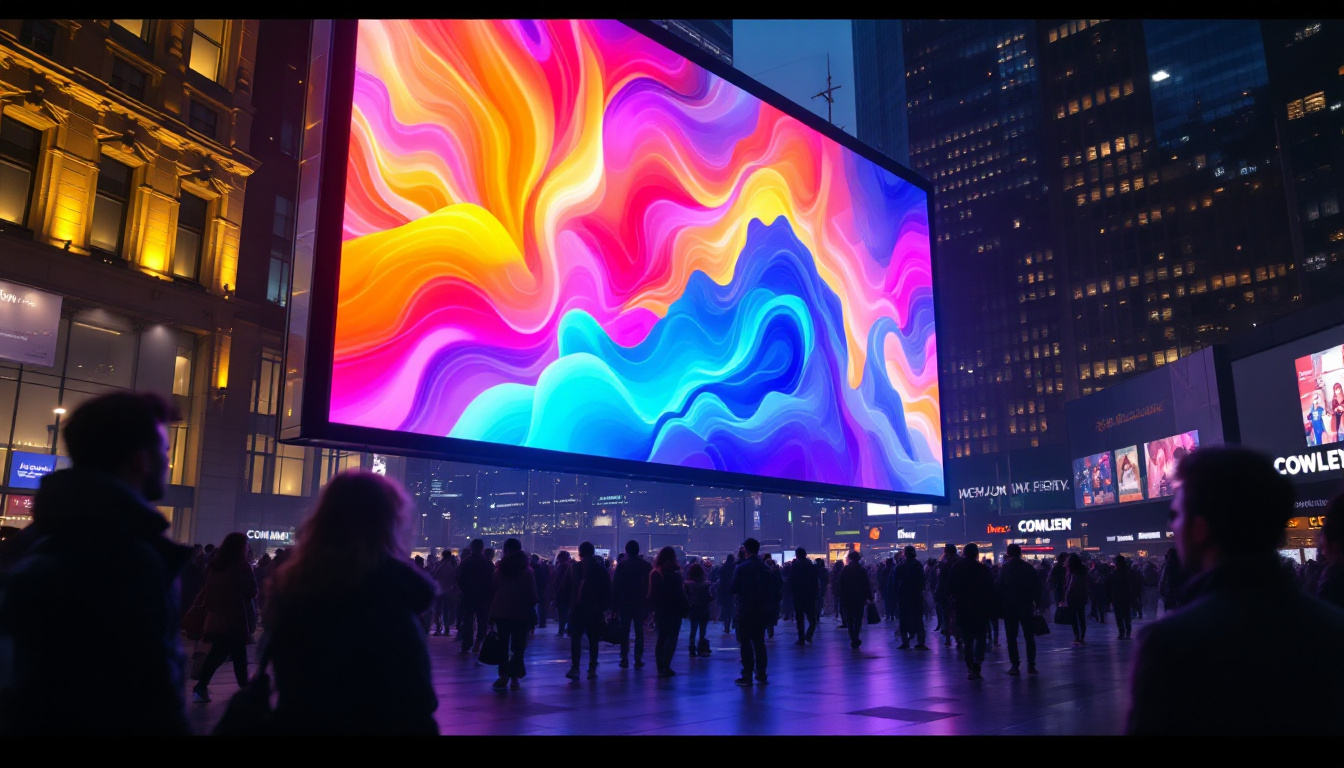
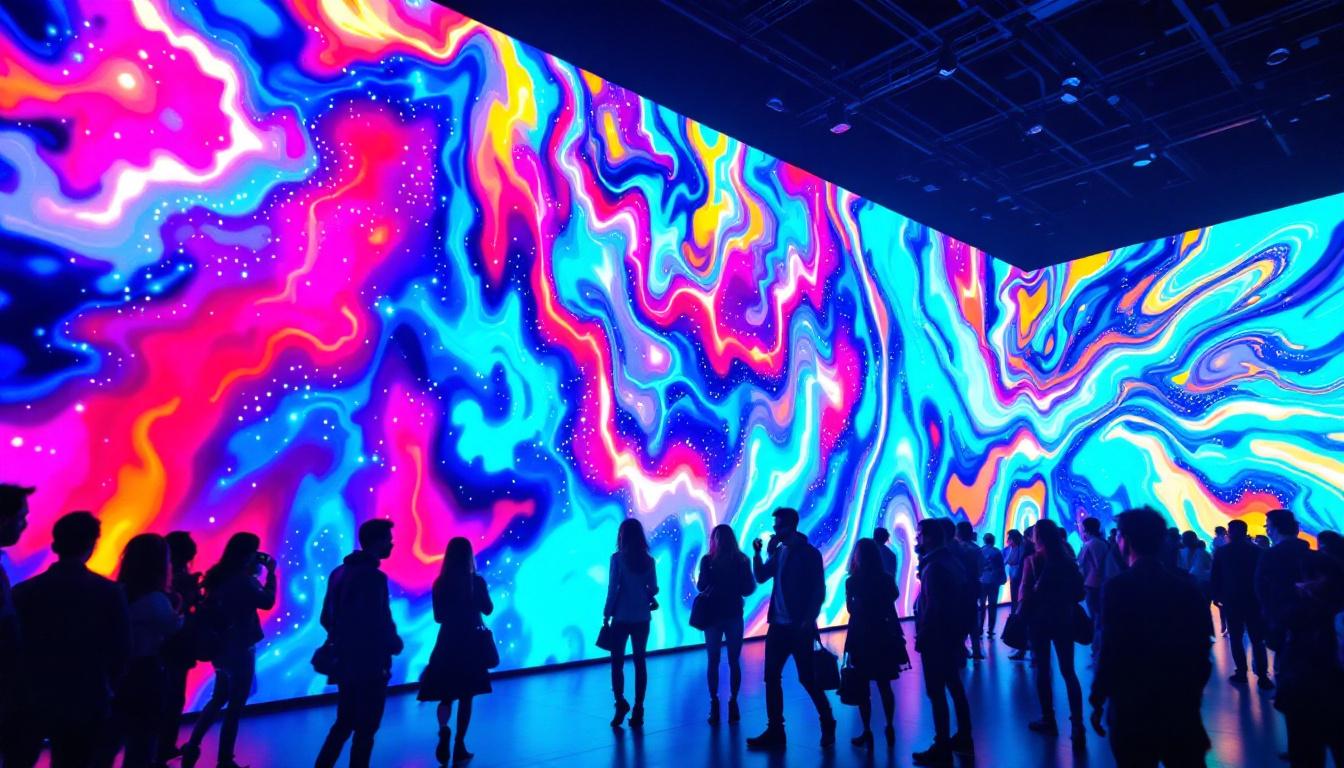
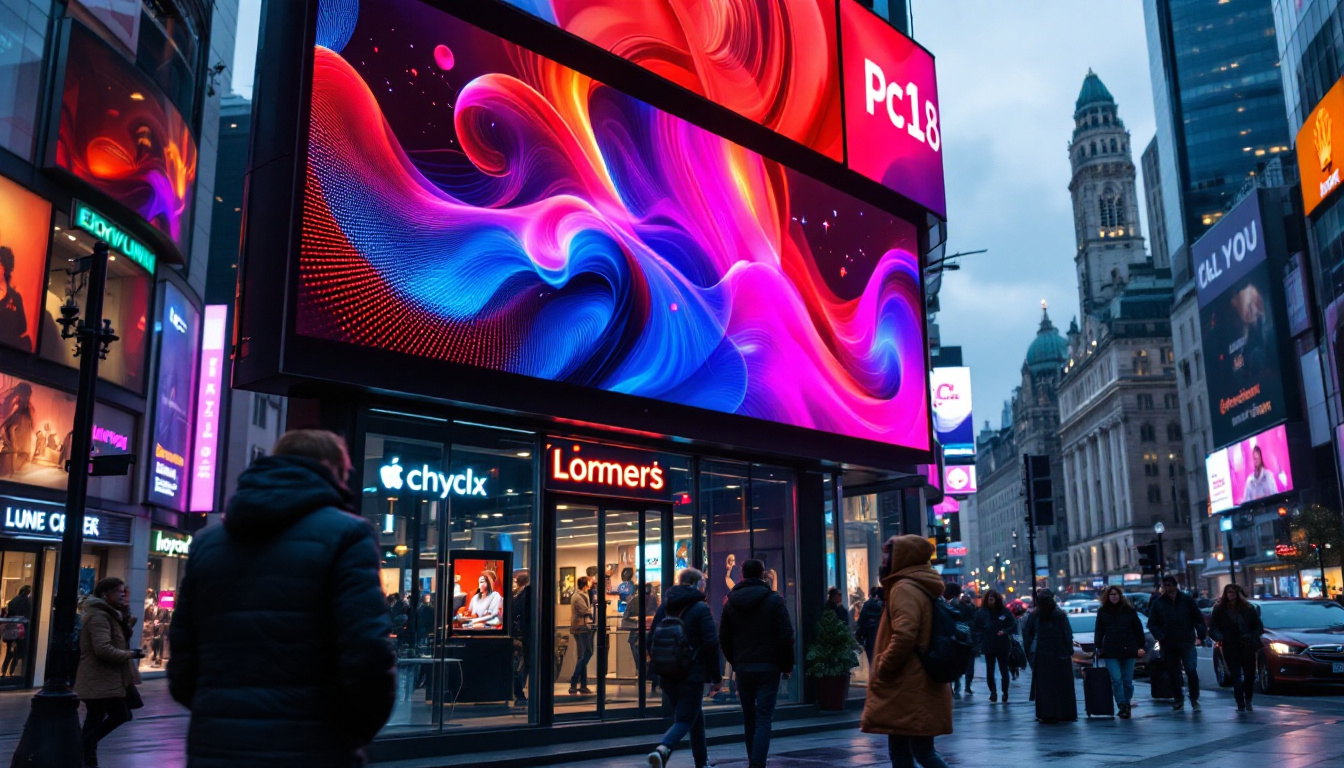
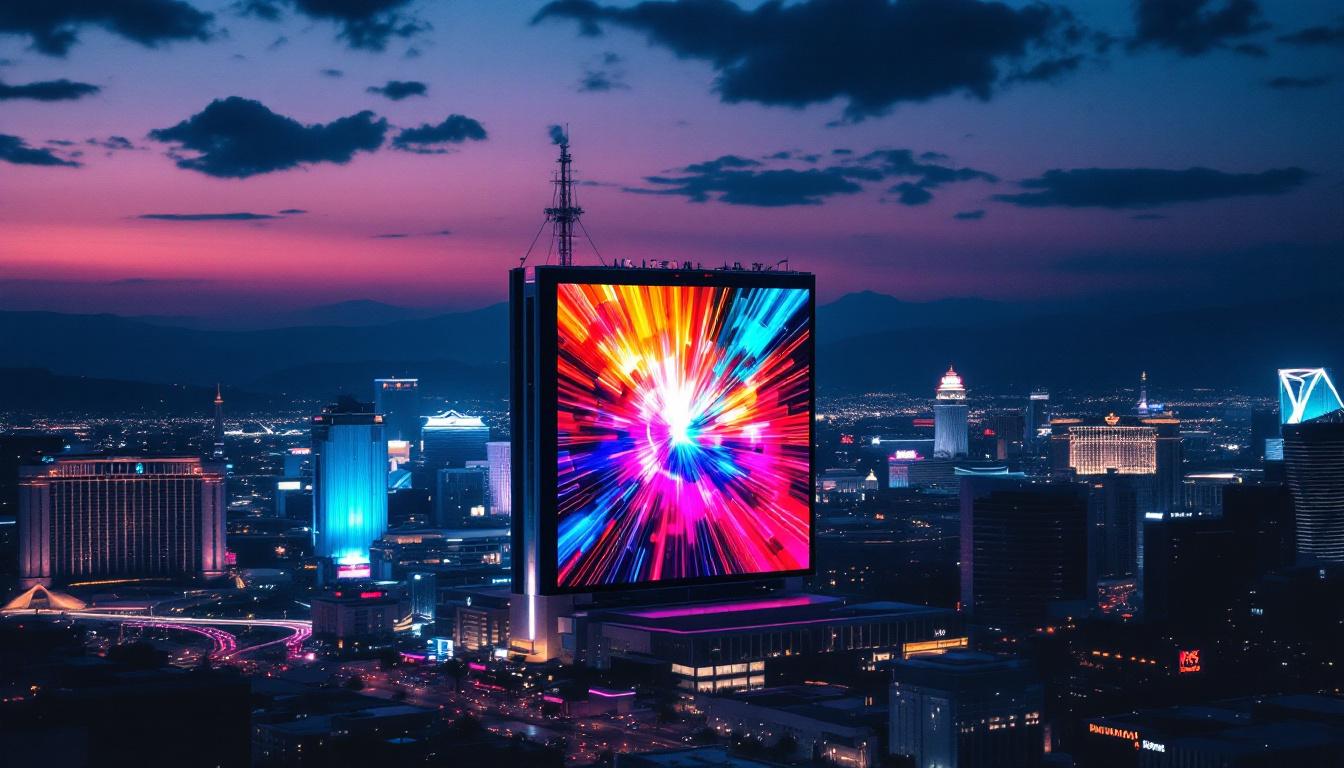
LED arrays can vary widely in size—from just a few LEDs arranged on a small circuit board to thousands of LEDs forming large-scale video walls. The flexibility of LED arrays makes them suitable for both indoor and outdoor displays, offering high brightness, color accuracy, and long lifespan. In addition to their versatility in size, LED arrays can also be designed for various applications, including advertising billboards, stage lighting, and architectural illumination, showcasing their adaptability in different environments.
How LED Arrays Work
Each LED in an array acts as a pixel, the smallest unit of a digital image. By adjusting the brightness and color of each LED pixel, the array can render detailed images and videos. The control system behind the array sends electrical signals to the LEDs, dictating their intensity and color output in real time. This intricate communication between the control system and the LEDs is crucial for achieving the desired visual effects, especially in dynamic displays that require rapid changes in content.
Modern LED arrays often use RGB (red, green, blue) LEDs. By varying the intensity of these three colors, an LED pixel can produce millions of different hues, enabling rich and vibrant displays. Advanced control electronics and software algorithms coordinate the LEDs to ensure smooth transitions and accurate color reproduction. Furthermore, innovations such as pixel mapping and real-time video processing have enhanced the capabilities of LED arrays, allowing for interactive displays that can respond to viewer engagement or environmental changes, thereby creating a more immersive experience.
Types of LED Arrays and Their Applications
Monochrome vs. Full-Color LED Arrays
LED arrays can be broadly categorized into monochrome and full-color types. Monochrome arrays use LEDs of a single color, typically red or green, and are often employed in applications where color is not critical, such as simple numeric displays or indicator panels. These arrays are particularly effective in low-light environments, providing clear visibility without the distraction of multiple colors. For instance, they are frequently used in alarm systems and control panels, where a straightforward color indication can convey important status information quickly and efficiently.
Full-color LED arrays utilize RGB LEDs to produce a wide color spectrum. These arrays are essential for dynamic displays such as digital billboards, stadium screens, and television screens, where vivid and accurate color reproduction is paramount. The ability to mix colors allows for the creation of stunning visuals and animations that can engage audiences effectively. Moreover, advancements in technology have led to the development of high-resolution full-color arrays that can display intricate graphics and videos, making them a popular choice for art installations and interactive displays in public spaces.
Surface-Mount Device (SMD) vs. Through-Hole LEDs
Surface-Mount Device (SMD) LEDs are compact and mounted directly onto the surface of circuit boards. They offer high pixel density and are commonly used in indoor LED displays due to their ability to produce sharp images at close viewing distances. Their small size allows for more flexible design options, enabling manufacturers to create thinner and lighter display panels. Additionally, SMD technology has improved heat dissipation, which enhances the longevity and reliability of the displays, making them ideal for applications in retail environments where aesthetics and performance are crucial.
Through-hole LEDs, on the other hand, have leads that pass through the circuit board and are soldered on the opposite side. These LEDs are typically larger and used in outdoor displays where high brightness and durability are required. Their robust construction makes them resistant to harsh weather conditions, ensuring that they can withstand exposure to rain, wind, and sunlight without compromising performance. As a result, through-hole LEDs are often found in traffic lights, street signs, and large outdoor advertising displays, where visibility from a distance is essential for safety and effective communication.
Applications Across Industries
LED arrays have found widespread adoption across numerous industries:
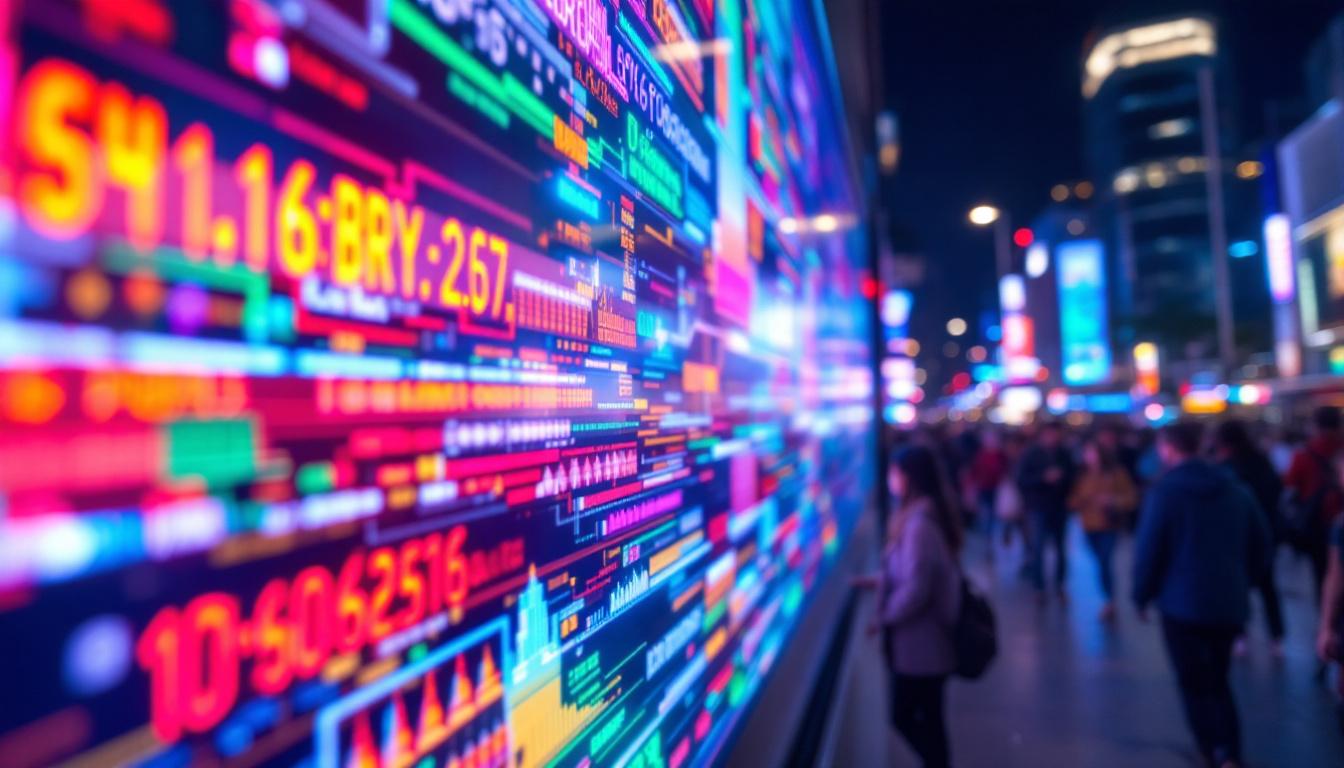
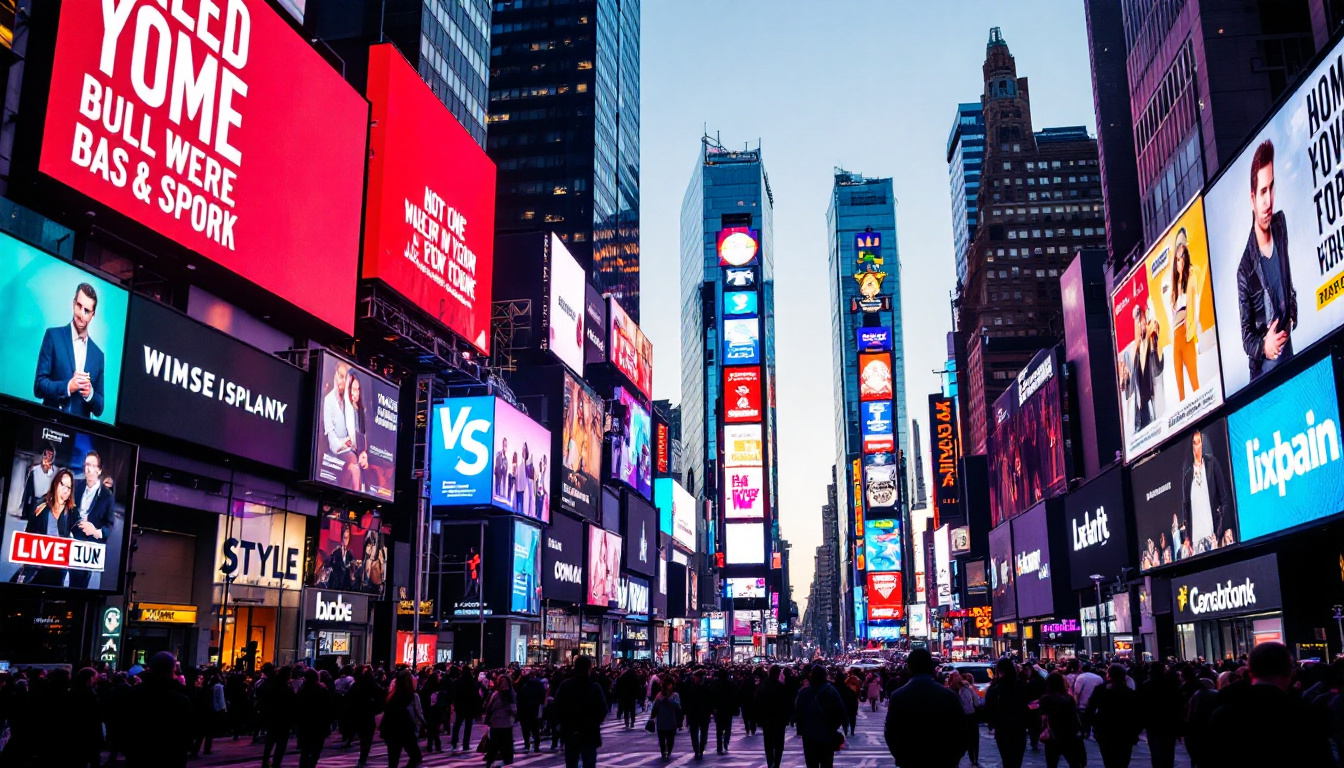
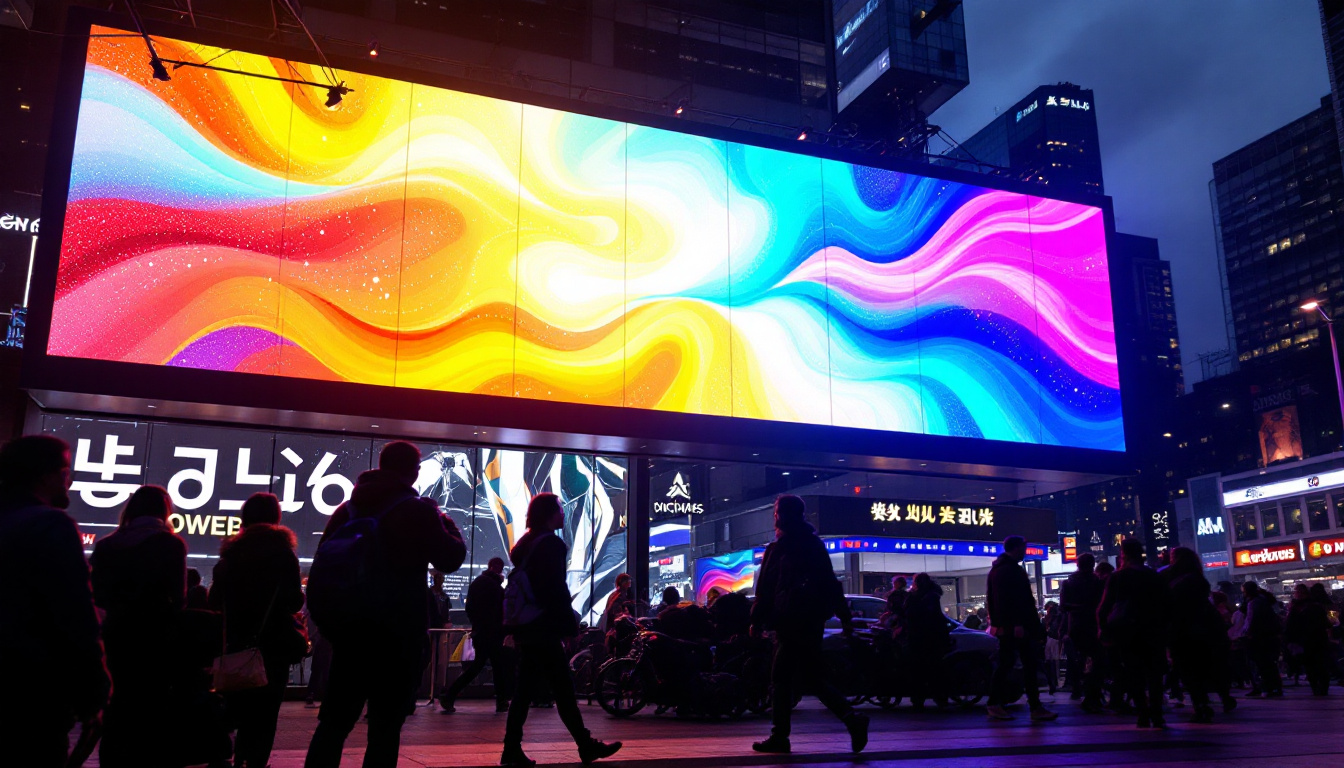
- Advertising and Marketing: Large LED video walls and billboards are used to capture consumer attention with dynamic content. These displays can be programmed to change messages frequently, allowing advertisers to tailor their campaigns in real-time based on audience engagement and time of day.
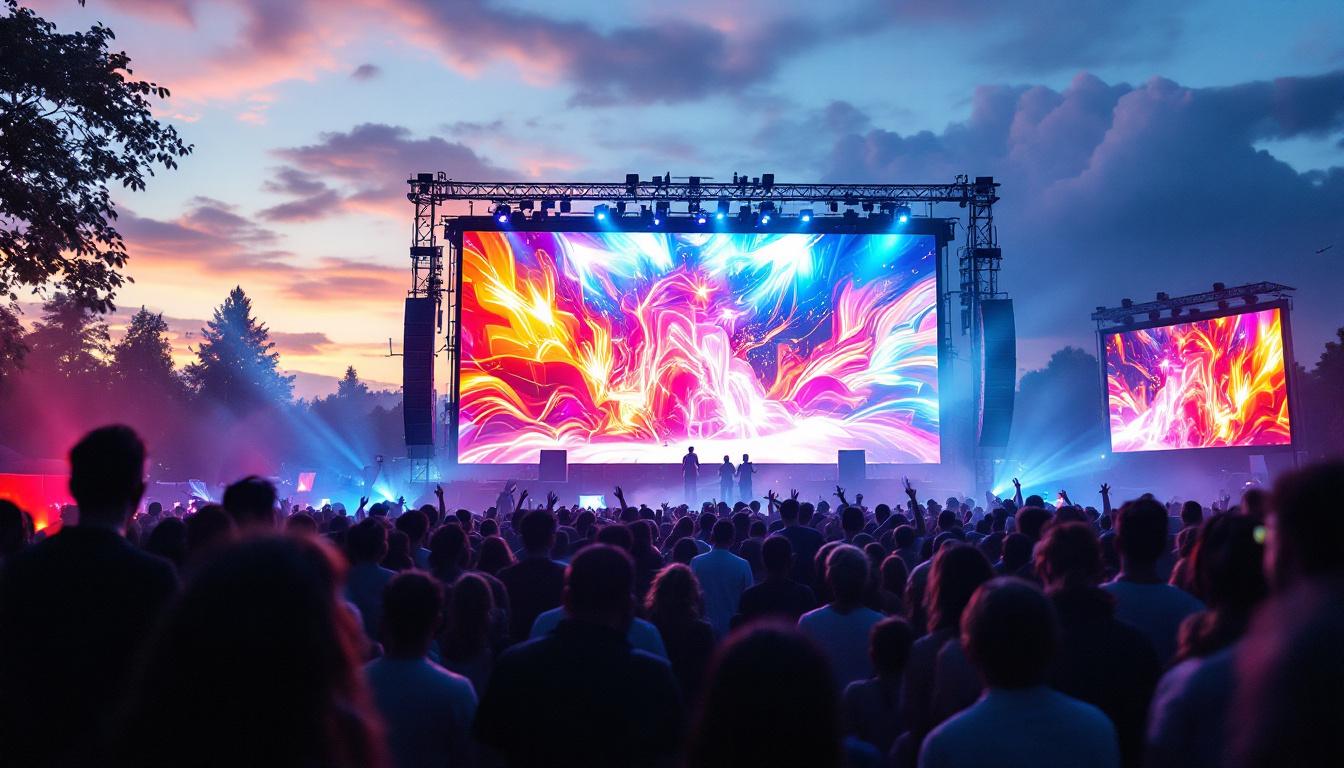
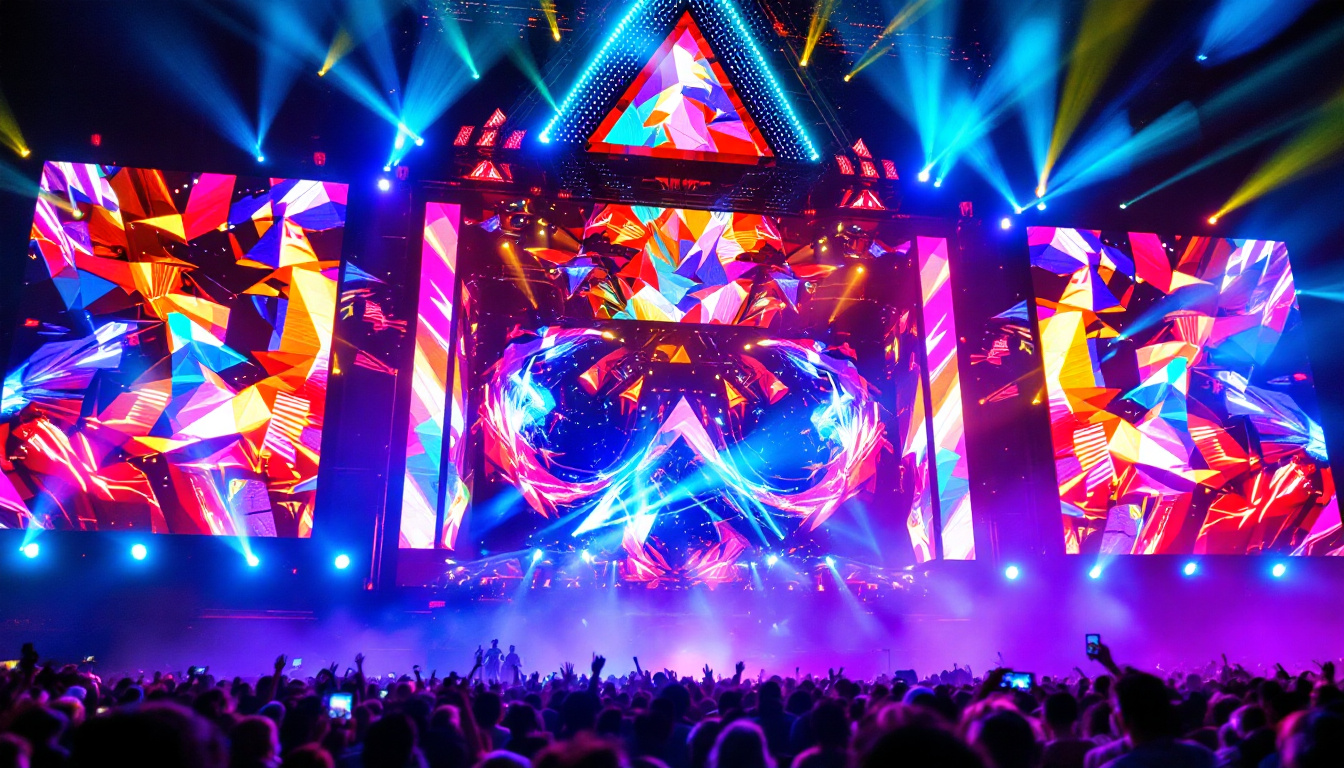
- Entertainment and Events: Concerts and sports arenas utilize LED arrays for immersive visual experiences and live video feeds. The integration of LED technology in stage design has transformed performances, enabling artists to create captivating light shows that synchronize with music and enhance the overall atmosphere.
- Transportation: LED displays provide real-time information on buses, trains, and airports, enhancing passenger communication. These displays not only show arrival and departure times but can also provide updates on delays and emergency alerts, improving the overall travel experience.
- Healthcare: Medical devices employ LED arrays for precise lighting and display functions. In surgical settings, for instance, LED lighting is favored for its ability to produce bright, focused illumination without generating excessive heat, which is critical for maintaining a sterile environment.
- Consumer Electronics: Smartphones, smartwatches, and televisions incorporate LED arrays for high-resolution displays. The shift towards OLED (Organic LED) technology has further revolutionized the consumer electronics market, offering deeper blacks and more vibrant colors, thus enhancing user experience significantly.
Technical Aspects of LED Arrays
Pixel Pitch and Resolution
Pixel pitch is a critical parameter in LED arrays, defined as the distance between the centers of two adjacent pixels. It directly influences the resolution and viewing distance of the display. Smaller pixel pitches mean more LEDs per unit area, resulting in higher resolution and sharper images, especially at close range.
For example, indoor LED displays often feature pixel pitches as small as 1.2mm to 4mm, suitable for viewing distances of a few meters. Outdoor displays typically have larger pixel pitches, such as 10mm to 20mm, optimized for visibility from tens of meters away.
Brightness and Contrast
Brightness, measured in nits (cd/m²), determines how well an LED display performs under various lighting conditions. Outdoor LED arrays can achieve brightness levels exceeding 5,000 nits, ensuring visibility even in direct sunlight. Indoor displays usually operate at lower brightness levels, around 800 to 1,500 nits, to provide comfortable viewing without glare.
Contrast ratio—the difference between the brightest and darkest parts of the display—is another vital factor. High contrast ratios enhance image depth and clarity, making visuals more engaging and easier to interpret.
Power Consumption and Efficiency
LED arrays are renowned for their energy efficiency compared to traditional display technologies like LCD or plasma. However, power consumption depends on factors such as size, brightness, and refresh rate. Advances in LED chip design and driver electronics have steadily improved efficiency, reducing operational costs and environmental impact.
For instance, modern LED arrays incorporate smart dimming and power management features, adjusting brightness dynamically based on ambient light and content requirements. This not only conserves energy but also extends the lifespan of the LEDs.
Design Considerations and Challenges
Thermal Management
LED arrays generate heat during operation, which can affect performance and longevity if not properly managed. Effective thermal management involves heat sinks, ventilation, and sometimes active cooling systems to dissipate heat away from the LEDs and control electronics.
Designers must balance thermal considerations with form factor and cost constraints, especially in compact or high-brightness applications where heat generation is significant.
Durability and Weather Resistance
Outdoor LED arrays face harsh environmental conditions including rain, dust, temperature fluctuations, and UV exposure. To ensure reliability, these arrays are often housed in robust enclosures with high ingress protection (IP) ratings, such as IP65 or higher, indicating resistance to water and dust ingress.
Materials and coatings used in LED modules must also withstand corrosion and mechanical impact, maintaining performance over years of continuous operation.
Calibration and Maintenance
Maintaining color uniformity and brightness consistency across large LED arrays requires careful calibration. Over time, LEDs can age and degrade at different rates, leading to uneven display quality. Advanced calibration techniques use sensors and software algorithms to adjust individual LEDs and compensate for these variations.
Modular design approaches facilitate easier maintenance by allowing quick replacement of faulty LED modules without dismantling the entire display.
The Future of LED Arrays in Display Technology
MicroLED and MiniLED Innovations
Emerging technologies like MicroLED and MiniLED represent the next frontier in LED display development. MicroLEDs are microscopic LEDs that offer exceptional brightness, contrast, and energy efficiency, rivaling OLED displays while avoiding issues like burn-in.
MiniLEDs, larger than MicroLEDs but smaller than traditional LEDs, enable higher local dimming zones in LCD backlighting, improving contrast and color accuracy. Both technologies promise to revolutionize displays in smartphones, televisions, and augmented reality devices.
Integration with Smart Technologies
LED arrays are increasingly integrated with sensors, artificial intelligence, and IoT (Internet of Things) platforms to create adaptive and interactive displays. For example, smart billboards can change content based on audience demographics or environmental conditions, enhancing engagement and advertising effectiveness.
In smart cities, LED arrays serve as dynamic information hubs, providing real-time updates on traffic, weather, and public safety, contributing to urban efficiency and citizen convenience.
Sustainability and Environmental Impact
As demand for LED displays grows, sustainability considerations are gaining prominence. Manufacturers are focusing on eco-friendly materials, recyclable components, and energy-saving designs. The long lifespan and low power consumption of LED arrays contribute to reduced environmental footprints compared to legacy display technologies.
Innovations in manufacturing processes and end-of-life recycling programs aim to further minimize waste and resource consumption, aligning LED display technology with global sustainability goals.
Conclusion
LED arrays have transformed the landscape of digital displays by offering unmatched brightness, color fidelity, and versatility. Their applications span diverse sectors, from advertising and entertainment to healthcare and transportation. Understanding the technical nuances—from pixel pitch and brightness to thermal management and calibration—is essential for selecting and deploying LED displays effectively.
With ongoing advancements like MicroLED technology and smart integration, LED arrays are poised to become even more integral to how information and visuals are communicated in the future. Their blend of performance, efficiency, and adaptability ensures that LED displays will remain at the forefront of visual technology for years to come.
Explore Cutting-Edge LED Display Solutions with LumenMatrix
As you’ve seen, LED arrays are pivotal in shaping the future of digital display technology. If you’re inspired to elevate your visual communication with the latest in LED innovation, look no further than LumenMatrix. Our extensive range of products, from Indoor and Outdoor LED Wall Displays to specialized solutions like Vehicle, Sports, and Floor LED Displays, are designed to captivate and engage your audience. Embrace the future of display technology and check out LumenMatrix LED Display Solutions today to transform your space into a dynamic visual experience.