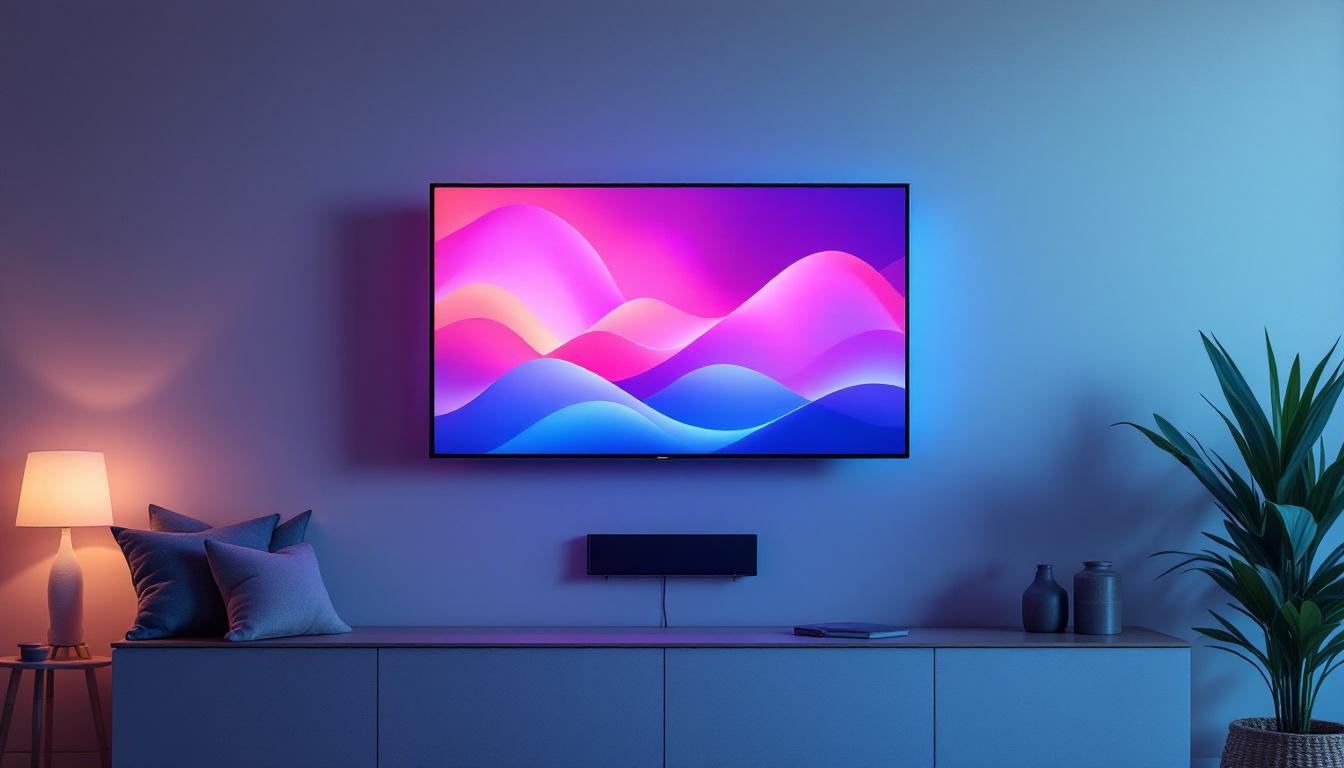
When shopping for a new television, the terms LCD and LED LCD often come up, sometimes causing confusion. Many consumers wonder whether there is a significant difference between the two, or if one technology is inherently better than the other. Understanding the distinctions between LCD and LED LCD TVs is essential to making an informed purchase that suits your viewing preferences and budget.
This article delves into the core differences between LCD and LED LCD TVs, explains how LED displays work, and highlights the advantages and limitations of each technology. By the end, you will have a clear understanding of which TV type might be the best fit for your home entertainment setup.
Understanding the Basics: What Is an LCD TV?
LCD stands for Liquid Crystal Display, a technology that has been widely used in televisions and monitors for decades. At its core, an LCD TV uses a liquid crystal solution sandwiched between two layers of polarized glass. These crystals do not emit light by themselves but manipulate light passing through them to create images.
To display images, an LCD TV requires a backlight because the liquid crystals are not self-illuminating. Early LCD TVs typically used Cold Cathode Fluorescent Lamps (CCFLs) as their backlight source. These fluorescent tubes provided the necessary illumination behind the LCD panel, allowing the liquid crystals to control the amount of light passing through each pixel and thus forming the image.
While CCFL-backlit LCD TVs were revolutionary when introduced, they had some drawbacks, including bulkier designs, higher power consumption, and less precise control over brightness and contrast compared to newer technologies.
How Does an LCD TV Work?
The liquid crystals in an LCD panel act as shutters that open and close to varying degrees to control light intensity. The backlight shines through the panel, and the crystals adjust to allow more or less light through each pixel. Color filters then add the red, green, and blue hues necessary to produce the full-color image on the screen.
Because the backlight is always on in CCFL LCD TVs, the contrast ratio and black levels are limited. Light leakage can cause blacks to appear grayish, and the overall picture quality may suffer in dark scenes.
In recent years, the introduction of LED (Light Emitting Diode) backlighting has significantly improved the performance of LCD TVs. LED backlighting not only allows for thinner and more energy-efficient designs but also enhances brightness and contrast levels. With the ability to dim or turn off individual LEDs, local dimming techniques can create deeper blacks and more vivid colors, making the viewing experience more immersive. This advancement has led to the popularity of LED-LCD TVs, which combine the benefits of LCD technology with the superior lighting capabilities of LEDs.
Moreover, advancements in LCD technology have also brought about the development of IPS (In-Plane Switching) panels, which provide wider viewing angles and better color accuracy compared to traditional TN (Twisted Nematic) panels. This means that viewers can enjoy consistent colors and brightness from various angles, making LCD TVs a versatile choice for group viewing scenarios. As the technology continues to evolve, manufacturers are constantly pushing the boundaries of what LCD TVs can achieve, incorporating features like smart capabilities, high dynamic range (HDR), and enhanced refresh rates to cater to the demands of modern consumers.
What Is an LED LCD TV?
LED LCD TVs are essentially LCD TVs that use Light Emitting Diodes (LEDs) as their backlight source instead of CCFLs. This subtle yet significant change has led to improved picture quality, slimmer designs, and better energy efficiency.
It is important to note that LED LCD TVs are not a different type of display technology; they are still LCD panels but with LED backlighting. The term “LED TV” is often used interchangeably with LED LCD TV, which can be misleading. True LED displays, such as OLED TVs, use self-emissive pixels and are a different technology altogether.
Types of LED Backlighting
LED backlighting comes in two main configurations:
- Edge-lit LED: LEDs are placed along the edges of the screen, and light is diffused across the panel. This allows for thinner TV designs but can sometimes result in uneven brightness or “hot spots.”
- Full-array LED: LEDs are placed directly behind the entire screen, often with local dimming zones that can be turned off or dimmed independently. This improves contrast and black levels significantly.
Full-array LED TVs with local dimming are generally considered superior in picture quality compared to edge-lit models.
Key Differences Between LCD and LED LCD TVs
Backlighting Technology
The most fundamental difference lies in the backlighting. Traditional LCD TVs use CCFL tubes, while LED LCD TVs use LEDs. LEDs are more energy-efficient, have a longer lifespan, and allow for thinner and lighter TV designs.
Additionally, LED backlighting offers better control over brightness and contrast, especially when combined with local dimming technology. This results in deeper blacks and more vibrant colors, enhancing the overall viewing experience.
Picture Quality
LED LCD TVs generally provide superior picture quality compared to CCFL-backlit LCD TVs. The improved backlighting allows for higher contrast ratios and better color accuracy. Local dimming in full-array LED TVs can dramatically improve black levels, making dark scenes more immersive and detailed.
However, the quality of an LED LCD TV can vary widely depending on the manufacturer, model, and the specific LED backlighting technology used. Edge-lit LED TVs may not perform as well as full-array models in terms of uniformity and contrast.
Energy Efficiency and Environmental Impact
LED LCD TVs consume less power than traditional LCD TVs with CCFL backlights. LEDs are inherently more energy-efficient and generate less heat, contributing to lower electricity bills and a smaller environmental footprint.
Moreover, LEDs do not contain mercury, unlike CCFL tubes, making LED LCD TVs a more environmentally friendly option when it comes to disposal and recycling.
Design and Thickness
LED backlighting allows manufacturers to create thinner and lighter TVs. Edge-lit LED TVs, in particular, can be extremely slim, making them ideal for wall mounting and modern living spaces where aesthetics matter.
In contrast, CCFL-backlit LCD TVs tend to be bulkier due to the size and placement of the fluorescent tubes.
Cost Considerations
When LED LCD technology first emerged, these TVs were more expensive than traditional LCD models. However, as LED manufacturing has become more widespread and affordable, LED LCD TVs are now the standard in the market.
CCFL LCD TVs are rarely sold new today, but if found, they are generally cheaper. However, the trade-off in picture quality, energy consumption, and design often makes LED LCD TVs a better investment in the long run.
Common Misconceptions About LCD and LED TVs
Is LED TV a Different Technology from LCD?
Many consumers mistakenly believe that LED TVs are an entirely different technology from LCD TVs. In reality, LED TVs are a subset of LCD TVs that use LED backlighting instead of CCFLs. The LCD panel itself remains the same in both types.
True LED displays, such as OLED (Organic Light Emitting Diode) TVs, are fundamentally different because each pixel emits its own light. This results in even better contrast, color accuracy, and viewing angles, but OLED TVs typically come at a higher price point.
Are All LED TVs the Same?
Not all LED TVs are created equal. The quality of LED backlighting can vary significantly. Edge-lit LED TVs are thinner and more affordable but may suffer from uneven brightness. Full-array LED TVs with local dimming offer better picture quality but tend to be more expensive.
Additionally, some manufacturers use marketing terms like “Quantum Dot” or “NanoCell” to describe enhanced LCD panels paired with LED backlighting, which can further improve color performance.
Which One Should You Choose?
For most consumers today, an LED LCD TV is the preferred choice due to its superior picture quality, energy efficiency, and sleek design. Since LED backlighting has become the industry standard, nearly all new LCD TVs on the market use LED technology.
If you encounter an older CCFL-backlit LCD TV, it may be cheaper but will likely fall short in terms of image quality and power consumption. Investing in an LED LCD TV will generally provide a better viewing experience and longer-term value.
Consider Your Viewing Environment
If you watch a lot of movies in a dark room, a full-array LED TV with local dimming will offer the best contrast and black levels. For bright rooms or casual viewing, an edge-lit LED TV may suffice and can be more affordable.
Budget and Features
LED LCD TVs come in a wide range of price points. It’s important to balance your budget with desired features such as screen size, resolution (4K or 8K), smart TV capabilities, HDR support, and refresh rate.
Reading reviews and comparing models can help identify TVs that offer the best value for your money.
The Future of TV Display Technology
While LED LCD TVs dominate the current market, emerging technologies like OLED and Mini-LED are gaining traction. OLED TVs provide self-emissive pixels, resulting in perfect blacks and outstanding color accuracy, but they tend to be more expensive and can suffer from burn-in issues over time.
Mini-LED technology is an advanced form of LED backlighting that uses thousands of tiny LEDs to improve local dimming precision and contrast. This technology bridges the gap between traditional LED LCD and OLED displays, offering enhanced picture quality at a more accessible price point.
Understanding the differences between these technologies can help consumers make smarter choices as the TV market continues to evolve.
Conclusion
The difference between LCD and LED LCD TVs primarily lies in the backlighting technology. Traditional LCD TVs use CCFL tubes, while LED LCD TVs use LEDs, resulting in better energy efficiency, improved picture quality, and slimmer designs.
LED LCD TVs have become the standard in the television market, offering a wide range of options to suit various budgets and preferences. When choosing a TV, consider factors such as backlighting type, local dimming capability, screen size, and additional features to find the best fit for your needs.
As display technology advances, staying informed about the latest developments like OLED and Mini-LED can help ensure that your next TV purchase delivers an exceptional viewing experience for years to come.
Explore Cutting-Edge LED Display Solutions with LumenMatrix
Now that you understand the significant benefits of LED LCD TVs, take your viewing experience to the next level with LumenMatrix’s innovative LED display technology. Whether you’re looking to enhance your home entertainment system or elevate your business’s brand visibility, LumenMatrix offers a comprehensive range of LED display solutions, including Indoor and Outdoor LED Wall Displays, Vehicle LED Displays, and more. Embrace the future of visual communication and check out LumenMatrix LED Display Solutions to create truly captivating visual experiences.