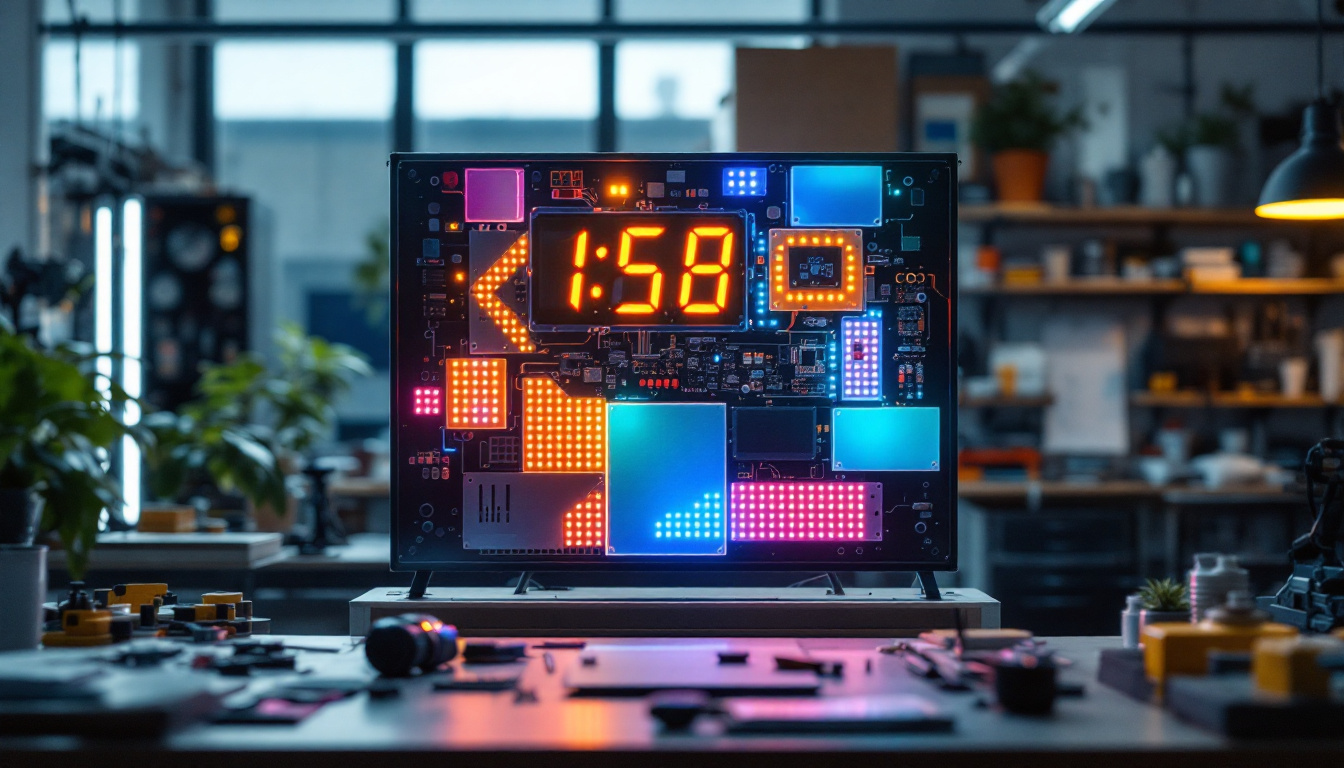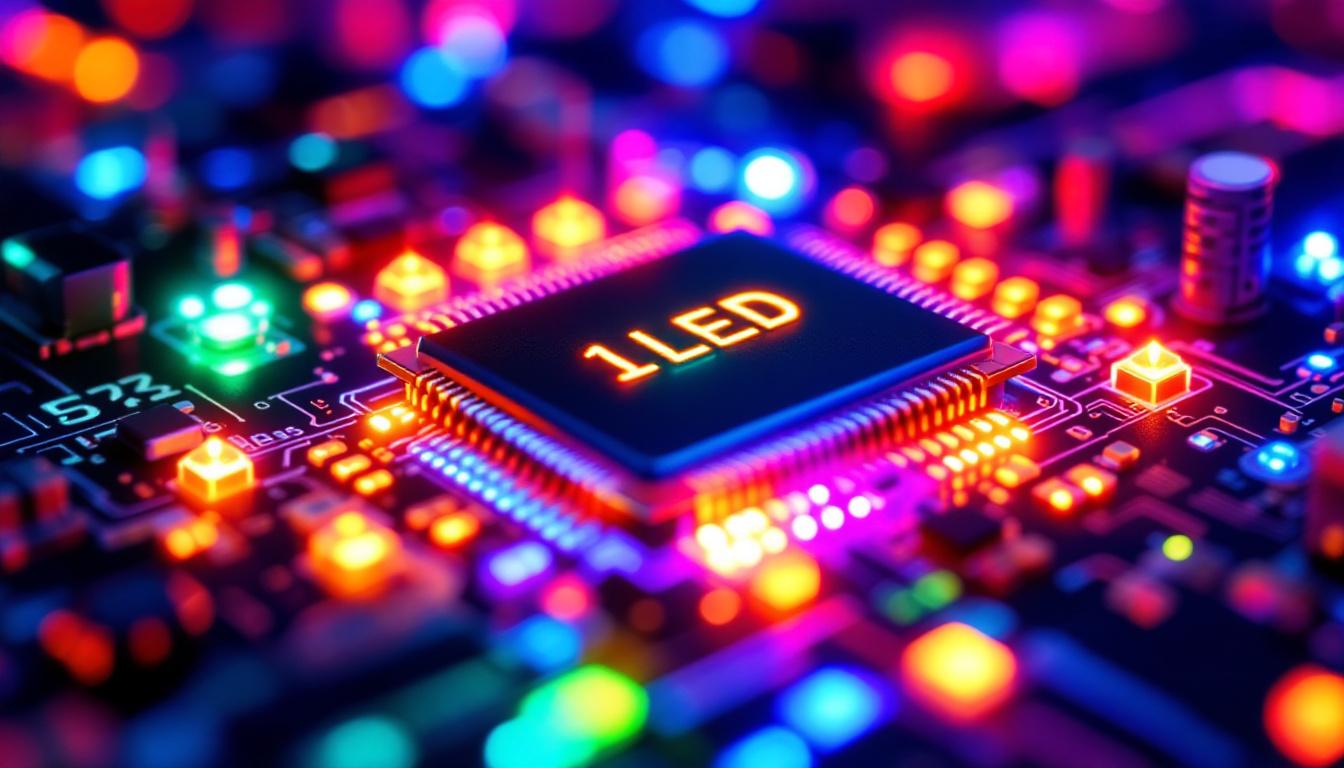
In today’s digital era, LED displays have become an integral part of our daily lives, from the smartphones in our pockets to massive advertising billboards in city centers. At the heart of these vibrant and energy-efficient screens lies the LED chip, a small but powerful component that drives the display technology. This article delves into the fundamentals of LED chips, their role in LED displays, and the technological advancements shaping the future of visual communication.
Understanding the Basics of LED Chips
What is an LED Chip?
An LED chip, or Light Emitting Diode chip, is a semiconductor device that emits light when an electric current passes through it. Unlike traditional incandescent bulbs, LED chips produce light through electroluminescence, a process where electrons recombine with holes within the semiconductor material, releasing energy in the form of photons. This fundamental principle allows LED chips to be highly efficient and long-lasting light sources.
Typically, an LED chip is made from materials such as gallium arsenide (GaAs), gallium phosphide (GaP), or gallium nitride (GaN), depending on the desired color and application. These chips are incredibly small, often measuring just a few hundred micrometers across, but they pack a significant amount of power and brightness relative to their size.
How LED Chips Work in Displays
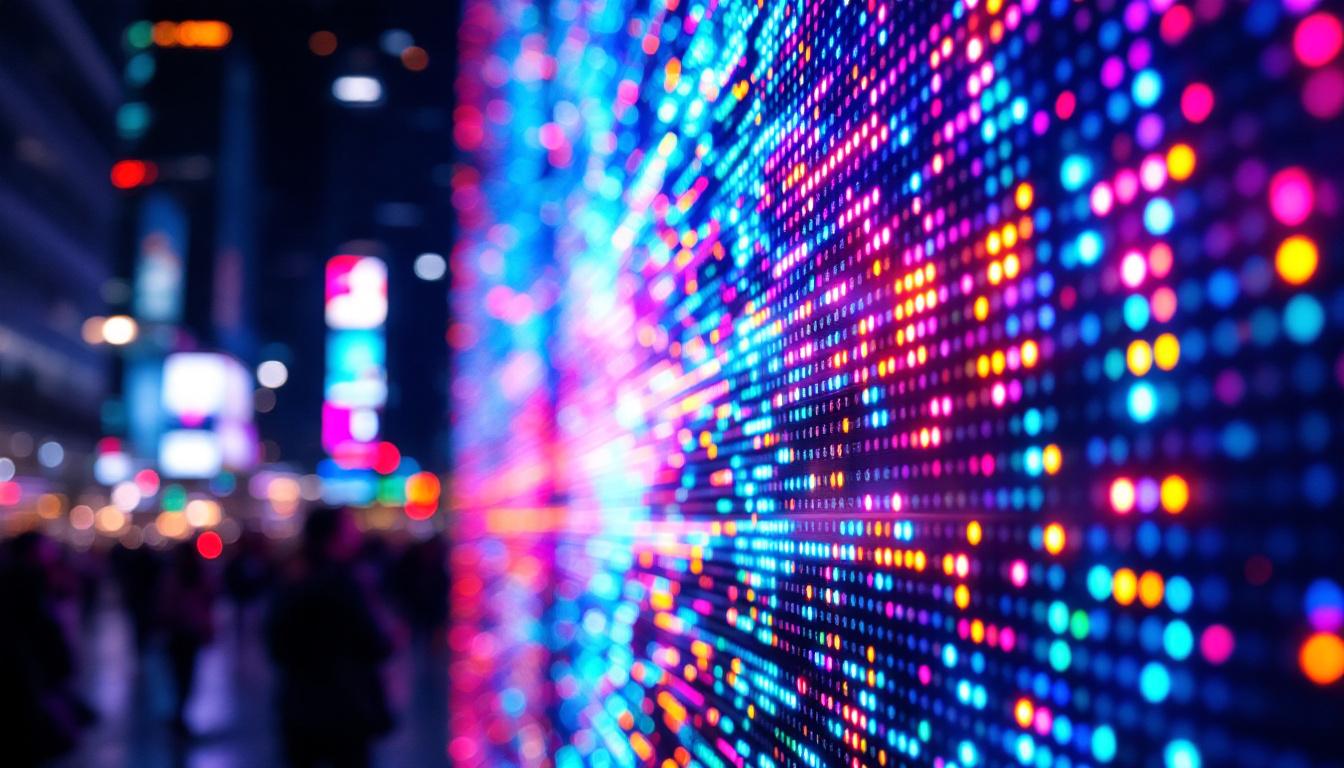
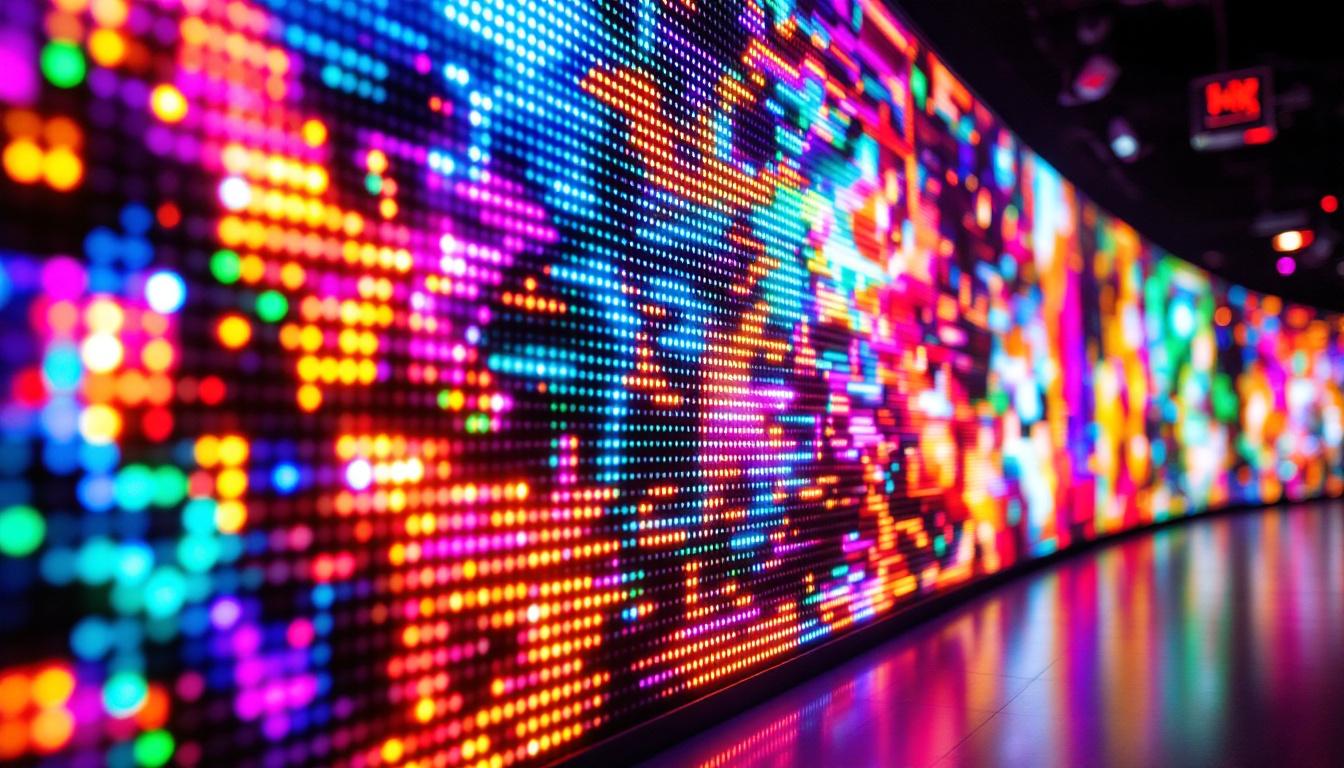
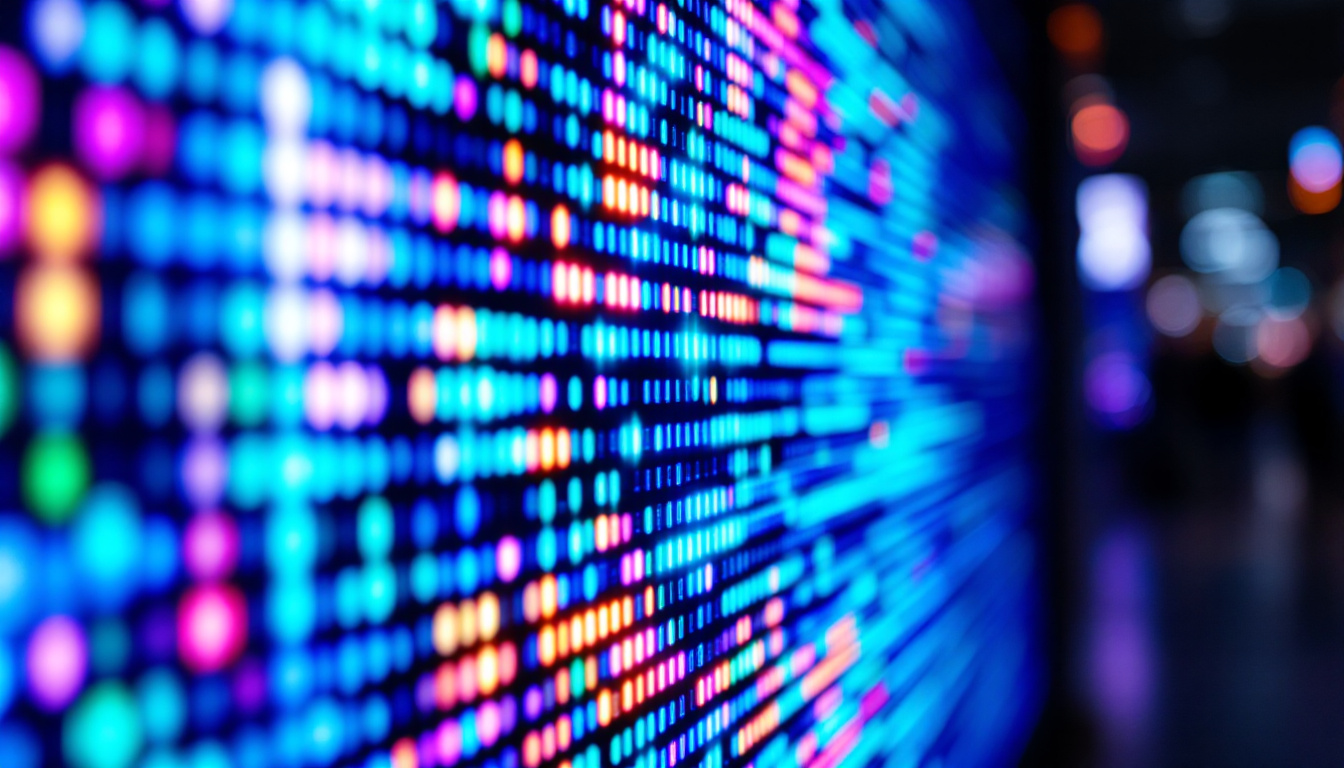
In LED displays, individual LED chips serve as pixels or subpixels that collectively form images. Each pixel is composed of red, green, and blue LED chips, which combine their light output to produce millions of colors through additive color mixing. By controlling the intensity of each chip, the display can render detailed and vibrant images.
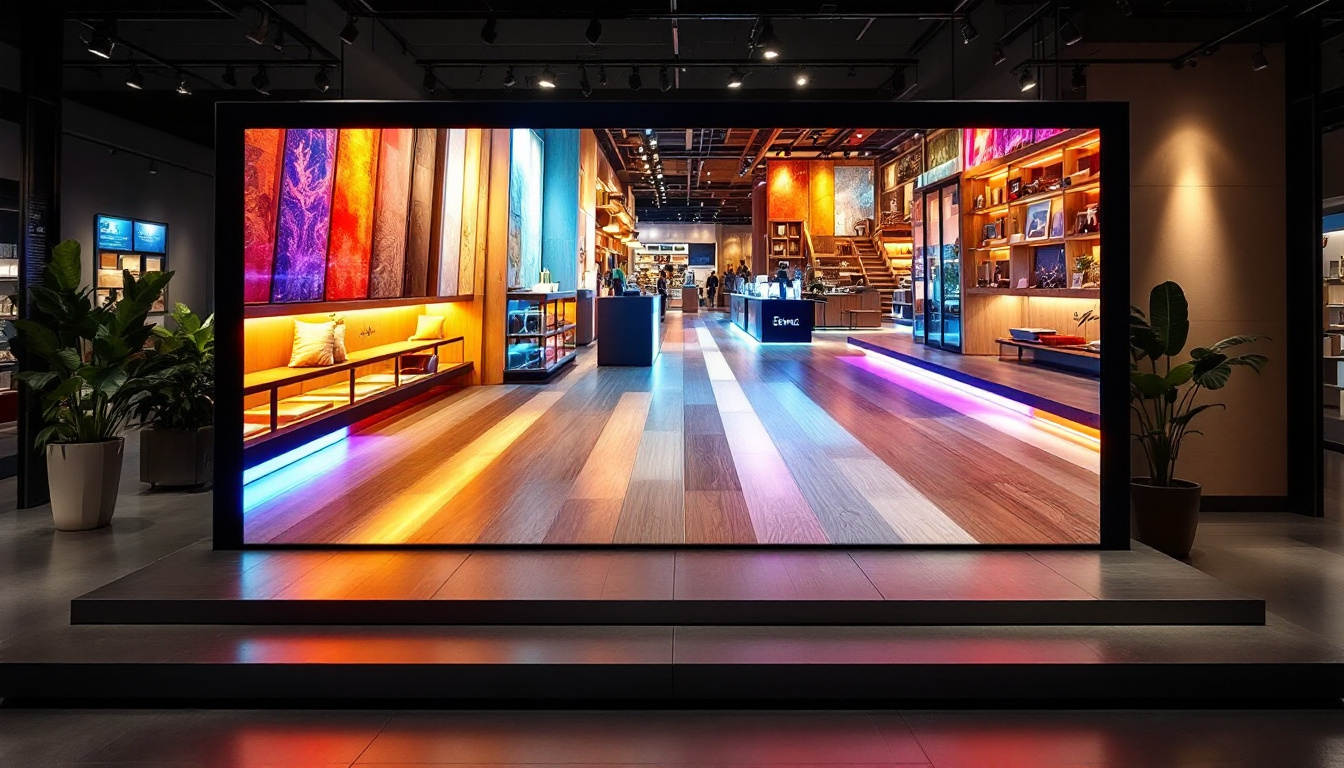
Modern LED displays can be categorized into two main types based on how the LED chips are used: direct-view LED displays and LED-backlit LCDs. Direct-view LED displays use LED chips as the primary light source for each pixel, while LED-backlit LCDs use LED chips as a backlight behind liquid crystal panels. The former is common in large-scale outdoor screens, while the latter is prevalent in consumer electronics like TVs and monitors.
Types of LED Chips and Their Applications
Standard LED Chips
Standard LED chips are the most commonly used type in general lighting and display applications. They offer reliable performance, moderate brightness, and a wide range of color options. These chips are often found in indoor LED displays, digital signage, and indicator lights.
One of the key advantages of standard LED chips is their cost-effectiveness, making them ideal for large-scale deployments where budget constraints are significant. However, their brightness and color purity may not match the demands of high-end or outdoor displays.
High-Power LED Chips
High-power LED chips are designed to deliver significantly higher brightness levels, often exceeding 100 lumens per watt. They are commonly used in outdoor LED displays, automotive lighting, and stage lighting, where intense illumination is required.
These chips often incorporate advanced heat dissipation technologies to manage the increased thermal output, ensuring longevity and stable performance. The development of high-power LED chips has enabled the creation of large-format displays visible even in direct sunlight, revolutionizing outdoor advertising and public information systems.
Mini and Micro LED Chips
Mini and micro LED chips represent the cutting edge of LED display technology. Mini LEDs typically measure less than 200 micrometers, while micro LEDs are even smaller, often under 100 micrometers. Their diminutive size allows for higher pixel densities, resulting in sharper images, better contrast, and improved energy efficiency.
Micro LED displays are gaining traction in premium TVs, augmented reality (AR) devices, and wearable technology due to their superior brightness, color accuracy, and durability compared to OLED and LCD alternatives. However, manufacturing challenges and costs remain barriers to widespread adoption.
Key Performance Metrics of LED Chips
Luminous Efficacy
Luminous efficacy refers to the amount of visible light produced per unit of electrical power consumed, typically measured in lumens per watt (lm/W). Higher luminous efficacy means more efficient LED chips, which translates to lower energy consumption and reduced heat generation.
Advancements in semiconductor materials and chip design have pushed luminous efficacy values beyond 200 lm/W in laboratory settings, with commercial products commonly achieving between 100 and 150 lm/W. This efficiency is a critical factor for both environmental sustainability and operational cost savings in large LED display installations.
Color Rendering and Accuracy
The ability of an LED chip to accurately reproduce colors is vital for display applications. This is often quantified by the Color Rendering Index (CRI) and the color gamut coverage. High CRI values indicate that the light source reveals colors more naturally and vividly.
In LED displays, precise control over the red, green, and blue LED chips’ emission spectra ensures a wide color gamut, often exceeding the standard sRGB or even DCI-P3 color spaces. This capability is essential for applications like digital cinema, medical imaging, and professional graphic design.
Reliability and Lifespan
LED chips are renowned for their longevity, often rated for tens of thousands of hours of operation. However, factors such as thermal management, driving current, and environmental conditions influence their actual lifespan.
Manufacturers typically specify the L70 rating, which indicates the number of hours before the LED’s brightness drops to 70% of its initial value. High-quality LED chips can maintain this level for over 50,000 hours, making them a cost-effective choice for continuous operation in commercial and industrial settings.
Technological Innovations Shaping LED Chip Development
Advances in Semiconductor Materials
Recent breakthroughs in semiconductor materials have significantly improved LED chip performance. Gallium nitride (GaN) has become the material of choice for blue and green LEDs due to its wide bandgap and high electron mobility, enabling higher brightness and efficiency.
Research into novel materials like perovskites and quantum dots is underway to further enhance color purity and energy efficiency. Quantum dot LEDs (QLEDs), for example, leverage nanoscale semiconductor particles to produce highly saturated colors and are beginning to complement traditional LED technologies in displays.
Integration with Smart Technologies
Modern LED chips are increasingly integrated with smart control systems that allow dynamic adjustment of brightness, color temperature, and power consumption. These capabilities are essential for adaptive lighting environments and energy-saving strategies.
In LED displays, smart driving circuits enable precise pixel-level control, reducing power usage and extending the display’s lifespan. Additionally, integration with Internet of Things (IoT) platforms allows for remote monitoring and maintenance, enhancing operational efficiency.
Miniaturization and Pixel Density Enhancement
The trend toward miniaturization has led to the development of micro LED chips that enable ultra-high-definition displays with pixel densities exceeding 1000 pixels per inch (PPI). This advancement is critical for applications requiring exceptional image clarity, such as virtual reality (VR) headsets and high-end televisions.
Manufacturing techniques such as transfer printing and wafer bonding are being refined to assemble millions of micro LED chips with high precision, addressing challenges related to yield and scalability.
Applications of LED Chips in Modern Displays
Consumer Electronics
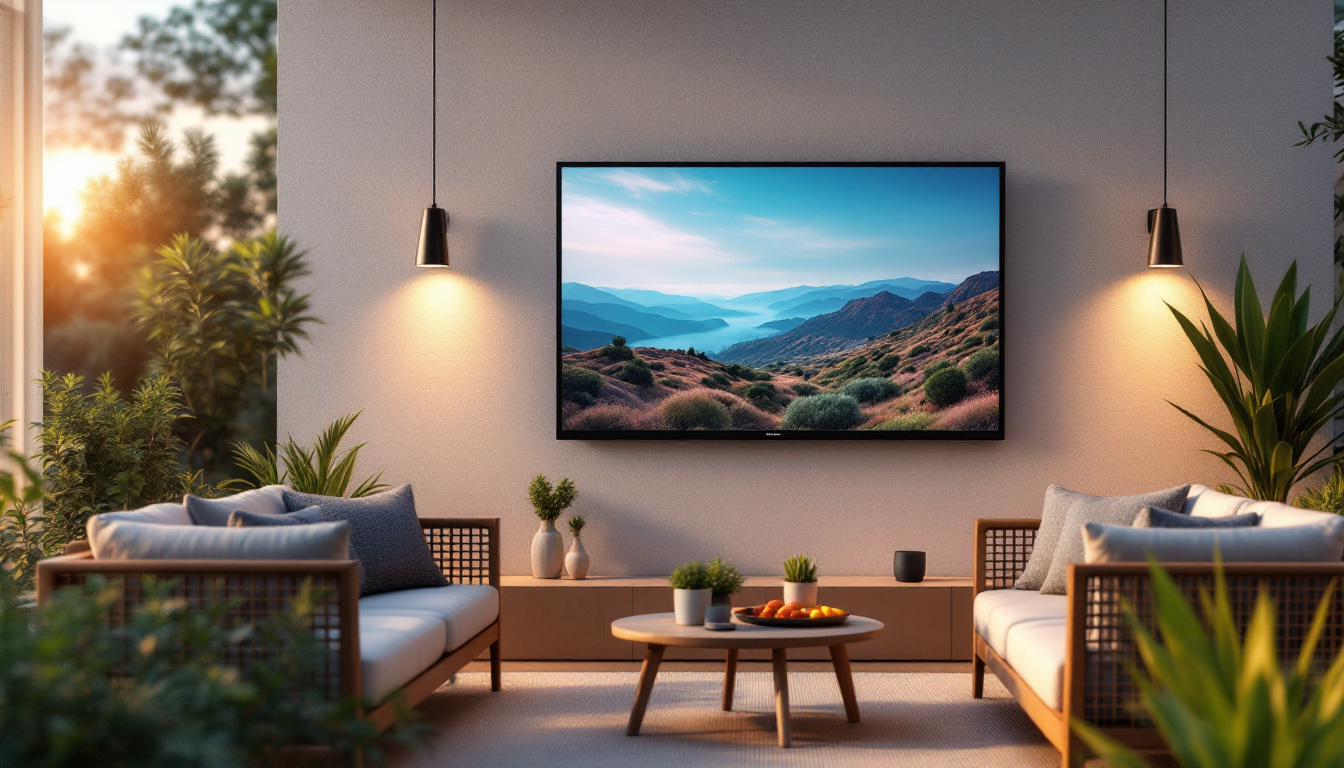
LED chips are ubiquitous in consumer electronics, powering displays in smartphones, tablets, laptops, and televisions. The shift from traditional LCDs to LED-backlit LCDs and OLEDs has improved screen brightness, contrast, and energy efficiency, enhancing user experience.
Emerging micro LED technology promises even greater improvements, offering longer lifespans and superior color performance without the burn-in issues associated with OLEDs. As production costs decrease, micro LED displays are expected to become mainstream in premium consumer devices.
Outdoor and Large-Scale Displays
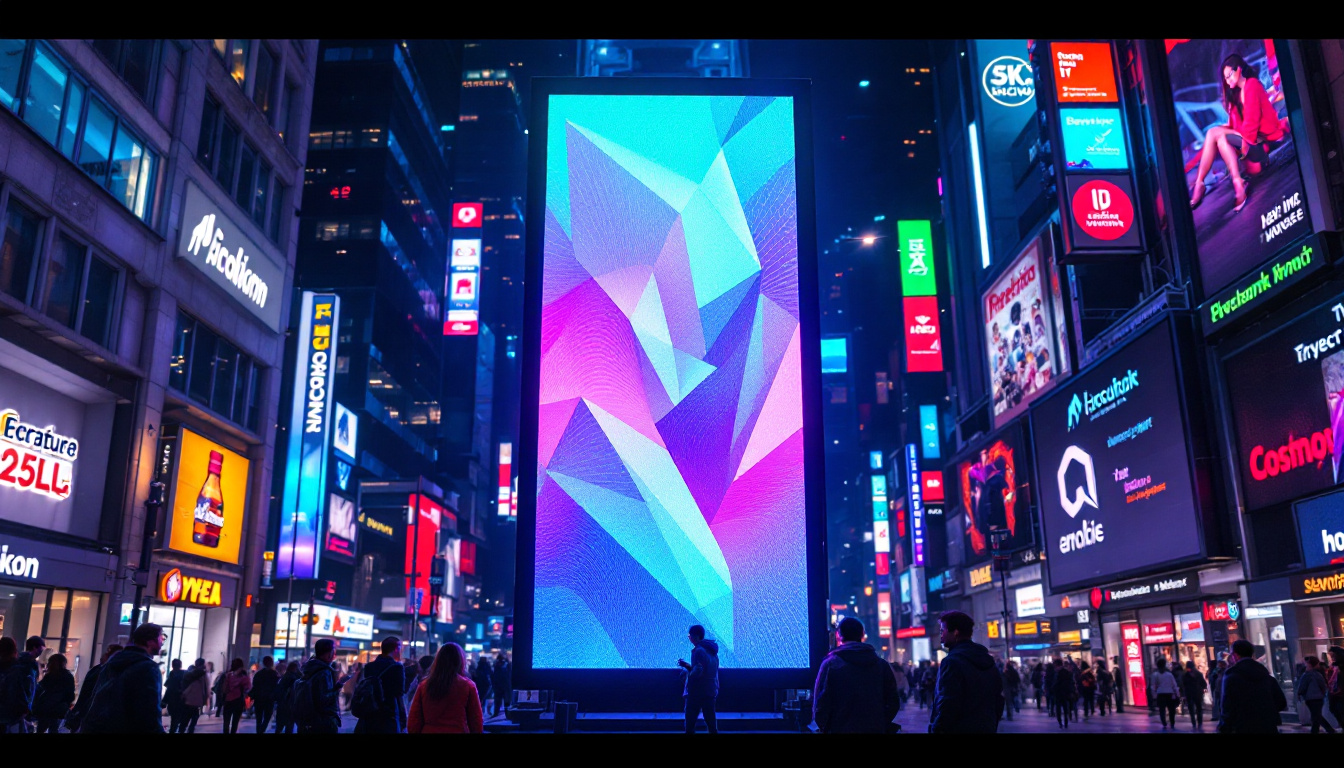
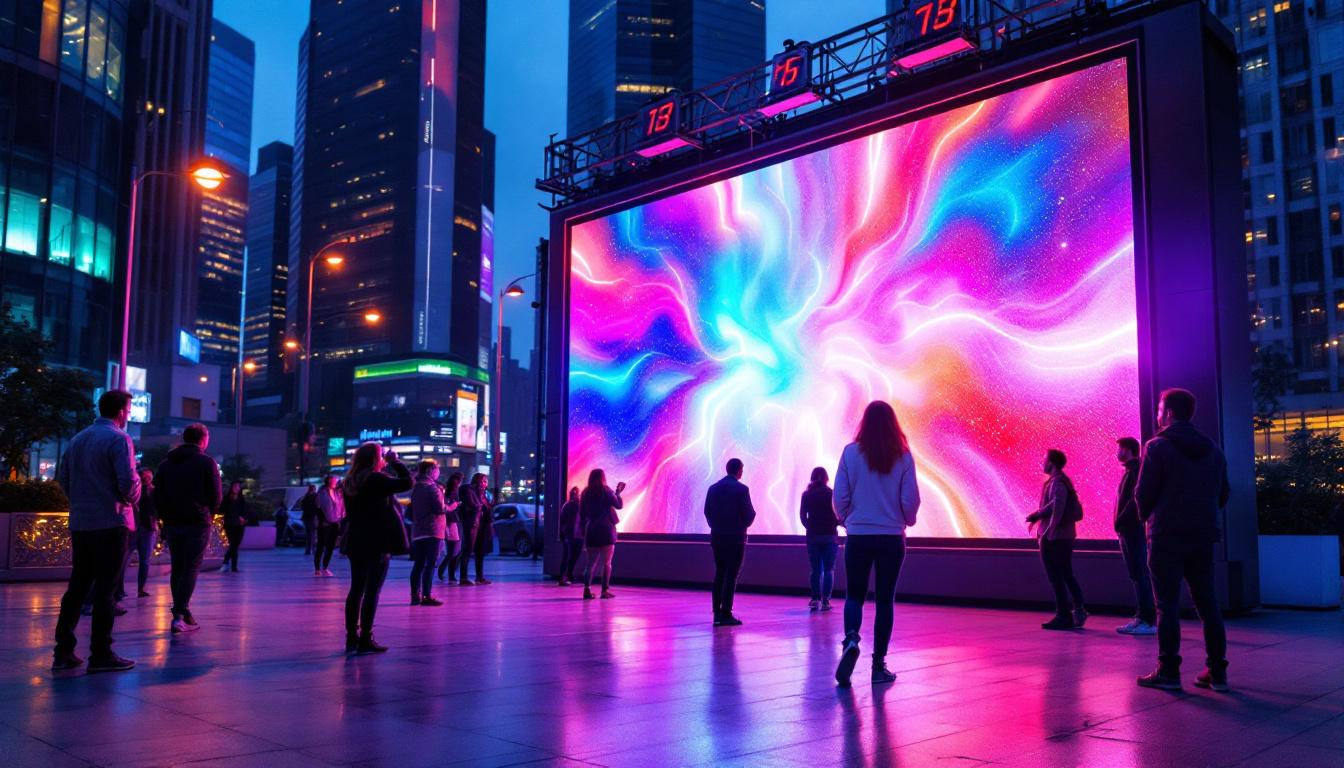
Outdoor LED displays, such as digital billboards, stadium screens, and public information boards, rely heavily on high-power LED chips to ensure visibility under direct sunlight and harsh weather conditions. Their robustness, brightness, and energy efficiency make them ideal for continuous operation in demanding environments.
These displays often feature modular designs, allowing for easy maintenance and scalability. The ability to produce vivid, dynamic content attracts advertisers and city planners looking to engage audiences effectively.
Specialized Industrial and Medical Displays
In industrial settings, LED displays are used for control panels, status indicators, and safety signage. The reliability and clarity of LED chips ensure that critical information is conveyed accurately and promptly.
Medical imaging devices benefit from LED displays with high color accuracy and brightness, aiding in diagnostics and treatment planning. The durability and low heat emission of LED chips also contribute to safer and more comfortable clinical environments.
Future Outlook and Challenges
Cost and Manufacturing Scalability
While LED chip technology has advanced rapidly, challenges remain in reducing manufacturing costs, especially for micro LED displays. The complexity of assembling millions of tiny chips with precise alignment requires sophisticated equipment and processes that are still evolving.
Efforts to improve yield rates and develop automated assembly techniques are critical to making next-generation LED displays affordable for widespread adoption.
Environmental Impact and Sustainability
LED chips are generally more environmentally friendly than traditional lighting technologies due to their energy efficiency and longer lifespan. However, the production of semiconductor materials involves resource-intensive processes and hazardous chemicals.
Industry initiatives focused on recycling, material recovery, and greener manufacturing practices are essential to minimize the ecological footprint of LED chip production and disposal.
Integration with Emerging Technologies
The future of LED chips is closely linked to developments in artificial intelligence, augmented reality, and flexible electronics. Innovations such as foldable displays, transparent screens, and interactive surfaces will rely on adaptable LED chip designs.
Moreover, the combination of LED technology with sensors and wireless communication will enable new applications in smart cities, automotive HUDs (heads-up displays), and personalized lighting solutions.
Conclusion
LED chips are the cornerstone of modern display technology, offering unmatched efficiency, brightness, and versatility. From the tiny pixels in smartphones to the colossal screens lighting up cityscapes, these semiconductor marvels continue to evolve, pushing the boundaries of visual communication.
Understanding the types, performance metrics, and applications of LED chips provides valuable insight into how this technology shapes our digital world. As research and manufacturing techniques advance, LED chips will play an increasingly pivotal role in delivering richer, more immersive visual experiences across industries and everyday life.
Discover LumenMatrix’s Advanced LED Solutions
As you’ve explored the transformative power of LED chips in modern displays, it’s clear that the future of visual communication is bright with innovation. LumenMatrix stands at the forefront of this evolution, offering a diverse array of LED display modules tailored to meet your unique needs. Whether you’re looking to enhance your brand’s visibility with an Indoor LED Wall Display, captivate passersby with a vibrant Outdoor LED Wall Display, or create a dynamic environment with a Custom LED Display, LumenMatrix has the solution. Embrace the future of digital signage and let your message shine with clarity and impact. Check out LumenMatrix LED Display Solutions today and see how we can illuminate your world.