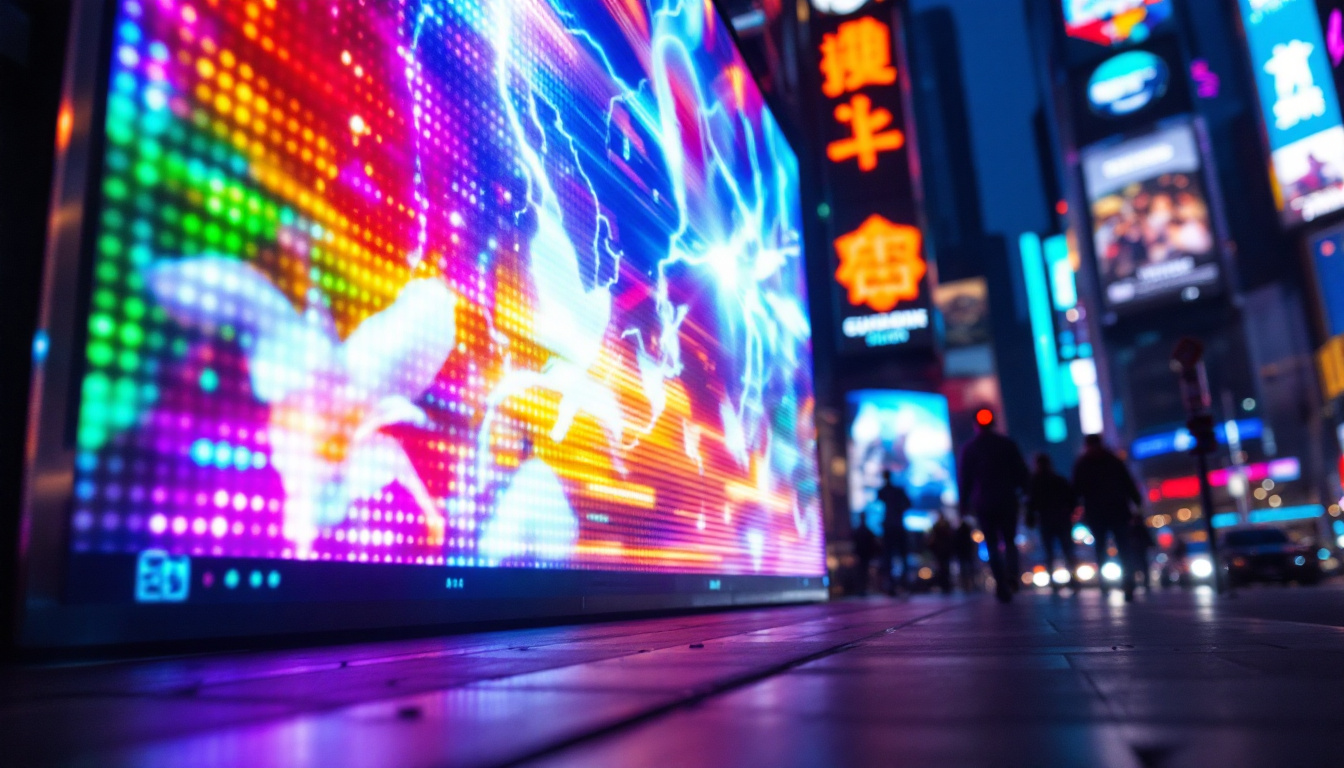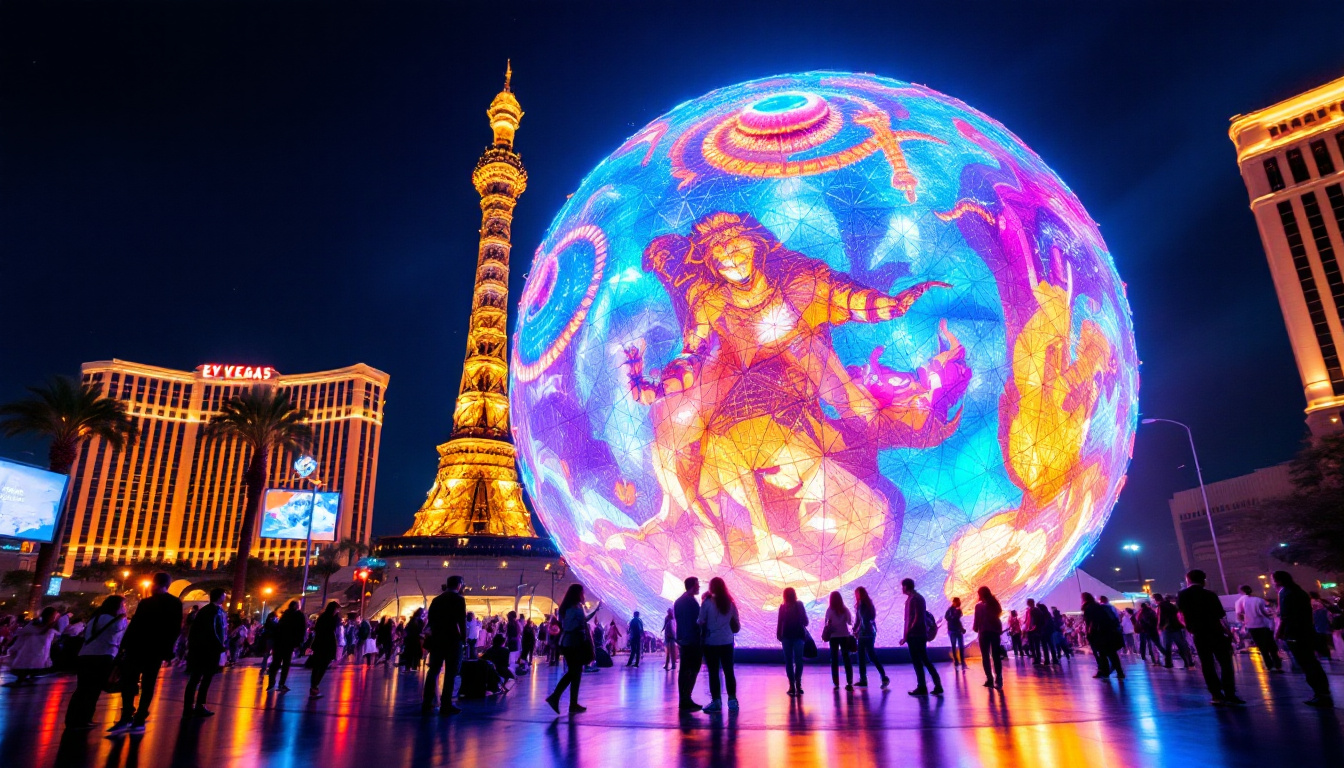
In today’s fast-paced digital world, LED displays have become a cornerstone of visual communication. From advertising billboards to indoor signage, LED technology offers vibrant, clear, and energy-efficient solutions. Among the many innovations in this field, the slim LED light display stands out for its sleek design and versatile applications. This article delves into the technology behind slim LED lights, their advantages, and how they are shaping the future of digital displays.
Understanding LED Display Technology
What is an LED Display?
LED stands for Light Emitting Diode, a semiconductor device that emits light when an electric current passes through it. An LED display is essentially a matrix of these tiny diodes arranged in a grid, which collectively produce images, videos, or text. Unlike traditional LCD or plasma screens, LED displays use direct light emission, resulting in higher brightness and contrast.
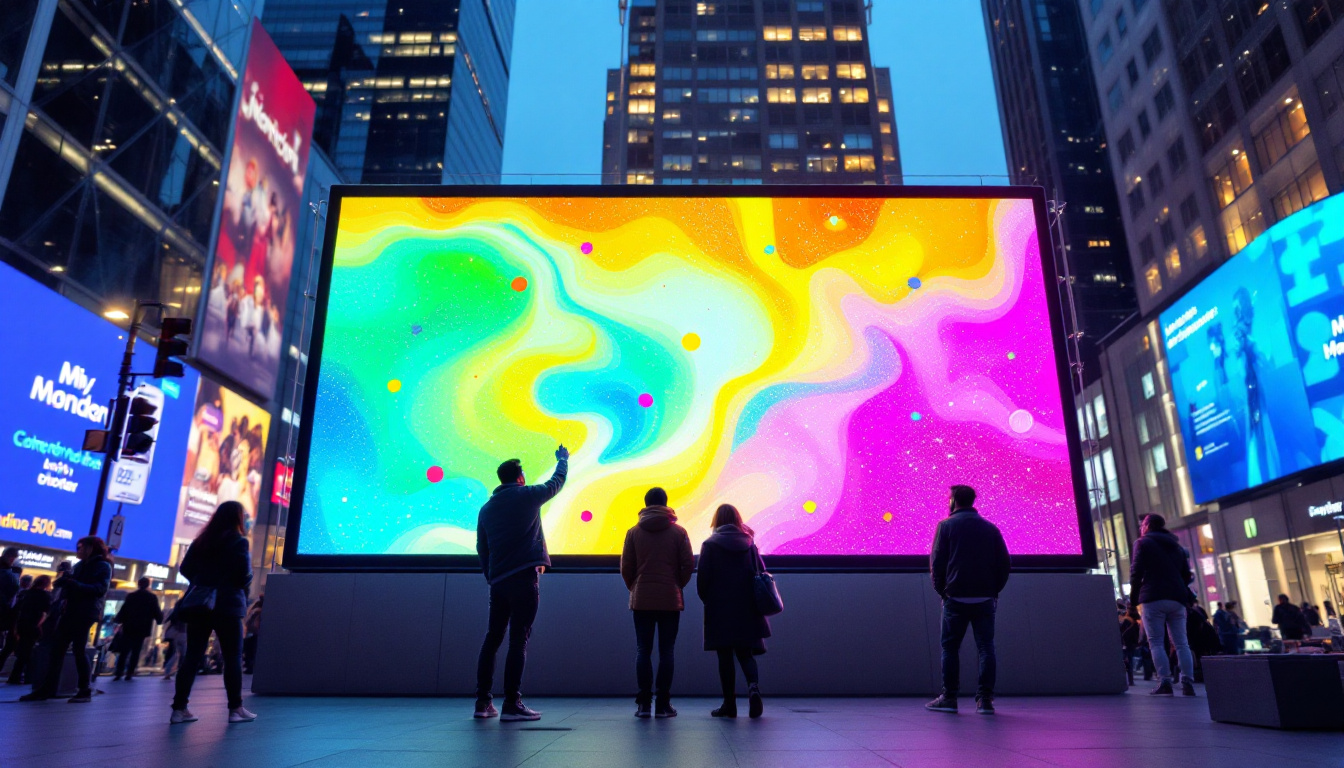
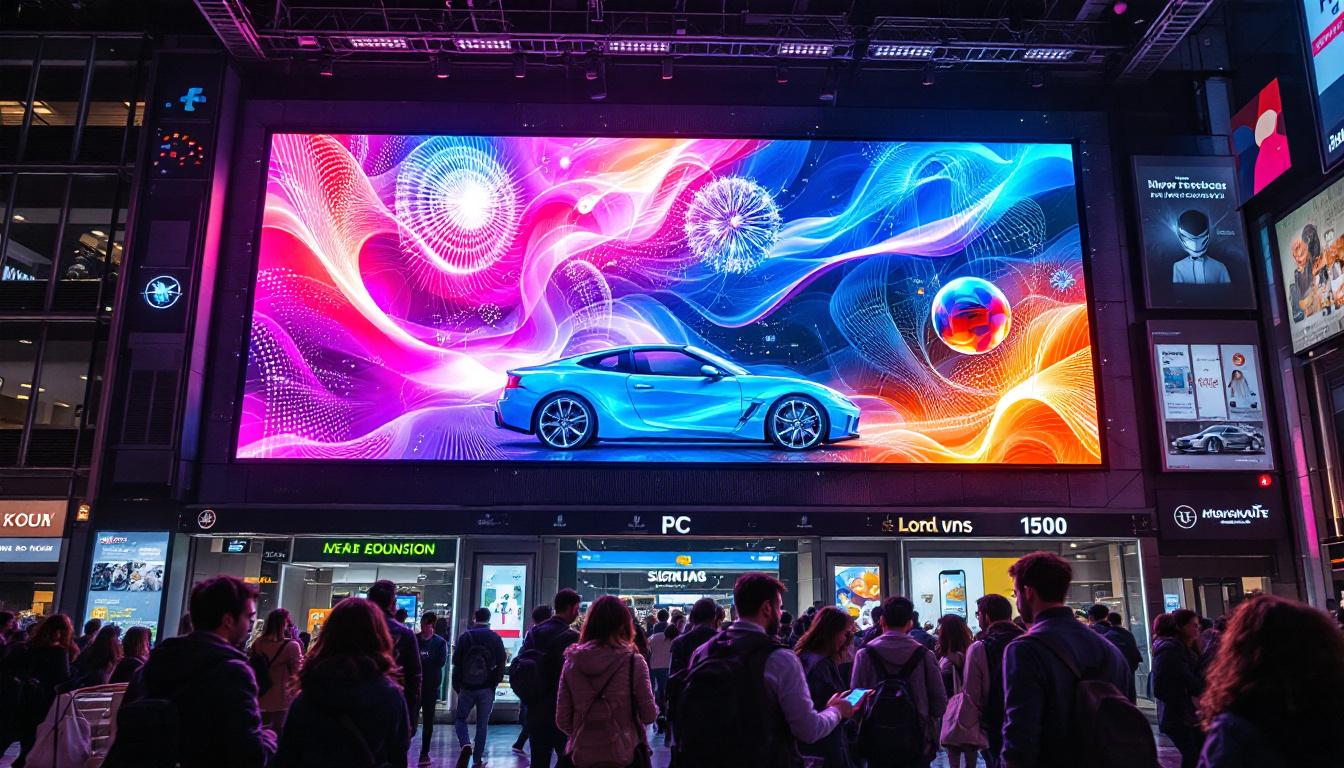
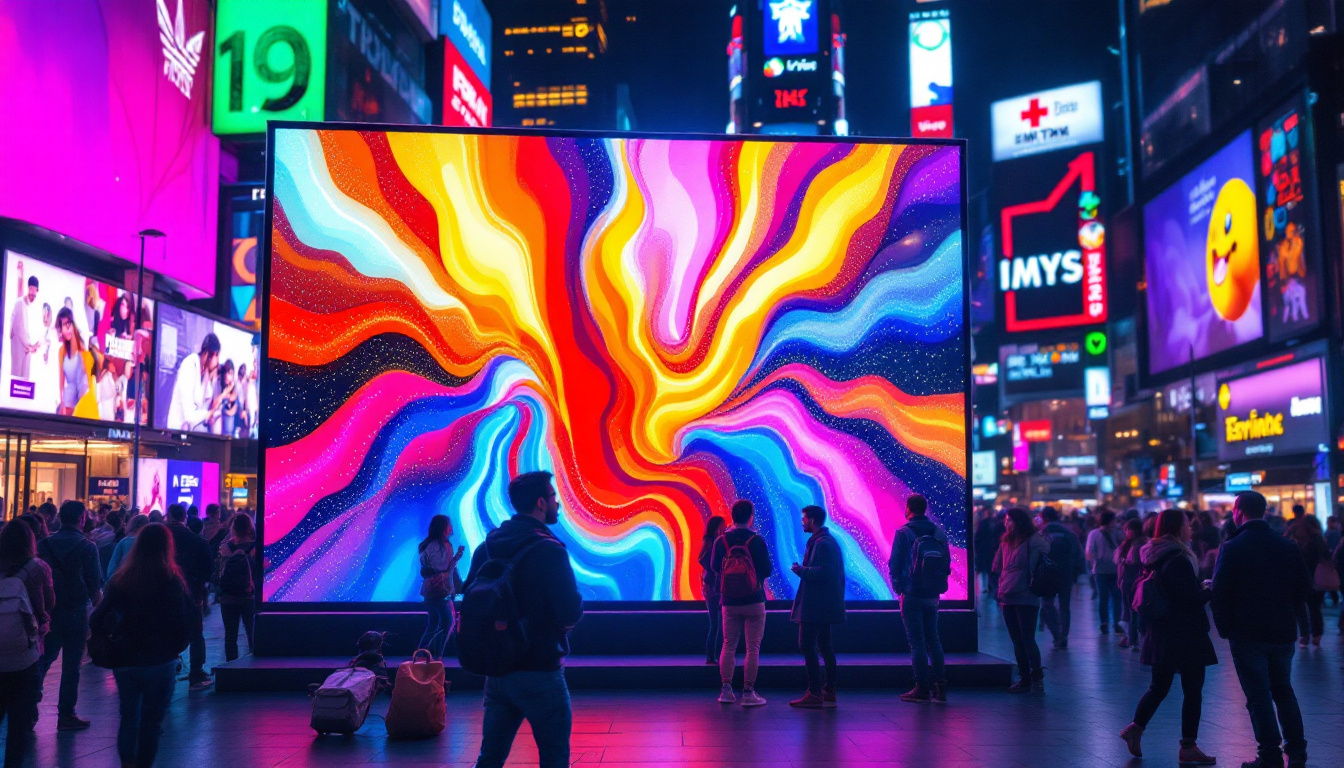
LED displays are widely used in various environments, including outdoor billboards, stadium screens, retail signage, and even indoor decorative panels. Their modular design allows for customization in size and resolution, making them a flexible choice for many industries. The ability to create large-scale displays by connecting multiple panels has revolutionized advertising and information dissemination, enabling captivating visuals that can attract attention from great distances. Furthermore, advancements in technology have led to the development of high-definition LED displays, which offer stunning clarity and vibrant colors, making them ideal for applications that require detailed imagery.
The Evolution to Slim LED Lights
Traditional LED displays often involve bulky panels and heavy frames, which can limit installation options and aesthetic appeal. The development of slim LED lights addresses these challenges by reducing the thickness and weight of the panels without compromising performance. This innovation is achieved through advances in LED chip technology, improved circuit design, and the use of lightweight materials.
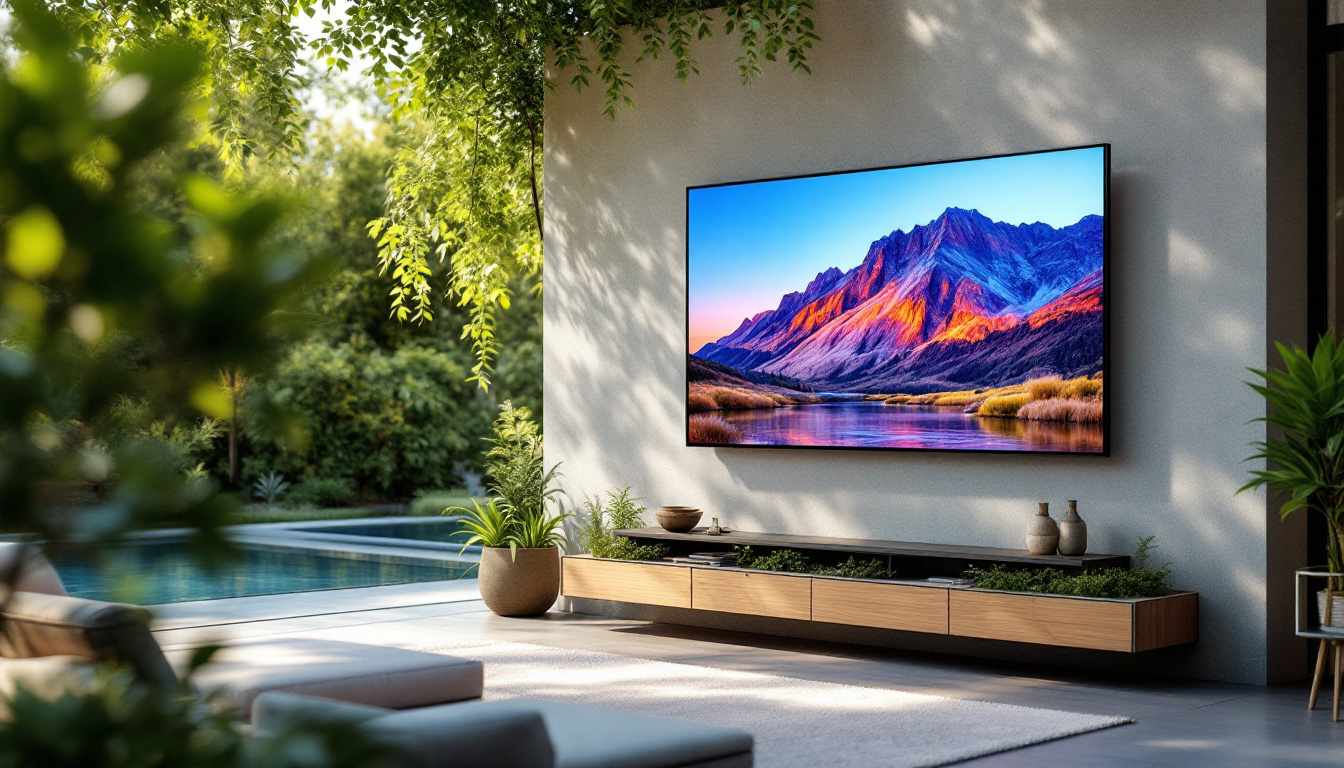
The slim profile not only enhances the visual appeal but also simplifies installation, especially in spaces with limited depth or where a minimalist look is desired. This has opened new possibilities for integrating LED displays into architectural elements and interior design. For instance, slim LED panels can be seamlessly incorporated into walls, ceilings, or even furniture, creating a cohesive and modern look. Additionally, the energy efficiency of these displays contributes to sustainability efforts, as they consume less power compared to traditional lighting solutions, making them an eco-friendly choice for businesses looking to reduce their carbon footprint. As a result, slim LED lights are not just a trend; they represent a significant shift towards more innovative and sustainable display solutions in both commercial and residential settings.
Key Features of Slim LED Light Displays
Ultra-Thin Design
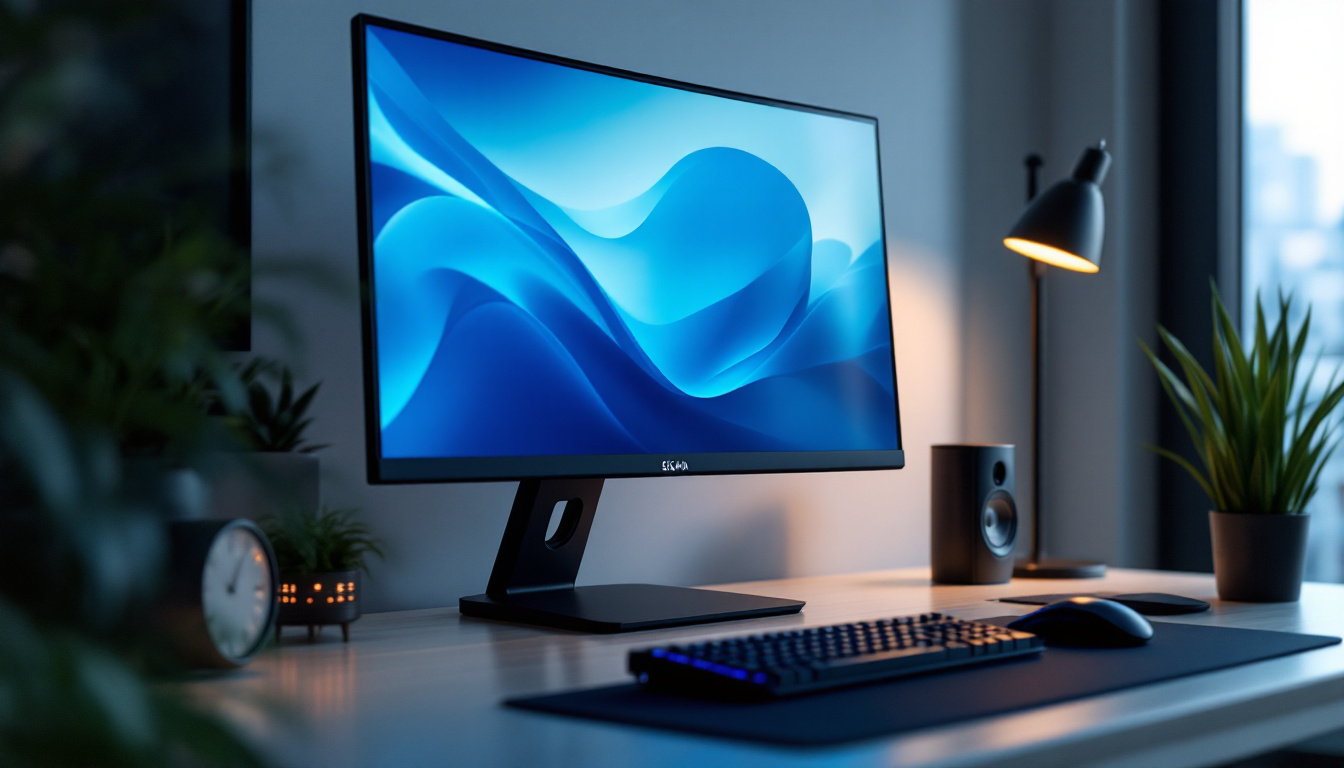
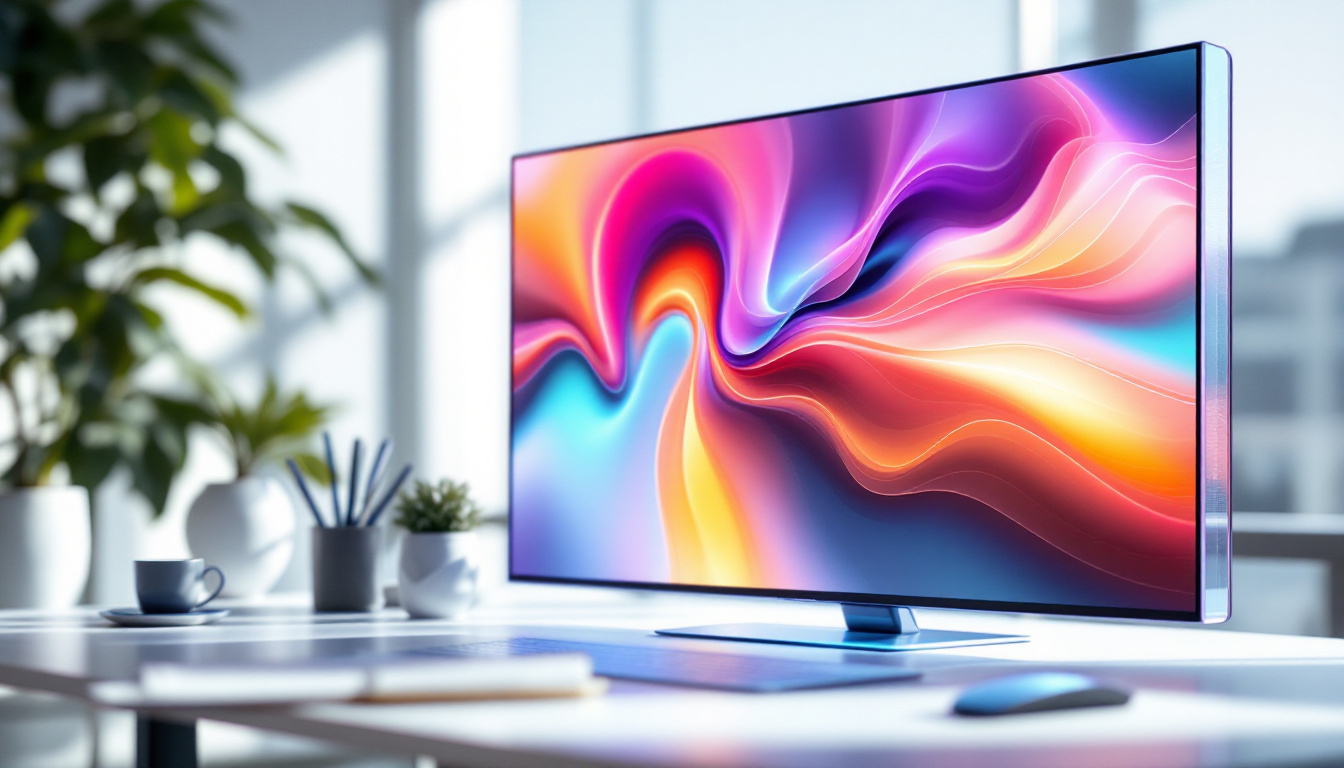
One of the most significant characteristics of slim LED displays is their ultra-thin design. Panels can be as thin as a few centimeters, making them ideal for applications where space is at a premium. For example, retail stores can install these displays behind glass walls or within narrow frames, creating seamless digital signage that blends with the environment.
This thinness also reduces the overall weight, which is beneficial for mounting on fragile surfaces or structures with limited load capacity. The slim form factor supports creative installations such as curved walls or suspended displays. Additionally, the versatility of these displays allows for innovative architectural designs, where they can be integrated into furniture, ceilings, or even floors, providing an immersive experience that captivates audiences in ways traditional displays cannot.
High Brightness and Energy Efficiency
Despite their slim profile, these LED displays maintain high brightness levels, often exceeding 1,000 nits. This ensures visibility even in brightly lit environments or direct sunlight. The energy efficiency of LED technology means that these displays consume less power compared to traditional lighting or display systems, which translates into lower operational costs and a smaller environmental footprint.
Advancements in LED chip efficiency and power management have further enhanced this balance of brightness and energy use, making slim LED lights a sustainable choice for long-term installations. Moreover, many of these displays come equipped with smart sensors that adjust brightness automatically based on ambient light conditions, ensuring optimal visibility while conserving energy, thus appealing to eco-conscious businesses looking to reduce their carbon footprint.
Superior Image Quality and Resolution
Slim LED displays support high resolutions, allowing for sharp images and detailed video content. The pixel pitch—the distance between individual LEDs—can be customized to suit viewing distances and content requirements. For indoor applications, smaller pixel pitches (e.g., 1.5mm to 3mm) provide crisp visuals, while outdoor displays may use larger pitches for better visibility from afar.
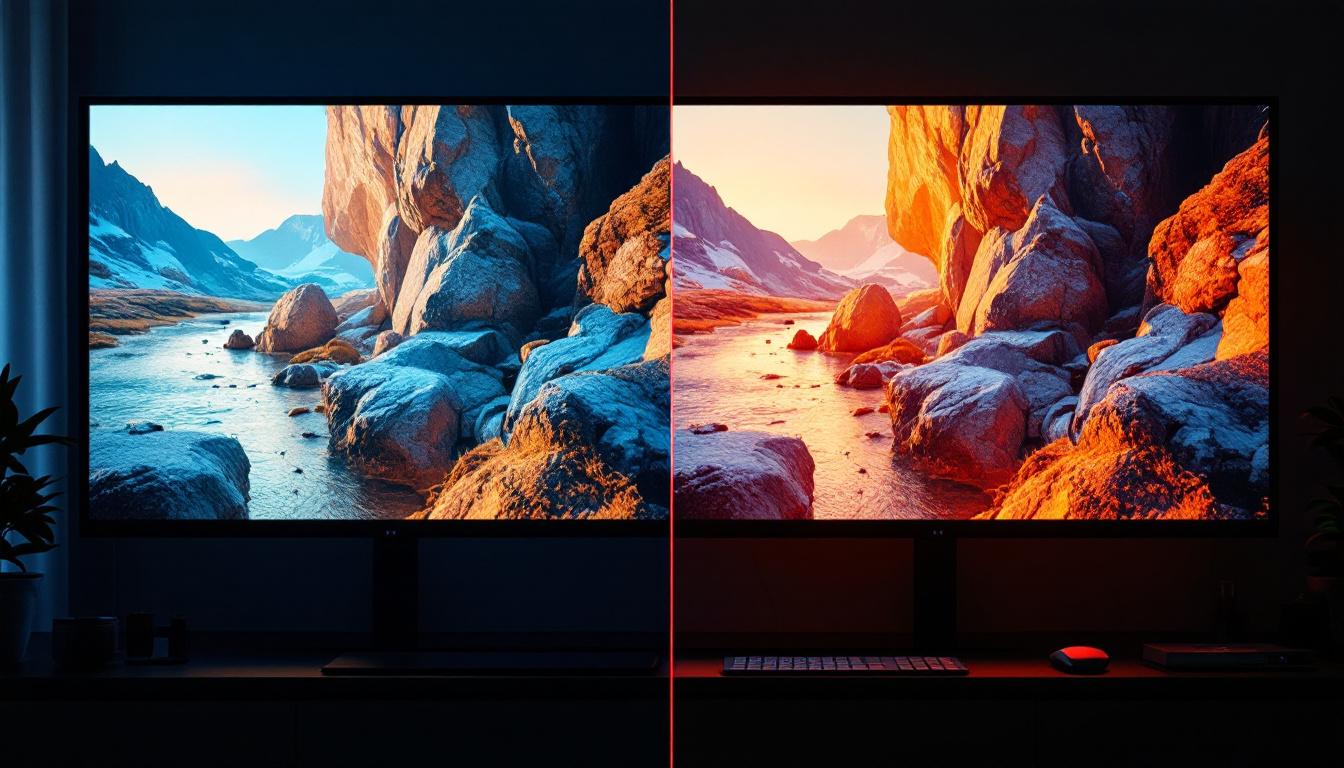
The direct emission of light from LEDs also contributes to superior contrast ratios and vibrant colors, enhancing the overall viewing experience. These qualities make slim LED displays suitable for dynamic advertising, live events, and interactive installations. Furthermore, the ability to display high-definition video content and animations seamlessly allows businesses to engage their audience more effectively, creating memorable experiences that can lead to increased customer interaction and brand loyalty. With the rise of augmented reality and virtual experiences, these displays can also serve as platforms for innovative marketing strategies, further expanding their utility in various sectors.
Applications of Slim LED Light Displays
Retail and Commercial Spaces
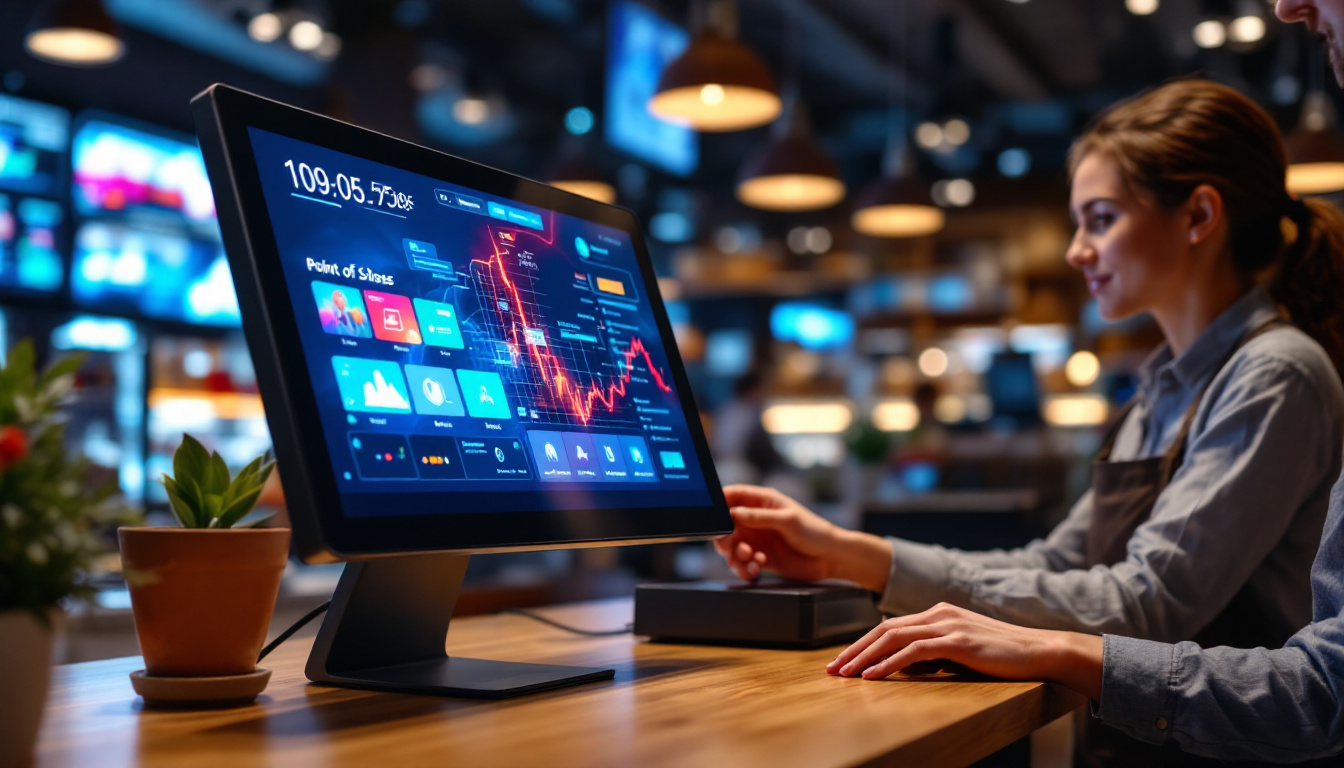
Retailers increasingly rely on digital signage to attract customers and promote products. Slim LED displays offer a modern, eye-catching solution that can be integrated into storefront windows, shelving units, or even ceilings. Their slim profile ensures that the display does not obstruct the store’s design while delivering high-impact messaging.
Moreover, the ability to update content remotely and in real time allows businesses to tailor promotions and announcements quickly, enhancing customer engagement and driving sales.
Corporate and Conference Environments
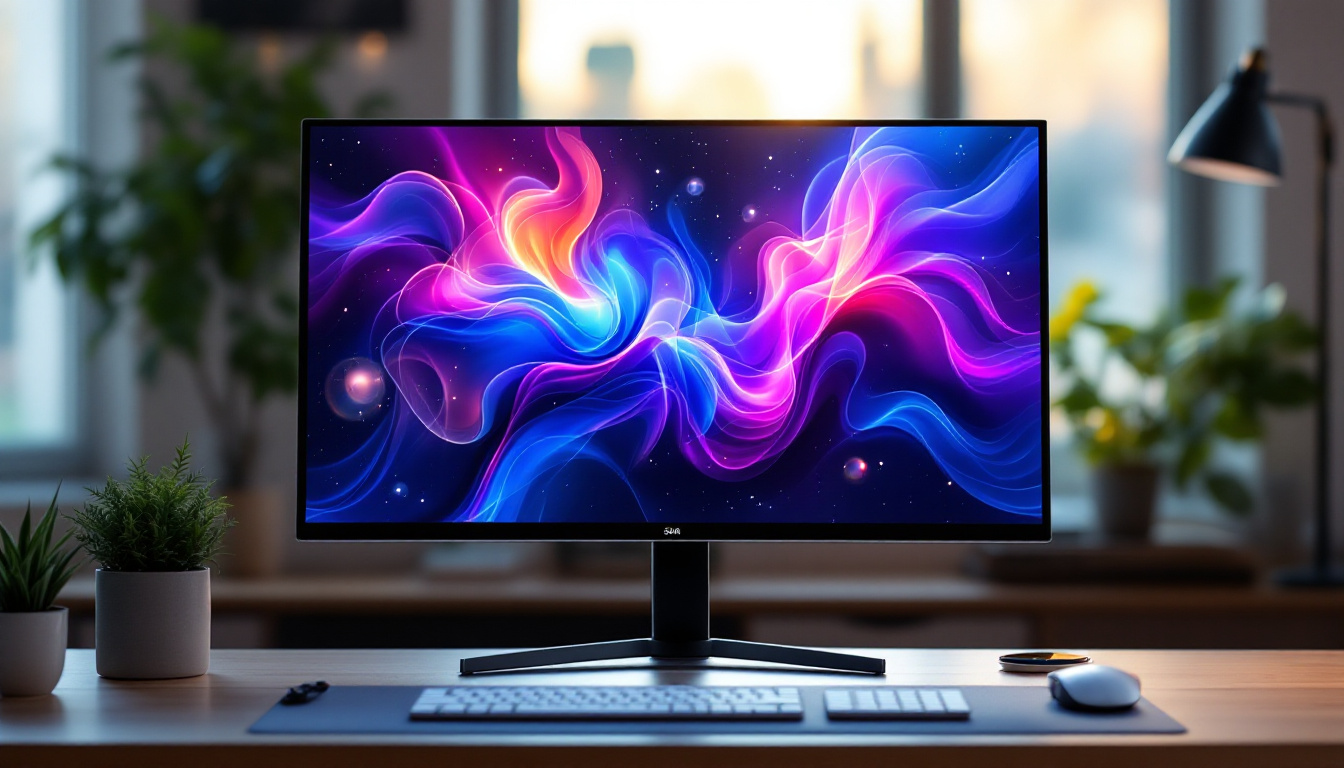
In corporate settings, slim LED displays are used for presentations, video conferencing, and branding. Their sleek design complements modern office aesthetics and can be installed in boardrooms, lobbies, or collaborative spaces. High-resolution displays ensure that detailed charts, videos, and graphics are rendered clearly, facilitating effective communication.
Some companies utilize these displays for digital art installations or ambient lighting, leveraging their versatility beyond traditional signage.
Entertainment and Events
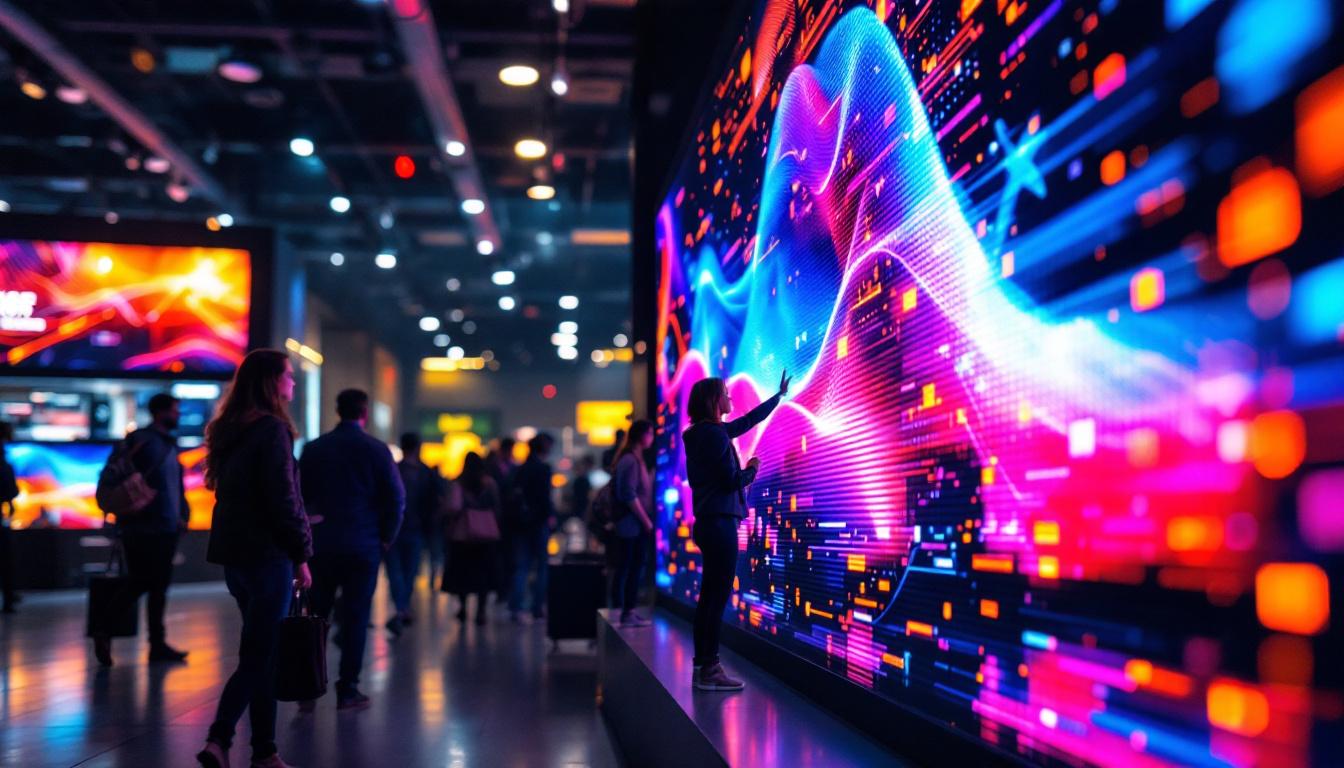
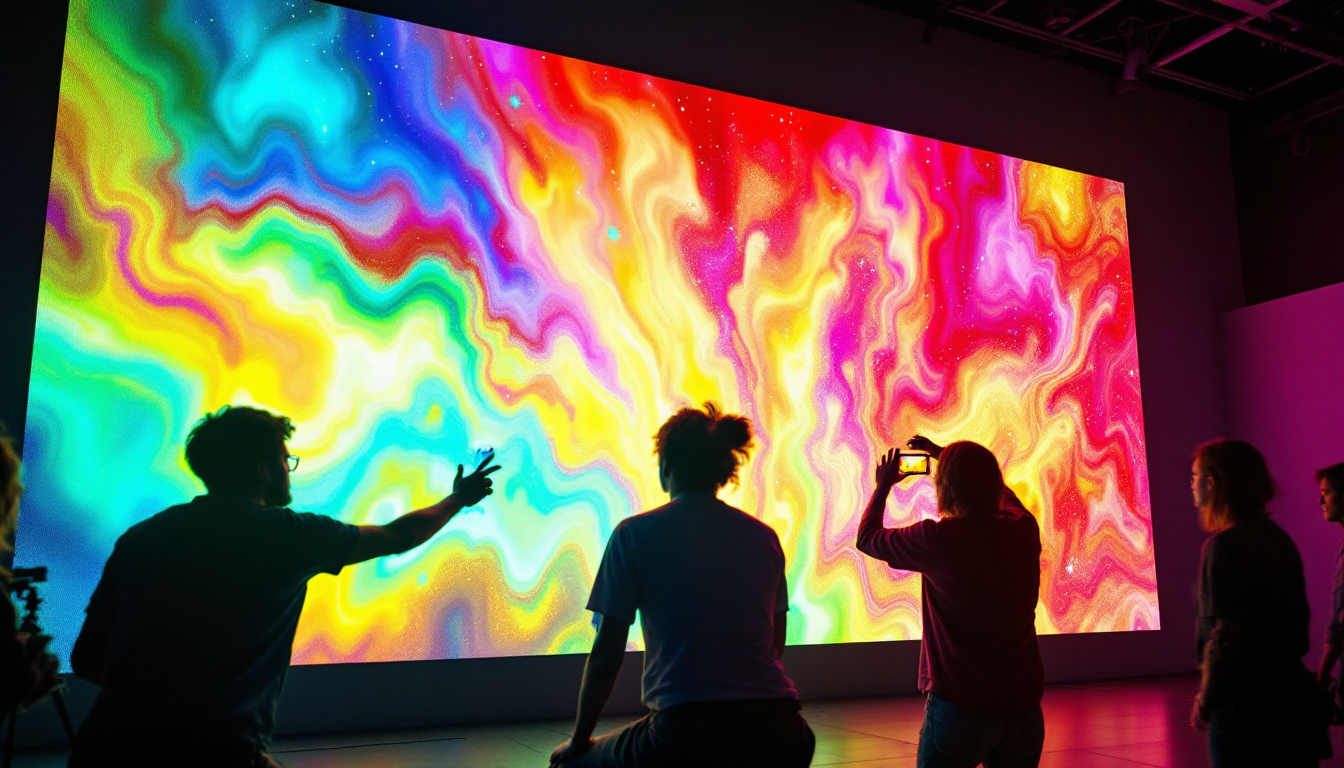
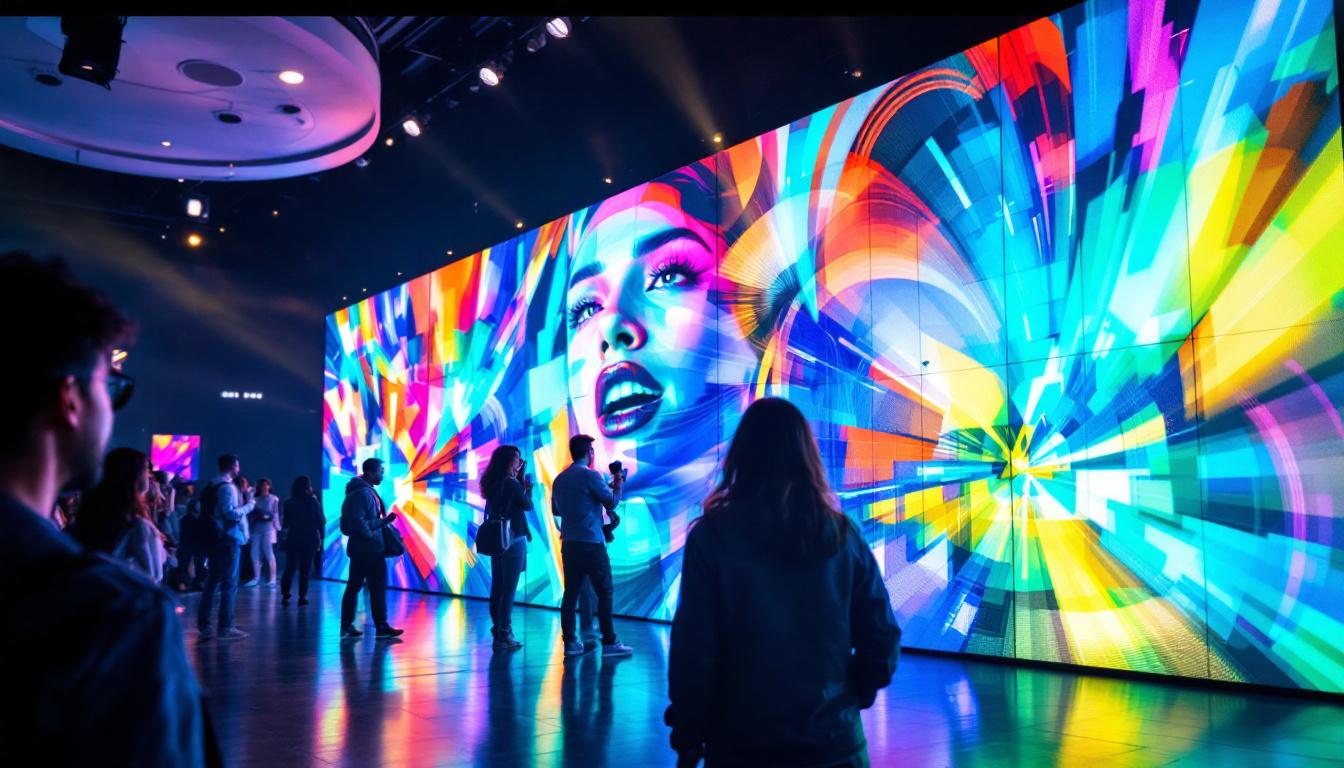
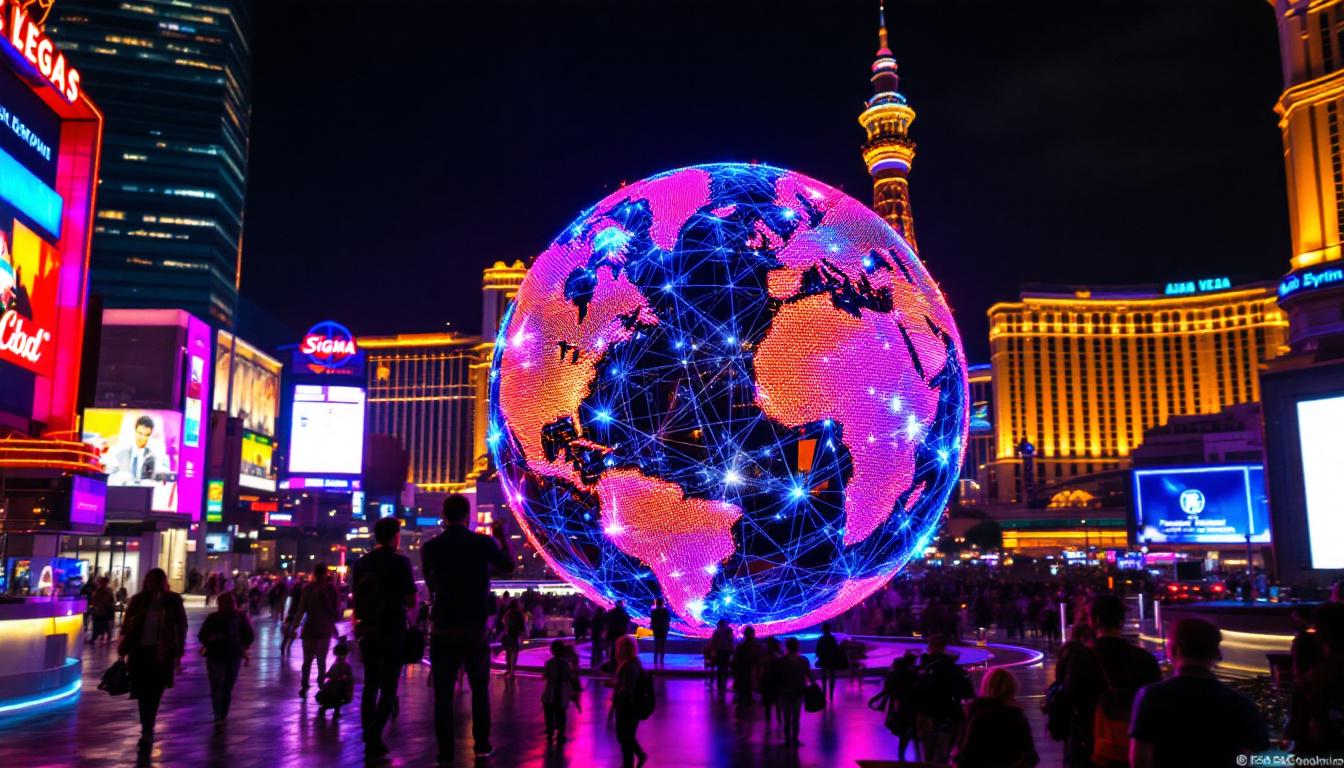
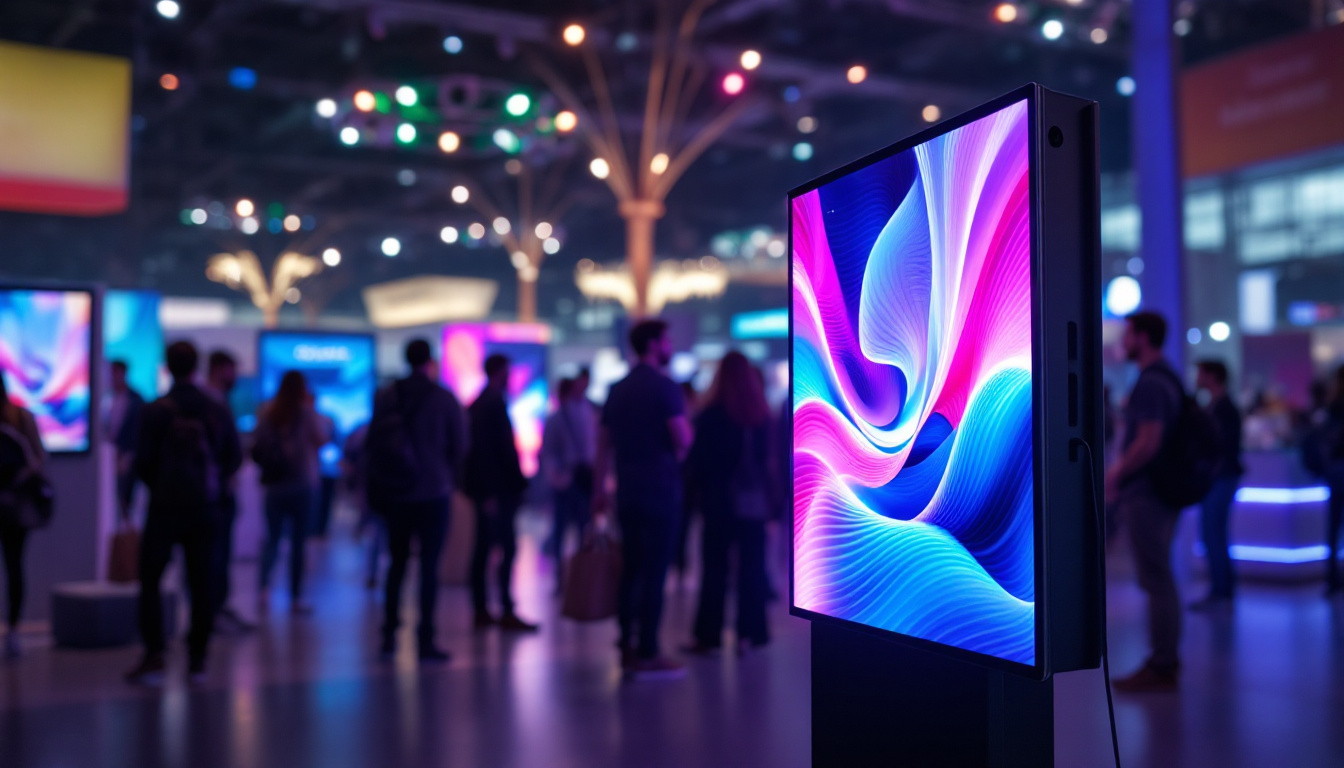
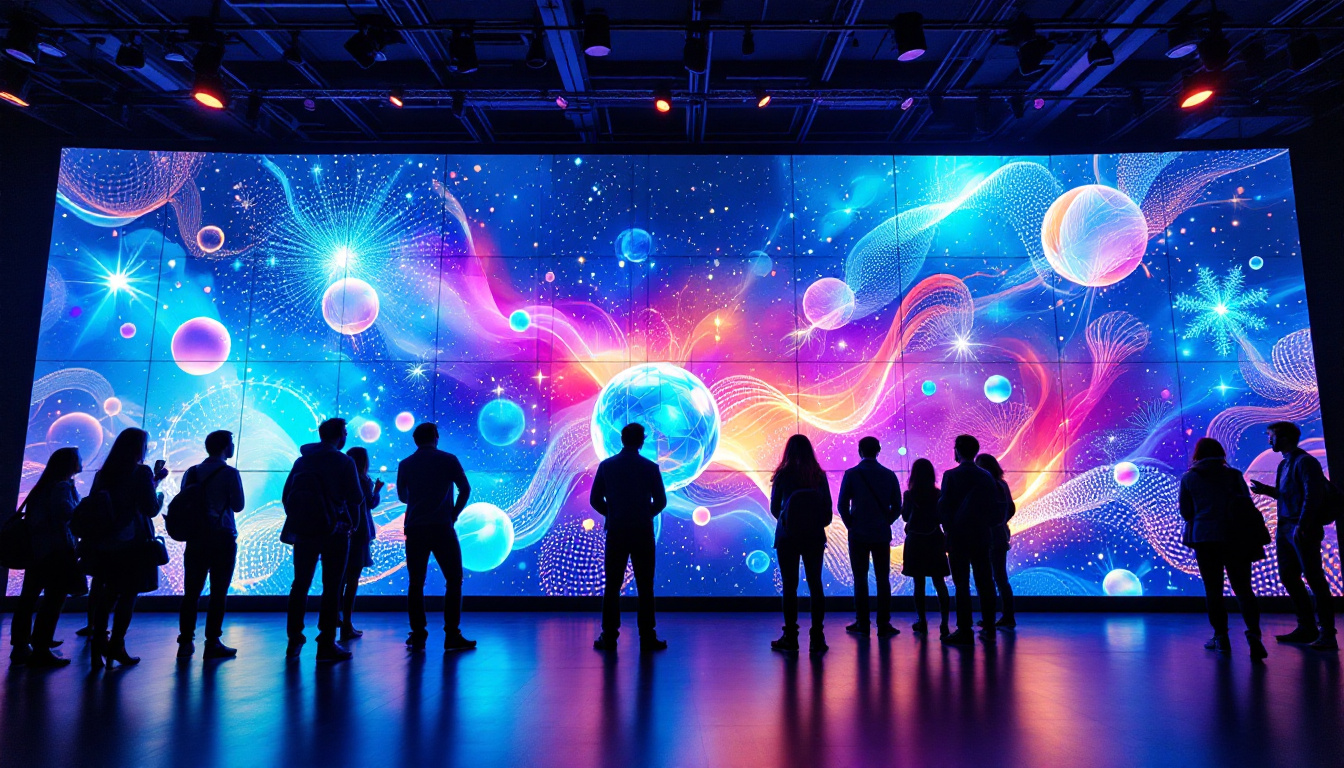
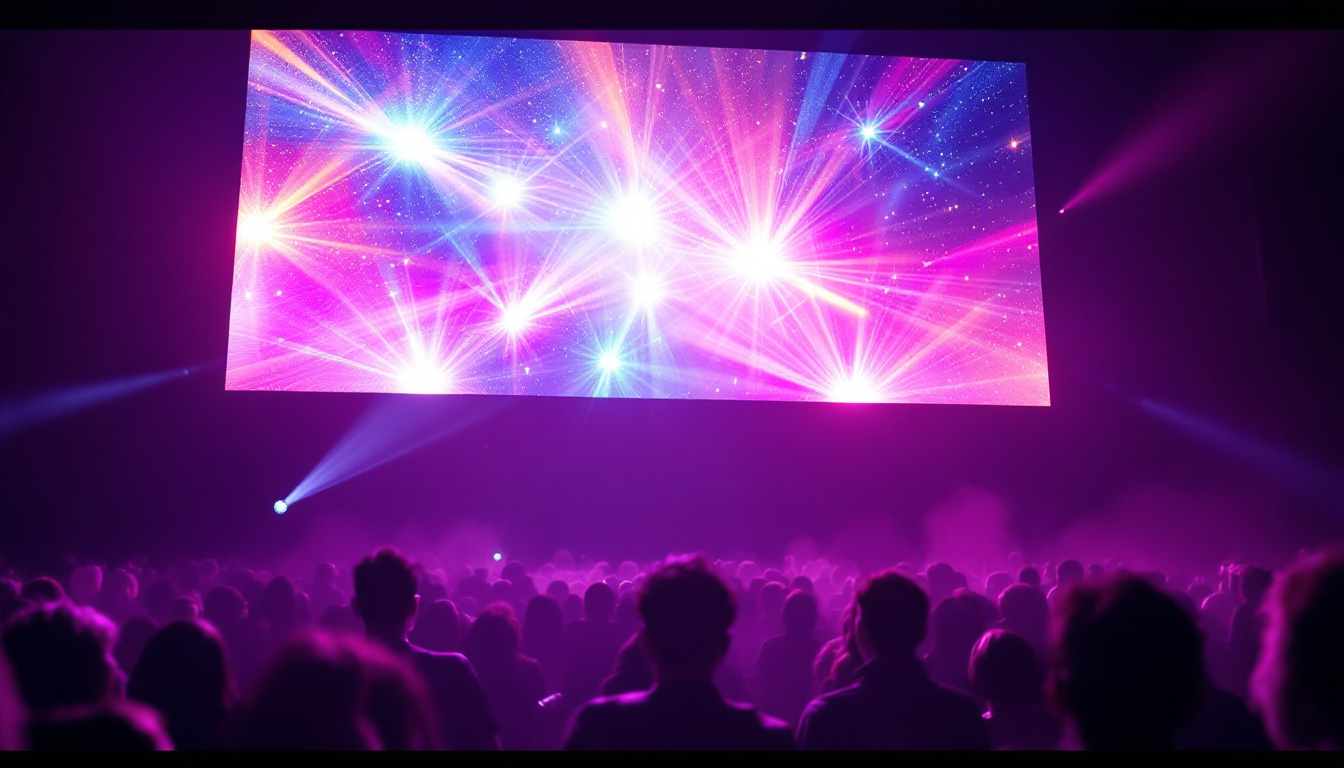
The entertainment industry benefits greatly from slim LED displays due to their portability and visual impact. Concerts, exhibitions, and trade shows use these displays to create immersive environments and dynamic backdrops. Their lightweight construction allows for quick setup and teardown, essential for temporary events.
Additionally, the ability to customize shapes and sizes means that displays can be tailored to unique stage designs or interactive experiences, enhancing audience engagement.
Technical Considerations When Choosing Slim LED Displays
Pixel Pitch and Viewing Distance
Choosing the appropriate pixel pitch is crucial for ensuring optimal image quality. A smaller pixel pitch means higher resolution and better clarity at close range, but it also increases the cost. For example, a 1.5mm pixel pitch is ideal for indoor displays viewed from a few feet away, while a 10mm pitch might be sufficient for outdoor billboards seen from hundreds of feet.
Understanding the intended viewing distance and environment helps in selecting the right display to balance cost and performance.
Brightness and Ambient Light Conditions
The brightness of the LED display must be matched to the ambient lighting conditions. Outdoor displays require higher brightness levels to remain visible under direct sunlight, often ranging from 5,000 to 8,000 nits. Indoor displays typically operate at lower brightness levels, around 800 to 1,500 nits, to avoid glare and eye strain.
Adjustable brightness controls are a valuable feature, allowing users to optimize visibility and energy consumption based on the time of day and lighting conditions.
Durability and Maintenance
Durability is a key factor, especially for outdoor or high-traffic installations. Slim LED displays should have robust protective coatings to resist weather, dust, and physical impact. IP ratings (Ingress Protection) indicate the level of protection, with IP65 or higher recommended for outdoor use.
Maintenance considerations include ease of access for repairs and the availability of modular components. Many slim LED displays are designed with front or rear serviceability, enabling quick replacement of faulty modules without dismantling the entire panel.
Future Trends in Slim LED Display Technology
MicroLED and MiniLED Innovations
Emerging technologies like MicroLED and MiniLED promise to push the boundaries of slim LED displays even further. MicroLEDs are significantly smaller than traditional LEDs, allowing for even thinner panels with higher resolution and better color accuracy. This technology is gaining traction in premium TVs and mobile devices and is expected to influence large-format displays soon.
MiniLEDs, while larger than MicroLEDs, offer improved backlighting for LCD panels, enhancing contrast and brightness. Both technologies contribute to the evolution of slim, high-performance displays.
Flexible and Transparent LED Displays
Another exciting development is the rise of flexible and transparent LED displays. These innovations enable screens that can bend around curves or be embedded into glass surfaces without obstructing views. Such displays are ideal for futuristic architectural designs, automotive applications, and augmented reality experiences.
The integration of slim LED lights into these formats will expand creative possibilities for designers and advertisers alike.
Integration with Smart Technologies
As smart cities and IoT (Internet of Things) continue to develop, slim LED displays are becoming more connected and interactive. Integration with sensors, cameras, and AI allows for personalized content delivery, real-time analytics, and enhanced user engagement.
For instance, digital signage can adapt its messaging based on audience demographics or environmental factors, optimizing communication effectiveness and operational efficiency.
Conclusion
Slim LED light displays represent a significant advancement in digital display technology, combining aesthetic appeal with high performance and versatility. Their ultra-thin design, energy efficiency, and superior image quality make them an attractive option across various industries, from retail and corporate environments to entertainment and public spaces.
Understanding the technical aspects such as pixel pitch, brightness, and durability is essential for selecting the right slim LED display for specific applications. Looking ahead, innovations like MicroLED, flexible displays, and smart integration will continue to redefine what is possible with slim LED technology.
For businesses and designers seeking impactful, modern visual solutions, slim LED displays offer a compelling blend of form and function that is poised to shape the future of digital communication.
Discover the Future of LED Displays with LumenMatrix
Ready to elevate your visual communication with sleek, high-performance LED displays? LumenMatrix is at the forefront of LED display innovation, offering a diverse range of solutions tailored to your needs. From vibrant Indoor and Outdoor LED Wall Displays to dynamic Vehicle and Sports LED Displays, and even customizable options like Floor and Transparent LED Displays, we have the technology to bring your vision to life. Experience the revolution in digital signage and create unforgettable visual experiences. Check out LumenMatrix LED Display Solutions today and transform your space with cutting-edge design and clarity.