In the rapidly evolving world of digital signage and display technology, LED displays have emerged as a dominant solution for advertising, information dissemination, and entertainment. Among the various types of LED displays, the “1.8 x 36” configuration is a term often encountered, yet it can be somewhat perplexing for those new to the industry or even seasoned professionals seeking clarity. This article aims to demystify the concept of the 1.8 x 36 LED display, exploring its technical specifications, applications, and advantages.
Understanding the Basics: What Does 1.8 x 36 Mean?
The term “1.8 x 36” in the context of LED displays primarily refers to the pixel pitch and the module configuration of the display panel. To fully grasp this, it’s essential to break down each component:
Pixel Pitch: The 1.8 mm
Pixel pitch is the distance from the center of one LED cluster (or pixel) to the center of the adjacent cluster, usually measured in millimeters. In this case, 1.8 mm indicates a very fine pixel pitch, meaning the LEDs are densely packed. This density allows for high-resolution images, making the display suitable for close viewing distances.
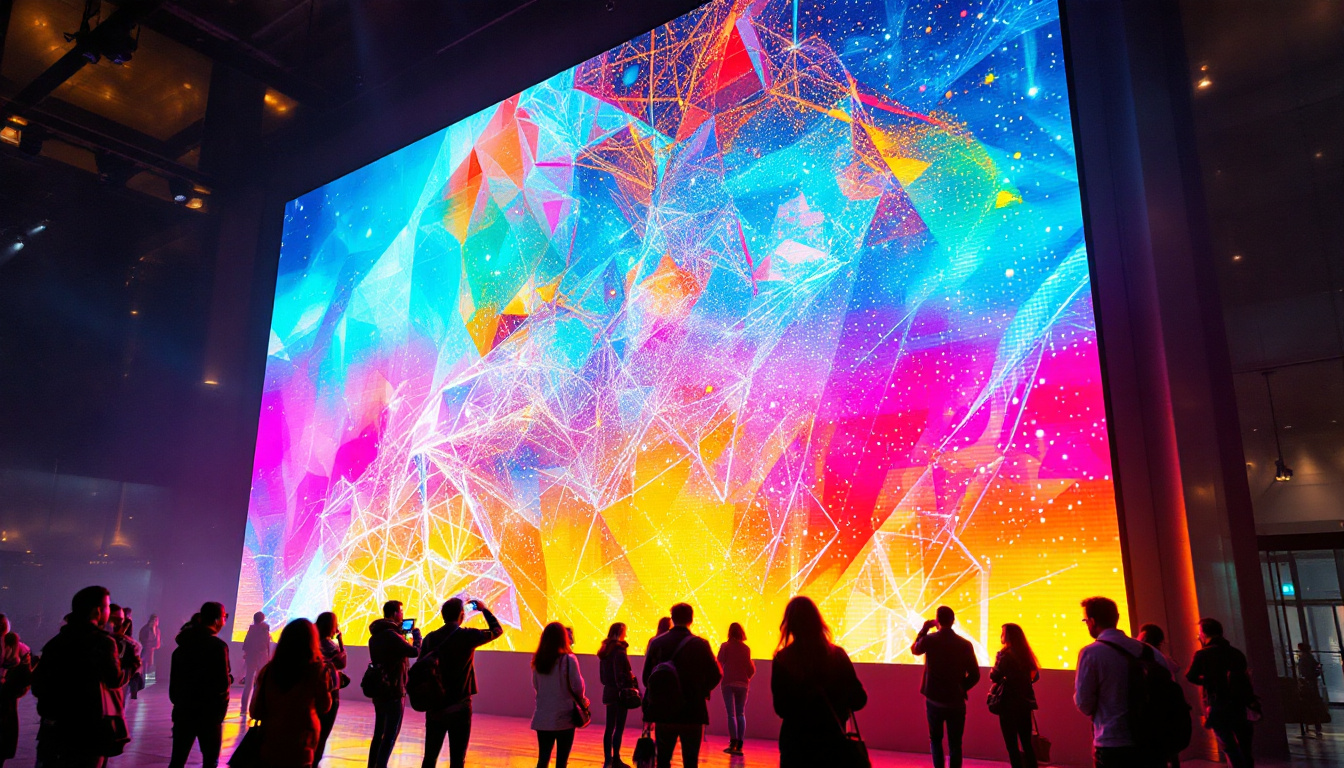
For perspective, pixel pitches can range from as low as 0.9 mm for ultra-fine indoor displays to 20 mm or more for large outdoor billboards viewed from a distance. The 1.8 mm pitch strikes a balance that favors indoor environments such as retail stores, control rooms, and conference halls. This level of detail is particularly beneficial for applications where clarity and vibrancy are paramount, such as in digital signage, where advertisers aim to capture the attention of passersby with stunning visuals.
Module Configuration: The 36-LED Width
The “36” in the 1.8 x 36 specification typically refers to the number of LEDs arranged horizontally in a single module or panel. This number helps define the module’s width and, combined with the pixel pitch, determines the overall size and resolution of the display.
For example, a module with 36 LEDs horizontally and a 1.8 mm pitch would be approximately 64.8 mm wide (1.8 mm x 36). The vertical count of LEDs per module varies depending on the design, but the horizontal count is critical for calculating the total display width when multiple modules are tiled together. The modular design allows for flexibility in creating larger displays by connecting multiple panels, making it easier to customize the size and shape of the installation to fit specific spaces. This adaptability is particularly advantageous in venues like trade shows or concerts, where the display needs may change frequently.
Moreover, the arrangement of these modules can significantly affect the viewing experience. When multiple 1.8 x 36 modules are combined, they create a seamless visual experience that can be tailored for various applications, from immersive environments in museums to dynamic advertising in shopping malls. The ability to configure these modules in different orientations—whether in a landscape or portrait format—further enhances their versatility, allowing designers to create eye-catching displays that engage audiences effectively.
Technical Specifications and Their Impact on Performance
Understanding the technical specifications behind the 1.8 x 36 LED display is crucial for selecting the right product for specific applications. Several factors influence the display’s performance, including resolution, brightness, refresh rate, and viewing angle.
Resolution and Image Quality
The fine 1.8 mm pixel pitch allows for high pixel density, resulting in crisp and detailed images. For example, a 1-meter wide display with a 1.8 mm pitch will have approximately 555 pixels across (1000 mm / 1.8 mm). This high resolution supports displaying intricate graphics, small text, and high-definition video content without visible pixelation.
Such resolution is particularly important in environments where viewers are close to the display, such as retail signage, museums, or corporate lobbies. The 1.8 x 36 configuration ensures that images remain sharp and engaging, enhancing the viewer’s experience.
Brightness and Environmental Suitability
Brightness levels in LED displays are measured in nits (candelas per square meter). Indoor LED displays with a 1.8 mm pitch typically offer brightness levels ranging from 800 to 1,200 nits, sufficient for well-lit environments but not overpowering. This balance prevents glare and eye strain while maintaining visibility.
For outdoor applications, higher brightness levels (often above 5,000 nits) are necessary to combat sunlight. While the 1.8 x 36 configuration is mainly used indoors, some specialized versions can be adapted for semi-outdoor environments with appropriate brightness enhancements and weatherproofing.
Refresh Rate and Visual Stability
The refresh rate, measured in Hertz (Hz), indicates how many times per second the display updates its image. A higher refresh rate reduces flicker and provides smoother motion, which is critical for video playback and dynamic content.
Modern 1.8 mm pitch LED displays typically support refresh rates of 3,000 Hz or higher, ensuring flicker-free viewing even when recorded by cameras or smartphones. This feature is vital for live events, broadcasting, and interactive installations.
Viewing Angle and Color Accuracy
Viewing angle defines the range at which the display can be viewed without significant color distortion or brightness loss. High-quality 1.8 mm LED displays offer wide viewing angles, often around 160° horizontally and vertically, allowing multiple viewers to see consistent images from different positions.
Color accuracy is enhanced by advanced calibration techniques and high-quality LEDs, which produce vivid, true-to-life colors. This attribute is essential for branding, advertising, and environments where precise color representation is critical.
Applications of 1.8 x 36 LED Displays
The unique characteristics of the 1.8 x 36 LED display make it suitable for a variety of applications. Its fine pixel pitch and modular design offer flexibility and high performance in several sectors.
Retail and Advertising
Retail environments benefit greatly from high-resolution LED displays that can attract customers with vibrant visuals and dynamic content. The 1.8 mm pitch ensures that promotional messages, product images, and videos appear sharp even at close distances.
Many flagship stores and shopping malls use 1.8 x 36 LED displays for digital signage, enabling real-time updates and interactive campaigns. The modularity allows for creative configurations, such as curved walls or custom shapes, enhancing the visual appeal.
Corporate and Conference Rooms
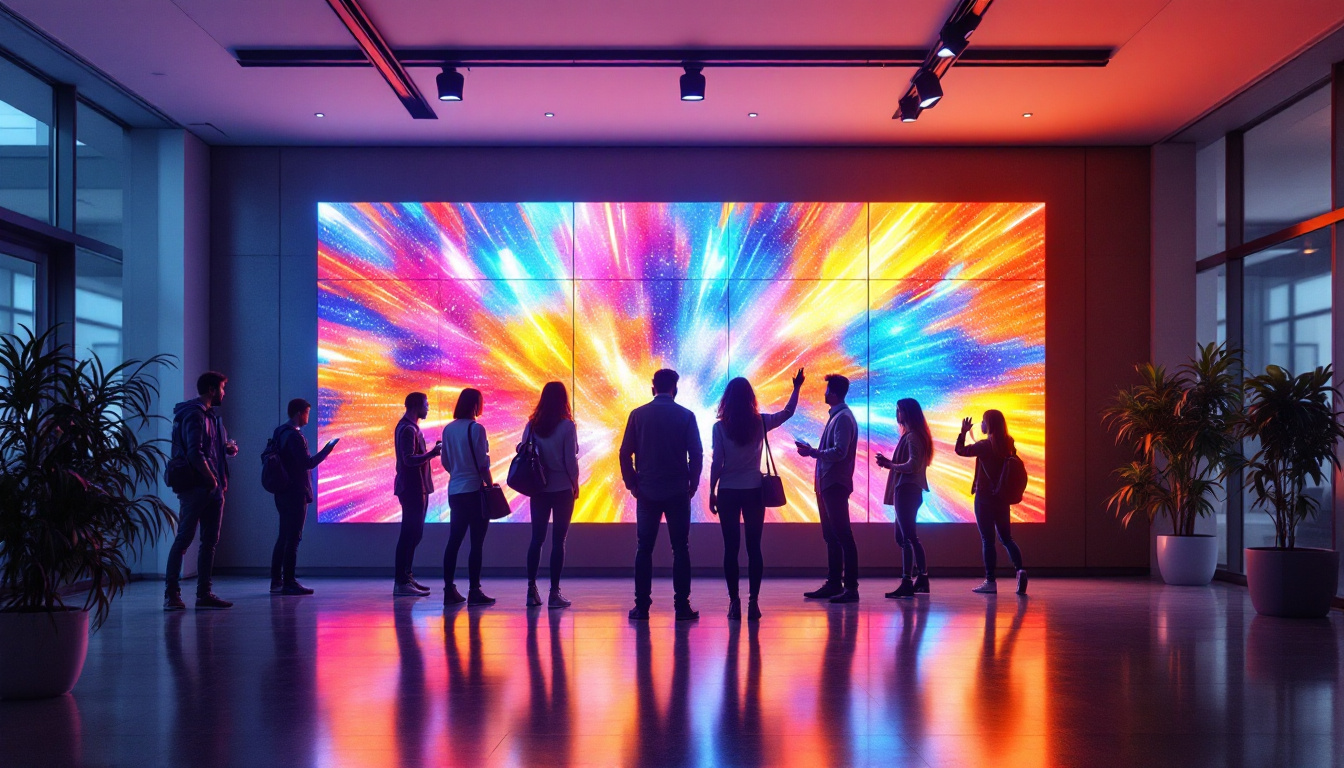
In corporate settings, LED displays serve as presentation screens, video conferencing backdrops, and information boards. The 1.8 mm pitch provides clear text and detailed graphics, improving communication and engagement during meetings and events.
Furthermore, the slim design and seamless module integration create an aesthetically pleasing environment that reflects professionalism and technological sophistication.
Broadcast Studios and Control Rooms
Broadcast studios require displays with high refresh rates and excellent color accuracy to ensure flawless video production. The 1.8 x 36 LED display meets these demands, offering flicker-free visuals and consistent color reproduction.
Control rooms, such as those used in transportation, security, or utilities management, rely on detailed and reliable visual data. The fine pixel pitch allows operators to monitor complex information without strain, enhancing situational awareness and decision-making.
Entertainment and Events
Concerts, theaters, and live events utilize LED displays for backdrops, stage effects, and audience engagement. While larger pixel pitches are common for outdoor stages, indoor events often employ 1.8 mm pitch displays for close-up viewing.
The 1.8 x 36 configuration’s modular nature allows for scalable setups, from small screens to large video walls, adapting to various venue sizes and production requirements.
Advantages and Considerations When Choosing a 1.8 x 36 LED Display
While the 1.8 x 36 LED display offers numerous benefits, it is important to weigh these against potential considerations to ensure the right fit for your project.
Advantages
- High Resolution: The 1.8 mm pixel pitch delivers sharp, detailed images suitable for close viewing.
- Modularity: The 36-LED horizontal module design allows for flexible sizing and easy maintenance.
- Wide Viewing Angles: Ensures consistent image quality across large audiences.
- High Refresh Rates: Supports flicker-free video and smooth motion.
- Energy Efficiency: Modern LEDs consume less power compared to older display technologies.
Considerations
- Cost: Fine-pitch LED displays like 1.8 mm tend to be more expensive due to the density of LEDs and manufacturing precision.
- Installation Complexity: Requires professional installation and calibration to achieve optimal performance.
- Environmental Limitations: Primarily designed for indoor use; outdoor applications may need additional weatherproofing and higher brightness.
- Maintenance: Although modular, repairs can be intricate and require specialized knowledge.
Future Trends and Innovations in LED Display Technology
The LED display industry continues to innovate, pushing the boundaries of resolution, energy efficiency, and interactivity. The 1.8 x 36 LED displays are part of this dynamic landscape, benefiting from several emerging trends:
MicroLED and MiniLED Technologies
MicroLED and MiniLED represent next-generation display technologies offering even smaller pixel pitches and improved brightness and contrast ratios. These advancements promise to enhance the image quality beyond what 1.8 mm pitch displays currently provide, particularly for ultra-high-definition applications.
Integration with AI and IoT
Smart LED displays integrated with artificial intelligence and Internet of Things (IoT) capabilities enable dynamic content adaptation based on audience behavior, environmental conditions, and real-time data. This integration enhances engagement and operational efficiency.
Flexible and Transparent Displays
Emerging flexible and transparent LED displays open new possibilities for creative installations, from curved surfaces to glass facades. These innovations complement the modular 1.8 x 36 designs, offering greater versatility in architectural and artistic applications.
Conclusion
The 1.8 x 36 LED display configuration represents a sophisticated and versatile solution in the realm of digital signage and visual communication. Its fine pixel pitch and modular design enable high-resolution, vibrant displays ideal for indoor environments where image clarity and detail are paramount.
By understanding the technical specifications, applications, and advantages of the 1.8 x 36 LED display, businesses and organizations can make informed decisions that align with their visual communication goals. As LED technology continues to advance, these displays will remain a cornerstone of immersive and impactful digital experiences.
Discover LumenMatrix’s Advanced LED Display Solutions
Ready to elevate your visual communication with high-resolution, vibrant displays? LumenMatrix is at the forefront of LED display innovation, offering a wide range of solutions tailored to your needs. From Indoor LED Wall Displays to Custom LED Displays and beyond, our products are designed to captivate audiences and amplify your brand’s message. Experience the future of digital signage with LumenMatrix and transform your space into a dynamic visual environment. Check out LumenMatrix LED Display Solutions today and see the difference for yourself.