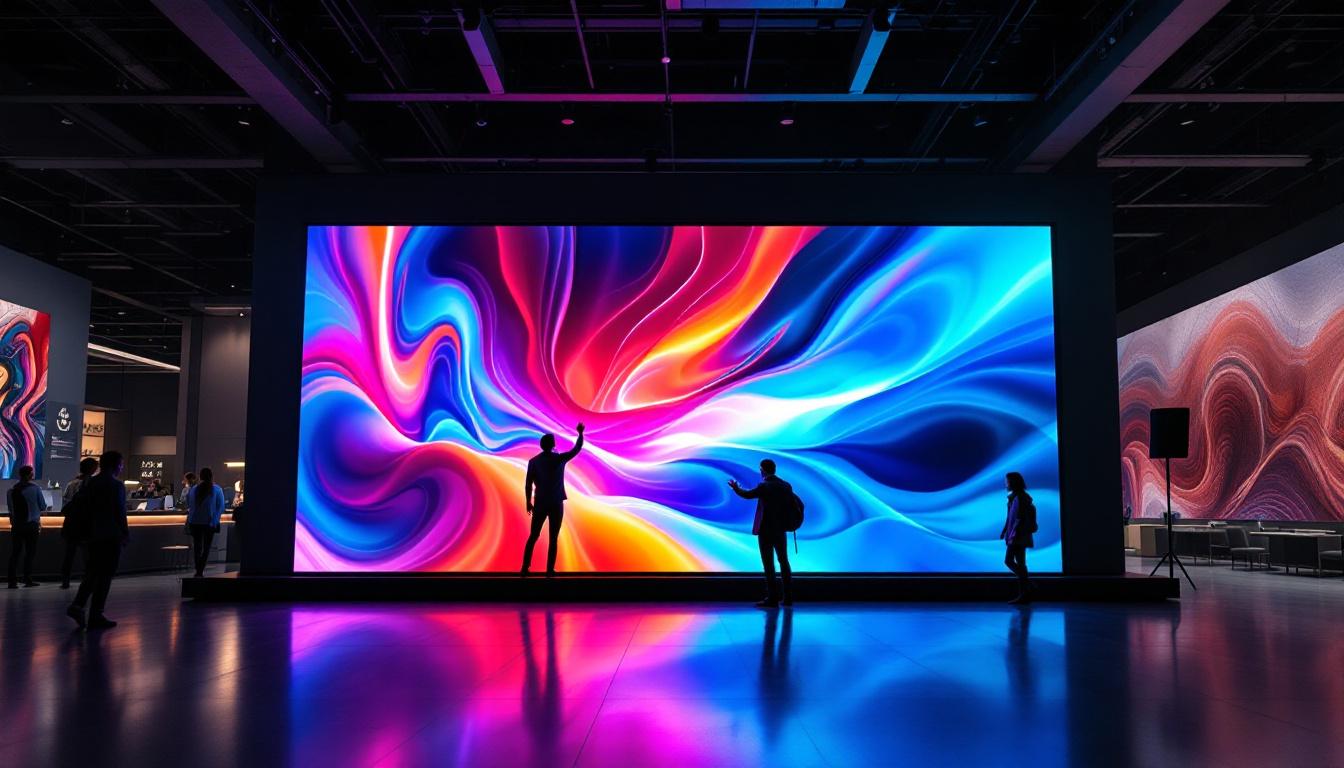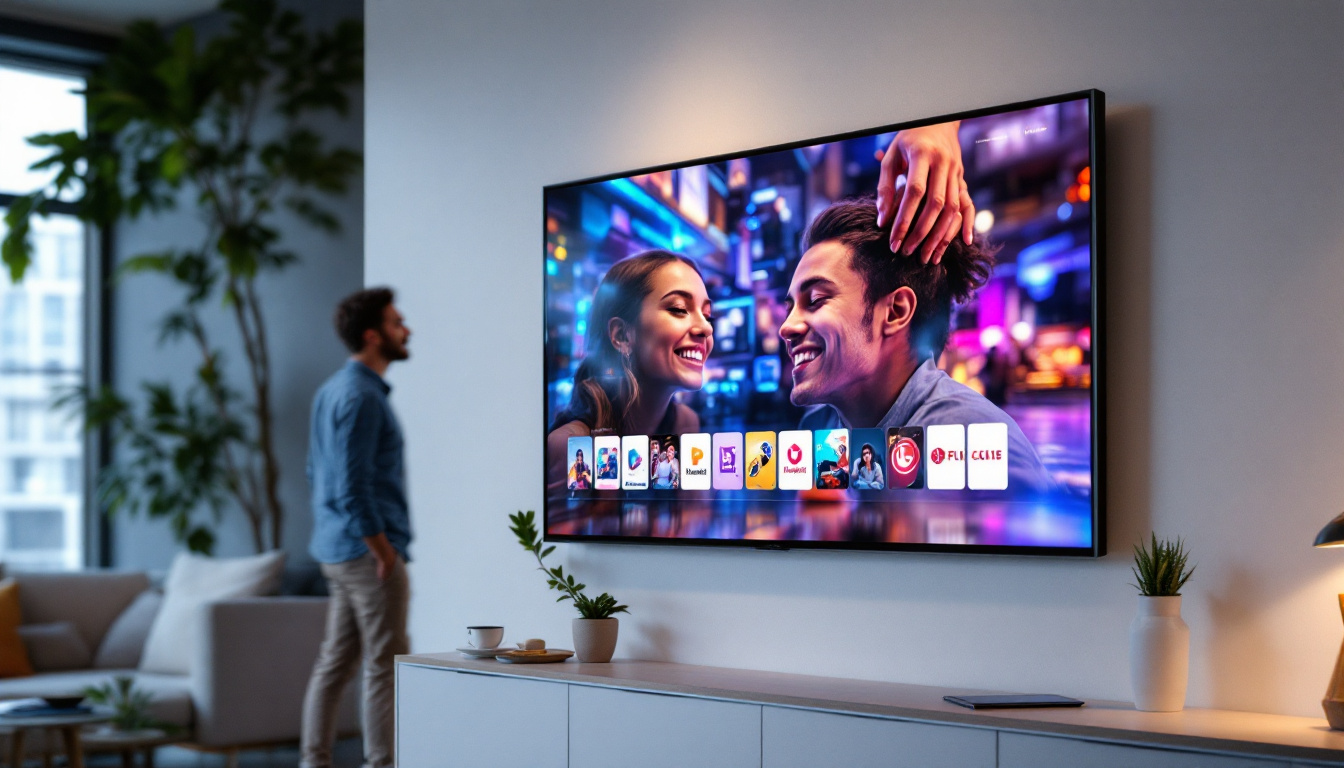
In today’s fast-paced digital world, clear and efficient communication is essential, especially when it comes to displaying information in real time. The clear screen terminal, often paired with LED display technology, has become a cornerstone in various industries—from transportation hubs and retail environments to manufacturing floors and public information systems. This article delves into the intricacies of clear screen terminals and LED displays, exploring how they work, their advantages, and their applications in modern settings.
Understanding Clear Screen Terminals
A clear screen terminal is essentially a display interface designed to present information in a clean, unobstructed manner. Unlike traditional terminals that may rely on text-only or monochrome displays, clear screen terminals utilize advanced display technologies to offer vivid, readable, and dynamic content.
These terminals are often integrated with LED (Light Emitting Diode) displays, which provide the brightness and clarity needed for visibility in various lighting conditions. The term “clear screen” reflects the terminal’s ability to reset or refresh the display quickly, ensuring that outdated information is removed promptly and replaced with current data.
The Evolution of Terminal Displays
Terminal displays have evolved significantly over the past few decades. Early computer terminals were limited to simple text output on monochrome screens. As technology progressed, color displays and graphical user interfaces became standard, enhancing user interaction and data visualization.
Clear screen terminals represent a further advancement, combining high-resolution LED technology with software capable of managing dynamic content updates. This evolution has been driven by the need for real-time information dissemination in environments such as airports, stock exchanges, and factory floors.
Moreover, the versatility of clear screen terminals allows them to be used in a variety of applications beyond traditional computing. For instance, they are increasingly found in public spaces, such as digital signage in shopping malls or interactive kiosks in museums, where engaging visuals can attract attention and convey information effectively. The integration of touch-screen capabilities further enhances user interaction, allowing individuals to navigate through information seamlessly.
Additionally, advancements in connectivity have enabled clear screen terminals to pull data from various sources in real-time, making them invaluable in sectors where timely information is crucial. For example, in healthcare settings, these terminals can display patient information, alerts, and updates, thereby improving response times and overall patient care. The ability to customize content based on user needs or preferences also makes clear screen terminals a flexible solution for many industries, adapting to the specific demands of each environment.
How LED Displays Work in Clear Screen Terminals
LED displays are at the heart of clear screen terminals, offering several distinct advantages over other display technologies like LCD or OLED. Understanding how LED displays function helps explain why they are preferred for terminal applications requiring clarity and durability.
Basic Principles of LED Technology
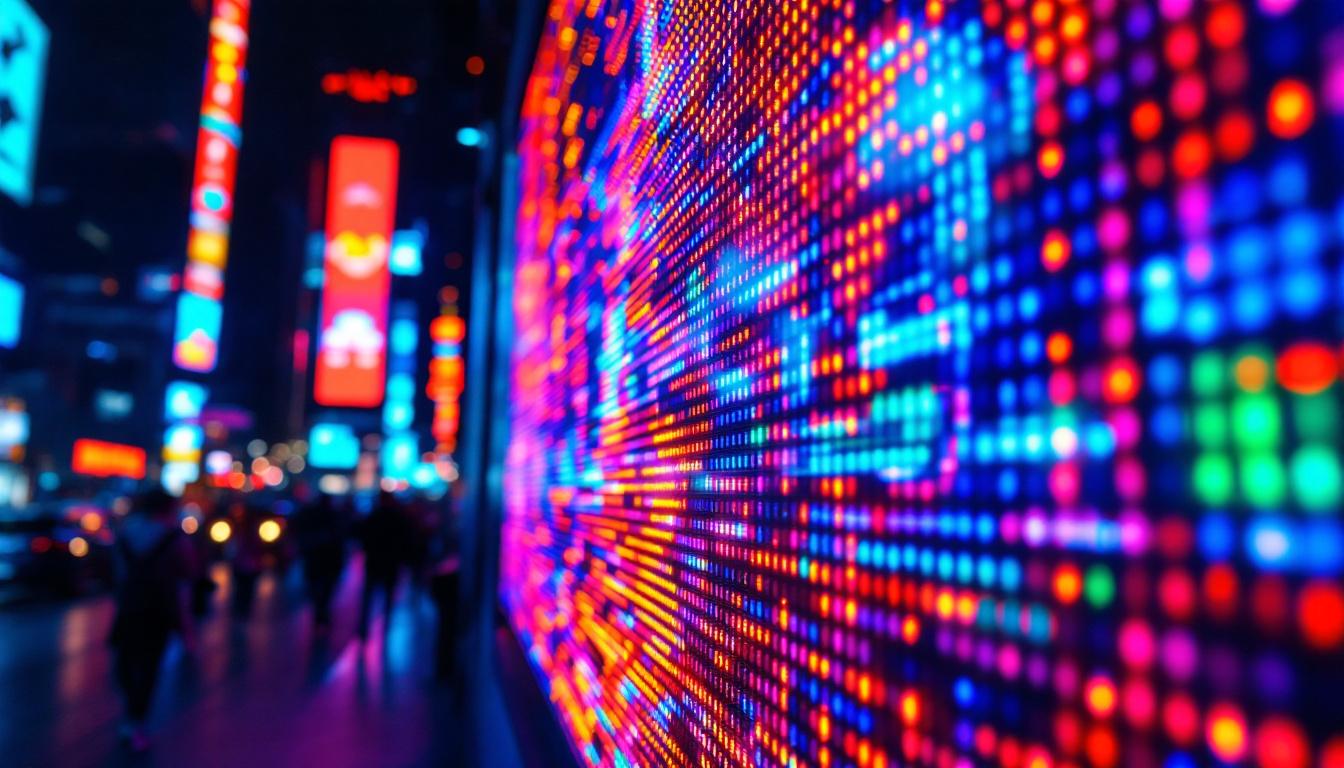
LEDs are semiconductor devices that emit light when an electric current passes through them. Each LED consists of a chip that produces light in a specific color, commonly red, green, or blue. By combining these primary colors at varying intensities, LED displays can render a wide spectrum of colors, producing vibrant images and text.
In terminal displays, LEDs are arranged in a matrix format, allowing each pixel to be individually controlled. This pixel-level control enables precise rendering of characters, symbols, and graphics, which is critical for clear screen terminals where legibility is paramount. The ability to adjust the brightness and color of each pixel independently also means that dynamic content can be displayed with stunning clarity, enhancing user interaction and experience.
Advantages of LED Displays
One of the key benefits of LED displays is their brightness. LEDs can produce intense light, making the display easily readable even in bright ambient conditions such as direct sunlight. This is particularly important in outdoor terminals or well-lit indoor environments. The high contrast ratio of LED displays further enhances visibility, ensuring that information is conveyed effectively regardless of the surrounding light conditions.
Additionally, LED displays are energy-efficient and have a longer lifespan compared to other display technologies. Their robustness makes them suitable for industrial environments where terminals may be exposed to dust, vibrations, or temperature fluctuations. The durability of LED technology also means that maintenance costs are significantly lower, as fewer replacements are needed over time. Furthermore, advancements in LED technology have led to the development of flexible and transparent displays, opening up new possibilities for innovative terminal designs that can adapt to various environments and user needs.
Applications of Clear Screen Terminals with LED Displays
The versatility of clear screen terminals with LED displays has led to widespread adoption across multiple sectors. Their ability to present real-time, clear, and dynamic information makes them invaluable in scenarios where timely communication is critical.
Transportation and Public Information Systems
Airports, train stations, and bus terminals rely heavily on clear screen terminals to display arrival and departure times, gate information, and service updates. The high visibility and rapid refresh capabilities of LED displays ensure passengers receive accurate and up-to-date information, reducing confusion and improving overall travel experience.
For example, major international airports like London Heathrow and Tokyo Narita employ large LED-based clear screen terminals to manage complex flight information. These systems handle thousands of updates daily, demonstrating the reliability and efficiency of LED technology in high-demand environments.
Retail and Advertising
In retail settings, clear screen terminals with LED displays are used for digital signage, price updates, and promotional messages. Their bright and colorful output attracts customer attention and allows for quick content changes, which is essential for dynamic marketing strategies.
Retail giants such as Walmart and Tesco utilize LED display terminals to manage in-store promotions and inventory alerts, ensuring that customers and staff have access to the latest information without delay.
Industrial and Manufacturing Environments
Manufacturing plants and warehouses use clear screen terminals to monitor production lines, display safety alerts, and communicate operational metrics. The durability and clarity of LED displays make them ideal for harsh industrial settings where quick decision-making based on real-time data is crucial.
Companies like Siemens and General Electric integrate LED-based terminals into their factory automation systems, enhancing productivity and safety through clear visual communication.
Technical Considerations for Implementing Clear Screen Terminals
Deploying clear screen terminals with LED displays requires careful planning to maximize their effectiveness. Several technical factors influence the performance and suitability of these systems for specific applications.
Resolution and Pixel Pitch
The resolution of an LED display is determined by the number of pixels it contains, which directly affects the clarity of the displayed content. Pixel pitch—the distance between individual LEDs—also plays a critical role. Smaller pixel pitches result in higher resolution and sharper images, which is especially important for terminals viewed at close range.
For example, a terminal used on a factory floor where operators stand close to the screen might use a pixel pitch of 1.5 mm or less, whereas a large outdoor terminal viewed from a distance could have a pixel pitch of 10 mm or more.
Refresh Rate and Response Time
Clear screen terminals often display rapidly changing information, so a high refresh rate is essential to prevent flickering and ensure smooth updates. A refresh rate of at least 60 Hz is typical, with some systems offering rates up to 120 Hz or higher for ultra-smooth performance.
Response time—the speed at which a pixel changes from one state to another—is also important. Faster response times reduce motion blur, which is beneficial for terminals displaying moving graphics or scrolling text.
Connectivity and Integration
Modern clear screen terminals must integrate seamlessly with backend systems and data sources. This requires support for multiple connectivity options such as Ethernet, Wi-Fi, and serial interfaces. Compatibility with standard communication protocols ensures that terminals can receive and display data reliably.
Software integration is equally critical. Terminals often run specialized content management systems that allow administrators to schedule updates, customize layouts, and monitor display health remotely.
Future Trends in Clear Screen Terminals and LED Displays
The landscape of display technology continues to evolve, promising exciting advancements for clear screen terminals. Several trends are shaping the future of this field, enhancing both functionality and user experience.
MicroLED and MiniLED Technologies
Emerging LED technologies such as MicroLED and MiniLED offer even higher resolution, brightness, and energy efficiency. MicroLED displays, composed of microscopic LEDs, provide superior contrast and color accuracy, rivaling OLED technology while maintaining LED durability.
These innovations will enable clear screen terminals to deliver sharper images and richer colors, expanding their use in environments requiring detailed graphical content.
Interactive and Touch-Enabled Displays
Interactivity is becoming a key feature in terminal displays. Touch-enabled LED screens allow users to interact directly with the content, enabling functions such as wayfinding, self-service check-ins, and real-time data input.
Integrating touch capabilities with clear screen terminals enhances user engagement and streamlines operations in sectors like retail, transportation, and healthcare.
AI and Data-Driven Content Management
Artificial intelligence is increasingly being applied to optimize content displayed on terminals. AI algorithms can analyze user behavior, environmental conditions, and operational data to tailor information dynamically, improving relevance and impact.
For instance, an airport terminal could use AI to prioritize flight updates based on passenger flow or weather conditions, ensuring that the most critical information is always prominently displayed.
Conclusion
Clear screen terminals equipped with LED displays represent a powerful solution for delivering clear, dynamic, and reliable information across a wide range of industries. Their brightness, durability, and flexibility make them indispensable in environments where clear communication is essential.
As LED technology continues to advance and integrate with emerging trends like interactivity and AI, the capabilities of clear screen terminals will only expand, offering even greater value to businesses and end-users alike. Understanding the technical aspects and applications of these systems is crucial for organizations looking to harness their full potential in today’s information-driven world.
Discover LumenMatrix’s Advanced LED Display Solutions
Ready to elevate your visual communication with the latest in LED display technology? Look no further than LumenMatrix, a pioneer in crafting immersive and dynamic LED experiences. From vibrant Indoor and Outdoor LED Wall Displays to innovative solutions like Vehicle LED Displays and LED Sports Displays, LumenMatrix offers a comprehensive range of products designed to capture attention and convey your message with unparalleled clarity. Embrace the future of digital signage with our Custom LED Displays, All-in-One LED Displays, and groundbreaking LED Transparent Displays. Check out LumenMatrix LED Display Solutions today and transform how you connect with your audience.