In the ever-evolving world of display technology, LED displays have emerged as a dominant force, revolutionizing how we experience visual content. Among the myriad of options available, the term “55 LED” often comes up, referring to a 55-inch LED display, a popular size for both consumer and commercial applications. This article delves deep into what a 55 LED display is, how LED technology works, its advantages, and why it has become a preferred choice for various uses ranging from home entertainment to digital signage.
Understanding LED Display Technology
What is an LED Display?
LED stands for Light Emitting Diode, a semiconductor device that emits light when an electric current passes through it. An LED display is a flat panel display that uses these tiny LEDs as pixels to create images. Unlike traditional LCDs that rely on backlighting, LED displays use individual LEDs to produce light, resulting in brighter images and better contrast. This technology not only enhances visual quality but also contributes to energy efficiency, making LED displays a popular choice for both consumers and businesses.
When people refer to a “55 LED” display, they typically mean a 55-inch screen size that employs LED technology for image rendering. These displays are widely used in televisions, monitors, advertising billboards, and public information systems. The versatility of LED displays allows them to be adapted for various environments, from home entertainment systems to large-scale outdoor advertising, showcasing their ability to deliver high-quality visuals in diverse settings.
How Do LED Displays Work?
LED displays function by controlling the light emitted from each diode to form images. Each pixel on the screen consists of red, green, and blue LEDs (RGB), which combine in varying intensities to produce a full spectrum of colors. By adjusting the brightness of each LED, the display can render detailed and vibrant images. This capability allows for stunning visuals in movies, video games, and presentations, captivating audiences with lifelike colors and sharp details.
There are two main types of LED displays: direct LED and edge-lit LED. Direct LED displays have LEDs positioned directly behind the screen, providing uniform brightness and better contrast. Edge-lit LED displays place LEDs along the edges of the screen, allowing for thinner panels but sometimes resulting in less uniform lighting. Additionally, advancements in technology have led to the development of OLED (Organic LED) displays, which offer even greater color accuracy and contrast by using organic compounds to emit light. As the technology continues to evolve, we can expect to see even more innovative applications of LED displays in various fields, including virtual reality and augmented reality, enhancing user experiences in ways previously thought impossible.
Why Choose a 55-Inch LED Display?
Optimal Screen Size for Versatility
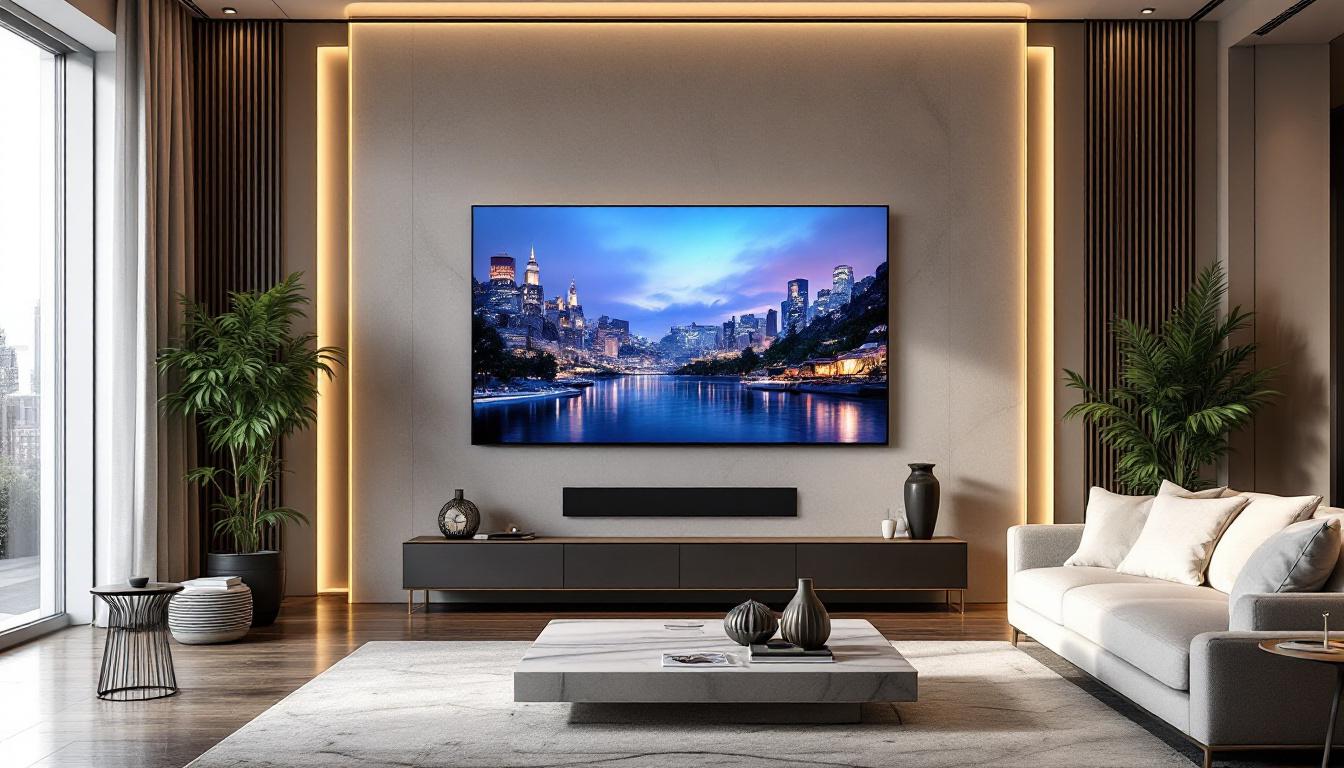
The 55-inch size strikes a balance between immersive viewing and space efficiency. For home users, a 55-inch LED TV offers a cinematic experience without overwhelming a typical living room. In office environments, this size is ideal for conference rooms or digital signage where visibility and clarity are crucial.
According to recent market research, 55-inch TVs have become the most popular size segment globally, accounting for nearly 30% of all TV sales in 2023. This trend highlights consumer preference for a screen that fits well in various settings while delivering excellent picture quality. Moreover, the versatility of a 55-inch display extends beyond just viewing; it can also serve as a hub for gaming, streaming, and even video conferencing, making it a multifaceted addition to any space.
As more consumers embrace smart technology, the integration of smart features into 55-inch LED TVs is becoming increasingly common. Many models now come equipped with built-in streaming apps, voice control capabilities, and compatibility with smart home devices, allowing users to seamlessly transition between entertainment and productivity. This adaptability makes the 55-inch display a prime choice for families and professionals alike, catering to diverse needs and preferences.
Superior Picture Quality and Energy Efficiency
LED displays, especially those in the 55-inch category, offer superior picture quality compared to older technologies like plasma or CCFL-backlit LCDs. They provide higher brightness levels, deeper blacks, and better color accuracy. Many 55-inch LED TVs now support advanced features such as 4K resolution, High Dynamic Range (HDR), and wide color gamut, enhancing the viewing experience.
Energy efficiency is another critical factor. LED technology consumes significantly less power than traditional display technologies. For example, a 55-inch LED TV typically uses about 50-100 watts, depending on the model and settings, which is considerably lower than plasma TVs of similar size. This efficiency translates to lower electricity bills and a reduced environmental footprint. Additionally, many manufacturers are now incorporating eco-friendly materials and energy-saving modes into their designs, further appealing to environmentally conscious consumers. The combination of stunning visuals and responsible energy consumption makes the 55-inch LED display not only a smart choice for entertainment but also a sustainable one.
Furthermore, advancements in LED technology, such as local dimming and quantum dot enhancements, are pushing the boundaries of what these displays can achieve. Local dimming allows for improved contrast by dynamically adjusting the brightness of different screen areas, resulting in more lifelike images. Quantum dot technology enhances color reproduction, providing a broader spectrum of colors that can make movies and games come to life. As these innovations continue to evolve, the 55-inch LED display remains at the forefront of home entertainment technology, promising an ever-improving viewing experience for users.
Applications of 55 LED Displays
Home Entertainment
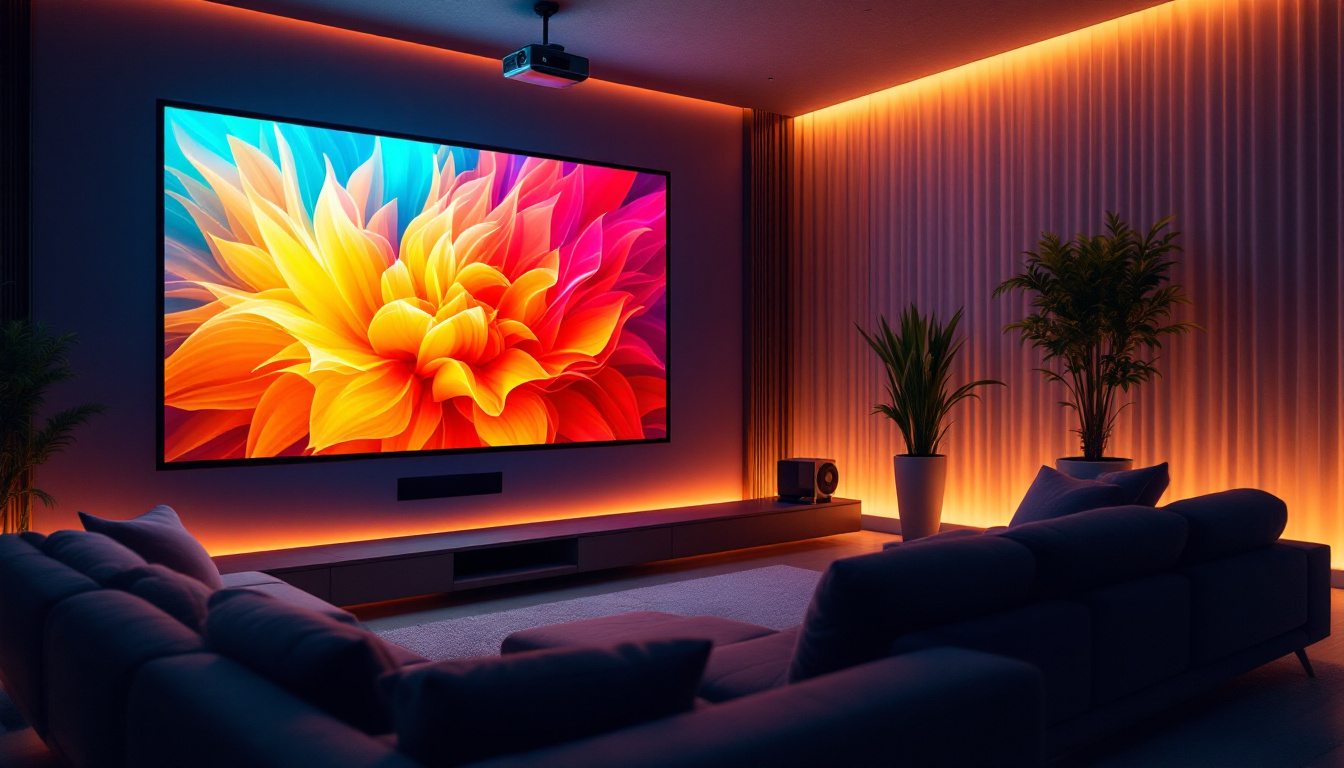
The most common use of 55-inch LED displays is in home entertainment systems. Whether watching movies, streaming sports, or gaming, these displays offer immersive visuals and crisp sound. The integration of smart TV features allows users to access streaming platforms, apps, and voice controls, making the 55-inch LED TV a central hub for entertainment.
Leading manufacturers like Samsung, LG, and Sony have focused heavily on this segment, introducing models with OLED-like contrast ratios, local dimming, and AI-enhanced picture processing to meet the demands of discerning consumers.
Commercial and Public Displays
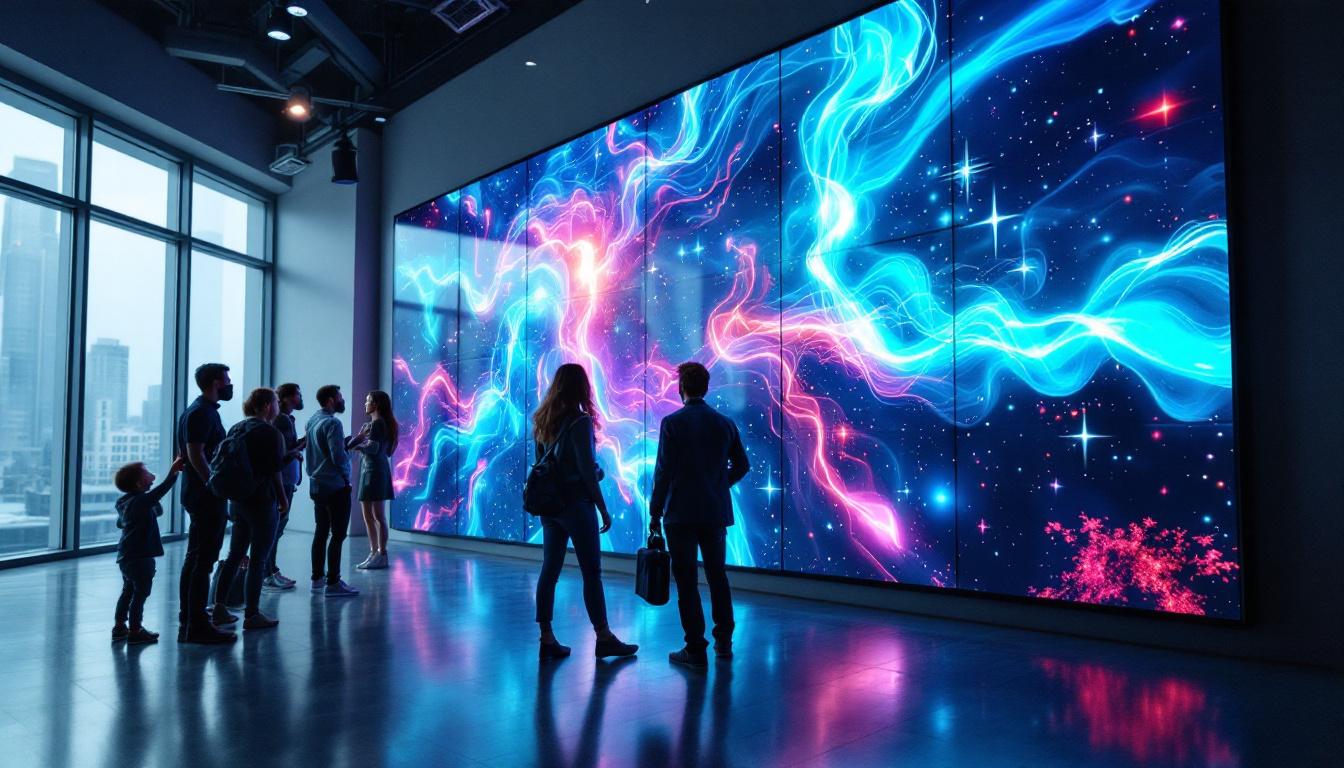
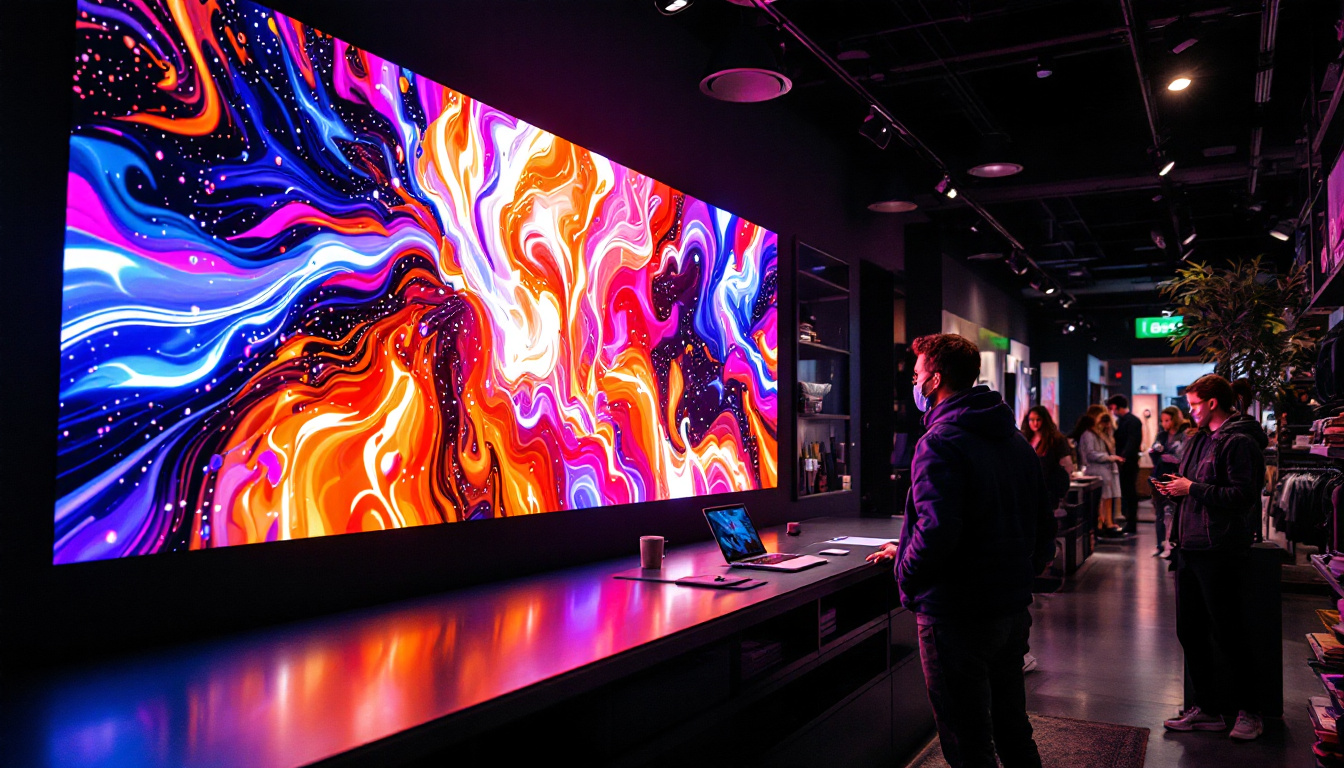
Beyond the home, 55 LED displays are widely used in commercial settings. Retail stores use them for dynamic advertising and promotions, taking advantage of the bright and vivid imagery to attract customers. In corporate environments, these displays serve as digital whiteboards or video conferencing screens.
Public spaces such as airports, train stations, and stadiums also utilize 55-inch LED screens for information dissemination and advertising. The durability and brightness of LED technology make these displays suitable for environments with varying lighting conditions.
Gaming and Professional Use
Gamers benefit from 55-inch LED displays due to their large screen size and fast response times. Many models support high refresh rates (120Hz or higher) and low input lag, which are essential for competitive gaming. Additionally, the high resolution and color accuracy enhance the overall gaming experience.
Professionals in fields such as graphic design, video editing, and broadcasting also rely on 55-inch LED monitors for their precise color reproduction and large workspace. These displays often come calibrated for color accuracy and support wide color gamuts like AdobeRGB and DCI-P3.
Key Features to Consider When Buying a 55 LED Display
Resolution and Image Quality
Resolution is a critical factor affecting image clarity. Most 55-inch LED displays today come with 4K Ultra HD resolution (3840 x 2160 pixels), which provides four times the detail of Full HD. This higher pixel density is particularly noticeable on larger screens, delivering sharper images and finer details.
HDR support is another essential feature that enhances contrast and color depth. Standards like HDR10, Dolby Vision, and HLG improve the viewing experience by making bright scenes more vivid and dark scenes more detailed.
Refresh Rate and Response Time
A higher refresh rate (measured in Hertz) means the screen updates more times per second, resulting in smoother motion. For general TV viewing, 60Hz is adequate, but gamers and sports enthusiasts may prefer 120Hz or higher to reduce motion blur.
Response time, the speed at which a pixel changes color, affects the clarity of fast-moving images. Lower response times (measured in milliseconds) are better for gaming and action-packed content.
Connectivity and Smart Features
Modern 55-inch LED displays come equipped with multiple HDMI ports, USB inputs, and wireless connectivity options like Wi-Fi and Bluetooth. These features allow seamless connection to gaming consoles, soundbars, external storage, and smart home devices.
Smart TV capabilities, powered by platforms such as Android TV, Roku, or proprietary operating systems, enable users to stream content, browse the internet, and use apps directly on the display without additional devices.
Design and Build Quality
The aesthetics of a 55-inch LED display can influence its integration into a room or workspace. Slim bezels, minimalist stands, and thin profiles are common design trends that enhance the visual appeal and allow for flexible mounting options.
Durability and warranty coverage are also important considerations, especially for commercial use where displays operate for extended hours.
Future Trends in LED Display Technology
MicroLED and MiniLED Innovations
While traditional LED displays continue to improve, emerging technologies like MicroLED and MiniLED are set to redefine the market. MicroLED displays use microscopic LEDs to create each pixel, offering superior brightness, contrast, and energy efficiency without the burn-in issues associated with OLEDs.
MiniLED technology enhances backlighting by using thousands of tiny LEDs, allowing for more precise local dimming and improved HDR performance. These advancements are gradually making their way into 55-inch displays, promising even better picture quality.
Integration with AI and IoT
Artificial intelligence is increasingly integrated into LED displays to optimize picture settings based on content and ambient lighting conditions. AI-driven upscaling enhances lower-resolution content to near-4K quality, improving the viewing experience.
Moreover, the Internet of Things (IoT) enables LED displays to interact with other smart devices, creating interconnected environments for homes and businesses. Voice assistants and gesture controls are becoming standard features, making interaction more intuitive.
Conclusion: Why 55 LED Displays Remain a Top Choice
The 55-inch LED display represents a sweet spot in the display market, combining size, performance, and affordability. Its widespread adoption across various sectors—from home entertainment to commercial applications—underscores its versatility and reliability.
Advances in LED technology continue to push the boundaries of picture quality, energy efficiency, and smart functionality. For consumers and professionals alike, investing in a 55 LED display means embracing a technology that delivers vibrant visuals, immersive experiences, and future-ready features.
As display technology evolves, the 55-inch LED display remains a cornerstone, proving that size and innovation can coexist to meet diverse needs in a visually driven world.
Discover the Future of Visual Experience with LumenMatrix
As you consider the benefits of a 55-inch LED display for your home or business, LumenMatrix stands ready to elevate your visual experience. Our commitment to innovation ensures that you have access to the most advanced LED display modules on the market. From Indoor and Outdoor LED Walls to specialized solutions like Vehicle and Sports Displays, LumenMatrix caters to every need. Embrace the vibrant visuals and immersive experiences of our LED displays and join the revolution in visual communication. Check out LumenMatrix LED Display Solutions today and see your world in a new light.