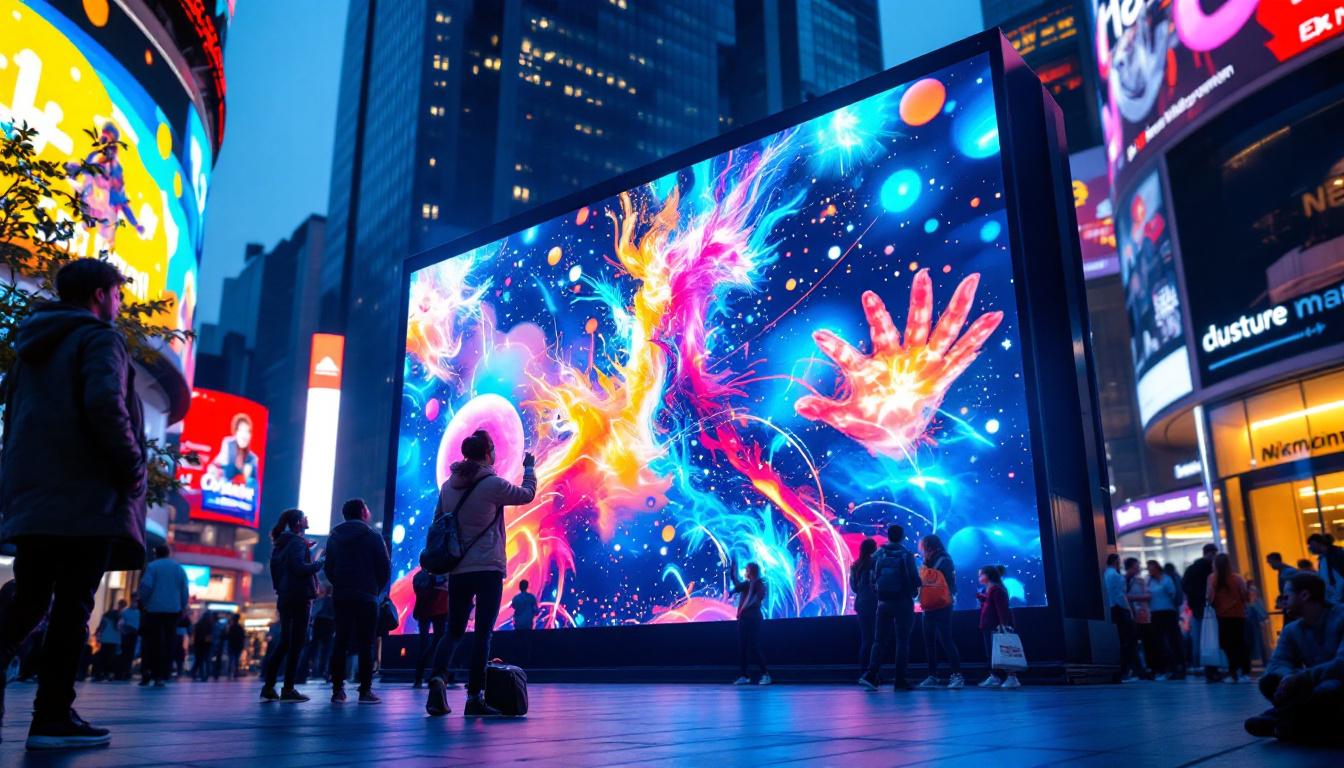
In today’s fast-paced world, capturing attention in outdoor environments is more challenging than ever. Whether it’s advertising, public information, or entertainment, outdoor LED screens have become an essential tool for delivering vibrant, dynamic content that stands out. This article explores the technology behind outdoor LED displays, their advantages, applications, and key considerations for selecting the right screen for your needs.
Understanding Outdoor LED Displays
What Is an Outdoor LED Screen?
Outdoor LED screens are large-format digital displays made up of light-emitting diodes (LEDs) arranged in a matrix. These screens are designed specifically to withstand outdoor conditions such as sunlight, rain, wind, and temperature fluctuations. Unlike traditional billboards or printed signage, LED displays can show moving images, videos, and real-time information, making them highly versatile and engaging.
The core technology involves tiny LEDs that emit light when an electric current passes through them. These LEDs are grouped into pixels, with each pixel typically containing red, green, and blue diodes. By varying the intensity of each diode, the display can produce a full spectrum of colors, enabling vivid and eye-catching visuals even in direct sunlight. This capability not only enhances advertising effectiveness but also allows for dynamic content that can be updated instantly, providing businesses with a powerful tool for communication and engagement.
Additionally, outdoor LED screens often come equipped with advanced features such as automatic brightness adjustment, which ensures optimal visibility in varying lighting conditions. This means that whether it’s a bright sunny day or a dimly lit evening, the content displayed remains clear and impactful. Furthermore, many modern outdoor LED displays are designed with energy efficiency in mind, utilizing less power than traditional lighting methods, which can significantly reduce operational costs over time.
Types of Outdoor LED Screens
Outdoor LED displays come in various types, primarily distinguished by their pixel pitch—the distance between the centers of two adjacent pixels. The pixel pitch affects the resolution and viewing distance of the screen.
- Large Pixel Pitch (10mm and above): Suitable for billboards and large-scale advertising where viewers are far away. These screens are highly visible from hundreds of meters but have lower resolution.
- Medium Pixel Pitch (4mm to 10mm): Ideal for medium-distance viewing such as stadiums, event venues, and building facades.
- Fine Pixel Pitch (below 4mm): Used for close-up viewing environments like retail storefronts or public squares where detail matters.
Choosing the right pixel pitch depends on where the screen will be installed and the typical distance of the audience. For instance, in a bustling urban area where pedestrians frequently pass by, a fine pixel pitch screen can capture attention with sharp, detailed visuals. Conversely, for highway billboards, a larger pixel pitch is more appropriate, as it allows for visibility from a distance without the need for intricate detail. Additionally, advancements in technology have led to the development of flexible LED screens that can be curved or shaped to fit unique architectural designs, further expanding the creative possibilities for advertisers and event organizers.
Moreover, outdoor LED displays can also incorporate interactive elements, allowing viewers to engage with the content through touch or mobile devices. This interactivity can enhance user experience and drive higher engagement rates, making these displays not just passive advertising tools but active participants in marketing strategies. As the technology continues to evolve, we can expect to see even more innovative applications of outdoor LED screens, from augmented reality experiences to integration with social media platforms, creating a more immersive and interactive environment for audiences.
Key Advantages of Outdoor LED Screens
High Visibility and Brightness
One of the most significant benefits of outdoor LED screens is their exceptional brightness. Modern LED displays can reach brightness levels of 5,000 to 10,000 nits or more, ensuring clear visibility even under direct sunlight. This brightness far exceeds that of traditional LCD or projection-based outdoor displays, which struggle with glare and ambient light.
High brightness is crucial for outdoor environments because it guarantees that content remains legible and vibrant throughout the day, regardless of weather conditions. This capability makes LED screens ideal for advertising, public safety messages, and event broadcasting. With their ability to display dynamic content, these screens can capture the attention of passersby, making them a powerful tool for marketing campaigns. Retailers and event organizers often report increased foot traffic and engagement when utilizing outdoor LED displays, as they can showcase vivid imagery and animations that draw in viewers from a distance.
Durability and Weather Resistance
Outdoor LED screens are built to endure harsh environmental conditions. They typically feature robust, weatherproof enclosures with IP65 or higher ratings, meaning they are dust-tight and protected against water jets. This ensures reliable operation in rain, snow, and dusty environments.
Additionally, these screens incorporate temperature control systems such as fans, heat sinks, or air conditioning units to maintain optimal operating temperatures, preventing overheating during hot summer days or freezing in cold climates. Such engineering not only prolongs the life of the display but also ensures consistent performance, allowing for uninterrupted service during critical events or emergencies. This reliability is particularly important for public information displays, where clear communication can be vital for safety and awareness.
Energy Efficiency and Longevity
Compared to older display technologies, LEDs are highly energy-efficient. They consume less power while delivering brighter images, which reduces operational costs over time. Furthermore, LED modules have a long lifespan—often exceeding 100,000 hours—meaning they can operate for years with minimal maintenance.
This longevity and efficiency make outdoor LED screens a cost-effective investment for businesses and municipalities looking for sustainable digital signage solutions. Moreover, the reduced energy consumption aligns with growing environmental concerns, allowing organizations to promote their commitment to sustainability. Many outdoor LED screens also come equipped with smart technology that can adjust brightness based on ambient light conditions, further enhancing energy savings while ensuring optimal visibility. This adaptability not only contributes to lower electricity bills but also minimizes the environmental impact, making outdoor LED screens a forward-thinking choice for modern advertising and communication needs.
Applications of Outdoor LED Displays
Advertising and Marketing
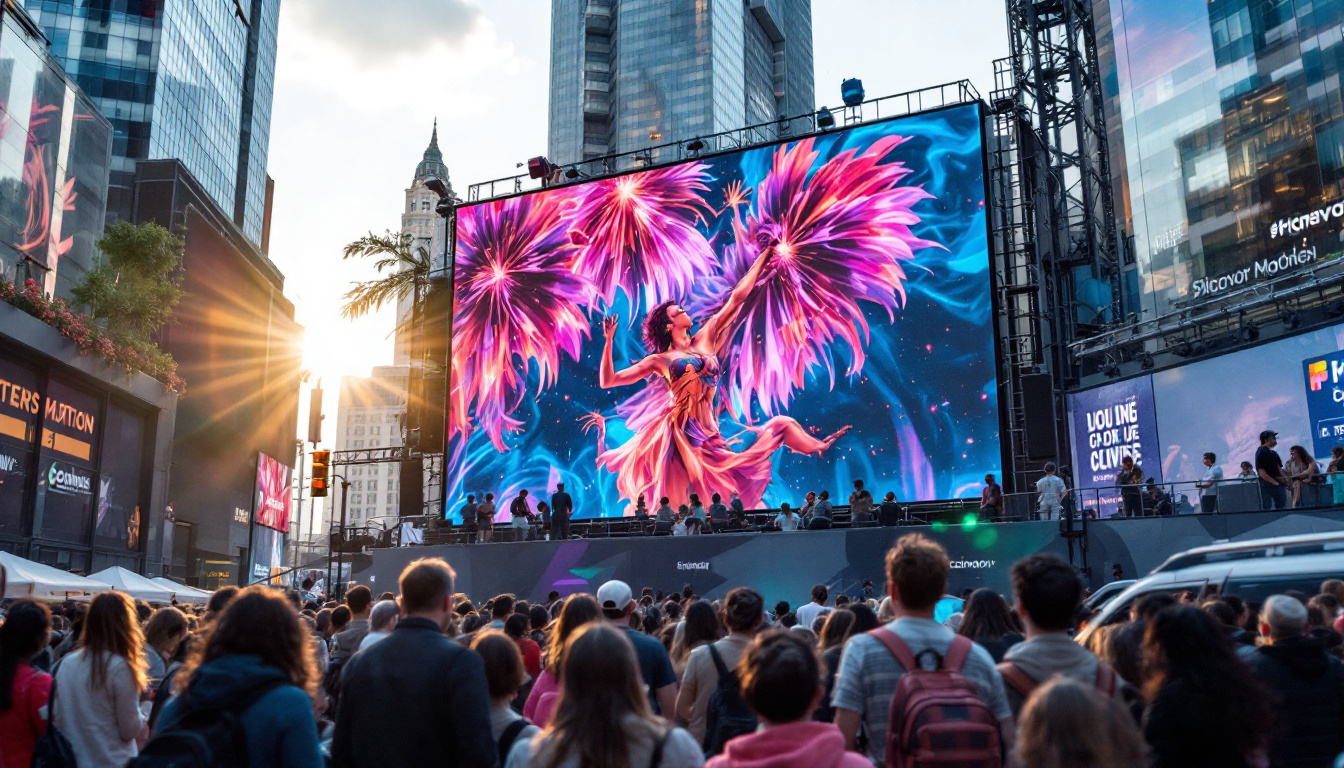
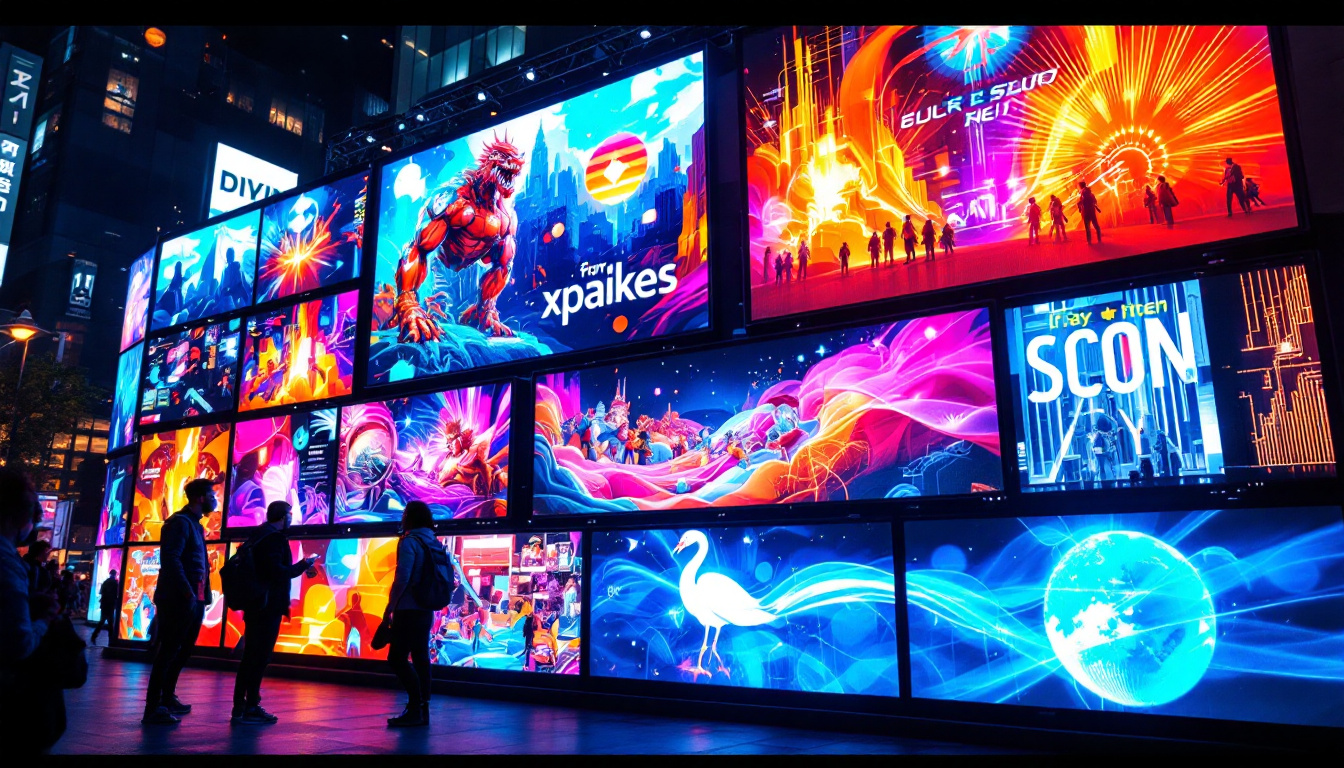
Outdoor LED screens have revolutionized advertising by enabling dynamic, eye-catching campaigns that can be updated instantly. Retailers, shopping malls, and city centers use LED billboards to promote products, sales, and events with vibrant visuals and animations that attract more attention than static signs.
According to a 2023 report by the Digital Signage Federation, digital out-of-home advertising—including LED displays—has grown by over 15% annually, reflecting its effectiveness in engaging consumers. Brands benefit from the ability to tailor content based on time of day, weather, or audience demographics, maximizing impact.
Public Information and Safety
Governments and municipalities utilize outdoor LED screens to disseminate important public information such as traffic updates, weather alerts, emergency notifications, and community announcements. The ability to update content in real-time is invaluable during crises or rapidly changing situations.
For example, during natural disasters, LED displays can provide evacuation routes and safety instructions, potentially saving lives. Their high visibility ensures messages reach a broad audience quickly and clearly.
Sports and Entertainment Venues
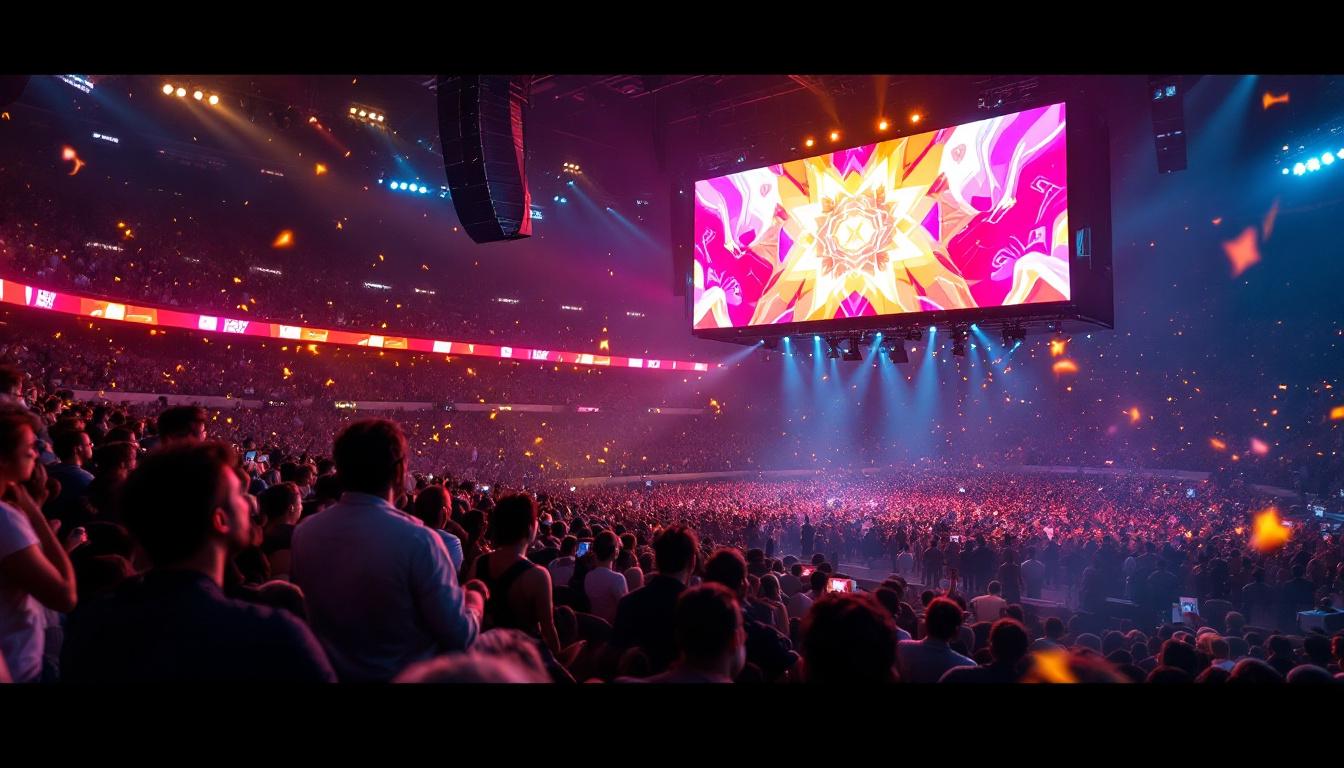
Stadiums, concert halls, and outdoor event spaces rely on LED screens to enhance the spectator experience. Large LED video walls display live footage, replays, scores, and interactive content, creating immersive environments that engage fans and attendees.
Advancements in LED technology have enabled curved and flexible screens, allowing for creative installations that integrate seamlessly with venue architecture.
Choosing the Right Outdoor LED Screen
Consider Viewing Distance and Resolution
Determining the optimal pixel pitch starts with understanding the typical viewing distance. A general rule of thumb is that the minimum viewing distance in meters should be roughly equal to the pixel pitch in millimeters multiplied by 1.5 to 2. For instance, a 10mm pixel pitch screen is best viewed from at least 15 to 20 meters away.
Higher resolution (smaller pixel pitch) screens offer sharper images but come at a higher cost. Balancing resolution and budget is key to ensuring the display meets both visual expectations and financial constraints.
Assess Environmental Conditions
Outdoor screens must be chosen based on the climate and environmental challenges of the installation site. In regions with heavy rainfall or dust, a higher IP rating is essential. For locations with extreme temperatures, screens with advanced thermal management systems will ensure longevity and performance.
Additionally, consider factors such as wind load, mounting options, and vandal resistance to protect the investment.
Evaluate Content Management and Connectivity
Modern outdoor LED screens often come with sophisticated content management systems (CMS) that allow remote control and scheduling of content. Choosing a screen with user-friendly software and reliable connectivity options (such as 4G/5G, Wi-Fi, or Ethernet) is crucial for seamless operation.
Integration with existing marketing platforms or public information networks can further enhance the utility of the display.
Future Trends in Outdoor LED Displays
Higher Resolution and Miniaturization
As LED technology advances, pixel pitches continue to shrink, enabling ultra-high-definition outdoor displays. This trend allows for more detailed and immersive visuals even at closer viewing distances, opening new possibilities for retail and entertainment applications.
Energy-Efficient Innovations
With growing emphasis on sustainability, manufacturers are developing LEDs with improved energy efficiency and incorporating solar-powered solutions for remote locations. These innovations reduce operational costs and environmental impact.
Interactive and Smart Displays
Future outdoor LED screens are expected to integrate interactive features such as touch sensitivity, facial recognition, and AI-driven content personalization. These smart displays will enhance user engagement and provide valuable data insights for advertisers and city planners.
Conclusion
Outdoor LED screens represent a powerful medium for communication in public spaces, combining high visibility, durability, and flexibility. Whether used for advertising, public safety, or entertainment, understanding the technology and key factors involved in selecting the right display ensures maximum impact and return on investment.
As LED technology continues to evolve, outdoor screens will become even more dynamic, efficient, and interactive, shaping the future of digital signage and outdoor communication.
Illuminate Your Space with LumenMatrix
Ready to transform your outdoor space with unparalleled brightness and clarity? LumenMatrix is at the forefront of LED display innovation, offering a diverse range of solutions tailored to meet your unique needs. From vibrant outdoor LED walls that captivate passersby to custom displays that fit any creative vision, our technology is designed to elevate your brand and engage your audience. Experience the future of visual communication with LumenMatrix and make a lasting impression. Check out LumenMatrix LED Display Solutions today and see the difference for yourself.