In today’s fast-paced retail and hospitality environments, Point of Sale (POS) systems have become indispensable. At the heart of many modern POS setups lies the touch screen monitor, a device that not only facilitates seamless transactions but also enhances customer interaction and operational efficiency. Among the various display technologies available, LED displays have gained significant traction due to their superior performance and reliability. This article delves into POS touch screen monitors with LED displays, explaining their technology, benefits, and what makes them the preferred choice for businesses worldwide.
Understanding POS Touch Screen Monitors
What Are POS Touch Screen Monitors?
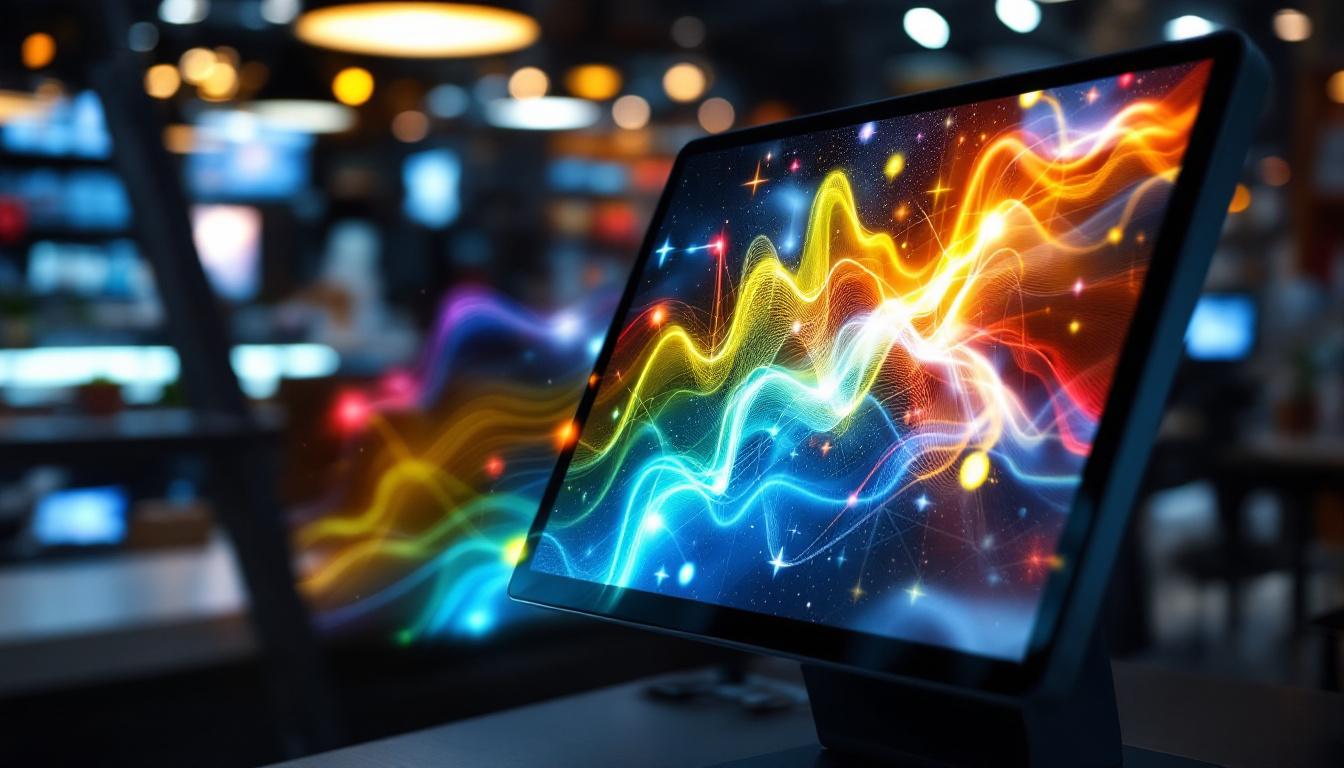
POS touch screen monitors are specialized display devices integrated into point of sale systems, allowing users to interact directly with the screen through touch inputs. These monitors replace traditional keyboards and mice, streamlining the checkout process and improving user experience. They are designed to withstand the rigors of retail environments, including frequent use, exposure to spills, and varying lighting conditions.
Typically, these monitors come in various sizes, ranging from compact 7-inch models suitable for small kiosks to larger 15-inch or 17-inch screens used in full-service restaurants and retail stores. The touch technology can vary, including resistive, capacitive, infrared, and surface acoustic wave (SAW) types, each with distinct advantages depending on the use case.
The Role of Display Technology in POS Systems
The display technology used in POS touch screen monitors significantly impacts performance, durability, and user satisfaction. A clear, bright screen ensures that both the cashier and the customer can easily view transaction details, menus, or product information. Furthermore, responsive touch capabilities reduce transaction times and minimize errors.
Among the various display technologies, LED (Light Emitting Diode) has emerged as the dominant choice due to its energy efficiency, brightness, and longevity. Understanding how LED displays work in the context of POS monitors is essential for businesses looking to invest in reliable and effective hardware.
LED Display Technology Explained
What Is an LED Display?
An LED display is a flat-panel display that uses light-emitting diodes as pixels to create images. Unlike older technologies such as CCFL (Cold Cathode Fluorescent Lamp) backlighting used in LCDs, LED displays utilize LEDs to illuminate the screen, offering several advantages in terms of brightness, color accuracy, and energy consumption.
In POS touch screen monitors, the LED technology typically refers to the backlighting method rather than the pixels themselves, which are usually LCD (Liquid Crystal Display) panels. The LEDs provide consistent and vibrant illumination, enhancing visibility even in brightly lit retail environments.
Types of LED Backlighting in POS Monitors
There are primarily two types of LED backlighting used in POS monitors:
- Edge-Lit LED: LEDs are placed along the edges of the screen, and light is diffused across the display. This design allows for thinner monitors and often lower costs but may have slight inconsistencies in brightness.
- Direct-Lit or Full-Array LED: LEDs are placed directly behind the screen in a grid pattern, providing more uniform brightness and better contrast. This type is generally found in higher-end monitors and offers superior image quality.
For POS applications, edge-lit LED monitors are common due to their slim profile and cost-effectiveness, while direct-lit LED monitors are preferred when image quality and durability are paramount.
Advantages of LED Displays in POS Touch Screen Monitors
Energy Efficiency and Cost Savings
One of the most significant benefits of LED displays is their energy efficiency. Compared to traditional CCFL backlit LCDs, LED displays consume up to 30-50% less power. This reduction translates into lower operating costs, especially important for businesses running multiple POS terminals across several locations.
Energy efficiency also contributes to sustainability goals, a growing consideration for many companies aiming to reduce their environmental footprint. Additionally, LED displays generate less heat, which can prolong the lifespan of the monitor and reduce cooling requirements in the workspace.
Enhanced Brightness and Visibility
Retail environments often feature diverse lighting conditions, from dimly lit restaurants to brightly illuminated supermarkets. LED displays provide higher brightness levels, typically ranging from 250 to 1000 nits, ensuring that screen content remains clear and legible under various ambient light conditions.
Improved visibility reduces errors during transactions and speeds up service, enhancing overall customer satisfaction. Moreover, vibrant colors and sharp contrast ratios offered by LED backlighting improve the readability of menus, product images, and promotional content displayed on the screen.
Durability and Longevity
POS touch screen monitors must endure constant use, occasional impacts, and exposure to environmental factors such as dust and moisture. LED displays contribute to the durability of these monitors by having fewer fragile components compared to older display technologies.
LED backlights have a longer lifespan, often rated at 50,000 hours or more, which means less frequent replacements and reduced maintenance costs. This longevity is critical for businesses that rely on uninterrupted service, minimizing downtime and ensuring consistent performance.
Improved Color Accuracy and Image Quality
For businesses that use POS monitors not only for transactions but also for advertising and customer engagement, image quality matters. LED displays offer better color accuracy and wider color gamuts compared to traditional backlighting methods.
This capability allows retailers to showcase products with true-to-life colors, enhancing marketing efforts and potentially increasing sales. High-resolution LED displays also support detailed graphics and videos, making them versatile tools beyond simple transaction screens.
Choosing the Right POS Touch Screen Monitor with LED Display
Screen Size and Resolution Considerations
Selecting the appropriate screen size depends on the specific application and available counter space. Smaller screens (7-10 inches) are ideal for compact setups like kiosks or mobile POS systems, while larger displays (15-17 inches) suit environments where detailed menus or product catalogs need to be displayed.
Resolution is equally important. Most POS monitors feature HD (1366×768) or Full HD (1920×1080) resolutions, providing crisp text and images. Higher resolutions improve clarity but may come at a higher cost. Businesses should balance resolution needs with budget constraints and intended use cases.
Touch Technology Types
The touch interface is a critical factor in user experience. Capacitive touch screens, similar to those on smartphones, offer high responsiveness and multi-touch capabilities but may be less effective when used with gloves or styluses. Resistive touch screens, on the other hand, respond to pressure and work well with various input methods but generally have lower clarity and durability.
Infrared and SAW touch technologies provide excellent durability and accuracy but can be more expensive. For high-traffic environments, selecting a touch technology that balances responsiveness, durability, and cost is essential.
Connectivity and Integration
Modern POS monitors often include multiple connectivity options such as USB, HDMI, VGA, and serial ports to interface with peripherals like barcode scanners, receipt printers, and cash drawers. Some models also support network connectivity for cloud-based POS systems.
Ensuring compatibility with existing hardware and software is crucial to avoid integration issues. Businesses should verify that the monitor supports the operating system and POS software in use, and consider future scalability when making a purchase.
Real-World Applications and Industry Examples
Retail Sector
In retail, LED-backlit POS touch screen monitors streamline checkout processes and improve inventory management. For example, a clothing store might use a 15-inch capacitive touch monitor to quickly scan items, process payments, and display promotional offers. The bright LED display ensures visibility even under strong store lighting, reducing errors and wait times.
Moreover, some retailers employ POS monitors as interactive kiosks where customers can browse products or check loyalty points, leveraging the high image quality of LED displays to enhance engagement.
Hospitality Industry
Restaurants and cafes benefit from POS monitors with LED displays by enabling servers to input orders swiftly and accurately. The durability of LED monitors helps them withstand spills and frequent cleaning. Additionally, the vibrant displays can show menus and specials clearly, improving communication between kitchen and front-of-house staff.
Some establishments integrate these monitors with kitchen display systems, where LED brightness and color accuracy help staff distinguish order statuses at a glance, increasing efficiency during peak hours.
Healthcare and Other Sectors
Beyond retail and hospitality, POS touch screen monitors with LED displays find applications in healthcare settings for patient check-in kiosks and pharmacy counters. The clear, bright screens improve accessibility for users with visual impairments, while the durable design ensures longevity in demanding environments.
Similarly, transportation hubs and entertainment venues use these monitors to facilitate ticketing and information services, relying on the reliability and clarity of LED technology to serve large volumes of users effectively.
Future Trends in POS Touch Screen Monitors and LED Displays
Advancements in Display Technology
Emerging technologies such as OLED (Organic Light Emitting Diode) and MicroLED promise even better color accuracy, contrast ratios, and energy efficiency. While currently more expensive, these technologies may become mainstream in POS monitors within the next few years, offering businesses enhanced visual experiences and further operational savings.
Additionally, flexible and curved LED displays could introduce new form factors, allowing for more ergonomic and space-saving POS solutions tailored to diverse environments.
Integration with AI and IoT
As artificial intelligence and the Internet of Things (IoT) continue to evolve, POS touch screen monitors are expected to become smarter and more connected. AI-powered interfaces could provide personalized customer experiences, predictive analytics, and automated inventory management, all displayed on vibrant LED screens.
IoT integration will enable seamless communication between POS systems and other business devices, optimizing workflows and enhancing data-driven decision-making.
Conclusion
POS touch screen monitors equipped with LED displays represent a critical component in modern retail, hospitality, and service industries. Their combination of energy efficiency, brightness, durability, and superior image quality makes them an ideal choice for businesses seeking reliable and effective transaction interfaces.
Understanding the nuances of LED display technology and how it integrates with touch screen functionality helps businesses make informed decisions when selecting POS hardware. As technology advances, these monitors will continue to evolve, offering even greater benefits and transforming the way businesses interact with their customers.
Investing in high-quality POS touch screen monitors with LED displays is not just about keeping pace with technology—it’s about enhancing operational efficiency, improving customer satisfaction, and future-proofing business infrastructure in an increasingly competitive marketplace.
Discover LumenMatrix’s Advanced LED Display Solutions
Ready to elevate your POS touch screen monitors with the most advanced LED display technology? LumenMatrix is at the forefront of creating immersive visual experiences that captivate and engage. From Indoor and Outdoor LED Wall Displays to innovative solutions like Vehicle, Sports, and Floor LED Displays, our products are designed to revolutionize visual communication. Explore our full range of custom and All-in-One LED Display solutions, including the cutting-edge LED Transparent Display. Transform your business and share your message with unparalleled impact. Check out LumenMatrix LED Display Solutions today and step into the future of digital signage.