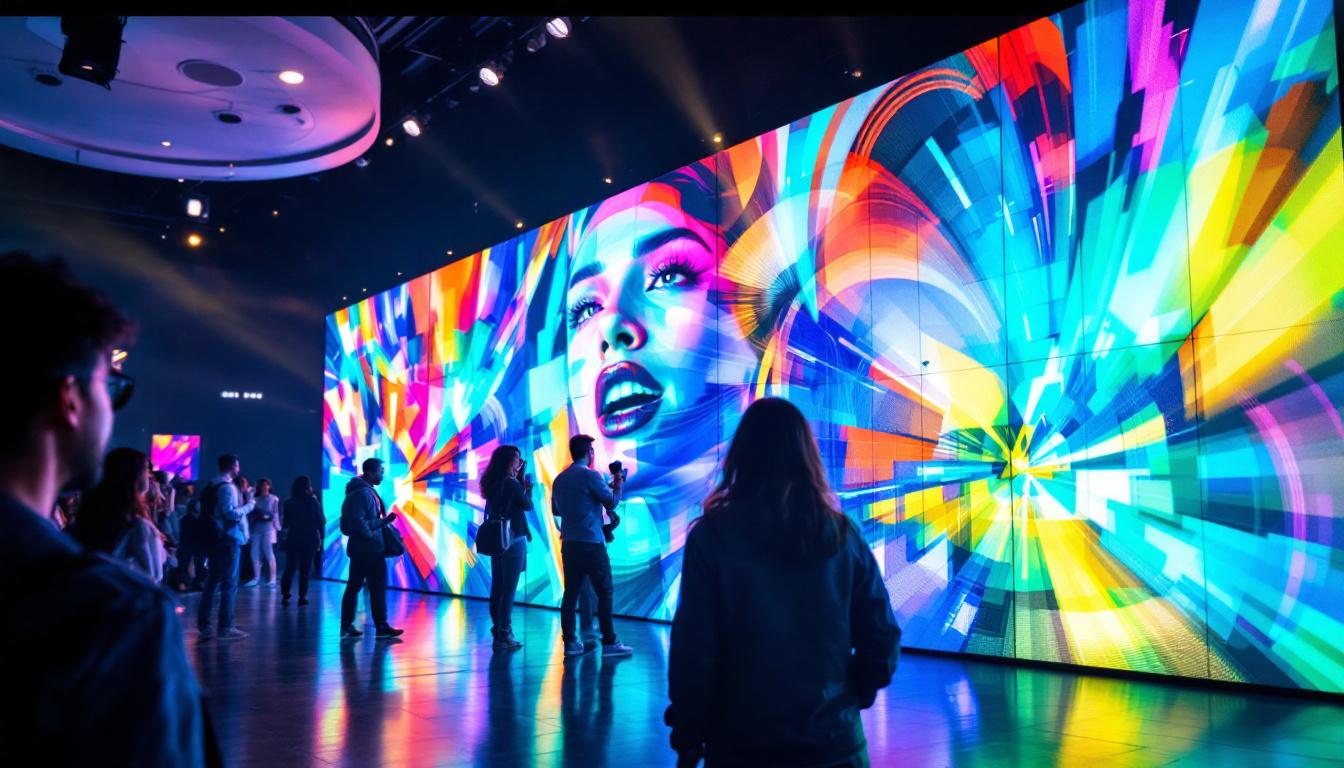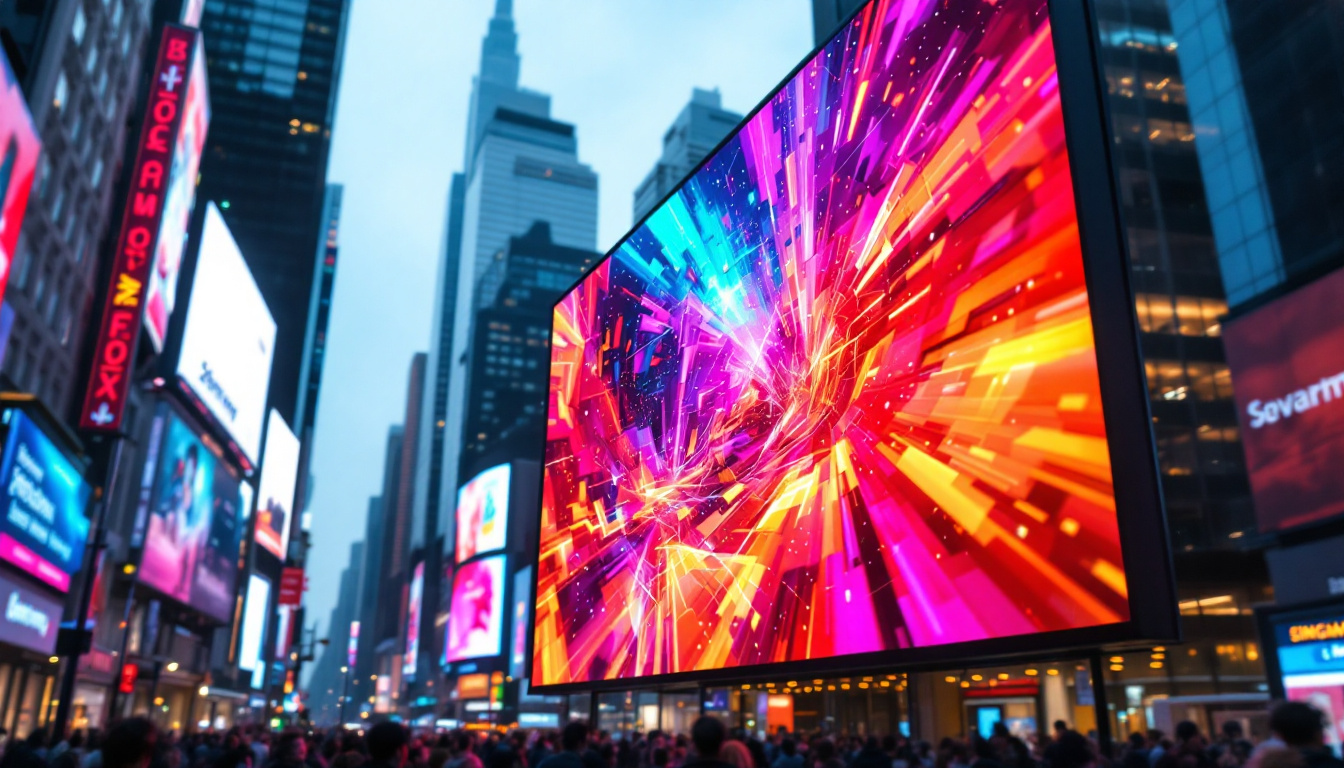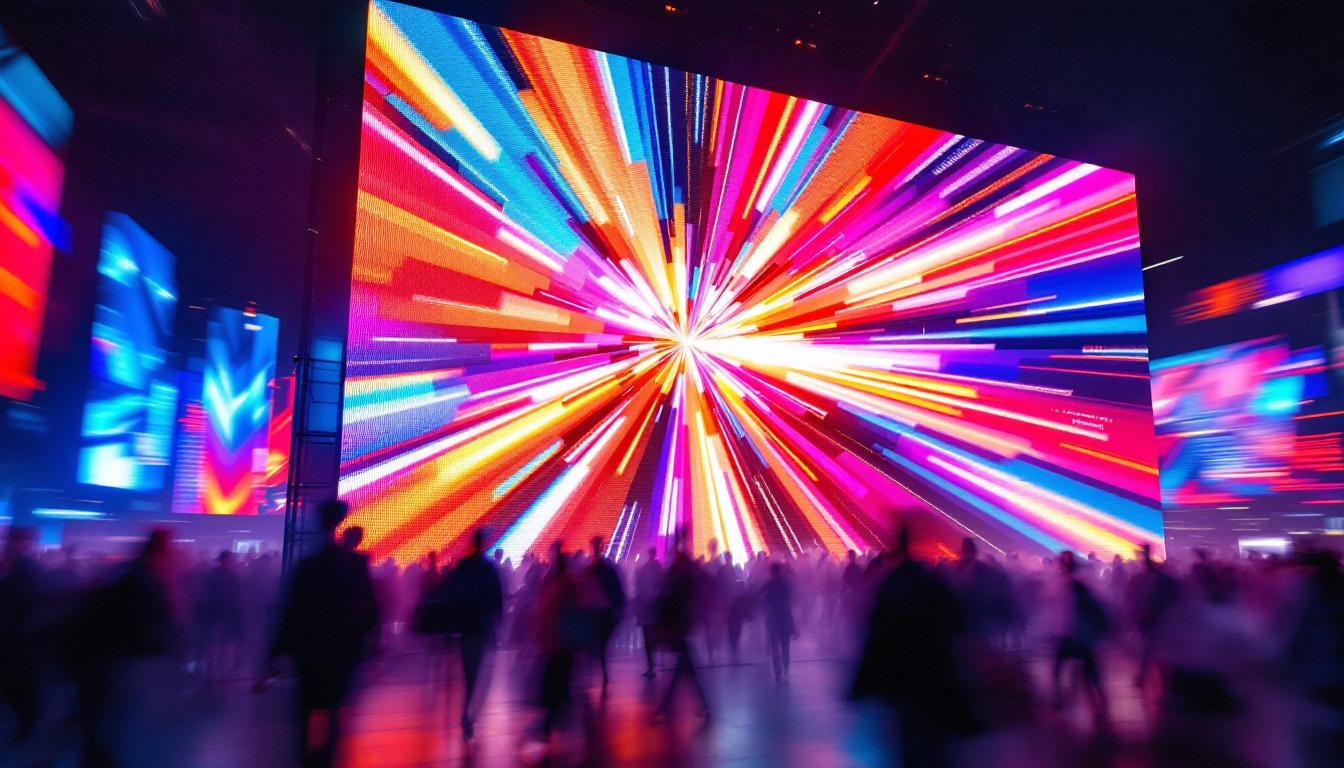
In today’s digital age, LED screens have become ubiquitous, transforming how information and visuals are presented across industries. From vibrant billboards in bustling city centers to immersive video walls in stadiums and sleek digital signage in retail stores, LED display technology is at the heart of modern visual communication. This article delves into the fundamentals of LED screen technology, explaining how LED displays work, their various types, applications, and the innovations shaping their future.
Understanding LED Screen Technology
What is an LED Display?
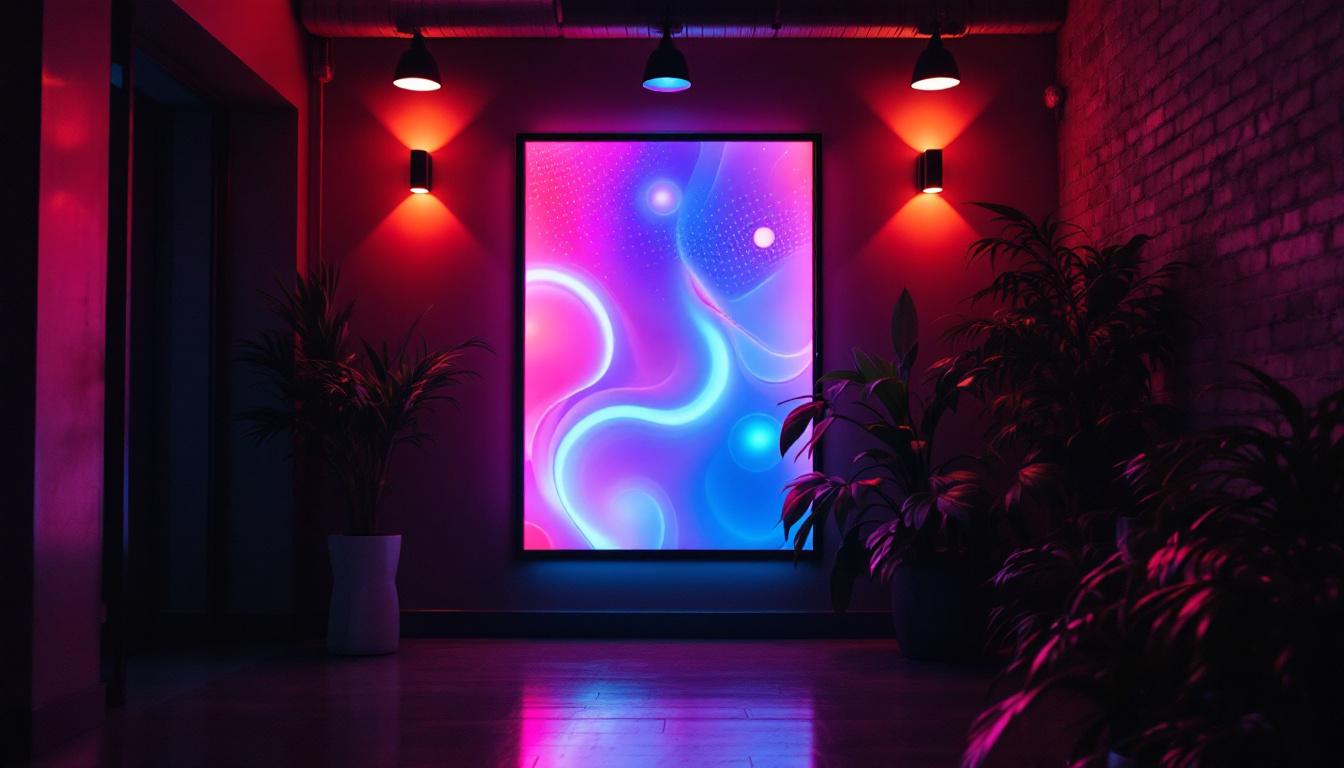
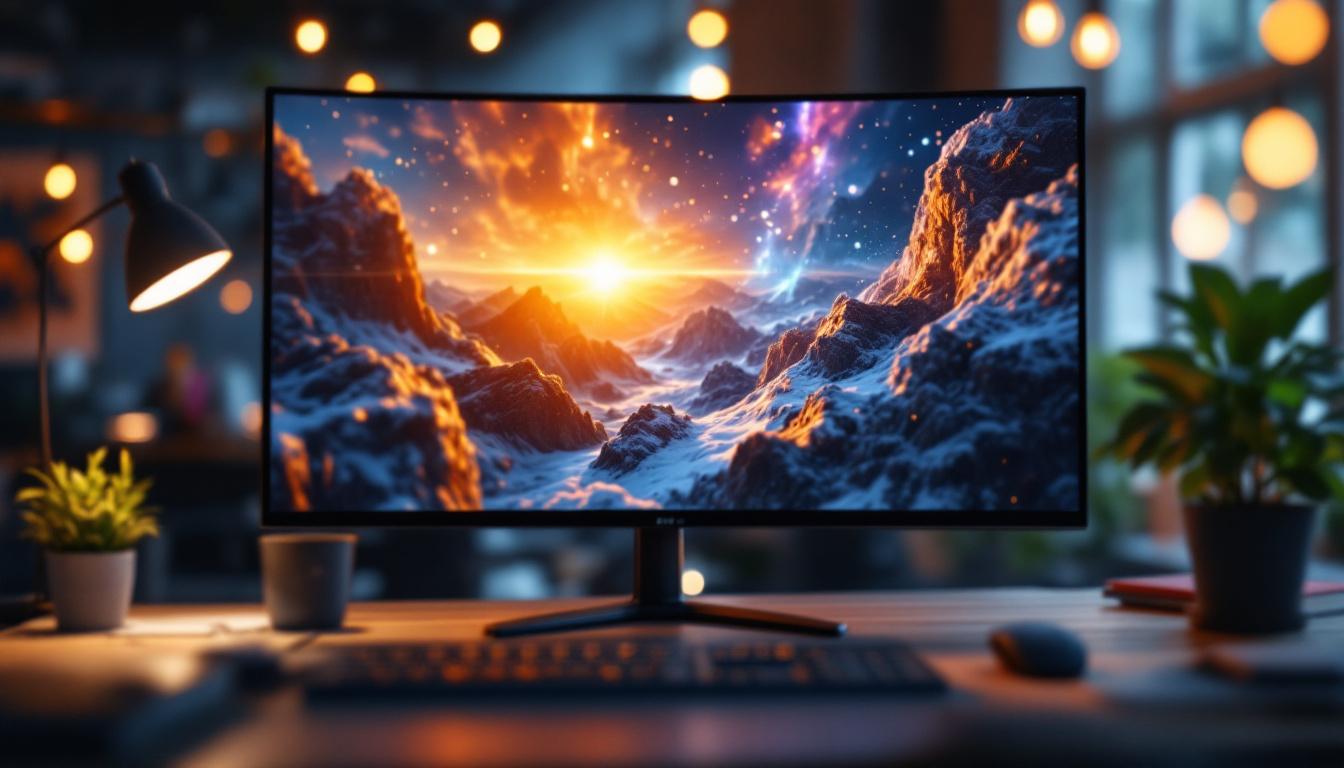
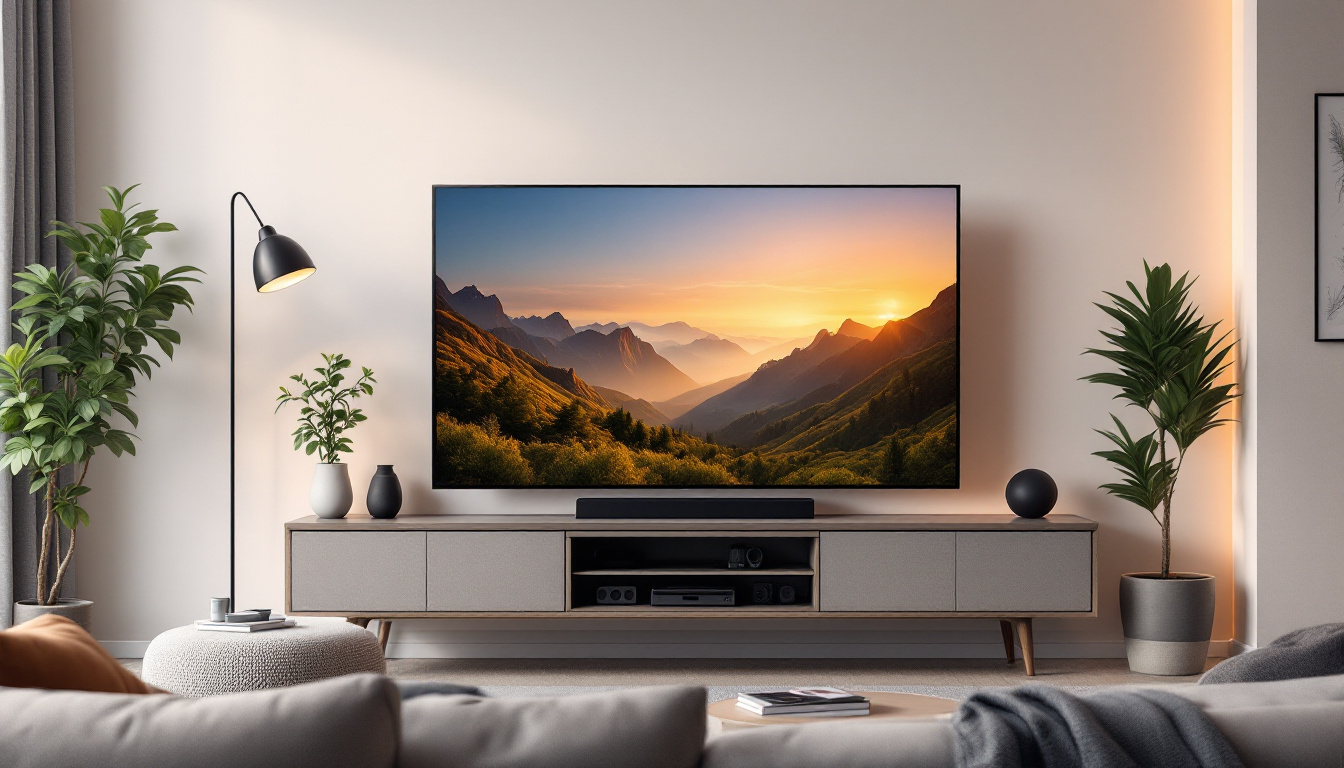
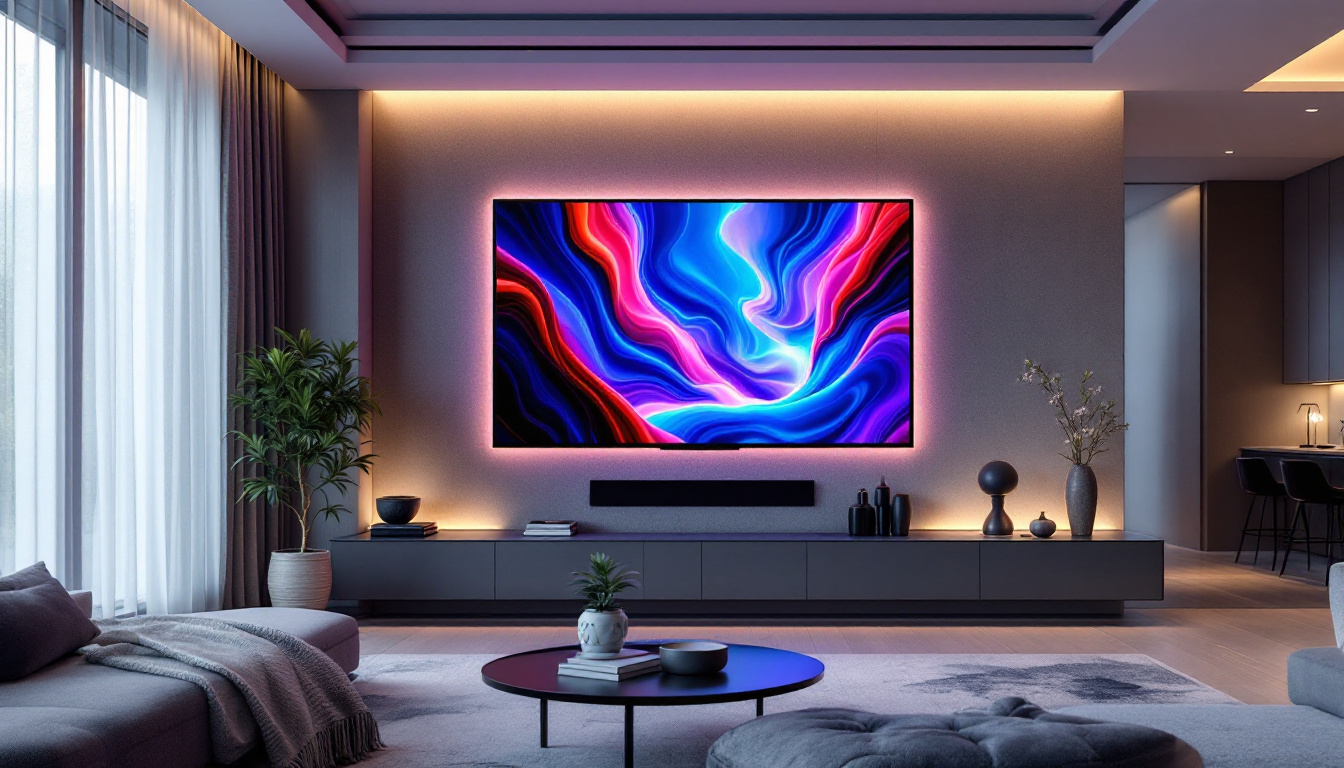
LED stands for Light Emitting Diode, a semiconductor device that emits light when an electric current passes through it. An LED display is a flat panel display that uses an array of these tiny LEDs as pixels to create images, videos, or text. Unlike traditional LCD or plasma screens, LED displays are self-illuminating, meaning each pixel emits its own light, resulting in higher brightness, better contrast, and improved energy efficiency.
LED displays can be configured in various sizes and resolutions, from small indoor screens to massive outdoor billboards. The core advantage lies in their modular design—individual LED modules can be combined seamlessly to form larger screens without compromising image quality. This flexibility allows for creative installations in diverse environments, including stadiums, concerts, and public spaces, where large-scale visuals can captivate audiences. Additionally, advancements in technology have led to the development of flexible LED displays that can be bent or shaped to fit unique architectural designs, opening up even more possibilities for innovative applications.
How Do LED Screens Work?
At the heart of LED screen technology is the principle of light emission through diodes. Each pixel on an LED screen typically consists of three sub-pixels: red, green, and blue (RGB). By varying the intensity of these sub-pixels, the screen can produce a wide spectrum of colors. This RGB system enables LED displays to render vivid and accurate colors, essential for high-quality visuals. Furthermore, some advanced LED displays utilize additional colors, such as white or yellow, to enhance color accuracy and expand the range of hues available for display.
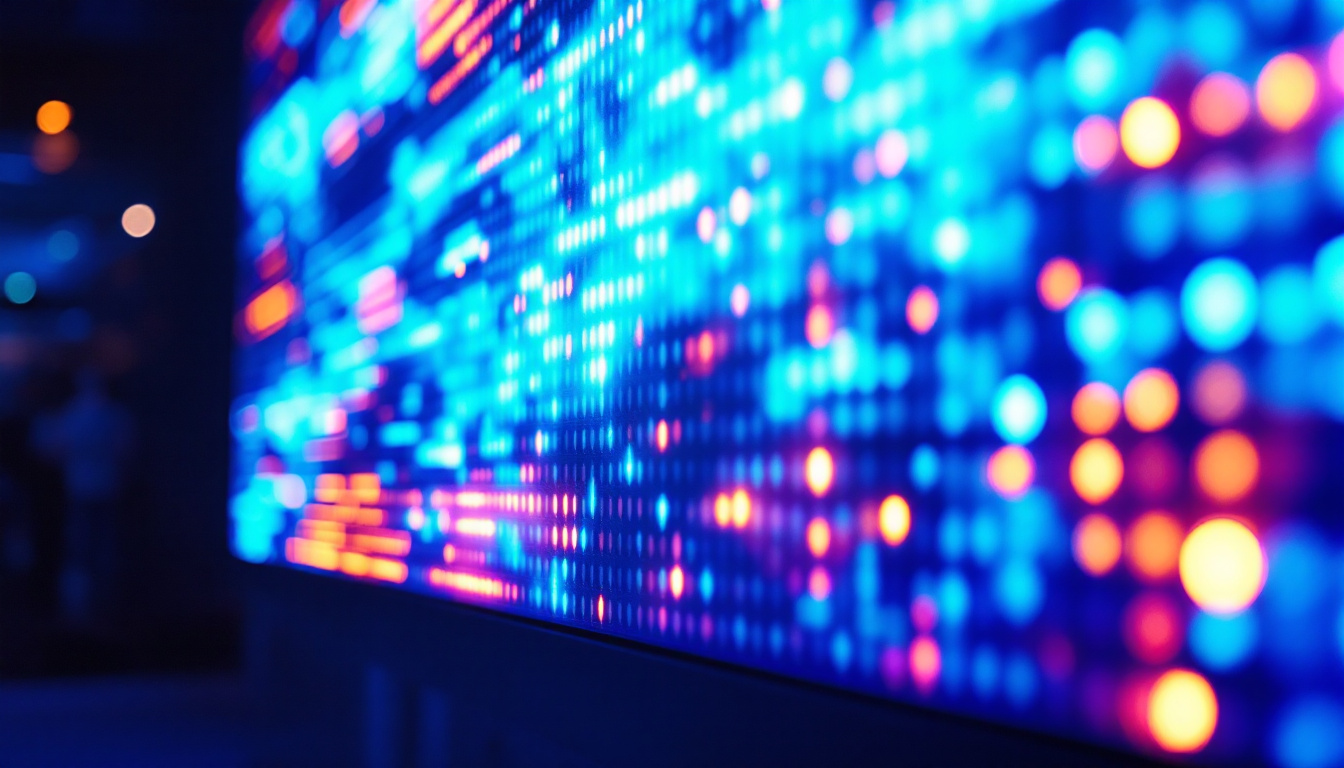
The LEDs are arranged in a grid pattern, and a controller processes the input video signal, instructing each LED how brightly to shine. This process happens thousands of times per second, creating smooth motion and dynamic images. Modern LED screens also incorporate sophisticated calibration and processing technologies to maintain color consistency and brightness uniformity across the entire display. Moreover, many LED displays are equipped with smart technology that allows for real-time adjustments based on environmental conditions, such as ambient light levels. This ensures optimal viewing experiences, whether in bright sunlight or dimly lit rooms, making LED screens versatile for various settings and applications.
Types of LED Displays
Indoor vs. Outdoor LED Displays
One of the primary distinctions in LED screen technology is between indoor and outdoor displays. Indoor LED screens are designed for environments with controlled lighting and are typically used in conference rooms, retail spaces, and entertainment venues. They feature smaller pixel pitches (the distance between individual LEDs), which allows for higher resolution and sharper images at close viewing distances.
Outdoor LED screens, on the other hand, need to withstand harsh weather conditions and direct sunlight. They are built with weatherproof materials and have much higher brightness levels—often exceeding 5,000 nits—to ensure visibility even in bright daylight. The pixel pitch for outdoor displays is generally larger, as these screens are viewed from greater distances.
Direct View LED vs. LED-Backlit LCD
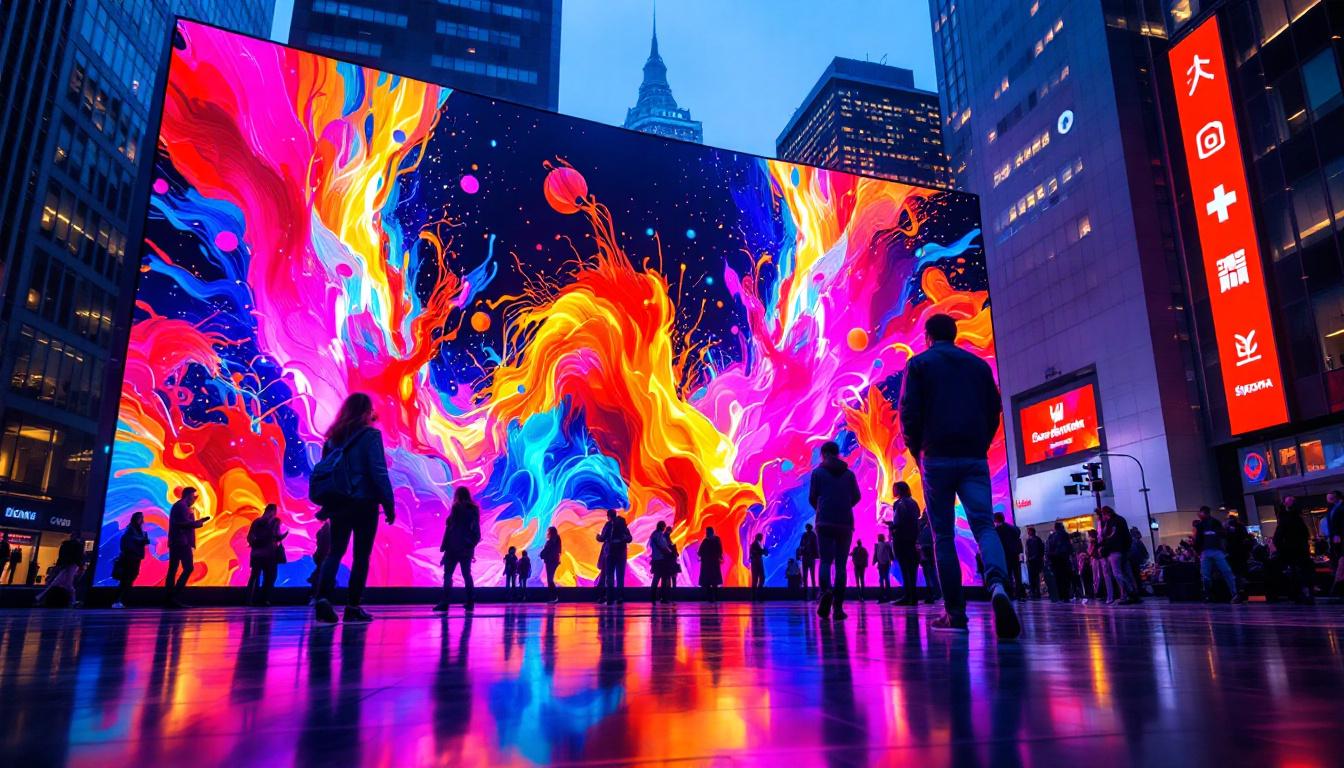
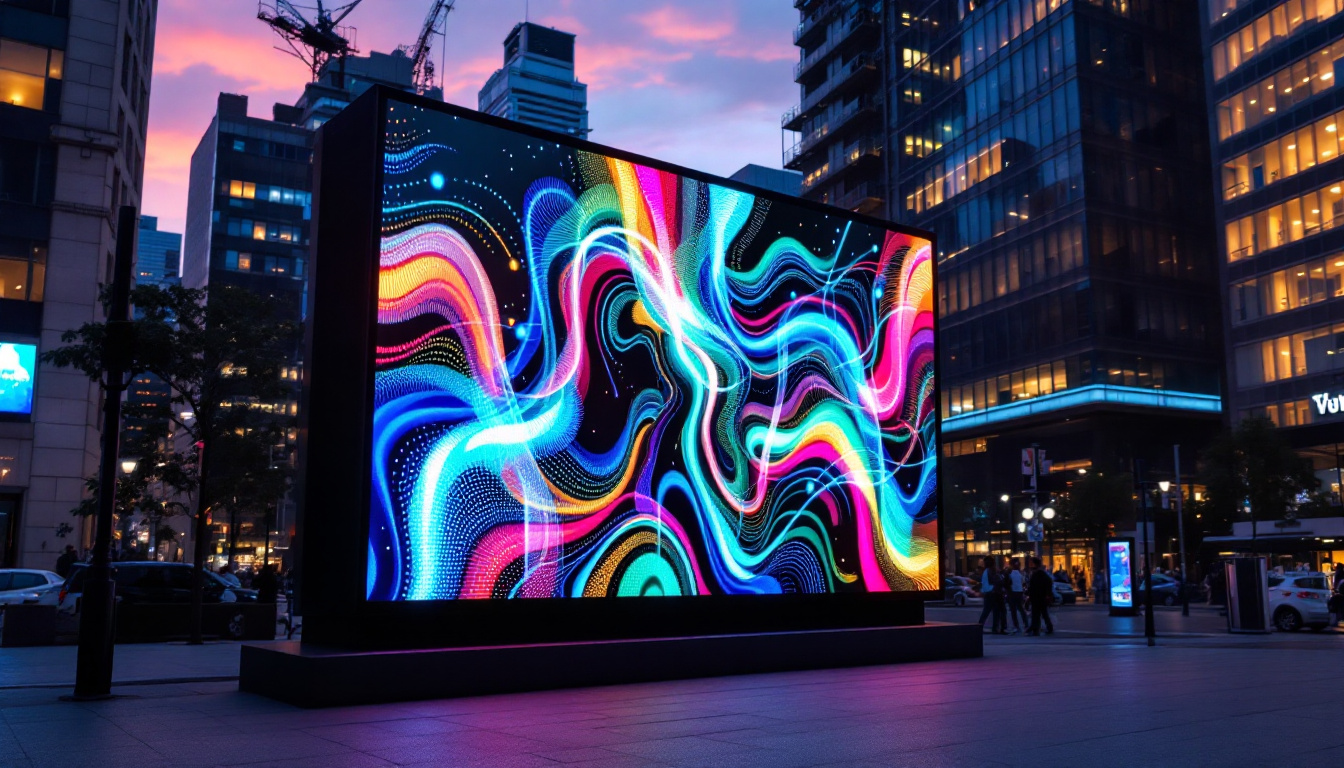
It’s important to distinguish between direct view LED displays and LED-backlit LCD screens. Direct view LED displays use LEDs as the actual pixels that create the image, offering superior brightness, contrast, and viewing angles. These are the large-scale LED walls seen in stadiums and public spaces.
Conversely, LED-backlit LCDs use LEDs only as a backlight source behind an LCD panel. While this technology improves energy efficiency and brightness over traditional CCFL-backlit LCDs, it does not offer the same level of contrast or color vibrancy as direct view LED displays.
MicroLED and MiniLED: The Next Generation
Emerging technologies like MicroLED and MiniLED are pushing the boundaries of LED display performance. MicroLED displays use microscopic LEDs as individual pixels, enabling ultra-high resolution, exceptional brightness, and perfect black levels without the risk of burn-in. This technology holds promise for next-generation TVs, smartphones, and augmented reality devices.
MiniLED, meanwhile, uses thousands of tiny LEDs as backlights for LCD panels, significantly enhancing contrast ratios and HDR performance compared to conventional LED-backlit LCDs. Both technologies represent significant advancements but are currently more expensive and complex to manufacture than traditional LED displays.
Applications of LED Screen Technology
Advertising and Digital Signage
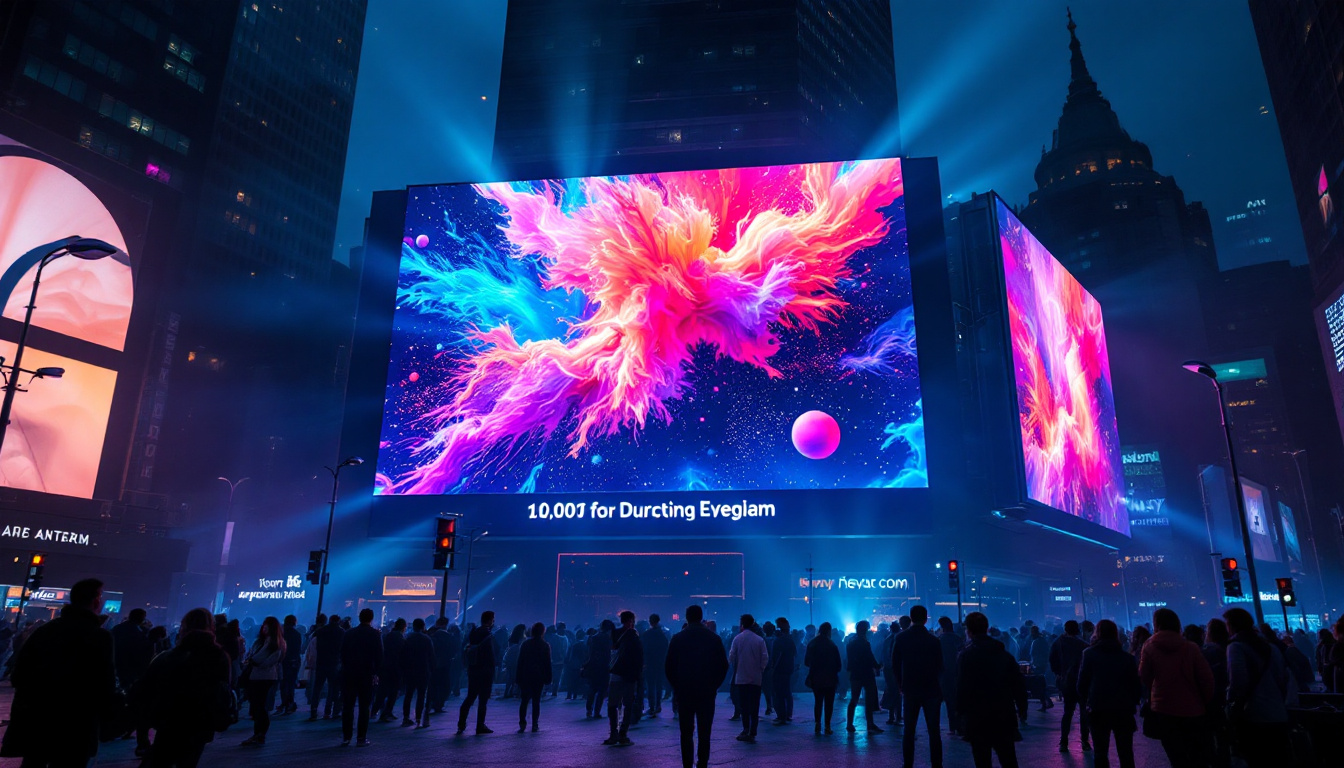
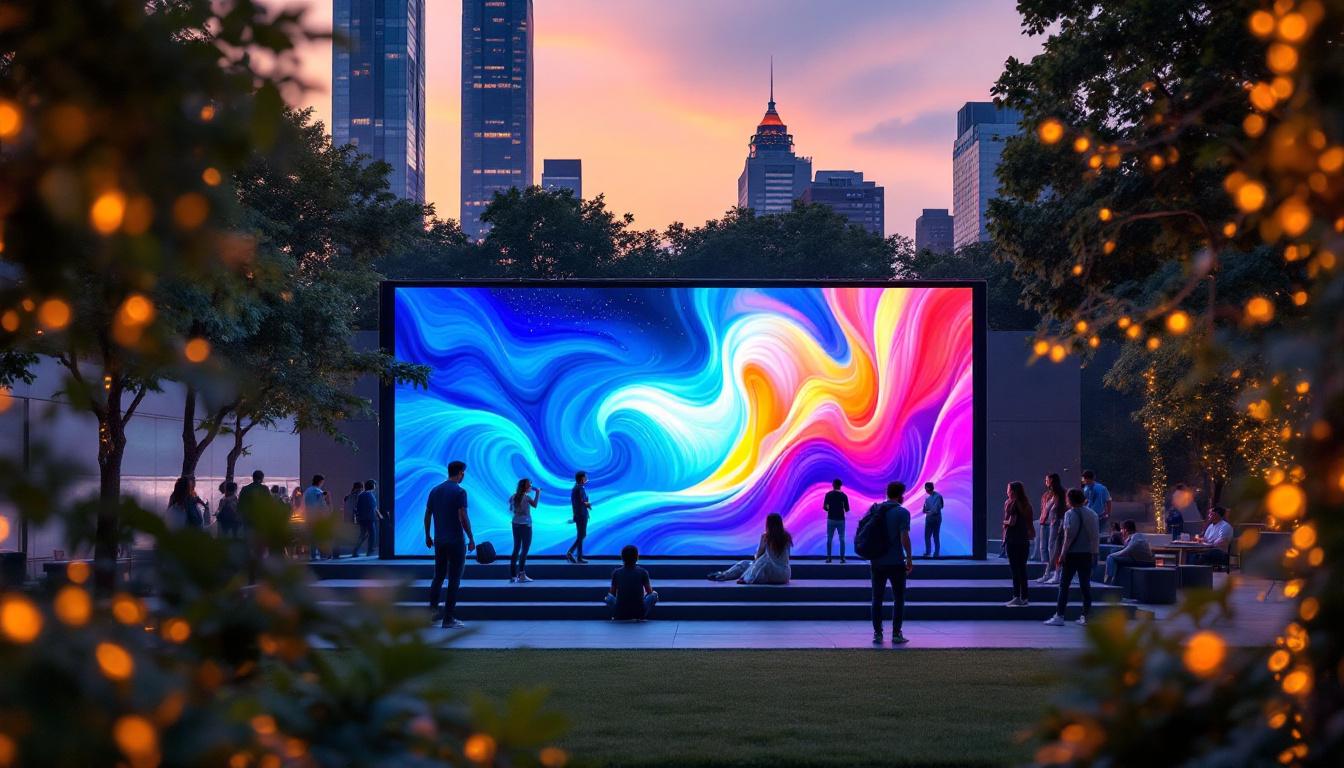
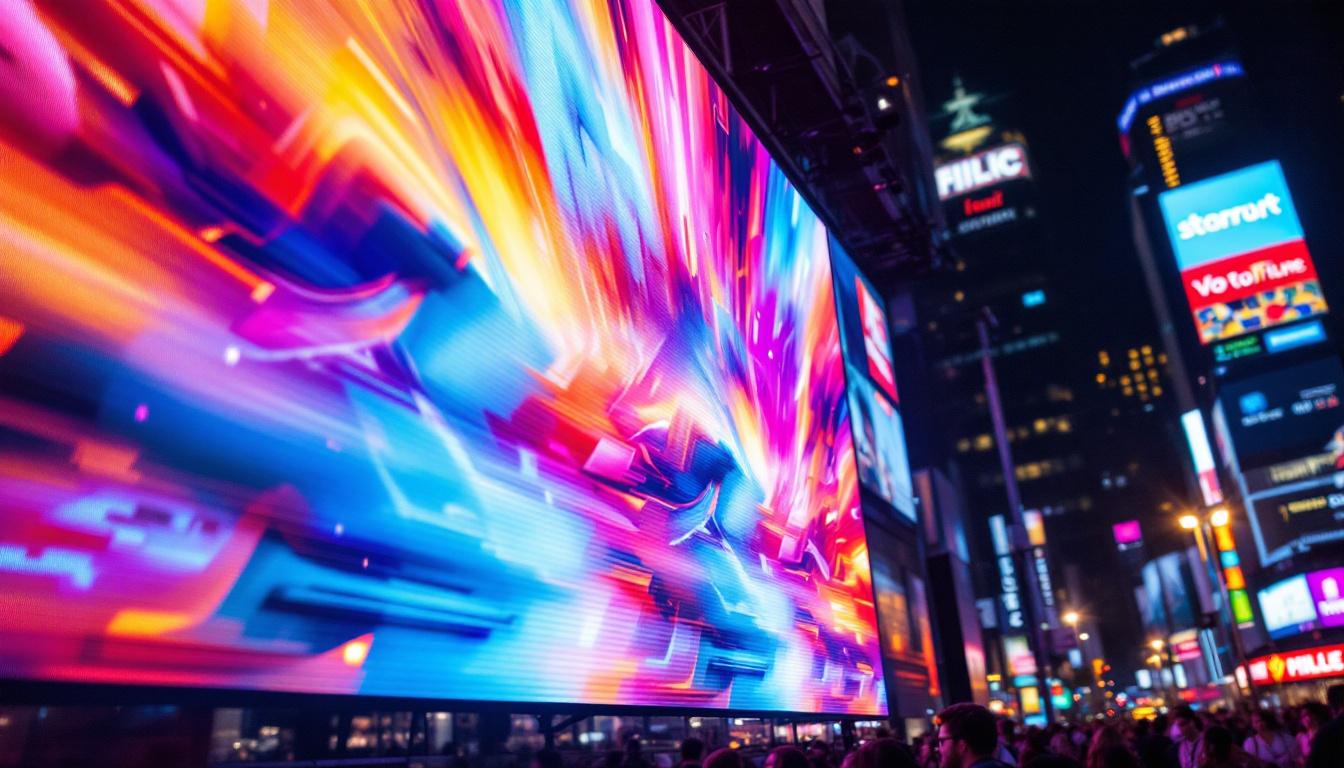
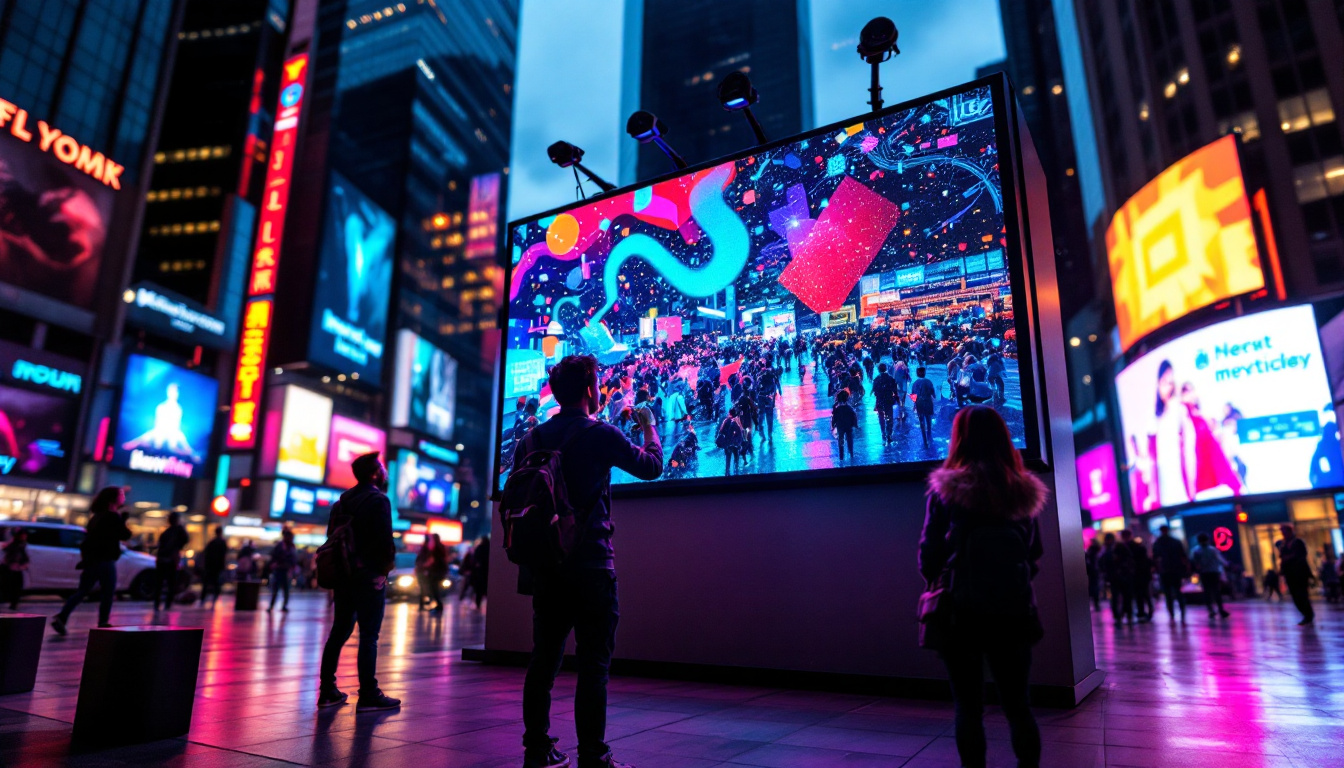
One of the most visible applications of LED screens is in advertising. LED billboards and digital signage have revolutionized outdoor advertising by enabling dynamic, eye-catching content that can be updated in real-time. According to a report by Grand View Research, the global digital signage market is expected to reach $32.84 billion by 2028, driven largely by the adoption of LED display technology.
Retailers use LED screens to attract customers, promote products, and enhance brand engagement. The ability to display high-resolution videos and animations makes LED signage far more engaging than static posters or banners. Moreover, the durability and energy efficiency of LED displays reduce operational costs over time.
Entertainment and Events
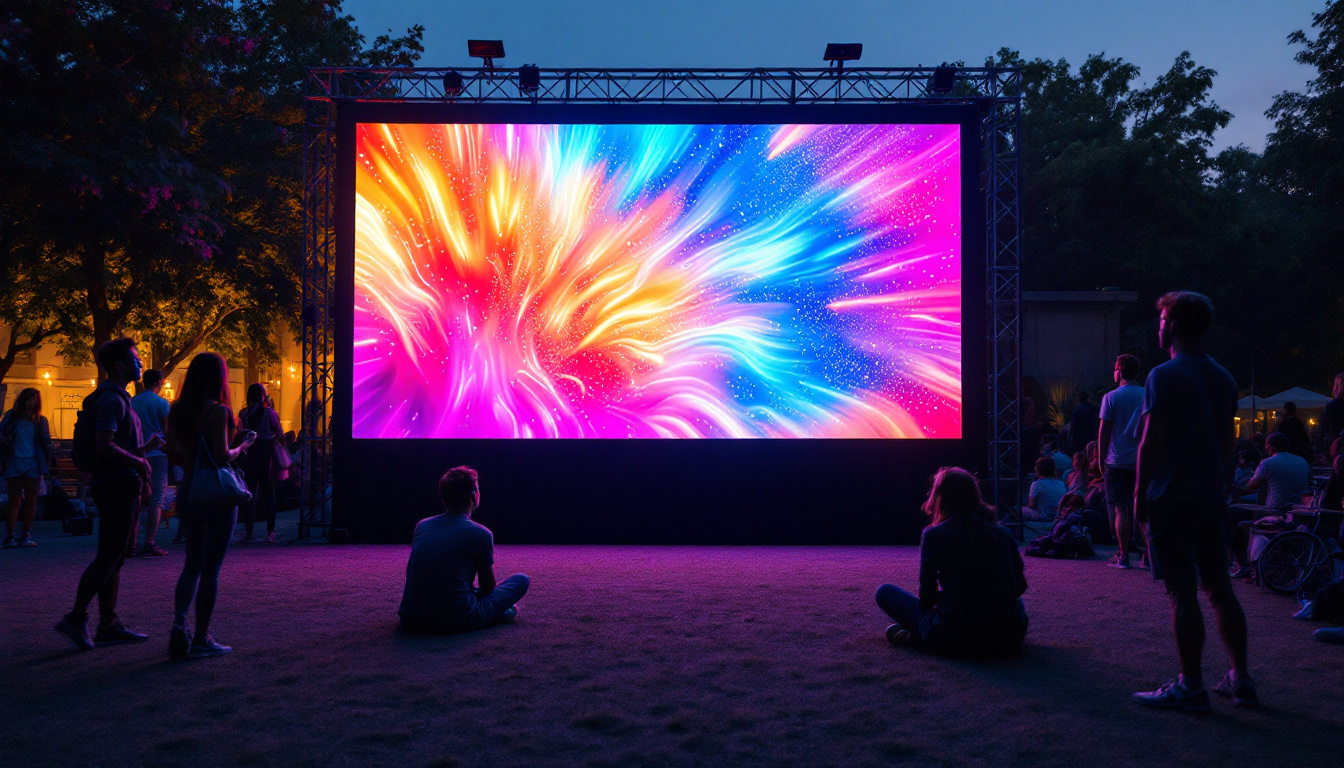
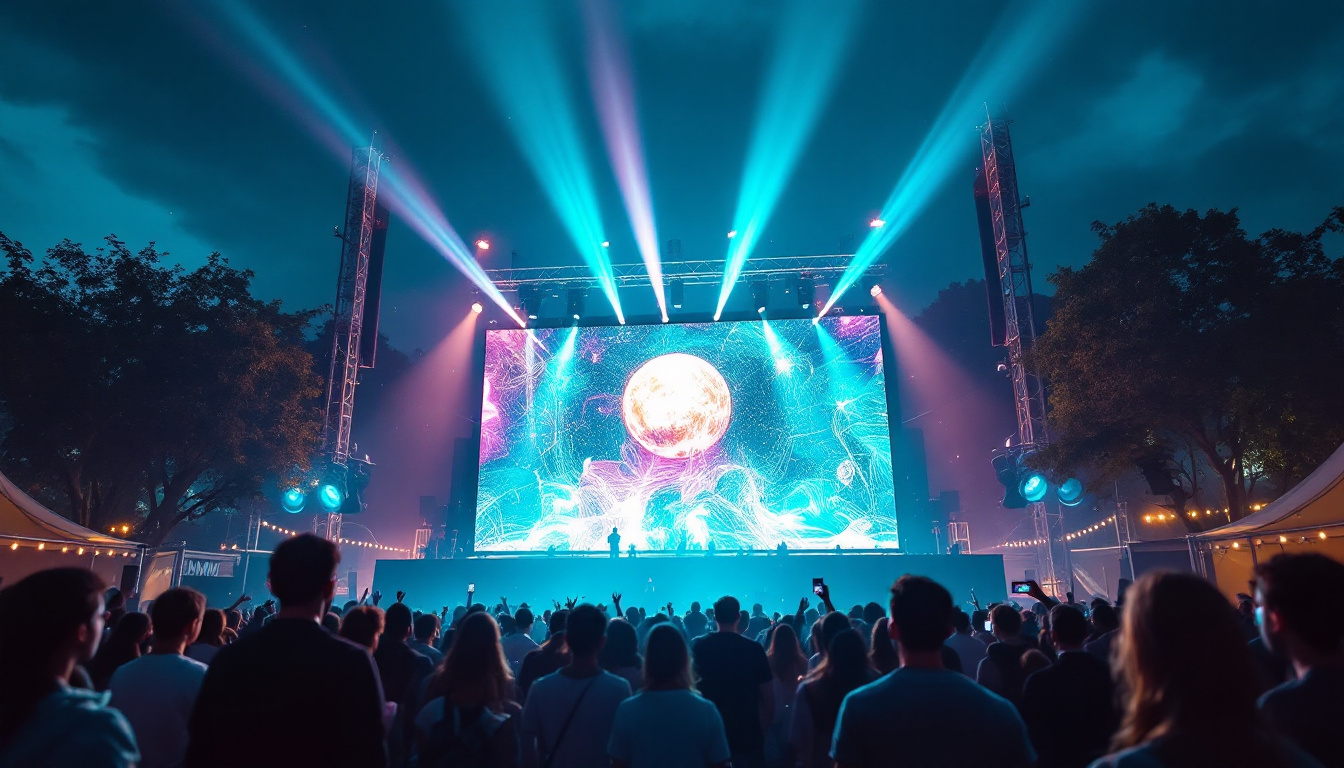
LED screens are a staple in the entertainment industry, from concert backdrops to sports arenas. Their scalability allows event organizers to create immersive visual experiences that can be tailored to any venue size. For instance, large-scale LED video walls can display live feeds, graphics, and interactive content, enhancing audience engagement.
Major events like the Olympics and music festivals rely heavily on LED technology to broadcast high-quality visuals to thousands of spectators simultaneously. The ability to withstand outdoor conditions and deliver vivid images even in daylight makes LED screens invaluable for such large gatherings.
Corporate and Educational Use
In corporate environments, LED displays are increasingly used for presentations, video conferencing, and digital collaboration. Their high resolution and brightness improve visibility and communication effectiveness in boardrooms and auditoriums.
Educational institutions also benefit from LED technology by integrating it into lecture halls and public spaces. Interactive LED displays facilitate dynamic teaching methods and enhance student engagement, supporting a more modern and effective learning environment.
Advantages of LED Display Technology
Superior Image Quality
LED screens offer outstanding image quality characterized by high brightness, vibrant colors, and deep contrast ratios. Unlike traditional display technologies, LEDs can achieve true blacks because individual pixels can be turned off completely, which enhances overall picture depth and realism.
Energy Efficiency and Longevity
LED displays consume significantly less power compared to other display technologies such as plasma or LCD with CCFL backlighting. This energy efficiency translates into lower operating costs and a smaller environmental footprint. Additionally, LEDs have a long lifespan, often exceeding 100,000 hours, reducing the need for frequent replacements and maintenance.
Flexibility and Scalability
The modular nature of LED screens allows for flexible installation in various shapes and sizes. Whether creating a curved video wall or a massive outdoor billboard, LED technology can be adapted to meet specific spatial and design requirements. This scalability is a key reason why LED displays are favored in diverse applications.
Challenges and Considerations in LED Screen Deployment
Cost and Installation Complexity
While LED technology offers numerous benefits, the initial investment can be substantial, especially for large or high-resolution installations. The cost of LED modules, controllers, and supporting infrastructure can be a barrier for some organizations.
Installation also requires technical expertise to ensure proper calibration, alignment, and weatherproofing (for outdoor screens). Poor installation can lead to uneven brightness, color inconsistencies, or premature hardware failure.
Pixel Pitch and Viewing Distance
Choosing the correct pixel pitch is critical to achieving optimal image quality. A smaller pixel pitch means higher resolution and better clarity at close viewing distances but comes at a higher cost. Conversely, a larger pixel pitch is suitable for long-distance viewing but may appear pixelated up close.
Understanding the intended use case and typical viewer distance is essential when selecting an LED display to balance cost and performance effectively.
Environmental Impact and Sustainability
Although LED displays are more energy-efficient than many alternatives, their production involves the use of rare earth materials and electronic components that require responsible sourcing and recycling. Manufacturers and users alike are increasingly focusing on sustainable practices to minimize environmental impact throughout the product lifecycle.
The Future of LED Screen Technology
Integration with AI and IoT
Advancements in artificial intelligence (AI) and the Internet of Things (IoT) are enabling smarter LED display systems. AI-powered content management can optimize what is shown on screens based on audience demographics, time of day, or environmental conditions, increasing engagement and advertising effectiveness.
IoT connectivity allows LED displays to be remotely monitored and controlled, facilitating maintenance and reducing downtime. These technologies collectively enhance the functionality and value proposition of LED screens.
Flexible and Transparent LED Displays
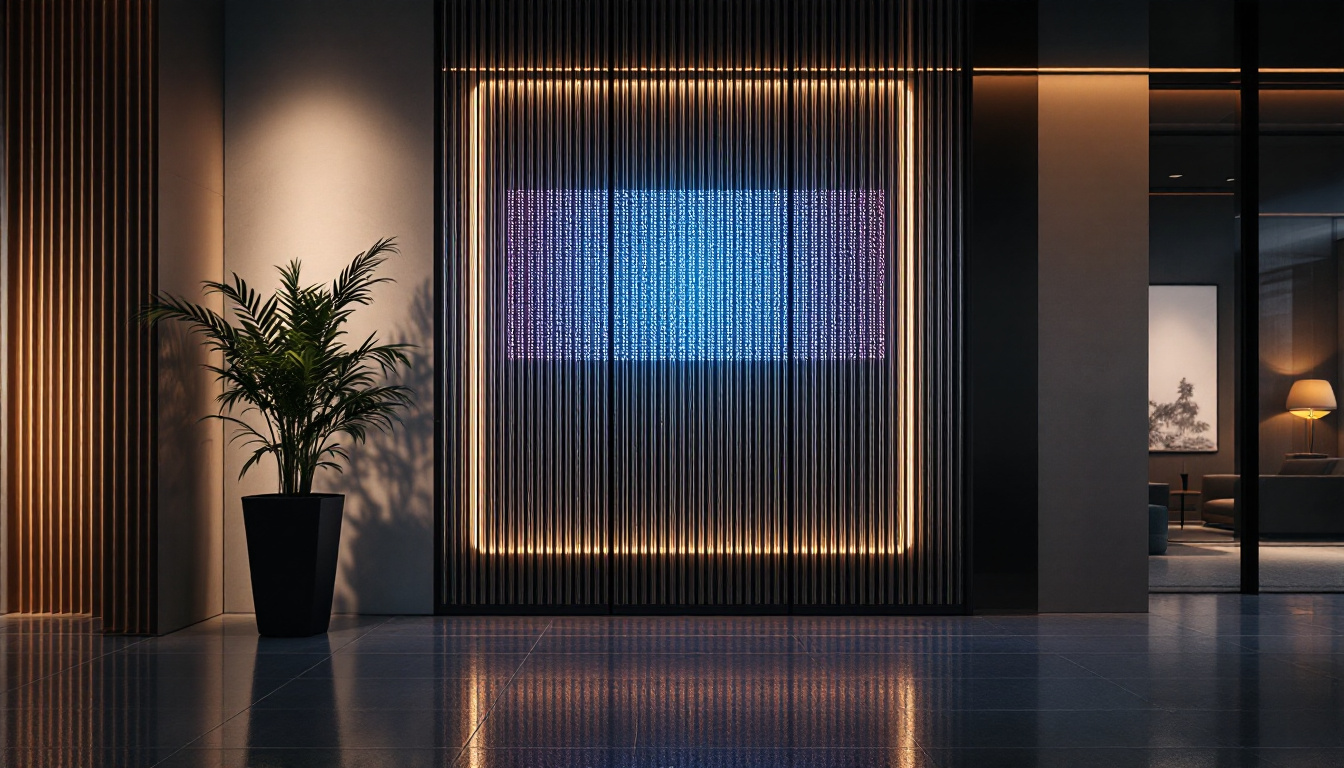
Innovations in materials science are leading to flexible and transparent LED displays that can be integrated into windows, curved surfaces, or wearable devices. These new form factors open up exciting possibilities for advertising, architecture, and consumer electronics, blending digital content seamlessly into everyday environments.
Higher Resolution and Miniaturization
As manufacturing techniques improve, LED displays will continue to achieve higher resolutions and smaller pixel pitches, rivaling or surpassing traditional display technologies in image fidelity. Miniaturization of LEDs will also enable more compact and energy-efficient devices, expanding the range of applications.
Conclusion
LED screen technology has revolutionized visual communication by offering unparalleled brightness, color accuracy, and versatility. Whether used for advertising, entertainment, corporate communication, or education, LED displays provide dynamic and engaging visual experiences. While challenges such as cost and installation complexity remain, ongoing innovations in microLED, AI integration, and flexible displays promise a vibrant future for this technology.
Understanding the fundamentals of LED displays, their types, and applications is essential for businesses and organizations looking to leverage this powerful medium. As LED technology continues to evolve, it will undoubtedly play an increasingly central role in shaping how people interact with digital content across the world.
Discover LumenMatrix’s Innovative LED Display Solutions
Ready to elevate your visual communication with the latest in LED technology? LumenMatrix is at the forefront of creating immersive and dynamic visual experiences. From Indoor and Outdoor LED Wall Displays to specialized solutions like Vehicle LED Displays, LED Sports Displays, and even Custom LED Displays, we have the expertise to bring your vision to life. Experience the future of digital signage with our All-in-One LED Displays and LED Transparent Displays, designed to captivate your audience and amplify your message. Check out LumenMatrix LED Display Solutions today and see how we can transform your space with unparalleled brightness, color accuracy, and versatility.